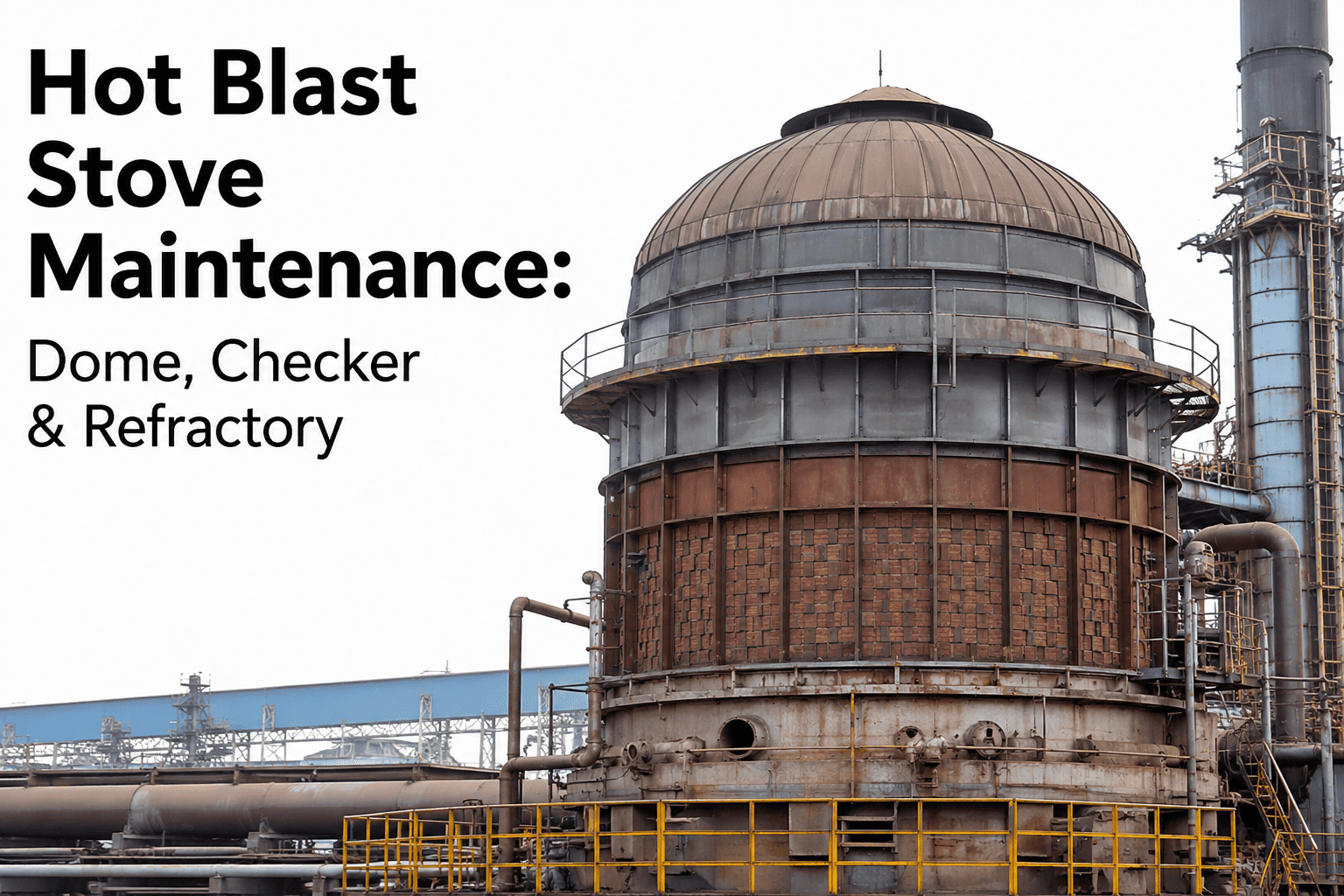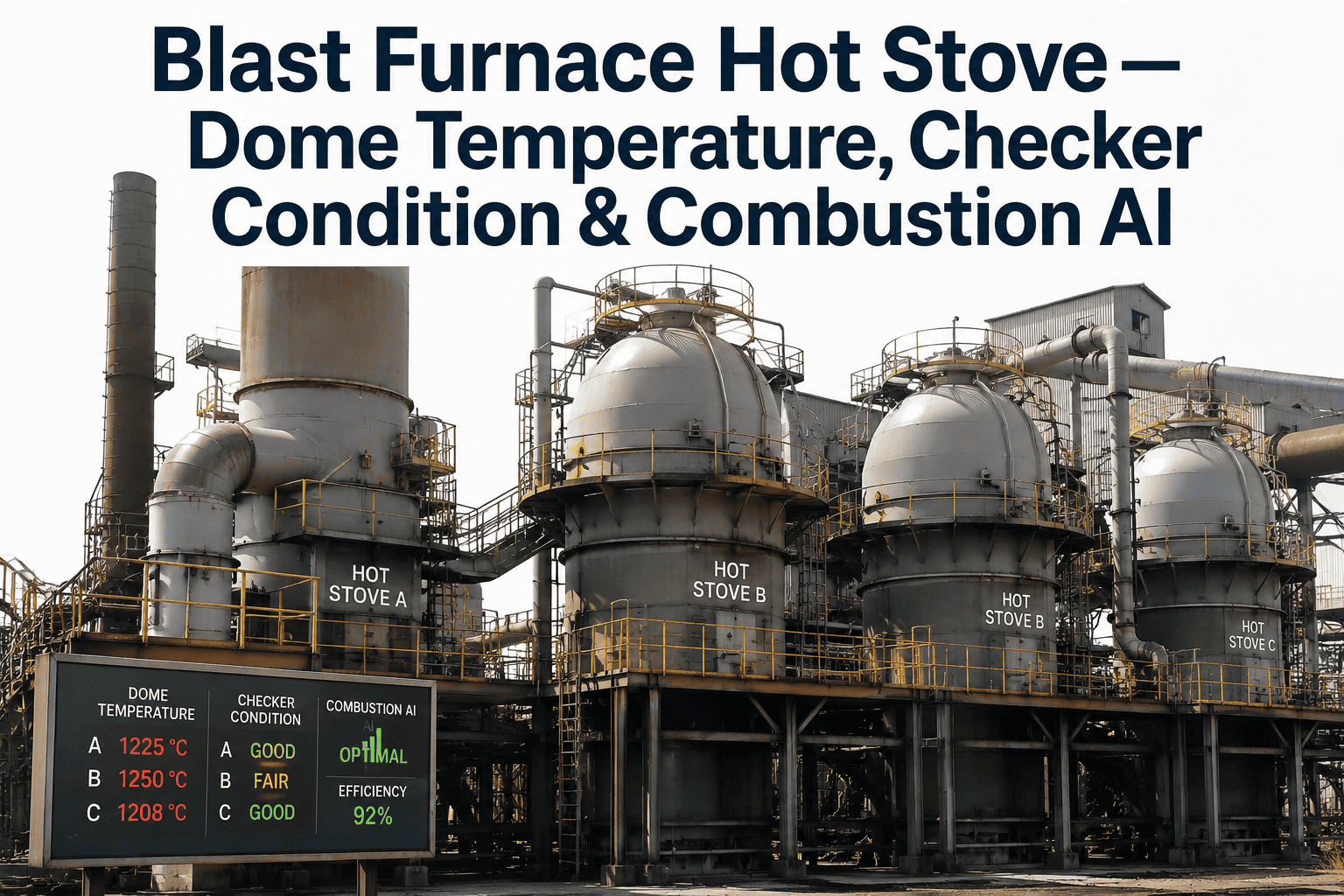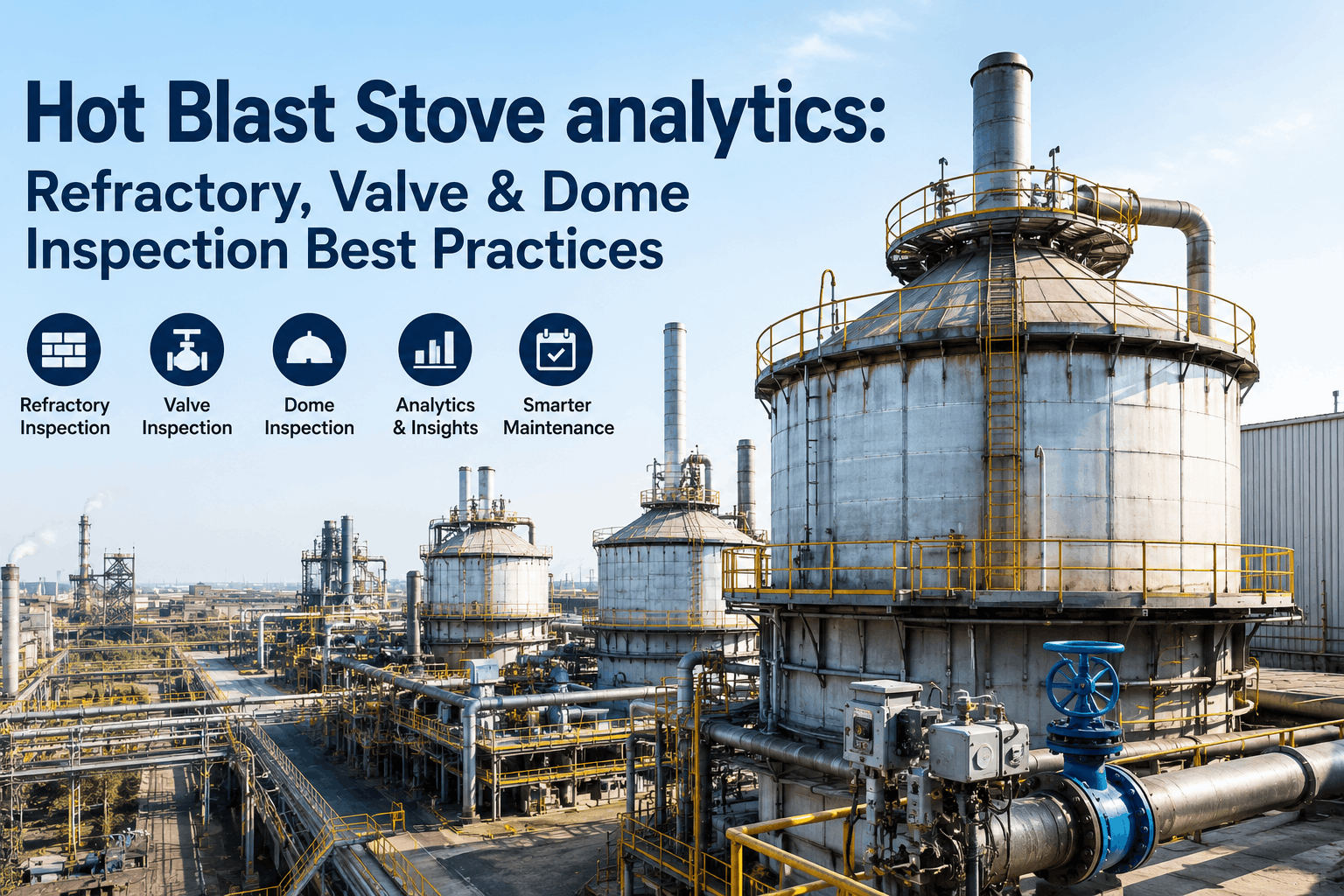
The hot blast stove (Cowper stove) is the thermal engine of the blast furnace. Operating under extreme cyclical stress—transitioning between high-temperature "on-gas" combustion and high-pressure "on-blast" discharging—the refractory dome, checker bricks, and critical water-cooled valves undergo severe degradation. When a hot blast valve fails to seat properly or the dome silica refractory begins to spall, the entire ironmaking process suffers from reduced blast temperatures and massive thermal energy waste. Traditional calendar-based maintenance and manual thermal inspections are no longer sufficient to manage these complex thermodynamic assets. Organizations that book a demo with iFactory are discovering how AI-driven cycle optimization, digital PM scheduling, and real-time valve stroke analytics can push hot blast temperatures higher while extending the structural life of the stove by years.
Optimize Hot Blast Temperatures with Predictive Stove Analytics
iFactory's AI-driven platform delivers real-time cycle optimization, digital refractory inspection workflows, and valve condition monitoring—ensuring maximum thermal efficiency and asset integrity.
Why Hot Blast Stove Performance Requires AI-Driven Condition Monitoring
A typical blast furnace relies on a staggered configuration of three or four hot blast stoves to maintain a continuous, high-temperature air blast (often exceeding 1200°C). These regenerative heaters are massive investments, filled with thousands of tons of complex checker bricks. Over decades of operation, the continuous thermal cycling causes checker brick settling, silica refractory creep, and "Intergranular Stress Corrosion Cracking" (IGSCC) in the steel shell. Furthermore, the massive hot blast and combustion valves must actuate perfectly hundreds of times a week. When a valve seat wears or a hydraulic actuator becomes sluggish, high-pressure blast air leaks back into the gas network—a catastrophic waste of compression energy and a significant safety hazard.
Relying on reactive maintenance for stoves leads to irreversible refractory damage and depressed blast temperatures, forcing the blast furnace to consume vastly more expensive metallurgical coke to compensate for the lost heat. By digitizing inspection rounds, integrating shell thermography, and tracking micro-deviations in valve actuation times, iFactory creates a predictive health model for the entire stove battery. This allows plant managers to schedule valve replacements precisely and optimize combustion gas mixtures dynamically. Utilities teams looking to stabilize their hot blast temperatures frequently schedule an initial consultation to map their existing PLC data into our predictive models.
Hot Blast Valve Failure
Valve seats degrade due to thermal stress and dust. AI tracks millisecond delays in stroke times to predict sticking and hydraulic seal degradation before total failure.
Dome Refractory Spalling
Extreme combustion temperature fluctuations damage the silica dome. Our platform correlates dome thermocouple data with burner fuel ratios to prevent thermal shock.
Checker Brick Settling
Prolonged high-temperature "creep" causes the internal brick matrix to compact, increasing pressure drop. Analytics track the blast pressure delta to map internal settling.
Inefficient Cycle Timing
Static timer-based cycling wastes gas or underheats the stove. AI dynamically calculates the exact saturation point of the checker mass to optimize changeover times.
What a Comprehensive Hot Blast Stove Analytics System Must Cover
Optimizing a stove battery requires moving beyond simple setpoint alarms. It demands an integrated architecture that captures mechanical valve health, thermodynamic efficiency, and long-term structural integrity. iFactory’s suite processes high-frequency valve actuation data, continuous thermographic shell data, and complex combustion exhaust chemistry to create a unified "Stove Digital Twin." Maintenance directors looking to transition from reactive repairs to predictive servicing often book a demo to see how this digital twin integrates directly with their CMMS.
Module 1 — Dynamic Cycle & Combustion Optimization
Traditional stoves operate on fixed time cycles (e.g., 60 minutes on-gas, 60 minutes on-blast) or simple dome temperature thresholds. This often results in the stove being taken "off-gas" before the lower checker bricks are fully saturated, or wasting gas after thermal capacity is reached. iFactory uses thermodynamic modeling to analyze the exhaust gas temperature and dome heat absorption rate in real-time. By optimizing the air-to-fuel ratio and dynamically triggering the changeover sequence precisely when thermal saturation peaks, plants achieve significantly higher straight-line blast temperatures.
Module 2 — Valve Actuation & Condition Guard
A single stove cycle requires the precise sequencing of hot blast, cold blast, chimney, and burner valves. If a hot blast valve is slow to close, it creates a dangerous mixed-gas situation and erodes the valve seat. iFactory captures high-frequency hydraulic pressure, limit switch timing, and motor current data during every cycle changeover. By establishing a "Golden Stroke Signature" for each valve, the AI detects micro-deviations (such as sluggish hydraulic cylinders or mechanical binding) weeks before the valve fails to seat.
Module 3 — Digital Inspections & Shell Integrity Tracking
Managing refractory health requires consistent, standardized inspections. iFactory replaces paper checklists with a mobile Digital Inspection application. Technicians log thermographic camera readings of the steel shell, acoustic checks for internal gas leaks, and visual inspections of expansion joints directly into the app. The AI correlates these localized shell hot-spots with internal pressure data to accurately map refractory degradation, allowing for highly targeted gunning repairs rather than blind relines.
Upgrading from Calendar Maintenance to Condition-Based Digital Inspections
Hot blast valves and ceramic burners are not "run-to-failure" components. However, servicing them too early wastes significant capital and induces unnecessary downtime. The gap lies in the inspection methodology. When maintenance routines rely on subjective manual checks, subtle degradations—like a minor shift in a valve limit switch or a slow localized heating of the stove shell—are missed. iFactory’s platform forces a structured, data-driven approach. By linking digital inspection checklists with automated SCADA analytics, maintenance teams build a continuous health history for every flange, expansion joint, and valve actuator. Teams looking to standardize their shift rounds frequently book a demo to explore our mobile inspection interface.
Correlating Thermography with Process Data
A hot spot on the stove shell indicates refractory failure, but identifying the root cause requires context. iFactory’s system allows technicians to upload FLIR thermographic images during their rounds. The AI automatically cross-references these hot spots with historical dome temperature spikes and pressure transients. If a hot spot correlates with a recent period of high-combustion pulsation, it indicates localized refractory damage rather than general wear, enabling hyper-targeted repairs during the next short stop.
| Maintenance Area | Traditional Approach | iFactory Digital PM Approach | Operational Outcome |
|---|---|---|---|
| Cycle Changeovers | Fixed timers or manual operator intervention | Dynamic AI thermodynamic saturation modeling | Maximized thermal efficiency & higher blast temps |
| Valve Condition | Replaced during major relines or when stuck | Millisecond stroke timing & hydraulic pressure profiling | Zero unplanned valve failures; targeted rebuilds |
| Shell Inspection | Paper logs; subjective visual checks | Mobile app with thermographic image integration | Early detection of IGSCC and refractory hot spots |
| Combustion Tuning | Static air/gas ratio based on theoretical charts | Dynamic ratio tuning based on exhaust O2/CO metrics | Eliminated secondary combustion in the chimney |
| Dome Temperature | Reactive alarms leading to sudden gas cuts | Predictive ramp-rate control to avoid thermal shock | Extended life of critical silica dome refractory |
Deploying a Scalable Hot Blast Stove Analytics Strategy
Modernizing a stove battery does not require replacing the entire Level-1 automation system. iFactory utilizes a phased deployment model that begins with digitizing manual rounds and analyzing existing SCADA data, progressing toward fully automated cycle optimization. This scalable approach allows plants to prove ROI rapidly—often by identifying a single sluggish valve or optimizing a single burner—before expanding the footprint. Facilities planning their next stove campaign often book a demo to align our deployment tiers with their existing upgrade roadmaps.
Mobile Inspections & Tracking
Digitizing rounds & shell integrity
- Mobile app for standardized visual and acoustic checks
- Thermographic image logging and hot-spot tracking
- Digital PM scheduling for expansion joints and hydraulics
- Centralized dashboard for stove shell health
High-Frequency Mechanical Analytics
Predictive mechanical health
- Millisecond limit-switch and stroke timing analysis
- Hydraulic pressure drop profiling during changeovers
- Predictive alerts for sluggish cylinders or sticking seats
- Cooling water delta-T monitoring for valve leak detection
Thermodynamic Combustion AI
Total thermal efficiency
- Dynamic staggered/parallel cycle changeover optimization
- Burner air/gas ratio optimization via exhaust analysis
- Checker brick heat saturation and pressure drop mapping
- Predictive dome temperature ramp control
Quantifying the Impact of Predictive Stove Management
In ironmaking, blast temperature is directly correlated to coke consumption. For every 10°C increase in sustained hot blast temperature, the furnace can significantly reduce its coke rate—saving millions of dollars annually. iFactory’s analytics suite targets this specific metric by ensuring the stoves are structurally sound, the valves transition without leakage, and the thermodynamic cycles capture maximum heat. The performance metrics below illustrate the typical operational improvements achieved when a facility moves from manual stove management to an AI-integrated predictive framework.
Hot Blast Stove Analytics — Frequently Asked Questions
How does cycle optimization improve blast temperature?
Fixed timers ignore the varying calorific value of blast furnace gas. iFactory calculates the actual thermal saturation of the checker bricks in real-time. By switching the stove "on-blast" precisely when thermal capacity is reached, it ensures a higher, more consistent straight-line blast temperature without wasting gas.
What is valve stroke analytics?
A healthy valve takes a specific amount of time to open and close. As seals degrade or hydraulic cylinders leak, this stroke time deviates by milliseconds. iFactory tracks these micro-deviations over thousands of cycles to predict when a valve will stick or fail to seat completely.
Can the system detect checker brick settling?
Yes. As bricks degrade and settle, the internal void space decreases, increasing the pressure drop across the stove. By correlating the blast volume with the differential pressure from dome to chimney, the AI maps the rate of internal refractory compaction over time.
How are digital inspections better than paper logs?
Paper logs rely on subjective memory. iFactory’s mobile app forces standardized checks, integrates directly with FLIR thermography, and alerts technicians immediately if a measured value (like shell temperature) violates historical trends, ensuring no degradation is missed.
Why is dome temperature control so critical?
The dome is often lined with silica refractory, which undergoes severe volume changes during phase transitions if temperature fluctuates too rapidly (thermal shock). iFactory predicts and controls heating ramp rates to prevent spalling and structural collapse of the dome.
Does the system help with combustion pulsation?
Yes. Pulsation in the ceramic burner causes severe vibration and damages the stove shell. The AI analyzes exhaust gas chemistry and pressure transients to dynamically optimize the air/gas ratio, stabilizing the flame front and eliminating destructive pulsation.
How does it handle staggered parallel operations?
For plants using staggered parallel cycling (where two stoves are on-blast simultaneously), the thermodynamic model dynamically balances the cold blast mixing valve to maintain a perfectly flat blast temperature line, minimizing thermal stress on the hot blast main.
How difficult is it to integrate valve timing data?
It is highly scalable. The platform reads the exact limit-switch timestamps already present in your Level-1 PLC via OPC-UA. No new mechanical sensors are required to begin tracking valve stroke degradation.
Maximize Blast Temperatures with Predictive Stove Analytics
iFactory's AI-driven platform delivers real-time thermodynamic cycle optimization, predictive valve health monitoring, and digital inspection workflows—built for ironmaking teams ready to stop wasting gas and start protecting their critical refractory assets.