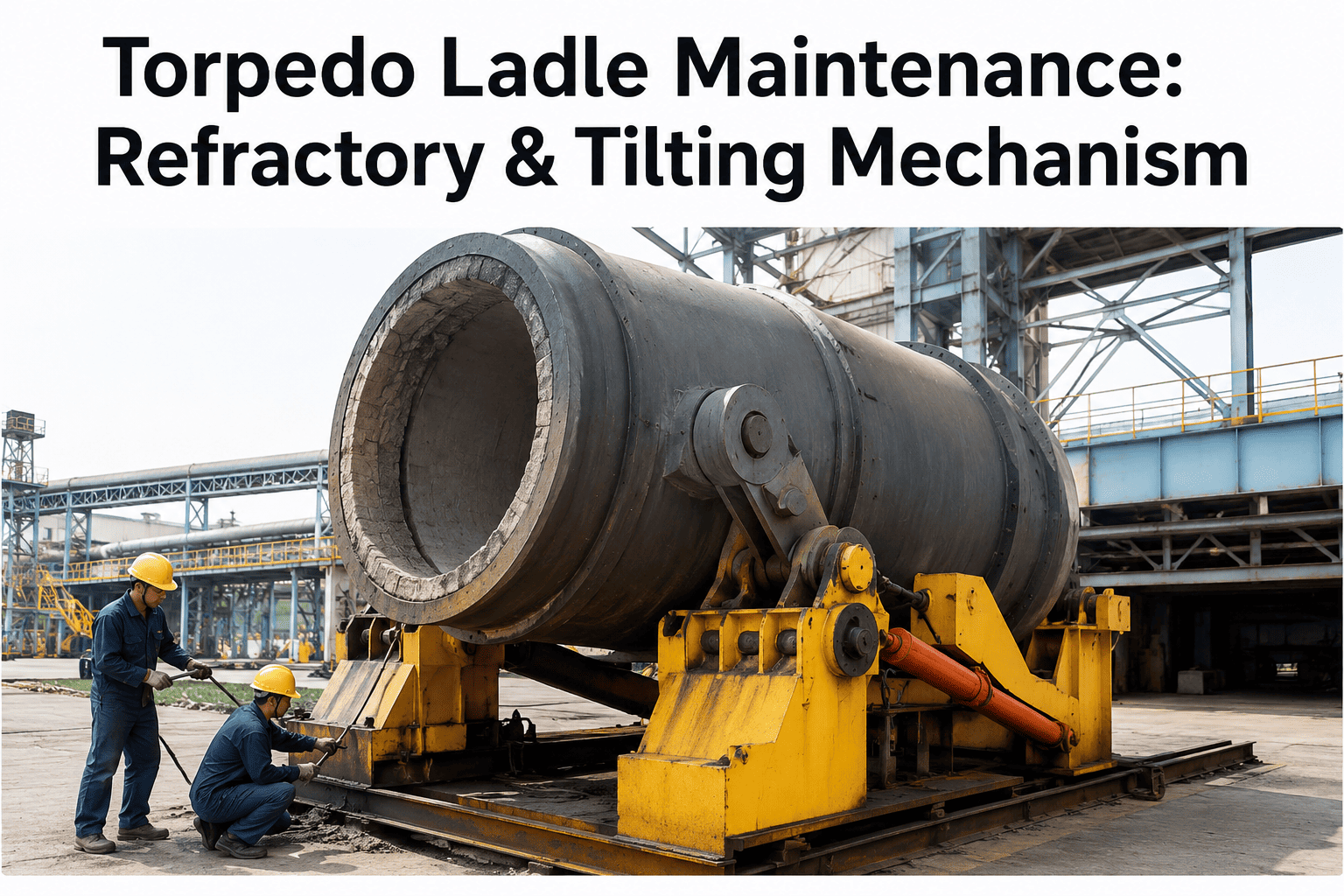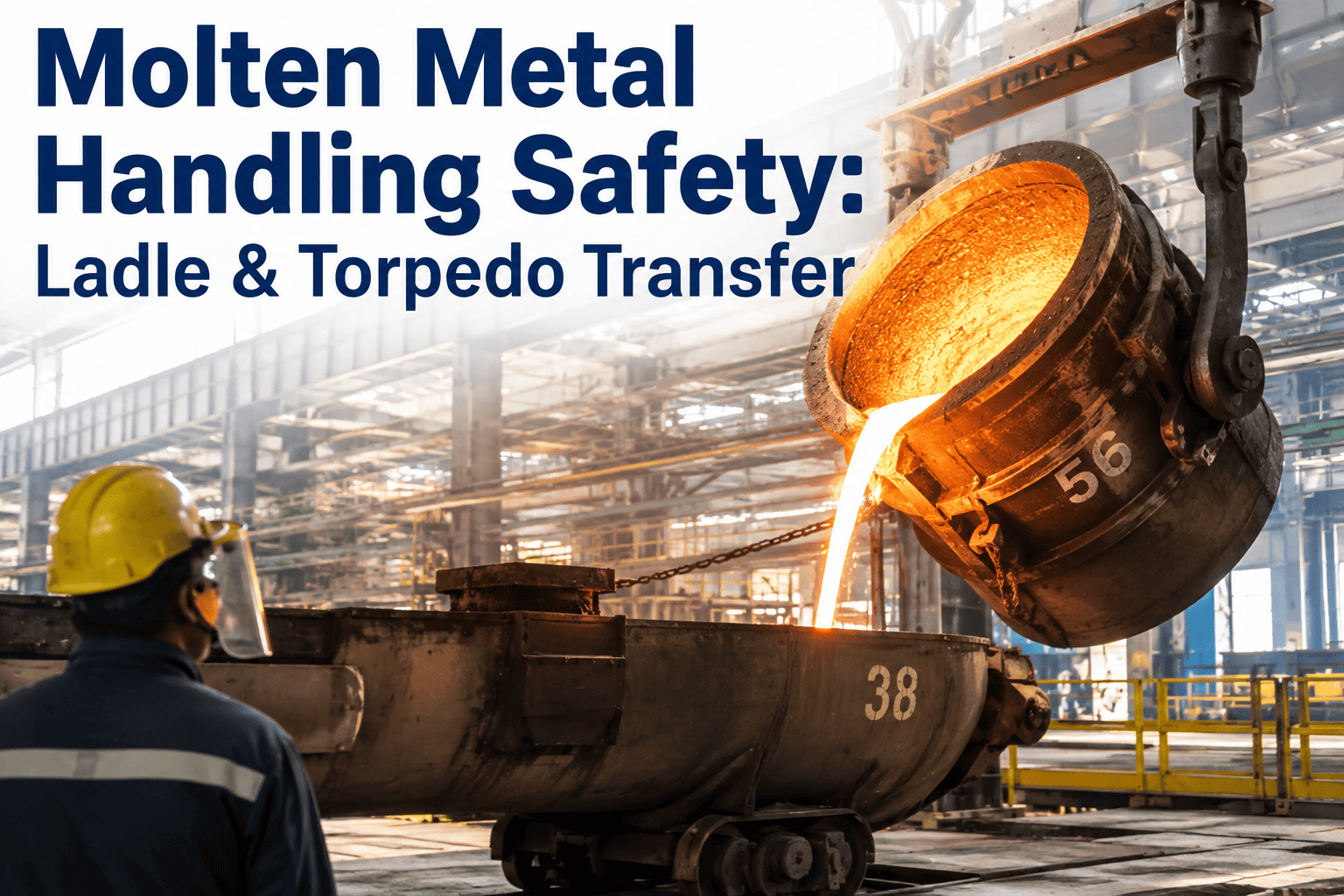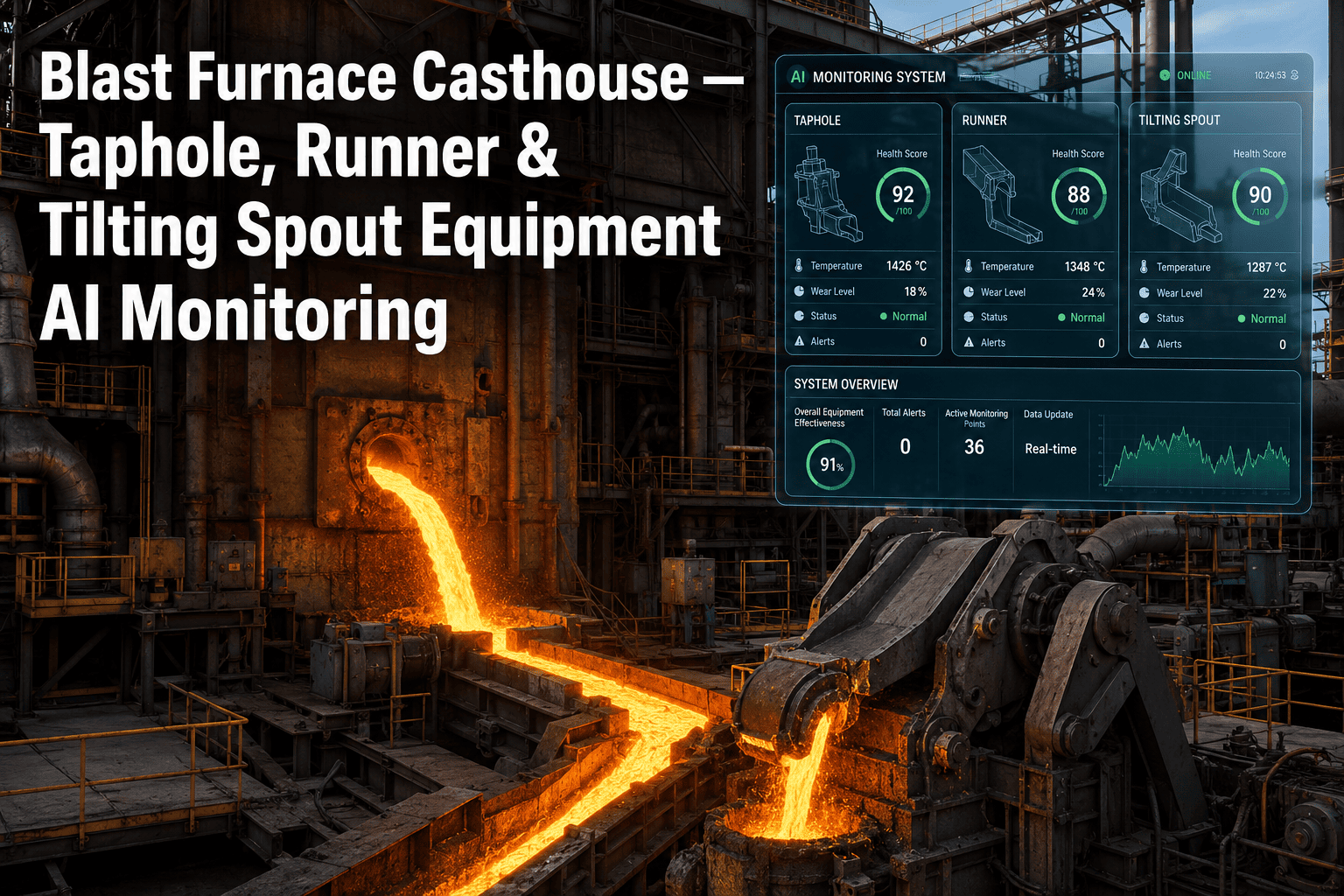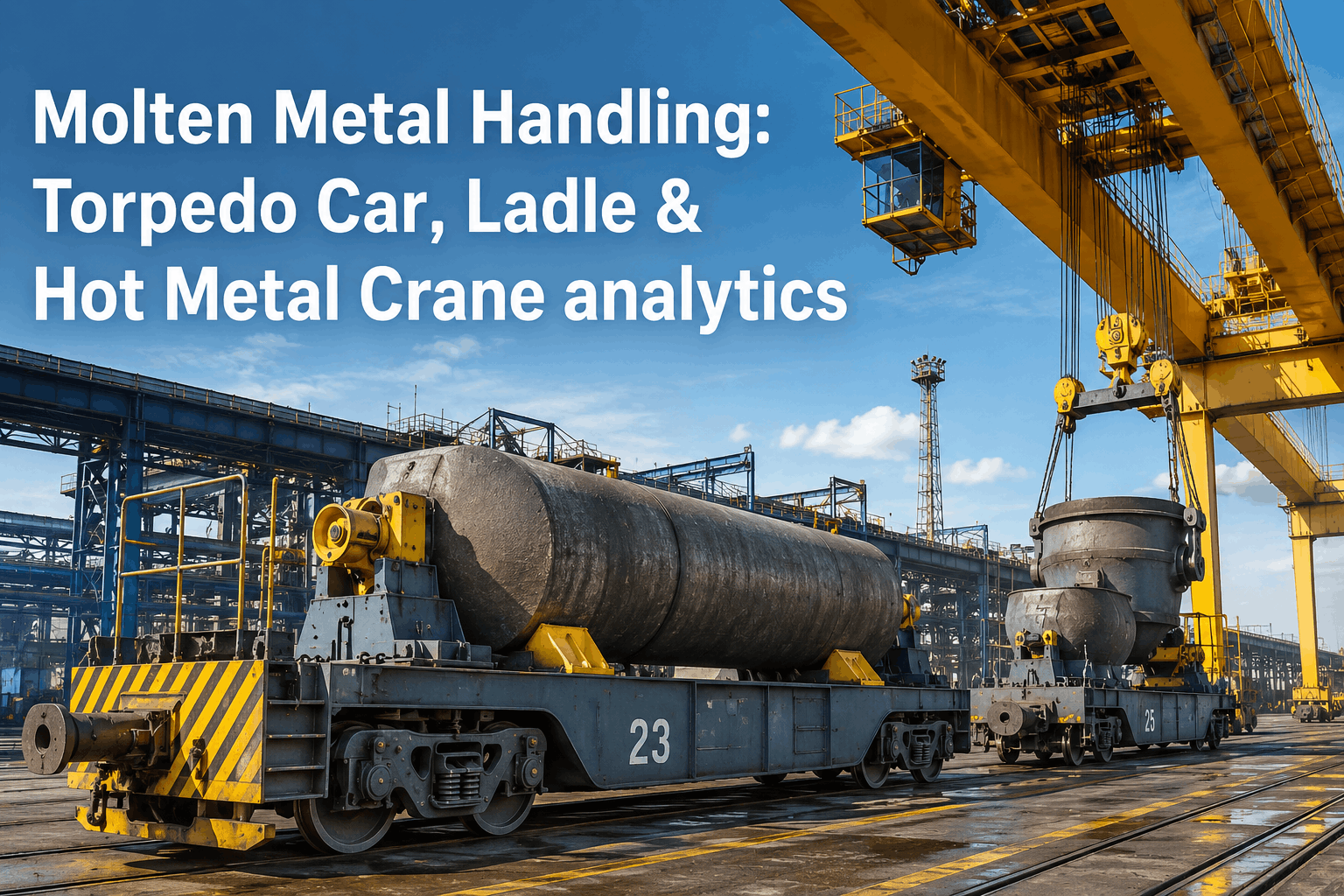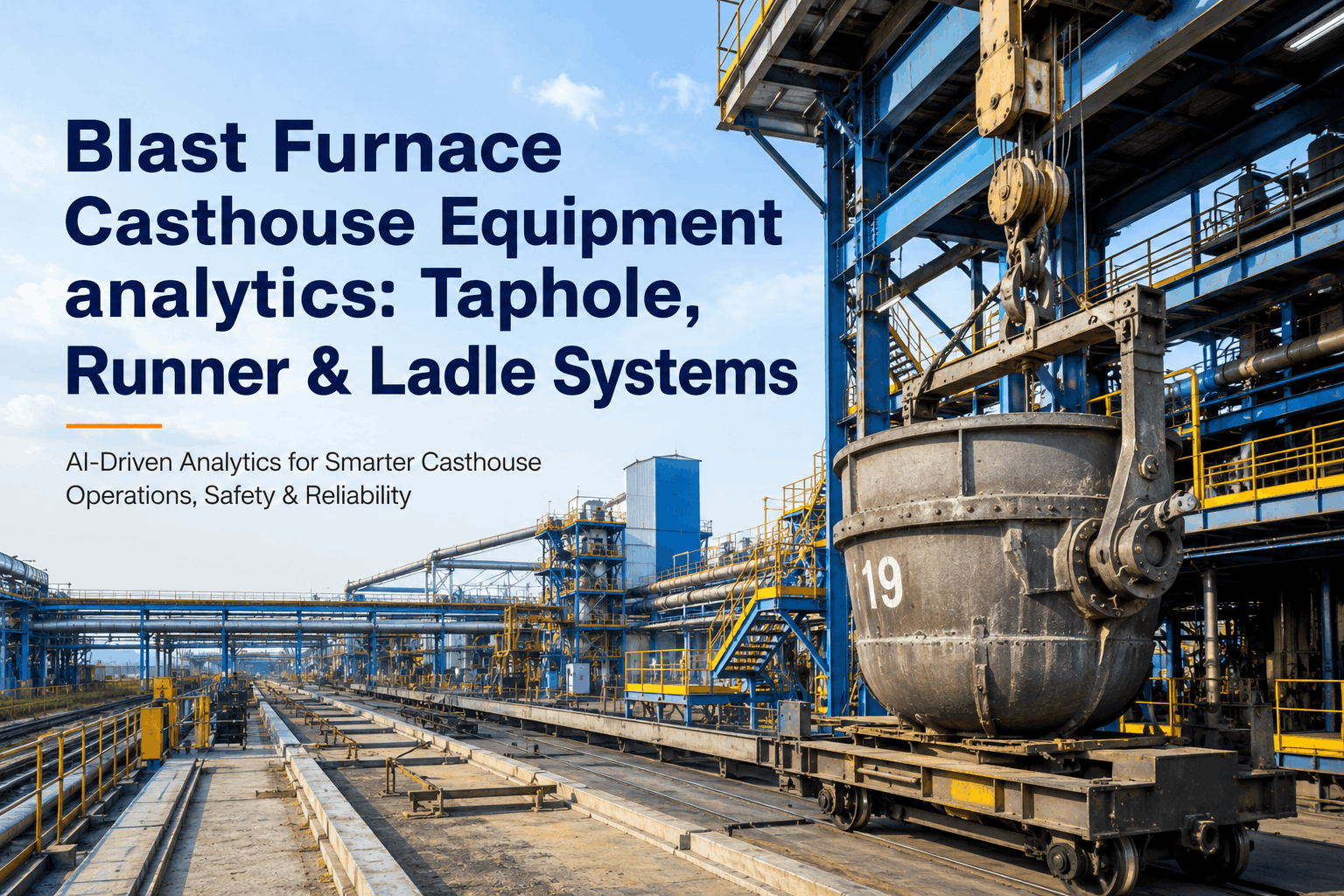
The casthouse is the operational heart of the blast furnace, where the results of 24 hours of smelting are realized through the tapping of molten iron and slag. In this extreme environment of 1500°C liquid metal and high-pressure hydraulics, the reliability of taphole drills, mud guns, and tilting runners is not just an efficiency metric—it is a life-safety requirement. A single failure of a mud gun to plug a hole or a breakout in a runner refractory can lead to catastrophic damage and months of lost production. Organizations that book a demo with iFactory are discovering how AI-driven hydraulic analytics, digital refractory lifecycle tracking, and autonomous casthouse scheduling can eliminate emergency stops and extend the life of critical refractory assets.
Eliminate Casthouse Downtime with AI-Powered Equipment Analytics
iFactory's Mobile AI-driven App bridges the gap between manual casthouse logs and real-time autonomous intelligence — purpose-built for tapping operation stability and operator safety.
The Physics of Liquid Metal: Why Traditional Casthouse Logs Fail
The primary challenge in casthouse management is the "Refractory-Mechanical Bridge." The condition of the iron runners and the taphole is invisible during the cast, and the stress on the mud gun and drill is often buried in hydraulic pressure oscillations. Traditional manual logbooks rely on subjective operator observations which are often inconsistent across shifts. A "good" taphole to one operator may be a "thin" taphole to another. iFactory's AI-driven approach replaces subjective logs with dynamic "Digital Twins" of the casthouse physics. These models ingest hydraulic torque, stroke speed, and infrared thermal data every millisecond, predicting runner wear-rates and mud gun seal health with 98% accuracy. Casthouse managers looking to stabilize their tapping performance often choose to schedule a session to evaluate their equipment's data-readiness for autonomous control.
The Traditional Casthouse Maintenance Loop — Where Breakouts Occur
Manual Inspection
Operators visually check runner refractory and gun seals between casts. High risk of human error in a low-visibility environment.
Log Latency
Maintenance notes are entered at shift-end. Equipment issues detected at 8 AM might not reach the planning team until 6 PM.
Threshold Reactivity
Repair is scheduled only when a visual failure (hot spot) occurs. Decisions are based on the past state of the refractory.
Emergency Patching
Unplanned stop for runner repair. Iron is held in the furnace, causing hearth buildup and potential metallurgical drift.
The Taphole Drill Torque Blind Spot
Gradual wear in the drill's rotation motor is often compensated for by the operator increasing hydraulic pressure. iFactory AI identifies these subtle "Torque-to-Depth" drifts, alerting maintenance to motor degradation weeks before the drill stalls mid-bore.
Runner Refractory Wear Latency
Standard runner management is tonnage-based. But iron temperature and chemistry variations mean wear is never linear. iFactory's ML models detect "Hot-Metal Abrasion Peaks," predicting the exact cast number when a runner requires patching—preventing catastrophic breakouts.
Ladle Turnaround & Heat Loss Gaps
Torpedo ladles sitting in the yard lose 50°C/hour. Lack of integration between casthouse and ladle tracking wastes millions in reheating costs at the steel shop. iFactory creates an autonomous "Ladle Dispatch Logic," linking cast timing with real-time ladle thermal health.
Financial Impact Visualization: Reactive vs. Autonomous Casthouse Performance
The economic argument for AI in the casthouse is centered on "Availability Recovery." In a high-volume furnace, every minute the furnace is "off-blast" due to casthouse equipment failure costs thousands. The comparison below demonstrates how shortening the response time from hours to milliseconds preserves capital by preventing the "Process Cascade" that occurs during unplanned tapping delays.
Deep-Dive: The Science of Casthouse Component Optimization
iFactory's architecture avoids the pitfalls of "Black Box" AI by utilizing specialized modules for every critical casthouse asset. We integrate with your existing PLC, SCADA, and Ladle Tracking systems to create a unified data lake where AI can perform cross-functional correlations. For example, the AI can correlate taphole clay chemistry with mud gun extrusion force—identifying "hard-plugging" events that damage the furnace refractory. Reliability leads looking to unify their plant data often choose to book a demo and see our casthouse dashboard in action.
Taphole Drill & Mud Gun Systems
Millisecond PrecisionThe Taphole module uses high-speed hydraulic profiling to autonomously detect seal wear and motor degradation. This creates a more stable plugging sequence, protecting the furnace hearth. By predicting "Drill-Stall" events ahead, iFactory reduces the need for emergency lancing, saving thousands in labor and safety risk.
Runner Refractory Suite
Zero-Breakout AimIron runners are the most maintenance-intensive assets in the plant. iFactory's AI monitors runner tonnage and temperature profiles to detect "wash-out" zones. The system autonomously schedules patching work orders, while simultaneously optimizing refractory castable consumption to reduce annual maintenance spend by up to 15%.
Torpedo & Ladle Logistics
±10°C Thermal StabilityIn ladle logistics, AI analyzes the thermal history of every torpedo car to predict refractory thinning. This eliminates "Cold-Iron" events at the steel shop and prevents breakouts by identifying hot-spots via automated infrared gates. The result is a 3% increase in ladle availability and significantly reduced reline costs.
"Implementing iFactory in our casthouse was the single biggest safety win of the year. We no longer rely on 'gut feel' to determine when a runner needs repair; the AI tells us with 100% certainty. We've eliminated emergency taphole lancing and seen a 12% drop in taphole clay consumption. It is the new standard for modern casthouse reliability."
Casthouse Equipment Analytics — Frequently Asked Questions
How does the platform monitor runner refractory wear?
We use a "Tonnage-Temperature Correlation" model. By integrating iron chemistry, temperature, and total tonnage passed through the runner, our AI calculates the ablation rate of the refractory lining, alerting you when the safety thickness is breached.
Can iFactory predict a mud gun seal failure?
Yes. During the plugging sequence, the AI monitors the "Hold Pressure" curve. A micro-drop in pressure while the gun is seated indicates a seal or hydraulic valve leak. We catch these 100ms drifts weeks before the gun fails to plug a hole.
Does the system help reduce taphole clay consumption?
Absolutely. By optimizing the mud gun's extrusion volume based on the furnace's internal pressure and hearth level, the AI ensures the exact amount of clay is used—typically reducing consumption by 8-15%.
What data is required from the taphole drill?
We ingest rotation torque, percussion frequency, and feed pressure from your existing PLC. The AI uses this to identify "hard zones" or drill bit wear, ensuring the taphole is opened smoothly without damaging the refractory sleeve.
How does ladle tracking integrate with casthouse analytics?
iFactory links your Ladle Tracking (RFID/GPS) with the furnace's "Ready to Cast" signal. The AI autonomously selects the ladle with the best thermal profile for the next cast, minimizing heat loss and "Cold Iron" penalties.
Can the platform detect tilting runner mechanical issues?
Yes. Tilting runners often suffer from bearing binding due to heat and dust. We monitor motor current and tilt speed to identify mechanical sluggishness before the runner fails to shift during a ladle change.
Does it support digital "Clearance to Cast" checklists?
Yes. Our mobile app replaces paper checklists. Operators must verify runner condition, gun readiness, and ladle positioning digitally, creating an immutable safety record for every cast.
How long does implementation take for a multi-taphole furnace?
A standard deployment for a 2-4 taphole furnace takes 4-6 weeks. This includes PLC integration, mobile app rollout for operators, and initial AI model training on your historical hydraulic data.
Scale Your Casthouse Performance with Autonomous AI Control
iFactory's Mobile AI-driven App delivers integrated casthouse modules, predictive equipment analytics, and digital work order optimization — built for steelmakers ready to lead the Industry 4.0 revolution.