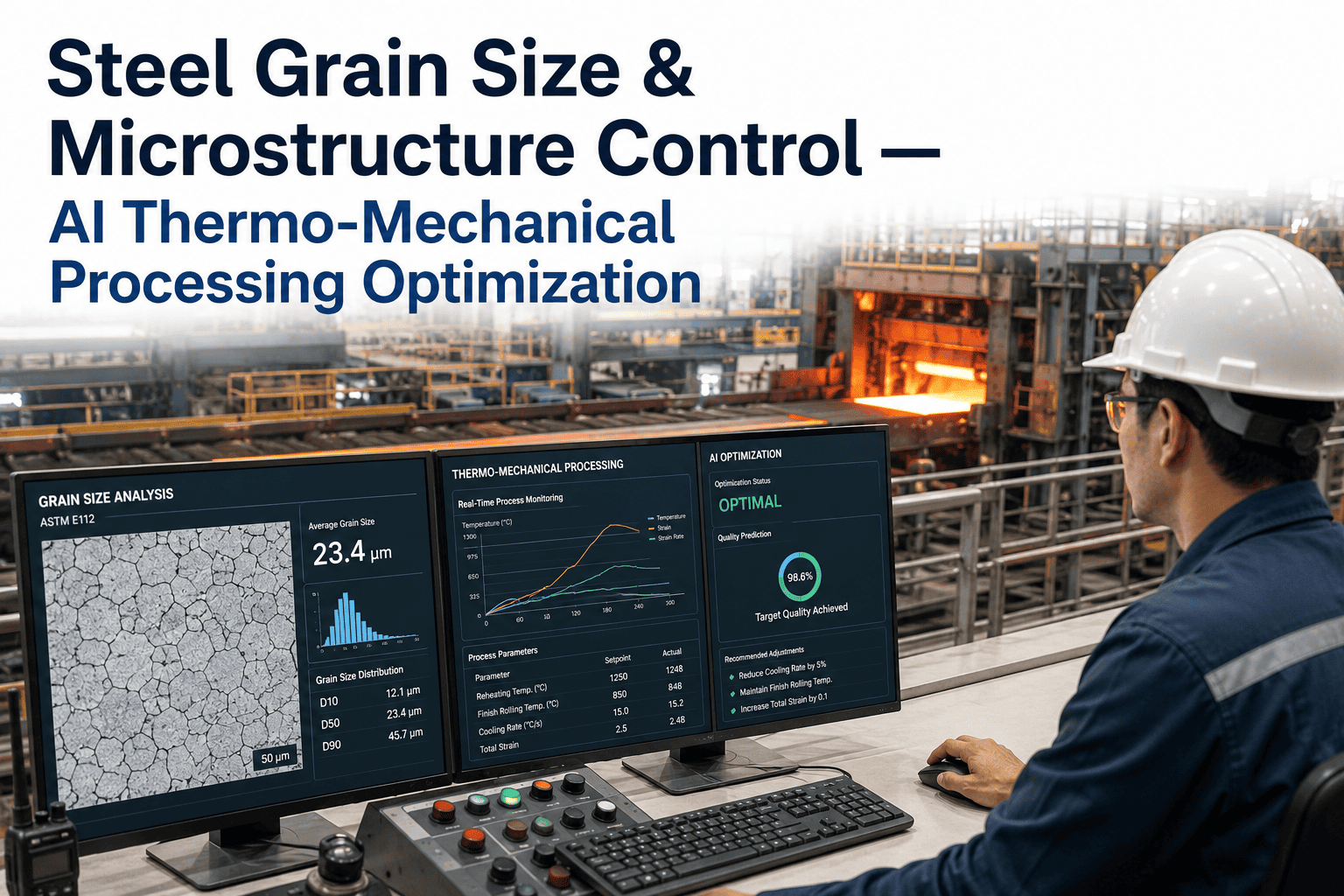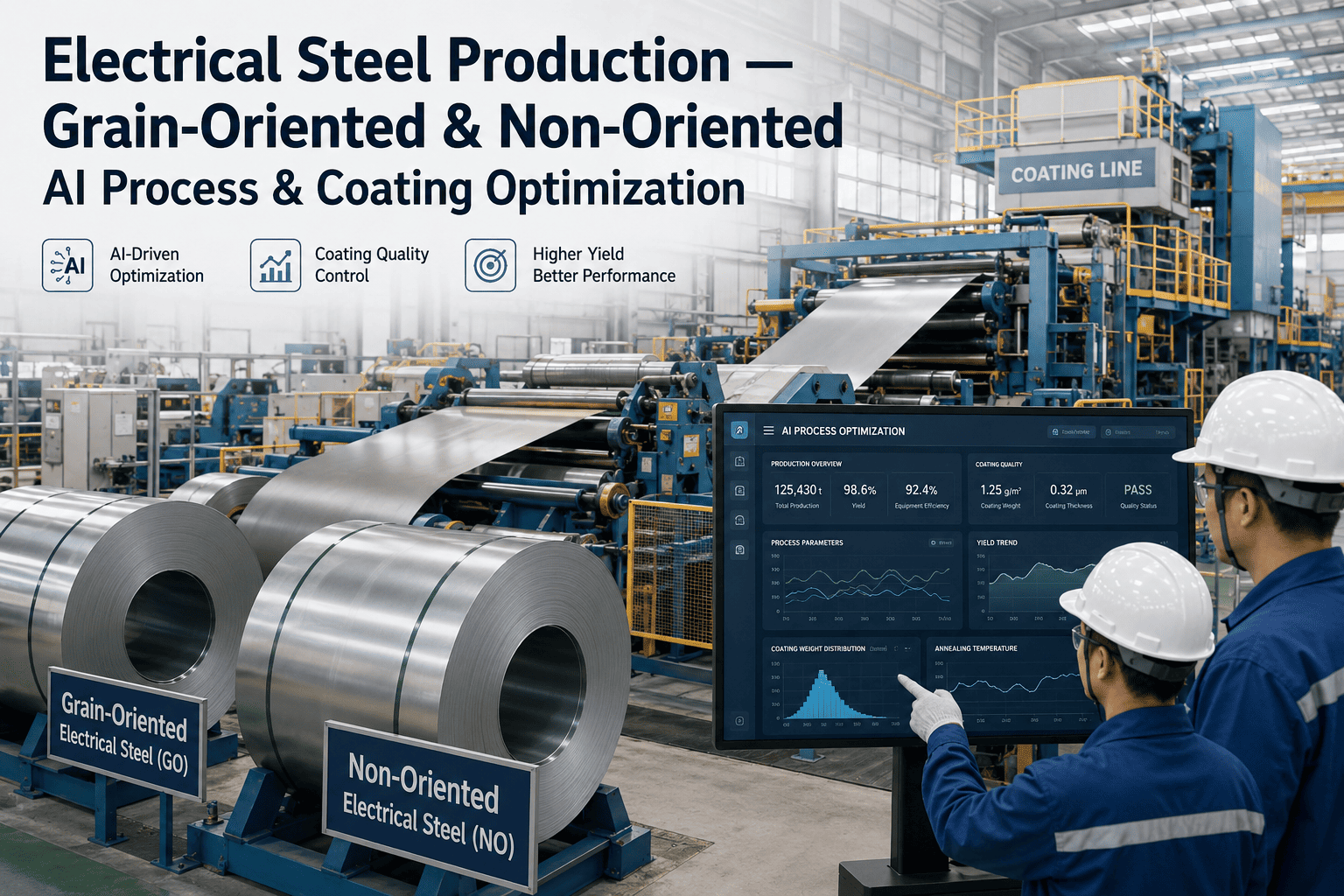
In the high-stakes arena of electrical steel manufacturing, the precision of process control directly dictates the magnetic performance and energy efficiency of transformers, motors, and generators. Grain-oriented electrical steel (GOES) and non-oriented electrical steel (NOES) demand radically different thermal and mechanical treatments, yet both are highly sensitive to minute variations in annealing temperature, coating thickness, and domain refinement. Traditional statistical process control often falls short in capturing the complex, non-linear interactions between furnace zones, strip speed, and chemical composition. This is where AI-driven predictive models and real-time analytics from iFactory revolutionize production. By integrating machine learning algorithms with sensor data across the entire line—from decarburization annealing to final insulation coating—manufacturers can achieve unprecedented consistency in core loss and permeability. For process engineers seeking to eliminate costly rework and enhance yield, exploring these advanced capabilities becomes essential. Book a Demo to see how AI transforms your electrical steel line.
AI-Driven Precision for Electrical Steel Excellence
Unlock superior magnetic properties in GOES and NOES through intelligent process and coating control. Reduce core loss variability by up to 35%.
Grain-Oriented Steel (GOES)
GOES requires precise control of secondary recrystallization during high-temperature annealing. AI models analyze grain size, texture, and inhibitor distribution to optimize heating cycles, ensuring minimal core loss for transformer applications. Real-time adjustments mitigate deviations from ideal Goss texture.
Non-Oriented Steel (NOES)
NOES demands uniform magnetic properties in all directions, critical for rotating machinery. AI-driven control of decarburization and final annealing reduces iron loss and enhances permeability. Predictive algorithms adapt to coil-to-coil variations in chemistry, thickness, and prior cold reduction.
Domain Refinement
Laser scribing or mechanical scratching reduces eddy current losses in GOES. AI optimizes scribing pattern density and depth based on real-time magnetic measurements, achieving domain refinement that lowers core loss by up to 10% without compromising mechanical integrity.
Insulation Coating
Uniform, defect-free insulation coatings prevent interlaminar short circuits. AI vision systems inspect coating thickness and continuity at line speed, while adaptive control adjusts application parameters. This ensures consistent dielectric strength and punching properties.
The Science of AI in Annealing Optimization
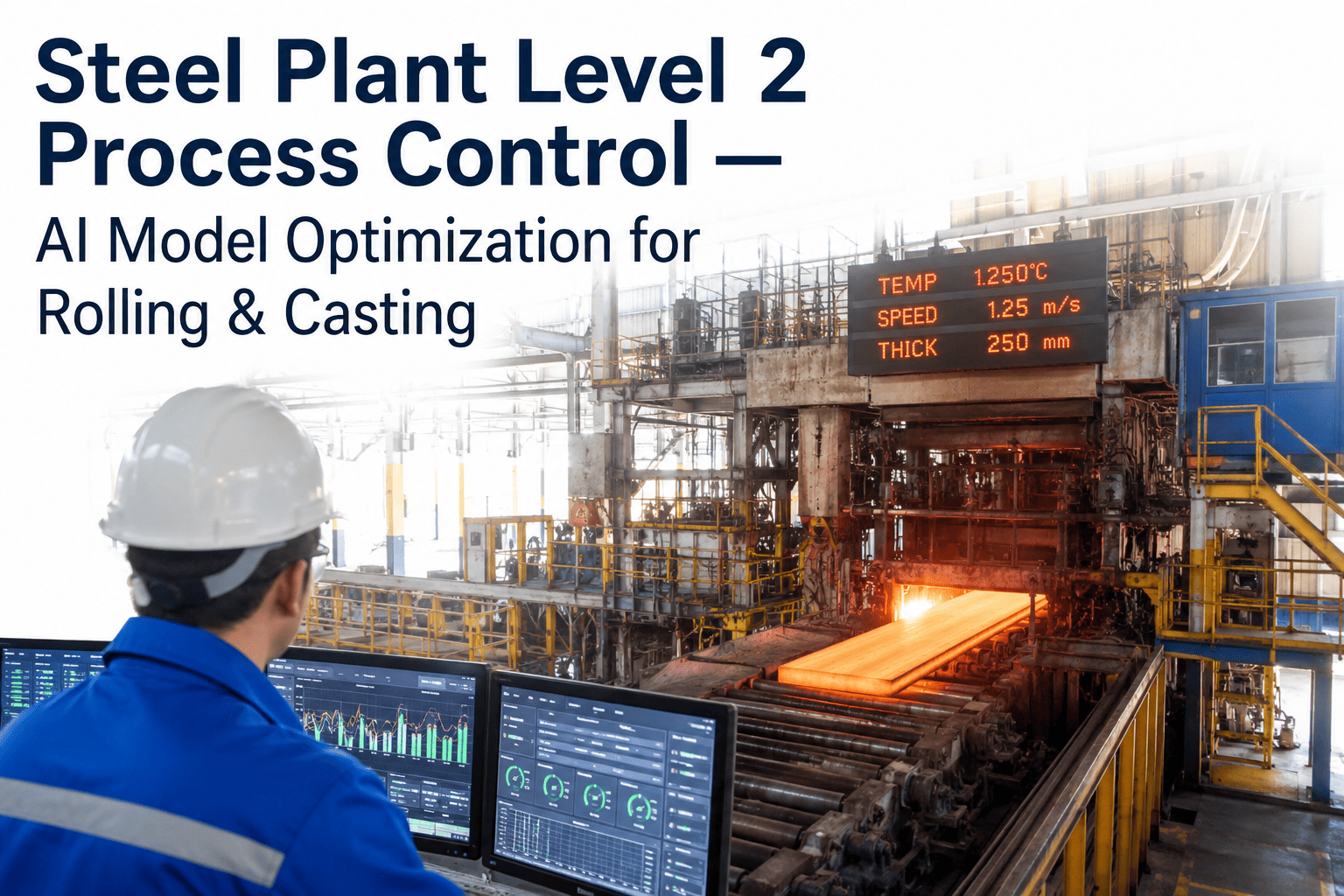
Annealing is the heart of electrical steel production, where temperature profiles directly influence grain growth and texture evolution. Traditional PID controllers struggle with the thermal inertia of large furnaces and the variable heat capacity of different steel grades. AI models, trained on historical data from thousands of coils, predict the optimal setpoints for each furnace zone based on incoming strip chemistry, gauge, and desired magnetic grade. These models continuously learn from real-time thermocouple readings and pyrometer data, adjusting ramp rates and soak times to within ±2°C accuracy. The result is a dramatic reduction in core loss scatter, enabling tighter specification compliance and higher yields. For GOES, this precision is especially critical during the decarburization and high-temperature box annealing stages, where even a 5°C deviation can degrade the Goss texture. AI also compensates for strip speed fluctuations, ensuring uniform thermal exposure even during line startups and transitions.
Raw Material Analysis
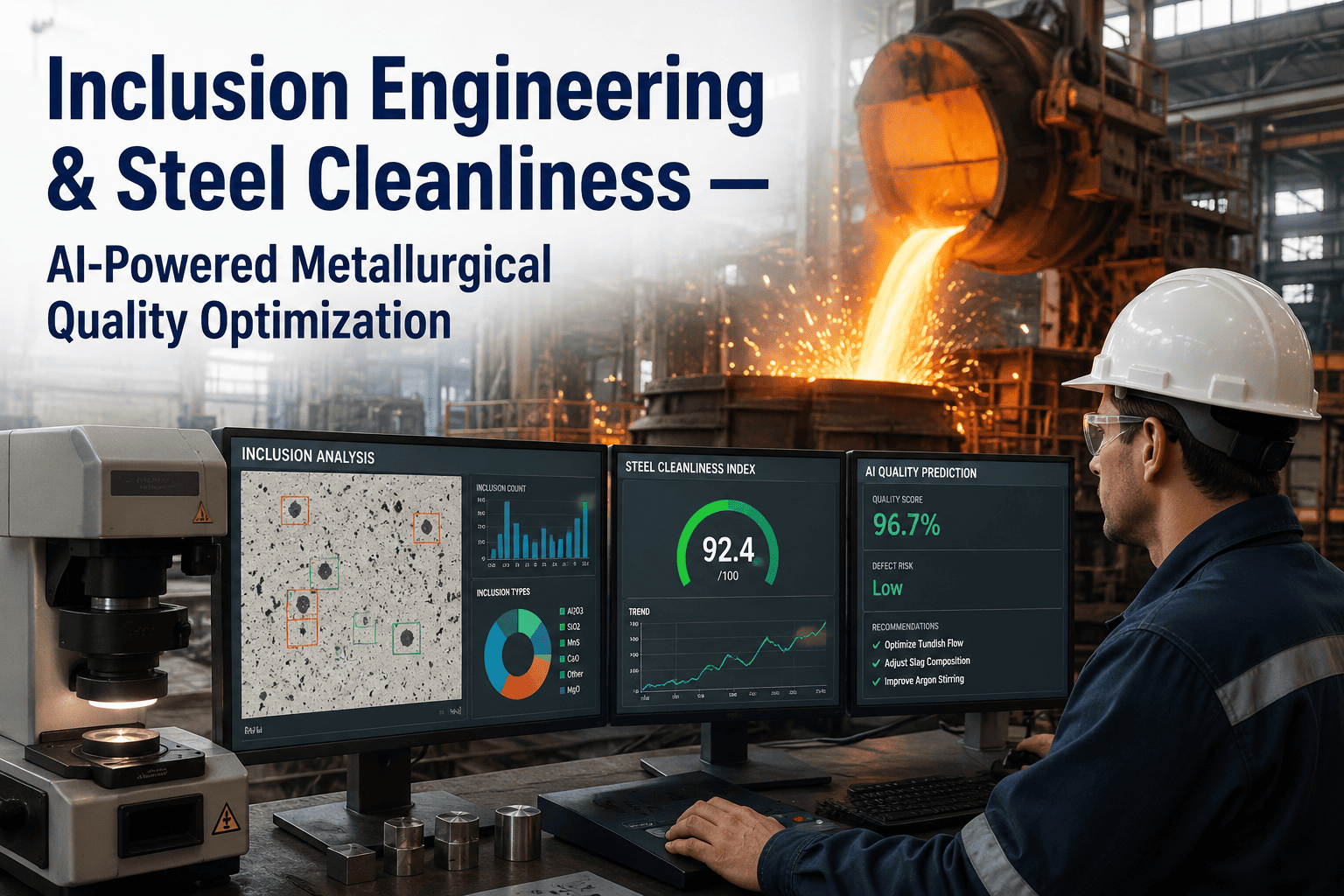
AI integrates spectrometry data to predict optimal process parameters based on silicon, aluminum, and carbon content.
Decarburization Annealing
Real-time control of dew point, temperature, and strip speed to achieve target carbon levels below 30 ppm.
High-Temperature Box Annealing
AI manages heating cycles up to 1200°C, optimizing grain growth and inhibitor dissolution for GOES.
Domain Refinement
Laser scribing parameters are adjusted dynamically based on magnetic domain imaging.
Insulation Coating & Inspection
AI vision and thickness gauges ensure uniform coating, with closed-loop control of applicator rolls.
Ready to Transform Your Electrical Steel Line?
Achieve unmatched precision in annealing, domain refinement, and coating. Our AI platform integrates seamlessly with your existing infrastructure.
Comparative Process Parameters for GOES vs NOES
| Parameter | GOES | NOES |
|---|---|---|
| Annealing Temperature | 1100-1200°C | 800-950°C |
| Atmosphere | Hydrogen (dry) | N2/H2 mix |
| Core Loss Target (W/kg) | < 1.0 at 1.7T | < 4.0 at 1.5T |
| Coating Type | Phosphate + insulation | Organic/inorganic |
| Domain Refinement | Laser scribing | Not required |
Coating Uniformity Analysis
AI-driven coating control achieves uniformity indices exceeding 90%, reducing shorts and improving punching performance.
Magnetic Property Tracking
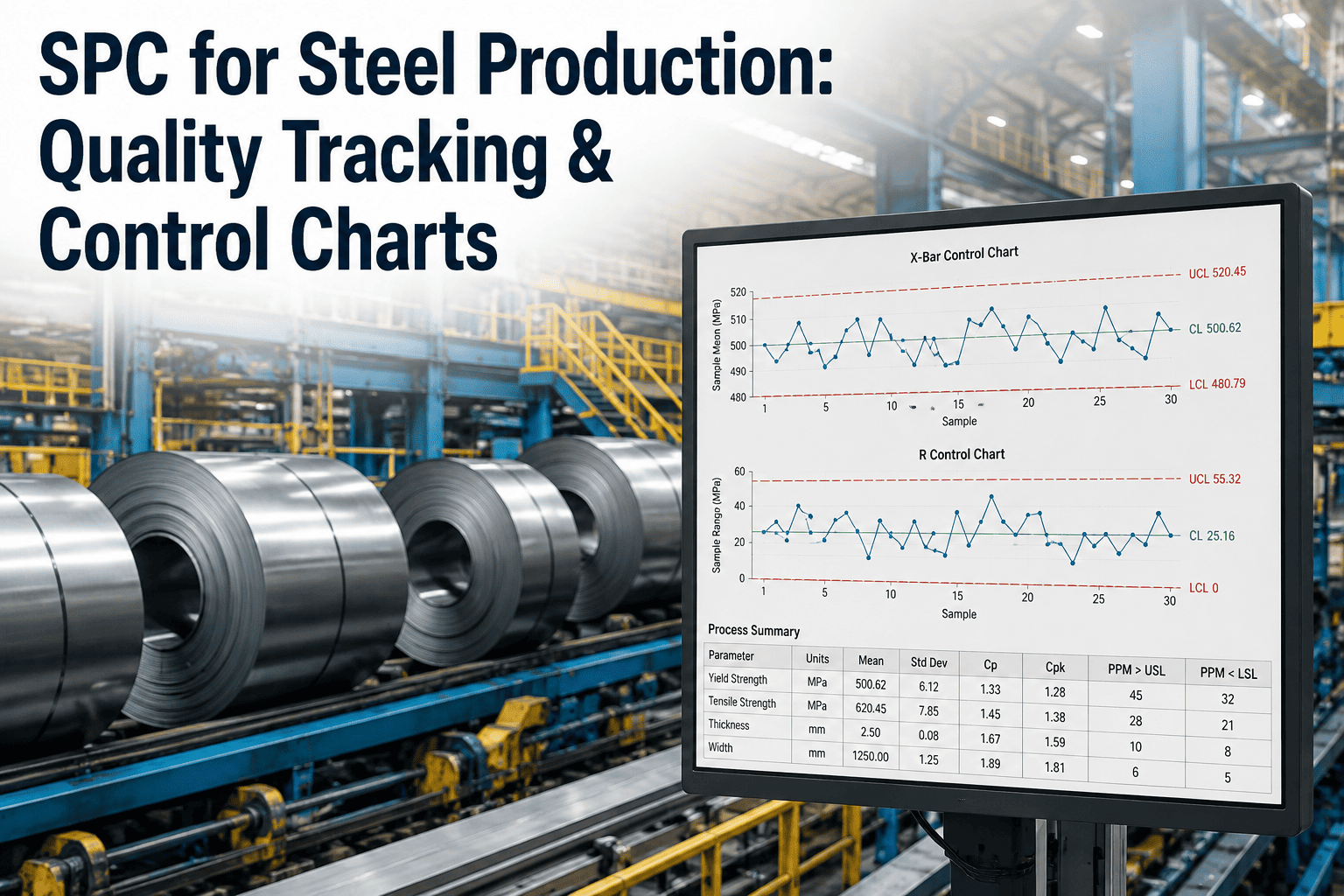
Real-time tracking enables early detection of deviations, allowing immediate corrective actions.
Frequently Asked Questions
How does AI improve grain-oriented electrical steel (GOES) production?
AI enhances GOES production by optimizing the complex annealing cycles required for secondary recrystallization. Machine learning models analyze historical data on temperature, atmosphere, and strip chemistry to predict ideal heating profiles for each coil. This reduces core loss variability by up to 35% and ensures consistent Goss texture development. Real-time adjustments compensate for furnace drift and strip speed changes, minimizing rejects. For more details on implementation, contact our support team.
What are the key differences in AI control for NOES vs GOES?
NOES production focuses on isotropic magnetic properties, requiring precise control of decarburization and final annealing to balance core loss and permeability. AI models for NOES emphasize uniform grain size and texture, while GOES models prioritize Goss texture development. The thermal profiles differ significantly, with GOES requiring higher temperatures and longer soak times. AI adapts to these differences by using separate neural networks trained on grade-specific data. Book a Demo to see how our platform tailors control strategies.
Can AI integrate with existing legacy control systems in steel plants?
Yes, iFactory's AI platform is designed to interface with legacy PLCs and SCADA systems via standard protocols like OPC-UA and Modbus. We provide edge computing modules that process sensor data locally, ensuring low latency and minimal disruption. The AI models run as an advisory layer, providing setpoint recommendations that operators can approve or override. This allows gradual adoption without replacing existing infrastructure. For integration specifics, visit our support page.
How does AI optimize insulation coating application for electrical steel?
AI optimizes coating application by analyzing real-time data from thickness gauges, vision systems, and viscosity sensors. Predictive models adjust applicator roll pressure, coating bath temperature, and line speed to maintain uniform coverage within ±0.1 microns. This reduces the risk of pinholes and uneven curing, which can cause interlaminar shorts. The system also predicts coating consumption, enabling just-in-time replenishment. Book a Demo to learn more about our coating control module.
What ROI can manufacturers expect from implementing AI in electrical steel lines?
Manufacturers typically see a 15-22% improvement in yield, 10-35% reduction in core loss variability, and 10-15% energy savings within the first year. Reduced rework and scrap translate to significant cost savings, while improved magnetic properties enable premium pricing. The payback period is often less than 12 months. Detailed ROI depends on line configuration and current performance. Contact us for a personalized assessment.
Elevate Your Electrical Steel Production with AI
Join industry leaders who have achieved breakthrough efficiency and quality. Our experts are ready to discuss your specific needs.