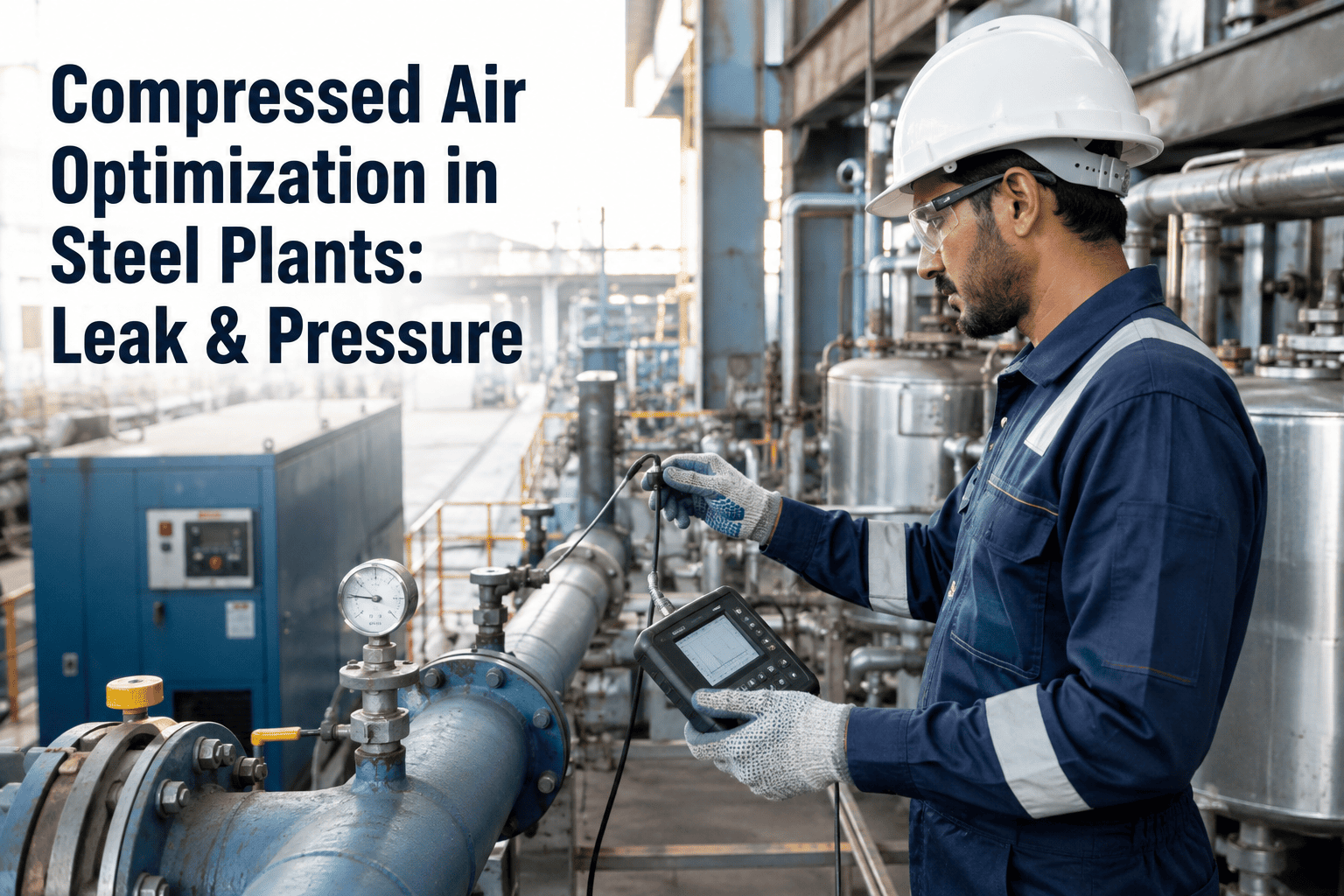
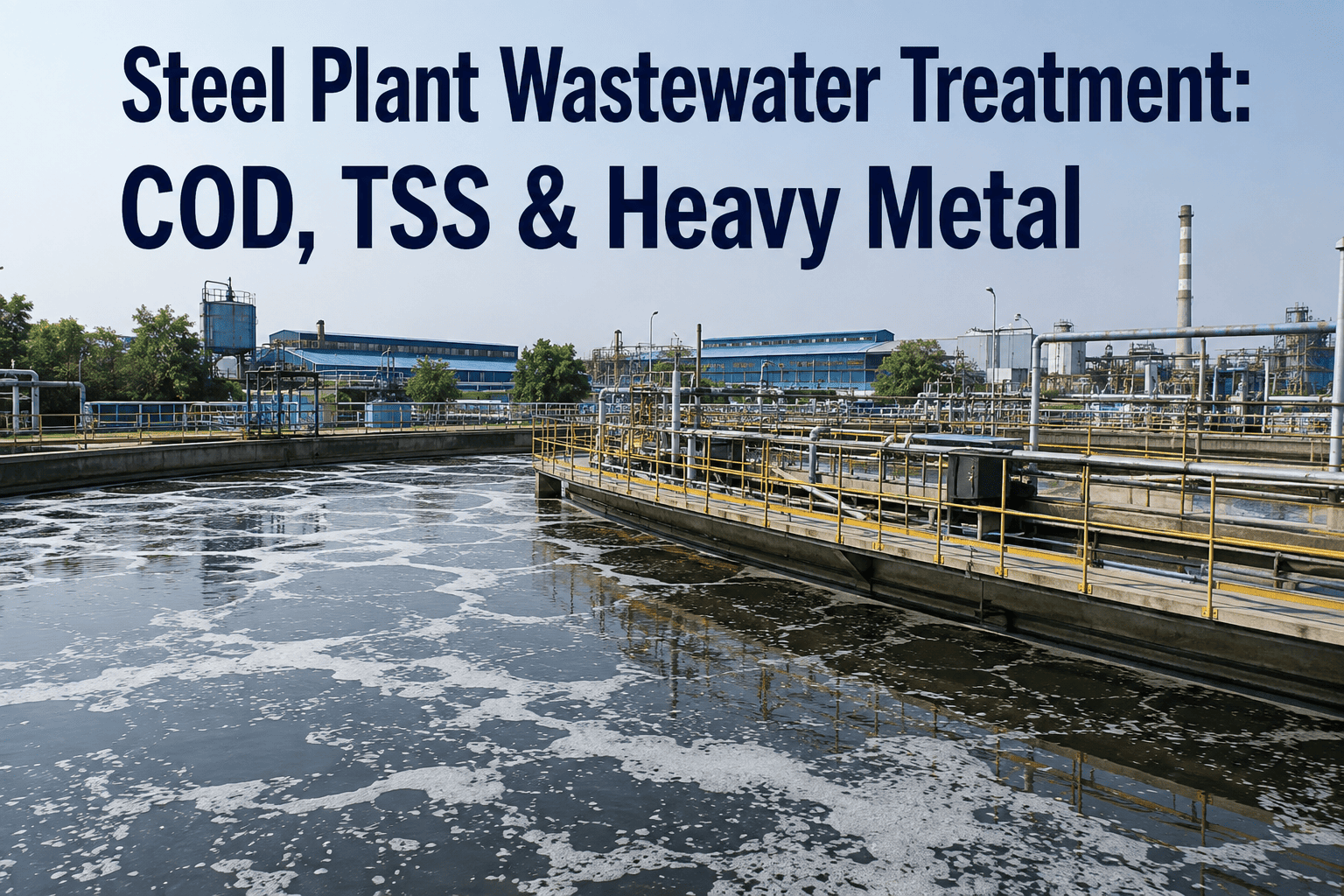
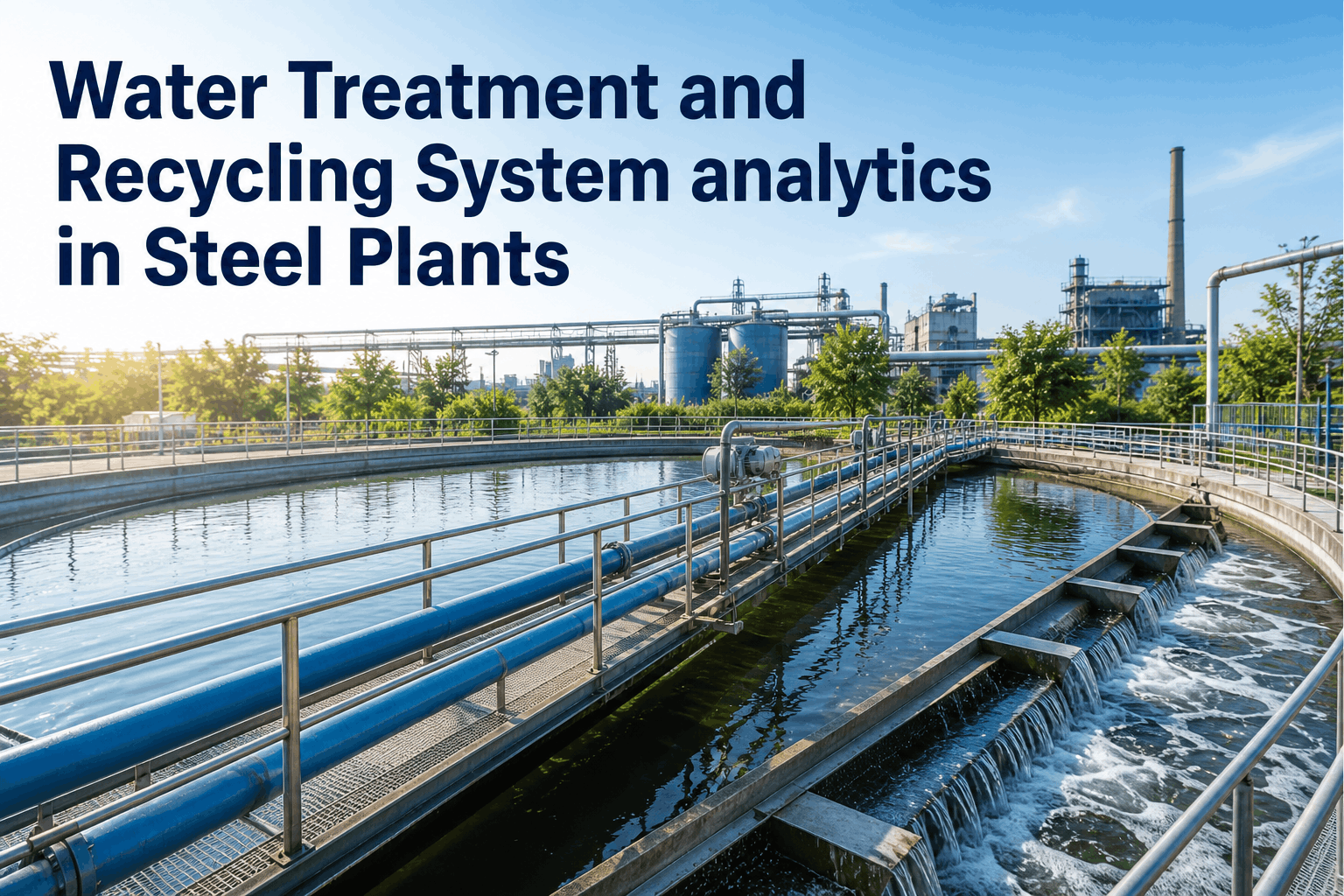
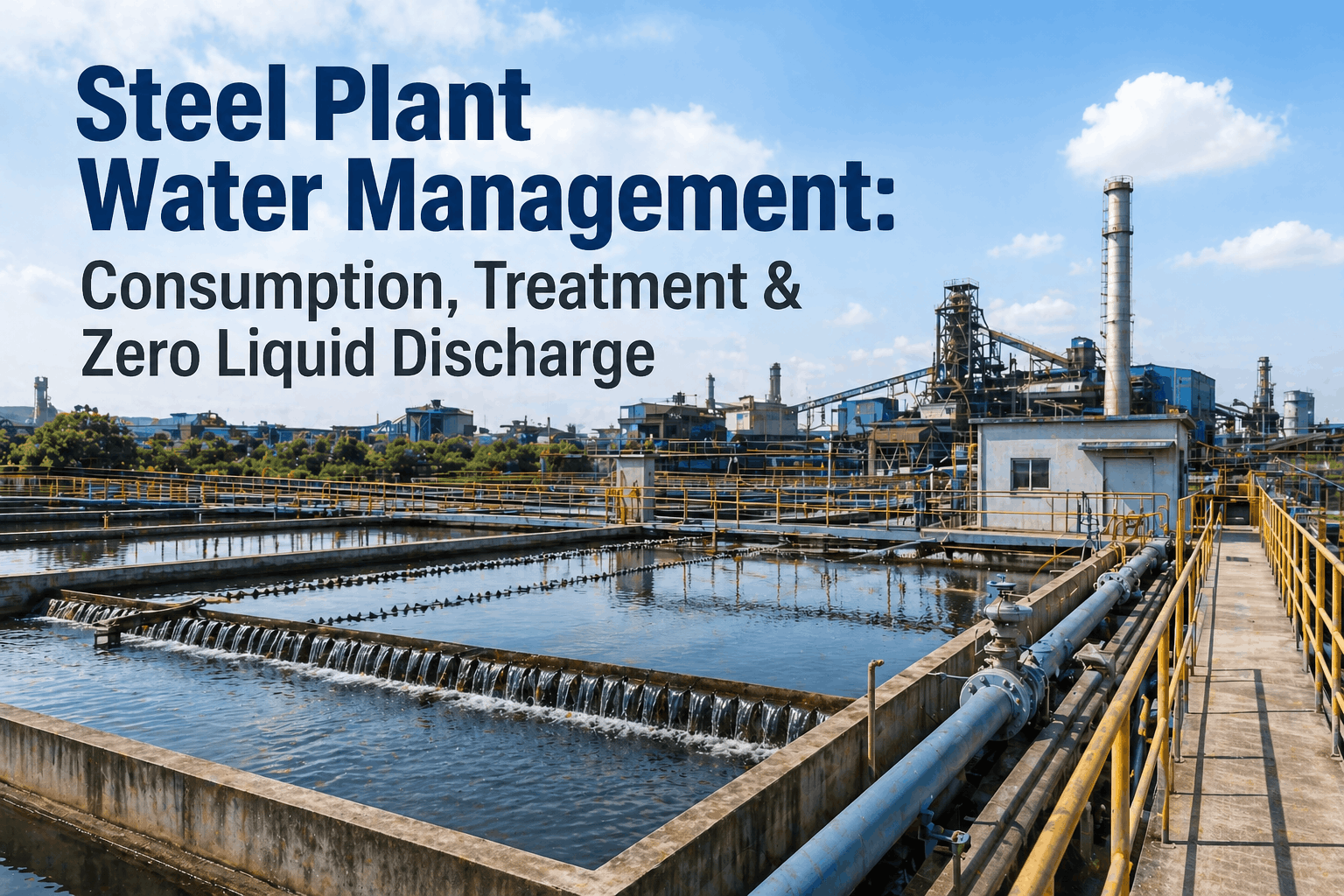
Steel production is one of the world's most water-intensive industrial processes — a single integrated steel plant can consume between 60 and 280 gallons of water per ton of steel produced, depending on process efficiency and recycling infrastructure. Globally, the steel industry accounts for roughly 3–5% of total industrial water withdrawals, with cooling systems, quenching operations, descaling, gas cleaning, and dust suppression all demanding continuous, high-volume water supply. AI-powered water management platforms are rewriting this equation — enabling steel plants to slash freshwater intake by 30–50%, achieve closed-loop recycling rates above 95%, cut wastewater treatment costs by up to 40%, and maintain regulatory compliance across increasingly strict discharge standards. iFactory's AI manufacturing platform integrates directly with plant water systems — flow meters, quality sensors, cooling towers, treatment units — to deliver real-time monitoring, predictive optimization, and automated control that turns water from a cost driver into a competitive advantage. Book a free demo and start optimizing your steel plant water systems today.
Water Management & Reduction in Steel Production
AI Optimization for Closed-Loop Water Systems
From blast furnace cooling to continuous caster descaling — AI unifies every water stream in your plant into a single optimized loop. Cut freshwater intake, slash treatment costs, and stay ahead of discharge regulations.
Where Water Flows in a Steel Plant
Water touches every stage of steelmaking — and each stage presents a distinct optimization opportunity for AI-driven reduction and reuse.
Blast Furnace Cooling
Continuous water cooling of furnace walls, tuyeres, and stave coolers. Accounts for 25–35% of total plant water demand. Closed circuits with heat exchangers.
BOF / EAF Steelmaking
Oxygen converter and electric arc furnace gas cooling, off-gas scrubbing, and vessel cooling demand high-purity, precisely controlled water flows.
Continuous Casting
Primary cooling (mold), secondary cooling (spray zones), and strand cooling. Spray patterns must be precisely calibrated to steel grade — AI optimizes flow rates by grade and speed.
Hot Rolling Mill
Descaling with high-pressure water jets, roll cooling, and runout table laminar flow cooling. Generates contaminated scale-laden water requiring treatment before reuse.
Gas Cleaning Systems
Wet scrubbers for blast furnace and converter gas cleaning remove dust and particulates. Water becomes heavily laden with zinc, lead, and suspended solids requiring treatment.
Cooling Towers
Evaporative cooling towers serve as the plant's heat rejection system. Blowdown management, cycles of concentration control, and biocide dosing are key AI optimization targets.
Six Ways AI Transforms Steel Plant Water Systems
iFactory's AI platform connects to every water-related sensor, meter, and control system — turning raw data into autonomous optimization actions.
Real-Time Flow Balancing
AI continuously monitors flow rates across all water circuits — blast furnace cooling, caster sprays, descaling — and adjusts valves and pumps in real time to match actual production demand. Eliminates chronic overflows and under-supply events that waste water or damage equipment.
Predictive Cooling Tower Optimization
ML models predict optimal blowdown timing, cycles of concentration, and chemical dosing based on ambient temperature, humidity, production load, and incoming water quality — minimizing drift loss and blowdown discharge.
Wastewater Quality Prediction
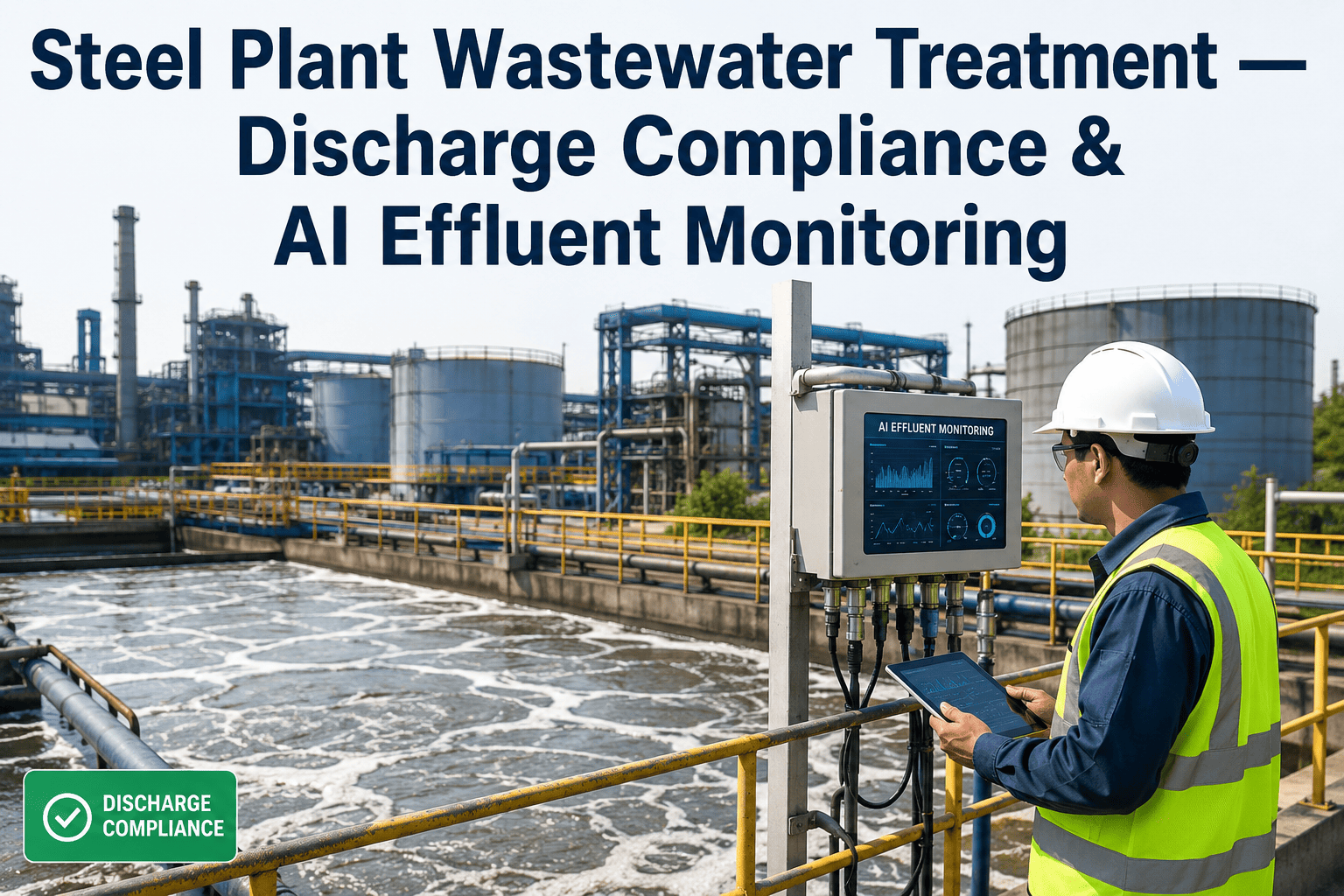
Inline sensors feed pH, turbidity, conductivity, and heavy metal proxy readings to AI models that predict treatment needs before water reaches the treatment plant — enabling proactive dosing adjustments and preventing discharge violations.
Leak Detection & Pipe Health
Pressure transient analysis and flow anomaly detection identify leaks within minutes of onset — not days. AI differentiates between operational pressure changes and true leak signatures, reducing false alarms and accelerating maintenance dispatch.
Caster Spray Pattern Optimization
Continuous casting secondary cooling is the most nuanced water application in steelmaking — wrong spray patterns cause surface cracks, internal defects, and quality rejects. AI models optimize spray zone flow rates by steel grade, casting speed, and section geometry in real time.
Water Budget Forecasting
AI integrates production schedules, weather forecasts, and historical consumption patterns to generate rolling 7-day and 30-day water budget forecasts — enabling procurement, operations, and environmental teams to plan ahead rather than react.
The AI-Managed Water Circuit
A truly optimized steel plant water system is a closed loop — freshwater intake minimized, every liter treated and recirculated, discharge reduced to near zero. AI is the brain that makes this feasible at industrial scale.
AI controls freshwater draw based on real-time tank levels, evaporative loss predictions, and quality thresholds — pulling only what's needed, never more.
Tiered water quality routing sends high-quality water to sensitive processes (BOF cooling, caster molds) and lower-grade recirculated water to robust applications (dust suppression, descaling).
AI-controlled dosing of coagulants, flocculants, and biocides responds to real-time quality sensor data — not fixed schedules — cutting chemical costs and ensuring consistent output quality.
Treated water is classified, stored in segregated tanks, and routed back to appropriate use points. AI tracks quality degradation across recirculation cycles to prevent process upsets.
The Financial Case for AI Water Optimization
Navigating the Steel Industry's Water Regulatory Landscape
Discharge violations carry catastrophic financial and reputational consequences. AI-powered monitoring ensures continuous compliance — not periodic sampling that misses transient events.
See compliance monitoring →Sets technology-based limits for TSS, oil & grease, pH, and metals (zinc, chromium, lead) in discharges from integrated steel plants. AI provides continuous monitoring and automatic treatment adjustment to maintain compliance at all times.
Facility-specific discharge permits set by state environmental agencies based on receiving water quality. AI tracks permit limits by discharge point, generates automated compliance reports, and escalates alerts when parameters approach limits — not after they're exceeded.
Institutional investors, major automotive OEM customers, and construction buyers increasingly require steel suppliers to disclose water risk and demonstrate reduction targets aligned with CDP Water Security and SBTi frameworks. AI water management generates the data trail to back these commitments.
Key Challenges — and How AI Addresses Them
Legacy Infrastructure Integration
Most steel plants run instrumentation installed decades apart — PLCs from the 1990s, SCADA from 2005, newer DCS systems, and modern IoT sensors all coexist. AI platforms must ingest data from MQTT, OPC-UA, Modbus, BACnet, and proprietary protocols without requiring a complete control system overhaul.
Protocol-agnostic edge gateways normalize data from any instrumentation source. Existing sensors are leveraged; new sensors are added only where gaps exist.
Water Quality Variability
Steel plant process water quality fluctuates dramatically with production mode, raw material changes, seasonal temperature swings, and equipment condition. Static treatment setpoints fail constantly — AI adaptive models track these shifts and adjust treatment in real time.
Adaptive ML models retrain continuously on incoming quality data. Treatment recommendations update automatically when production mode or incoming water characteristics change.
Sensor Reliability in Harsh Environments
Steel plant environments are brutal — high temperatures, steam, vibration, and aggressive chemistry degrade sensor performance. Fouled flow meters and drifted pH probes produce bad data that corrupts AI models and leads to poor decisions.
Automated sensor health monitoring detects calibration drift, fouling signatures, and instrument faults. Virtual sensors (soft sensors) bridge data gaps when physical instruments are offline.
Cross-Department Coordination
Water management in steel plants spans multiple departments — operations, maintenance, environmental/EHS, and utilities — each with different priorities, KPIs, and systems. AI insights only drive action when they reach the right person with the right context.
Role-based dashboards surface water KPIs relevant to each function. Automated work orders route directly to maintenance when water system equipment needs attention. EHS compliance reports generate automatically for environmental teams.
Your Steel Plant Water Management Backbone
iFactory integrates across every water-related system in your plant — sensors, SCADA, treatment controls, CMMS — into a single AI-powered operational platform
Schedule Platform Demo ↗Real-time view of all water circuits, flow rates, tank levels, quality parameters, and treatment status across every building and process area.
Pump health monitoring, pipe pressure anomaly detection, cooling tower fan analysis, and valve actuator diagnostics — all triggering automated work orders.
Daily, monthly, and permit-period compliance reports generated automatically from sensor data. Audit trails maintained for every discharge event and treatment adjustment.
Track the energy cost of pumping, heating, treating, and recirculating water. Identify the most energy-efficient water routing configurations.
Water intensity (m³/ton) tracked by shift, crew, and production order. Identifies operational practices that drive consumption above baseline.
Structured water data exports aligned with CDP Water Security questionnaire, GRI 303 standard, and SBTi water corporate framework disclosures.
From Sensor Installation to Full Water Intelligence
A structured 4-phase deployment that delivers measurable water savings within 90 days and full AI optimization within 12 months.
Map all existing water meters, flow sensors, quality instruments, and SCADA data points. Identify instrumentation gaps. Conduct water balance assessment to quantify current losses, inefficiencies, and treatment costs. Establish baseline KPIs against which AI optimization will be measured.
Install missing instrumentation at critical measurement points — cooling tower flow, blowdown quality, recirculation quality, discharge points. Connect all data sources to iFactory platform via edge gateways. Commission real-time dashboards for operations and EHS teams. First leak detection alerts go live.
AI models trained on plant-specific historical and live data. Cooling tower optimization, treatment dosing automation, and flow balancing algorithms deployed. Predictive maintenance models go live for pumps, cooling towers, and treatment equipment. Water savings measurement begins.
Full closed-loop water management with autonomous treatment control and automatic work order generation. Caster spray optimization and production-linked water accounting deployed. ESG reporting automation live. Continuous model improvement as plant operating patterns evolve.
Questions from Steel Plant Operations Teams
Common questions from plant managers, environmental engineers, and operations directors evaluating AI water management.
Ask our steel industry team →How much freshwater reduction can we realistically achieve?
Achievable reduction depends heavily on current baseline efficiency. Plants running at 200+ gallons/ton with minimal recirculation can reach 50–60% intake reduction within 18 months. Plants already at 80–100 gallons/ton through basic recirculation can typically achieve an additional 20–30% through AI optimization of cooling tower management, leak elimination, and smart routing. The key metric to target is water intensity (m³/ton) — most plants can reach the industry benchmark of 3–6 m³/ton for integrated operations with AI support. Get a plant-specific estimate
How does AI water optimization integrate with our existing SCADA system?
iFactory connects to existing SCADA systems as a read/write layer — consuming real-time process data via OPC-UA, MQTT, or Modbus, and optionally sending setpoint adjustments back through approved control interfaces. The AI platform does not replace SCADA; it augments it with intelligence. Operators retain full manual override capability. Integration typically takes 2–4 weeks per major SCADA system depending on data availability and connectivity architecture.
What's the regulatory risk if AI systems make an incorrect treatment adjustment?
AI optimization recommendations operate within defined safety envelopes set by your environmental and process engineers. Hard limits on treatment dosing ranges, pH bounds, and discharge thresholds are enforced at the control layer — AI cannot command a setpoint outside operator-approved ranges. Discharge compliance monitoring operates as an independent layer that alerts immediately if parameters approach permit limits regardless of AI actions. Audit trails capture every system action for regulatory documentation.
Do we need to install new sensors, or can we work with existing instrumentation?
Most plants have 60–70% of the instrumentation needed for AI optimization already installed in SCADA and DCS systems. The initial assessment identifies gaps — typically inline water quality sensors at recirculation return points and individual process area flow meters are most commonly missing. The platform can operate with available data first (delivering meaningful insights immediately) while a phased sensor installation fills gaps over 3–6 months. We don't require a sensor overhaul before value delivery begins.
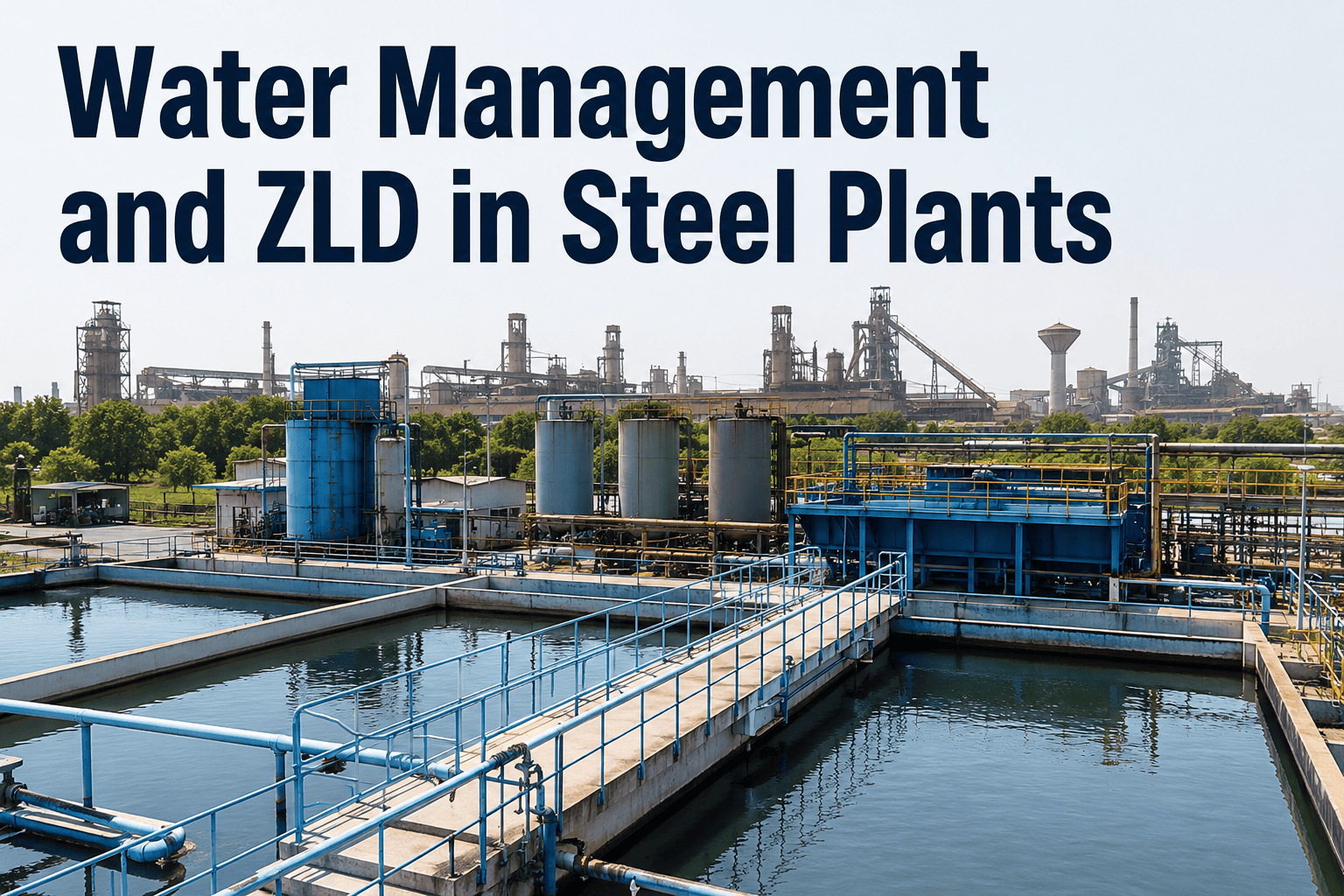
How does this support our zero-liquid-discharge (ZLD) goals?
ZLD is technically achievable in steel plants but economically viable only with highly optimized water management preceding it. AI optimization reduces the volume of water requiring ZLD treatment — making evaporators and crystallizers economically feasible where full-volume ZLD treatment would be cost-prohibitive. iFactory provides the operational data and recirculation management needed to design a ZLD system appropriately sized for actual water volumes, and then operates that system efficiently once installed. Discuss ZLD roadmap
Turn Water from a Cost Driver into a Competitive Advantage
AI-powered water management delivers freshwater reduction, regulatory compliance, and ESG performance simultaneously. iFactory connects every water sensor, treatment system, and maintenance workflow into one intelligent platform built for the intensity of steel production.