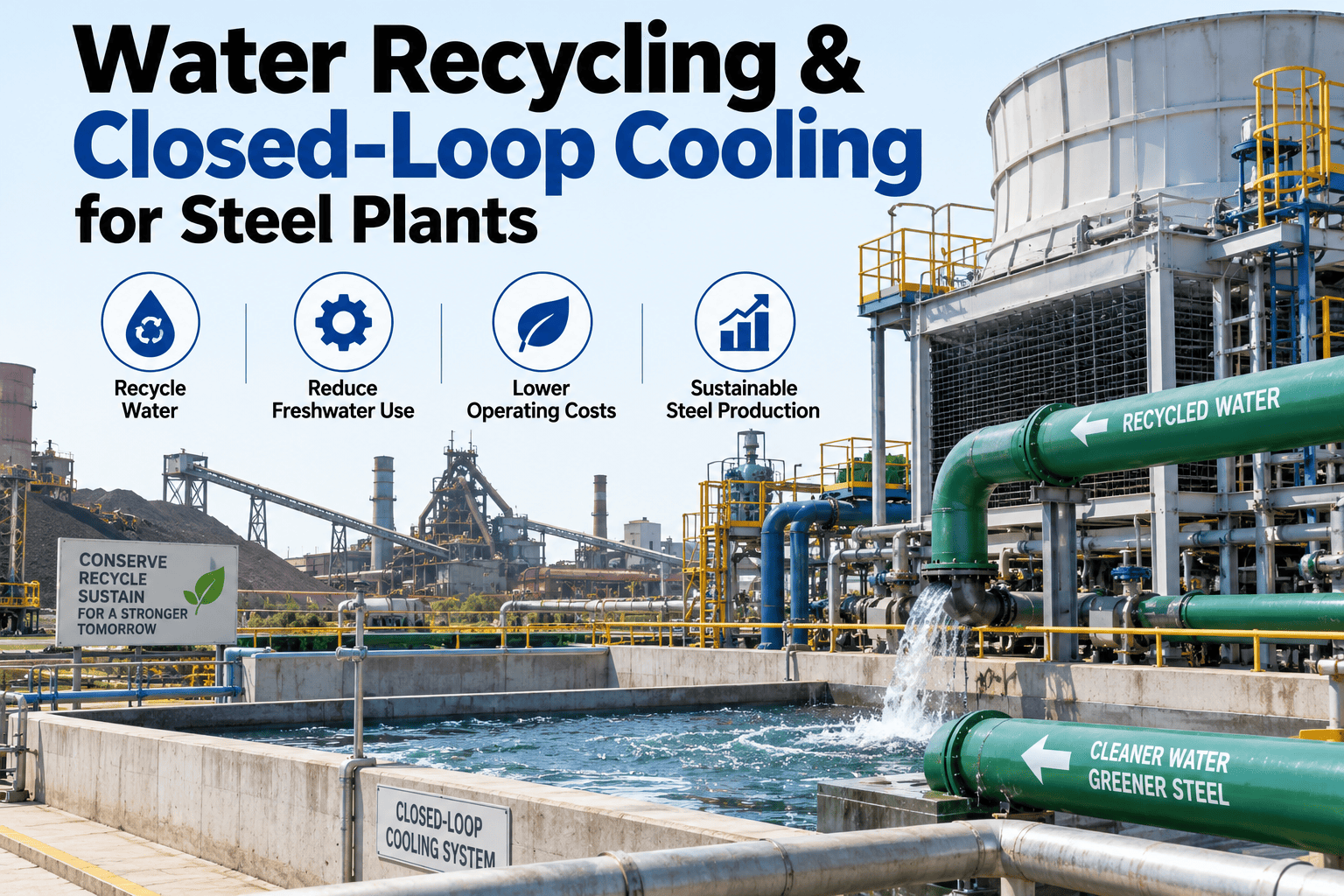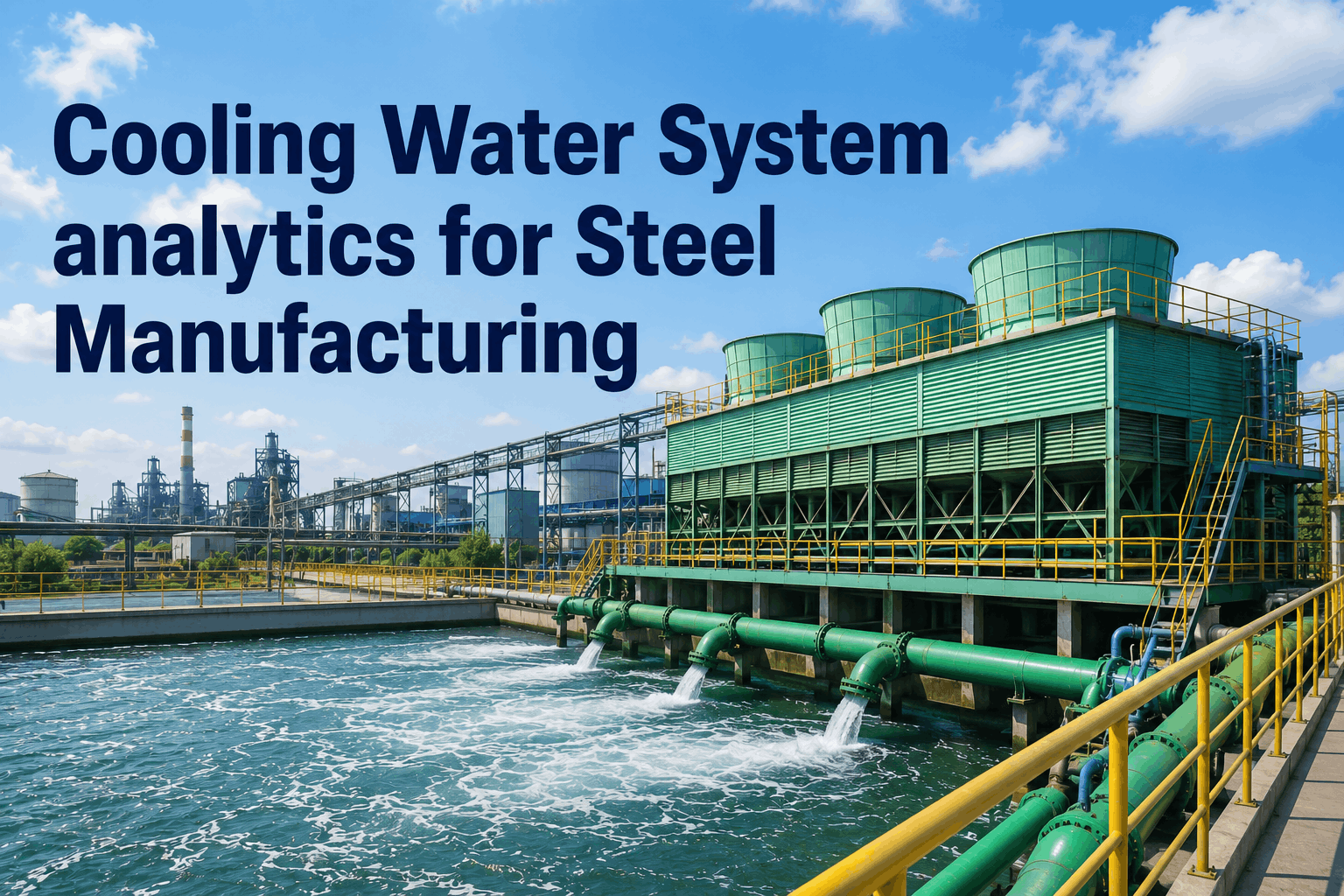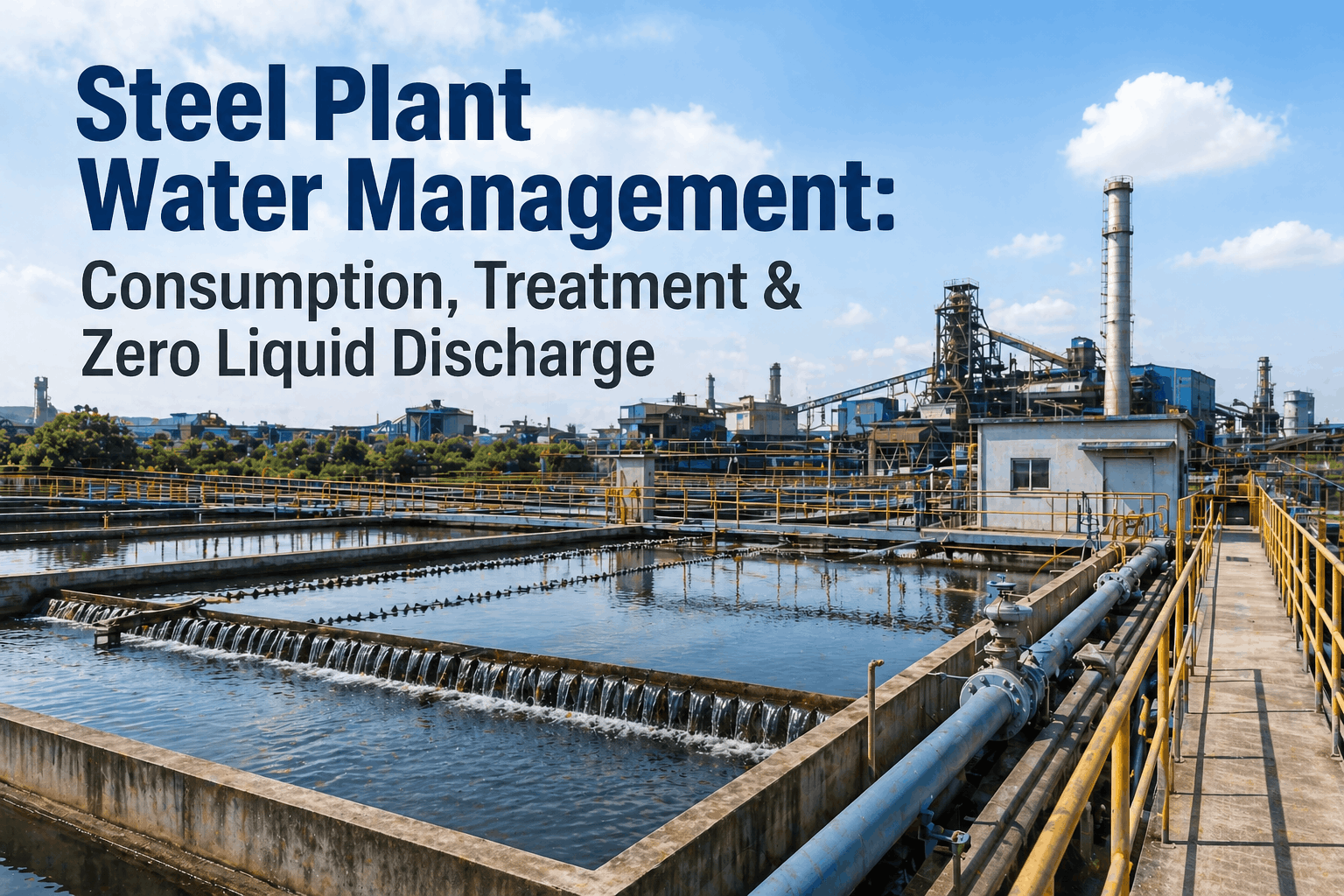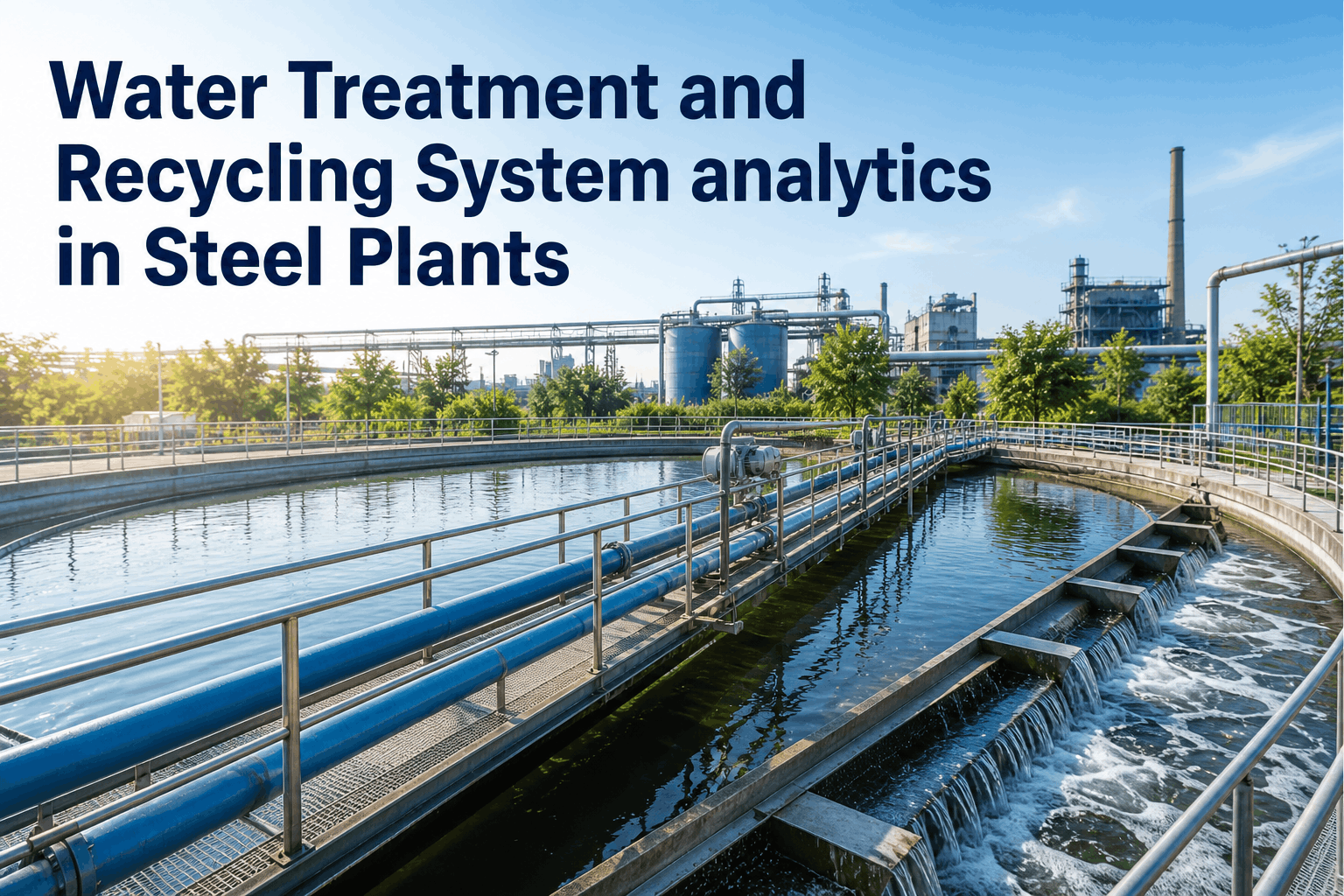
Steel manufacturing is one of the most water-intensive industrial processes on the planet, typically consuming between 3 to 6 cubic meters of water for every single ton of steel produced. Whether it is cooling the furnace hearth, quenching hot-rolled coils, or cleaning blast furnace gases, water is the lifeblood of the mill. However, managing this vast resource through manual sampling and reactive maintenance is no longer sustainable. The steel industry faces a dual challenge: the increasing scarcity of freshwater and the tightening of environmental discharge regulations, such as those mandated by the EPA and the European Green Deal. Contaminants such as suspended solids, oil and grease, heavy metals, and thermal pollution must be meticulously managed before any discharge occurs. Rising environmental regulations, water scarcity, and the push for "Zero Liquid Discharge" (ZLD) require a sophisticated water treatment and recycling analytics framework. iFactory digitizes your entire water lifecycle, providing real-time visibility into cooling tower efficiency, chemical dosing accuracy, and effluent water quality. By integrating your water treatment plant (WTP) data directly into your Enterprise Asset Management (EAM) system, iFactory ensures that critical pumps, filters, and reverse osmosis (RO) membranes are maintained with predictive precision, minimizing water waste and guaranteeing environmental compliance. Book a demo to optimize your steel plant's water footprint today.
Precision Water Analytics: Driving Zero Liquid Discharge in Steel Plants
Automate water quality monitoring, optimize cooling system performance, and maximize recycling rates with iFactory's integrated water analytics module.
The 7-Stage Digital Water Cycle — From Intake to ZLD
In a modern steel plant, water isn't just used once; it is part of a complex, circular economy. iFactory digitizes each stage of this cycle, ensuring that every gallon is tracked, treated, and returned to the system with minimal energy and chemical consumption. See a live water balance dashboard.
Beyond the core production cycle, the efficiency of a water treatment system is dictated by its ability to handle variations in raw water quality and plant load. Steel mills often deal with fluctuating effluent volumes based on production shifts, making static water management systems obsolete. iFactory's digital cycle provides the agility to adjust treatment parameters in real-time, preventing chemical over-dosing and reducing energy consumption in high-pressure RO and filtration systems. This holistic view is the foundation of an audit-ready "Green Steel" operation.
Mitigating Risks in Industrial Water Management
A failure in the water system can cause a furnace breakout or an environmental fine exceeding millions of dollars. iFactory prioritizes water asset maintenance based on criticality to ensure continuous cooling and compliance.
Effective risk management in water systems requires a move from time-based maintenance to condition-based and predictive strategies. A cooling tower fan that fails due to undetected vibration doesn't just stop a motor; it can lead to an emergency furnace shutdown costing $250,000 per hour. iFactory's EAM integration ensures that every alert from the criticality matrix is automatically converted into a prioritized work order, complete with digital manuals and spare parts availability, drastically reducing the Mean Time to Repair (MTTR).
Optimizing Water Balance & Recycling Rates
Transitioning toward sustainable steelmaking requires shifting from "Freshwater Dependence" to a "Circular Water Economy." iFactory tracks your water balance in real-time, helping you achieve a 95%+ recycling rate. Run a water efficiency audit.
The AI-driven Water Management Ecosystem
iFactory provides the connected infrastructure necessary to manage industrial water at scale, combining IoT data with EAM maintenance workflows.
Real-time Quality Monitoring
Monitor pH, conductivity, and dissolved solids instantly. iFactory's AI detects chemical imbalances before they cause corrosion or scaling in furnace cooling panels. By correlating water chemistry with asset health, we identify the root causes of heat exchanger fouling, allowing for targeted chemical dosing and a 30% reduction in chemical waste.
Cooling Tower Optimization
Track fan vibration, approach temperature, and cycles of concentration. iFactory predicts motor failure and optimizes blowdown frequency to save millions of gallons. Our analytics engine monitors the "approach to ambient wet-bulb temperature," identifying the precise moment of thermal efficiency degradation caused by biofilm growth or fill clogging.
RO Membrane Predictive Analytics
Analyze differential pressure and permeate flux. iFactory predicts membrane fouling, scheduling Clean-In-Place (CIP) cycles at the optimal moment to extend asset life. By applying machine learning to normalized flux data, we distinguish between reversible fouling and irreversible degradation, helping plants avoid premature membrane replacement costs.
Environmental Audit Reports
Generate timestamped, audit-ready compliance reports for effluent discharge. iFactory provides an immutable digital ledger of water quality data to satisfy regulators. Our reporting module eliminates the manual labor of data aggregation, providing one-click exports of total suspended solids (TSS), biological oxygen demand (BOD), and heavy metal concentrations.
Impact Assessment — iFactory in Water Management
What an Environmental Manager Said
Water was always a blind spot in our mill. We knew we were consuming millions of gallons, but we only found out about cooling tower scaling or RO membrane fouling after the assets failed. Moving to iFactory's water analytics was a game-changer. By connecting our WTP sensors to the EAM, we finally have a 'live' water balance. We've cut our freshwater intake by 30% and, more importantly, I finally sleep through the night knowing our effluent discharge is within regulatory limits 24/7. It's the most essential tool we have for our Green Steel roadmap.
Frequently Asked Questions: Water Analytics
How does iFactory help achieve Zero Liquid Discharge (ZLD)?
iFactory tracks every cubic meter of water throughout the plant. By analyzing the chemistry and flow at each stage, we optimize the recycling loop—ensuring that wastewater is treated and reused in less critical processes like dust suppression or slag cooling, effectively closing the loop.
Can iFactory detect silent leaks in the cooling system?
Yes. By comparing intake volume versus process usage and evaporative loss, iFactory's AI identifies unexplained water loss. This 'water balance' logic allows us to detect silent leaks in underground piping before they cause sinkholes or asset failure.
How does the system prevent scaling in furnace cooling panels?
Scaling is caused by chemical imbalances. iFactory monitors conductivity and LSI (Langelier Saturation Index) in real-time. If the water becomes 'scaling-prone,' the system automatically adjusts the chemical dosing pumps and triggers a blowdown, protecting your furnace refractory.
Does iFactory integrate with SCADA systems in the Water Treatment Plant?
Absolutely. iFactory sits above your SCADA/PLC layer, pulling historical and real-time data to provide long-term asset health analytics and environmental compliance reporting that standard control systems don't offer.
How does predictive maintenance work for RO membranes?
We track 'Permeate Flux' and 'Salt Rejection' over time. By modeling the degradation curve, iFactory predicts exactly when a membrane will foul. This allows you to schedule maintenance during a planned outage rather than facing an emergency shutdown.
Can we automate environmental compliance reporting?
Yes. iFactory provides a specific module for environmental reporting. It automatically aggregates your water quality data into audit-ready PDFs, complete with digital signatures and timestamped sensor logs, satisfying EPA and local municipal requirements.
What is the ROI of an industrial water analytics system?
The ROI comes from three areas: reduced freshwater costs, lower chemical consumption, and extended asset life. Most steel plants see a full return on investment within 8-12 months through OPEX savings alone.
Can iFactory manage water across multiple plant sites?
Yes. iFactory is a cloud-native platform. You can monitor the water efficiency and compliance status of your entire global plant portfolio from a single, centralized dashboard.
The Path to Zero Liquid Discharge (ZLD) Implementation
Implementing a world-class water recycling system isn't just about installing hardware; it's about building a digital culture of accountability. Steel plants that succeed in reaching ZLD status follow a three-phase digital roadmap with iFactory:
- Phase 1: Visibility & Baseline: Instrumenting raw water intake and primary discharge points to establish a real-time water balance and identify "low-hanging fruit" leaks.
- Phase 2: Predictive Performance: Connecting cooling towers and RO systems to iFactory's AI engine to move away from reactive repairs and toward condition-based maintenance.
- Phase 3: Autonomous Optimization: Integrating chemical dosing and blowdown systems with real-time analytics to automatically adjust to fluctuating production loads and raw water quality.
This roadmap doesn't just reduce environmental impact; it strengthens the operational resilience of the entire plant, ensuring that water scarcity never becomes a bottleneck for production. Start your Phase 1 audit today.
Master Water Efficiency & Compliance with iFactory
Minimize freshwater intake, optimize recycling, and eliminate compliance risks with AI-driven water analytics.