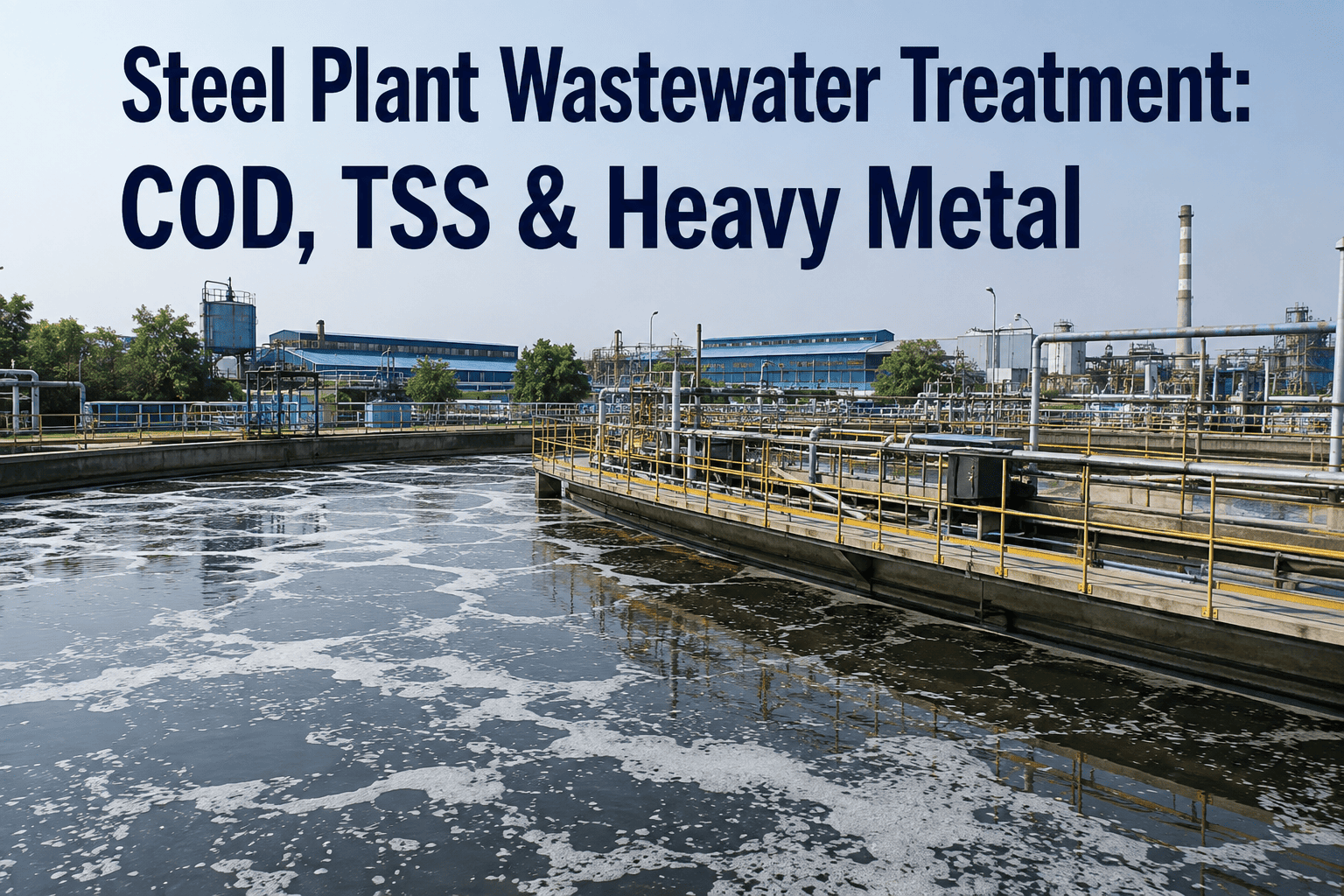
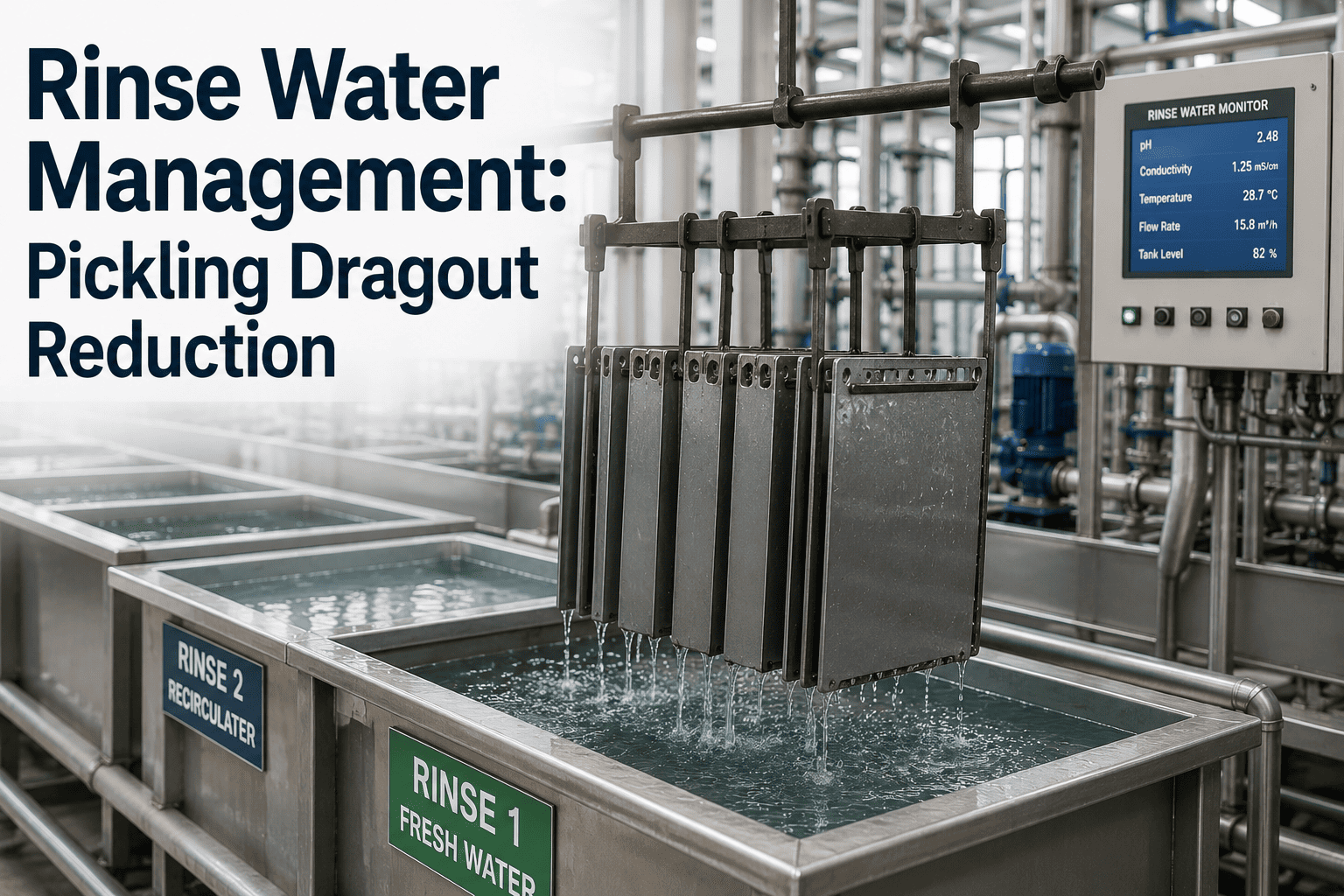
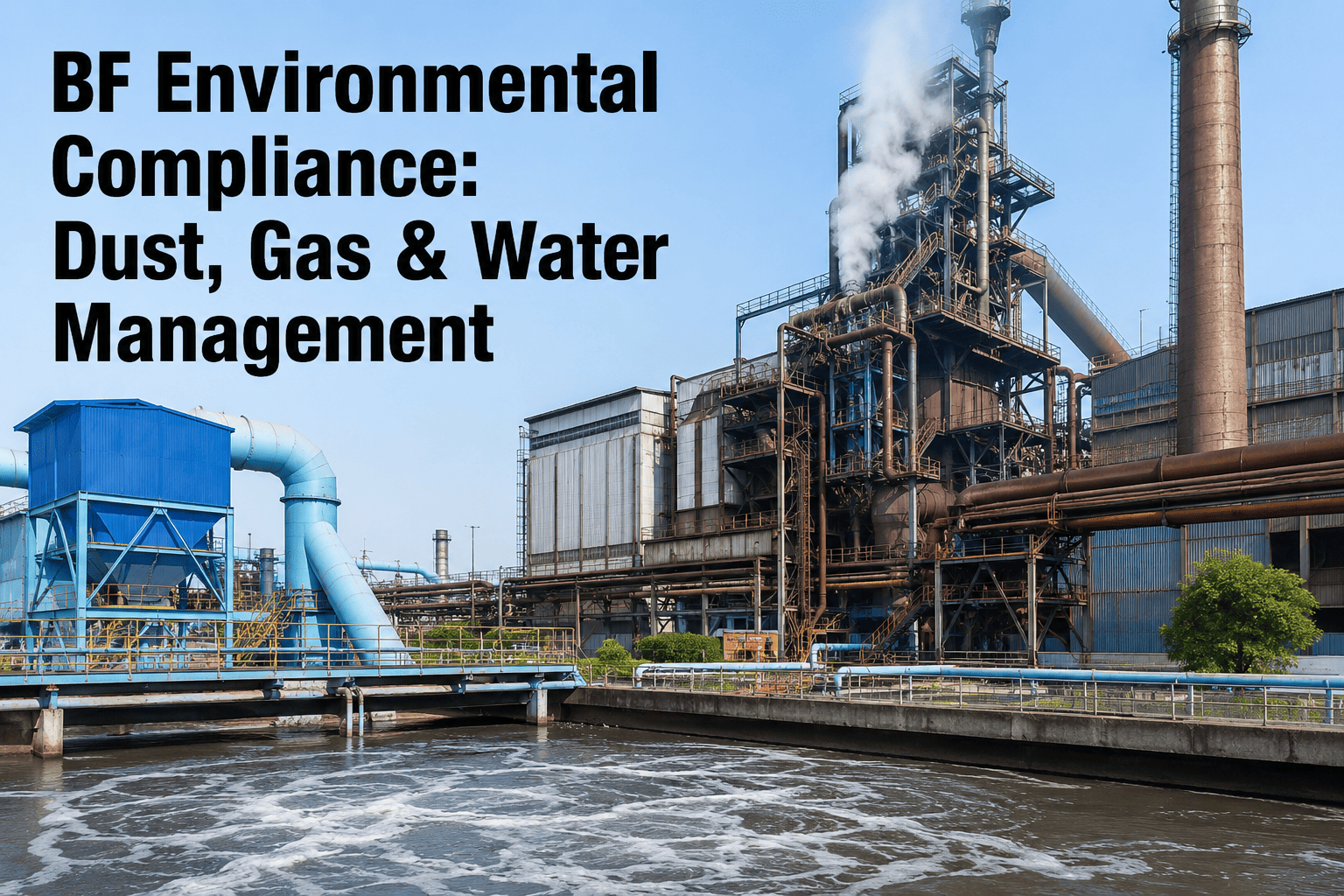
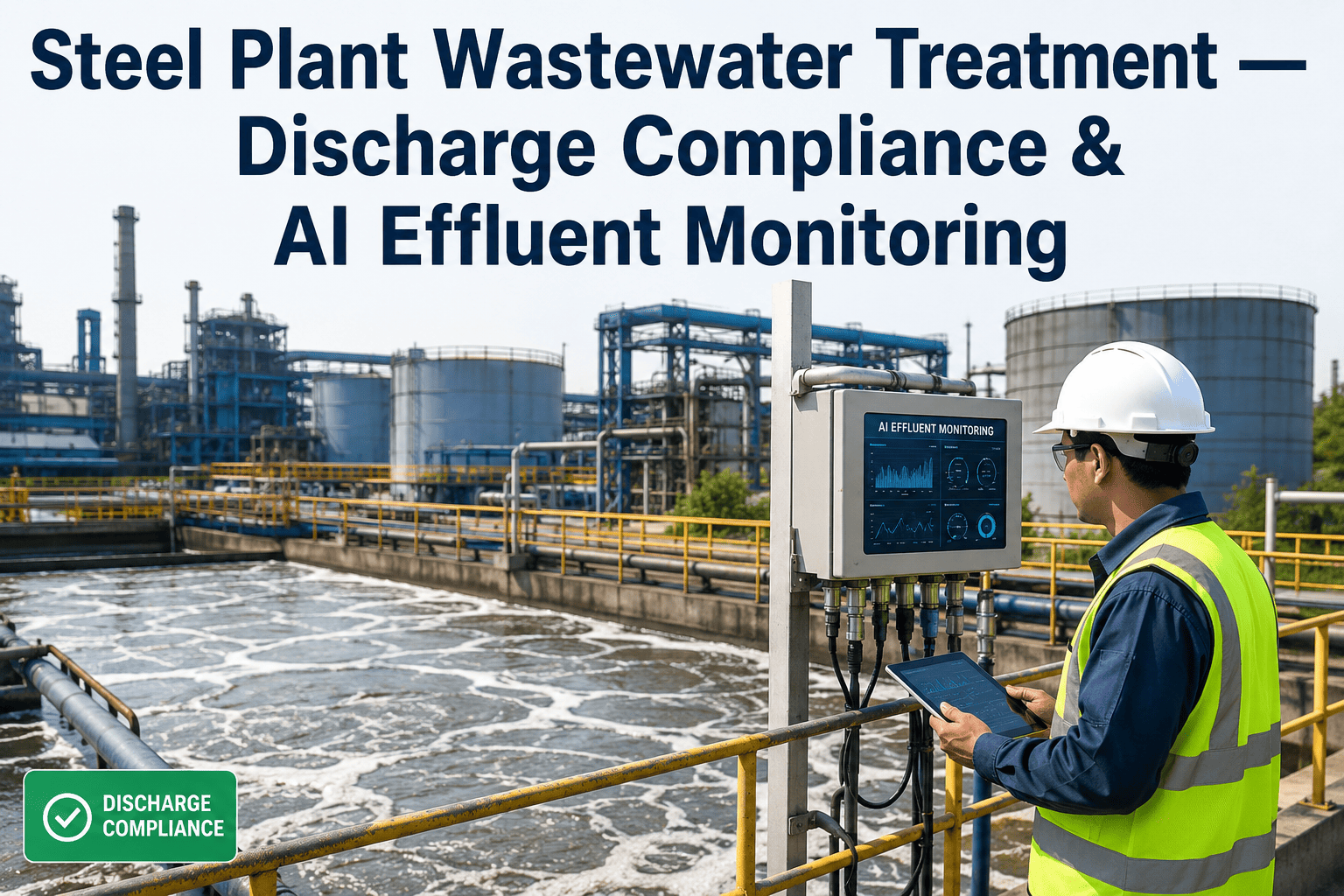
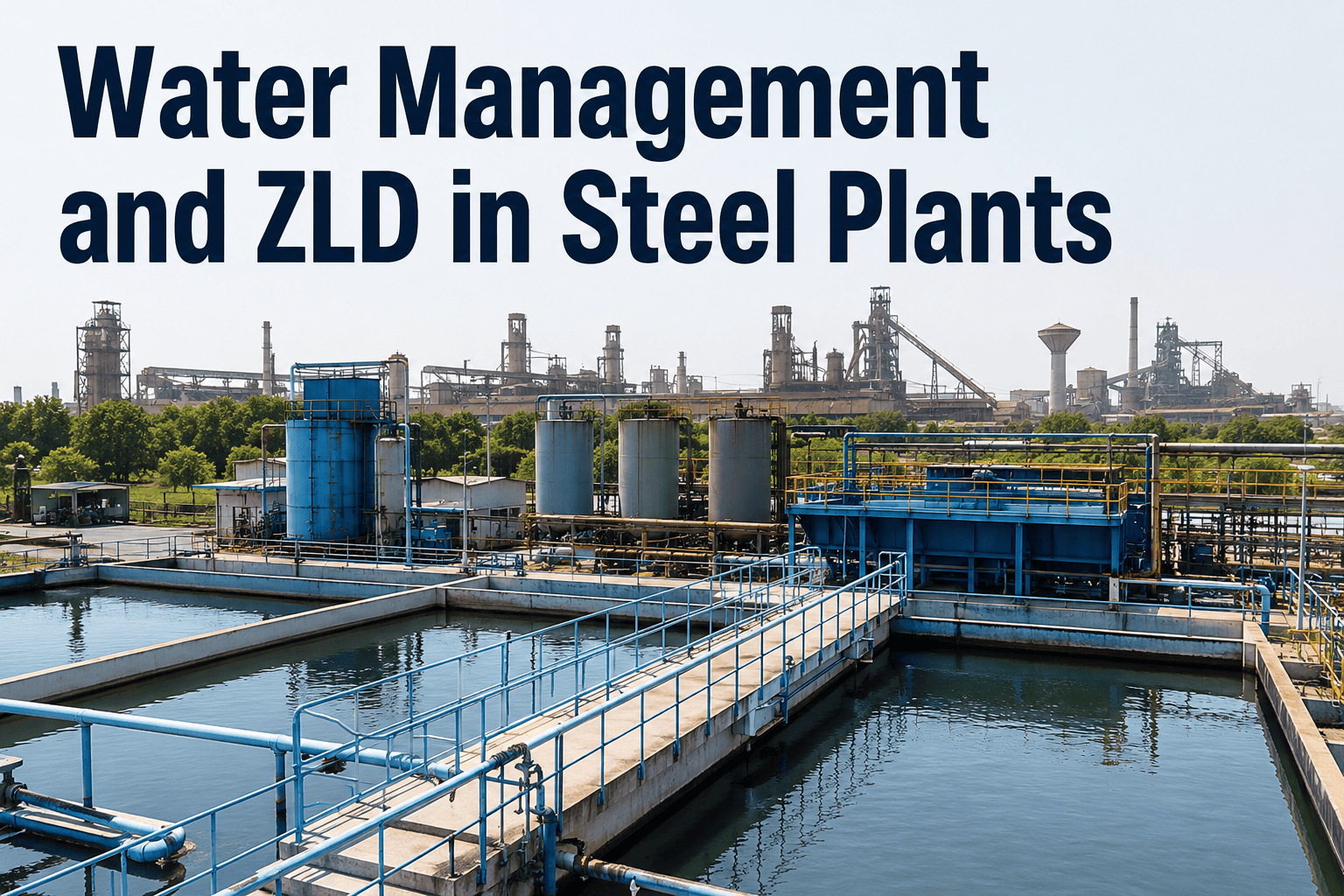
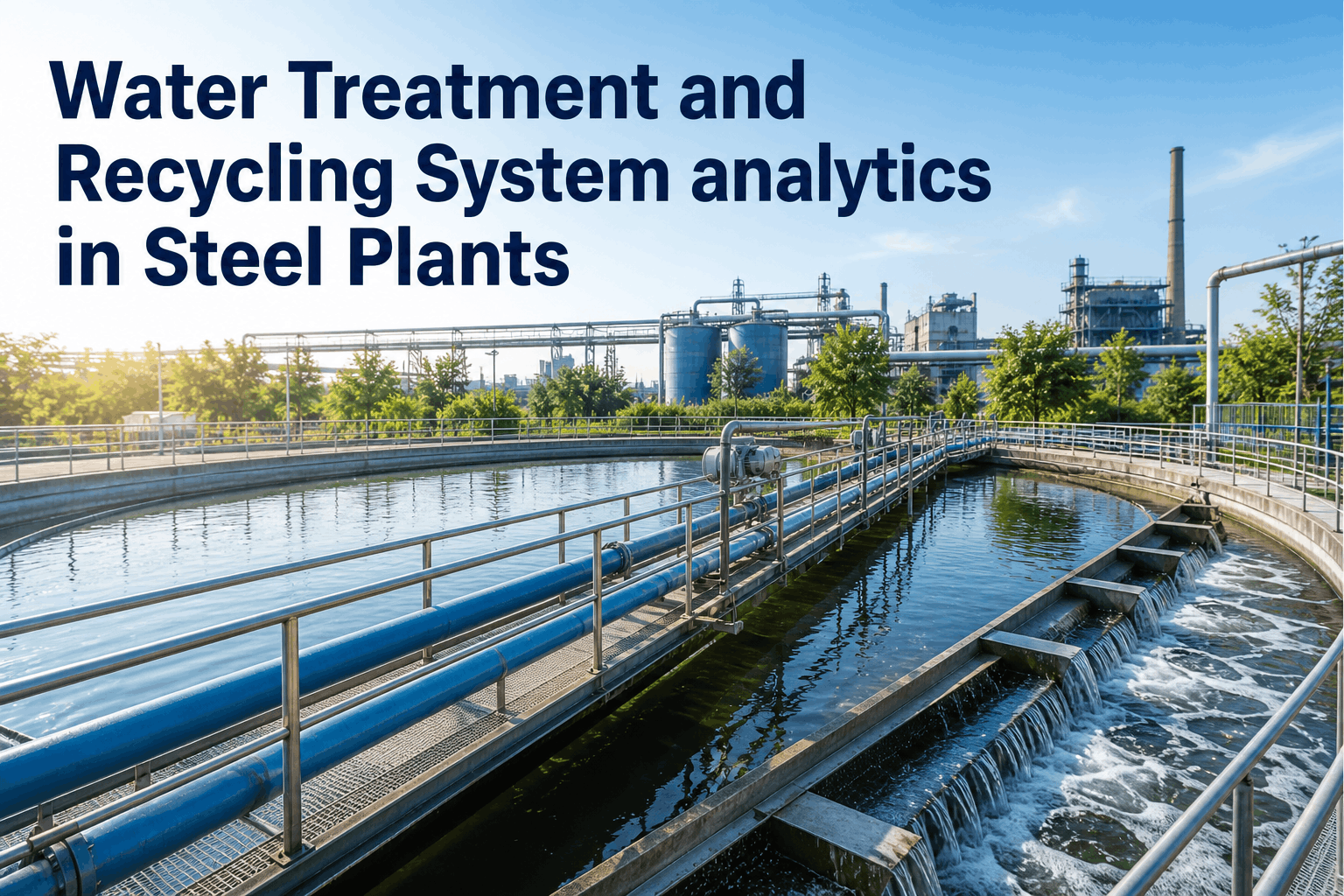
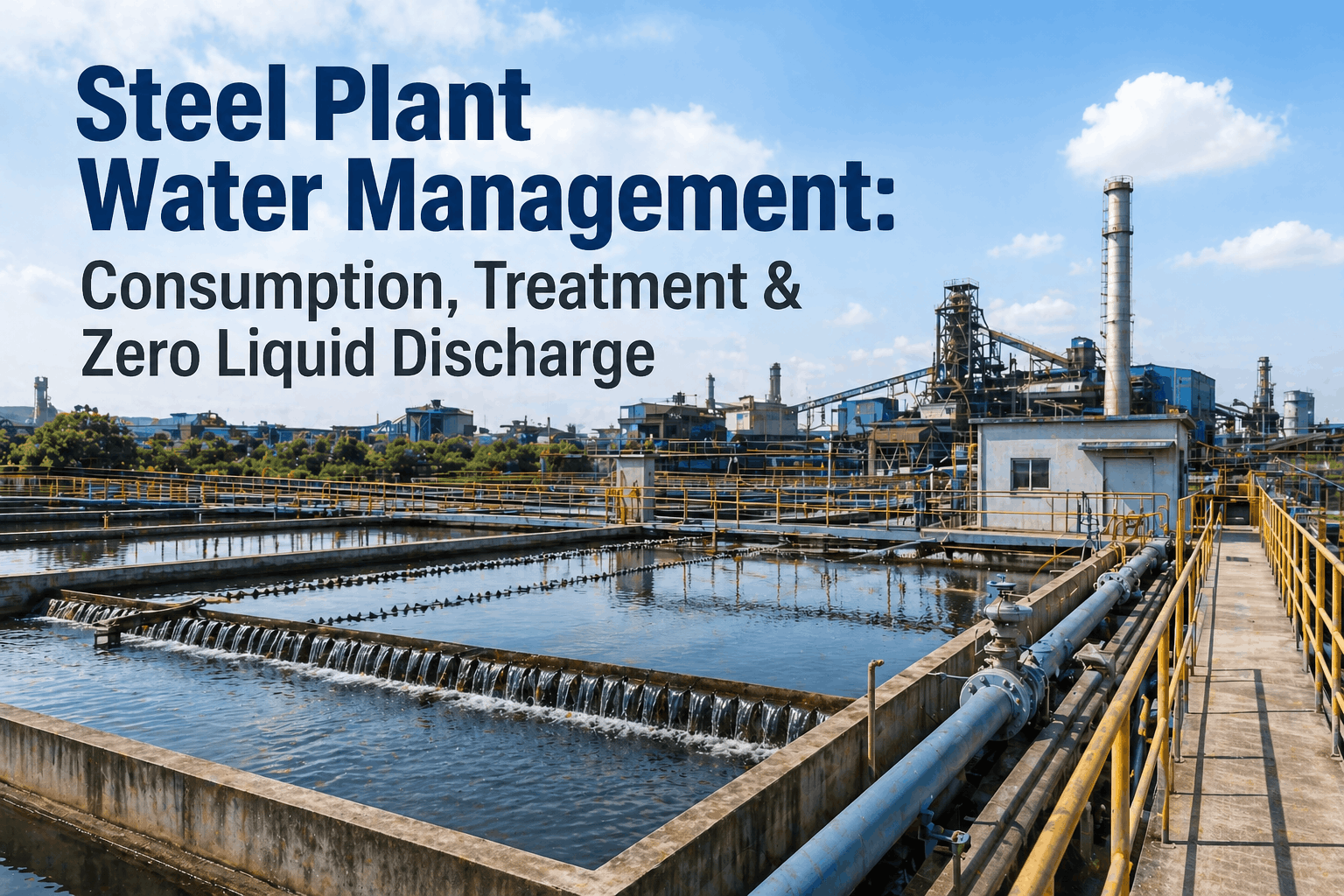
Steel plant wastewater carries a different pollutant profile depending on which process it comes from — cooling and gas cleaning water carries suspended solids and heavy metals, pickling line effluent carries acidity and dissolved metals, and coking operations contribute COD-heavy organic load. Treating all of this as one generic wastewater stream, rather than tracking each source against its own discharge limits, is how a plant ends up unable to quickly identify which process caused a COD or heavy metal exceedance when a discharge sample fails. Effective wastewater management starts with knowing which stream contributed which pollutant load before treatment, not just monitoring the combined effluent at the final discharge point. iFactory helps environmental teams build that source-level visibility, detailed at iFactory support.
Environmental · Wastewater Treatment
Steel Plant Wastewater Treatment: Managing COD, TSS, and Heavy Metal Discharge Compliance
Source-level pollutant tracking, treatment performance monitoring, and discharge compliance built around what each process stream actually contributes.
Multiple
Distinct process streams typically feeding one combined discharge point
COD / TSS
Two of the most commonly permitted parameters at steel plant outfalls
Source ID
The step most plants skip when a combined discharge exceedance occurs
Pollutant Load by Source
Every Process Stream Contributes a Different Pollutant Fingerprint
Process Source
Primary Pollutant Load
Typical Treatment Step
Gas Cleaning & Cooling Water
TSS, iron oxide particulate
Clarification, settling, filtration
Pickling Line Effluent
Low pH, dissolved iron and zinc
Neutralization, metal precipitation
Coking & Byproduct Operations
High COD, ammonia, phenols
Biological treatment, ammonia stripping
Continuous Casting Cooling
Scale, oil residue
Oil-water separation, scale pit settling
When a Combined Discharge Sample Fails, Knowing Which Stream Caused It Saves Days of Investigation.
iFactory tracks pollutant load by source stream so a COD, TSS, or metal exceedance points straight to the process that caused it.
Field Example
Tracing a COD Exceedance Back to a Single Process Line in Under a Day
A steel plant's combined discharge outfall failed a routine COD sample, and because the plant only monitored the combined effluent rather than individual process streams feeding into it, the environmental team had no immediate way to identify which of several contributing operations had caused the spike. The investigation initially involved manually checking operating logs across multiple departments over several days.
With iFactory tracking approximate pollutant contribution by source stream based on flow rate and periodic source sampling, the team was able to correlate the timing of the COD spike against an unusual discharge event from the coking byproduct treatment area, identified within the same day the exceedance was confirmed. Corrective action at that specific source prevented a recurrence in the following monitoring period.
Days to hours
Time to identify the contributing source stream
1 source
Process area identified as the root cause
0
Recurrences in the following monitoring period
Frequently Asked Questions
What Environmental Teams Ask About Steel Plant Wastewater Management
Why does source-level monitoring matter if the discharge permit only regulates the combined outfall?
The permit limit applies to the combined discharge, but when that combined sample fails, the plant still needs to identify and correct the actual source to prevent recurrence, and that investigation is far faster with existing source-level data than starting from scratch after the fact. Source-level tracking is an operational tool for root cause speed, not a separate compliance obligation, though some jurisdictions do require internal monitoring points for specific high-risk streams like pickling effluent.
Why is heavy metal precipitation so sensitive to pH control?
Metal hydroxides have a specific pH range where they precipitate out of solution most effectively, and operating even a small amount outside that optimal band for a given metal can leave a meaningful fraction still dissolved and passing through to discharge. Because different metals have slightly different optimal precipitation pH ranges, a treatment system handling multiple metals often needs staged pH adjustment rather than a single neutralization point to achieve consistent removal across all of them.
What typically drives a COD exceedance in steel plant wastewater?
Coking and byproduct recovery operations are the most common source of high COD load due to organic compounds like phenols and ammonia in the effluent, though upset conditions in biological treatment systems handling that load, such as a temperature swing or toxic shock affecting the treatment bacteria, are frequently the proximate cause of an actual exceedance rather than the raw pollutant load itself increasing.
How often should internal process streams be sampled versus the final outfall?
Final outfall sampling frequency is typically set by the discharge permit, but internal process stream sampling is a plant management choice, and streams with historically variable or high-risk pollutant loads, such as pickling effluent or coking wastewater, generally benefit from more frequent internal sampling than lower-risk streams like non-contact cooling water, since the goal is catching a source-level problem before it reaches the combined outfall.
How does iFactory help track pollutant load across multiple process streams?
iFactory connects existing flow meters, source sampling data, and treatment system performance data across each contributing process stream into a single tracked view, correlating combined outfall results against source-level trends to speed up root cause identification when an exceedance occurs. To map this against your specific process streams and treatment system,
book a demo.
Know Which Stream Caused the Exceedance Before You Start Investigating.
Source-level pollutant tracking, treatment performance monitoring, and discharge compliance built for the way steel plant wastewater actually flows.