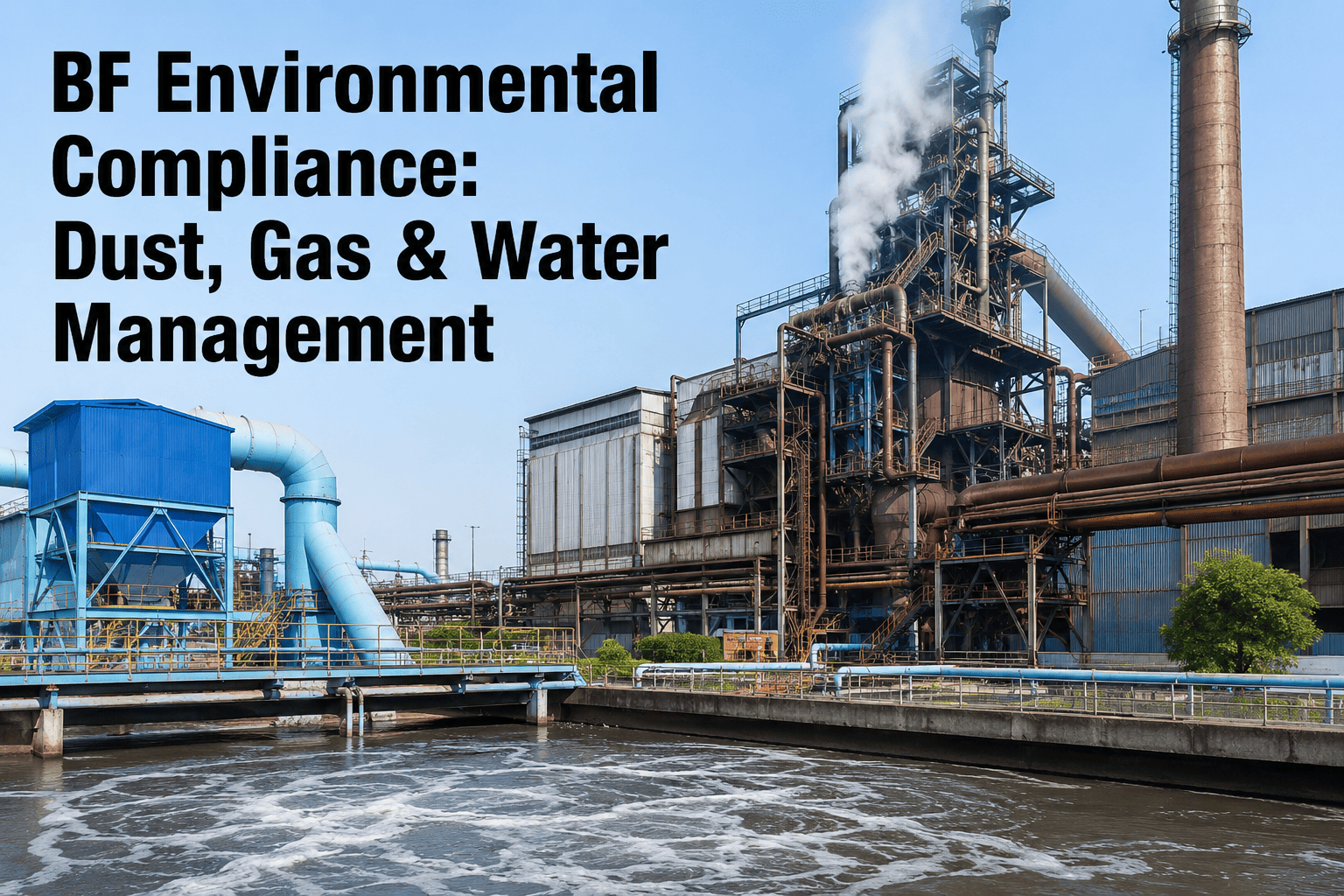
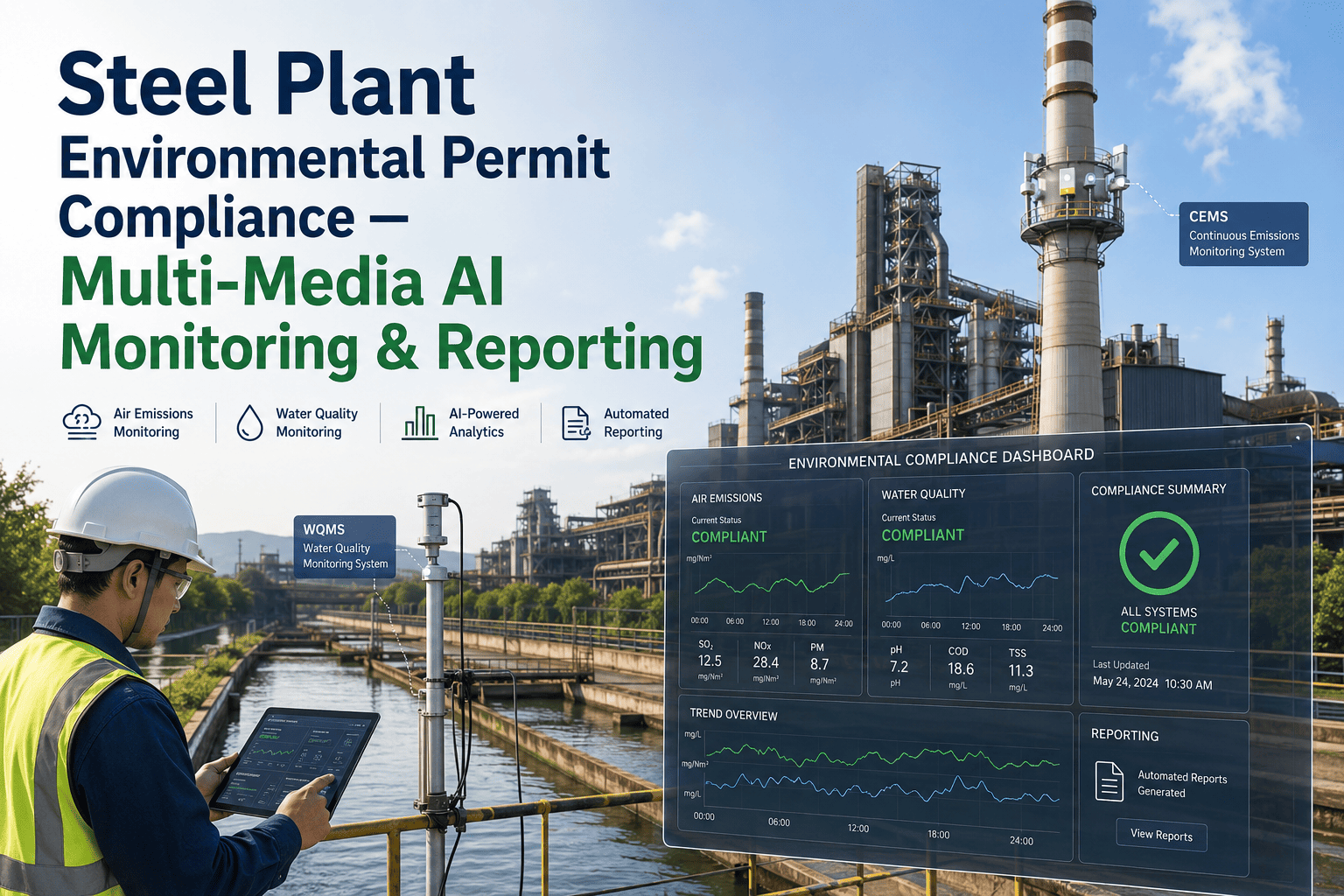
Environmental compliance for a blast furnace is really three separate regulatory conversations happening at once — particulate and dust emissions from casting and stockhouse operations, gas recovery and utilization from the top gas stream, and wastewater discharge from gas cleaning and cooling systems. Each has its own permit conditions, its own monitoring requirements, and its own consequence for non-compliance, and treating them as one generic "environmental" checkbox is exactly how plants end up with a fragmented compliance record that cannot answer a regulator's specific question quickly. A structured approach ties each stream to its own permit limits and monitoring cadence while still giving plant leadership one consolidated view of overall compliance status. iFactory helps ironmaking teams build that view, with implementation detail at iFactory support.
Blast Furnace · Environmental Compliance
Blast Furnace Environmental Compliance: Managing Dust, Gas, and Water as Three Distinct Streams
Particulate emission control, top gas recovery and utilization, and gas cleaning wastewater management brought into one compliance record for sustainable ironmaking operations.
3 Streams
Dust, gas, and water each carrying separate permit conditions
Continuous
Monitoring typically required for stack particulate and top gas composition
High
Recoverable energy value in top gas when captured and utilized properly
The Three Compliance Streams
Dust, Gas, and Water Each Need Their Own Monitoring Logic
Dust & Particulate
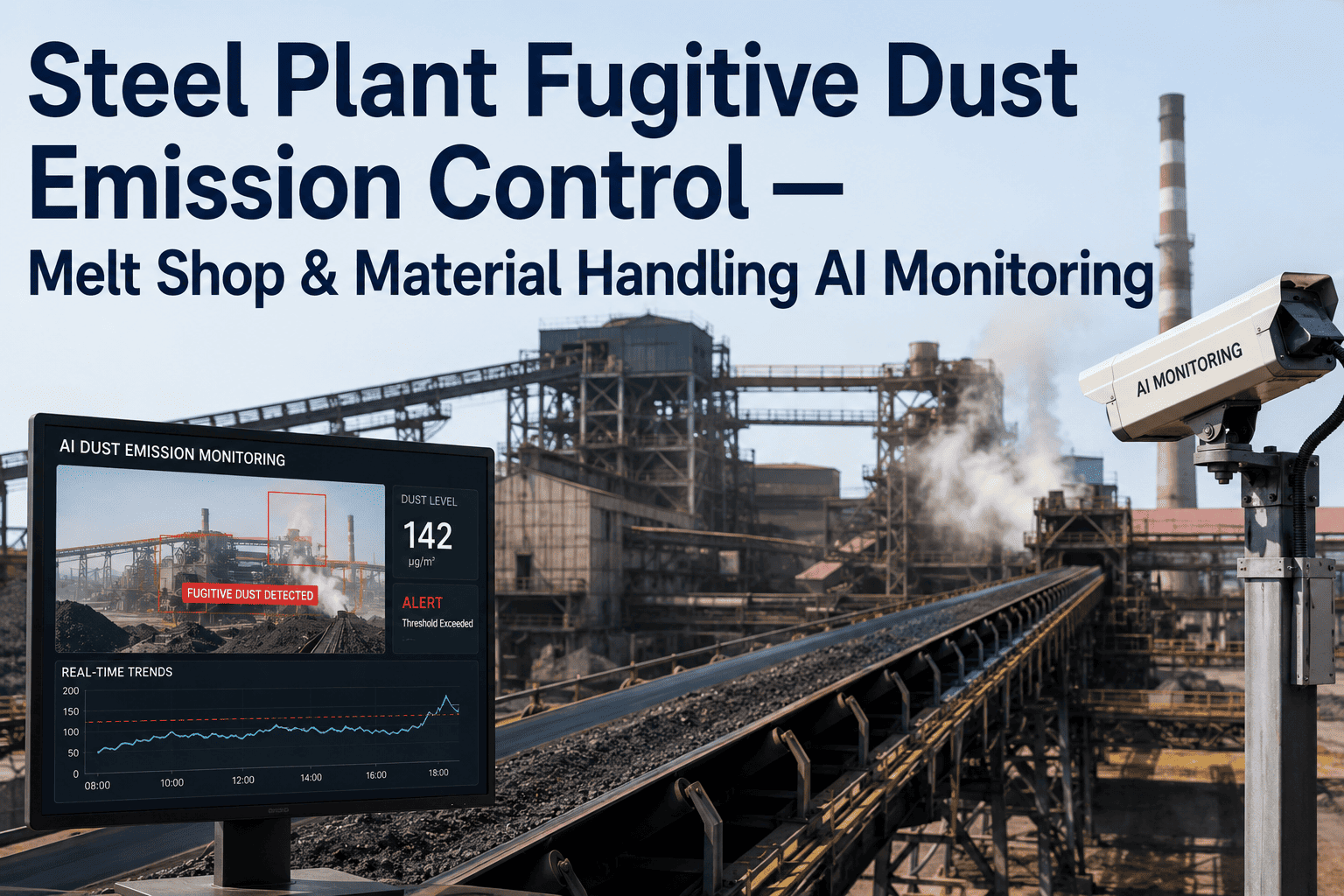
Cast house fume, stockhouse dust, and material handling emissions requiring bag filter or ESP collection efficiency tracking and stack particulate monitoring against permit limits.
Top Gas Recovery
Blast furnace gas cleaning, composition monitoring, and utilization tracking across power generation and reheat furnace fuel applications, with flaring minimization as a compliance and efficiency goal.
Gas Cleaning Wastewater
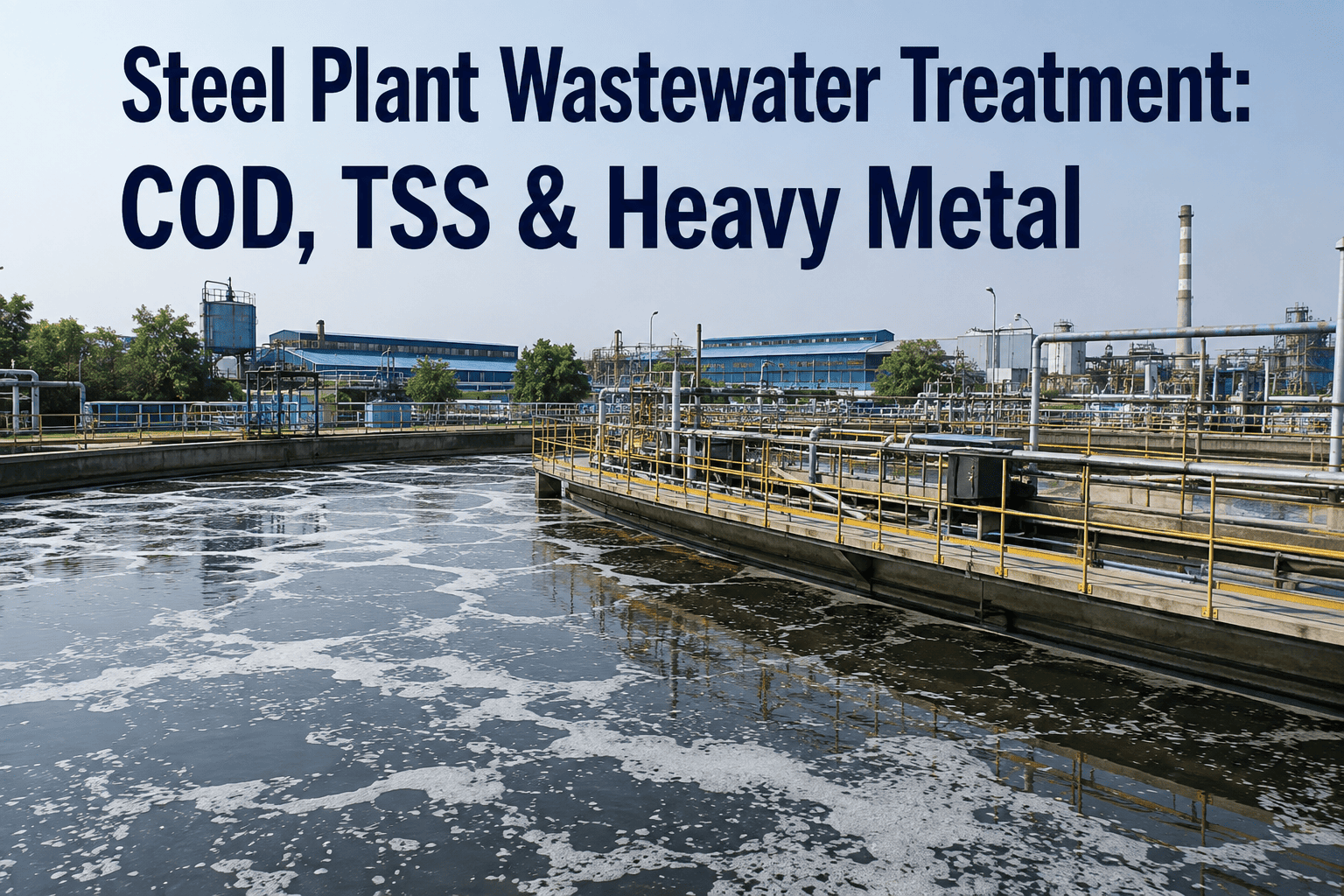
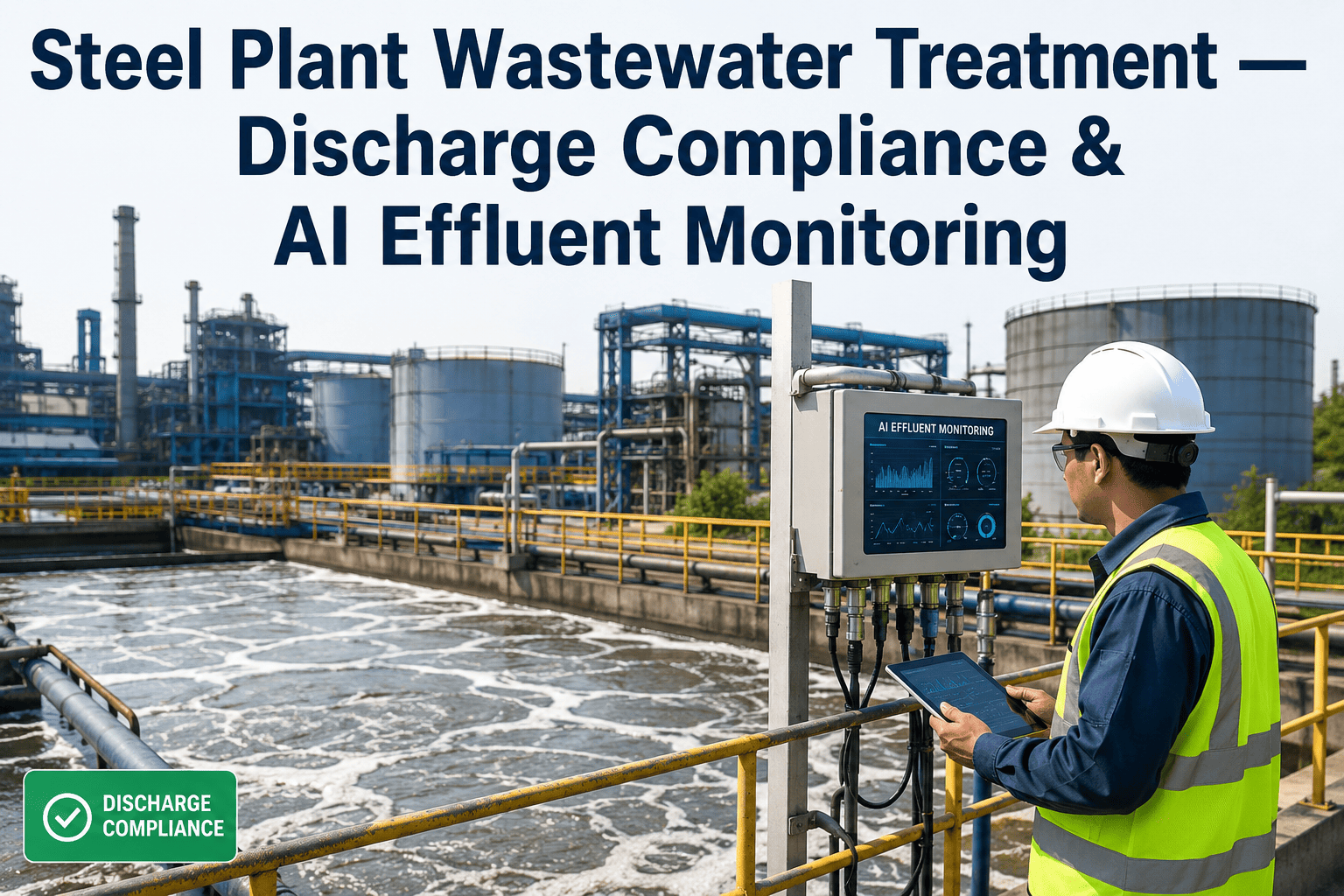
Wet scrubber blowdown and cooling water discharge requiring suspended solids and heavy metal monitoring before release, often the least visible of the three streams until an exceedance occurs.
Emission Source Mapping
Where Dust and Gas Actually Originate Across the BF Process
Source Point
Emission Type
Typical Control
Monitoring Approach
Stockhouse & Charging
Fugitive particulate
Enclosure, bag filters
Opacity monitoring, periodic stack testing
Cast House
Fume, particulate
Fume extraction hoods, ESP or baghouse
Continuous particulate monitor
Top Gas Offtake
CO, particulate-laden gas
Dry or wet gas cleaning system
Continuous composition analysis
Gas Cleaning Scrubber
Wastewater with TSS, metals
Clarification, settling, treatment
Periodic effluent sampling
A Regulator's Question About One Stream Shouldn't Require Pulling Records From Three Different Departments.
iFactory consolidates dust, gas, and water compliance data into one tracked record while keeping each stream's specific permit logic intact.
Top Gas Recovery & Utilization
Turning a Compliance Obligation Into a Recovered Energy Asset
1
Gas Cleaning Before Utilization
Top gas must pass through dust removal, typically a dust catcher followed by wet or dry cleaning, before it is suitable for downstream fuel use.
2
Power Generation Utilization
Cleaned BF gas fuels on-site power generation, often blended with coke oven or basic oxygen furnace gas depending on the site's mixed gas network.
3
Reheat Furnace & Process Fuel Use
A portion of cleaned gas typically fuels hot blast stoves and downstream reheat furnaces, reducing reliance on purchased natural gas.
4
Flaring as the Exception, Not the Default
Excess gas flaring should be tracked as an efficiency and compliance signal — a rising flaring rate usually indicates a utilization or gas balance problem worth investigating.
Field Example
Consolidating Three Separate Compliance Logs Into One Audit-Ready Record
An integrated producer was managing dust, gas, and water compliance data across three separate systems — a manual particulate monitoring log maintained by the environmental team, a gas composition record kept by process engineering, and a wastewater sampling spreadsheet maintained by the utilities group. When a regulatory inspection requested a combined view of compliance status across all three streams for the previous twelve months, assembling the response took the environmental manager most of a week.
After consolidating all three data streams into iFactory with their existing permit limits and monitoring cadences preserved separately, the same type of consolidated compliance request during the following year's inspection was answered same-day, with each stream's individual exceedance history, if any, immediately queryable alongside the others.
1 week to 1 day
Time to produce a combined compliance report for inspection
3 to 1
Separate tracking systems consolidated into one record
12 months
Of historical data made queryable across all three streams
Frequently Asked Questions
What Environmental Teams Ask About BF Compliance Management
Do dust, gas, and water compliance really need to be tracked separately from each other?
Each stream typically operates under different permit conditions, different monitoring technology, and often different regulatory frameworks, so preserving that separation in how data is recorded matters for defensibility during an inspection. The value of consolidation is not merging them into one undifferentiated record, but making all three queryable from a single system so a plant-wide compliance question can be answered without contacting three different departments.
What causes most top gas flaring, and is it always a compliance concern?
Flaring typically increases when gas production temporarily exceeds the plant's utilization capacity, often during furnace upset conditions, downstream equipment outages, or gas network imbalances between multiple gas sources. Occasional flaring during genuine upset conditions is generally expected and permitted, but a rising baseline flaring rate over time usually signals an underlying utilization or gas balance inefficiency worth investigating rather than treating as routine.
How often does gas cleaning wastewater actually need to be sampled?
Sampling frequency is generally set by the discharge permit and varies by jurisdiction and receiving water sensitivity, but many permits require at minimum monthly sampling for suspended solids and periodic heavy metal analysis, with continuous pH and flow monitoring in many cases. Plants operating near permit limits on any parameter often choose to sample more frequently than the permit requires simply to catch a drifting trend before it becomes an exceedance.
What's the most common reason plants fail a particulate emission inspection?
The most common finding is not usually a sustained exceedance of the permit limit but a gap in continuous monitoring data availability, often caused by an unrecorded monitor outage or calibration lapse that leaves a period of missing data the plant cannot account for. Regulators generally treat unexplained monitoring gaps as seriously as an actual exceedance, since the absence of data during that window cannot demonstrate compliance either way.
How does iFactory help without replacing our existing monitoring hardware?
iFactory connects to existing continuous emission monitors, gas analyzers, and lab sampling records to build the consolidated compliance record, rather than requiring new field instrumentation. The system flags approaching permit limits, monitoring data gaps, and overdue sampling across all three streams so issues surface before an inspection rather than during one. To map this against your current monitoring setup,
book a demo.
One Consolidated View for Three Compliance Streams That Actually Need to Stay Distinct.
Dust, gas, and water compliance tracked against their own permit logic, queryable together when an inspection asks for the whole picture.