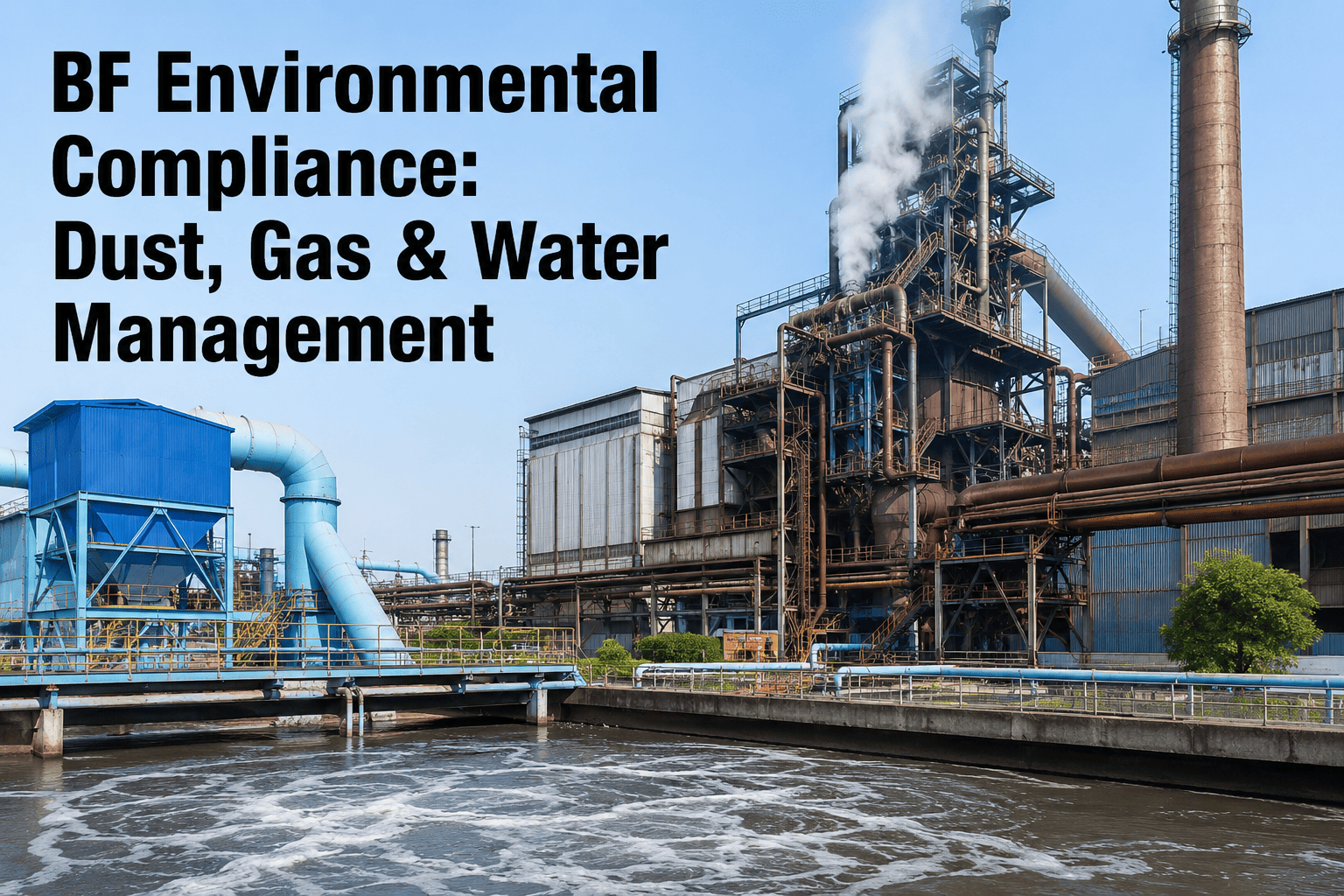
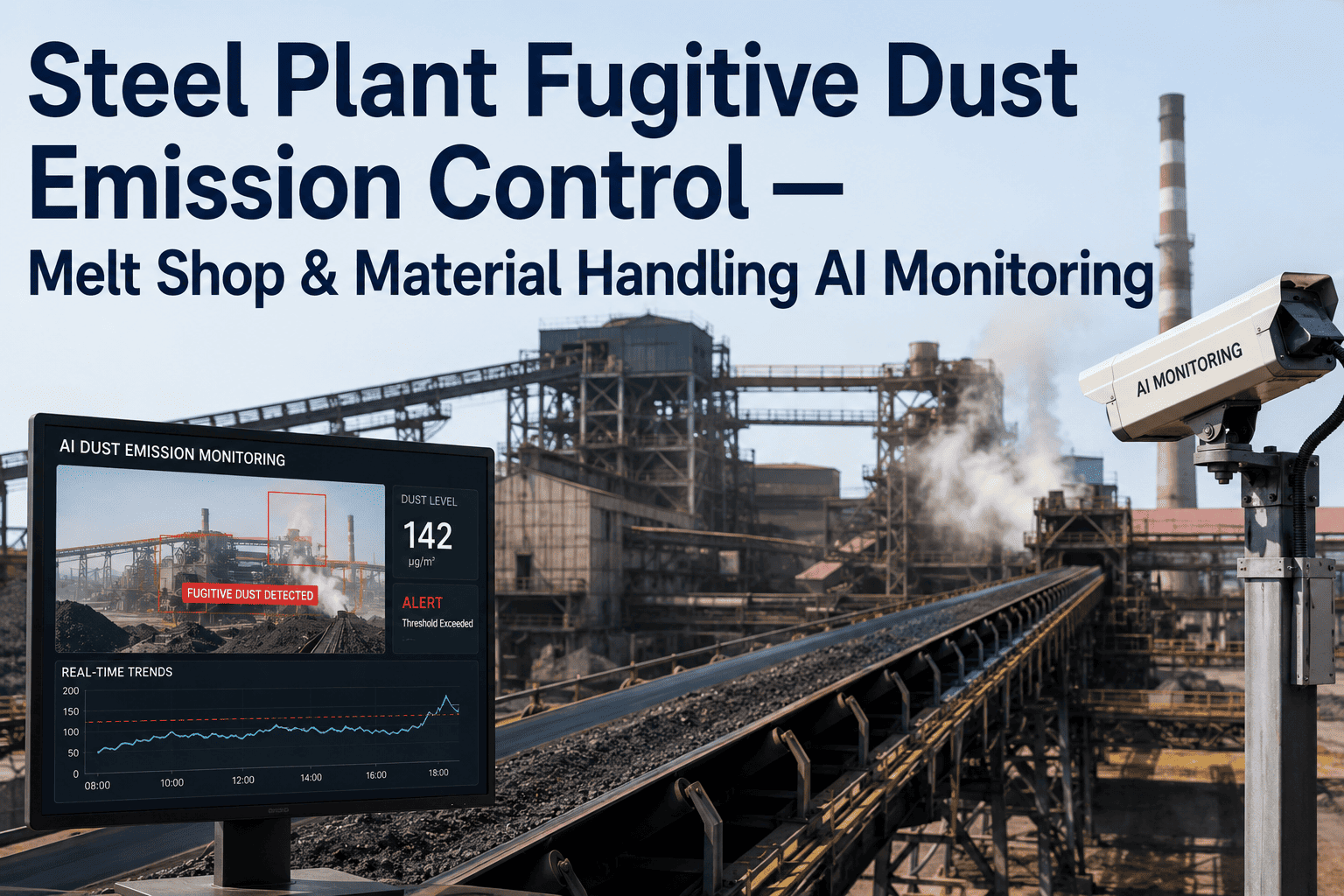
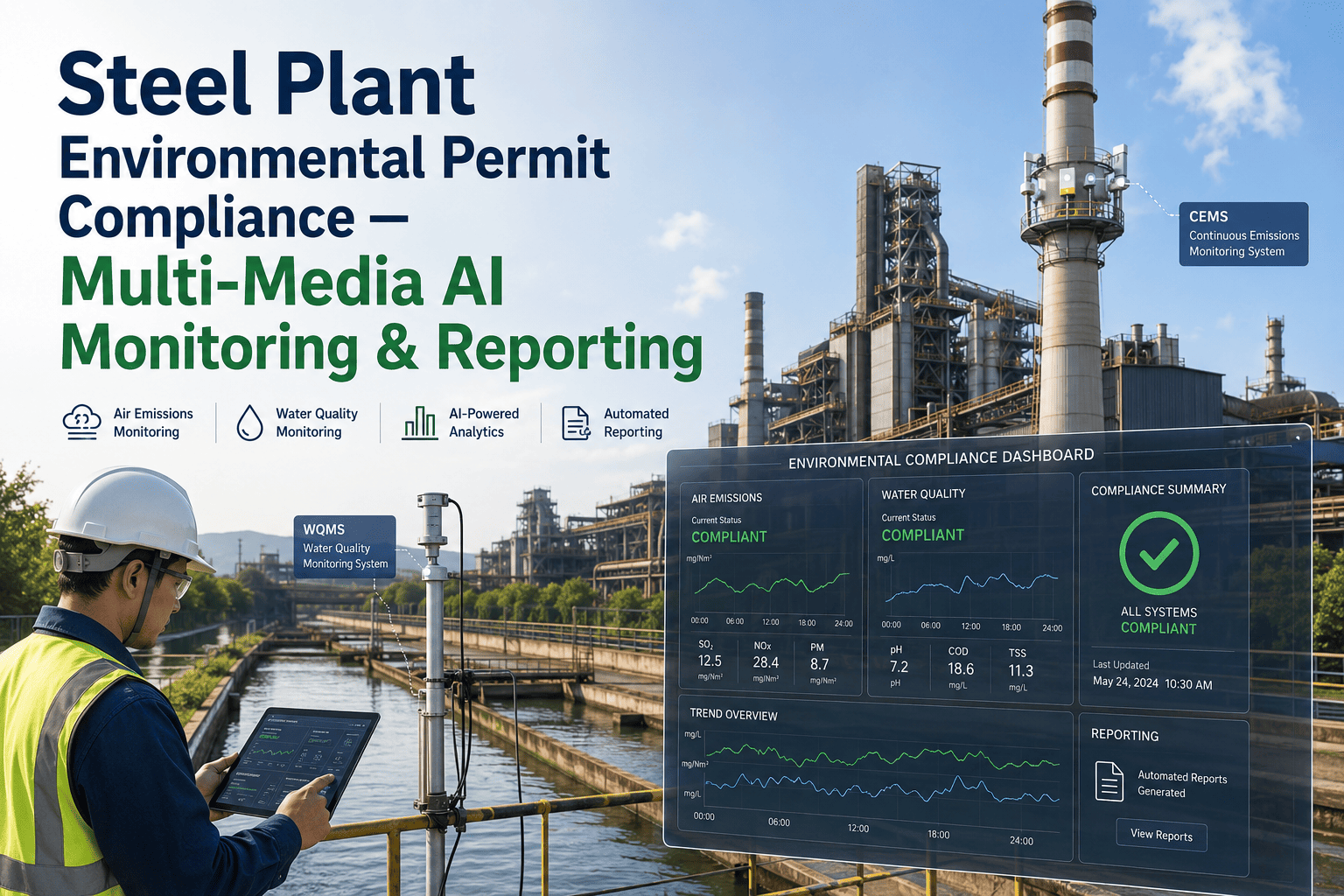
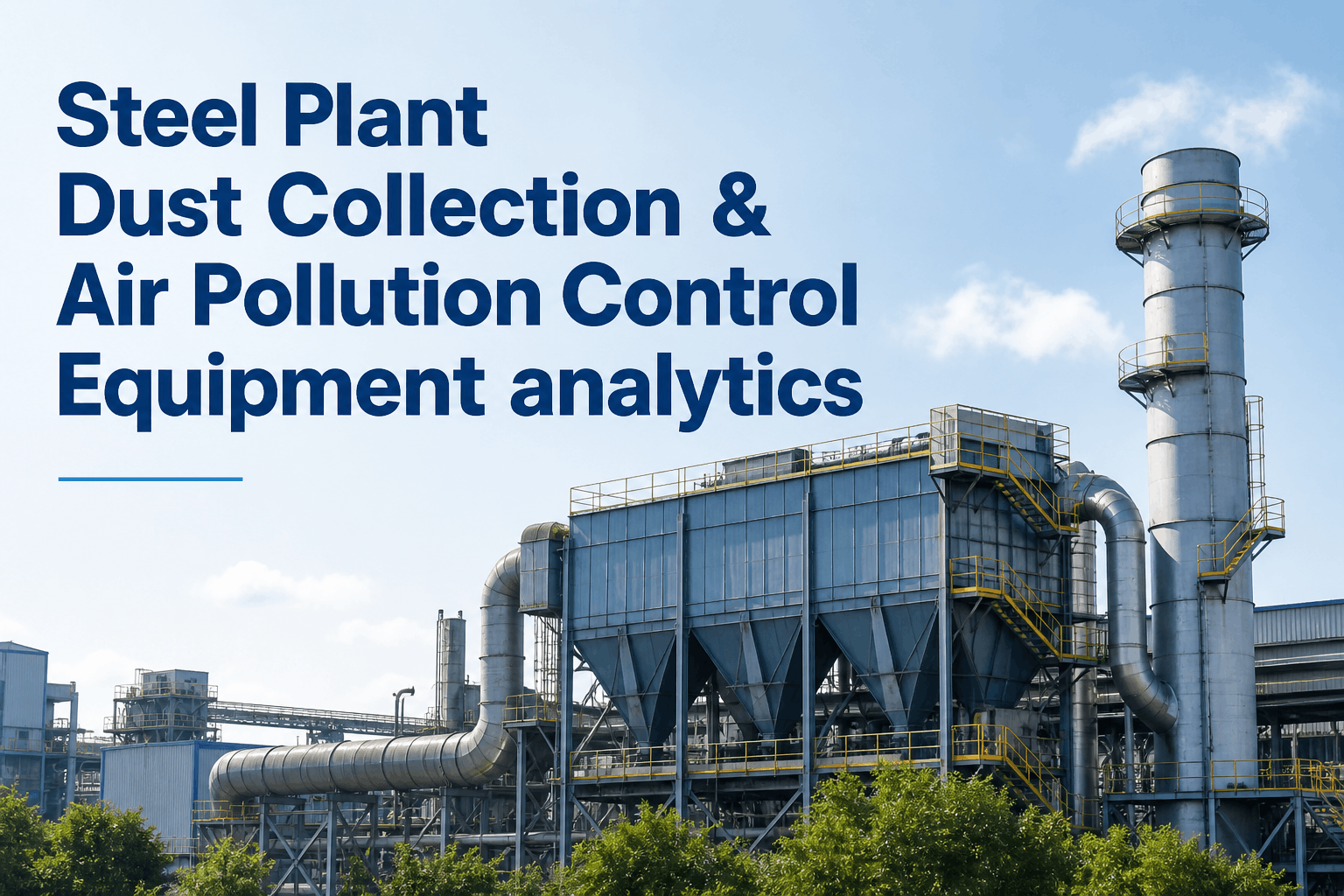
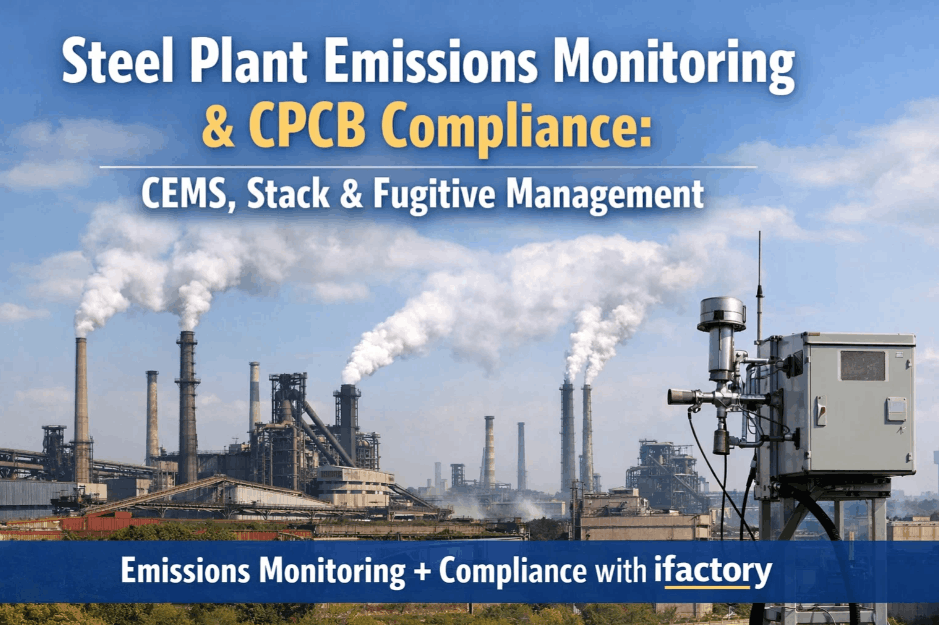
Fume and dust control around an electric arc furnace is one of the most consequential responsibilities an EHS manager carries, balancing worker exposure limits, environmental permit compliance, and the substantial energy cost of running primary and secondary capture systems around the clock. Capture efficiency is never static, since it shifts with furnace roof position, charging activity, tapping sequence, and baghouse condition, yet most facilities size their dust collection energy use around worst-case assumptions rather than actual real-time capture needs. AI-powered emission analytics from iFactory continuously models fume generation and capture efficiency across every stage of the melting cycle to keep air quality compliant while reducing unnecessary energy spend.
Primary Capture
Secondary Capture
Baghouse Efficiency
EAF Fume and Dust Emission Control with AI-Optimized Capture Analytics
iFactory continuously tracks fume generation intensity across every stage of the melting cycle and models primary and secondary capture efficiency in real time, helping EHS teams maintain workplace air quality and environmental compliance while reducing dust collection energy consumption.
10-15%
Typical dust collection energy reduction from AI-optimized capture control
4 Stages
Distinct fume intensity phases across a single melting cycle
Continuous
Monitoring frequency needed to catch capture efficiency drops as they happen
Capture Zones Across the Melt Shop
Fume and dust generation is not constant across a melting cycle, and neither is the capture system's ability to keep pace with it. Charging, meltdown, refining, and tapping each generate different volumes and characteristics of fume, and a capture strategy that treats every stage the same way either wastes energy during low-generation periods or falls short during peak generation moments.
Roof and Fourth Hole Extraction
Direct extraction capture rate modeled against real-time fume generation estimated from power input and scrap charge characteristics for the current heat.
Building Canopy and Roof Monitors
Secondary capture system airflow adjusted based on fugitive emission levels detected in the building envelope during charging and tapping operations.
Charging Bay Capture
Localized capture around the charging bucket and door tracked during the highest fugitive emission risk window of the melting cycle.
Tapping and Ladle Transfer
Capture demand modeled around tap timing and ladle transfer sequence, a period with distinct fume characteristics from the meltdown phase.
Compliance Verification: What AI Confirms Continuously
Opacity and Visible Emission Tracking
Continuous correlation between process conditions and opacity readings identifies which operating conditions are driving visible emission events for targeted corrective action.
Baghouse Differential Pressure Trend
Filter bag condition tracked through differential pressure trends across compartments, flagging bags approaching cleaning or replacement thresholds before efficiency drops.
Fan Speed and Damper Position Optimization
Fan speed and damper positions adjusted dynamically to match actual capture demand rather than running at fixed worst-case settings throughout the cycle.
Fugitive Emission Event Logging
Every fugitive emission event automatically logged with process context and timestamp, supporting root cause analysis and regulatory reporting documentation.
See Where Your Capture System Is Over-Running or Under-Performing
iFactory connects to your existing baghouse controls, fan systems, and process data to model fume generation and capture efficiency continuously, helping EHS and operations teams reduce energy waste without compromising air quality compliance.
Fixed Capture Settings vs AI Dynamic Capture Control
Scroll to compare approaches
Before and After AI Capture Optimization
Before AI Capture Control
Dust collection fans run at a fixed high setting throughout the melting cycle regardless of actual fume generation
Baghouse filter condition assessed periodically, with efficiency decline sometimes discovered only through opacity events
Fugitive emission events investigated after the fact without clear correlation to the process condition that caused them
After iFactory AI Capture Control
Fan speed and damper positions adjusted continuously to match actual fume generation across the cycle
Baghouse filter condition trended continuously, with attention flagged before efficiency decline affects compliance
Fugitive emission events automatically correlated with process conditions, accelerating root cause corrective action
Expert Perspective
EHS teams tend to get judged on the absence of visible emission events and permit violations, which means we have historically erred heavily toward running our capture system at maximum settings all the time regardless of actual need. What the AI model showed us was just how much our fume generation varies across the melting cycle, and that we were running near maximum fan speed during meltdown phases that did not actually require it. We reduced our dust collection energy consumption noticeably without any change in our compliance record, and we now have much clearer data connecting specific process conditions to the fugitive emission events we do occasionally see, which has made our corrective action process far more targeted.
— EHS Manager, EAF Steel Facility · Environmental Compliance and Air Quality
Frequently Asked Questions
Q: Will reducing fan speed during low-generation periods risk a compliance violation?
The system is designed to maintain capture rates that meet your permit requirements at all times, adjusting fan speed and damper positions only within a range validated against your actual fume generation and compliance thresholds. The goal is eliminating unnecessary energy use during genuinely low-generation periods, not reducing capture below what compliance requires.
Book a Demo to review how the safety margins are configured.
Q: Does iFactory require new emission monitoring equipment?
Most facilities already have baghouse differential pressure sensors, fan controls, and some form of opacity or particulate monitoring in place to meet existing permit requirements, and iFactory connects to this existing instrumentation. Additional sensors are recommended only where genuine monitoring gaps exist during the deployment assessment.
Q: How does the model correlate fugitive emission events with process conditions?
The platform combines charging, power input, and tapping sequence data with opacity and airflow readings to identify which specific process conditions preceded each fugitive emission event, building a pattern library over time that helps EHS and operations teams target corrective action at the actual root cause rather than general capture system adjustments.
Contact our team to discuss your facility's emission history.
Q: How does this support regulatory reporting and audit requirements?
Every emission event, capture system adjustment, and baghouse condition trend is automatically logged and time-stamped, creating a continuous record that supports regulatory reporting and demonstrates active, data-driven emission management to inspectors and permit reviewers.
Q: What energy savings are realistic from dynamic capture control?
Savings depend on how conservatively a facility's capture system was previously configured, but most facilities running fixed worst-case fan settings see meaningful energy reduction once capture intensity is matched to actual real-time fume generation across the melting cycle.
Balance Air Quality Compliance and Energy Efficiency with AI Capture Analytics
iFactory helps EHS managers maintain workplace air quality and environmental compliance while reducing the energy cost of running dust collection systems at fixed worst-case settings around the clock.