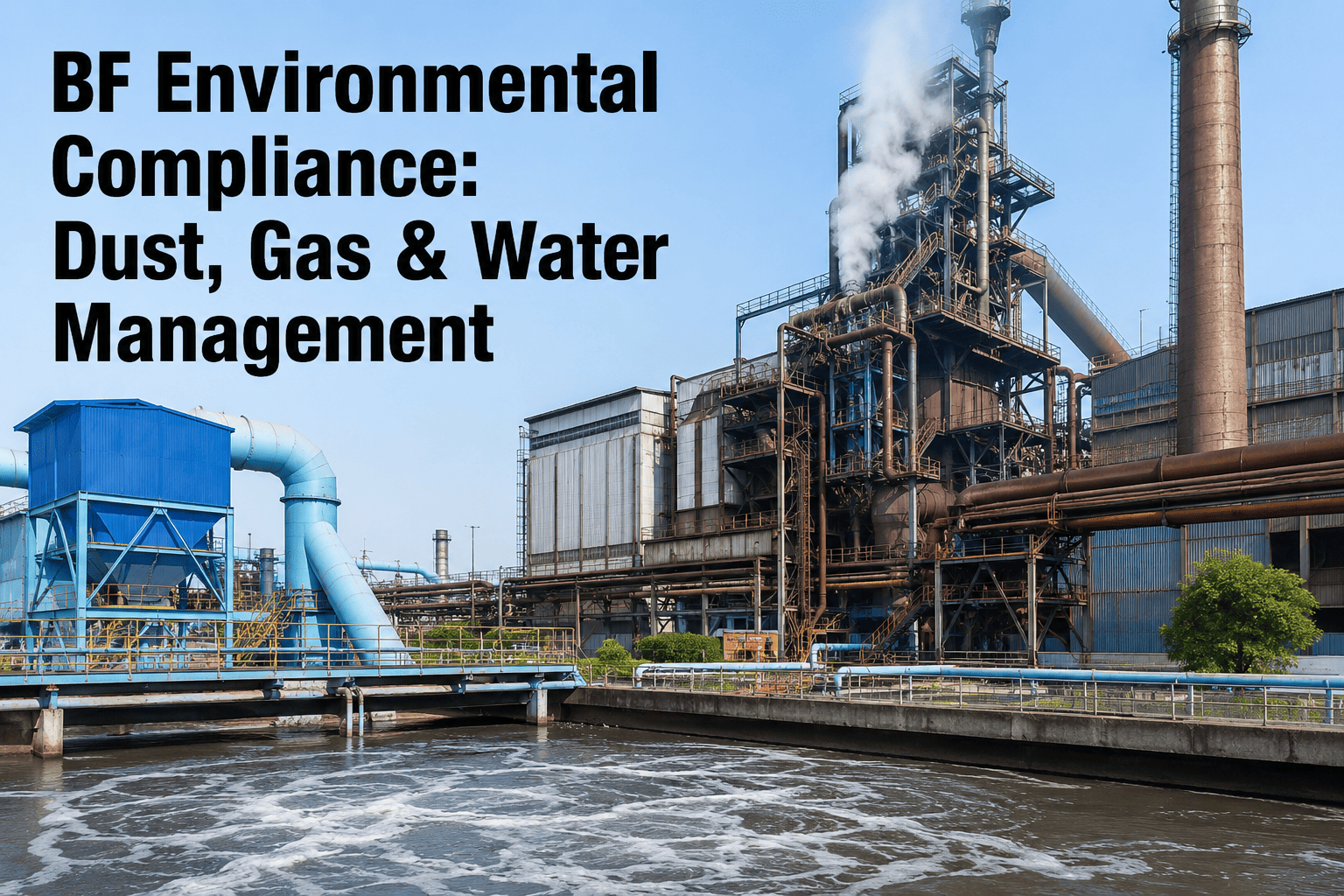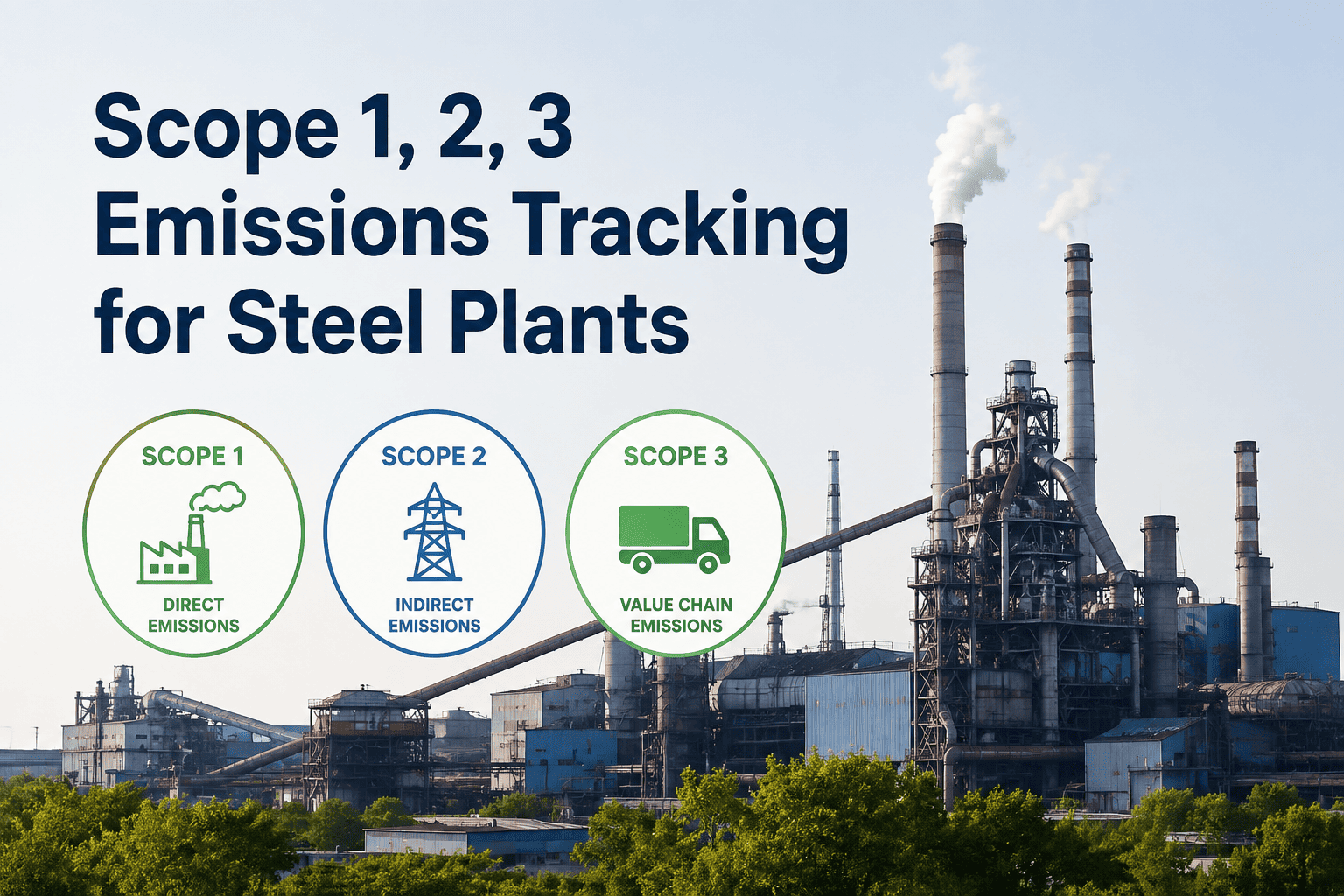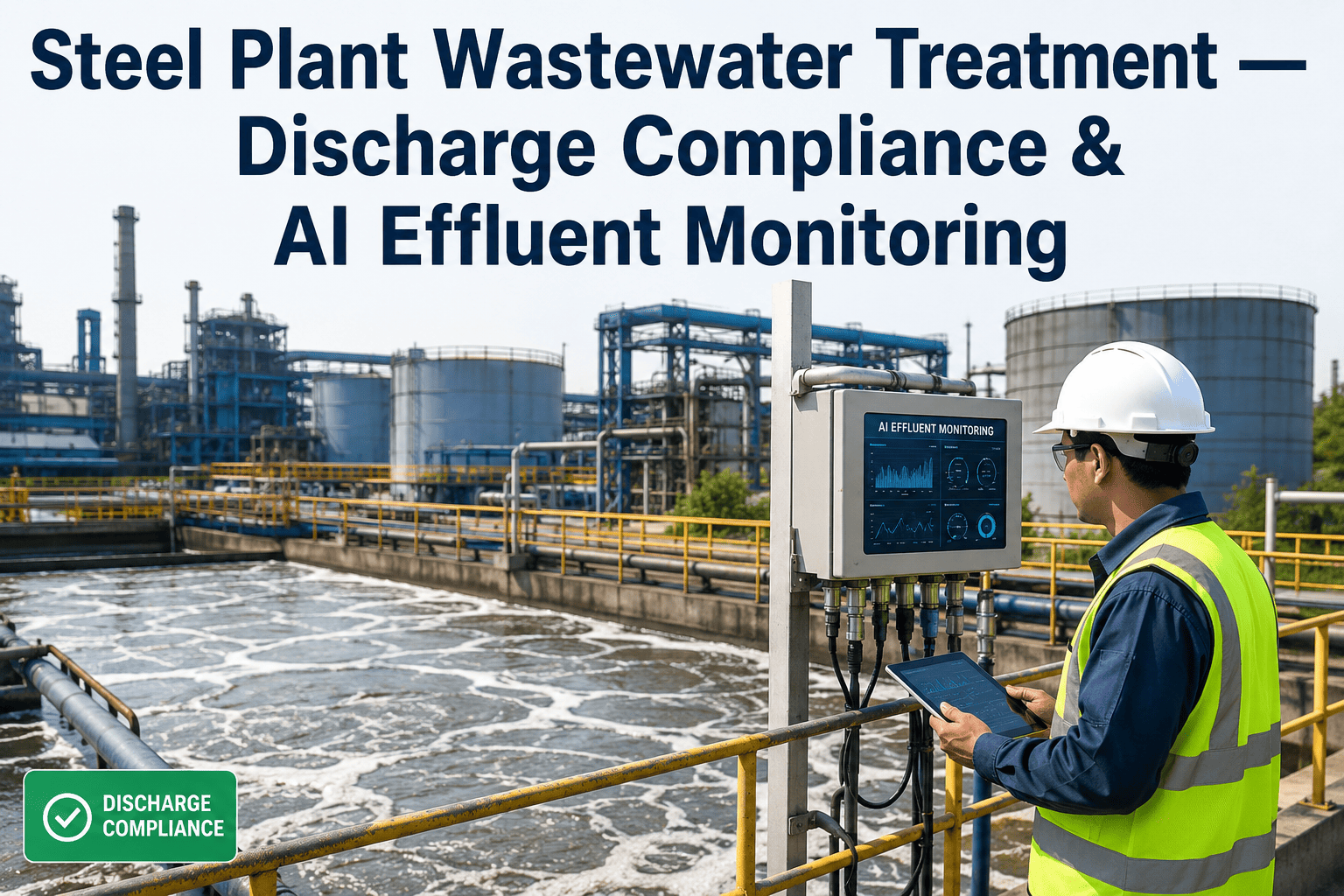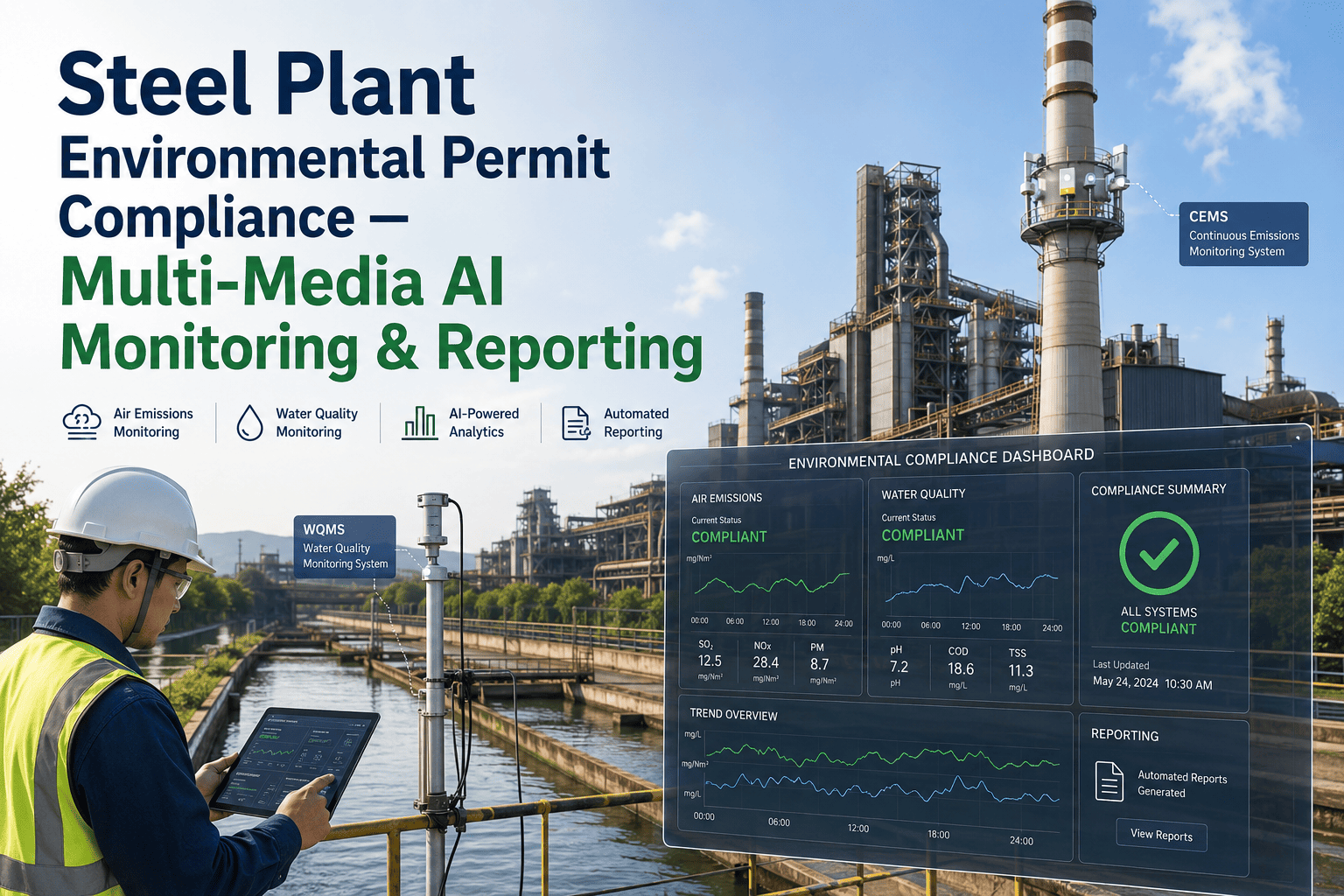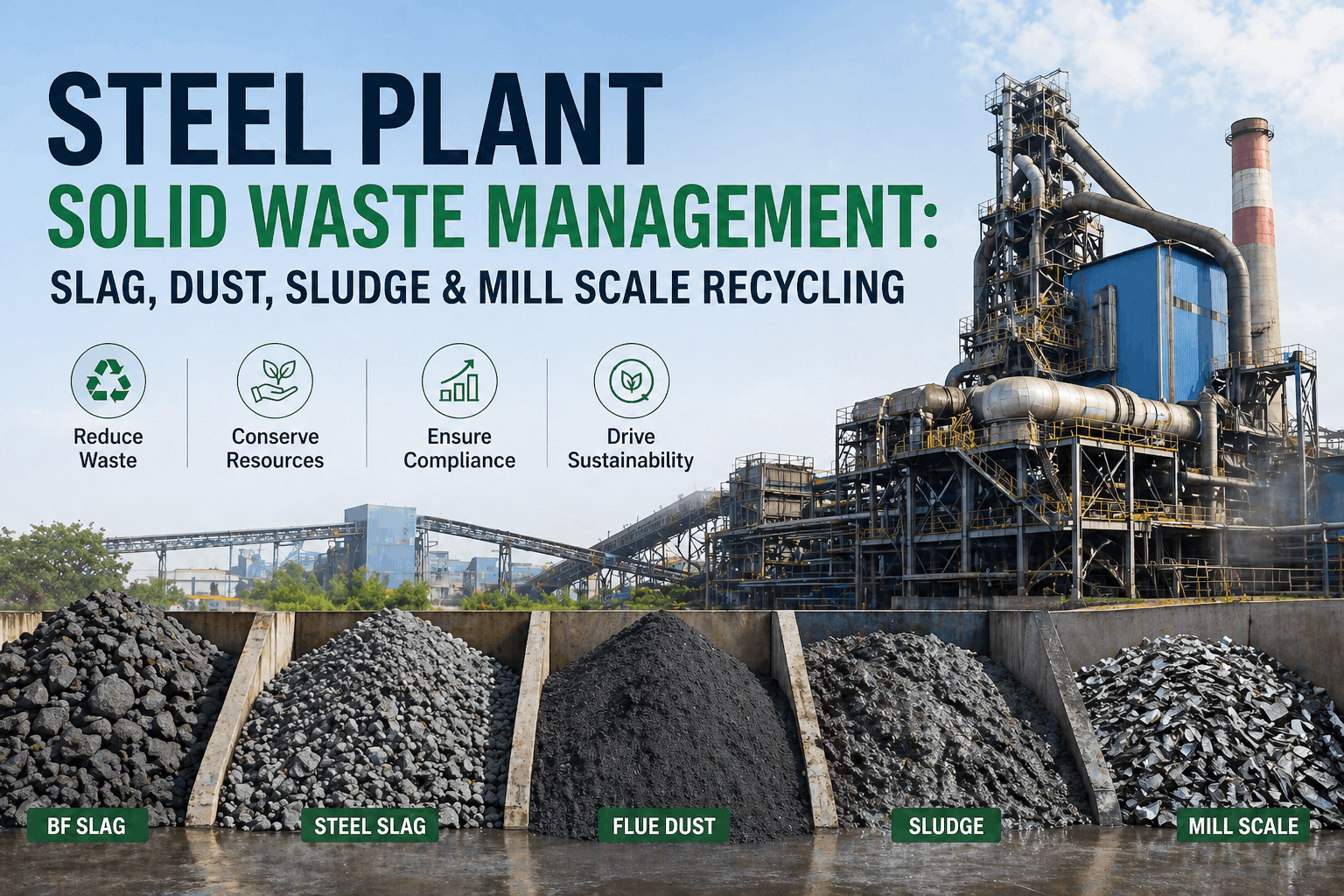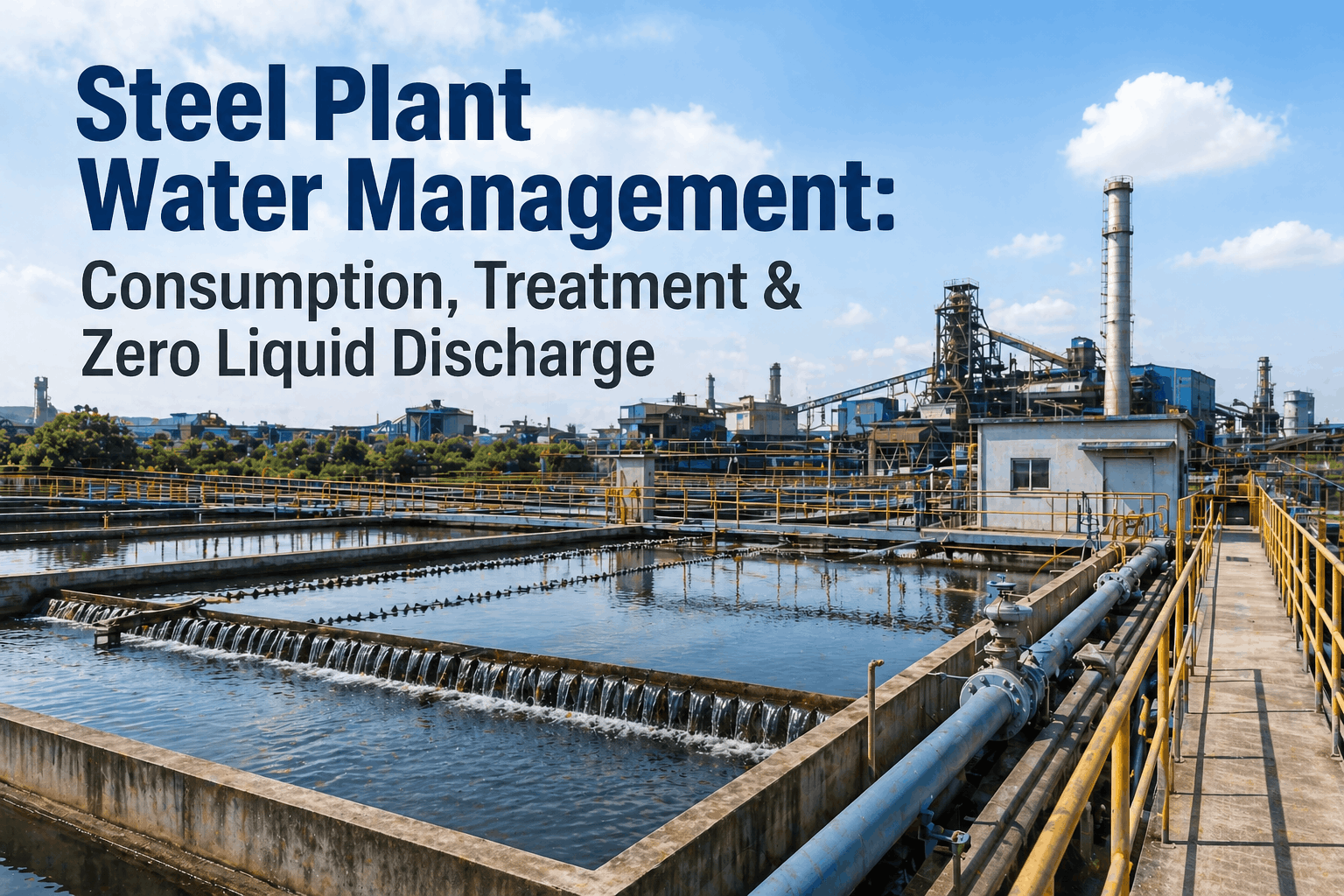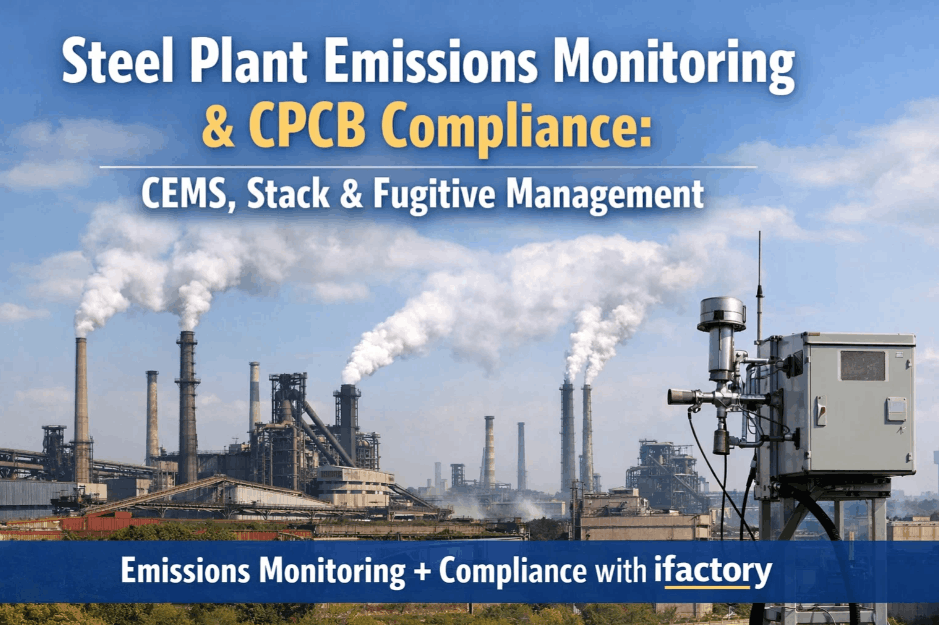
Environmental compliance in the iron and steel industry is undergoing a digital revolution as global regulators — including the **EPA, EU ETS, and CPCB** — transition toward real-time emissions monitoring and verifiable carbon accounting. Traditional environmental management relies on manual sampling, periodic lab reports, and retrospective data entry — systems that often fail to catch high-emission events or "upsets" until after a violation has occurred. An AI-driven environmental dashboard for steel plants doesn't just record data; it provides predictive analytics for particulate matter (PM), automated SOx/NOx effluent tracking, and real-time slag disposal logging. For steel manufacturers operating in a high-scrutiny regulatory environment, this shift from reactive reporting to continuous, AI-driven oversight is the difference between a high-compliance rating and multi-million dollar environmental penalties. Book a demo to see how iFactory's environmental module automates compliance across your entire steel facility.
Why Steel Plant Compliance Fails Without Real-Time Emissions Analytics
The environmental footprint of a steel plant — spanning CO2 intensity, hazardous dust, and chemical-heavy effluent — is too dynamic for manual tracking. When stack filters (baghouses) fail or ETP (Effluent Treatment Plant) chemical dosing drifts out of range between scheduled tests, the plant can be non-compliant for hours without any internal alert. This "data lag" is the primary source of CPCB and EPA violations.
AI-driven integration closes this gap by establishing continuous performance baselines for every emission source and detect anomalies — sudden PM spikes, thermal anomalies, or illegal discharge events — that manual checks will never catch. The result is a steel plant that monitors itself, ensuring you are always operating within your "Consent to Operate" (CTO) limits.
Manual carbon accounting often leads to over-estimation or missing credits. Real-time thermal analytics provide verifiable evidence for EU ETS carbon tax optimizations and EPA reporting accuracy.
Undocumented slag disposal or leaching from byproduct stockpiles creates systemic audit risk. Digital manifests for hazardous EAF dust ensure full "Cradle-to-Grave" traceability as required by the CPCB.
Sudden process changes in the rolling mill or pickling line can overwhelm ETP systems. Without AI-driven predictive dosing, effluent pH and heavy metal levels can breach limits before technicians are notified.
Unmonitored noise levels near residential perimeters or fugitive dust from raw material handling leads to community complaints and stop-work orders. Continuous digital monitoring captures evidence of compliance 24/7.
The 5-Step AI Framework for Integrated Steel Plant Compliance
Linking AI-driven analytics to global standards (EPA/ETS/CPCB) requires centralizing sensor data and automating the "Chain of Custody" for every environmental record. Book a demo with iFactory to see this framework live.
Global Standard Asset Mapping
Map every emission point (Stacks, ETP, Slag Yards) to specific reporting requirements — EPA Clean Air Act Part 75, EU ETS 2024 updates, or CPCB Online Continuous Emission Monitoring System (OCEMS) norms. This creates a direct link between physical assets and regulatory headers.
Real-time CEMS Integration
Connect your Continuous Emission Monitoring Systems (CEMS) directly to the iFactory dashboard. The AI monitors PM10, PM2.5, SO2, and NOx levels every 5 seconds—identifying filtration failures or combustion inefficiencies weeks before they trigger an inspector's alarm.
Automated Carbon Accounting
Calculate CO2 intensity based on actual fuel consumption and production volume. Our platform generates EU ETS-compliant emission reports and supports EPA Greenhouse Gas Reporting Program (GHGRP) requirements with verifiable data trails.
Effluent & Water Discharge Vigilance
Monitor ETP health including flow rates, pH, and TSS levels. AI-driven fault detection identifies when a filter is clogged or a dosing pump is failing, ensuring that Zero Liquid Discharge (ZLD) requirements are met without manual intervention.
One-Click Compliance Export
Reduce the time spent on CPCB or EPA quarterly reports by 95%. iFactory maintains an unbroken audit trail of every reading, override, and corrective action, generating signed environmental reports ready for regulatory submission in seconds.
Steel Environmental Hazards & AI-Driven Mitigations Table
Every steel process from the Blast Furnace to the Rolling Mill has defined environmental risks. The table below maps these risks to the AI-detectable failure modes that iFactory monitors in real-time.
| Environment Aspect | Monitoring Equipment | Major Regulations | AI-Detectable Failure Mode | Consequence of Failure |
|---|---|---|---|---|
| Stack Air Emissions | CEMS (PM, SOx, NOx) | EPA Pt. 75, CPCB OCEMS | Baghouse leak, combustion drift | Strict penalties, plant shutdown |
| Carbon / GHG Intensity | Thermal sensors, Fuel meters | EU ETS, EPA GHGRP | Energy efficiency loss, methane slip | Carbon tax surge, credit loss |
| Liquid Effluent | Flow meters, pH/TSS sensors | ZLD Norms, EPA Pt. 420 | Dosing failure, sludge buildup | Water body contamination, legal suit |
| Slag / Solid Waste | Tracking Logs, Weight bridges | CPCB Hazardous Waste Rules | Manifest gap, storage leaching | License revocation, major fines |
| Fugitive Dust | Dust sensors, Vision cameras | EPA Opacity Norms | Sprinkler failure, stockpile erosion | Community protest, non-compliance |
| Industrial Noise | dB Meters (Digital) | OSHA / CPCB Noise Standards | Machinery vibration, shroud damage | Operational restrictions, work-stop |
Strategic Benefits of iFactory Environmental Dashboard
Say goodbye to spreadsheets. Every environmental record is timestamped, GPS-located (for mobile checks), and asset-attributed, satisfying the strictest EPA record-keeping requirements.
Digital manifests connect slag generation in the furnace to final disposal or reuse destinations—eliminating the paper-trail gaps that regulators often target during audits.
AI monitors baghouse differential pressure and dust concentration to identify filter degradation before an opacity breach occurs—keeping stacks clean 24/7. Schedule a Demo.
Optimize fuel combustion for both energy efficiency and low emissions. AI identifies the "Sweet Spot" for furnace operations to minimize CO2 output while maximizing yield.
Ensure your 15-minute average CEMS data is always within the CPCB's OCEMS server limits, preventing automated "Show Cause" notices from state pollution boards.
Generate public-facing environmental health dashboards to prove your commitment to the community, helping secure Social License to Operate for future expansions.
Frequently Asked Questions: Steel Plant Environmental Compliance
Standard CEMS only reports a breach after it happens. AI-driven CEMS monitoring analyzes the performance of relevant equipment (burners, baghouses, scrubbers) to predict a breach 48-72 hours in advance, allowing for preemptive maintenance and zero downtime.
We use an integrated energy-mass balance model that tracks actual production against fuel and electricity ingestion in real-time. This provides the granular "Activity Level Data" required for MRV (Monitoring, Reporting, and Verification) under EU ETS updated guidelines.
Yes. iFactory includes standardized API connectors for major regulatory portals, enabling automated submission of 15-minute average data to pollution control servers as required in many jurisdictions.