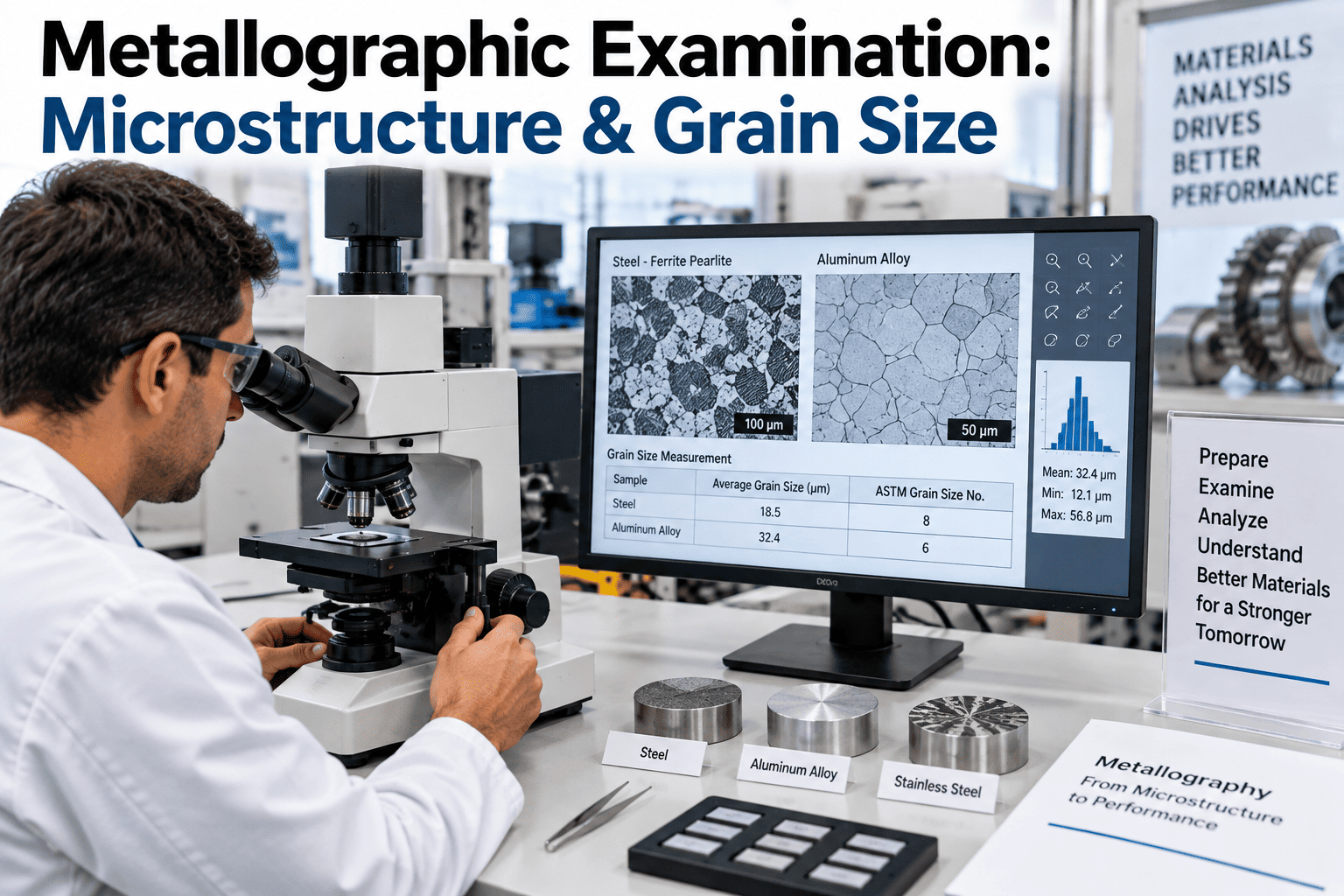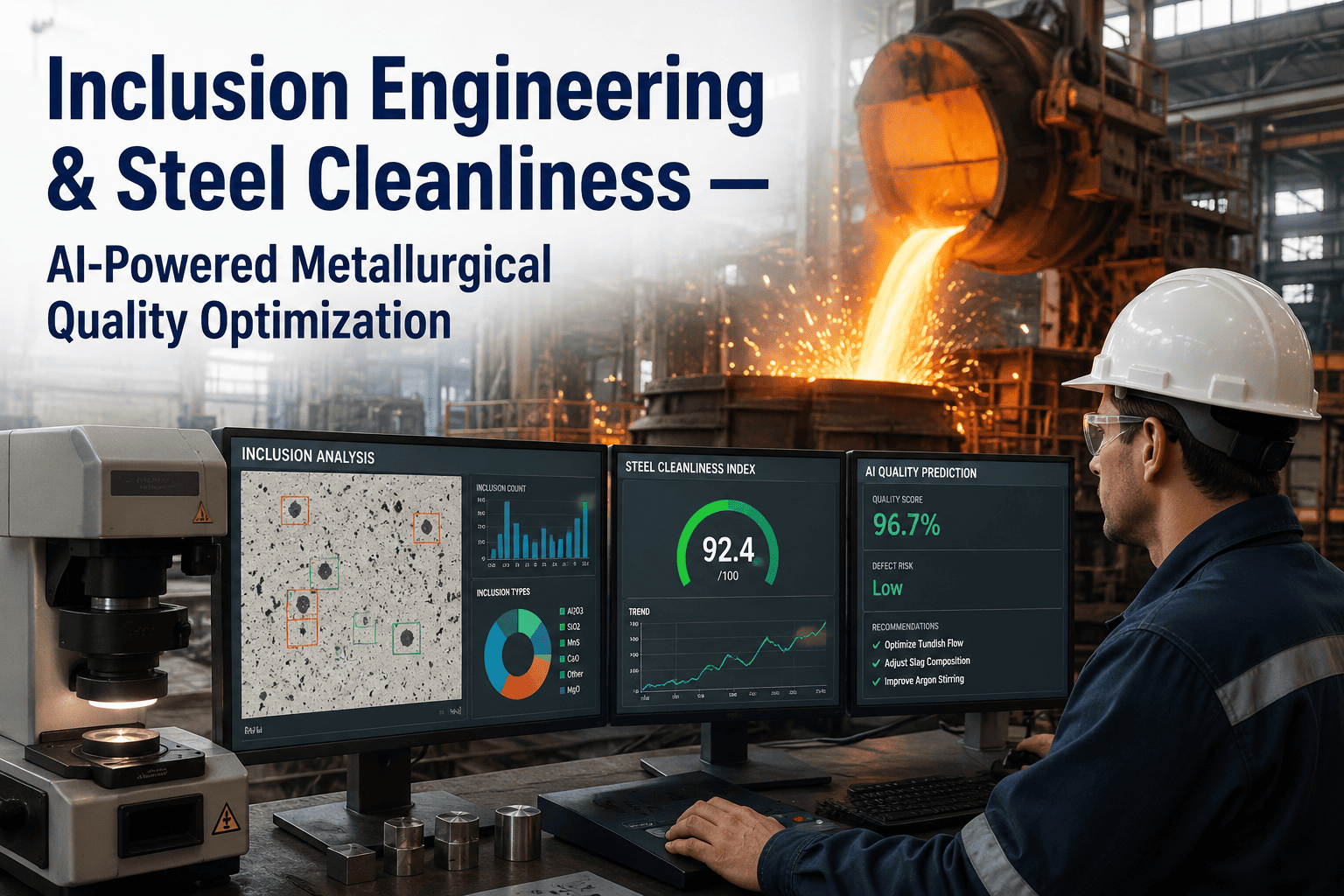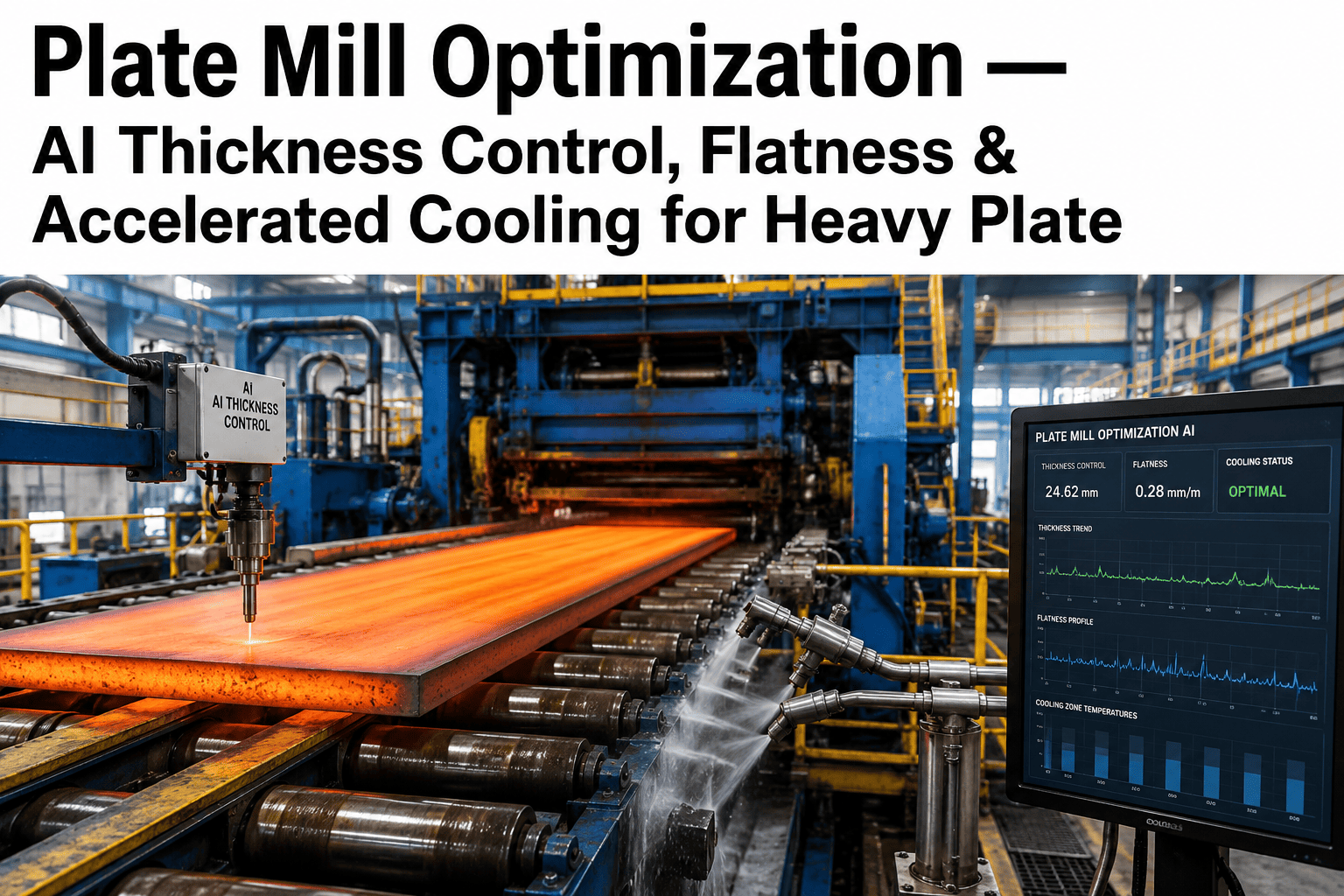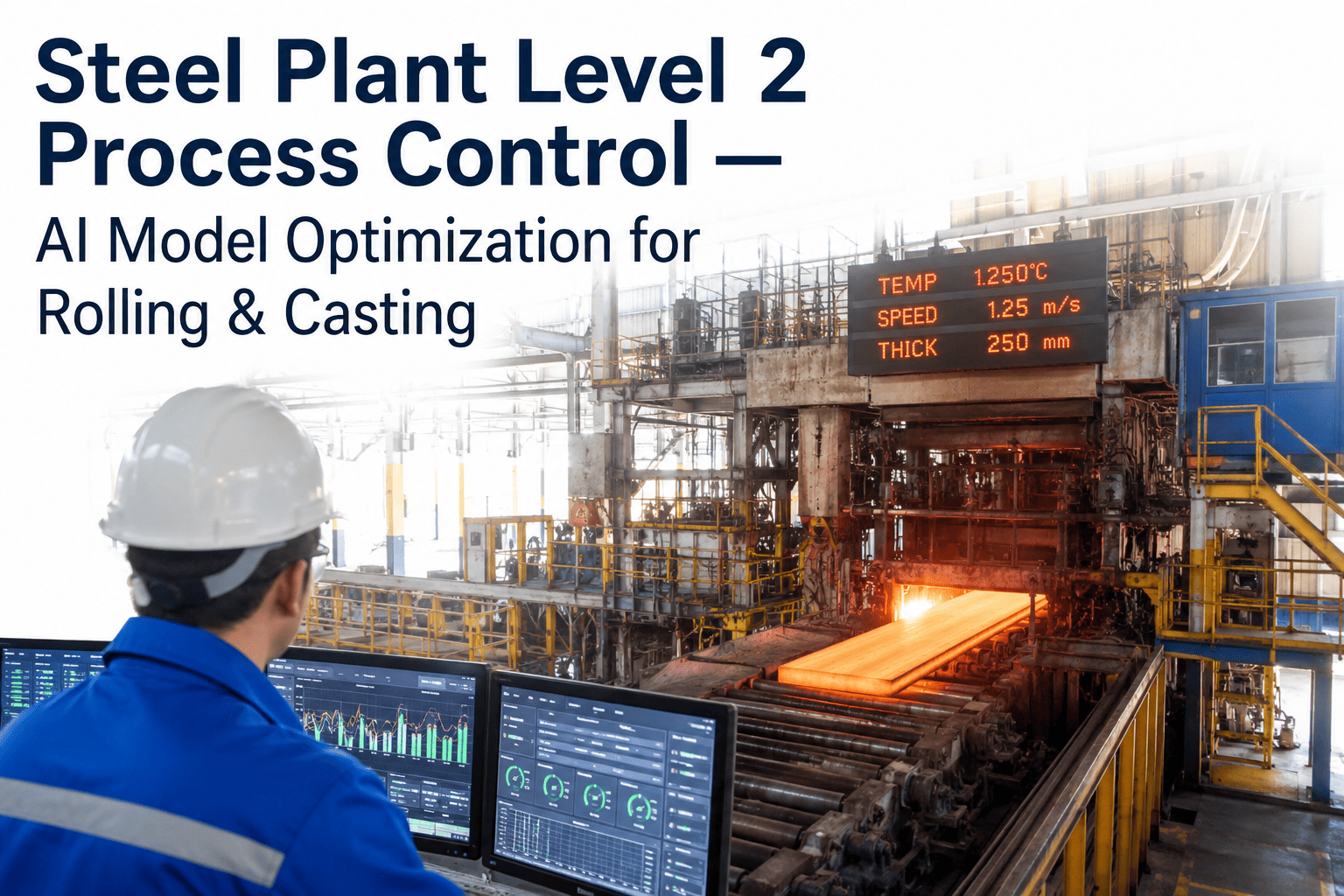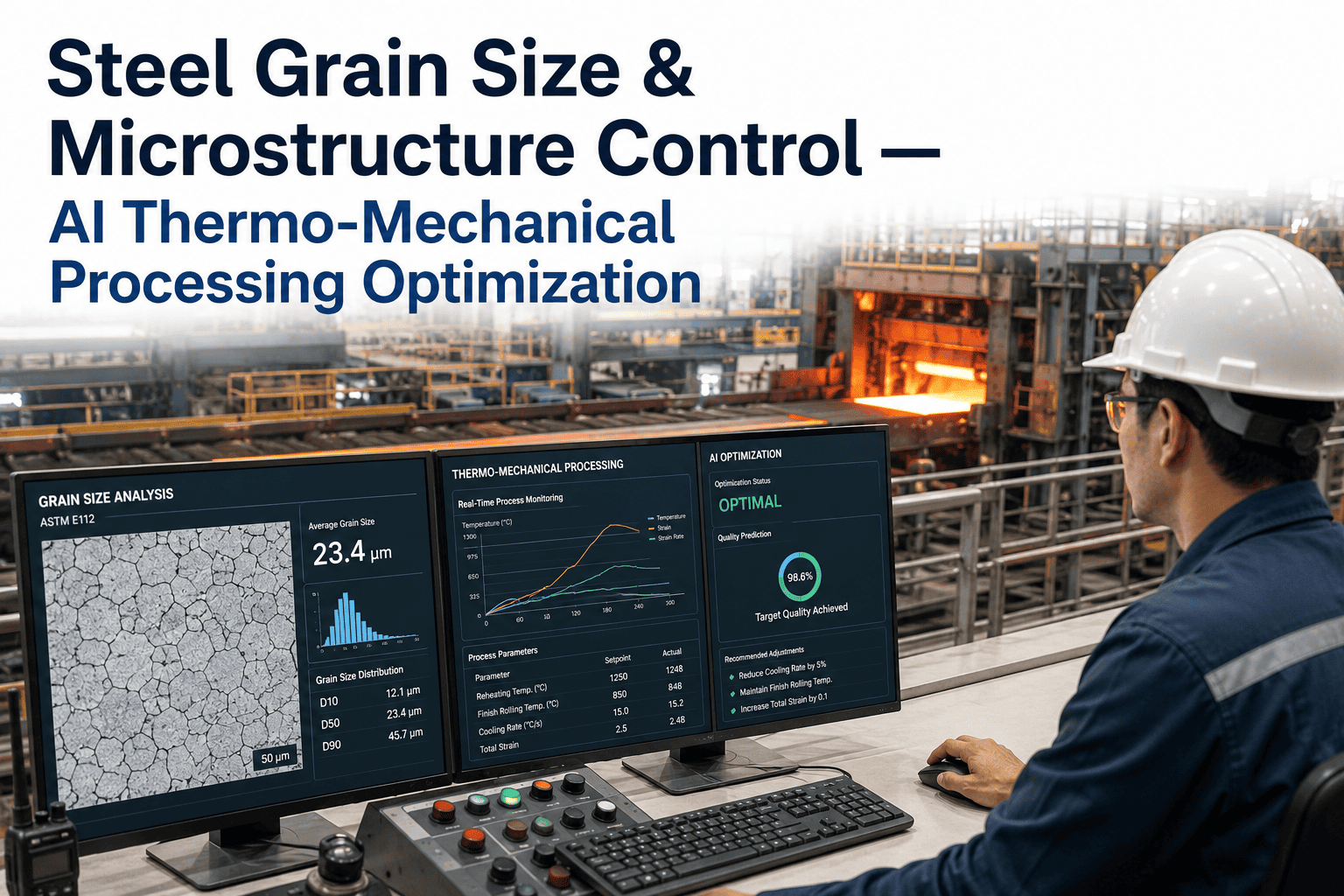
Grain size and microstructure determine a steel plate's strength and toughness more directly than chemistry alone, which is why thermo-mechanical controlled processing lets mills hit demanding strength targets with leaner alloy content than a conventional normalizing route requires. TMCP works by controlling deformation temperature and strain rate during rolling, then following it with a precisely timed accelerated cooling stage, and small deviations in finish rolling temperature or cooling rate change the resulting ferrite, bainite, or martensite balance in ways that a final mechanical test only reveals after the coil has already left the mill. Process engineers who track temperature and cooling rate continuously against the microstructure model, rather than relying on end-of-line mechanical testing alone, catch drift before it produces an off-spec coil. Engineers who book a demo of iFactory's TMCP monitoring typically start with finish rolling temperature, since it is the single variable most mills already track but rarely correlate directly with cooling outcomes.
Control Grain Size and Microstructure Before the Mechanical Test Tells You It Drifted
iFactory correlates rolling reduction, finish rolling temperature, and accelerated cooling rate against your microstructure targets in real time, closing the gap between process data and metallurgical outcome.
What Thermo-Mechanical Processing Actually Controls
TMCP combines controlled rolling with accelerated cooling to refine grain size and control phase balance without the additional furnace cycle a normalizing treatment requires. During rolling, austenite grains are elongated and deformation bands are introduced that later become nucleation sites for fine ferrite grains, provided the final rolling passes stay within the non-recrystallization temperature region rather than allowing the deformed structure to recrystallize away. The subsequent cooling rate then determines whether the transformed structure ends up as a ferrite-pearlite mix, a finer bainitic structure, or martensite, each carrying a distinct strength and toughness profile from the same base chemistry.
Slab Reheating
Establishes uniform prior austenite grain size before rolling begins.
Rough Rolling
Recrystallization region deformation refines austenite grain progressively.
Finish Rolling
Non-recrystallization deformation locks in ledges and bands as nucleation sites.
Accelerated Cooling
Cooling rate through the transformation range sets the final phase balance.
Coiling
Final microstructure and mechanical properties are locked in.
Cooling Rate Determines the Microstructure You End Up With
The same base chemistry can produce meaningfully different steel depending only on how fast it passes through the transformation temperature range between roughly 800 and 300 degrees Celsius. Slow cooling favors a ferrite-pearlite structure suited to moderate strength applications, faster cooling produces bainite for structural and pipeline grades, and the fastest controlled cooling rates push toward martensite for the highest strength requirements. Process engineers who book a consultation with iFactory can review how cooling rate targets map to their specific grade portfolio before adjusting run-out table control logic.
| Cooling Behavior | Resulting Structure | Approx. Tensile Strength | Typical Application |
|---|---|---|---|
| Slow / Air Cooled | Ferrite-Pearlite | 400–500 MPa | General structural plate |
| Moderate Accelerated | Ferrite-Bainite / Granular Bainite | 600–800 MPa | Pipeline and high-strength structural |
| Fast Accelerated | Martensite | 800 MPa and above | Ultra-high-strength applications |
Match Your Cooling Curve to Your Target Microstructure, Every Coil
iFactory tracks finish rolling temperature and run-out table cooling rate against your grade-specific microstructure model, flagging drift before mechanical properties fall out of specification.
Where AI Adds Value Beyond a Fixed TMCP Schedule
Most mills run TMCP against a fixed schedule of target temperatures and cooling rates per grade, but slab-to-slab variation in incoming temperature, rolling force, and run-out table header condition means the actual process rarely matches the schedule exactly. AI models learn the real relationship between process variables and measured microstructure or mechanical test outcomes for each grade, allowing corrections to be applied to the next slab rather than discovered only after a batch of coils tests outside specification.
Finish Rolling Temperature Tracking
Finish rolling temperature is monitored continuously against the non-recrystallization threshold for the grade being rolled, flagging passes where recrystallization may have occurred unintentionally.
Run-Out Table Cooling Uniformity
Header valve condition and water flow are tracked to detect uneven cooling across the strip width or length before it produces banded or inconsistent microstructure.
Grain Size Prediction
Models trained on historical process and metallurgical test data predict expected grain size and phase balance for each coil before it reaches the test lab, shortening the feedback loop.
Alloy Reduction Opportunity Identification
Once process control tightens measurably, engineers gain a data-backed basis to evaluate reduced alloy content for grades where TMCP is already achieving strength targets with margin to spare.
TMCP Control Impact, By the Numbers
The temperature windows and cooling rates involved in TMCP leave a narrow but consistent margin for process drift, which is why continuous monitoring adds more value here than in processes with wider acceptable tolerance bands.
Rolling Out AI Microstructure Monitoring Across Your Mill
Because TMCP outcomes are grade-specific, rollout typically starts with a mill's highest-volume or highest-value grade family before extending to the full portfolio.
Correlate Historical Process and Test Data
Finish rolling temperature, cooling rate, and mechanical test results are correlated across historical production to establish the mill's actual process-to-property relationship.
Deploy Live Grain Size Prediction
The validated model runs live against each coil, predicting expected microstructure outcome ahead of lab confirmation.
Flag Process Drift in Real Time
Deviations in finish rolling temperature or run-out table cooling uniformity are surfaced to process engineers before the affected coil finishes cooling.
Expand to Full Grade Portfolio
Once validated on the initial grade family, monitoring extends across the full range of TMCP grades produced at the mill.
Grain Size and Microstructure Control — Frequently Asked Questions
Why does finish rolling temperature matter so much for grain refinement?
Finish rolling must occur below the non-recrystallization temperature so that the deformation bands and ledges introduced during rolling remain intact as nucleation sites for fine ferrite grains during subsequent transformation. If finishing temperature drifts too high and recrystallization occurs, much of that grain-refining benefit is lost even though the coil may still meet basic dimensional specifications.
Can AI monitoring predict mechanical properties before lab testing is complete?
Yes, once a model is trained on sufficient historical process and test data for a given grade, it can generate a predicted strength and toughness range immediately after cooling, giving process engineers an early signal well before formal mechanical test results return. Teams that book a demo can review prediction accuracy on comparable grade families.
Does TMCP monitoring help reduce alloy content or is that a separate initiative?
Tighter process control is often the precondition for alloy reduction, since a mill needs confidence that finish rolling temperature and cooling rate are consistently controlled before it can safely reduce the alloy margin used to guarantee strength. Monitoring data provides the evidence base for that decision rather than making it automatically.
How does run-out table header condition affect microstructure uniformity?
Uneven water delivery from worn or partially blocked header valves creates cooling rate variation across the strip width or length, which can produce banded or inconsistent microstructure even when the average cooling rate appears correct on a single-point measurement. Monitoring header condition directly closes this blind spot.
Is this monitoring approach specific to plate mills or does it apply to strip mills as well?
The same TMCP principles of controlled rolling and accelerated cooling apply across both plate and hot strip mills, though the specific temperature windows, cooling equipment, and grade portfolios differ. Process engineers can contact support to discuss configuration specific to their mill type.
Turn TMCP From a Fixed Schedule Into a Continuously Verified Process
iFactory helps process engineers track rolling reduction, finish rolling temperature, and cooling rate against target microstructure in real time, closing the loop between process control and metallurgical outcome.