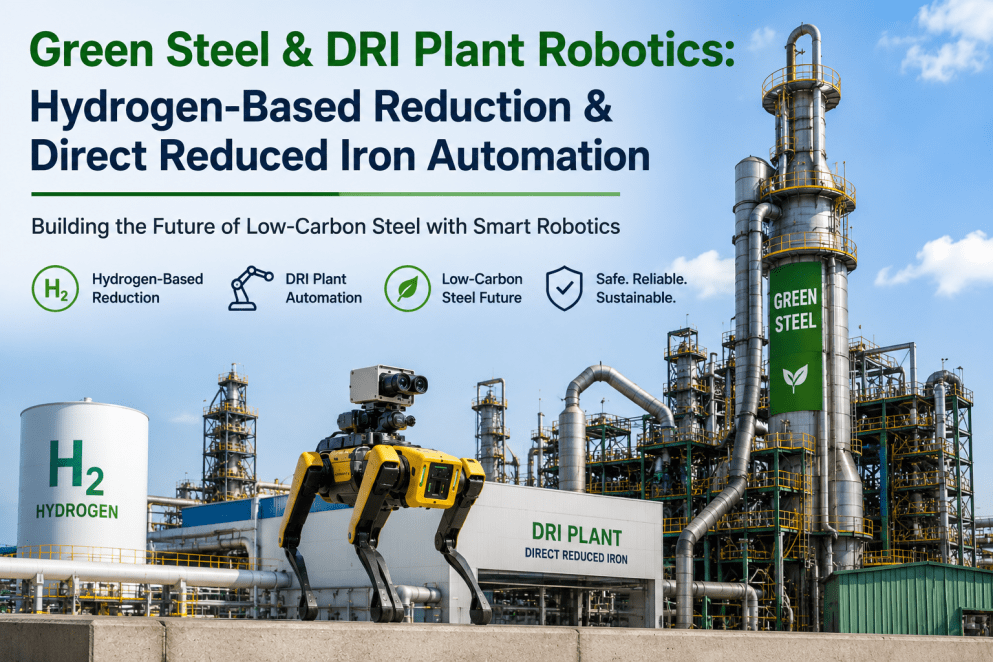
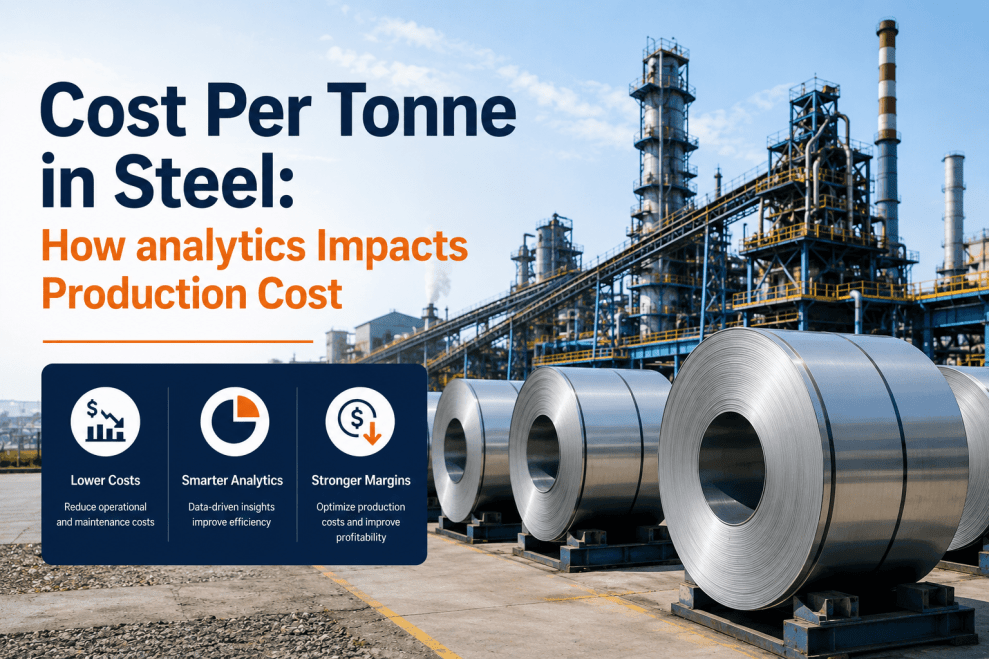
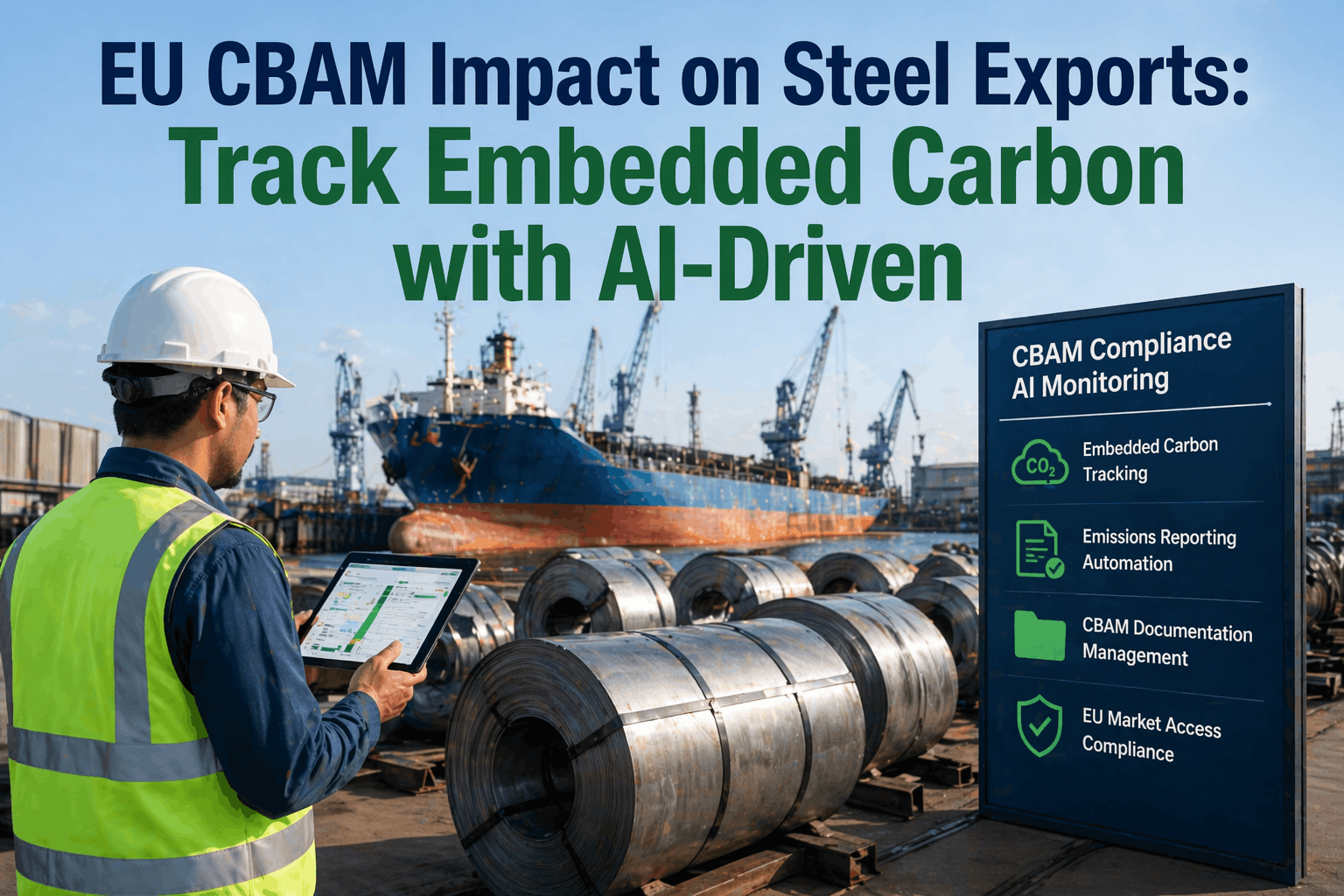
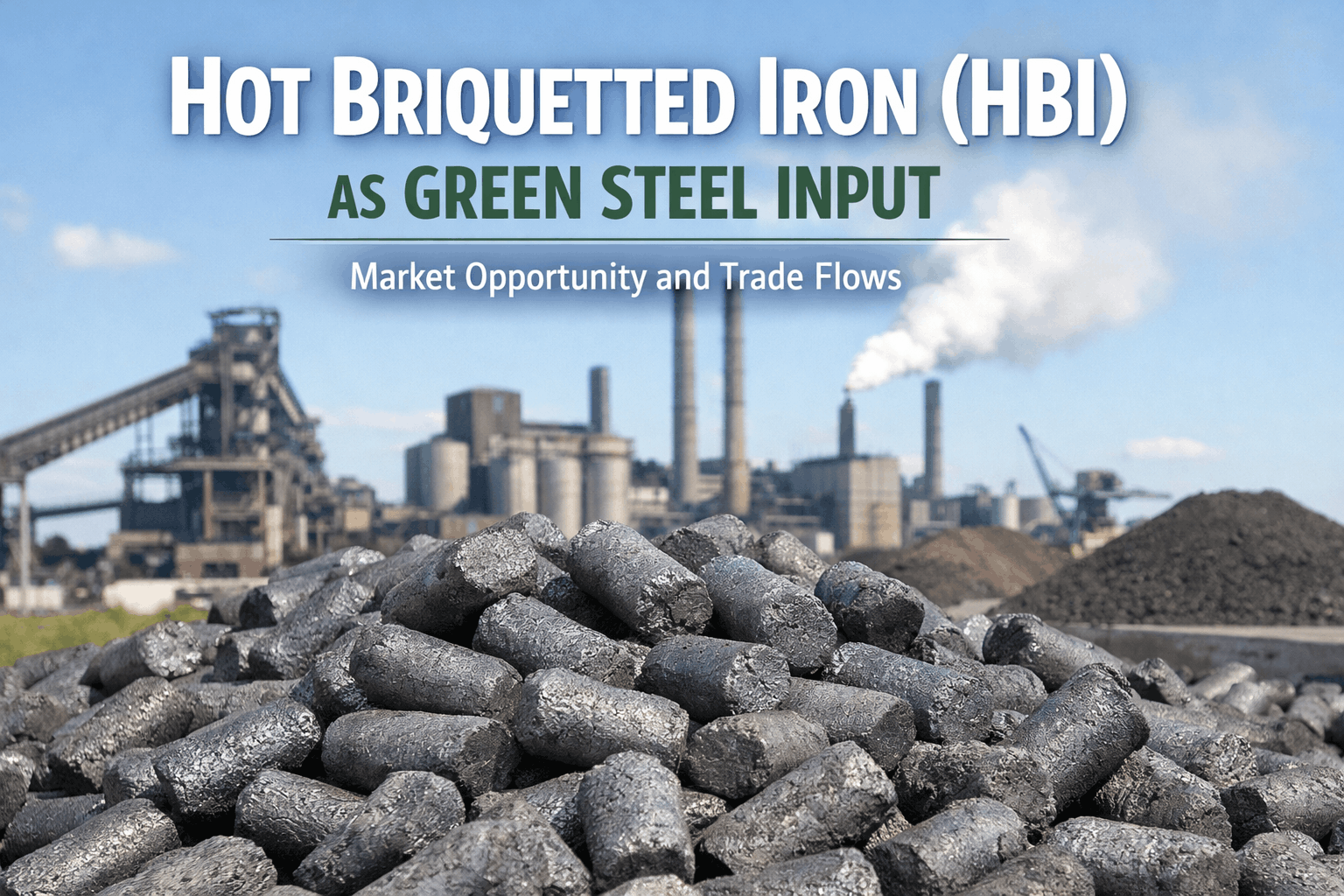
Green steel is no longer a sustainability talking point — it is a market reality with real buyers, real premiums, and real money changing hands. In 2026, automotive OEMs are signing multi-year offtake agreements at $30–80 per tonne premiums for verified low-carbon steel. Construction developers are specifying green steel to meet embodied carbon targets in building codes. Consumer brands are paying extra for sustainable packaging steel to satisfy ESG-conscious investors. But the green steel market is still opaque — pricing varies wildly by region, certification method, carbon intensity level and buyer motivation. This guide cuts through the noise with real pricing data, buyer willingness-to-pay analysis, and the economics that determine whether green steel premiums cover the cost of decarbonization. iFactory's AI platform helps steel producers track carbon intensity, verify emissions reductions, and generate the certification documentation that unlocks premium pricing. Book a free consultation to explore how verified carbon tracking unlocks green steel premiums for your operation.
Green Steel Pricing and Premium Economics
What Buyers Will Pay
The question is no longer whether buyers will pay more for green steel. They already are. The question is how much, for how long, and which producers are positioned to capture premiums before they compress as supply scales up. This guide provides the pricing intelligence steel producers, traders, and procurement teams need to navigate the green steel market in 2026 and beyond.
Over conventional steel prices, varying by product, region, and carbon intensity certification level
Who Is Buying Green Steel — And Why
Green steel demand is not theoretical. Real purchase agreements are being signed across four distinct buyer segments, each with different motivations and willingness to pay.
Automotive OEMs
Construction and Real Estate
Consumer Goods and Packaging
Energy and Infrastructure
What Determines the Green Steel Premium
Green steel premiums are not uniform. Five factors drive pricing — and understanding them is essential for both producers setting prices and buyers negotiating contracts.
Carbon Intensity Level
The lower the carbon intensity (measured in tonnes CO2 per tonne steel), the higher the premium. Conventional BF-BOF steel emits 1.8–2.2t CO2/t steel. Green steel ranges from near-zero (hydrogen DRI-EAF) to 0.4–0.8t CO2/t (CCS-equipped BF or high-scrap EAF). Buyers pay proportionally more for lower intensities.
Certification and Verification Method
Third-party verified carbon intensity commands the highest premiums. ResponsibleSteel certification, Science Based Targets initiative (SBTi) alignment, and ISO 14064-verified EPDs are the gold standard. Self-declared carbon reductions without independent verification attract 30–50% lower premiums — buyers increasingly require proof, not promises.
Product Type and Grade
Automotive-grade flat-rolled steel commands the highest green premiums because OEM supply chains are the most ESG-sensitive. Structural sections for construction carry moderate premiums driven by building codes. Commodity rebar and wire rod carry the lowest green premiums because buyers in these segments are most price-sensitive.
Geographic Market
European buyers pay the highest premiums — driven by EU ETS costs that make conventional steel increasingly expensive and CBAM that extends carbon costs to imports. North American premiums are growing with IRA incentives and corporate ESG commitments. Asian markets currently pay the lowest premiums but are accelerating as Japan, Korea, and India implement carbon pricing mechanisms.
Contract Structure and Volume
Multi-year offtake agreements with volume commitments of 100,000+ tonnes attract lower per-tonne premiums but provide revenue certainty for producers investing in decarbonization. Spot purchases carry higher per-tonne premiums but no volume guarantee. The market is shifting toward long-term contracts as both producers and buyers seek supply security.
Do Green Steel Premiums Cover the Cost of Decarbonization?
This is the question every steel CEO asks. The answer depends on the decarbonization technology, the premium achieved, and the carbon cost avoided.
Scenario A: CCS Retrofit on Existing BF-BOF
CCS-equipped producers in Europe or the US are already generating positive returns from the combination of avoided carbon costs, earned premiums, and tax credits. The economics improve every year as carbon prices rise.
Scenario B: New Hydrogen DRI-EAF Plant
Hydrogen DRI is not yet cost-competitive at today's green hydrogen prices. But with hydrogen costs projected to fall 50–60% by 2030 and carbon prices rising, the crossover point is approaching rapidly. Early movers lock in premium offtake agreements now.
Scenario C: High-Scrap EAF With Renewable Power
The lowest-risk, lowest-investment green steel pathway. EAF producers with high scrap ratios and renewable PPAs can achieve near-zero intensity at minimal incremental cost — capturing green premiums with the highest margin in the market.
Our steel market analysts will build a custom premium capture model based on your technology, products, and target markets.
Green Steel Premium Trajectory — 2025 to 2035
Premiums will not stay at current levels forever. Understanding the trajectory is critical for investment decisions and contract negotiations.
Scarcity Premium Phase
Demand for verified green steel exceeds supply by 3–5x. Premiums at their highest ($50–80/t for near-zero steel) as automotive OEMs and construction leaders compete for limited volumes. Producers with verified low-carbon credentials command premium offtake agreements with favorable terms.
Scaling Phase
CCS-equipped plants and early hydrogen DRI facilities enter production. Green steel supply grows but demand grows faster as CBAM, building codes, and corporate targets tighten. Premiums moderate slightly ($30–60/t) but total green steel revenue grows significantly on volume. Contract lengths extend as buyers seek supply security.
Normalization Phase
Green steel becomes the default specification for regulated markets. Premiums compress to $15–30/t as supply scales and conventional steel faces full carbon cost exposure. The premium increasingly becomes a penalty on conventional steel rather than a bonus for green steel. Producers without low-carbon capability lose market access entirely.
Green Steel Standards and Certification Systems
Without credible certification, green steel premiums do not exist. Here is the certification landscape that determines market access and premium levels.
ResponsibleSteel
The most comprehensive steel-specific certification covering all emission scopes plus social and governance criteria. Site-level certification with annual audits. Commands the highest market premiums and is required by several major automotive OEMs as a procurement condition.
EPD (Environmental Product Declaration)
Product-level environmental impact declaration following ISO 14025 and EN 15804. Required for embodied carbon compliance in construction. Provides transparent, third-party verified carbon intensity data per product. Essential for construction market access in Europe and increasingly in North America.
SBTi Alignment
Science Based Targets initiative validates that a steel producer's emission reduction pathway aligns with 1.5°C climate goals. Not a product-level certification but increasingly required by buyers whose own SBTi commitments demand verified low-carbon suppliers in their Scope 3 reporting.
Mass Balance and Book-and-Claim
Chain of custody models that allow green attributes to be tracked independently from physical steel delivery. Mass balance blends green and conventional production. Book-and-claim decouples the attribute entirely. Lower buyer premiums but broader market accessibility — particularly useful for producers transitioning gradually.
Need help selecting the right certification pathway? Book a free consultation with our green steel market specialists.
How AI and CMMS Enable Green Steel Premium Capture
You cannot sell what you cannot prove. AI-powered operational intelligence is the infrastructure that turns decarbonization investment into verified, sellable green steel.
Real-Time Carbon Intensity Tracking
Continuous monitoring of CO2 emissions per tonne of steel across every process step — from raw material input through casting. Operators see carbon intensity in real time, not quarterly reports. Every heat, every cast, every product gets a verified carbon footprint.
Automated EPD Generation
Digital product declarations generated automatically from production data — no manual data collection, no spreadsheet assembly, no 6-week delay. EPDs are available within hours of production, enabling just-in-time green steel certification for customer orders.
Energy Source Verification
Tracks renewable energy certificates (RECs), power purchase agreements (PPAs), and grid carbon intensity hour-by-hour. Ensures Scope 2 emissions are accurately credited — critical for EAF producers where electricity source determines green steel eligibility.
Mass Balance Chain of Custody
Digital tracking of green and conventional production streams through shared processing equipment. Ensures green attributes are correctly allocated to specific customer orders without double-counting — the audit trail that makes mass balance certification credible.
CCS Performance Verification
For CCS-equipped plants: automated monitoring of capture efficiency, CO2 storage volumes, and net emissions reduction per tonne of steel. Generates the MRV documentation required for carbon credit issuance and customer verification.
Customer Certification Portal
Buyers access a digital portal showing the verified carbon intensity of their specific steel orders — with downloadable certificates, audit trails, and regulatory-ready documentation. Transparency builds trust that justifies premium pricing.
Green Steel Pricing — Frequently Asked Questions
How much more does green steel actually cost to produce?
It depends on the pathway. High-scrap EAF with renewable power adds $10–30/t over conventional EAF. CCS on existing BF-BOF adds $40–70/t in operating costs but is offset by avoided carbon costs ($100+/t in Europe) and tax credits ($85/t under US 45Q). Hydrogen DRI adds $100–200/t at current green hydrogen prices but costs are falling rapidly. The key insight: production cost premium is only half the equation — avoided carbon costs and earned green premiums must be included in the full economic analysis.
Will green steel premiums last or will they disappear as supply scales?
Premiums will evolve, not disappear. In the near term (2025–2028), scarcity premiums are at their peak. As supply scales, per-tonne premiums will moderate. But by 2030–2035, the dynamic flips: green steel becomes the market standard and conventional steel faces a carbon penalty that exceeds today's green premiums. Early movers capture the highest premiums and build the customer relationships that ensure market access as standards tighten. Model premium trajectories for your products.
What certification do we need to charge green steel premiums?
It depends on your target market. Automotive OEMs increasingly require ResponsibleSteel site certification. Construction buyers need EPDs (Environmental Product Declarations) per ISO 14025. Corporate buyers with SBTi commitments need verified Scope 3 data from their suppliers. At minimum, you need third-party verified carbon intensity data per product — self-declared claims attract significantly lower premiums and face growing buyer skepticism.
Can EAF producers with high scrap ratios qualify as green steel?
Yes — and they have the strongest near-term economics. An EAF running 90%+ scrap with renewable power achieves 0.3–0.5t CO2/t steel — well within green steel thresholds. The key requirements are verified renewable energy sourcing (RECs or PPAs, not grid average claims), scrap quality management, and third-party carbon intensity verification. EAF producers can capture green premiums with minimal incremental investment.
How does CBAM affect green steel pricing?
CBAM is a game-changer. From 2026, steel imported into the EU will pay the equivalent of EU ETS carbon costs on its embedded emissions. This means conventional steel imports become $100–200/t more expensive — effectively creating a price floor that makes green steel competitive without any premium. For non-EU producers, CBAM turns green steel from a voluntary premium market into an economic necessity for European market access.
How does AI help us capture green steel premiums?
AI-powered CMMS provides the verified carbon intensity data, automated certification documentation, and real-time emissions tracking that buyers require before paying premiums. Without verifiable proof, green steel claims are just marketing. With AI-generated EPDs, real-time carbon tracking, and digital customer certification portals, every tonne of steel you produce carries a verified carbon credential that unlocks premium pricing. See carbon tracking and certification in a live demo.
Ready to Capture Green Steel Premiums?
The window for maximum green steel premiums is now — scarcity pricing, first-mover offtake agreements, and buyer relationships that lock in market access for decades. Let our green steel market specialists show you the economics, certification pathway, and operational infrastructure needed to turn your decarbonization investment into premium revenue.