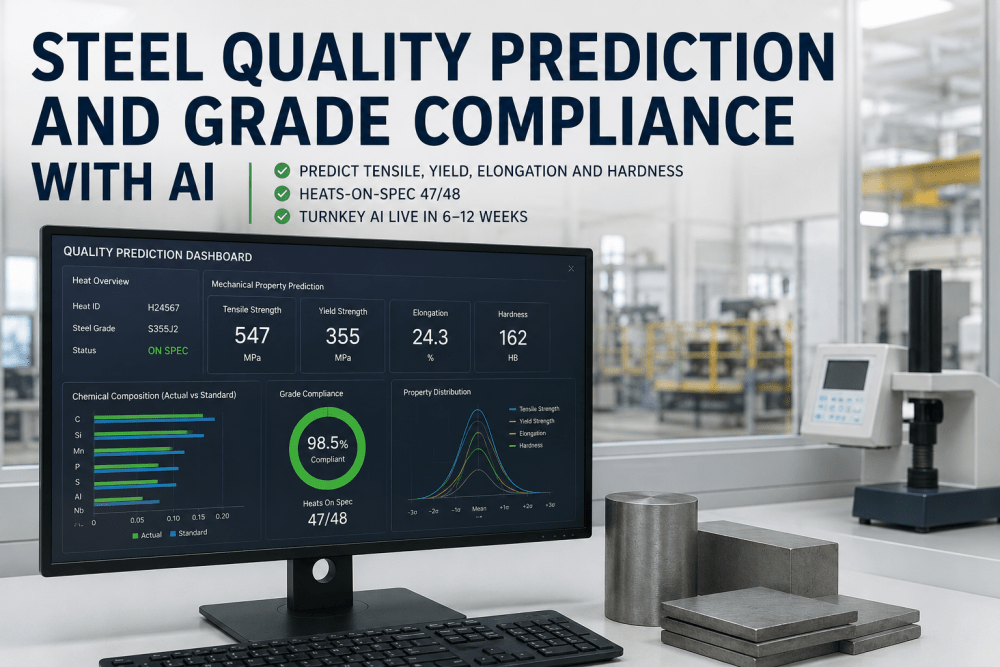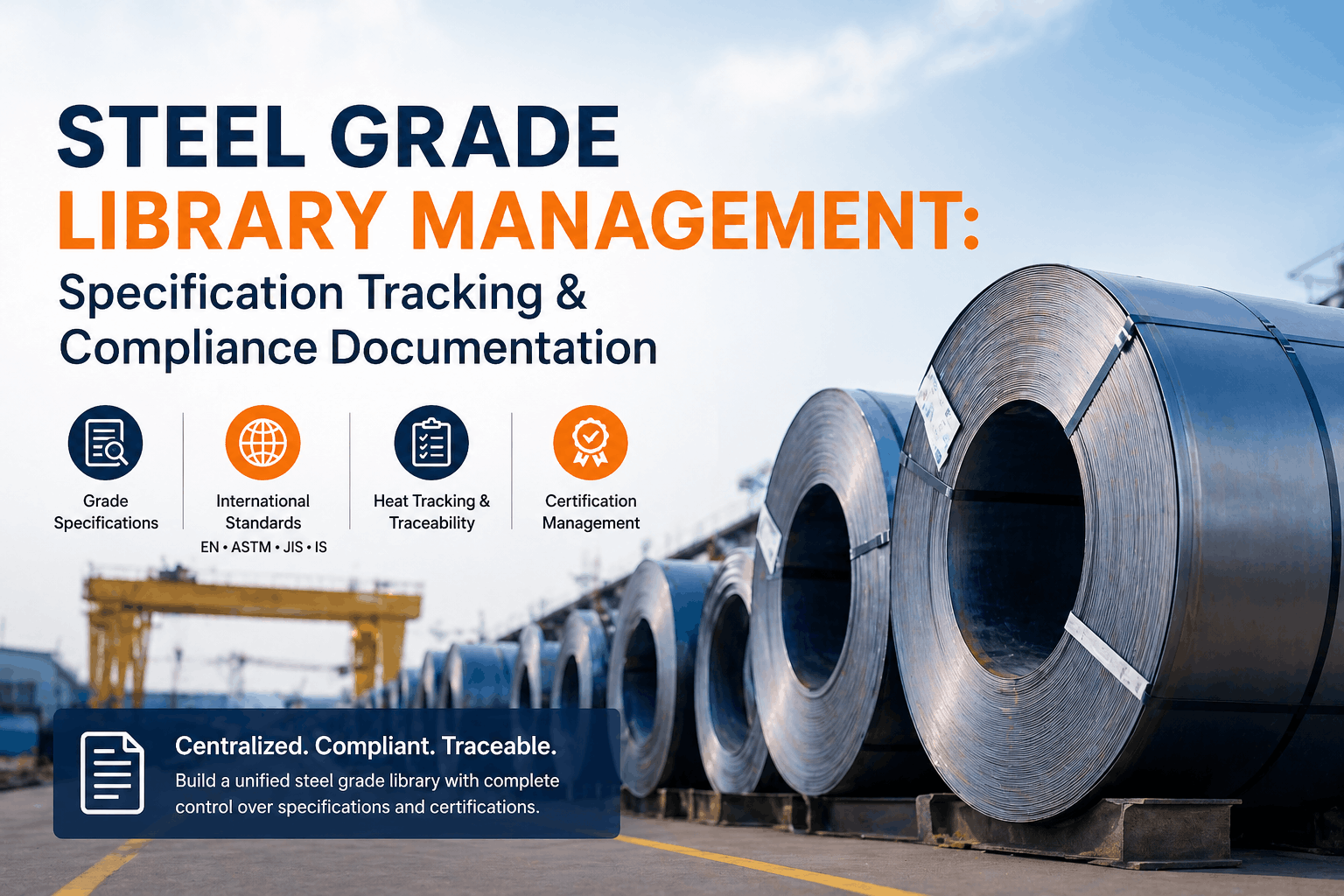
In the rigorous world of global steel manufacturing, Steel Grade Library Management is the enabling layer of commercial integrity. The transition from manual, paper-based specification tracking — isolated binders and legacy spreadsheets reviewed days after a heat is cast — is now redefining how mills manage customer compliance and metallurgical risk in real time. In 2026 leading steel producers are no longer asking whether to digitize their grade books; they are asking how quickly they can consolidate fragmented international standards (EN, ASTM, JIS, IS) into a unified Strategic Control Tower that prevents non-compliance before it hits the shipping bay. If your specification management still lives in departmental silos, Book a Demo to see how iFactory's Grade Library software converts raw metallurgical data into enterprise-grade decision support.
Turn Your Grade Book Into a Strategic Control Tower
iFactory's Grade Library platform unifies international standards, customer-specific tolerances, and heat-specific chemical signatures into a single compliance intelligence layer — purpose-built for high-throughput steel operations.
Why Steel Grade Management Has Outgrown the "Recipe" Model
For decades, a "Grade" in steel manufacturing was treated as a static recipe — a set of chemical ranges and mechanical targets stored in an ERP or a PLC. This model worked when customers accepted broad tolerances and international standards evolved slowly. Today, that model is commercially untenable. The catalysts are structural: automotive OEMs now demand "Chemistry-Inside-Chemistry" (tighter internal limits than standard EN/ASTM specs); the aerospace sector requires sub-heat traceability for critical structural components; and the rise of green steel requires precise alloying control to manage recycled content variations.
The steel manufacturers absorbing these pressures while growing profitably share a single structural advantage — their industrial grade library has been repositioned from a reporting tool to a strategic control tower that connects operational visibility to executive decision-making in real time. This architecture connects global standards to site-level production reality in real time. When a ladle chemistry drifts 0.02% above a customer's specific phosphorus limit, the system doesn't just log the event — it instantly re-grades the material for a different order, updates the rolling mill's thermal model, and flags the Mill Test Certificate for review. To see how this architecture operates across a real steel production network, Book a Demo and walk through a live control tower deployment.
The Five Pillars of a Steel Grade Management Control Tower
Building a strategic grade management control tower requires architectural decisions that go beyond simple data entry. The platforms generating measurable enterprise value share five foundational capabilities that distinguish them from conventional quality management systems and standalone reporting tools.
Global Standards Consolidation
Automated ingestion of EN 10025, ASTM A36, JIS G3101, and IS 2062 standards. The system maintains a "Master Library" where global updates are reflected instantly across all production facilities, ensuring no plant rolls to an obsolete spec and normalizing disparate standards into a unified model.
Customer-Specific Tolerance Mapping
Overlay stringent customer internal specs on top of standard grades. iFactory enables "Conditional Grade Release," where a heat can satisfy a standard EN spec but be blocked for a specific automotive OEM due to tighter sulfur or nitrogen constraints — converting customer SLAs into live production gates.
Heat-to-Mill Linkage and Traceability
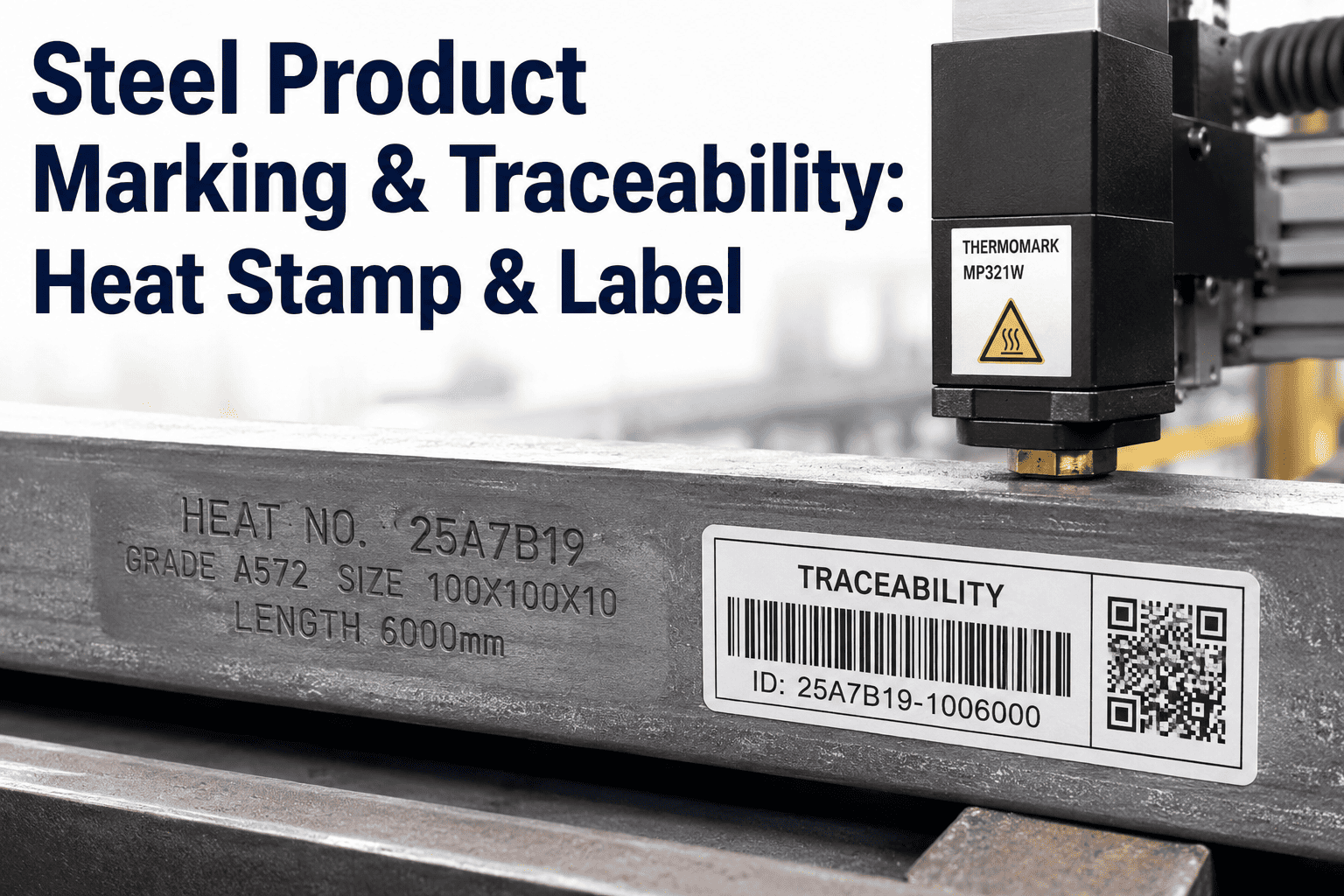
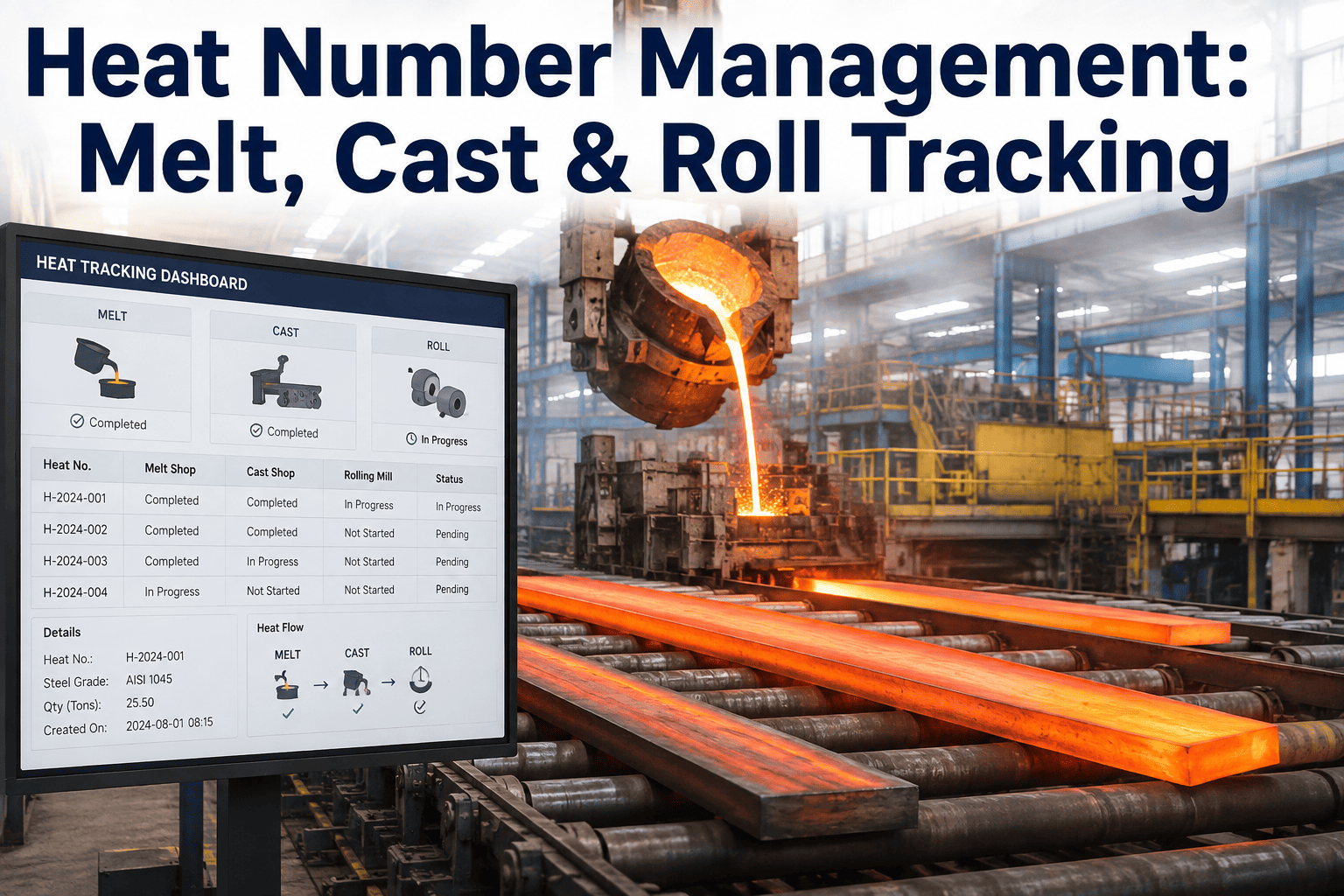
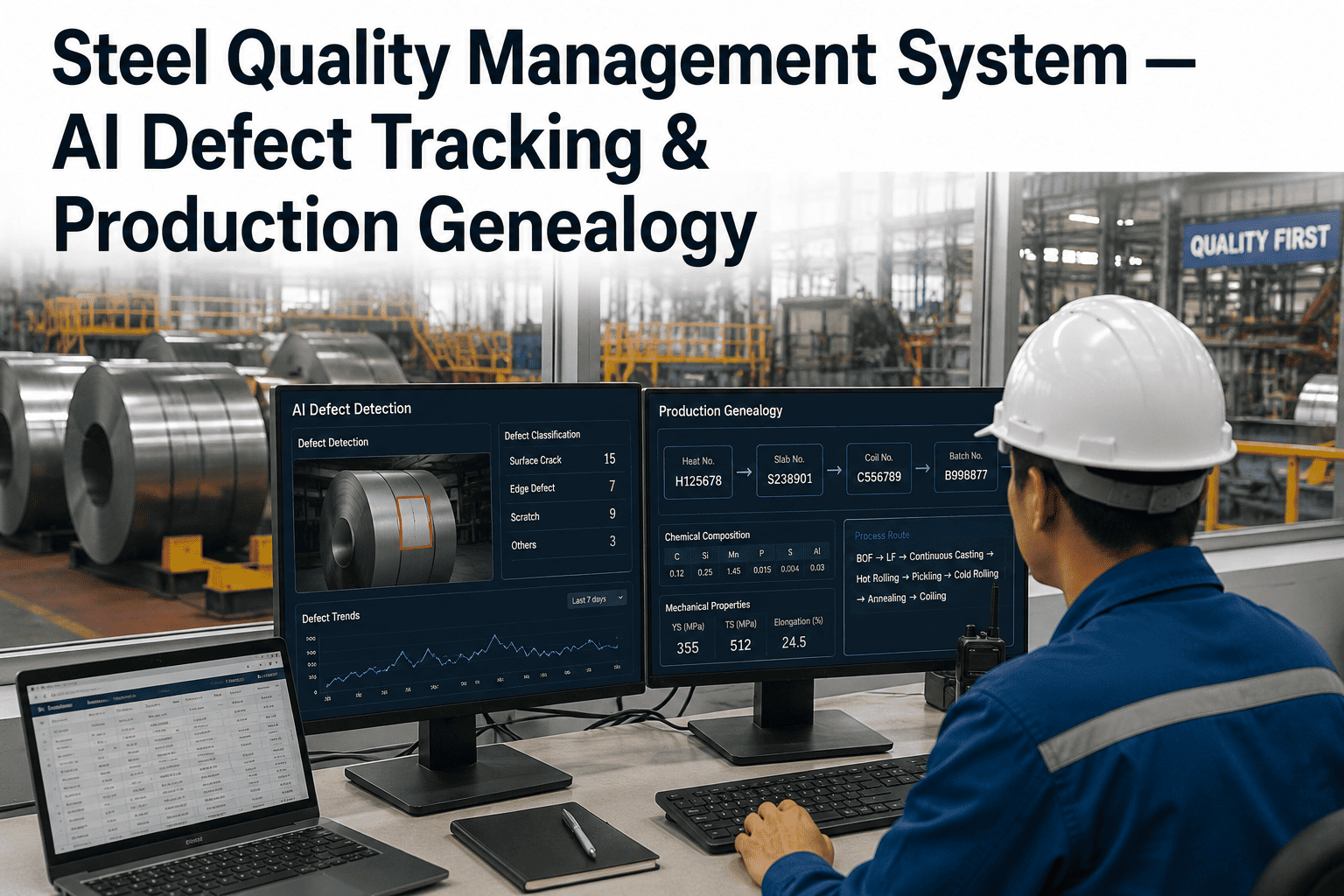
Complete metallurgical genealogy. Connect the ladle chemistry to the caster spray profile and the mill's finishing temperature. This creates a "Digital Twin" of every slab/coil linked directly to its grade certification requirements, shifting traceability from paper logs to automated intelligence.
Compliance Intelligence and Automated Documentation
Eliminate manual data entry in certification. iFactory pulls verified lab results and mill telemetry directly into customer-branded Mill Test Certificates (MTC), with automated validation against EN 10204 3.1 or 3.2 requirements — converting audit prep from an event into a continuous state.
Grade Transition ROI Analytics
Track the financial cost of "Mixed Grade" segments during continuous casting. The control tower optimizes the sequence of heats to minimize chemistry overlap waste, saving millions in downgraded material annually and elevating the grade book to a strategic financial asset.
From Recipe Management to Strategic Decisions: The Grade Flow That Changes Everything
The most significant shift in steel grade management is not technological — it is structural. The control tower model changes who owns the grade library and how quickly compliance data reaches decision-makers. In the cost center model, recipe management produced reports consumed by metallurgists and quality managers, rarely reaching executive stakeholders in a form that drove strategic decisions.
In the control tower model, the same metallurgical data flows simultaneously to three decision layers: melt shop teams who need real-time alloying guidance; site leadership who need daily compliance benchmarks; and enterprise executives who need portfolio-level yield performance and grade transition trends. Manufacturers exploring how to redesign this data flow for their enterprise should Book a Demo to see iFactory's three-layer visibility architecture in a live production environment.
Grade Compliance Analytics: Where the Control Tower Generates Immediate ROI
Grade compliance analytics is the highest-frequency output of a steel manufacturing control tower — the continuous stream of chemistry, dimensional, and mechanical data that determines whether a heat is prime material before it leaves the caster. In facilities still operating on manual reporting, the financial cost of delayed visibility compounds invisibly: heats that could have been corrected in the ladle run to the caster; equipment degradation that shows up in product quality before it shows up in maintenance records.
Real-Time Alloying Guidance and Recovery
Control tower analytics correlate chemistry deviations with specific furnace states, raw material lots, and operator shifts — enabling root cause identification and corrective alloying within the same heat window where the deviation is occurring.
Grade Transition Optimization Across the Enterprise
Enterprise-wide transition monitoring identifies the casting practices and sequencing disciplines that produce the smallest "mixed-chemistry" zones, identifying the top-quartile performance and making it transferable across the facility network.
Automated Compliance Scoring Linked to Commercial Grade
Control tower analytics identify the correlation between equipment health and grade compliance — detecting cases where a roll surface defect or caster spray nozzle blockage is inflating scrap rates weeks before it produces a production stoppage.
The Competitive Divide: AI-Driven Visibility vs. Traditional Grade Books
The distinction between an AI-powered grade control tower and a traditional grade book is not a matter of degree — it is a matter of operating model. The table below captures the dimensions that determine strategic value in steel grade management deployments.
| Capability Dimension | Traditional Grade Book / ERP | iFactory Grade Control Tower | Strategic Impact |
|---|---|---|---|
| Spec Latency | Hours to days post-event | Real-time continuous streaming | Interventions happen within the production window |
| Tolerance Violation | Reactive reporting post-test | Predictive warning during casting | Unplanned scrap converted to prime-grade re-assignment |
| Compliance Documentation | Manual record-keeping, audit assembly | Automated continuous certification | Audit readiness is a permanent operational state |
| Cross-Site Benchmarking | Manual report consolidation | Automated enterprise yield ranking | Best practices identified and transferred systematically |
| Executive Visibility | Weekly/monthly yield summaries | Real-time grade-mix dashboards | Capital decisions informed by live compliance data |
Ready to Close the Competitive Gap with Real-Time Grade Compliance?
See how iFactory's grade control tower gives steel manufacturers the metallurgical integrity, asset health, and compliance intelligence to operate faster and smarter than the competition.
Frequently Asked Questions: Steel Grade Management and Control Tower Strategy
What is a steel grade management control tower and how does it differ from ERP tools?
A steel grade management control tower is a unified operational intelligence platform that delivers real-time visibility and decision support across every production site. Unlike ERP tools that handle commercial order data, a control tower operates continuously — linking metallurgical chemistry, mill telemetry, and compliance records into a single decision-making architecture.
How does the platform handle international standards like EN, ASTM, and JIS?
The platform features automated ingestion and version control for global standards. This ensures that every facility in your network is rolling to the most current specification and allows for the instant creation of customer-specific tolerance overlays on top of base standards.
Can the grade library automate the generation of Mill Test Certificates (MTC)?
Yes. By integrating directly with LIMS and plant automation, iFactory pulls verified chemical and mechanical results into customer-branded certificates. The system automatically validates every certificate against EN 10204 3.1 or 3.2 requirements before issuance.
How does grade transition analytics improve metallurgical yield?
Grade transition analytics uses AI to model the chemistry overlap zone in continuous casting. By predicting the precise length and composition of the "mixed" segment, the system allows for the maximum possible prime material recovery and automates the re-assignment of transitional material to compatible lower-spec orders.
Build the Grade Control Tower Your Enterprise Strategy Requires
iFactory's grade management platform transforms metallurgical data, asset health, and compliance intelligence into a unified strategic control tower — giving steel manufacturing executives the real-time visibility to lead operations with precision.