For a high-volume 5 MTPA Hot Strip Mill, maintaining a theoretical OEE of 90%+ was historically considered an impossibility due to the aggressive nature of hot rolling environments. Chronic bearing seizures in finishing stands, unpredictable hydraulic servo failures in the AGC system, and "Roll Mark" scrap events were eroding margins and forcing the plant into a permanent cycle of reactive maintenance. This is the definitive account of how this facility utilized iFactory's AI-Driven Analytics to transform its operational profile—improving OEE from a baseline of 78% to a world-class 96%. By digitizing roll campaign cycles and deploying ultrasonic predictive analytics, the mill eliminated unplanned bearing breakdowns entirely and achieved a new standard in Steel Plant Digitalization. Book a Strategy Audit to see how iFactory can scale your mill's OEE.
Executive Summary: Capturing the "Impossible" Margin
In the global steel market, a 1% improvement in OEE for a 5 MTPA facility translates to roughly **$800k - $1.2M in annual EBIT recovery**. For this North American mill, the 18% recovery achieved with iFactory wasn't just a maintenance win—it was a corporate financial reset. By eliminating the "Ghost Downtime"—those 15-minute stops that add up to hours per week—and resolving the catastrophic "Bearing Blowouts" that idled the plant for days, the facility reclaimed nearly $4.8M in lost profitability in the first year alone. This case study explores how iFactory's Strategic Control Tower became the central nervous system of the mill, enabling leadership to make capital allocation decisions based on real-time asset risk rather than historical averages.
The "pitch" for iFactory in a hot strip environment is simple: we provide Total Asset Transparency. In an era where steel plants must balance ESG compliance with record-breaking throughput, the ability to roll more tonnes with less energy and zero catastrophic waste is the only way to remain competitive. Download the Full Financial Impact Report to see the detailed ROI breakdown.
Client Background & Technical Profile
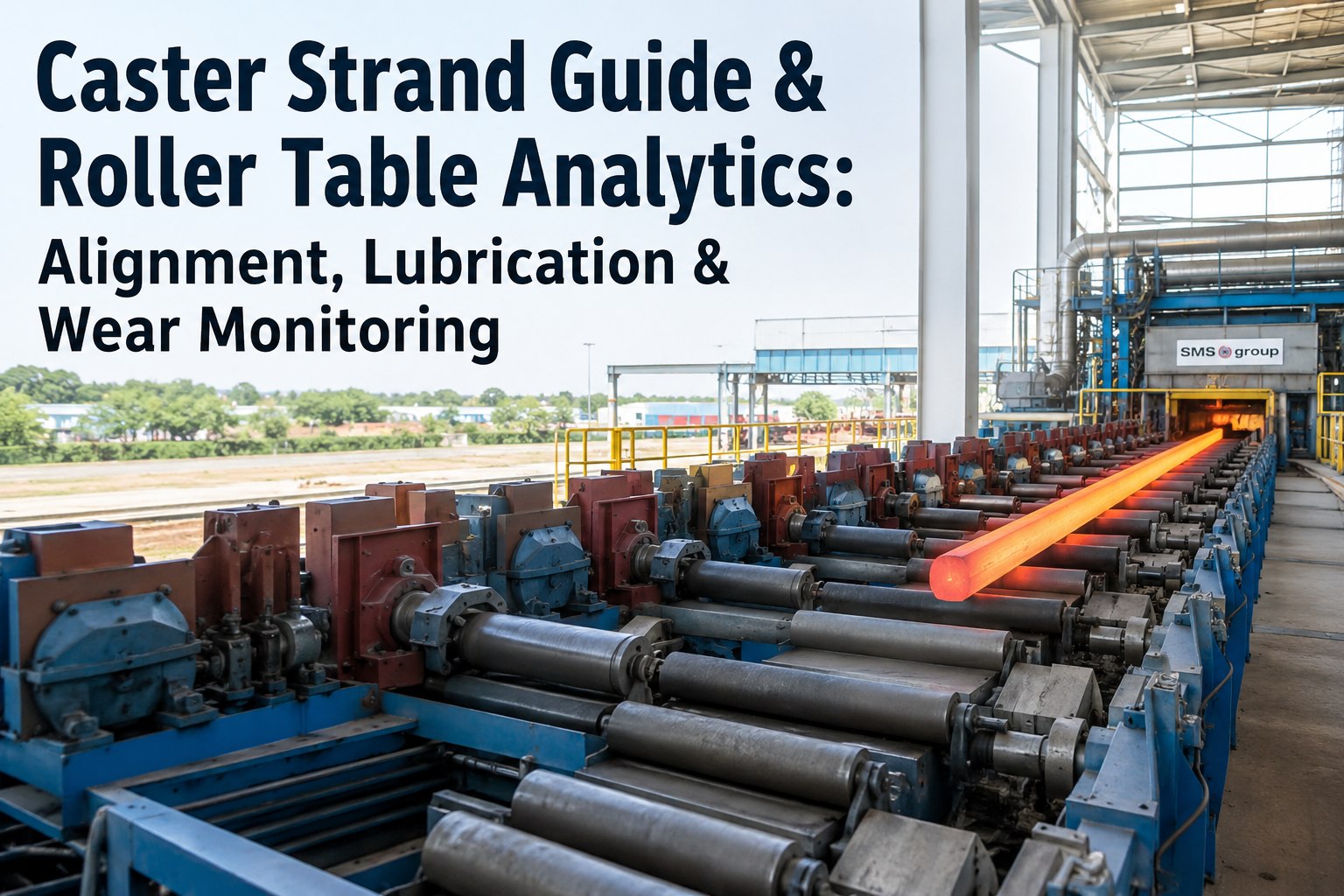
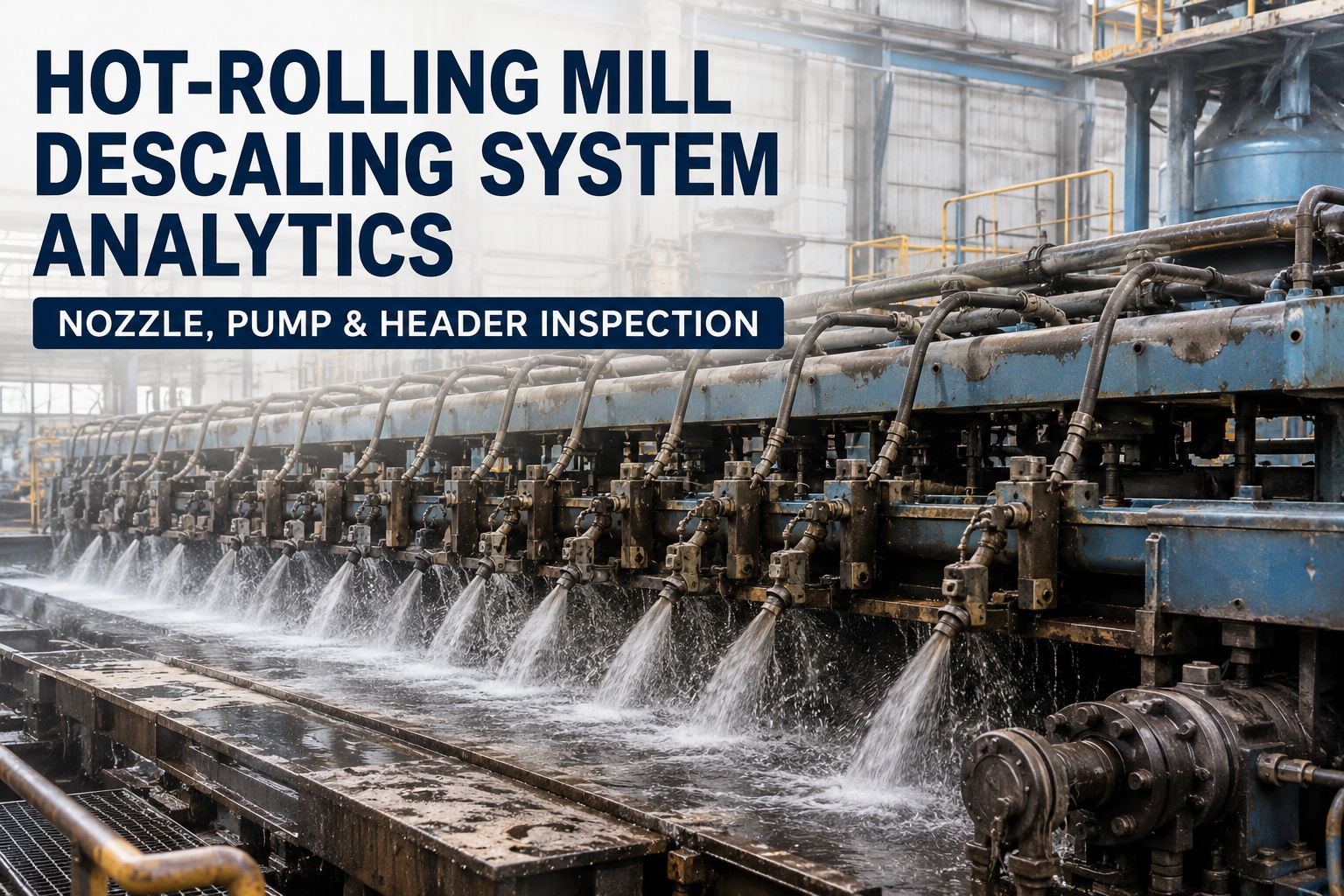
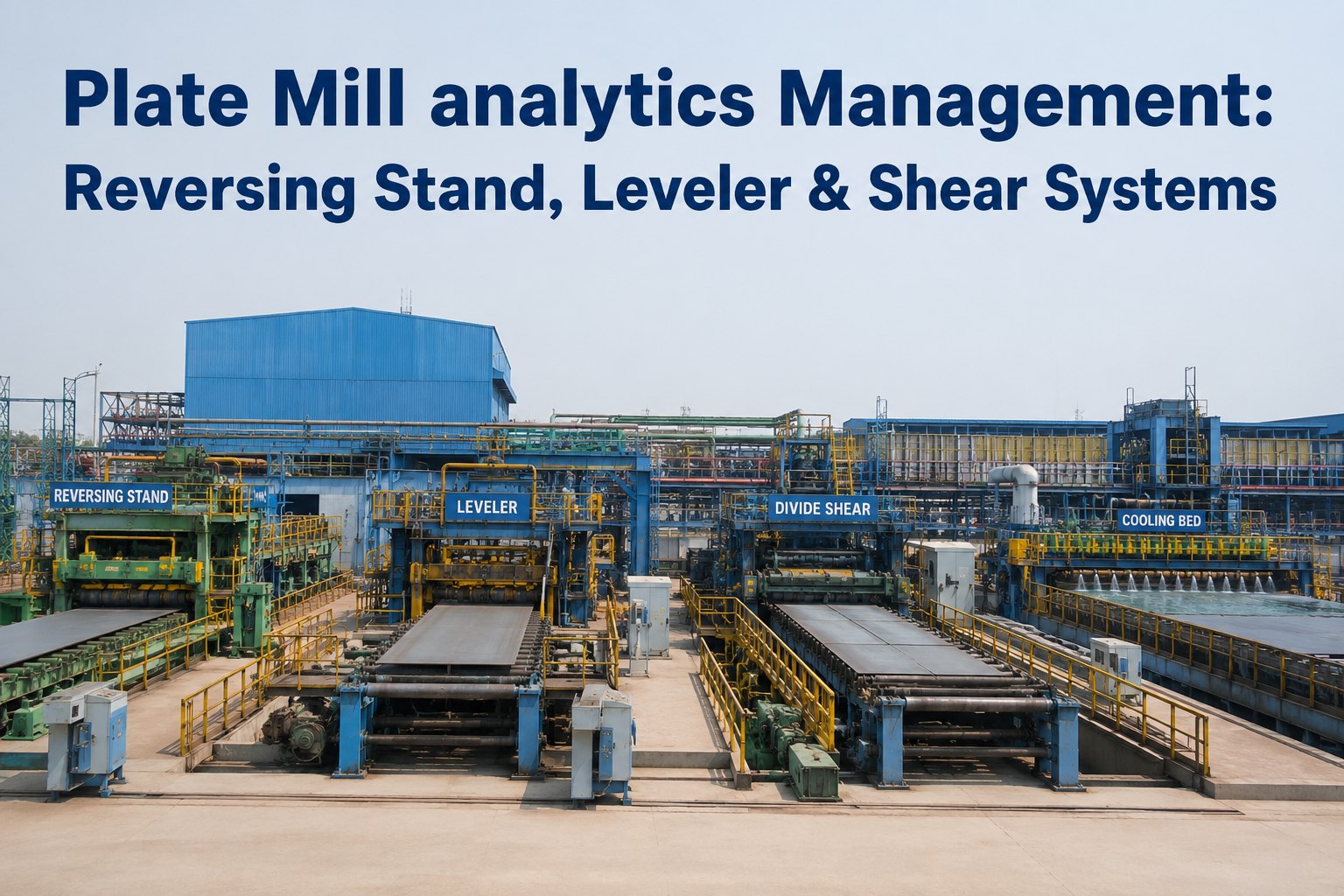
The facility is a Tier-1 Hot Strip Mill (HSM) processing 5 million tonnes per annum (MTPA) of high-strength low-alloy (HSLA) and automotive-grade steels. The production line consists of a roughing stand followed by a 7-stand finishing train, 2 coilers, and a massive hydraulic descaling system. Operating 24/7 with over 450 critical rotating assets and 120 high-pressure hydraulic actuators, the plant faced a unique challenge: the "Impact Loading" during slab entry was masking the mechanical wear signatures of aging bearings and gearboxes. Reliability teams were overwhelmed by manual data collection, leading to "Data Blindness" where catastrophic failures were often preceded by weeks of ignored (but recorded) vibration anomalies. Book a demo to explore our mill-specific AI models.
The Challenge: Breaking the Cycle of Reactive Maintenance
Steel rolling is an exercise in extreme force and temperature management. In this 5 MTPA environment, the primary bottleneck was not the equipment's capacity, but its **Reliability Lifecycle**. Traditional SCADA systems were logging pressure and motor current, but they lacked the "Causal Intelligence" to understand why a Finishing Stand motor was tripping or why a roll was failing prematurely. The pre-deployment baseline revealed a "Fragile Reliability" state where maintenance was purely calendar-based, ignoring the actual stress cycles the machinery was enduring during heavy-gauge rolling.
Technical Deep Dive: The AI Model Architecture
What sets iFactory apart from generic IoT platforms is our **Causal Inference Engine**. In a hot strip mill, vibration sensors on a finishing stand are bombarded by "Process Noise"—the violent impacts of the slab hitting the rolls. A standard threshold-based alarm would trigger constantly. iFactory's AI uses Digital Twin Synchronization to understand the mill's current state (Speed, Torque, Screw-down Pressure, Grade) and dynamically subtracts the "Normal Noise" of production. This leaves behind the pure mechanical signature of the bearing, gear mesh, or hydraulic pump. By isolating these Micro-Anomalies, we identify failure precursors that are invisible to even the most experienced vibration analysts.
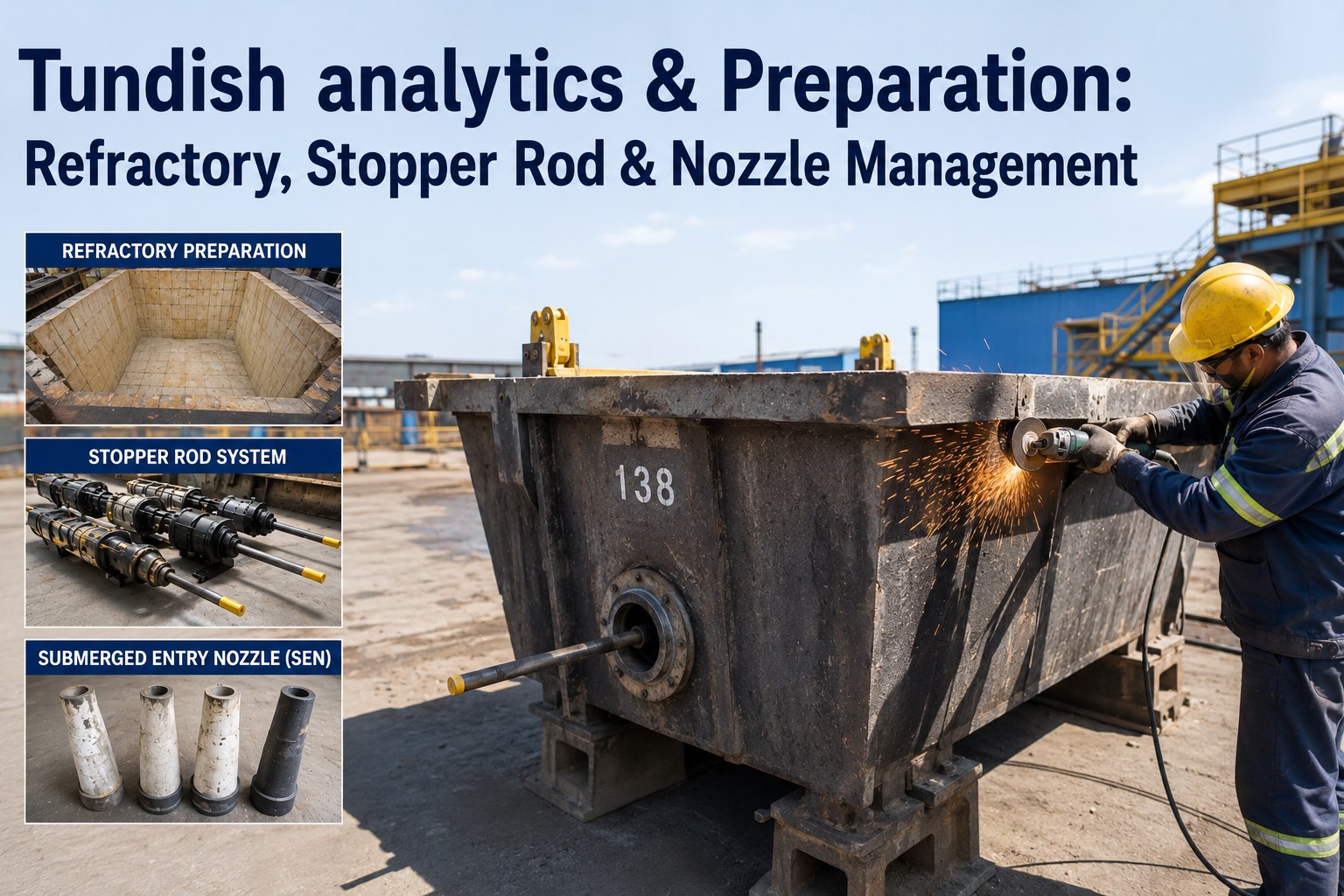
Our "Zero-Trust" Bearing Monitoring module specifically looks for ultrasonic energy spikes in the 20kHz-100kHz range—the exact frequency where metal-on-metal contact begins due to lubrication breakdown. This "Early Warning" allows the mill to schedule a bearing change during a natural roll swap, turning a potential 12-hour catastrophe into a 30-minute routine task. Schedule a Technical Deep Dive with our data science team.
The Solution: iFactory's Full AI + Predictive Suite
The mill deployed iFactory's comprehensive Industrial Intelligence Platform, integrating high-frequency vibration data with SCADA telemetry and roll shop management logs. By centralizing these disparate data streams, the facility created a **Digital Mill Model** that could simulate equipment health in real-time.
- Roll change alerts triggered by actual tonnes-rolled vs. material hardness
- Eliminated surface defects through predictive "Roll Fatigue" models
- 100% synchronization between roll shop and mill floor
- High-speed capture of bearing lubrication "Squeal" signatures
- Lead time for replacement extended from 4 hours to 3 weeks
- Zero unplanned seizures recorded since full-train deployment
- Real-time NAS/ISO oil cleanliness tracking vs. AGC performance
- Automated filter-flushing triggers based on particle count peaks
- Reduced servo-valve replacement OpEx by 42% annually
- Monitors mill "Chatter" frequencies in VFD current signatures
- AI recommends speed offsets to bypass resonant frequencies
- Stabilized gauge control during high-speed thin-gauge rolling
- Work orders auto-generated based on AI failure probability scores
- Maintenance window optimization based on production scheduling
- Eliminated 65% of unnecessary "Calendar Checks"
- Automated documentation of safety critical LOTO events
- Continuous environmental compliance tracking for scale-pit discharge
- Audit prep time reduced from 5 days to 2 hours
Enterprise Scalability & Knowledge Portability
The success of the iFactory deployment at this facility has now created a blueprint for **Enterprise Portability**. By digitizing the "Best Practices" of Stand F4 maintenance and Roll Campaign 12 scheduling, the organization can now export these AI models to its other rolling mills globally. This eliminates the "Reliability Silos" that exist between plants and ensures that a lesson learned in one hot strip mill is instantly applied across the entire fleet. The platform serves as a Digital Knowledge Vault, preserving the expertise of senior engineers and making it available to the next generation of mill operators. Book a Demo to see our Enterprise Dashboard.
Implementation Roadmap: From Pilot to Enterprise Scale
The 12-month rollout prioritized the Finishing Train (Stands F1-F7) to capture immediate uptime wins before extending the data fabric to the roughing stands and coilers. Book a demo to see how we manage rapid deployments.
Deployed 120 wireless IIoT vibration nodes and integrated 3 years of SCADA data. AI models began "Learning" the unique mechanical resonance of each finishing stand stand.
The platform successfully predicted its first bearing failure (Stand F4) 12 days before seizure. Roll Campaign Tracking went live, providing the first digital link between roll wear and strip quality.
Expanded to descaling and coiler hydraulics. OEE stabilized at 96%+. The plant moved to a "Prediction-First" culture where zero maintenance is performed without a data-driven justification.
Case Study Results: The 96% OEE Transformation
The transition to iFactory's Industrial Analytics Framework produced measurable gains across every operational and financial KPI for the 5 MTPA mill.
Performance Summary Table
| Operational Metric | Baseline (Manual) | Current (iFactory AI) | Total Improvement |
|---|---|---|---|
| Mill Uptime (MTBF) | 212 Hours | 840+ Hours | 296% Improvement |
| Hydraulic Servo Life | 14 Months | 32 Months | +128% Extension |
| Audit Prep Labor | 42 Staff Hours | 2 Staff Hours | -95% Reduction |
| Roll Change Cycle Time | 45 Minutes | 32 Minutes | -28% Efficiency |