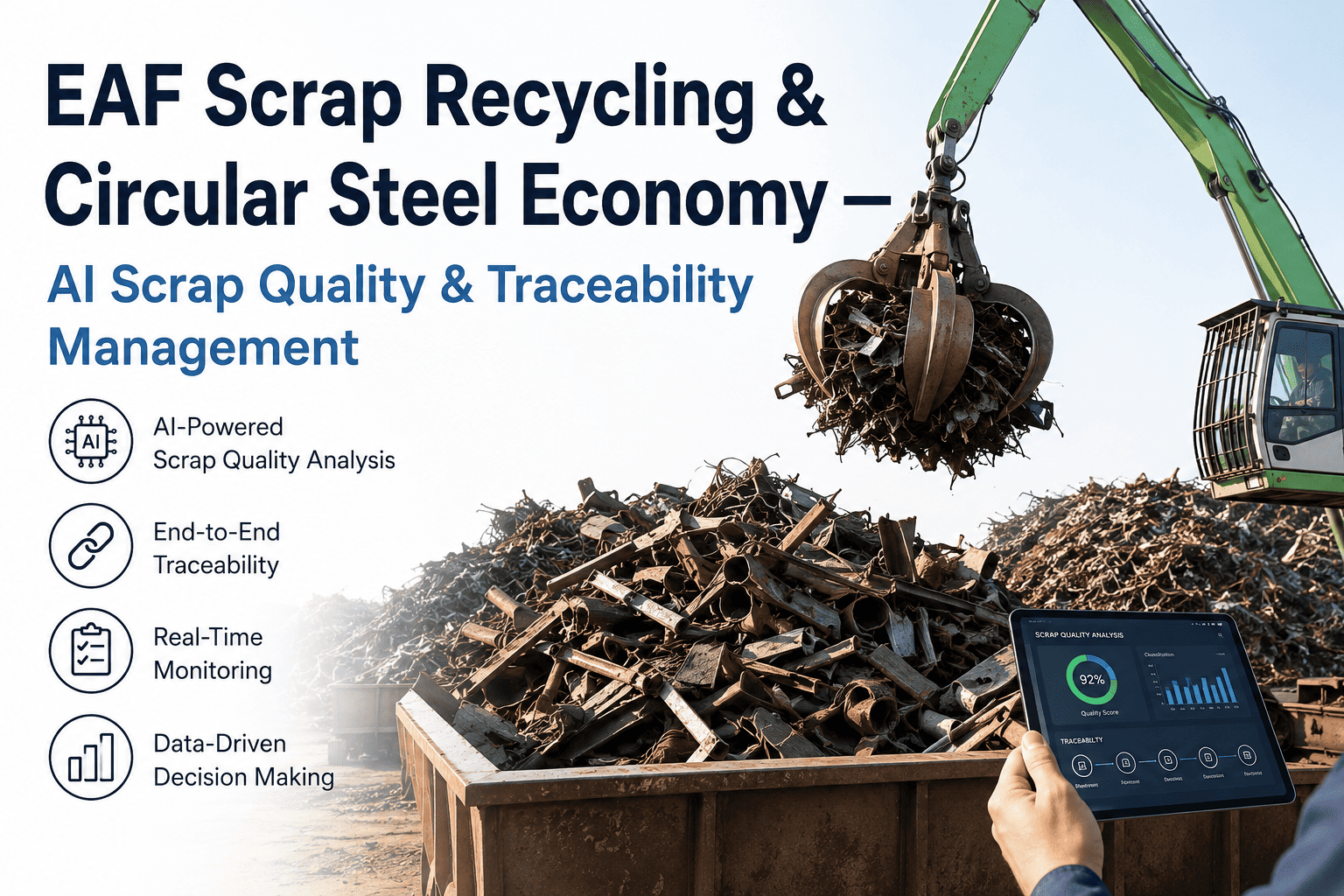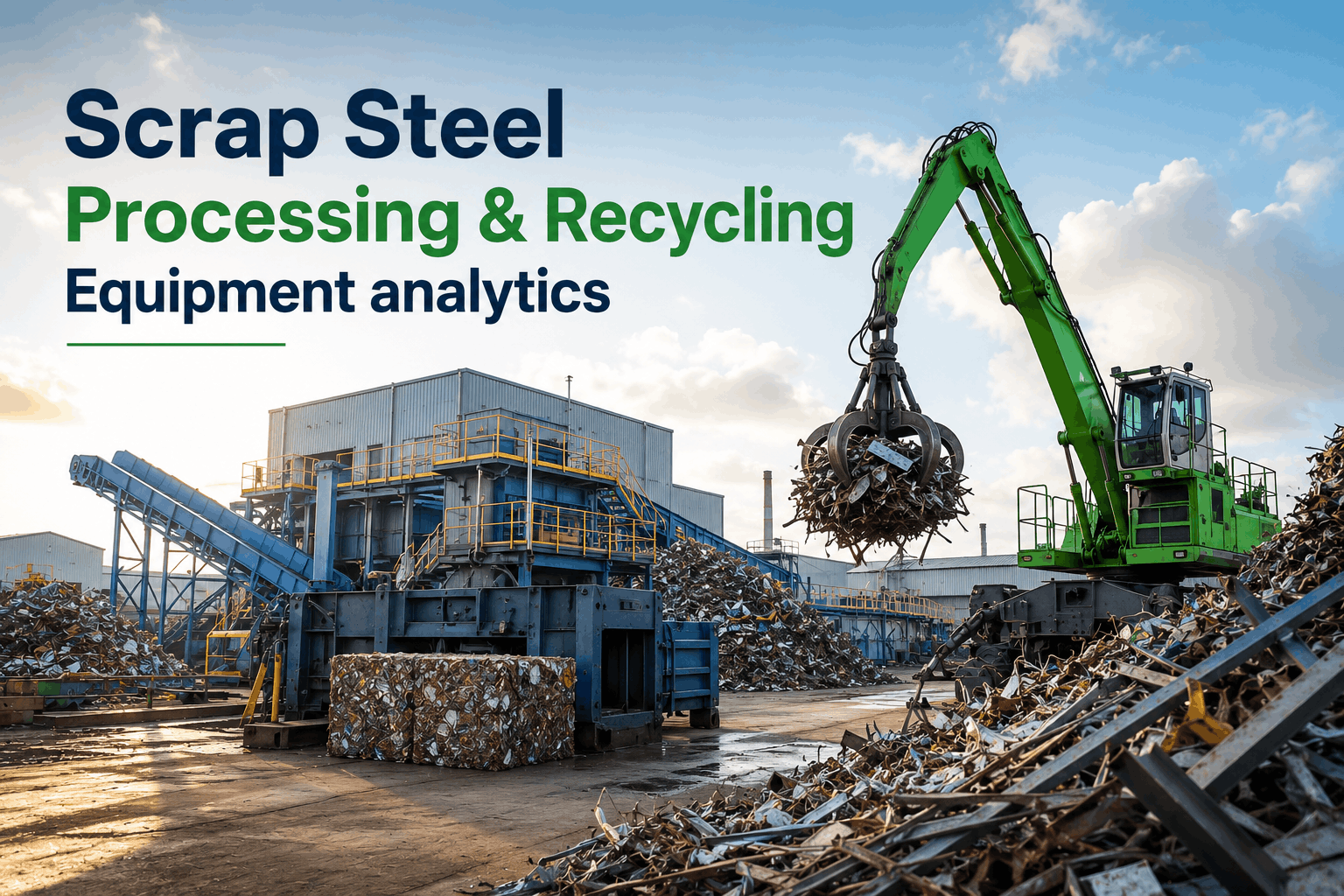
As the global steel industry pivots toward the "Green Steel" revolution, the efficiency of scrap steel processing and recycling equipment has transitioned from a back-end utility to a front-line strategic asset. Integrated mills and mini-mills alike are increasingly dependent on high-quality, contaminant-free scrap to feed Electric Arc Furnaces (EAF), where precise chemistry is paramount. For every 0.1% reduction in non-ferrous contamination, an EAF operator can save thousands in downstream refining and electricity costs. Yet, the equipment responsible for this preparation—massive shredders, heavy-duty balers, and complex magnetic separators—often operates in the most abrasive and unpredictable environments in the industrial sector. In 2026, maintaining these kilometers of yard infrastructure demands a shift from static, reactive repair models to a dynamic, AI-driven "Predictive Fleet" model. This guide explores how iFactory's analytics platform hardens scrap yard operations, leveraging real-time sensor networks to protect high-value recycling assets before a mechanical failure halts the entire circular supply chain. Book a free demo to digitize your scrap processing roadmap and secure your position in the decarbonized steel economy.
Scrap Processing Intelligence: Maximizing Recycled Steel Yield
A comprehensive technical framework for deploying AI-driven diagnostics to protect shredders, balers, and cranes against abrasive wear, thermal stress, and unplanned mechanical downtime while ensuring 99.9% ferrous purity.
Recycling Failures Modern Steel Mills Cannot Afford to Ignore
Traditional scrap yard processing was built for raw volume, but the modern mini-mill demands precision. Today, recycling managers must defend against six primary failure modes that threaten production continuity, yield quality, and personnel safety. Reworking a 100-ton heat due to copper contamination is no longer just a quality issue—it is a sustainability failure. Schedule a system audit.
Shredder Rotor & Bearing Fatigue
Massive shredder rotors face constant impact shocks from heavy-gauge scrap. iFactory's acoustic and vibration analytics identify bearing lubrication failure weeks before seizure, preventing catastrophic motor-shaft damage that can stop a yard for 10+ days.
Hydraulic Baler Pressure Decay
Leaking seals and pump cavitation in high-pressure balers lead to "soft bales" that disrupt EAF charging density. We monitor hydraulic pressure curves and oil temperature to ensure every bale meets density specifications for optimized furnace melt-times.
Magnetic Separator Efficiency
As magnets heat up, their lifting capacity drops. AI-driven current monitoring and thermal tracking flag winding degradation, ensuring non-ferrous contaminants stay out of the ferrous stream and protecting EAF chemistry from silicon or copper spikes.
Crane Fleet Fuel & Idle Waste
Yard cranes and loaders often run at 100% auxiliary load during yard congestion. iFactory's fleet management tracks "Engine-On vs Hook-On" time, identifying fuel-saving safe-states that reduce operational carbon footprints and cut fuel costs by 15-20%.
Conveyor Belt Rip & Puncture
Sharp scrap fragments are the leading cause of belt carcass punctures. iFactory's high-speed computer vision triggers a drive-stop in milliseconds when an object penetrates the belt, saving kilometers of expensive conveyor assets and preventing spillage-related safety risks.
Tramp Metal Safety Logic
Undetected gas cylinders or reinforced steel shafts cause shredder explosions. iFactory's AI-vision scans the input conveyor for "forbidden objects," automatically pausing the feed and alerting the operator before the material reaches the drum.
Maintenance Evolution: Reactive vs. Predictive Benchmarks
Quantifying the impact of iFactory AI across the four most critical scrap processing KPIs. Moving to a condition-based model preserves capital and asset life.
Strategic Architecture: Four Deployment Tiers for Yard Digitization
Integrated scrap processors can scale their digital journey from simple asset tracking to fully autonomous yard logistics using iFactory's phased framework. This ensures that every sensor deployed has a direct path to ROI. Maintenance and IT leads often choose to book a demo to align their hardware budget with these phases.
Predictive Health Foundation
Deployment of wireless vibration and thermal sensors on the main shredder motor, bearings, and hydraulic pumps. Focuses on preventing the "Heart-Attack" failure events that halt production for days.
Sortation & Yield Precision
Integration of magnetic separator current data with AI-vision for non-ferrous detection. This layer provides real-time ferrous purity scores, ensuring "Prime" scrap status for high-grade mill orders.
Fleet Efficiency Mesh
J1939 CAN bus integration for the crane and excavator fleet. Correlates GPS movement with material tonnage and fuel burn to optimize yard flow and operator behavior.
Autonomous Yard Logistics
Full cross-platform integration with the EAF Charging Level 2 software. Autonomously routes specific scrap batches based on current furnace chemistry demands.
Regulatory Frameworks & "ResponsibleSteel" Compliance
By 2026, major automotive and infrastructure OEMs require verifiable "Digital Passports" for recycled steel. iFactory provides the auditable data required for three core standards.
| Framework | Data Requirement | iFactory AI Value |
|---|---|---|
| ISO 50001 | Specific Energy Consumption (kWh/ton) | Real-time tracking of shredder and baler energy intensity per batch. |
| EU CBAM | Verified Scrap Purity & Origin | Immutable blockchain logs of non-ferrous separation efficiency and batch yield. |
| OSHA / HSE | Proactive Hazard Mitigation | AI-vision logs of tramp metal ejection events and near-miss capture. |
| ESG Reporting | Circular Economy Recovery Rate | Verified recovery percentages for ferrous, aluminum, and copper streams. |
"Transitioning to iFactory's predictive model felt like moving from a blind-flight to an automated cockpit. We no longer wait for a shredder drum to seize; we swapping bearings when the AI identifies a 5% shift in acoustic frequency. This visibility has allowed us to extend our rotor life by 24% and virtually eliminate quality rejections from our primary EAF customer. It is the cornerstone of our Green Steel supply strategy."
Predictive Recycling Analytics: Frequently Asked Questions
Q: How does iFactory detect un-shreddable tramp metal before impact?
We utilize high-frequency electrical current signature analysis (MCSA) on the main shredder motor. An incoming gas cylinder or heavy shaft creates a specific harmonic spike in the motor current milliseconds before the mechanical collision. The AI recognizes this signature and can trigger an autonomous feed-stop to protect the rotor.
Q: Can the platform unify data from multiple crane brands?
Yes. iFactory is OEM-agnostic. Our IoT gateways connect to standard J1939 CAN bus or Modbus interfaces, allowing you to manage Liebherr, Sennebogen, and Caterpillar assets on a single unified mobile dashboard for cross-fleet benchmarking.
Q: Does the system monitor magnetic separator strength?
Yes. By monitoring real-time electrical flux and winding temperature, iFactory identifies when a magnet is under-performing. This ensures that non-ferrous contaminants do not enter your ferrous stream, maintaining scrap purity for premium Mini-mill orders.
Q: How does AI help reduce fuel consumption in yard loaders?
The platform identifies "Wait-State Waste." If a loader is idling for more than 5 minutes waiting for a truck or shredder feed, the AI analyzes the delay pattern and recommends an engine-down safe state via the operator's tablet, cutting fuel costs by an average of 15%.
Q: Is the hardware durable enough for high-abrasion scrap zones?
Absolutely. We specify IP69K-rated, military-grade sensors and hardened gateways designed for the extreme vibration, magnetic interference, and abrasive dust typical of high-volume scrap processing centers.
Q: Does the platform support remote diagnostics for specialists?
Yes. iFactory's "See-What-I-See" AR module allows a remote specialist to annotate a technician's live field-of-view on a tablet, guiding them through complex baler hydraulic repairs or shredder wear-plate rotations from anywhere in the world.
Q: What is the typical implementation timeline?
Initial gateway installation and Tier 1 monitoring activation take roughly 2-3 weeks. The AI model baseline is established within the first 30 days of live operation, providing predictive alerts shortly thereafter.
Q: How does iFactory impact insurance premiums?
By providing verifiable evidence of predictive maintenance and proactive hazard detection (like tramp metal stops), mills can often negotiate lower business interruption and safety insurance premiums through data-backed risk reduction.
Ready to Build a Climate-Hardened Smart Yard?
Speak with an iFactory recycling specialist today about deploying predictive analytics across your processing fleet and securing your premium scrap yield.