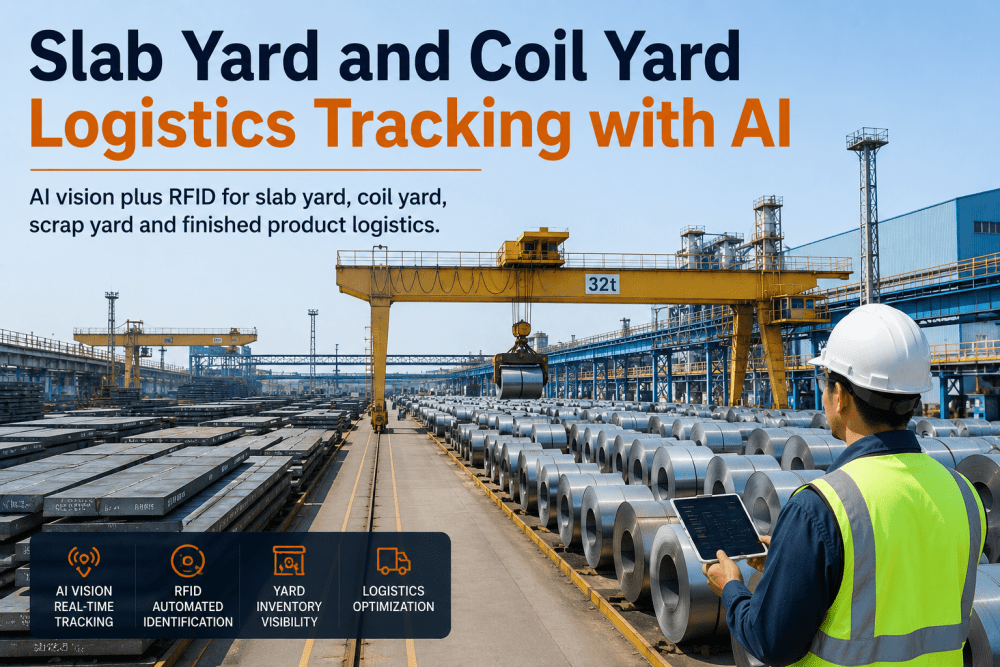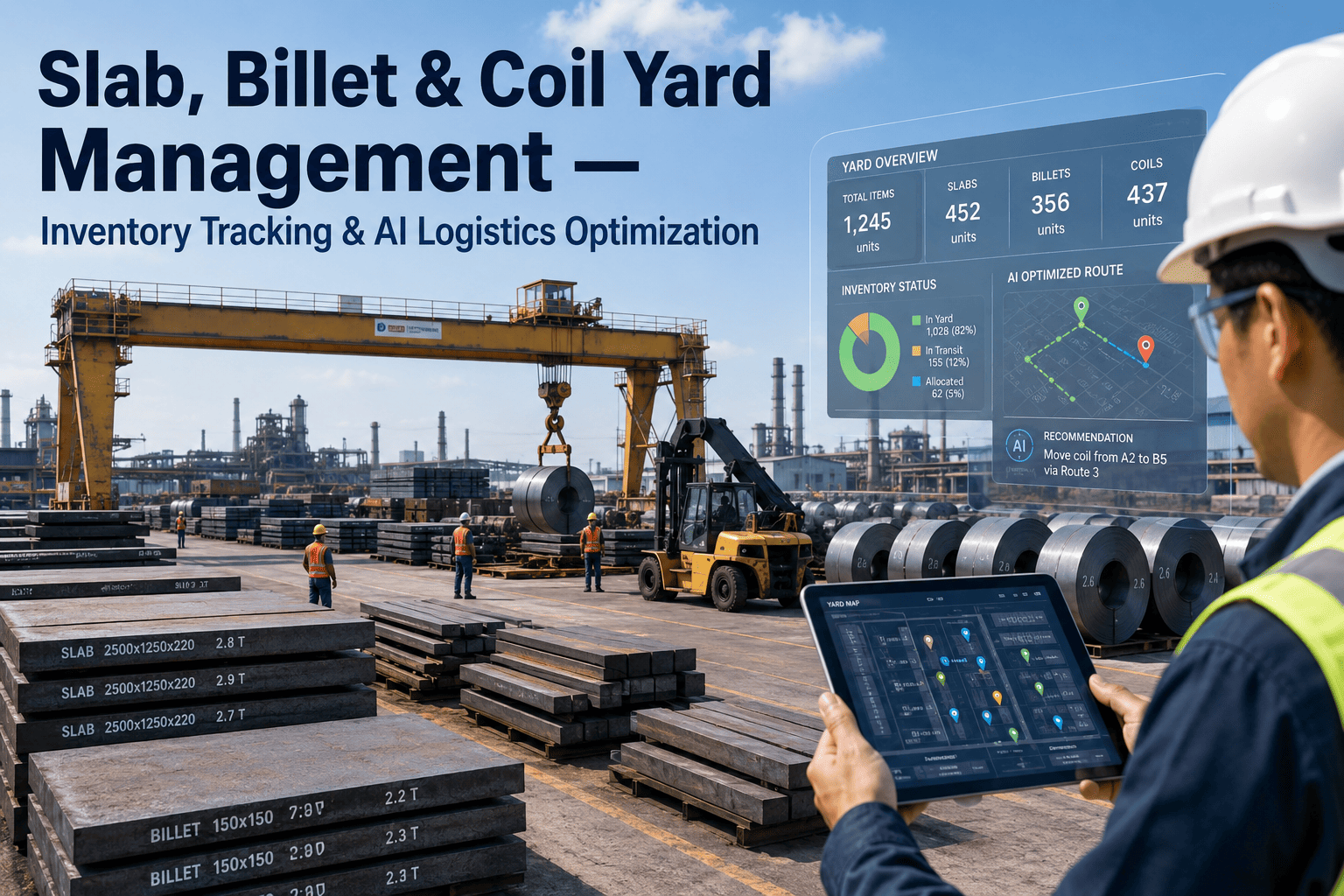
Managing a steel plant yard is a complex ballet of heavy materials, tight schedules, and constant pressure to reduce costs. Every day, thousands of tons of slabs, billets, and coils move through your yard, each with its own grade, dimension, and customer order. Without a precise system, inventory becomes a black hole: materials get lost, damaged, or age beyond specification, leading to costly rework and missed delivery deadlines. In a competitive market where margins are thin, even a 1% improvement in yard efficiency can translate into millions in annual savings. This is where AI-powered yard management steps in, transforming chaotic storage areas into streamlined, traceable, and optimized logistics hubs. By integrating real-time tracking with predictive analytics, steel plants can now achieve near-zero inventory errors, reduce handling damage by up to 30%, and ensure every slab, billet, or coil is exactly where it needs to be, when it needs to be there. In this comprehensive guide, we explore how modern AI-driven yard management systems are revolutionizing steel plant operations, from the caster to the shipping dock.
Transform Your Steel Yard with AI Precision
Eliminate lost inventory, reduce damage, and accelerate shipping with real-time tracking and predictive logistics.
The Hidden Cost of Manual Yard Operations
In many steel plants, yard management still relies on paper logs, manual inspections, and the memory of experienced operators. This approach is not only slow but also prone to errors that cascade through the entire supply chain. A misplaced slab can delay an entire production run, while a coil left too long in storage may develop surface defects, leading to customer rejection. According to industry studies, manual yard operations contribute to an average of 5-8% inventory shrinkage and up to 15% in rework costs. For a plant producing 3 million tons annually, that represents millions in lost value. The challenge is compounded by the sheer volume of materials: a typical slab yard may hold 10,000+ individual pieces, each needing to be tracked by heat number, grade, and dimensions. Without a digital system, finding a specific slab becomes a needle-in-a-haystack exercise that wastes operator time and delays shipments. AI-powered yard management eliminates these inefficiencies by providing a single source of truth for every material in the yard, updated in real time through sensors, cameras, and operator inputs.
Core Capabilities of an AI Yard Management System
Real-Time Inventory Tracking
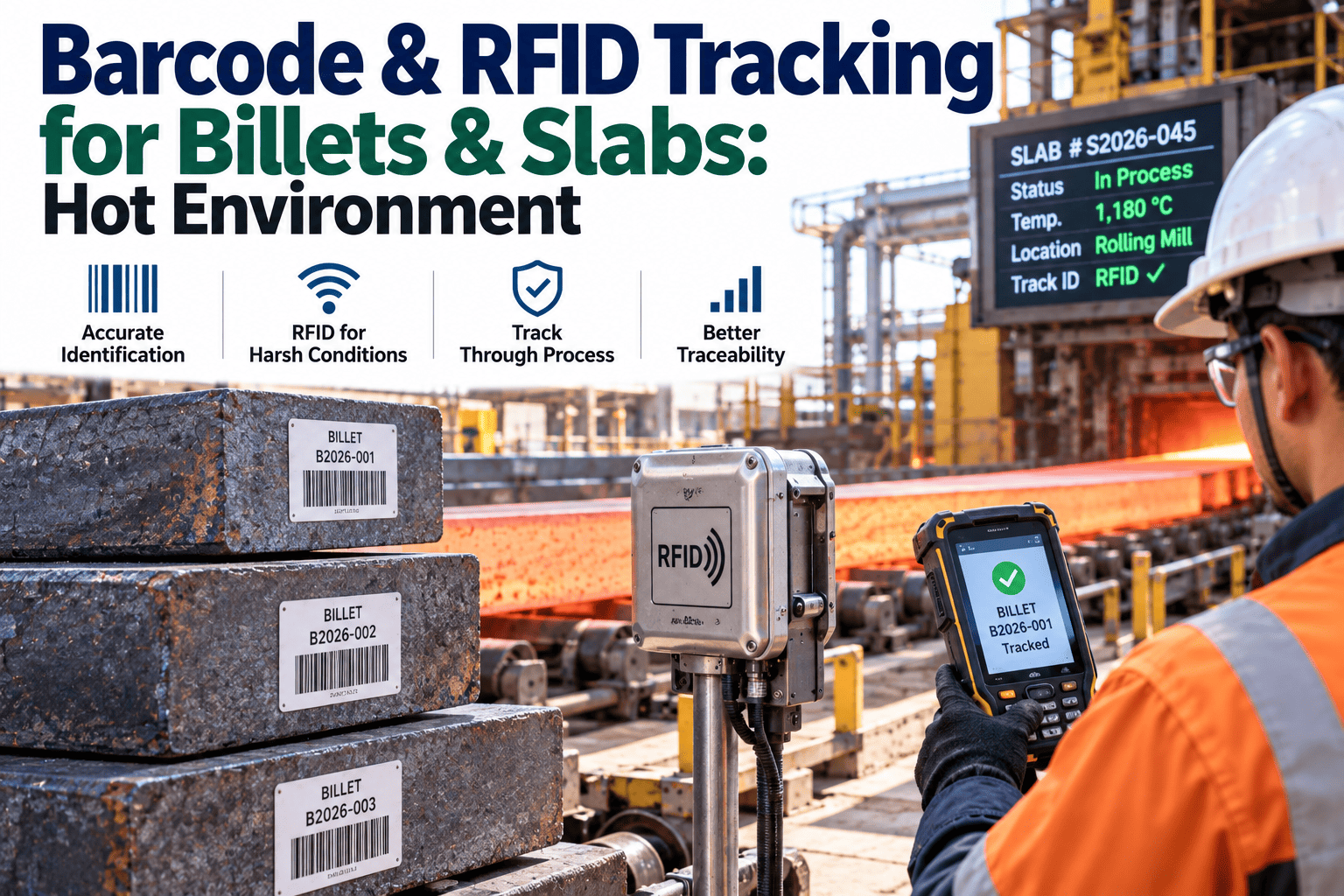
Every slab, billet, and coil is tagged with a unique ID (barcode, RFID, or visual marker) and tracked from the moment it exits the caster to when it is loaded onto a truck or train. The system updates location, status, and dwell time automatically, giving operators a live map of the yard. This eliminates the need for physical searches and reduces the time to locate a specific material from hours to seconds. Real-time tracking also enables dynamic slotting, where the system recommends the optimal storage location based on material grade, destination, and expected removal date, minimizing handling and travel distance.
AI-Powered Logistics Optimization
The system uses machine learning algorithms to predict yard congestion, optimize crane schedules, and sequence loading operations for maximum efficiency. By analyzing historical data on material movement, order patterns, and shipping schedules, the AI can recommend the best times to move materials, consolidate partial loads, and allocate resources. This reduces crane idle time by up to 20% and ensures that materials are always ready for the next production or shipping step. The AI also identifies potential bottlenecks, such as a high concentration of outbound orders for the same day, and suggests preemptive actions to smooth the workflow.
Material Traceability from Caster to Customer
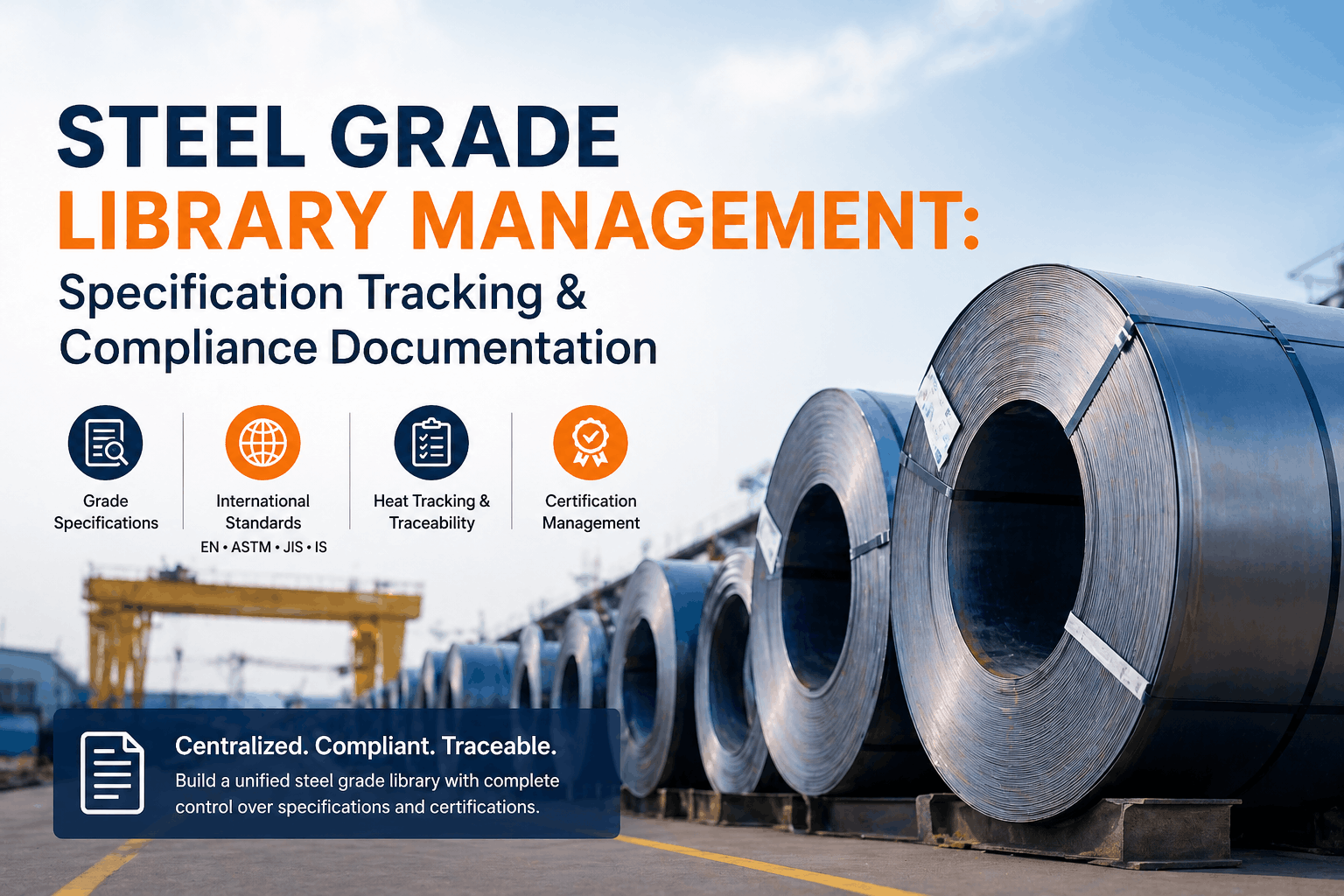
Traceability is critical in the steel industry, especially for high-grade products used in automotive, construction, and energy sectors. An AI yard management system records every touchpoint in a material's journey: caster exit, cooling bed, storage location, inspection, cutting, and loading. This creates a digital twin of the yard that can be queried for full chain-of-custody reports. In case of a quality issue, the system can instantly trace back to the exact heat, caster parameters, and storage conditions, enabling rapid root cause analysis and preventing widespread recalls. This level of traceability also satisfies the most stringent customer and regulatory requirements, giving your plant a competitive advantage.
Damage Prevention and Inventory Aging Management
Handling damage is a major source of waste in steel yards. Slabs can be chipped, billets bent, and coils scratched during transport or storage. The AI system monitors material condition through visual inspections (using cameras and computer vision) and operator checklists. When damage is detected, the system flags the material for rework or downgrade, preventing it from being shipped to a customer expecting prime quality. Additionally, the system tracks dwell time for every material and alerts operators when inventory is approaching its aging limit. For example, a coil that has been stored for 60 days may be at risk of rust or property changes. The system can prioritize such materials for early shipment or processing, reducing inventory aging and associated losses by up to 50%.
Implementation Roadmap: From Manual to AI-Powered Yard
Audit and Baseline
Conduct a thorough assessment of current yard layout, material flow, and pain points. Measure key metrics: inventory accuracy, average dwell time, damage rates, and operator productivity. This baseline helps quantify the ROI of the AI system.
Technology Selection and Integration
Choose the right combination of hardware (RFID readers, cameras, sensors) and software (AI platform, database, user interface). Ensure seamless integration with existing MES, ERP, and crane control systems. Data flows must be bidirectional to enable real-time updates.
Pilot Deployment
Deploy the system in a limited area, such as one slab yard or one coil storage zone. Train operators and monitor performance for 4-6 weeks. Adjust algorithms and workflows based on feedback and data. This phase de-risks the full rollout and builds internal confidence.
Full Rollout and Continuous Improvement
Expand the system to cover all yard zones and material types. Establish a continuous improvement loop: the AI model learns from new data and refines its predictions. Monthly reviews of KPIs help identify further optimization opportunities, such as layout changes or process standardization.
Manual vs AI-Powered Yard: A Side-by-Side Comparison
| Metric | Manual Operations | AI-Powered Yard |
|---|---|---|
| Inventory Accuracy | 85-90% | 99.9% |
| Average Time to Locate Material | 15-30 minutes | Less than 10 seconds |
| Handling Damage Rate | 3-5% | Less than 1% |
| Yard Throughput (tons/hour) | Baseline | 25% higher |
| Inventory Aging (over 60 days) | 20% of stock | Less than 5% |
| Operator Productivity | Baseline | 40% higher |
Frequently Asked Questions
How does AI improve yard safety in steel plants?
AI enhances safety by reducing the need for operators to physically walk through the yard to locate materials. With real-time digital maps and automated tracking, crane operators can precisely position lifts without guesswork, minimizing the risk of dropped loads or collisions. The system also monitors safe zones and alerts if a crane enters a restricted area or if a pedestrian is near a moving vehicle. Additionally, AI can predict equipment maintenance needs, preventing unexpected breakdowns that could cause accidents. By automating routine checks and providing remote visibility, the system keeps people away from hazardous zones, significantly reducing incident rates. For example, a tier-1 steel mill reported a 60% reduction in near-miss incidents after implementing AI yard management, directly linked to fewer manual interventions and better situational awareness.
What is the typical ROI for deploying an AI yard management system?
The ROI varies based on plant size and current inefficiencies, but most plants see a payback period of 12-18 months. Key contributors to ROI include: a 30% reduction in handling damage (saving millions in rework and scrap), a 25% increase in yard throughput (enabling more shipments without adding capacity), a 50% reduction in inventory aging (minimizing write-offs), and labor productivity gains of 40% (freeing up operators for higher-value tasks). For a mid-sized plant producing 2 million tons annually, the total annual savings from these improvements can exceed $5 million. Additionally, the system reduces demurrage charges by ensuring materials are ready for loading on schedule, and improves customer satisfaction through on-time delivery and quality assurance. Many plants also qualify for tax incentives or green certifications by reducing waste and energy consumption, further boosting the financial case.
Can the system integrate with our existing ERP and MES?
Yes, modern AI yard management platforms are designed with open APIs and standard data formats (REST, OPC-UA, MQTT) to integrate seamlessly with leading ERP systems (SAP, Oracle, Microsoft Dynamics) and MES solutions. The integration is bidirectional: the yard system receives production orders and shipping schedules from the ERP, and sends back real-time inventory updates, material movements, and quality flags. This ensures that the entire plant operates on the same data, eliminating silos and manual data entry. For example, when a slab is moved from the yard to the reheat furnace, the MES is automatically updated, and the ERP records the consumption. The integration can be customized to match your specific workflows and data fields, and typically takes 4-8 weeks for a full deployment. Our team provides dedicated support during the integration phase to ensure a smooth handshake between systems.
What hardware is required for real-time tracking?
The hardware stack depends on the yard environment and material types. For slab and billet yards, we recommend a combination of overhead cameras with computer vision for automatic identification and location, plus RFID tags on each material for redundant tracking. For coil yards, RFID tags embedded in the coil eye or attached to the wrapper work well, along with fixed readers at entry/exit points and crane-mounted readers for dynamic updates. All hardware is industrial-grade, rated for extreme temperatures, dust, and vibration. The system also includes ruggedized tablets or mobile computers for operators to confirm movements and perform inspections. The total hardware cost is typically 20-30% of the overall project investment, with the remainder going to software, integration, and change management. We offer a turnkey solution where we handle hardware procurement, installation, and calibration, ensuring a hassle-free experience for your team.
How long does it take to train operators on the new system?
Operator training is designed to be intuitive and minimal. Most operators become proficient within 2-3 days of hands-on use, thanks to a user interface that mimics familiar workflows and uses large, clear icons. The system provides on-screen prompts and step-by-step guides for common tasks like receiving a slab, moving a coil, or conducting a cycle count. We also provide a comprehensive training program that includes classroom sessions, simulator practice, and on-the-floor coaching by our implementation specialists. Advanced features, such as using the AI dashboard for planning, may require an additional half-day workshop for supervisors and planners. To ensure long-term adoption, we set up a support hotline and monthly refresher webinars. The key is to involve operators early in the design process, so the system aligns with their real-world needs and reduces resistance to change.
Ready to Transform Your Steel Yard?
Stop losing materials to damage and aging. Start optimizing with AI today.