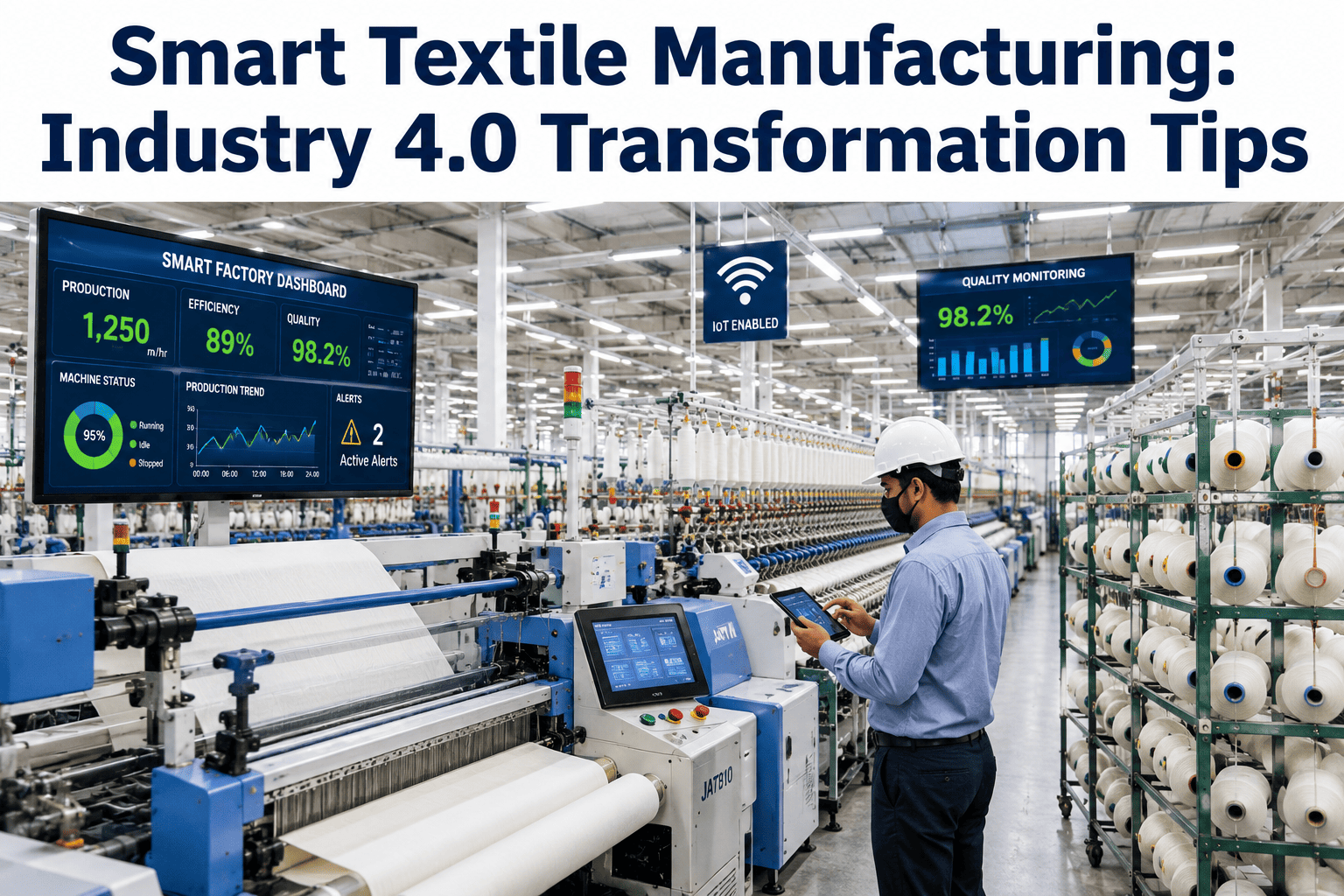
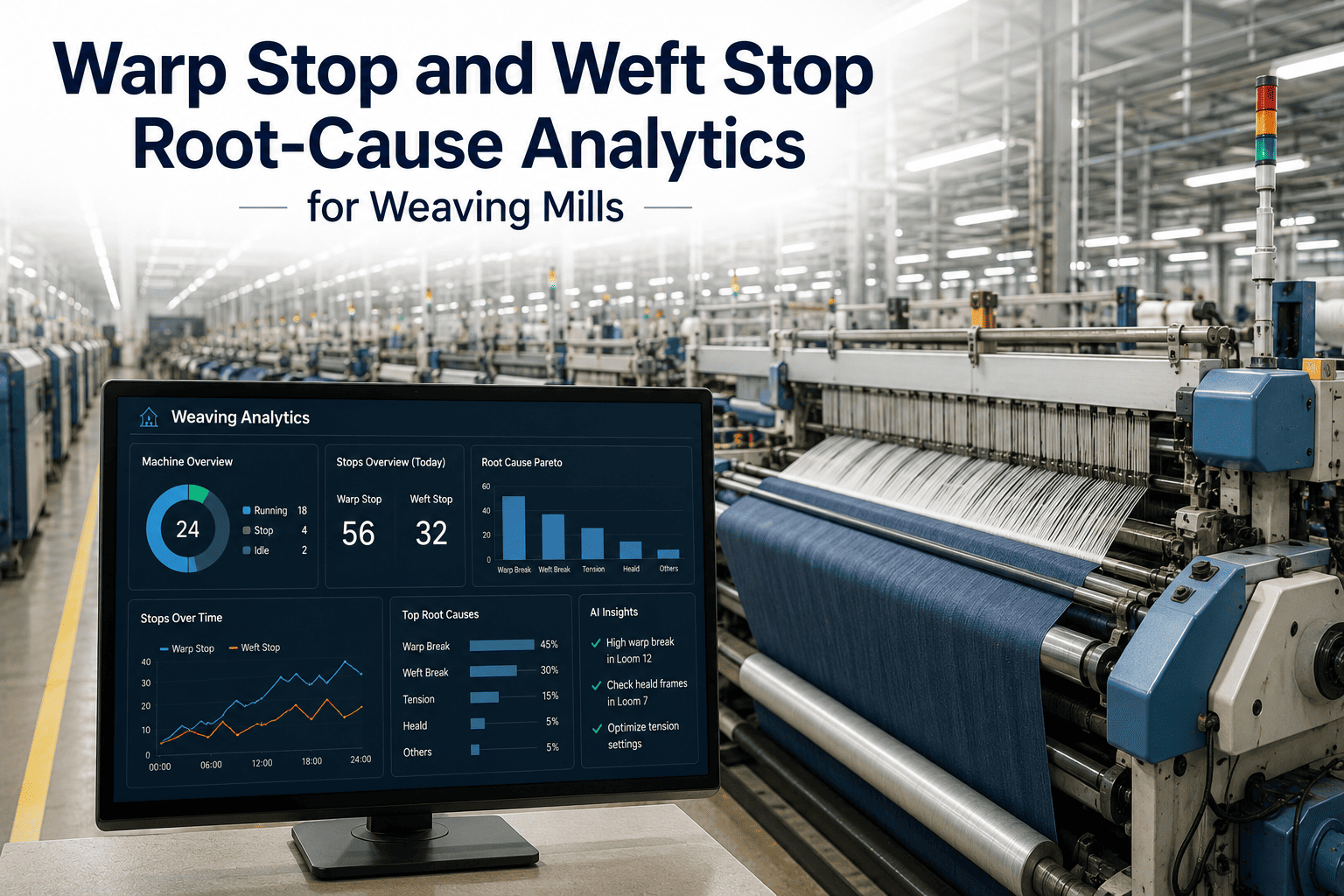
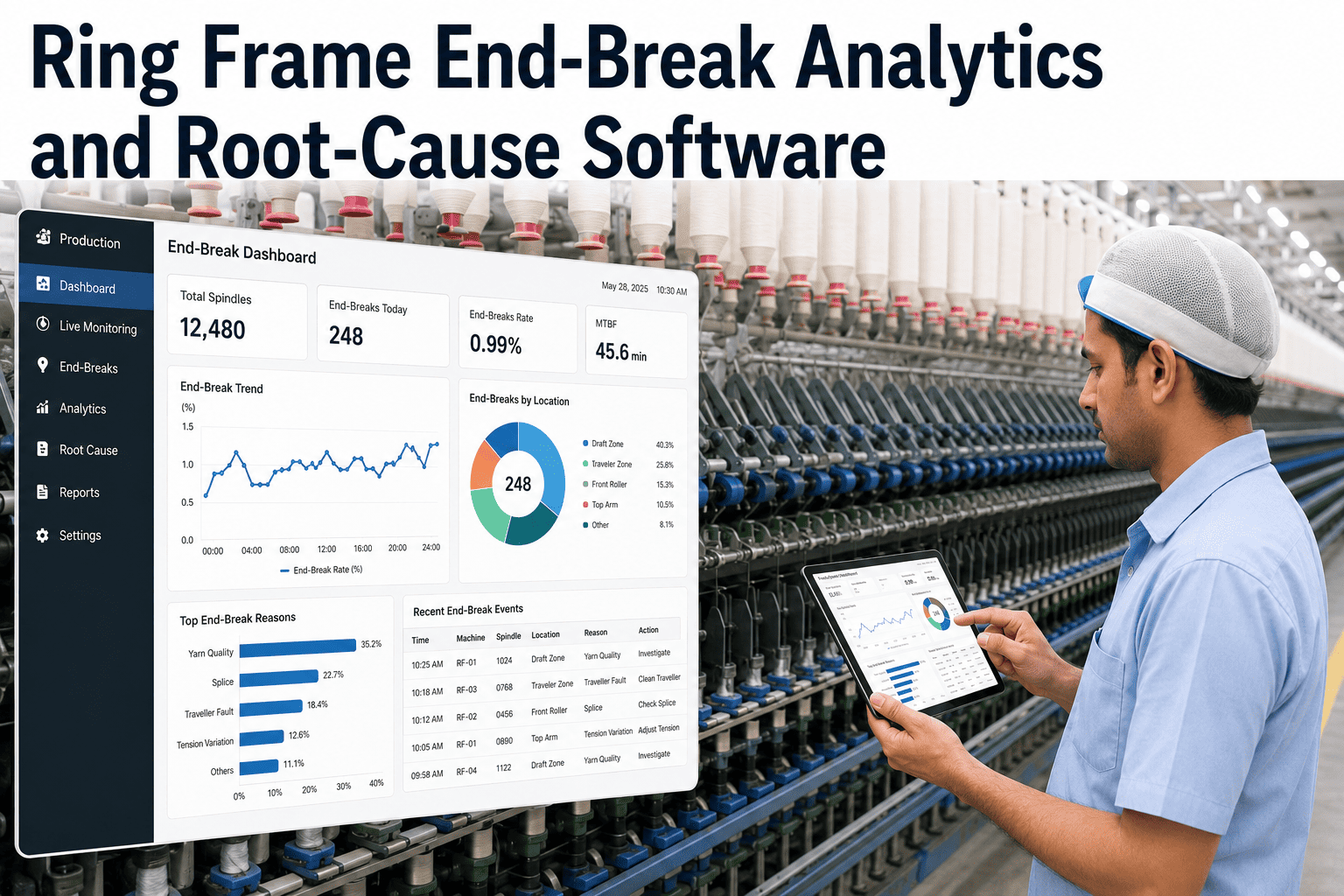
In high-volume discrete and process manufacturing environments, repeat defects represent a systemic drain on profitability, operational efficiency, and brand reputation. Traditional quality management approaches, reliant on manual inspection, static spreadsheets, and isolated data silos, consistently fail to uncover the latent, multivariate interactions driving persistent non-conformances. Modern Industry 4.0 paradigms demand a shift from reactive defect logging to proactive, AI-driven root cause analysis that correlates thousands of process parameters in real time. iFactory's Quality Analytics platform delivers exactly this capability, enabling plant managers, quality engineers, and maintenance directors to move beyond symptoms and surgically eliminate the underlying causes of repeat defects. By integrating machine learning models with real-time sensor data, production logs, and historical quality records, our solution provides a unified, actionable intelligence layer that transforms how factories approach continuous improvement. This comprehensive guide explores the technical architecture, deployment strategies, and measurable business outcomes of deploying AI root cause analysis software for repeat manufacturing defects. For a personalized walkthrough of how iFactory can transform your quality operations, Book a Demo today.
Eliminate Repeat Defects with AI-Powered Root Cause Analysis
Transform your quality data into actionable insights. Reduce scrap, rework, and warranty costs by up to 40%.
The Economic Burden of Repeat Defects in Modern Manufacturing
Repeat defects are not isolated incidents; they are signals of deeper systemic failures within production processes. The cost of quality failure extends far beyond immediate scrap and rework expenses. Hidden costs include production line downtime for root cause investigation, expedited shipping to replace defective parts, increased warranty claims, and long-term brand erosion. According to industry benchmarks, poor quality can consume 15-20% of total manufacturing revenue. Traditional corrective and preventive action (CAPA) systems often take weeks or months to identify true root causes, during which time defect recurrence continues unchecked. This latency creates a compounding effect where small process drifts evolve into catastrophic quality failures. iFactory's AI root cause analysis software addresses this by providing near-real-time detection and diagnosis, reducing mean time to resolution (MTTR) from weeks to hours. The platform ingests data from PLCs, SCADA systems, MES, and CMMS to build a holistic digital twin of the production environment, enabling engineers to simulate corrective actions before implementation. This proactive approach not only reduces scrap rates but also optimizes overall equipment effectiveness (OEE) by preventing defect-induced stoppages. Adopting such advanced analytics is no longer optional; it is a competitive necessity in an era of rising customer expectations and tightening regulatory standards.
Real-Time Data Fusion
iFactory combines streaming sensor data with historical quality records and production logs to create a unified data model. This eliminates the fragmentation that plagues traditional quality systems, enabling holistic defect analysis across the entire production lifecycle.
Automated Pattern Recognition
Machine learning algorithms automatically detect recurring defect patterns and correlate them with upstream process variables. The system identifies non-obvious relationships, such as temperature fluctuations in a curing oven affecting dimensional tolerances downstream.
Prescriptive Recommendations
Beyond diagnosis, iFactory recommends specific corrective actions, such as adjusting machine parameters or recalibrating sensors. These recommendations are prioritized by impact and feasibility, empowering teams to act decisively.
Closed-Loop Feedback
When corrective actions are implemented, the platform tracks their effectiveness over time, closing the loop between analysis and outcome. This continuous learning cycle improves the accuracy of future root cause predictions.
Technical Architecture of AI Root Cause Analysis
The core of iFactory's root cause analysis engine is a hybrid architecture combining supervised and unsupervised machine learning models. Unsupervised models, such as autoencoders and clustering algorithms, detect anomalous patterns in high-dimensional sensor data without requiring labeled defect data. This is critical for identifying novel defect modes that have not been previously documented. Once anomalies are flagged, supervised models, including gradient-boosted trees and neural networks, classify the defect type and estimate the probability of each potential root cause. The system employs a causal inference layer that goes beyond correlation to establish causality using techniques like Granger causality and structural equation modeling. This ensures that engineers focus on genuine root causes rather than spurious correlations. The entire pipeline runs on a scalable microservices architecture deployed on Kubernetes, enabling horizontal scaling to handle thousands of data streams simultaneously. Data ingestion uses Apache Kafka for high-throughput, low-latency event streaming, while model training and inference leverage GPU-accelerated containers. The platform also supports explainability through SHAP (SHapley Additive exPlanations) values, providing engineers with transparent, interpretable insights into why a particular root cause was identified. This technical foundation ensures that iFactory delivers not only speed and accuracy but also trust and usability for enterprise quality teams.
Data Ingestion & Normalization
Connect to all data sources via native connectors or open APIs. Normalize data into a common schema for analysis.
Anomaly Detection
Unsupervised models identify statistical outliers and unusual patterns in real-time data streams.
Root Cause Inference
Causal models trace anomalies back to upstream process variables, ranking potential root causes by likelihood.
Actionable Insights
Generate prescriptive recommendations with impact analysis, enabling immediate corrective action.
Ready to Transform Your Quality Operations?
See how iFactory's AI platform can reduce defects and improve yield in your factory.
Traditional vs. AI-Driven Root Cause Analysis
| Dimension | Traditional Approach | iFactory AI Approach |
|---|---|---|
| Detection Speed | Hours to days after defect occurrence | Real-time (seconds) |
| Data Sources | Limited to manual logs and isolated systems | Unified data from all shop floor systems |
| Root Cause Accuracy | Depends on expert intuition, often biased | Data-driven causal inference, objective |
| Scalability | Limited by human analyst bandwidth | Handles thousands of parameters simultaneously |
| Continuous Learning | Manual updates to procedures | Automated model retraining and adaptation |
Defect Trend Dashboard
Visualize defect frequency, severity, and recurrence patterns over time. Filter by product line, shift, or machine to isolate problem areas.
Pareto Analysis
Automatically generate Pareto charts to identify the most impactful defect types, focusing improvement efforts where they matter most.
Correlation Matrix
Explore relationships between process parameters and defect rates. Interactive heatmaps reveal hidden dependencies.
What-If Simulation
Simulate the impact of process changes on defect rates before implementing them, reducing risk and accelerating improvement cycles.
Integrating Root Cause Analysis with Existing Quality Systems
One of the primary barriers to adopting advanced analytics is the fear of disrupting established workflows. iFactory's platform is designed for seamless integration with existing quality management systems (QMS), manufacturing execution systems (MES), and enterprise resource planning (ERP) platforms. The integration architecture uses RESTful APIs and webhooks to exchange data without requiring significant changes to legacy systems. For example, when a defect is detected on the production line, iFactory can automatically create a non-conformance report in the QMS, assign it to the appropriate engineer, and trigger an email notification. The root cause analysis results are then appended to the report, providing a complete digital trail. This integration extends to corrective action tracking: when a root cause is identified, iFactory can generate a CAPA request with recommended actions and deadlines. By embedding AI insights directly into existing workflows, iFactory minimizes adoption friction and maximizes user productivity. The platform also supports bidirectional synchronization with CMMS for maintenance-related root causes, ensuring that machine health data is factored into quality analysis. This holistic approach ensures that no data silo remains unconnected, enabling a truly unified view of factory performance.
Real-World Impact: From Scrap to Savings
A leading automotive parts manufacturer struggled with recurring dimensional defects in a high-volume machining cell. Despite multiple kaizen events and process adjustments, defect rates remained above 5%. After deploying iFactory's root cause analysis software, the system analyzed 12 weeks of historical data and identified a subtle correlation between coolant temperature fluctuations and part diameter variance. The root cause was traced to an aging chiller unit that was underperforming during peak production hours. By recalibrating the chiller and implementing a predictive maintenance schedule, the manufacturer reduced defect rates from 5.2% to 0.8% within two months, resulting in annual scrap savings of over $1.2 million. The time to identify the root cause was reduced from an average of 14 days to just 2 hours. This case exemplifies how AI-driven root cause analysis transforms quality from a reactive cost center into a strategic profit driver. The same approach is applicable across industries, from electronics assembly to pharmaceutical production, wherever repeat defects threaten operational excellence.
Frequently Asked Questions
How does iFactory's AI ensure data security and compliance?
iFactory is built on a zero-trust security architecture with end-to-end encryption for data at rest and in transit. The platform is SOC 2 Type II certified and complies with GDPR, CCPA, and industry-specific regulations such as 21 CFR Part 11 for pharmaceuticals. Role-based access control ensures that only authorized personnel can view sensitive quality data. For more details, visit our support page.
Can iFactory integrate with our existing MES or ERP system?
Yes, iFactory provides pre-built connectors for major MES platforms (e.g., Siemens Opcenter, Rockwell Automation) and ERP systems (e.g., SAP, Oracle). Our API-first design allows custom integrations with any system that supports RESTful interfaces. We also offer professional services to accelerate integration timelines. Book a Demo to discuss your specific integration needs.
What is the typical deployment timeline for iFactory's root cause analysis solution?
Typical deployment takes 4-8 weeks, depending on data readiness and integration complexity. The first phase involves a data audit and connector setup, followed by model training on historical data. Pilot deployment on a single production line can be achieved in as little as 2 weeks. Full enterprise rollout includes user training and change management support. Book a Demo for a personalized deployment timeline.
How does the platform handle imbalanced defect data?
iFactory employs advanced techniques such as synthetic minority over-sampling (SMOTE) and cost-sensitive learning to handle imbalanced datasets where defect instances are rare. The models are trained to prioritize recall for defect detection, ensuring that even infrequent defect modes are captured. Additionally, ensemble methods combine multiple models to improve robustness. For technical details, see our technical documentation.
What kind of ROI can we expect from implementing AI root cause analysis?
Customers typically see a 30-50% reduction in scrap and rework costs within the first six months, along with a 40-60% reduction in mean time to resolve quality issues. Additional benefits include reduced warranty claims, improved OEE, and increased production throughput. A detailed ROI calculator is available during the demo process. Book a Demo to calculate your potential savings.
Stop Repeat Defects from Draining Your Profits
Deploy AI-powered root cause analysis and achieve world-class quality. Schedule your personalized demo today.