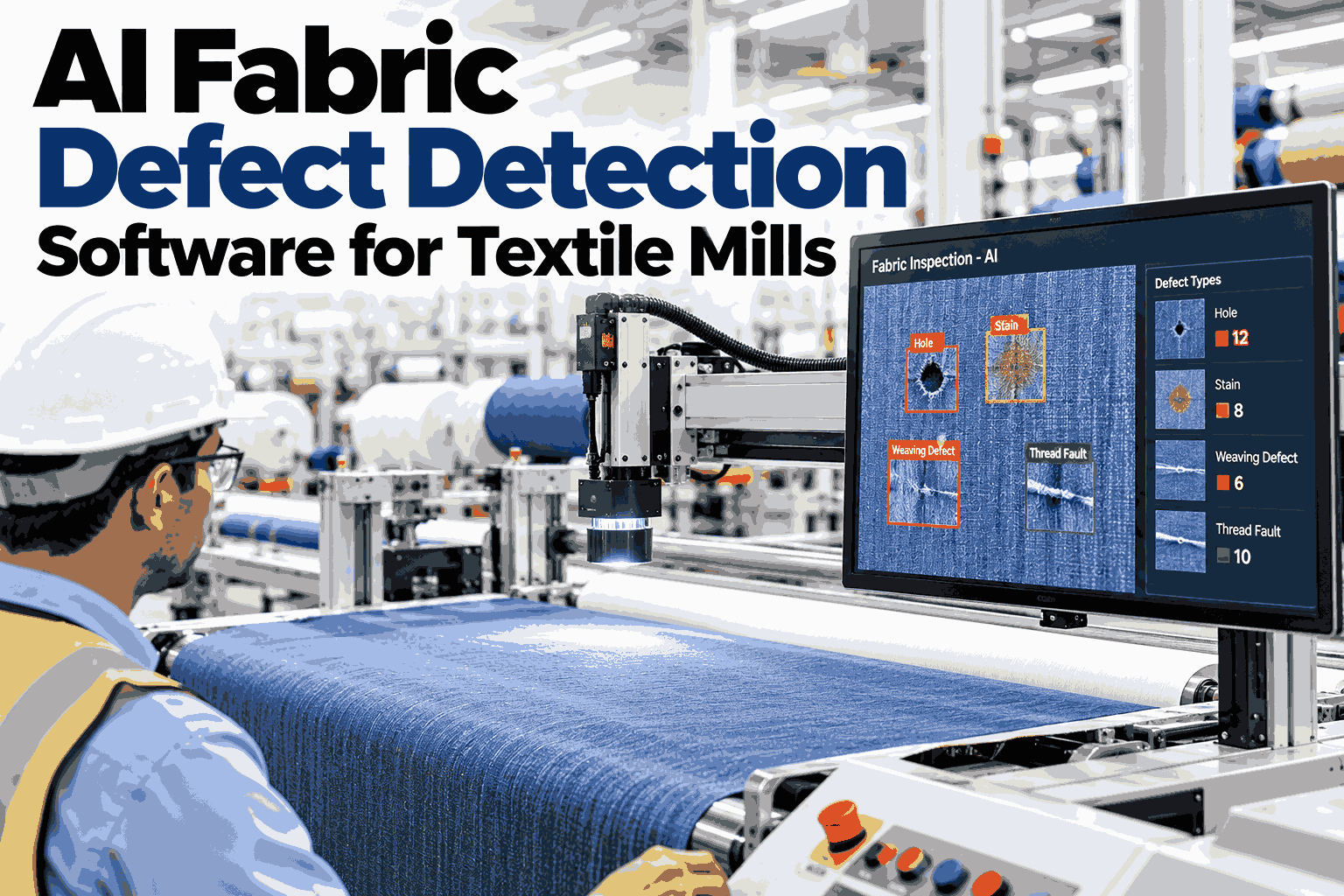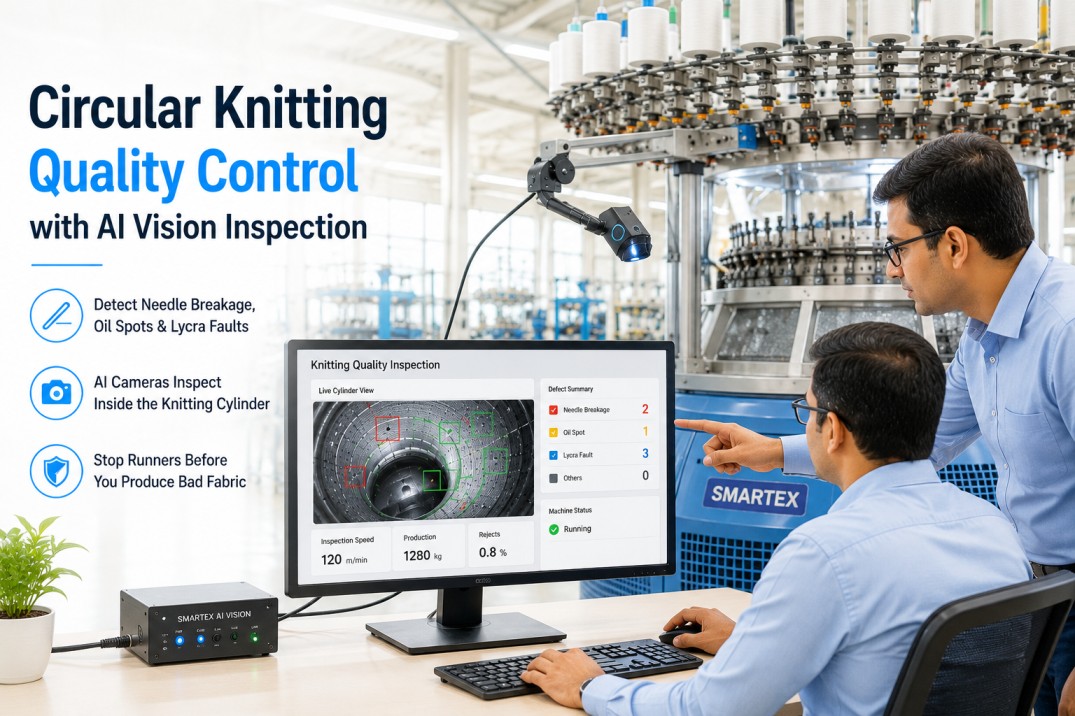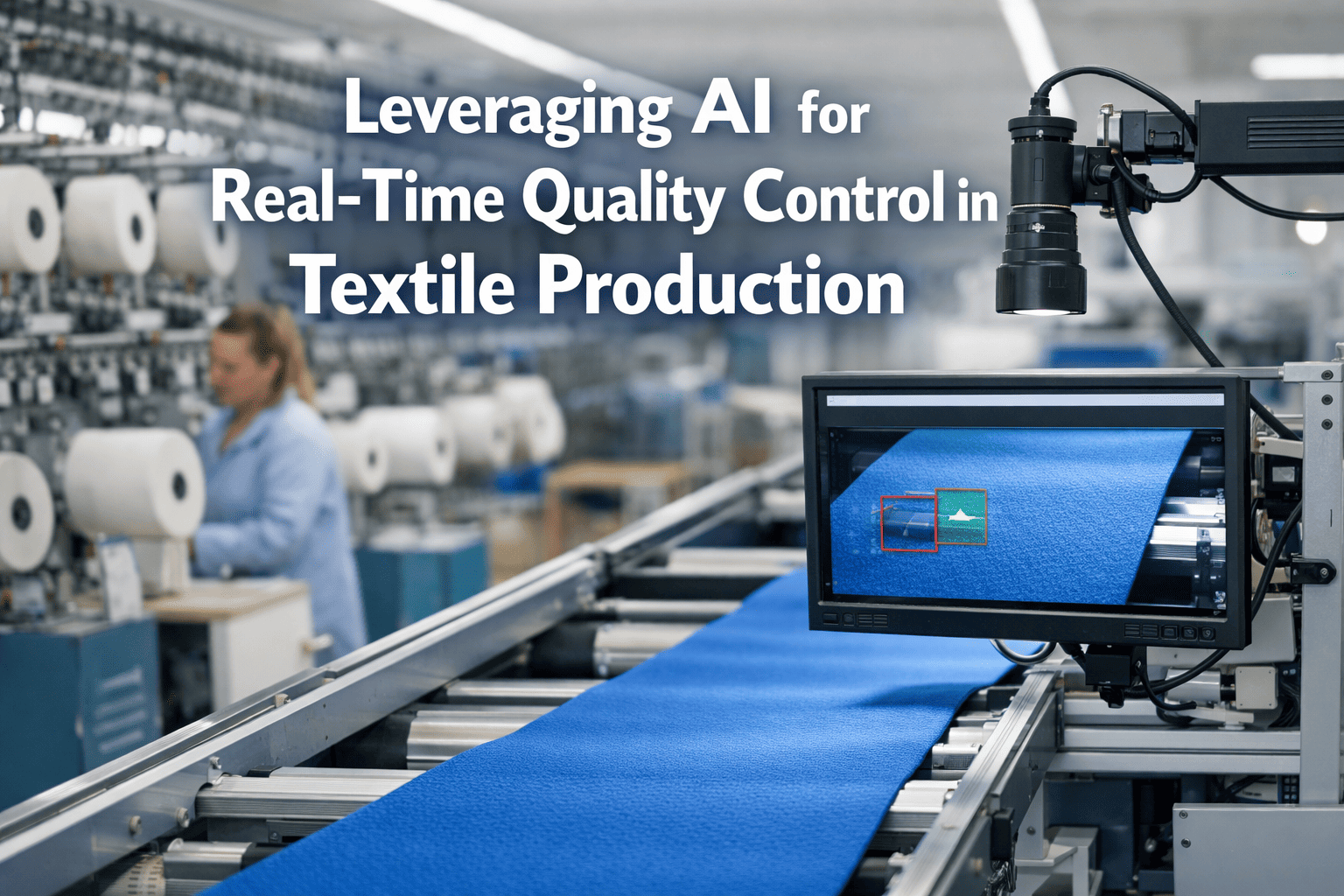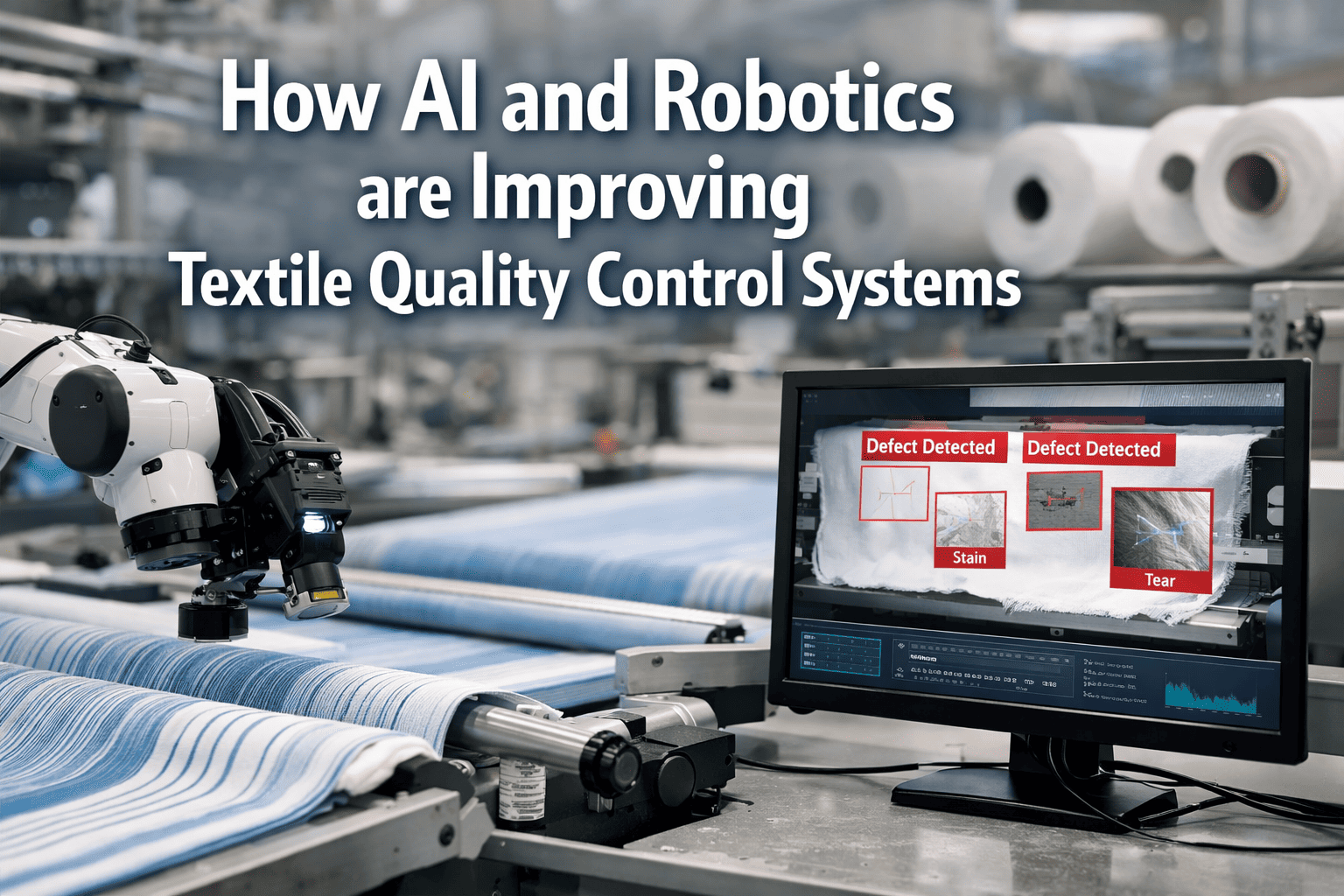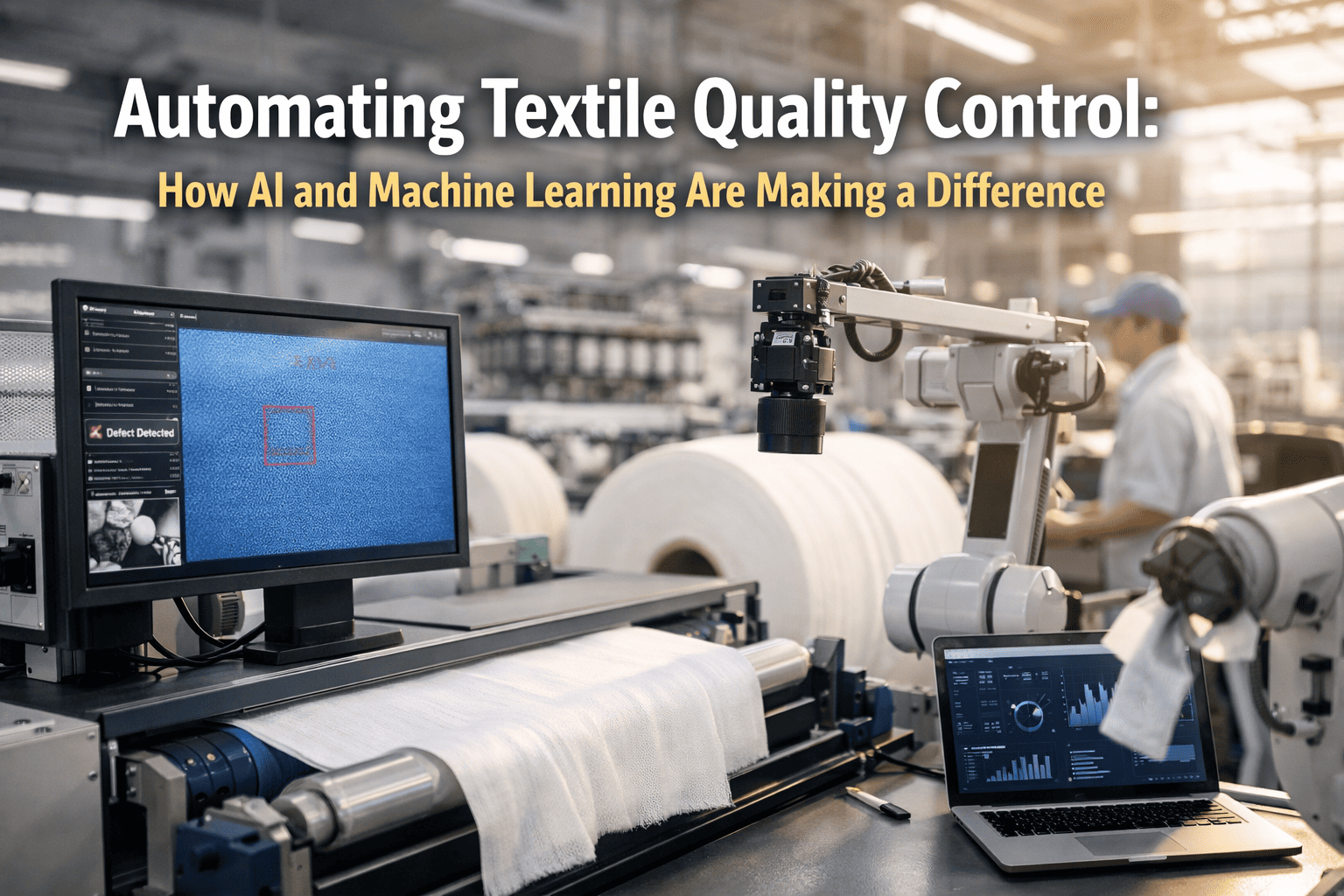
Manual quality inspection in textile manufacturing has always been a numbers game — and the numbers have never been good. Human inspectors miss an estimated 25 to 35 percent of surface defects on fabric, and by the time a fault is caught at final inspection, hundreds of metres may already be affected. Artificial intelligence and machine learning are now changing the rules entirely. AI-powered quality control systems detect defects in real time, learn from every production run, and flag issues before they become costly problems. Book a free demo with iFactory to see AI quality control working live on a textile production line.
Stop Defects Before They Reach the Buyer
Machine learning now detects fabric faults mid-process with accuracy rates that no human inspection team can match — at a fraction of the cost of end-of-line rejection.
detection accuracy
on surface defects
vs manual inspection
The Real Cost of Manual Quality Control
In most textile factories, quality control still depends on trained inspectors examining fabric under light boxes — a method unchanged for decades. The problem is not effort. The problem is biology. Human attention degrades, fatigue is unavoidable, and consistency across shifts is impossible to guarantee. The financial consequences are significant.
Up to 35% of fabric surface defects pass through manual inspection undetected — reaching the buyer and triggering claims, returns, and relationship damage.
The average time between a defect occurring on the production floor and a quality manager being informed is 4 to 8 hours — by which point thousands of metres may be affected.
A mid-size mill producing 80,000 metres per month loses an average of 2.4 lakhs monthly to rework and second-grade fabric caused by late defect detection.
41% of reworked batches in textile factories have no formally recorded root cause — meaning the same defect recurs across production cycles without correction.
How AI and Machine Learning Work in Textile QC
AI quality control is not a single camera at the end of a line. It is an interconnected system of data capture, pattern recognition, and real-time decision-making operating simultaneously across every production stage.
Imaging systems and machine sensors capture fabric surface data, process parameters, and production metrics continuously — across every metre produced.
Machine learning models trained on thousands of textile defect patterns analyse incoming data in milliseconds — classifying anomalies by defect type, severity, and probable cause.
When a defect signature is detected, alerts reach the responsible operator and supervisor within seconds — before the fault propagates beyond a correctable point.
The system improves with every production cycle. Each confirmed defect and correction adds to the model — making detection sharper and alert accuracy higher over time.
Defect Types AI Detects — That Humans Routinely Miss
Machine learning models are trained specifically on textile defect libraries — enabling detection of subtle faults that only become visible under specific conditions or at specific scales.
AI vs Human Inspection: The Performance Gap
When AI quality control is benchmarked against trained human inspectors across standardised textile defect libraries, the performance difference is consistent and significant — not just in accuracy, but in speed, consistency, and long-term cost.
iFactory's AI quality control works across weaving, dyeing, knitting, and finishing — learn how it would perform in your production environment.
From Reactive to Predictive: The Quality Control Shift
Traditional quality control is fundamentally reactive — it finds problems after they have happened. AI quality control changes the model entirely by recognising the early conditions that lead to defects before any fabric is damaged.
Business Impact: What Textile Factories Are Reporting
Across deployments in India, Bangladesh, and Vietnam, textile manufacturers using AI-powered quality control are reporting consistent, measurable improvements within the first quarter of go-live.
of defects are now detected mid-process — before they reach final inspection or the buyer
reduction in monthly rework cost within the first 90 days of AI QC deployment
faster root cause identification compared to manual investigation methods post-defect
batch rejection rate achievable with AI intervention — versus industry average of 8 to 14%
The iFactory AI Quality Advantage
iFactory's quality control AI is built specifically for textile manufacturing — not adapted from a generic vision system. Every defect model, alert threshold, and compliance format is calibrated to textile production realities.
iFactory's ML models are trained on real textile defect datasets — not generic image recognition. They understand yarn structure, weave patterns, shade tolerance, and finishing characteristics that generic computer vision systems miss entirely.
Every quality event is linked across the production chain. A defect in finishing can be traced back through dyeing and weaving — giving quality managers a complete picture of where a fault originated and at which process step it could have been prevented.
iFactory detects the early parameter signatures of common defects — such as temperature drift before shade variation, or tension inconsistency before weaving faults — and alerts operators while correction is still possible.
iFactory can operate with operator inputs and existing machine data outputs — no requirement for full sensor retrofitting on day one. The AI layer delivers value immediately and deepens as more data becomes available over time.
Quality reports formatted for global buyer standards — GOTS, OEKO-TEX, SEDEX — are generated automatically from live production records. What used to take days of manual document preparation now takes under 15 minutes.
Before iFactory, our quality team was spending six hours a day doing end-of-line inspection and still missing shade variation issues that only showed up at the buyer's warehouse. Now those alerts come during dyeing, while there is still time to correct the batch. Our defect claim rate has dropped by over 70% in one season.
— Head of Quality, Woven Fabric Mill, Coimbatore | Production Review Q1 2026Frequently Asked Questions
See AI Quality Control Working on Your Fabric
Book a personalised demo and watch iFactory's AI detect defect signatures, trace quality events across departments, and generate buyer-ready reports — from your actual production scenario.