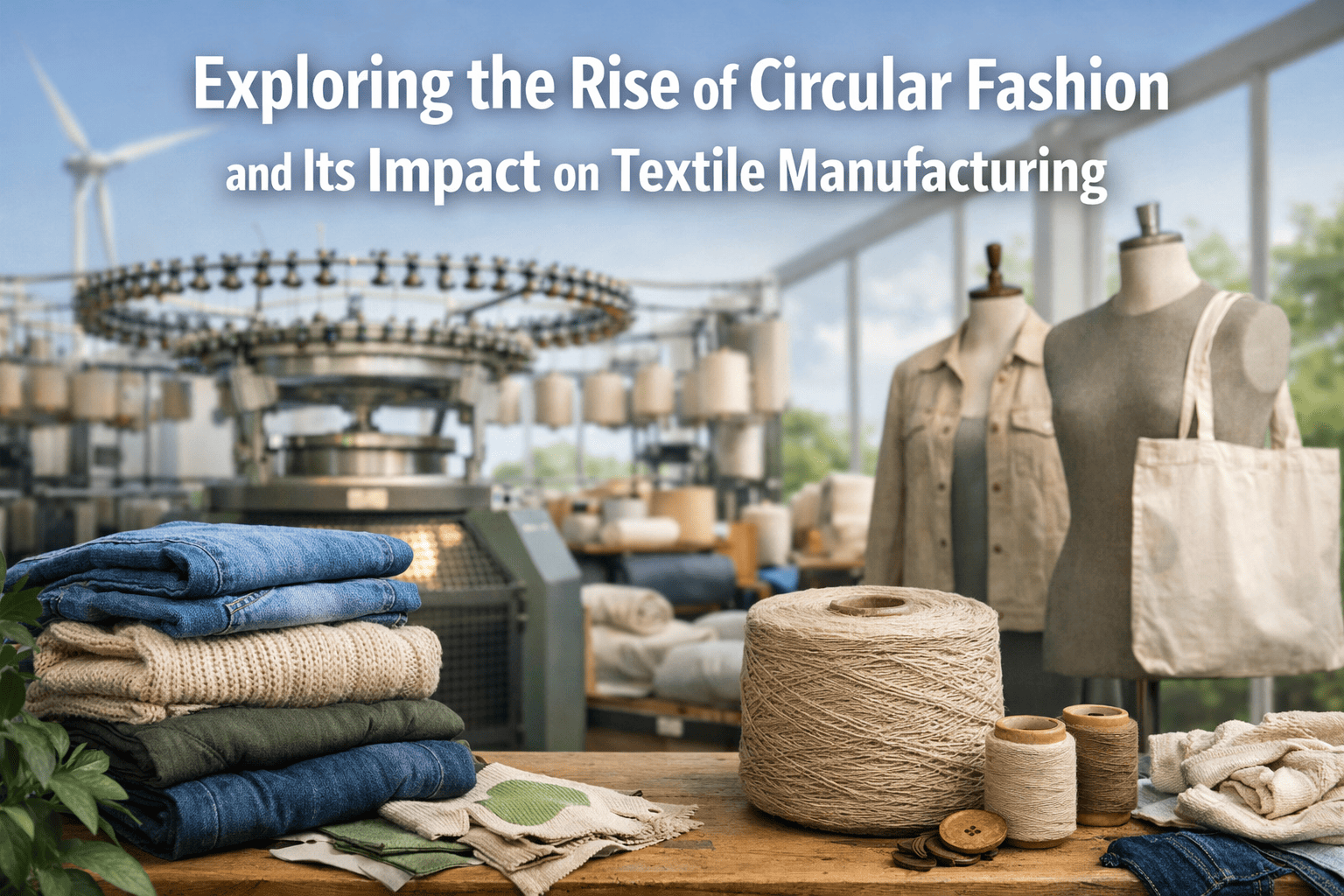
The fashion industry produces 92 million tonnes of textile waste every year. A rubbish truck worth of clothes lands in a landfill every single second. Circular fashion is the industry's answer to that crisis — and it is reshaping how textile manufacturers design, produce, track, and recycle everything that comes off the loom. If you manufacture textiles and haven't started thinking in circles yet, the market, your buyers, and incoming regulations are about to make the decision for you. Book a free demo to see how iFactory helps mills make the transition.
Circular Fashion Is Not a Trend.
It's the New Rules of Manufacturing.
The $7.6 billion circular fashion market is growing at 9% annually — and textile manufacturers who adapt now will own the next decade of buyer relationships.
The Uncomfortable Numbers Behind Linear Fashion
Before understanding circular fashion, you have to face what the current linear model — take, make, dispose — is actually costing the planet and the industry.
Linear vs. Circular: Two Very Different Manufacturing Models
The shift from linear to circular is not just an environmental choice — it is a fundamental change in how production is planned, material is sourced, and waste is treated as a resource.
The 4 Pillars of Circular Textile Manufacturing
Circularity is not one action — it is a set of interconnected practices that together transform how a textile factory operates from order to output.
Design for Longevity
Fabrics and garments designed for durability, repairability, and eventual recyclability — not single-season disposability. Material selection starts with end-of-life in mind.
Textile Recycling at Scale
Chemical and mechanical recycling converts old garments back into usable fibers. Enzymatic methods now allow cotton-polyester blends to be separated and recycled — eliminating the biggest technical barrier.
Waste Reduction in Production
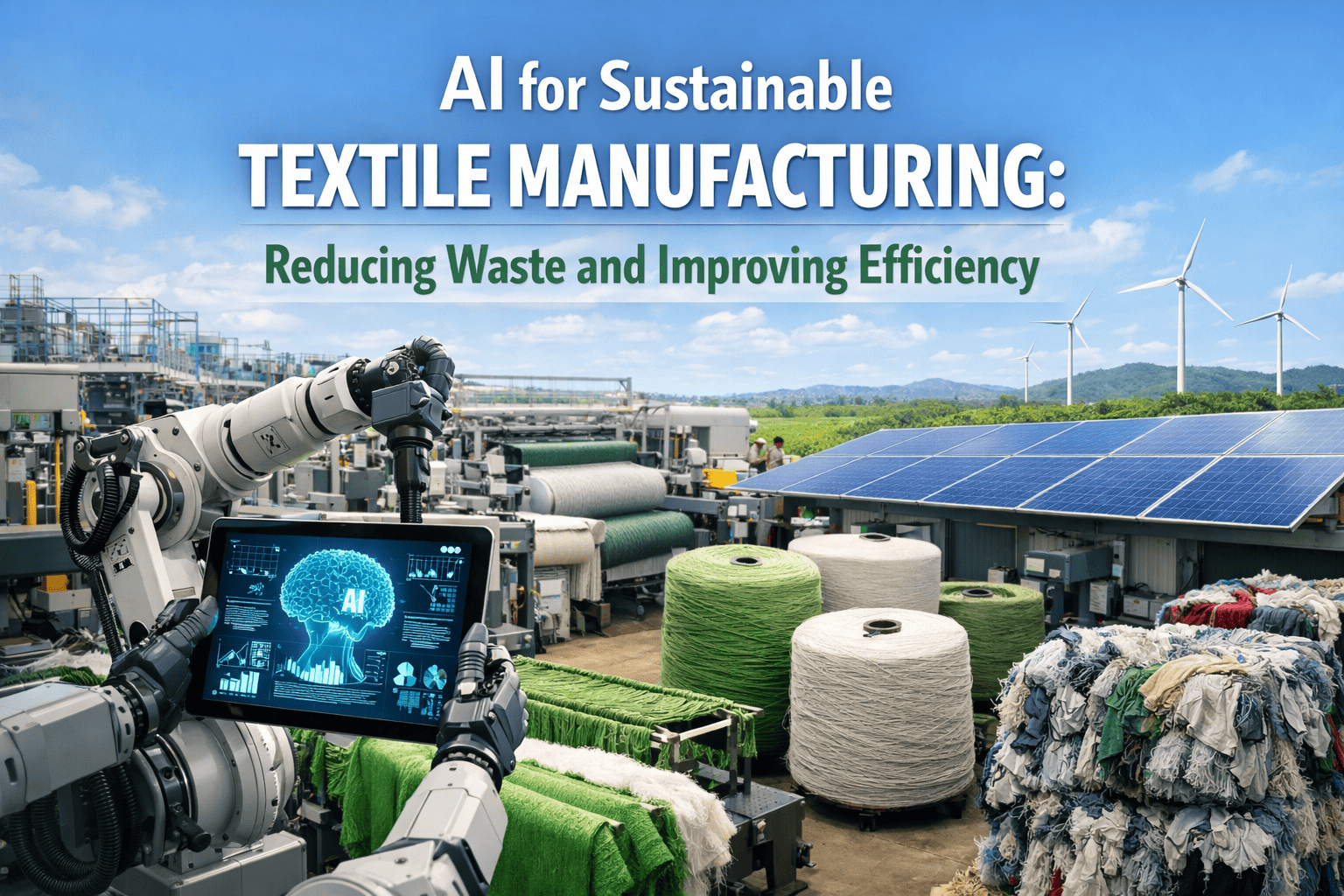
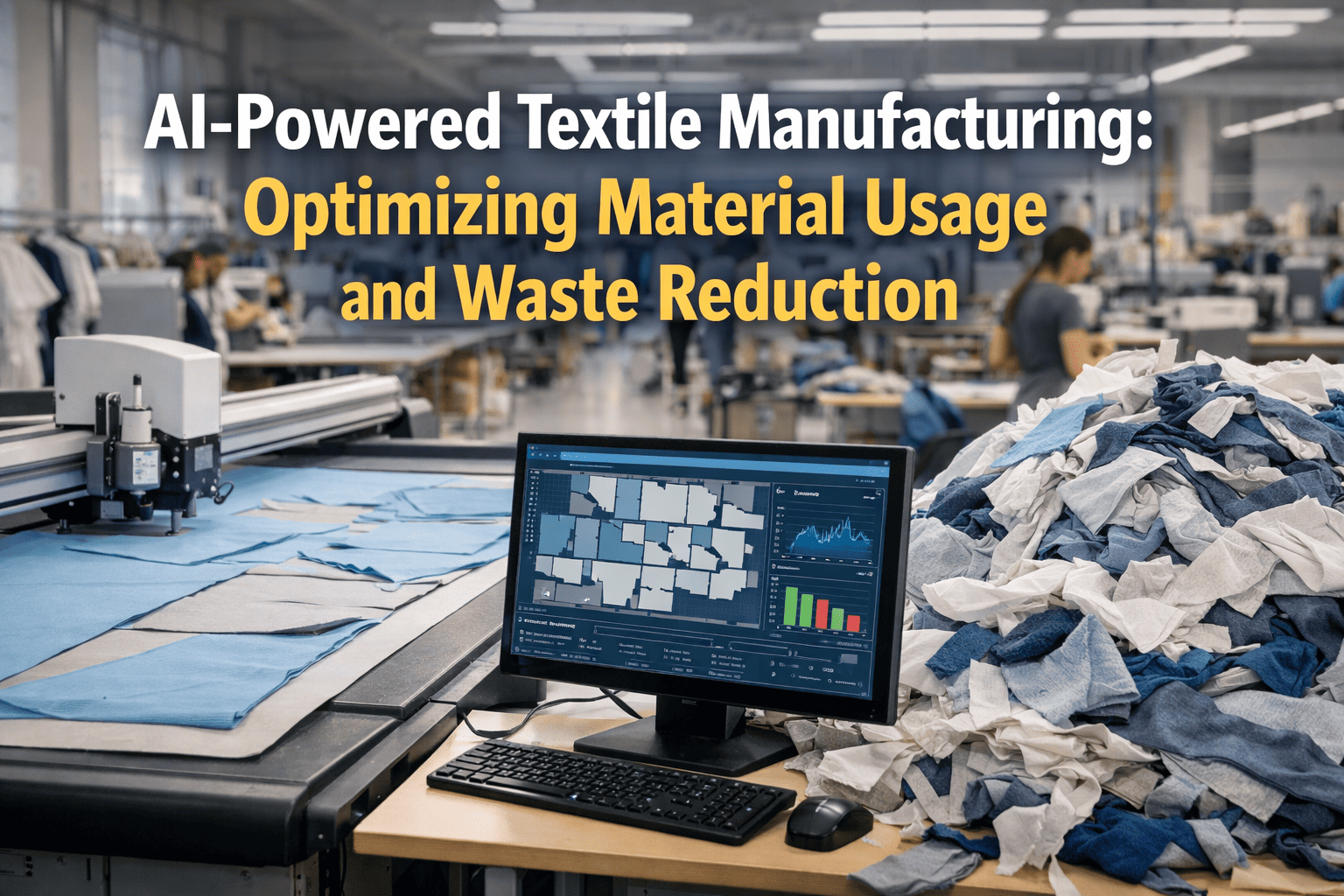
Computerised cutting, AI-driven layout optimisation, and zero-waste pattern engineering cut fabric waste from 15% per roll down to near-zero — saving material costs with every production run.
Digital Traceability
Digital Product Passports, blockchain tracking, and real-time production data allow every material's origin, journey, and composition to be verified — a requirement buyers and regulators now demand.
Where the Market Is Heading — By the Numbers
The commercial case for circularity is not just environmental. The market is actively rewarding manufacturers who can prove sustainable, traceable production.
Ready to align your factory with circular fashion requirements?
iFactory gives textile manufacturers the production tracking, traceability, and compliance reporting that circular fashion buyers demand — built into your daily workflow.
How Textile Manufacturers Are Adapting Right Now
Circularity is already being implemented across textile hubs in India, Bangladesh, Turkey, and Vietnam. The adapters are gaining buyer preference — the laggards are being listed as alternatives.
Material Audit and Substitution
Mills are mapping their fibre inputs and replacing virgin synthetics with recycled polyester and organic cotton wherever technically feasible. Global demand for recycled polyester is growing at 6.32% CAGR through 2030.
Waste Measurement and Reduction
Factories are installing digital cutting systems and tracking fabric wastage per order for the first time. Reducing cutting waste from 15% to under 5% represents direct cost savings of ₹2–6 lakh per month in a mid-size mill.
Digital Production Traceability
Buyers increasingly require proof of material origin, production conditions, and fibre composition. Digital work order systems and real-time dashboards provide the documented evidence that manual systems cannot — a non-negotiable for European market access under DPP regulations.
Certifications and Buyer Reporting
GRS (Global Recycled Standard), GOTS, and Bluesign certifications are increasingly required by tier-1 brands. Maintaining these requires process documentation, audit trails, and consistent quality records — all of which digital factory platforms automate.
Where iFactory Fits Into Your Circular Journey
iFactory does not sell sustainability promises — it gives your production floor the digital infrastructure that makes circularity operationally possible and commercially verifiable.
Real-Time Waste Tracking
Track fabric consumption, offcut waste, and material utilisation per work order — giving you the data to reduce waste and the reports to prove it to buyers.
Full Production Traceability
Every work order is timestamped with material source, machine, operator, and quality checkpoint — creating the audit trail required for Digital Product Passports and buyer compliance reports.
Quality Gates at Every Stage
Inline quality checks prevent defective fabric from moving forward — cutting rework waste at source and ensuring only compliant material advances through the production chain.
Automated Compliance Reports
Shift-wise output reports, material utilisation summaries, and quality pass/fail ratios generated automatically — ready for GRS, GOTS, and buyer sustainability audits at any time.
Shifting towards circularity, embracing sustainable production principles, and adopting cutting-edge technologies will be critical to mitigating fashion's environmental toll while aligning with growing consumer demand for responsible production.
Frequently Asked Questions
Questions textile manufacturers ask most when exploring circular fashion adoption — answered with factory-floor clarity.
Your Buyers Are Already Asking.
Are You Ready to Answer?
iFactory gives textile manufacturers the digital traceability, waste tracking, and compliance reporting that circular fashion demands — deployed in under 4 weeks, ROI in 90 days.