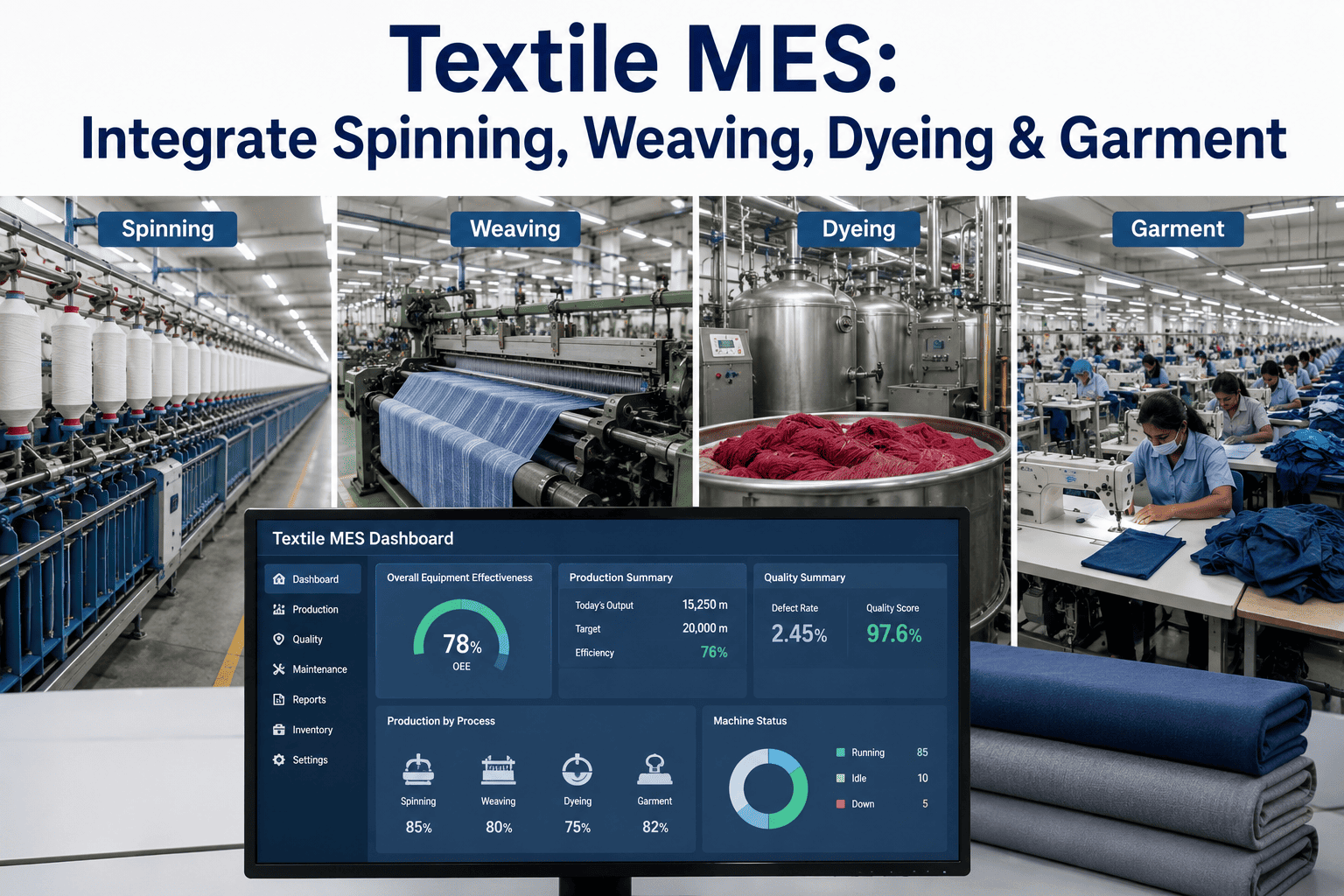
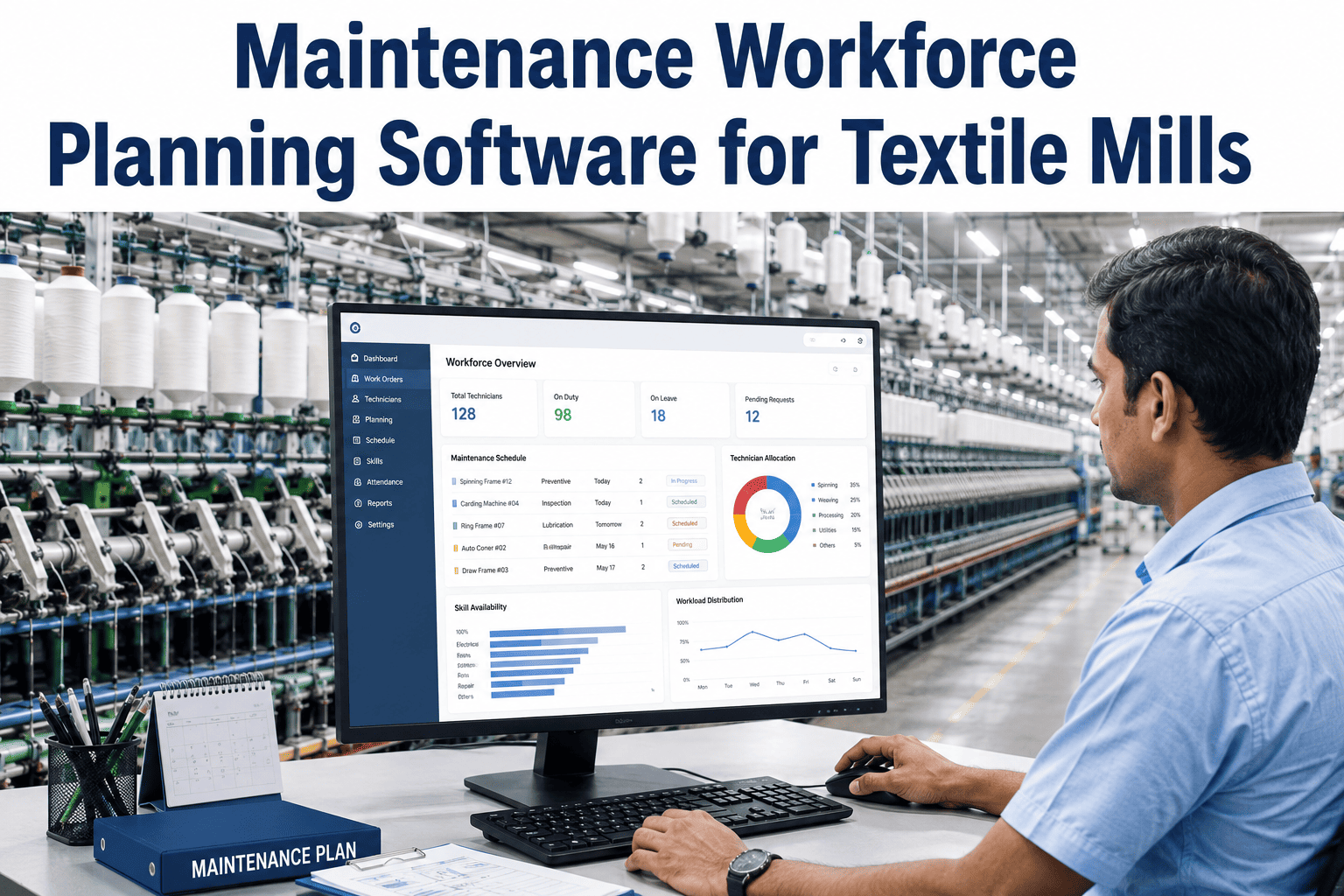
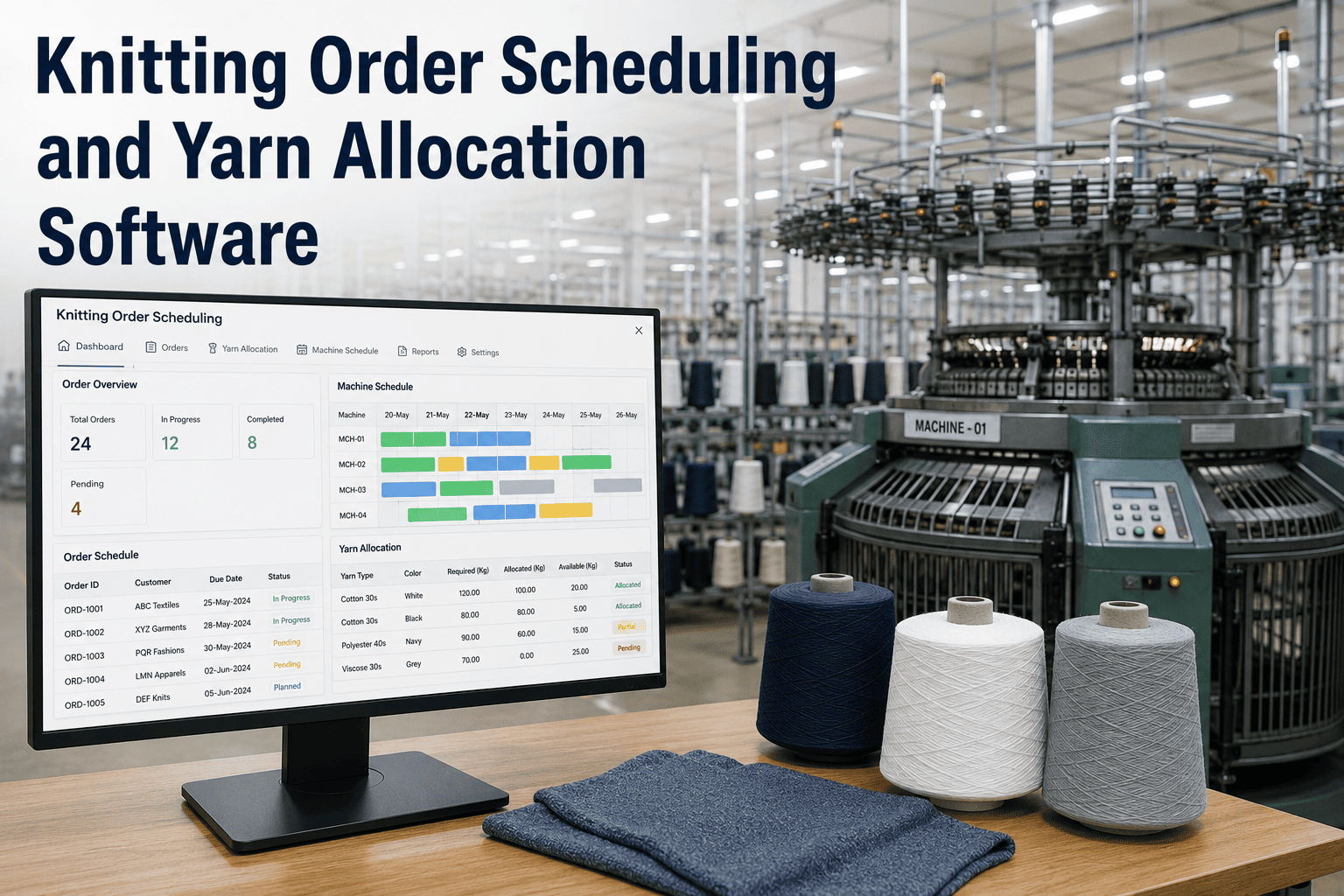
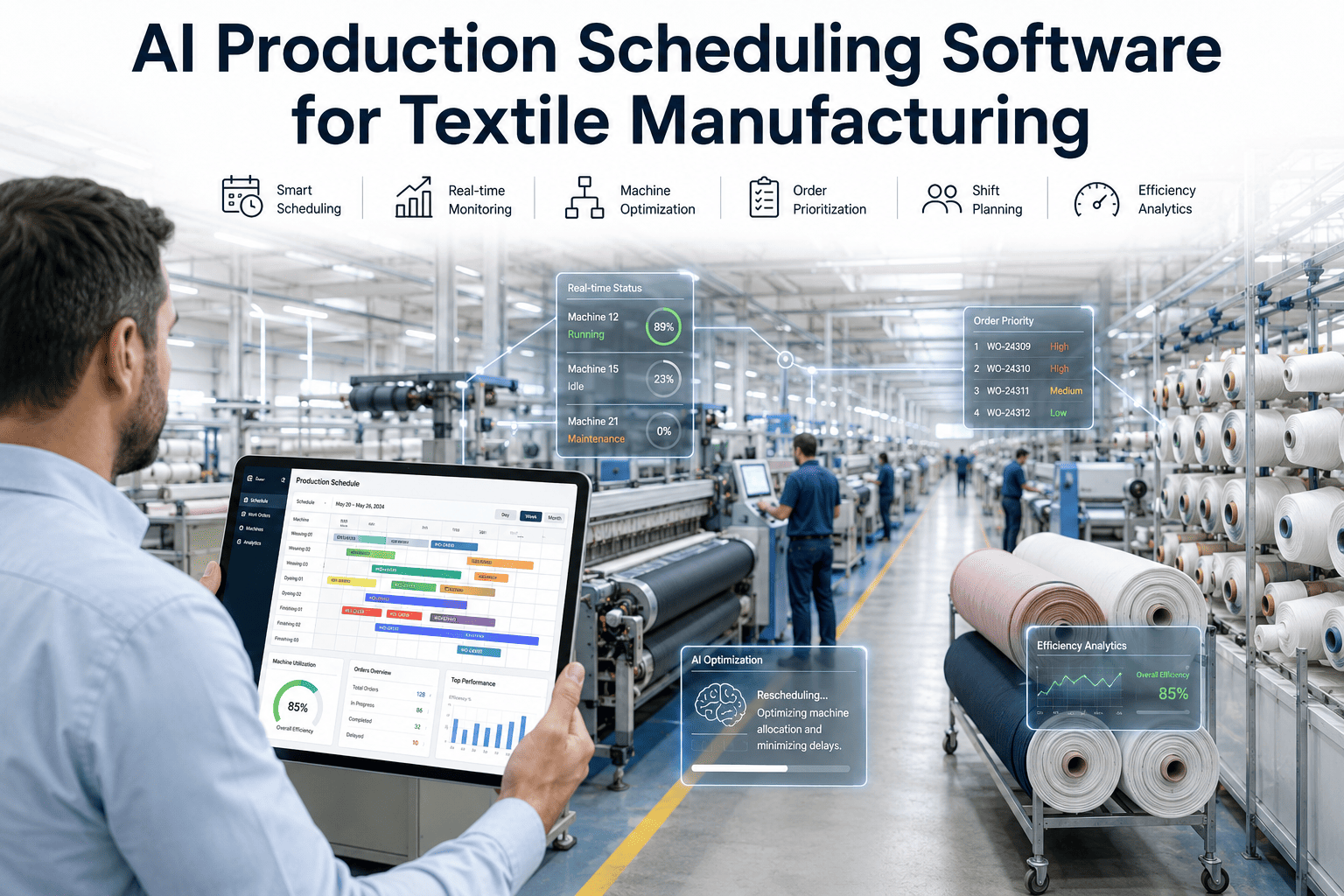
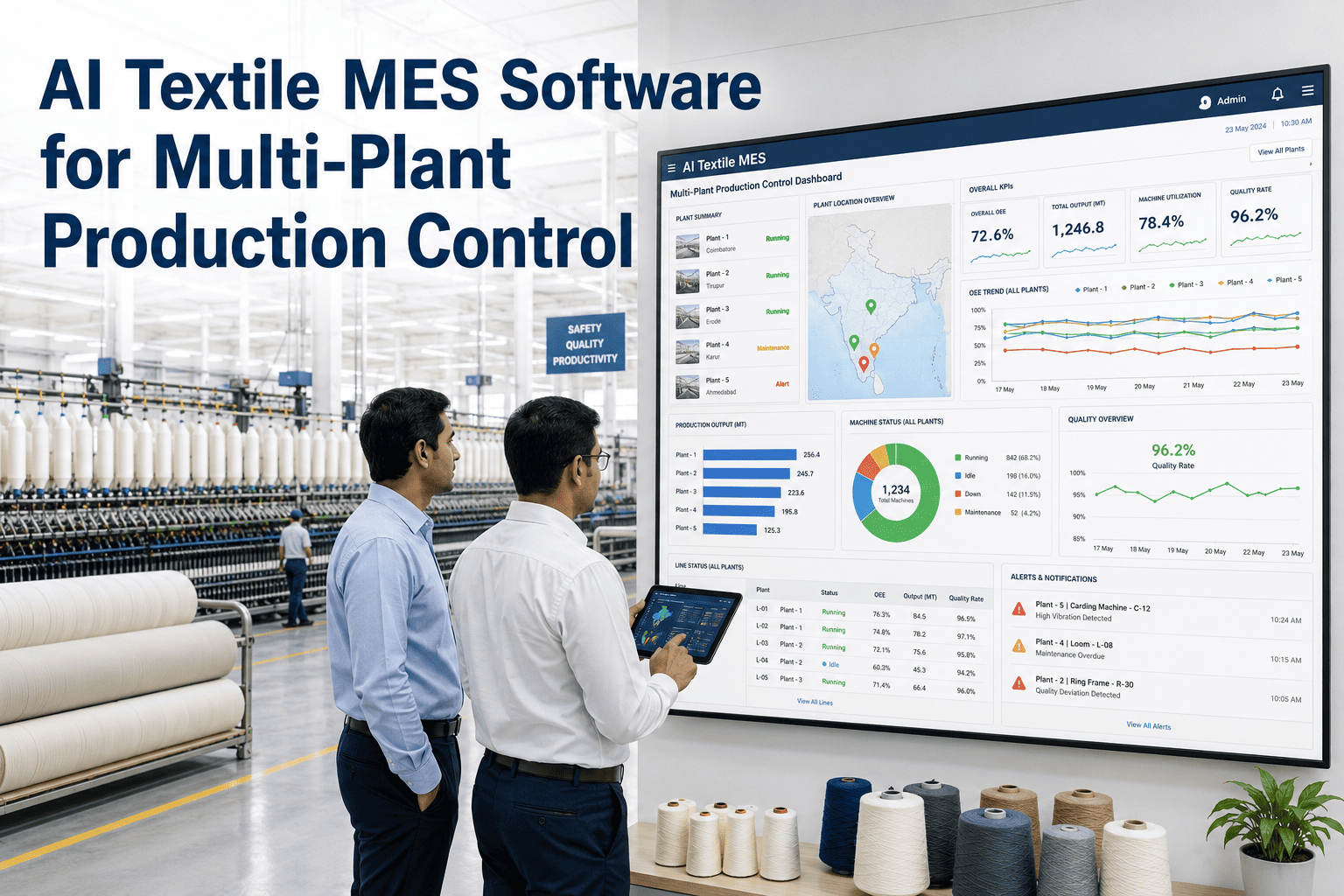
In the highly competitive textile manufacturing landscape, multi-stage mills face a complex orchestration challenge: synchronizing spinning, weaving, knitting, dyeing, and finishing processes under tight delivery deadlines. Traditional spreadsheet-based planning or disjointed ERP modules often fail to account for dynamic constraints like machine availability, changeover times, raw material delays, and order prioritization. This leads to excessive work-in-progress (WIP), missed customer dates, and costly expediting. Advanced Production Scheduling Software (APS) powered by AI and Industry 4.0 principles offers a transformative solution. By modeling the entire mill as a connected system, it optimizes sequencing, reduces idle time, and ensures on-time delivery. This comprehensive guide explores the critical capabilities, implementation strategies, and ROI of textile-specific scheduling software. For a personalized demonstration of how iFactory can revolutionize your mill's scheduling, Book a Demo today.
Transform Your Mill Scheduling Today
Eliminate bottlenecks and achieve 95% on-time delivery with AI-driven production scheduling.
The Multi-Stage Scheduling Complexity in Textile Mills
Textile production is inherently multi-stage, with each stage having distinct machine characteristics, processing times, and quality requirements. Spinning converts fibers into yarn, which then feeds weaving or knitting. These fabric-forming processes produce greige fabric that must undergo wet processing (dyeing, finishing) to achieve the final product. Each stage has its own set of constraints: spinning frames have different spindle speeds and yarn count capabilities; looms have varying widths and weft insertion rates; dyeing machines have batch size limits and color changeover times. The interdependency between stages creates a cascading effect: a delay in spinning can idle looms, and a dyeing bottleneck can halt finishing. Traditional planning approaches treat each stage in isolation, leading to suboptimal global schedules. APS software models the entire production network, simultaneously optimizing for due date compliance, machine utilization, and minimal WIP. This holistic view allows schedulers to make trade-offs, such as delaying a spinning batch to prioritize a high-value order, while automatically adjusting downstream schedules. The result is a resilient plan that adapts to real-time disruptions, such as machine breakdowns or rush orders.
Spinning Scheduling
Optimize yarn production sequences based on count, twist, and package size. Minimize changeover time between different yarn types. Track bale blending and roving availability.
Weaving & Knitting
Schedule looms and knitting machines considering fabric width, construction, and pattern complexity. Manage warp and weft yarn inventory to prevent stoppages.
Dyeing & Finishing
Sequence dyeing batches to minimize color changeovers and chemical waste. Coordinate finishing processes like sanforizing, compacting, and coating for final quality.
Cross-Stage Synchronization
Align production rates across stages to avoid WIP pileups. Use pull-based signals from downstream to trigger upstream starts, ensuring just-in-time flow.
Implementation Roadmap: 5 Steps to Digital Scheduling
Data Collection & Integration
Connect to ERP for orders, inventory, and BOMs. Integrate with MES/SCADA for real-time machine status and production counts. Clean and standardize data for accurate modeling.
Constraint Definition
Define machine capabilities, changeover matrices, shift calendars, and material dependencies. Set priority rules for orders (e.g., due date, customer tier).
Scenario Simulation
Run baseline schedule and simulate what-if scenarios: new rush order, machine breakdown, raw material delay. Compare KPIs like on-time delivery and utilization.
Go-Live & Monitoring
Deploy the optimized schedule to shop floor. Monitor execution via dashboards. Automatically reschedule when deviations exceed thresholds.
Continuous Improvement
Analyze schedule adherence and root causes of delays. Refine constraint models and AI algorithms to improve prediction accuracy and scheduling efficiency.
Traditional vs. AI-Driven Scheduling: A Comparative Analysis
| Criteria | Traditional (Spreadsheet/ERP) | AI-Driven APS (iFactory) |
|---|---|---|
| Planning Horizon | Weekly static plan | Real-time rolling horizon (days/weeks) |
| Constraint Handling | Manual, limited to few constraints | All constraints: machines, materials, labor, changeovers |
| What-If Analysis | Time-consuming manual recalculations | Instant scenario simulation with KPI comparison |
| Schedule Adherence | Low (often 60-70%) | High (90-98%) with auto-rescheduling |
| WIP Levels | High due to batch thinking | Optimized for lean flow |
| Changeover Efficiency | Suboptimal sequencing | AI minimizes changeover time/cost |
Key Features of a Textile-Specific APS
Not all scheduling software is created equal. Textile mills require specialized features that address the unique characteristics of fiber-to-fabric production. First, the system must support multi-level BOMs and routing definitions that capture each stage's process parameters. For example, in spinning, the APS should consider the number of spindles, twist per inch, and yarn count conversion. In weaving, it must handle warp beam preparation, weft yarn packages, and loom settings for fabric construction. Second, the software must model changeover matrices that are stage-specific: color changeovers in dyeing take hours due to cleaning cycles, while style changeovers on looms involve pattern adjustments. Third, real-time data ingestion from IoT sensors is crucial for accurate schedule execution. If a spinning frame slows down unexpectedly, the APS should automatically adjust downstream schedules to prevent starvation. Fourth, the system should provide Gantt chart visualization with drag-and-drop rescheduling capabilities, allowing planners to manually override AI suggestions when needed. Finally, integration with quality management systems ensures that only conforming material moves to the next stage, preventing rework loops that disrupt schedules.
Overcoming Implementation Challenges
Implementing an APS in a textile mill is not without hurdles. The most common challenge is data quality: machine specifications, process times, and changeover durations are often not accurately recorded. A pre-implementation data audit is essential. Another challenge is cultural resistance: planners may distrust AI-generated schedules, fearing loss of control. To overcome this, involve planners in the configuration phase and use the system as a decision support tool initially, gradually increasing automation. Integration with legacy ERP systems can be complex, but modern APS platforms offer APIs and middleware for seamless connectivity. Finally, the cost of software and implementation must be justified by ROI. Typical textile mills see payback within 6-12 months through reduced WIP, improved on-time delivery, and lower expediting costs. iFactory's team provides dedicated support throughout the journey, from data mapping to go-live and beyond.
Measuring ROI: Key Performance Indicators
To justify investment in textile scheduling software, mills must track specific KPIs before and after implementation. On-Time Delivery (OTD) is the most visible metric: a 20-30% improvement is typical. Work-in-Progress (WIP) levels should decrease by 25-40% as schedules become more synchronized. Machine utilization often increases by 10-20% because bottlenecks are identified and mitigated. Changeover times can be reduced by 15-30% through optimized sequencing. Another critical metric is Schedule Adherence, which measures how closely actual production follows the plan; AI-driven systems achieve 90%+ adherence compared to 60-70% with manual methods. Finally, the ability to quickly respond to disruptions (e.g., rush orders) is quantified by Schedule Stability, which should remain high even after rescheduling. iFactory's dashboard provides real-time visibility into all these KPIs, enabling continuous improvement.
On-Time Delivery
Improve from 70% to 95%+ by prioritizing orders based on due dates and customer importance.
WIP Reduction
Cut excess inventory between stages by synchronizing production rates and using pull signals.
Changeover Optimization
Reduce downtime by sequencing jobs with similar attributes (color, yarn count, fabric type).
Capacity Utilization
Identify and eliminate bottlenecks; balance load across machines and shifts.
Case Study: A Multi-Stage Mill Transformation
Consider a mid-sized textile mill with 50,000 spindles, 200 looms, and a continuous dyeing range. Before implementing iFactory APS, the mill used Excel spreadsheets updated weekly. On-time delivery was 72%, WIP averaged 15 days, and changeover times were high due to poor sequencing. After a 3-month implementation, the mill achieved 94% on-time delivery, WIP dropped to 8 days, and changeover times reduced by 22%. The scheduling team now handles 300+ orders per week with minimal manual effort. The system automatically reschedules when a dyeing machine breaks down, providing a new optimized plan within minutes. The mill's production manager reported a significant reduction in firefighting and expediting costs. This transformation is typical of mills that embrace AI-driven scheduling.
Ready to Optimize Your Mill Scheduling?
Join leading textile manufacturers who have transformed their operations with iFactory's AI-driven scheduling software.
Future Trends: AI and Industry 4.0 in Textile Scheduling
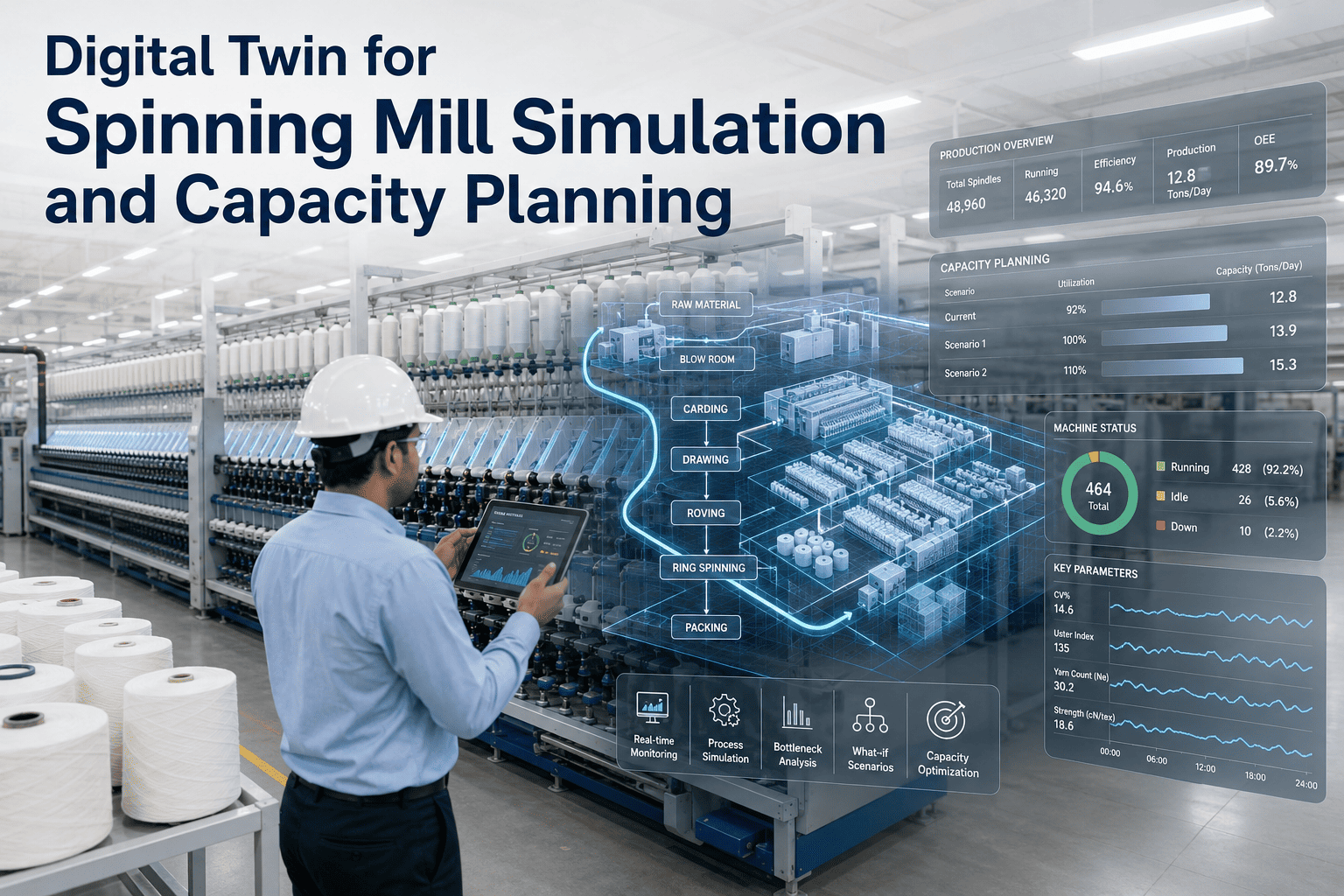
The next frontier in textile production scheduling is the integration of machine learning for predictive maintenance and quality prediction. By analyzing historical data, AI can predict when a spinning frame is likely to fail and automatically adjust the schedule to minimize impact. Similarly, quality prediction models can estimate the probability of defects based on machine parameters and raw material properties, allowing the scheduler to avoid risky production runs. Another trend is the use of digital twins: a virtual replica of the entire mill that simulates the impact of scheduling decisions in real-time. This enables what-if analysis without disrupting actual production. Finally, cloud-based scheduling platforms allow multi-site coordination, enabling global textile conglomerates to optimize production across different mills. iFactory is at the forefront of these innovations, continuously updating its platform with the latest AI capabilities.
Frequently Asked Questions
How does textile scheduling software handle different product types like yarn, fabric, and finished goods?
Advanced scheduling software models each product type with its unique routing and BOM. For yarn, the system tracks fiber blend, count, and twist. For fabric, it considers weave pattern, width, and weight. Finished goods may involve additional processes like cutting and sewing. The APS automatically sequences operations across stages, respecting material availability and machine constraints. It also tracks inventory at each stage to prevent shortages. For a deeper understanding of how iFactory handles multi-product environments, contact our support team.
Can the software integrate with our existing ERP system?
Yes, iFactory's APS is designed for seamless integration with major ERP systems like SAP, Oracle, and Microsoft Dynamics. We use standard APIs and middleware to synchronize orders, inventory, and production data in real-time. The integration ensures that your scheduling decisions are always based on the latest information. Our implementation team will work with your IT department to set up the connection. For more details, visit our support page.
What is the typical implementation timeline for a multi-stage mill?
Implementation typically takes 3 to 6 months, depending on mill complexity and data readiness. The process includes data collection, system configuration, user training, and go-live. We follow an agile methodology, delivering value in phases. Many mills see initial benefits within the first month of go-live. To discuss a timeline specific to your mill, Book a Demo with our team.
How does the software handle rush orders and schedule disruptions?
iFactory APS uses real-time rescheduling algorithms that respond to disruptions within minutes. When a rush order arrives, the system evaluates its impact on existing orders and suggests an optimized schedule that minimizes overall delay. Planners can accept, modify, or reject the suggestion via an intuitive Gantt chart interface. The system also sends alerts when schedule deviations exceed thresholds. For a live demonstration of disruption handling, Book a Demo.
What kind of training and support does iFactory provide?
We offer comprehensive training for planners, supervisors, and IT staff, including on-site workshops and virtual sessions. Our support team is available 24/7 for critical issues. We also provide a knowledge base and community forum. Post-implementation, we conduct regular reviews to ensure the system continues to deliver value. For more information, contact our support team.
Take the Next Step Towards Scheduling Excellence
Empower your team with AI-driven scheduling that synchronizes every stage of your textile mill. Book a demo today.