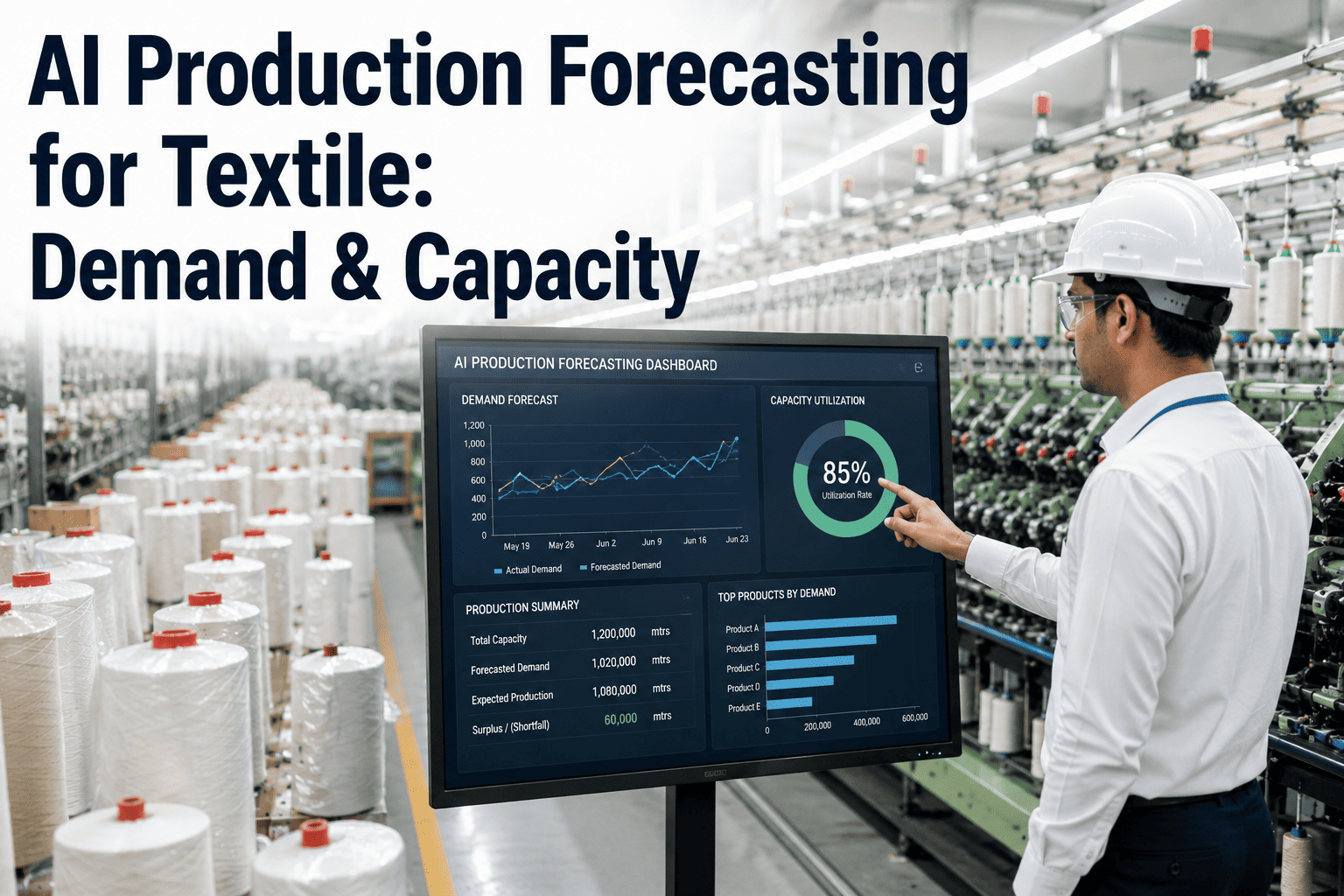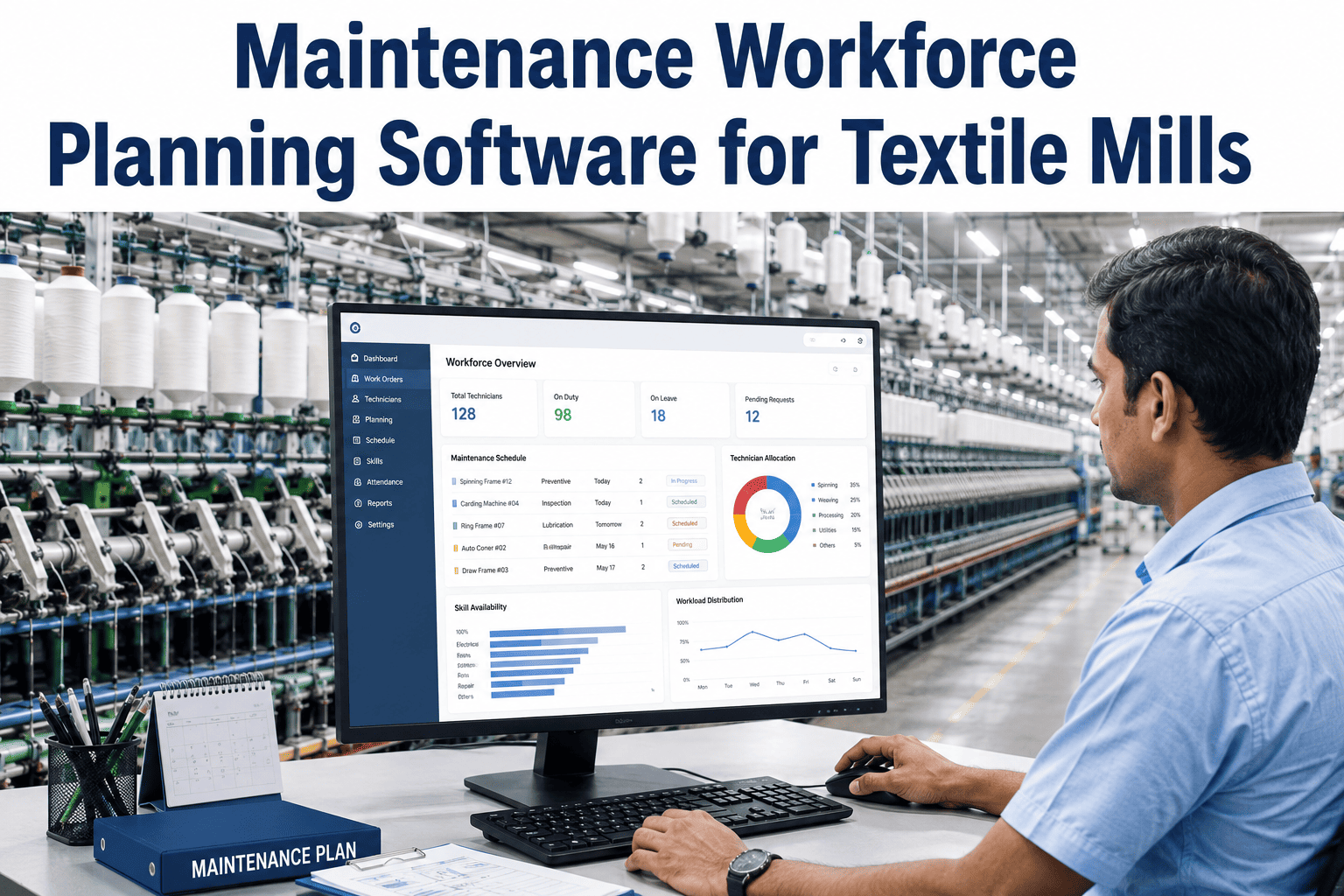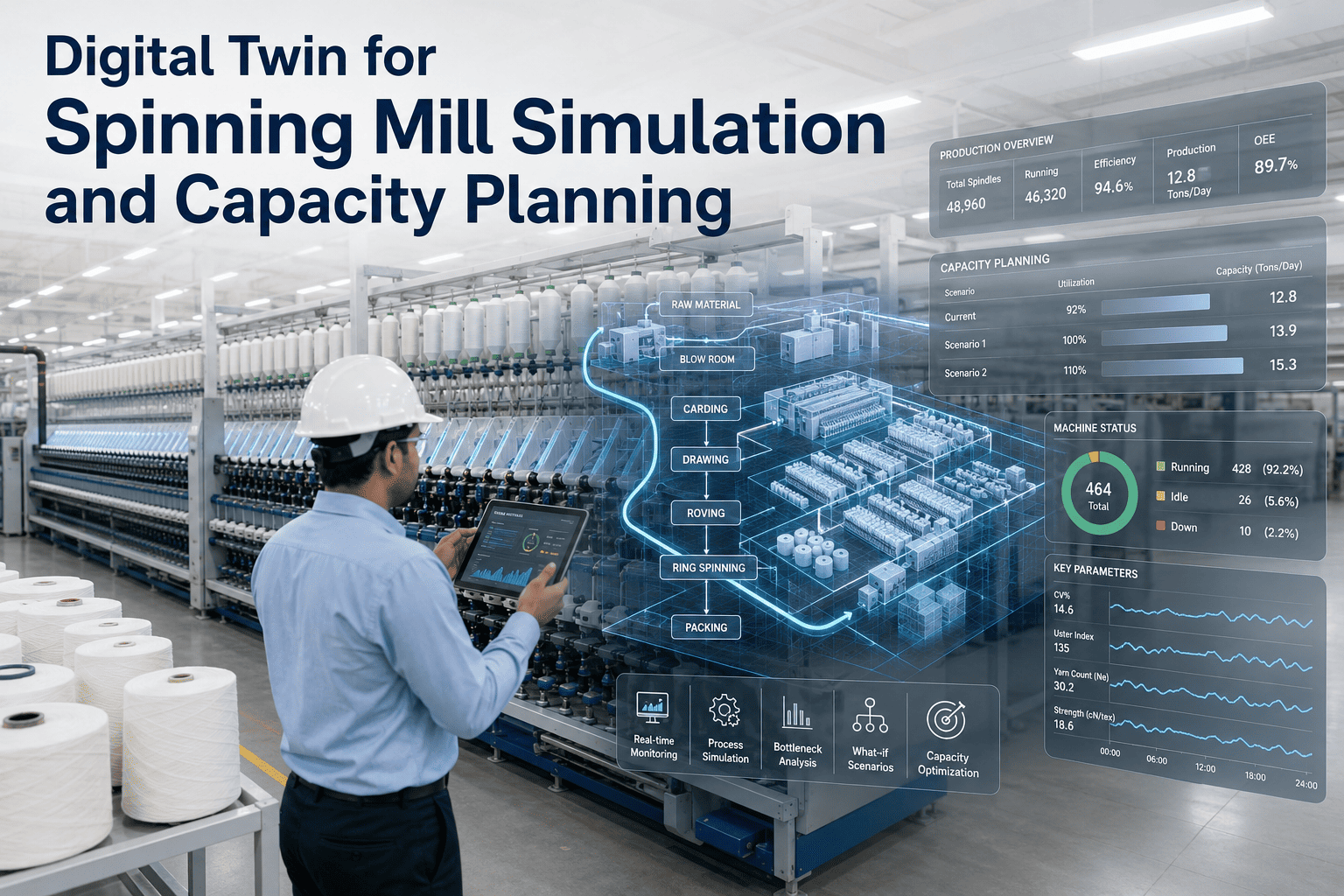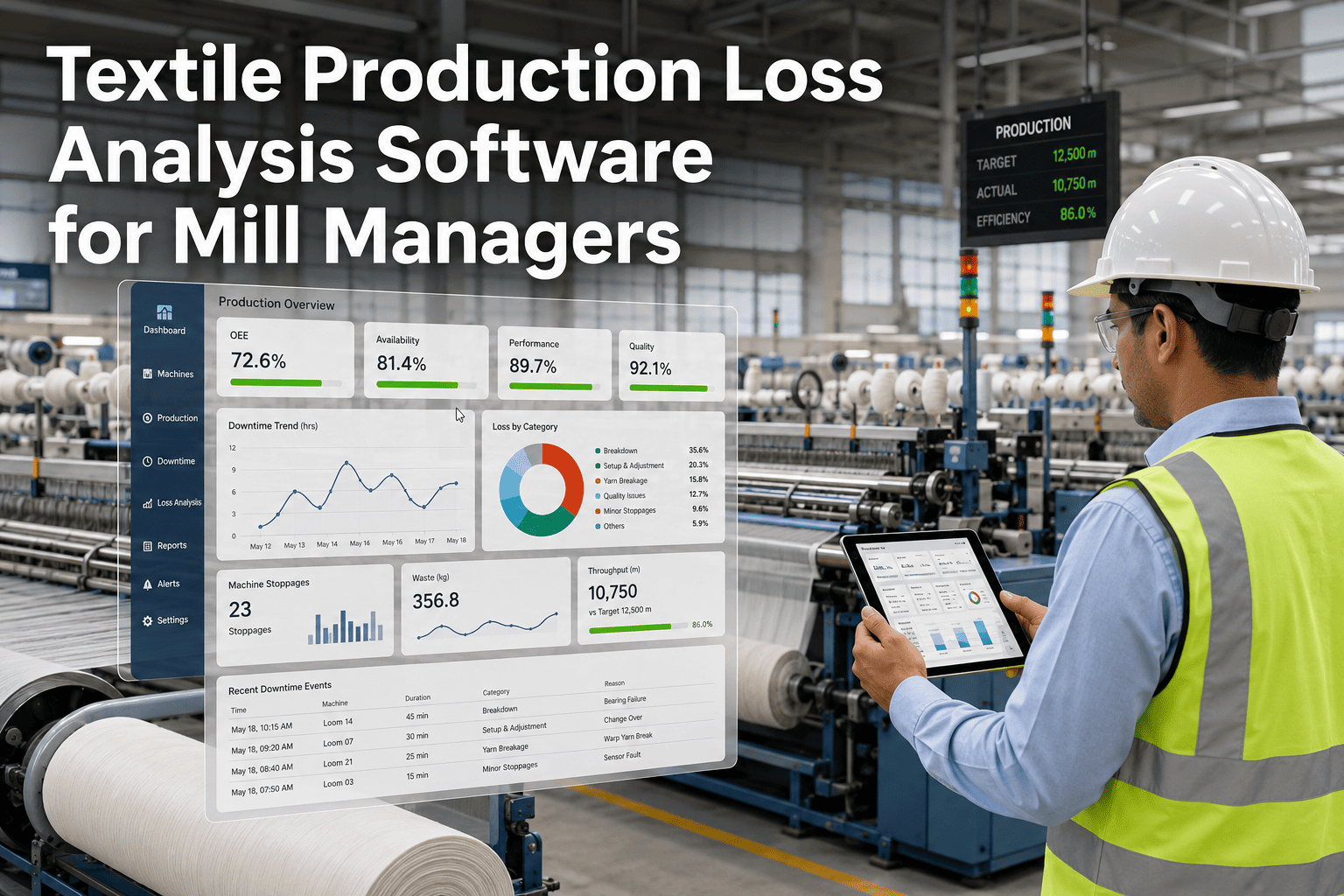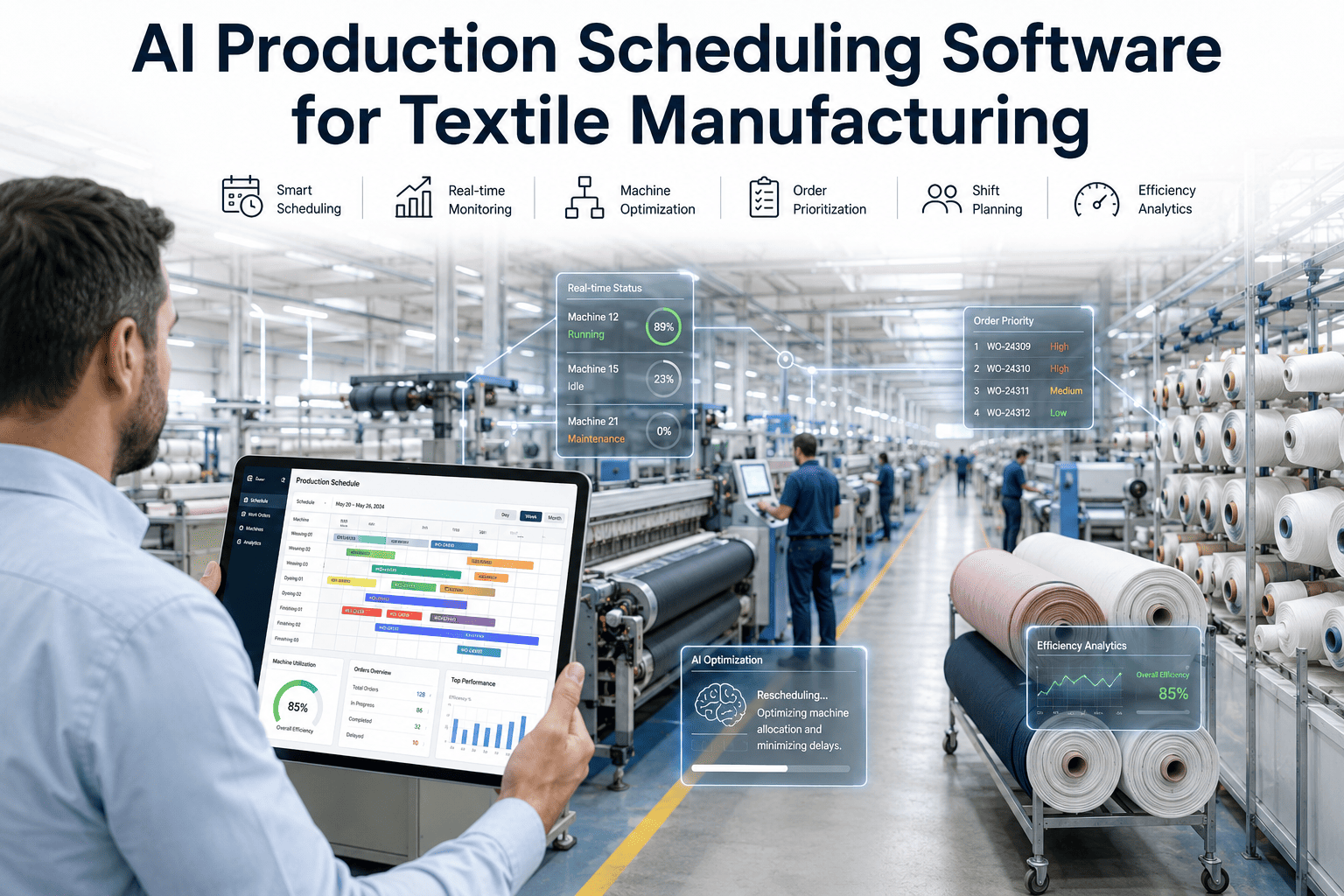
In the highly competitive textile manufacturing landscape, the ability to efficiently schedule production across spinning, weaving, dyeing, and finishing processes is a decisive factor for profitability and customer satisfaction. Traditional scheduling methods, often reliant on spreadsheets or manual planning, struggle to handle the complexity of modern textile operations. These methods frequently lead to underutilized machine capacity, missed delivery deadlines, excessive changeover times, and a reactive approach to disruptions. This is where AI-powered production scheduling software, like the solution integrated within OxMaint, transforms operations. By leveraging advanced algorithms and real-time data, textile mills can now achieve a level of planning precision that was previously unattainable. This feature page explores how AI-driven scheduling optimizes order sequencing, machine capacity, shift plans, changeover management, maintenance windows, and delivery commitments, ultimately driving significant operational and financial improvements. Book a Demo to see how our AI scheduler can revolutionize your textile mill.
Transform Your Mill's Scheduling Today
Eliminate manual planning chaos. Achieve on-time delivery and maximize machine utilization with AI-driven precision.
Core Capabilities of AI Scheduling
Order Intelligence
AI analyzes order priorities, due dates, and material requirements to create an optimal production sequence. It automatically groups similar orders to minimize changeovers and machine reconfiguration, ensuring high throughput and on-time delivery.
Machine Capacity Planning
Real-time visibility into every machine's status, speed, and availability. The scheduler allocates work based on current capacity, preventing overload and identifying bottlenecks before they impact production.
Shift Pattern Optimization
Integrates with workforce management to align production schedules with shift patterns, skill sets, and labor availability. This ensures the right operators are assigned to the right machines at the right time.
Changeover Management
Minimizes downtime by intelligently sequencing orders to reduce the time and effort required for machine changeovers. The system learns from historical data to recommend optimal order sequences.
Maintenance Window Scheduling
Proactively schedules preventive maintenance during planned downtime windows, reducing unexpected breakdowns. The AI balances production needs with maintenance requirements to maximize overall equipment effectiveness (OEE).
Delivery Commitment Tracking
Provides real-time visibility into order progress against delivery commitments. Automated alerts notify planners of potential delays, enabling proactive rescheduling and improved customer communication.
Ready to Eliminate Scheduling Chaos?
Stop firefighting and start planning. Our AI scheduler gives you complete control over your textile production timeline.
How AI Scheduling Transforms Your Workflow
Data Ingestion
The system automatically pulls order details, machine statuses, shift calendars, and maintenance plans from your existing MES or ERP systems. No manual data entry required.
AI Optimization
Advanced algorithms evaluate thousands of scheduling permutations in seconds, considering constraints like due dates, machine capability, operator skills, and material availability.
Schedule Generation
A detailed, optimized production schedule is generated, showing exactly which order runs on which machine at what time, including changeover and maintenance windows.
Real-Time Adjustments
As conditions change (machine breakdown, urgent order), the AI dynamically reschedules the remaining work, minimizing disruption and keeping delivery commitments on track.
Traditional vs. AI Scheduling
| Aspect | Traditional Scheduling | AI-Powered Scheduling |
|---|---|---|
| Planning Speed | Hours to days | Minutes |
| Changeover Optimization | Manual, reactive | Automated, proactive |
| Capacity Utilization | 70-80% | 85-95% |
| On-Time Delivery | 60-75% | 90-98% |
| Adaptability to Disruptions | Low, manual rescheduling | High, automatic rescheduling |
| Data Integration | Isolated spreadsheets | Integrated with MES/ERP |
Quantifiable Benefits for Your Textile Mill
Increased Profitability
By maximizing machine utilization and reducing changeover times, mills can produce more output with the same resources. This directly translates to higher throughput and improved profit margins.
Customer Satisfaction
Consistently meeting delivery commitments builds trust with your customers. Real-time tracking and proactive alerts allow you to communicate accurate lead times and manage expectations effectively.
Reduced Operational Costs
Minimizing overtime, reducing expedited shipping costs, and lowering inventory carrying costs through better planning. AI scheduling helps eliminate waste across your entire production process.
Enhanced Agility
Respond rapidly to rush orders, machine breakdowns, or supply chain disruptions. The AI automatically adjusts the schedule to minimize impact, keeping your operations resilient and responsive.
Frequently Asked Questions
How does AI scheduling integrate with our existing textile MES or ERP system?
Our AI scheduling module is designed for seamless integration with leading MES and ERP platforms commonly used in textile manufacturing. It uses standard APIs and data connectors to pull real-time information on orders, machine status, shift plans, and inventory levels. This eliminates the need for manual data entry and ensures the schedule is always based on the most current data. For mills using OxMaint's own MES, integration is out-of-the-box. For other systems, our team works with your IT department to establish a secure and efficient data flow. Contact our support team for a detailed integration guide and to discuss your specific system architecture. We ensure minimal disruption to your existing workflows during the implementation process.
What types of textile manufacturing processes can this scheduler handle?
The AI scheduler is highly versatile and can handle a wide range of textile processes, including spinning, weaving, knitting, dyeing, printing, finishing, and nonwovens. The system is configured to understand the unique constraints of each process, such as machine speeds, changeover requirements (e.g., warp beam changes in weaving, color changes in dyeing), and material flow dependencies. For example, in a weaving mill, the scheduler optimizes the sequence of orders on looms to minimize the number of warp beam changes. In a dyeing facility, it groups orders by color to reduce cleaning and setup time between batches. Book a Demo to discuss how we can tailor the scheduling logic for your specific production environment and process mix.
How does the system handle unexpected disruptions like machine breakdowns or urgent orders?
The AI scheduler is built for resilience. When a disruption occurs, such as a machine breakdown or a rush order, the system automatically triggers a rescheduling event. It recalculates the optimal production plan, taking into account the new constraints and priorities. The planner is alerted to the change and can review the revised schedule before it is published to the shop floor. The system aims to minimize the impact on existing delivery commitments by shifting less critical orders, utilizing alternative machines if available, or adjusting shift assignments. This dynamic rescheduling capability is a key differentiator from static, manual methods. Reach out to our support team to learn more about our real-time disruption handling features and how we can help you maintain schedule stability even in volatile conditions.
What kind of training and support is provided during implementation?
We provide comprehensive training and support to ensure a smooth implementation and rapid adoption by your team. This includes a structured onboarding process where our implementation specialists work closely with your planners, production managers, and IT staff. Training covers system configuration, data integration setup, user interface navigation, and best practices for using the AI scheduler. We also provide detailed documentation, video tutorials, and access to a dedicated support portal. Post-implementation, you have access to our support team for ongoing assistance. Book a Demo to discuss your specific implementation timeline and training needs. Our goal is to make your team proficient and confident in using the system within the first few weeks of deployment.
How is the scheduling performance measured and reported?
The system includes a comprehensive suite of dashboards and reports that provide real-time visibility into scheduling performance. Key performance indicators (KPIs) tracked include schedule adherence, on-time delivery rate, machine utilization, changeover time, and overall equipment effectiveness (OEE). These reports can be customized to show data by shift, product line, machine group, or customer. Historical data is stored to enable trend analysis and continuous improvement. Planners and managers can use these insights to identify recurring bottlenecks, evaluate the impact of scheduling decisions, and refine their strategies over time. Contact our support team for a sample report template or to discuss your specific KPI tracking requirements. We help you turn scheduling data into actionable insights.
Start Optimizing Your Production Schedule
Take the first step toward a smarter, more efficient textile mill. Our AI scheduling software is ready to transform your operations.