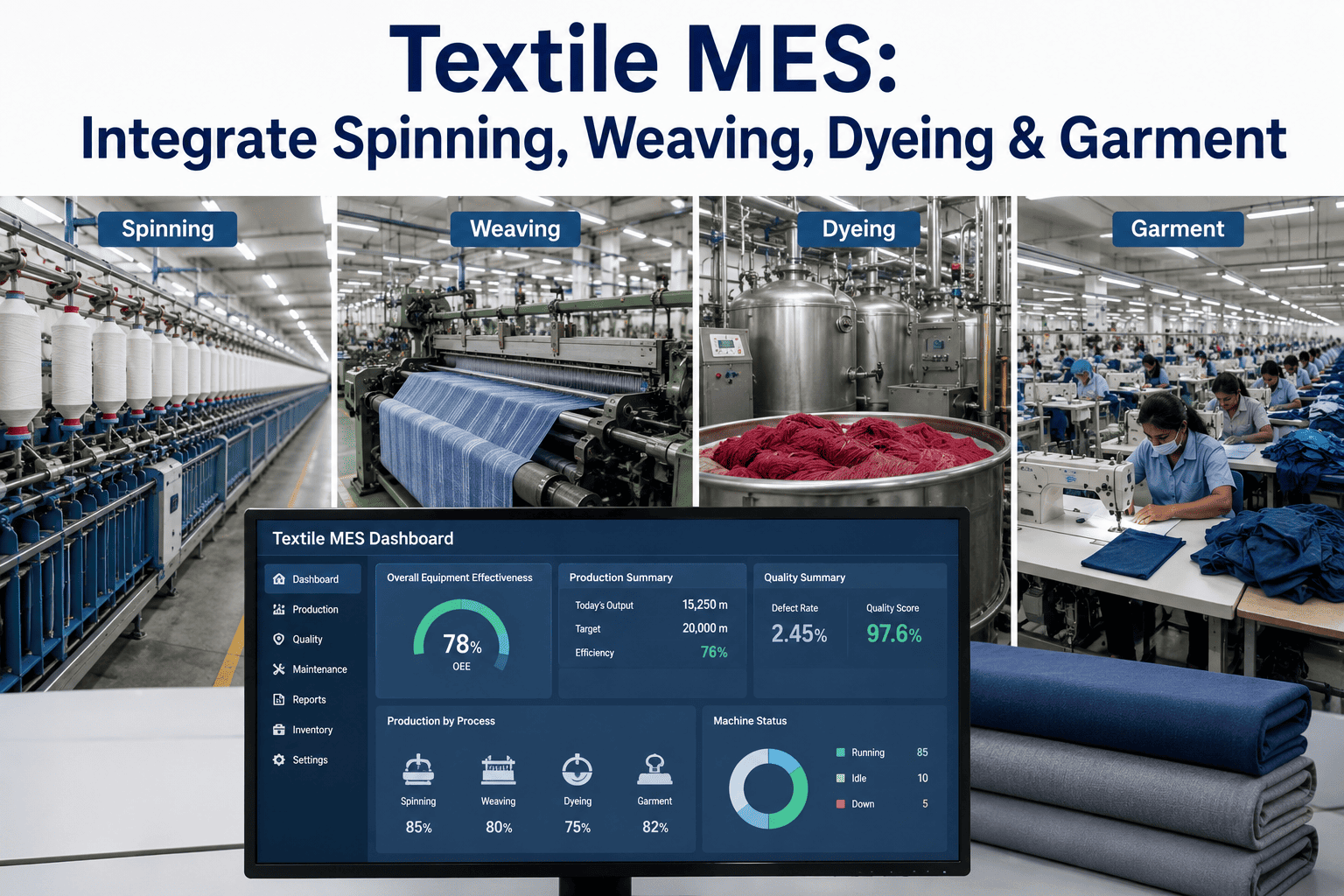
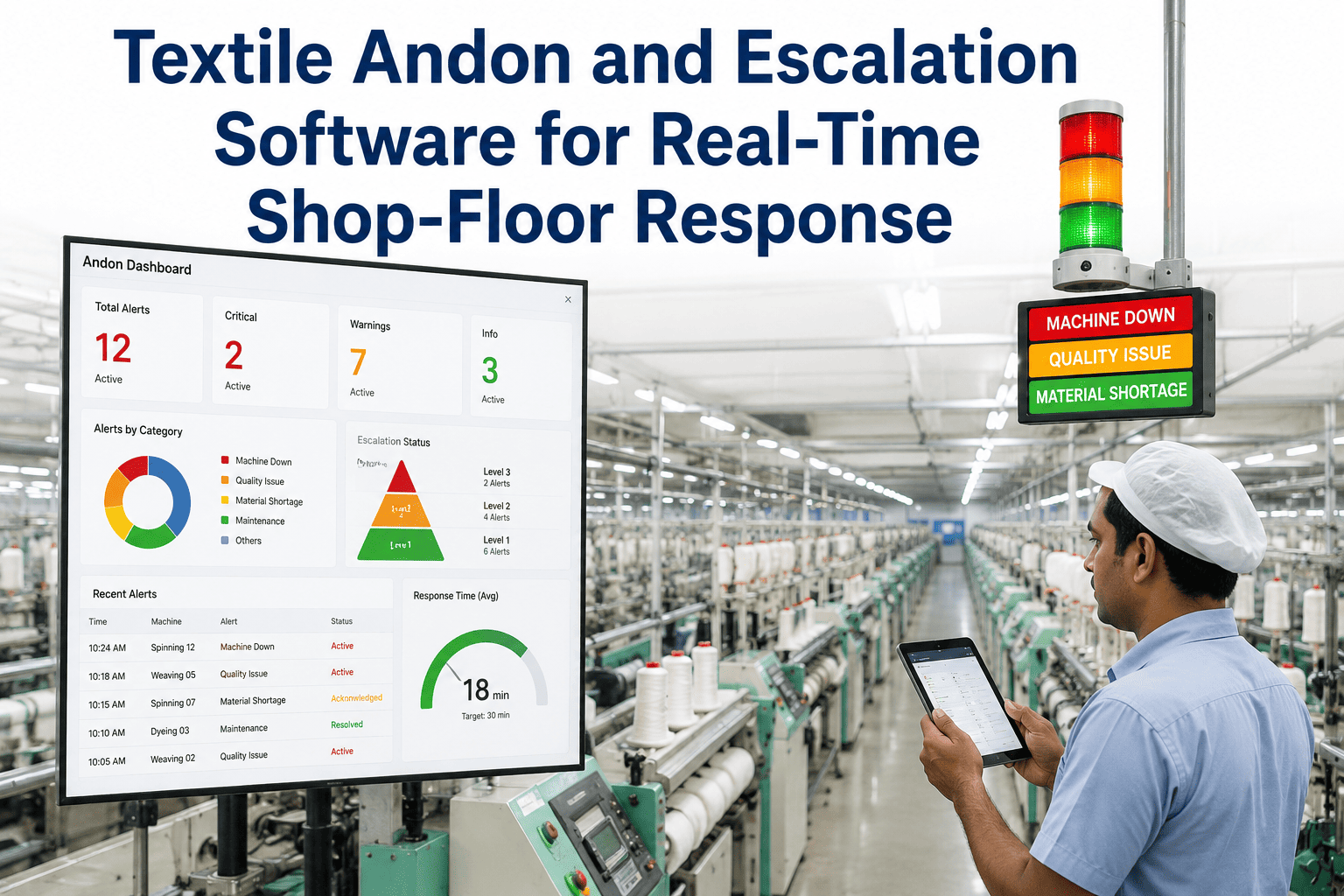
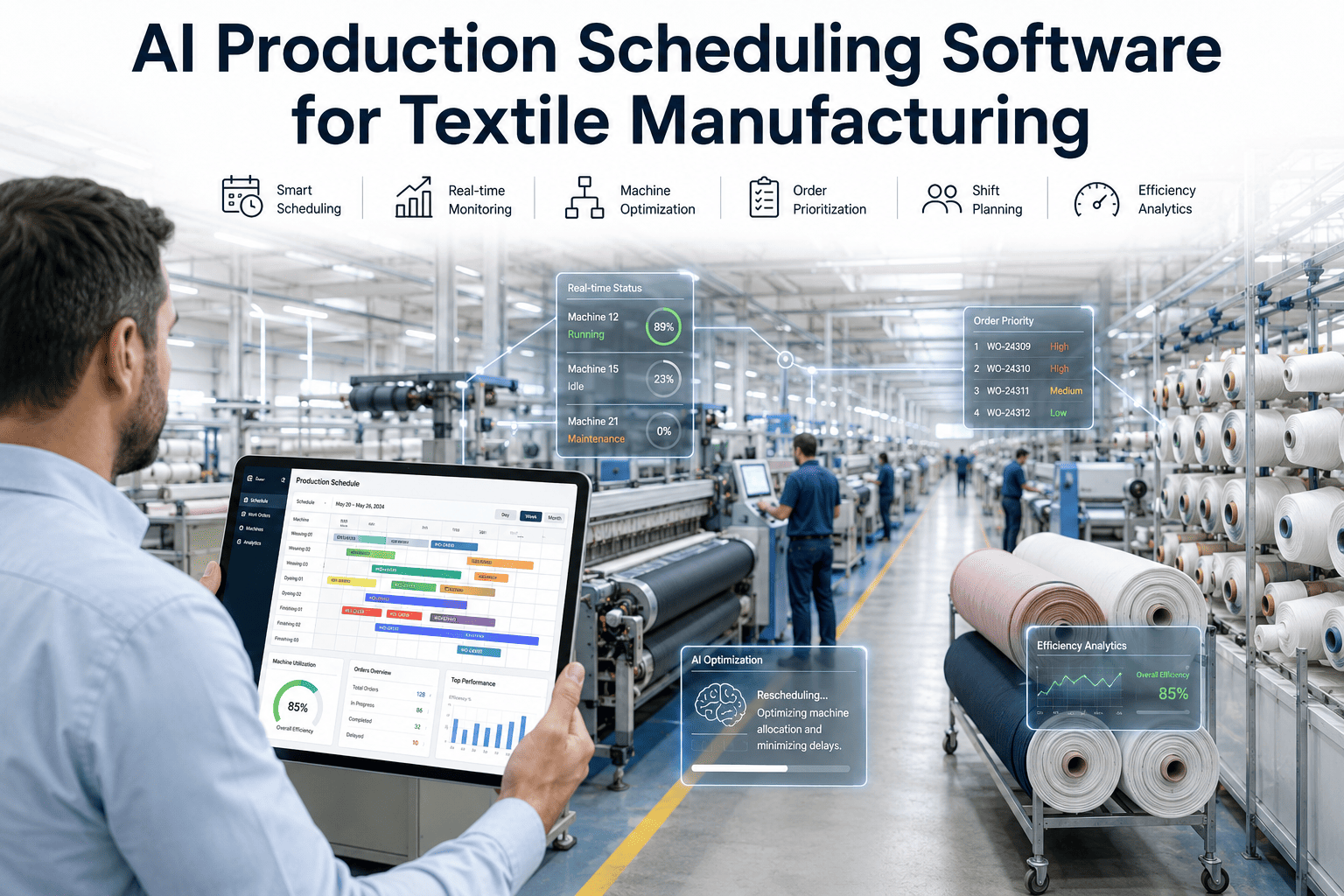
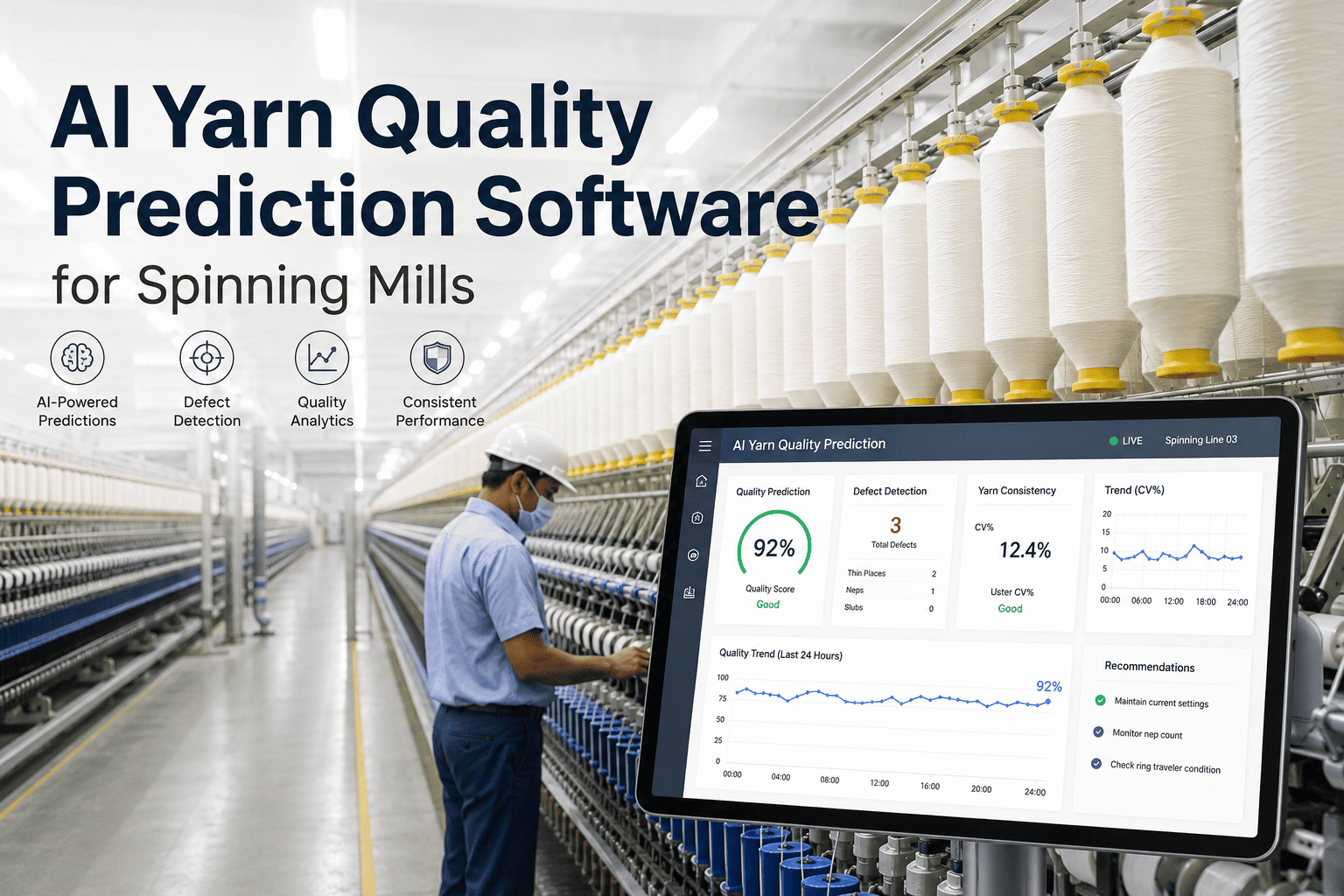
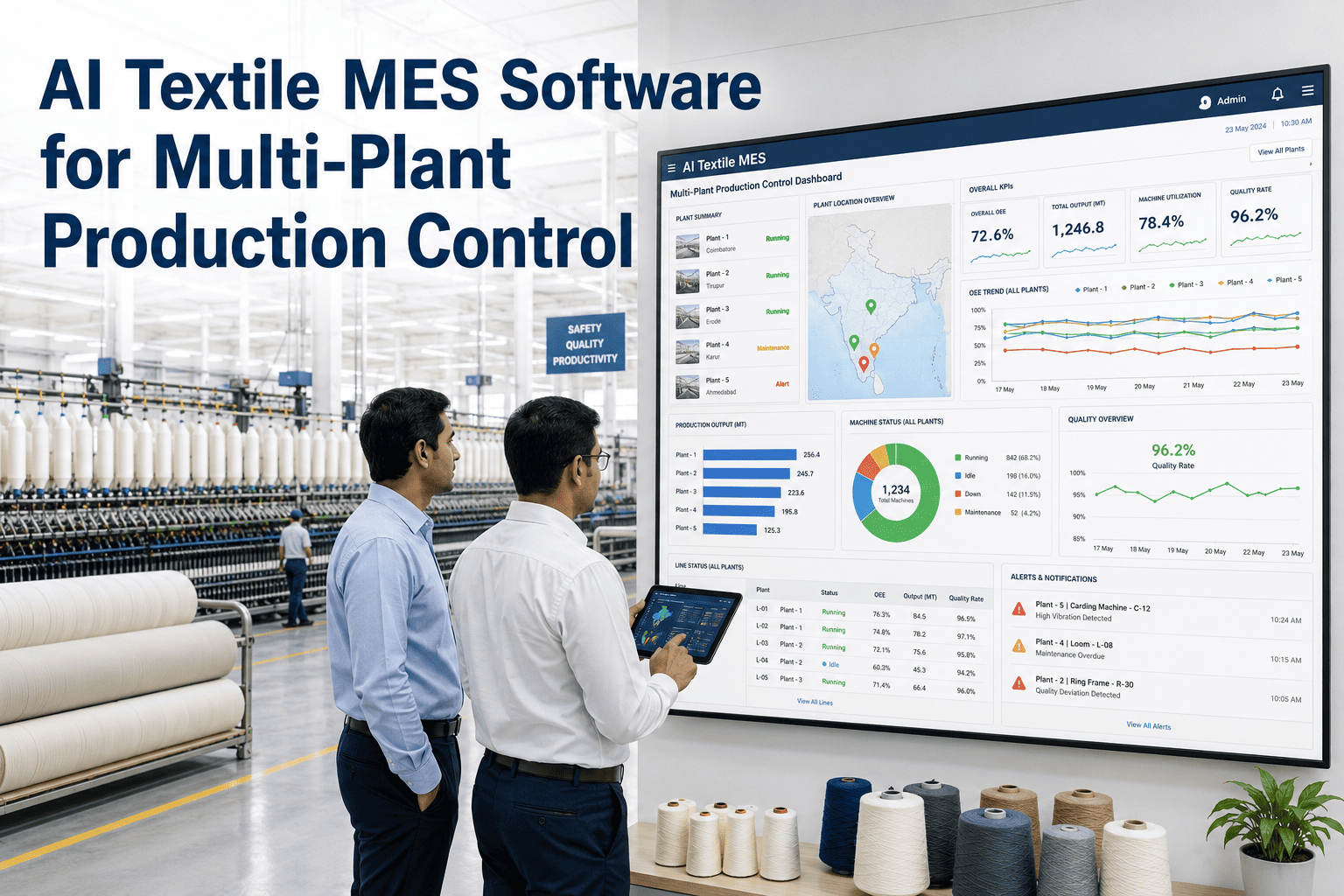
The textile manufacturing industry is undergoing a profound digital transformation, driven by the need for real-time visibility, operational efficiency, and stringent quality control across complex supply chains. A robust Manufacturing Execution System (MES) specifically designed for textile mills is no longer a luxury but a strategic necessity for spinning, weaving, knitting, and dyeing operations. This comprehensive guide provides an in-depth evaluation of textile MES software, covering critical functionalities such as production scheduling, OEE tracking, quality management, traceability, and predictive maintenance. We explore how modern MES platforms integrate with existing ERP and PLC systems to create a seamless digital thread from raw fiber to finished fabric. Enterprise decision-makers will gain actionable insights into selecting and implementing the right MES solution to achieve lean manufacturing, reduce waste, and improve overall equipment effectiveness. For a personalized walkthrough of how iFactory can transform your textile operations, Book a Demo today.
Unlock Digital Excellence in Textile Manufacturing
Empower your spinning, weaving, knitting, and dyeing mills with a purpose-built MES that drives 30%+ OEE improvement and full lot traceability.
Why Textile Mills Need a Specialized MES
Generic manufacturing execution systems often fail to address the unique challenges of textile production, such as managing multiple fiber types, complex dyeing recipes, variable machine speeds, and stringent quality standards. A specialized textile MES provides deep functionality for each stage: from spinning and weaving to knitting and dyeing, ensuring that production data is captured accurately and acted upon in real time. This leads to reduced downtime, improved first-pass yield, and faster response to customer demands. With the increasing pressure for sustainability and compliance, an MES also enables detailed tracking of energy consumption, water usage, and chemical applications, supporting eco-friendly manufacturing initiatives. By digitizing manual processes and connecting shop floor machines to enterprise systems, textile mills can achieve a new level of operational excellence and competitive advantage. The right MES acts as the digital backbone, unifying disparate systems and providing a single source of truth for all production activities.
Real-Time Production Monitoring
Track machine status, production counts, and downtime events across all departments with live dashboards. Instantly identify bottlenecks and optimize scheduling to maximize throughput. Visual alerts for deviations enable rapid corrective actions.
OEE & Performance Analytics
Calculate Overall Equipment Effectiveness for each machine and line, breaking down availability, performance, and quality. Use historical trends to identify chronic losses and drive continuous improvement initiatives. Benchmark against industry standards.
Quality & Compliance Management
Enforce in-process quality checks, capture defect data, and generate traceability reports. Manage dyeing recipes, lab dips, and shade approvals digitally. Ensure compliance with global standards like OEKO-TEX and GOTS through automated record-keeping.
End-to-End Traceability
Track every lot from raw fiber receipt to finished fabric shipment. Capture bale IDs, machine parameters, operator actions, and test results. Enable full backward and forward traceability for rapid recall management and customer audits.
Implementation Roadmap for Textile MES
Assessment & Discovery
Evaluate current workflows, machine connectivity, and data collection gaps. Define key performance indicators and integration points with ERP and PLC systems. Identify quick wins and long-term goals.
System Design & Configuration
Configure MES modules for spinning, weaving, knitting, and dyeing. Set up machine interfaces, quality plans, and traceability rules. Customize dashboards and reports to meet specific mill requirements.
Pilot Deployment
Roll out the MES in a single department or line to validate functionality and user acceptance. Train operators and supervisors, refine workflows, and measure initial OEE improvements. Iterate based on feedback.
Full Rollout & Optimization
Scale the MES across all production areas, integrating with existing systems. Continuously monitor performance, analyze data for predictive insights, and drive continuous improvement. Leverage AI for advanced analytics.
Ready to Transform Your Textile Operations?
Discover how iFactory MES can deliver measurable results in your spinning, weaving, knitting, or dyeing mill. Our experts will guide you through a tailored demo.
Deep Dive: Key Modules of a Textile MES
Spinning Mill Module
Manage blowroom, carding, drawing, combing, roving, ring spinning, and winding processes. Monitor machine parameters like spindle speed, twist per inch, and yarn count. Track waste percentage and optimize blending to reduce raw material costs. Integrate with auto-coner machines for real-time production data. This module enables precise control over yarn quality and consistency, directly impacting downstream fabric quality.
Weaving Mill Module
Cover warping, sizing, drawing-in, and weaving processes. Monitor loom efficiency, warp breakage rates, and weft insertion speed. Manage beam inventories and production schedules to minimize changeover time. Capture defect data from inspection machines and link to specific looms for root cause analysis. This module helps reduce fabric defects and improve loom utilization, leading to higher throughput and lower costs.
Knitting Mill Module
Handle circular and flat knitting machines. Track fabric weight, diameter, stitch length, and yarn consumption. Manage dye lots and batch tracking for dyed yarns. Monitor machine downtime and trigger maintenance alerts based on run time. This module ensures consistent fabric quality and enables quick response to production disruptions, essential for fast-fashion supply chains.
Dyeing Mill Module
Manage recipe management, lab dips, production dyeing, and finishing processes. Track chemical and water usage, temperature profiles, and pH levels. Enforce digital batch tickets and capture operator actions for full traceability. Integrate with color measurement systems for automated shade approval. This module reduces re-dyeing, improves color consistency, and supports sustainability reporting.
Comparison: Textile MES vs. Generic MES
| Feature | Textile MES | Generic MES |
|---|---|---|
| Machine Connectivity | Native support for textile-specific protocols (e.g., Savio, Rieter, Picanol) | Requires custom integration |
| Recipe Management | Built-in dyeing recipe and shade management | Often not available |
| Quality Standards | Pre-configured for OEKO-TEX, GOTS, etc. | Needs manual setup |
| Lot Traceability | End-to-end from bale to finished fabric | Limited to production stages |
| OEE Calculation | Tailored for textile machine characteristics | Generic, less accurate |
Checklist: Evaluating Textile MES Vendors
- Does the MES support all your production processes (spinning, weaving, knitting, dyeing)?
- Can it integrate with your existing ERP, PLC, and machine systems?
- Does it provide real-time OEE and downtime analytics tailored for textile machines?
- Is the traceability feature comprehensive, covering raw materials to finished goods?
- Does it include quality management with support for textile-specific standards?
- What is the scalability of the solution for multi-site deployments?
- Does the vendor offer industry-specific support and training?
- Can the system handle complex dyeing recipes and shade approvals?
- Does it provide mobile access for supervisors and operators on the shop floor?
- What is the total cost of ownership, including implementation and maintenance?
Frequently Asked Questions
What is the typical ROI for implementing a textile MES?
Most textile mills see a return on investment within 12 to 18 months through reduced downtime, improved quality, and lower waste. For example, OEE improvements of 20-30% directly translate to higher throughput without additional capital expenditure. Additionally, better traceability reduces recall costs and improves customer satisfaction, leading to increased sales. To see specific ROI calculations for your mill, Book a Demo with our experts.
How does a textile MES integrate with existing ERP systems?
Modern MES platforms use standard APIs and middleware to connect with ERP systems like SAP, Oracle, or Microsoft Dynamics. Data such as production orders, inventory levels, and quality results are synchronized in real time, eliminating manual data entry and errors. iFactory MES offers pre-built connectors for major ERPs, ensuring seamless integration. For more details on integration options, visit our support page.
Can the MES handle multi-site textile operations?
Yes, cloud-based MES solutions like iFactory are designed for multi-site deployments, providing a unified view of all mills from a single dashboard. This enables centralized monitoring, standardized processes, and global benchmarking. Each site can operate independently while sharing data for enterprise-level analytics. For a demonstration of multi-site capabilities, Book a Demo.
What is the implementation timeline for a textile MES?
Implementation typically takes 3 to 6 months, depending on the number of departments and machines. A pilot deployment in one area can be completed in 4-6 weeks, allowing for validation and refinement. Full rollout, including integration and user training, usually follows within the next 2-4 months. Our team provides dedicated project management to ensure a smooth transition. For a customized timeline, Book a Demo.
How does the MES support sustainability and compliance?
The MES tracks energy consumption, water usage, chemical applications, and waste generation in real time, enabling mills to identify inefficiencies and reduce environmental impact. It also automates compliance reporting for standards like OEKO-TEX, GOTS, and ISO 14001. Detailed audit trails ensure transparency for customers and regulators. For a deep dive into sustainability features, visit our support page.
Accelerate Your Digital Journey Today
Take the first step towards a smarter, more efficient textile mill. Our team is ready to show you how iFactory MES can drive measurable results.