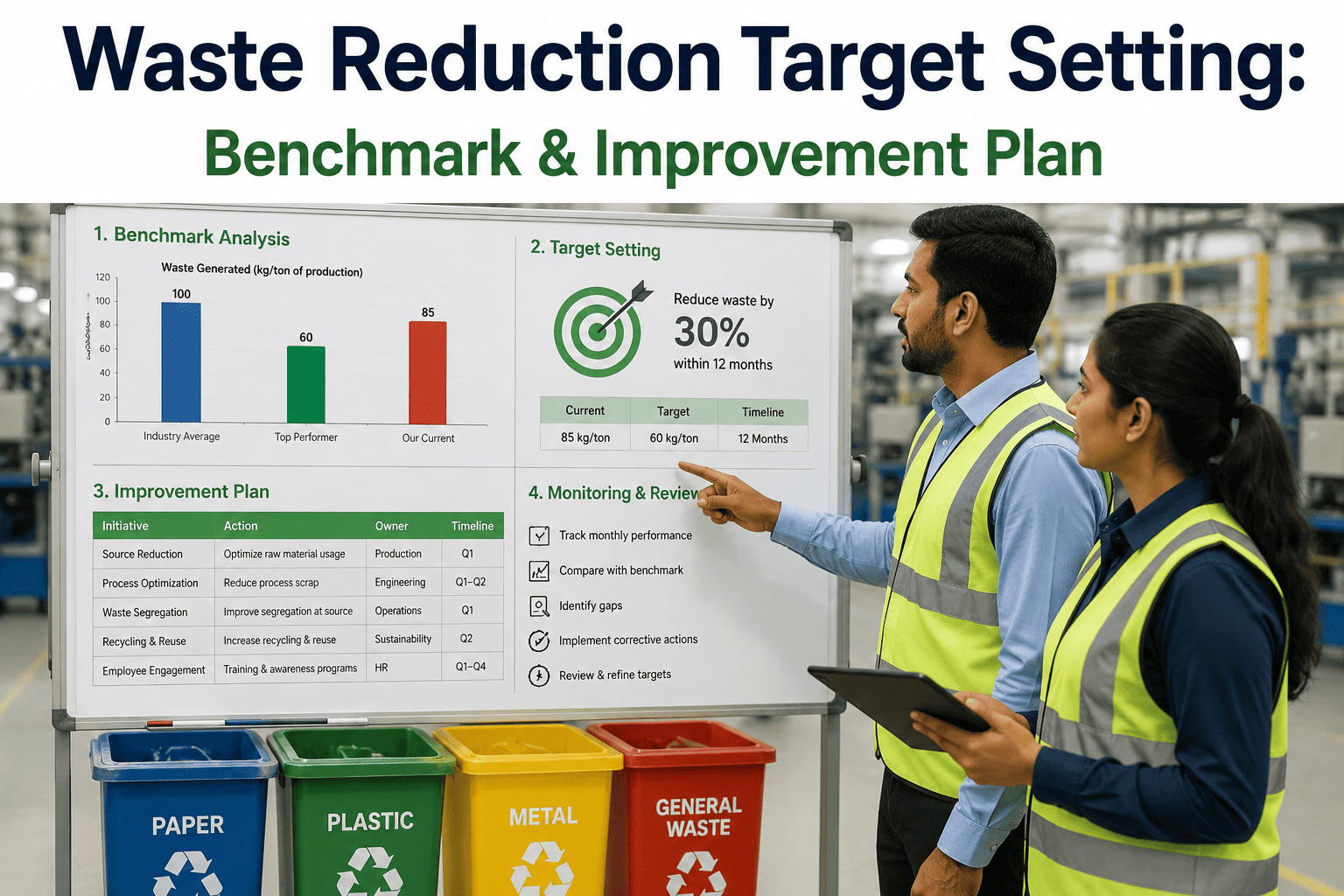
A waste reduction target pulled from an industry benchmark and handed down without context is one of the most common ways a waste program fails before it starts — the number might be technically achievable industry-wide, but if nobody checks it against a specific department's own history, equipment, and fabric mix, it lands as either impossibly aggressive or embarrassingly easy, and either way it fails to actually change behavior on the floor. A target that works has to do two things at once: reflect where the plant realistically stands today, and connect to a specific, named improvement project that explains how the gap actually closes. This guide covers how to benchmark realistically, how to translate a benchmark gap into a concrete improvement plan, and how to build a target-tracking system that catches drift before it becomes a missed year-end number. Mills building a waste reduction roadmap can book a 30-minute demo to see how iFactory tracks target progress and improvement project status against a live waste dashboard.
Waste Reduction Target Setting — Benchmark & Improvement Plan
How to set a waste reduction target that's grounded in real industry benchmarks and a plant's own trailing performance, and how to turn that target into a concrete improvement plan rather than a number nobody knows how to reach.
Why Most Waste Targets Fail Before the Improvement Work Even Starts
A target set purely from an external industry benchmark, with no reference to a plant's own current performance, equipment condition, or fabric mix, is functionally a guess dressed up as a goal. Two mills can carry the same product category and land on very different realistic waste floors depending on machine age, operator experience, and fiber quality consistency from their supply chain — a benchmark number that ignores those differences either sets an unreachable bar that gets quietly abandoned within a quarter, or sets a target so easy it changes nothing about how the floor actually operates.
Benchmarking the Right Way
Start with the plant's own trailing 12-month waste data. This establishes the real baseline a target has to move from, department by department, rather than assuming a plant is starting from an industry-average position it may not actually be at.
Compare against industry benchmark ranges, not a single number. Published waste benchmarks are usually ranges reflecting different technology levels and fabric types — positioning a specific plant honestly within that range matters more than chasing the top-quartile figure immediately.
Segment the benchmark by department, not plant-wide. A plant-wide benchmark comparison hides which specific department is furthest from realistic best practice, which is exactly the information a target-setting exercise needs to prioritize improvement effort.
Account for fabric and product mix differences. A plant running a high share of complex prints or fine-count yarns will realistically carry a higher waste floor than a plant running simple basics, and a fair benchmark comparison has to normalize for that difference.
From Benchmark Gap to Improvement Project
| Benchmark Gap | Likely Root Cause | Improvement Project Type |
|---|---|---|
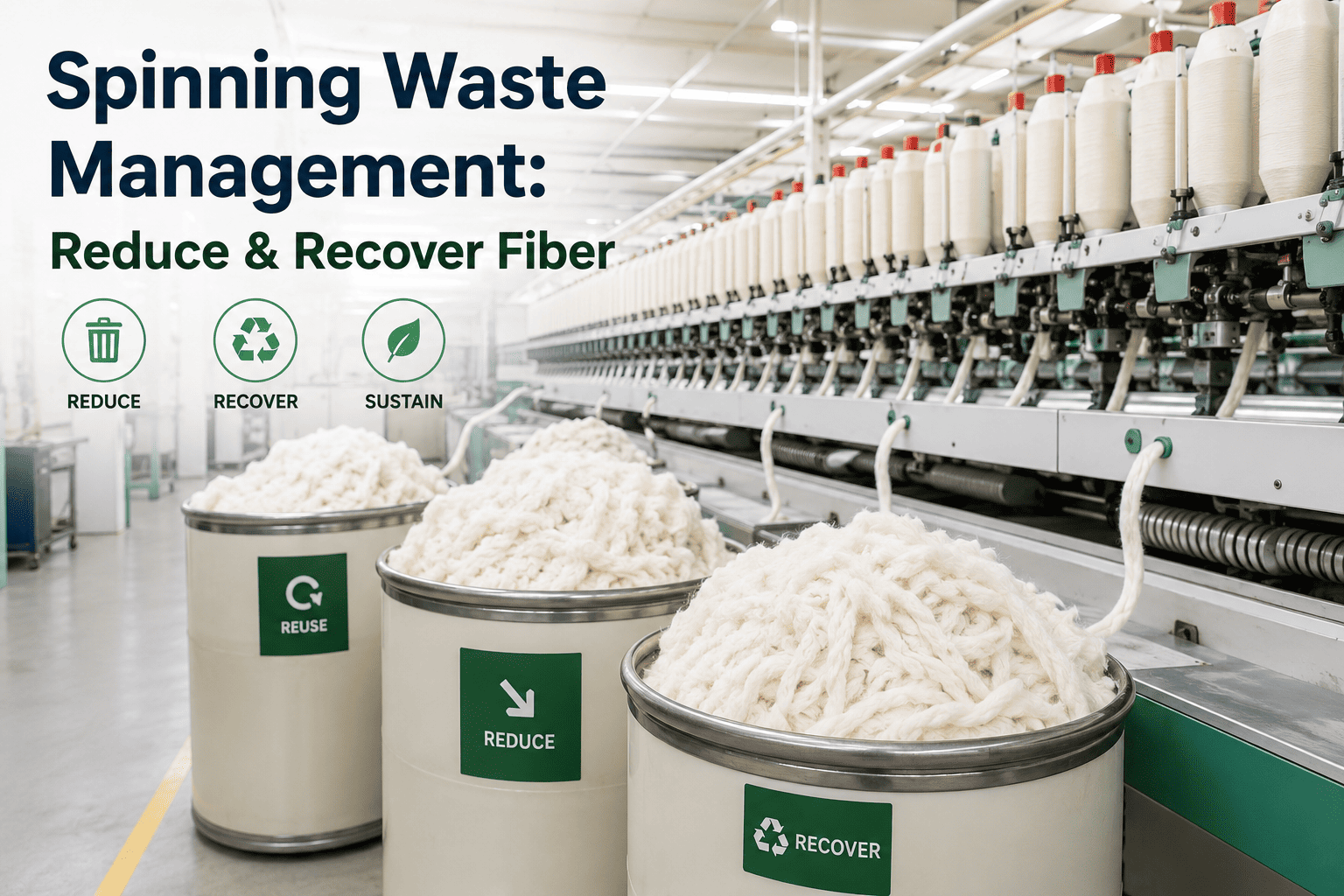
| High waste in spinning versus benchmark | Yarn break frequency, roving waste handling | Machine maintenance schedule review, operator training refresh |
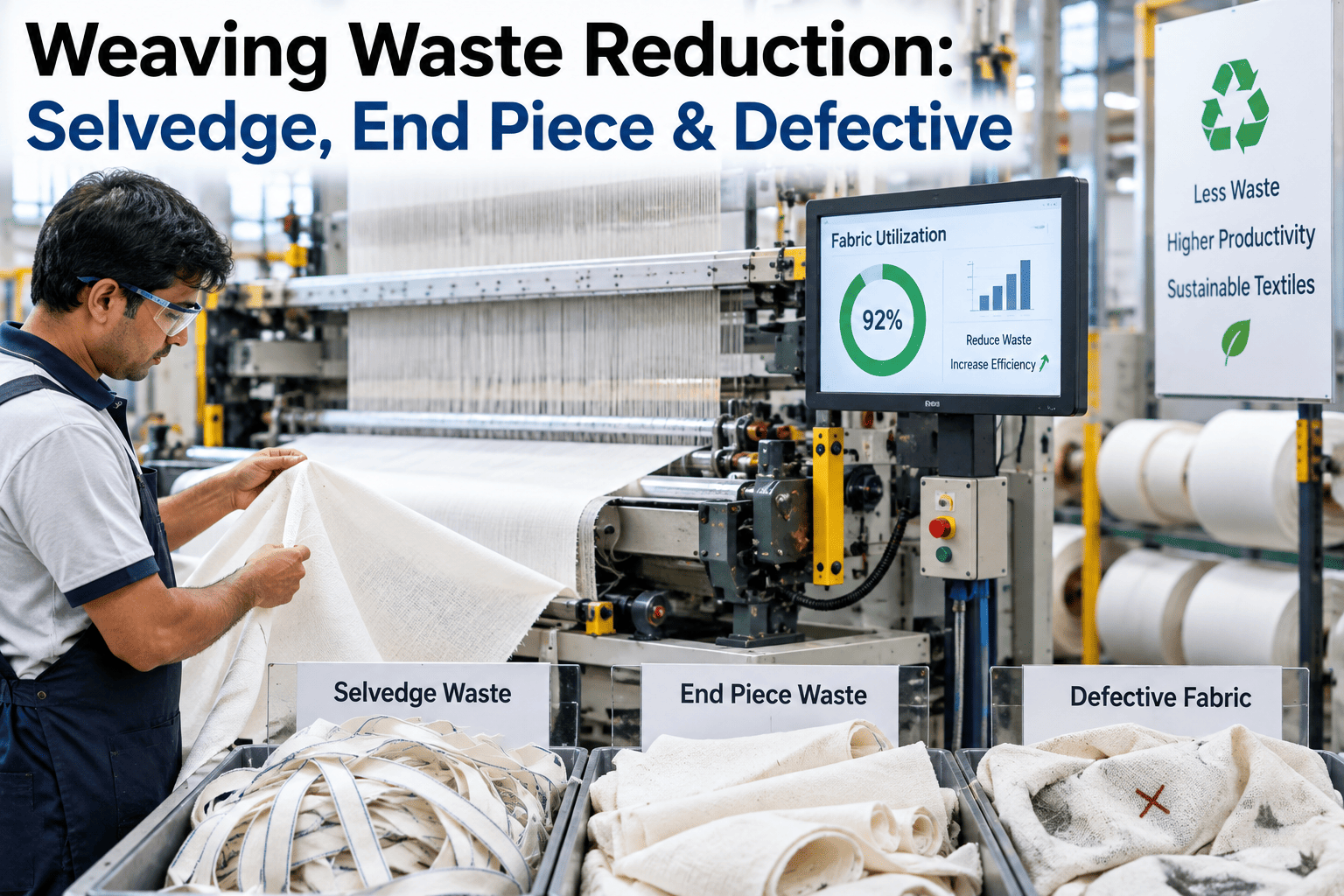
| High waste in weaving versus benchmark | Loom stop frequency, thread break rate | Loom condition audit, yarn quality supplier review |
| High waste in dyeing versus benchmark | Shade reject rate, batch process consistency | Recipe standardization project, process control upgrade |
| High waste in cutting versus benchmark | Marker efficiency, fabric flaw handling | Marker optimization software adoption, fabric inspection tightening upstream |
A target without a named improvement project attached to close the specific gap is a wish, not a plan — the project is what actually changes the number, the target is just the way progress gets measured.
Staging Targets Over Time
Establish accurate baseline data by department and identify the two or three departments furthest from realistic benchmark, since spreading improvement effort too thin across every department at once tends to move nothing meaningfully.
Execute the named improvement project for priority departments, tracking weekly progress against a staged interim target rather than only checking against the final year-end goal.
Review results against the original benchmark gap, lock in the improvement as the new baseline if sustained, and set the next stage of targets from this new, lower starting point rather than resetting back to the original benchmark comparison.
Frequently Asked Questions
Should a waste reduction target be the same industry benchmark number for every department?
No — applying one flat industry benchmark across every department ignores that different processes carry very different realistic waste floors, and different departments in the same plant can be at very different distances from their own achievable best practice. A target set from each department's own trailing baseline, adjusted against a department-specific benchmark range, gives a far more actionable and fair basis for improvement than a single number copied across the whole plant. Contact iFactory Support for help segmenting waste benchmarks by department.
How aggressive should a first-year waste reduction target actually be?
Aggressive enough to require real improvement work, but staged rather than a single large jump — a department at a meaningfully elevated waste level asked to hit best-practice benchmark in one year usually has no credible path there, and an unreachable target tends to get quietly abandoned rather than driving sustained effort. A staged target with interim checkpoints gives the improvement project time to actually take effect and gives the team visible progress along the way rather than only a single pass-or-fail measurement at year end.
What's the difference between a target and an improvement project, and why does the distinction matter?
A target is the measurement — the number a department is trying to reach — while an improvement project is the specific, named set of actions that actually closes the gap, such as a maintenance schedule change, an operator training program, or a process control upgrade. A target set without an attached improvement project tends to function as pressure without direction, since the team knows the number they're supposed to hit but not the specific mechanism expected to get them there. Book a demo to see how targets and improvement projects can be linked and tracked together.
How do fabric and product mix differences affect a fair benchmark comparison?
A plant running a high share of complex prints, fine-count yarns, or intricate constructions will realistically carry a higher waste floor than a plant running simple basics on the same equipment, purely because complexity increases the chance of a defect or process variation at every stage. A benchmark comparison that doesn't normalize for this difference risks setting an unrealistic target for a complexity-heavy plant or an unambitious one for a plant running simpler products, which is why product mix needs to be part of the benchmarking conversation rather than an afterthought.
What should happen if a department's waste trend starts drifting the wrong direction mid-year?
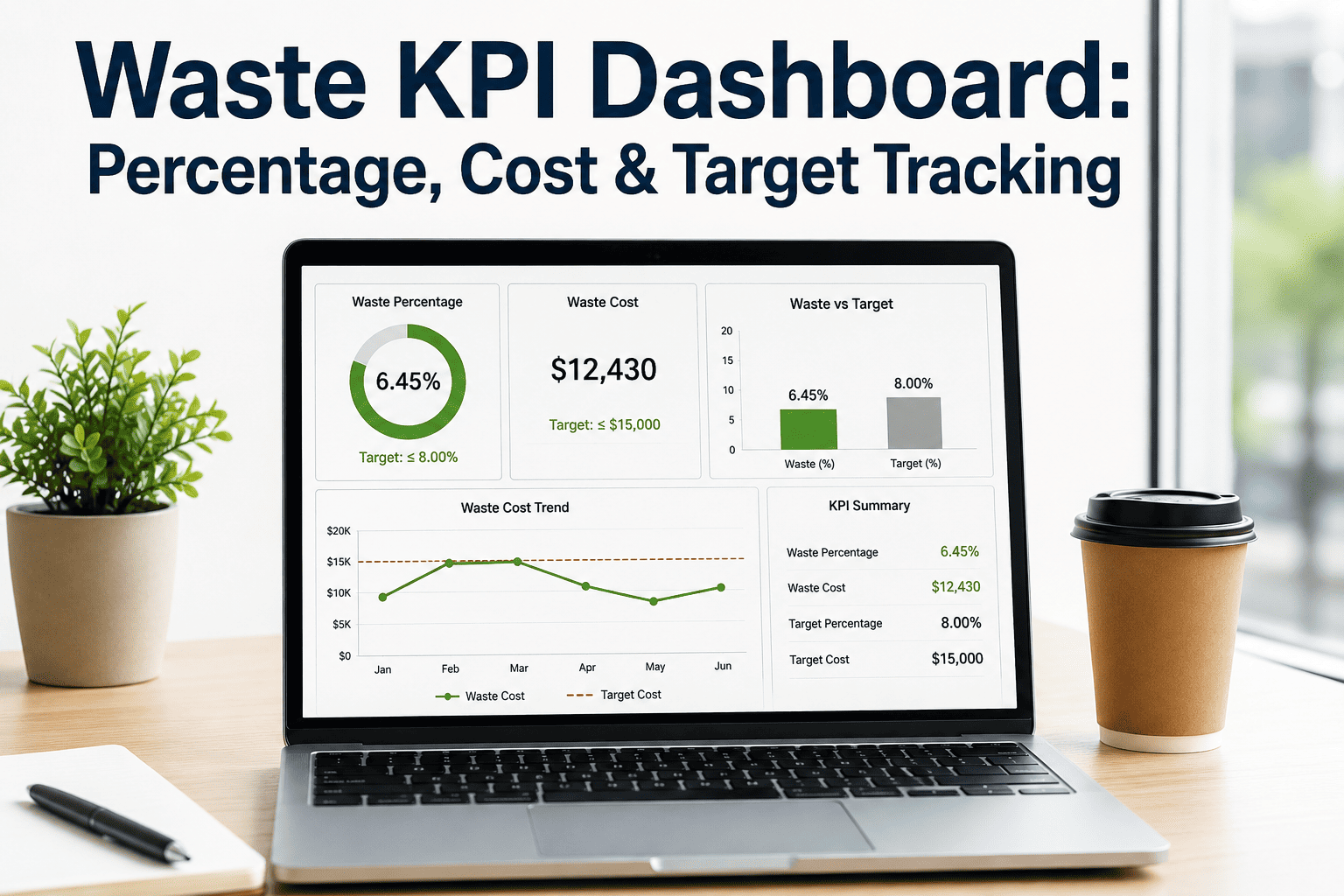
The improvement project and interim checkpoints should be reviewed immediately rather than waiting for the next scheduled quarterly review, since a mid-year drift usually signals either the improvement project isn't being executed as designed or a new root cause has emerged that the original project didn't account for. Catching this early through weekly or monthly tracking is significantly cheaper than discovering the full-year target was missed only at year-end review. Contact iFactory Support for help setting up drift alerts against staged waste reduction targets.
A target without a named project behind it is just a wish.
iFactory ties waste reduction targets to each department's real trailing baseline and connects them to a named improvement project with staged progress tracking, so a benchmark gap turns into an actual plan. A 30-minute demo builds a live view against your own waste data.