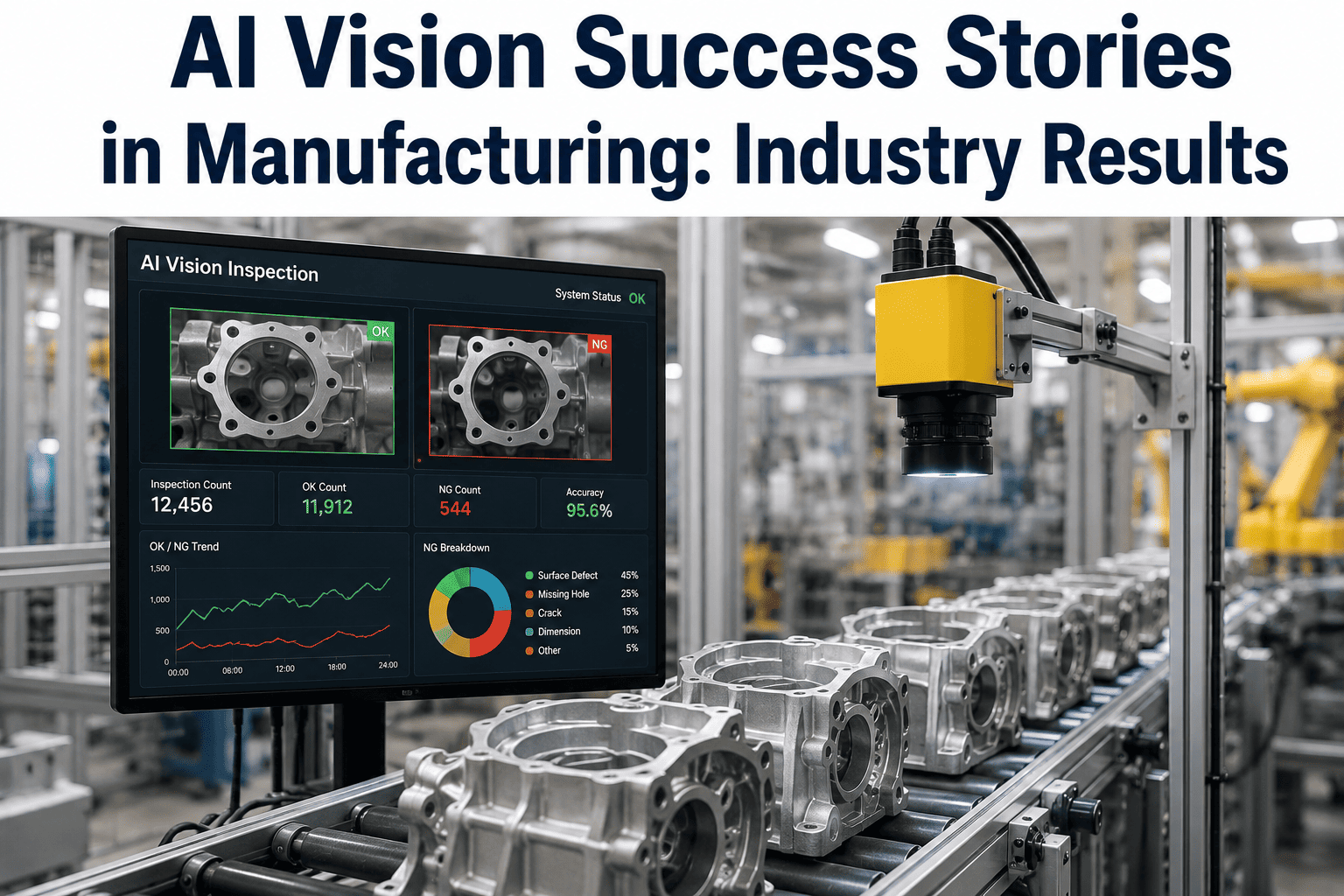
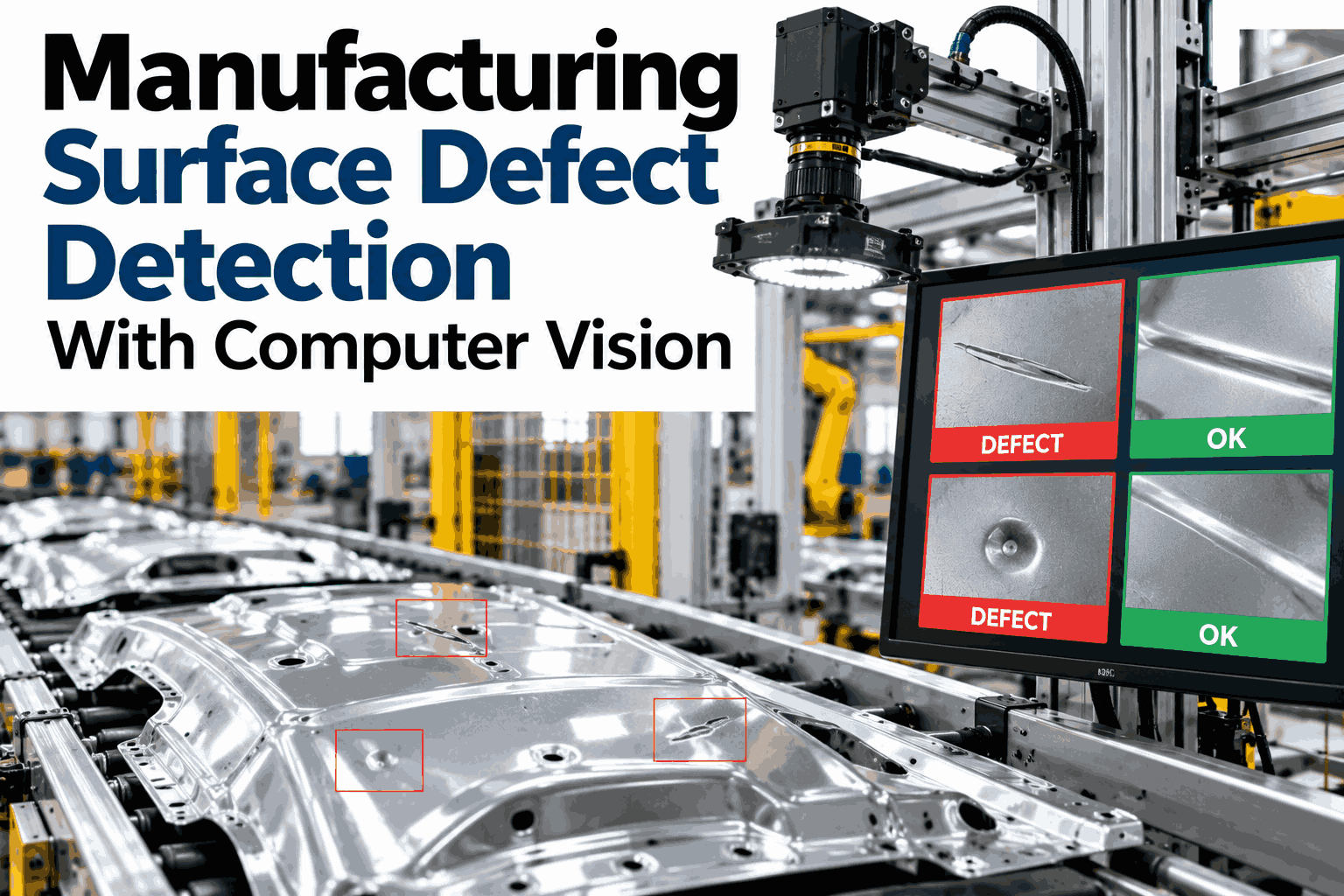
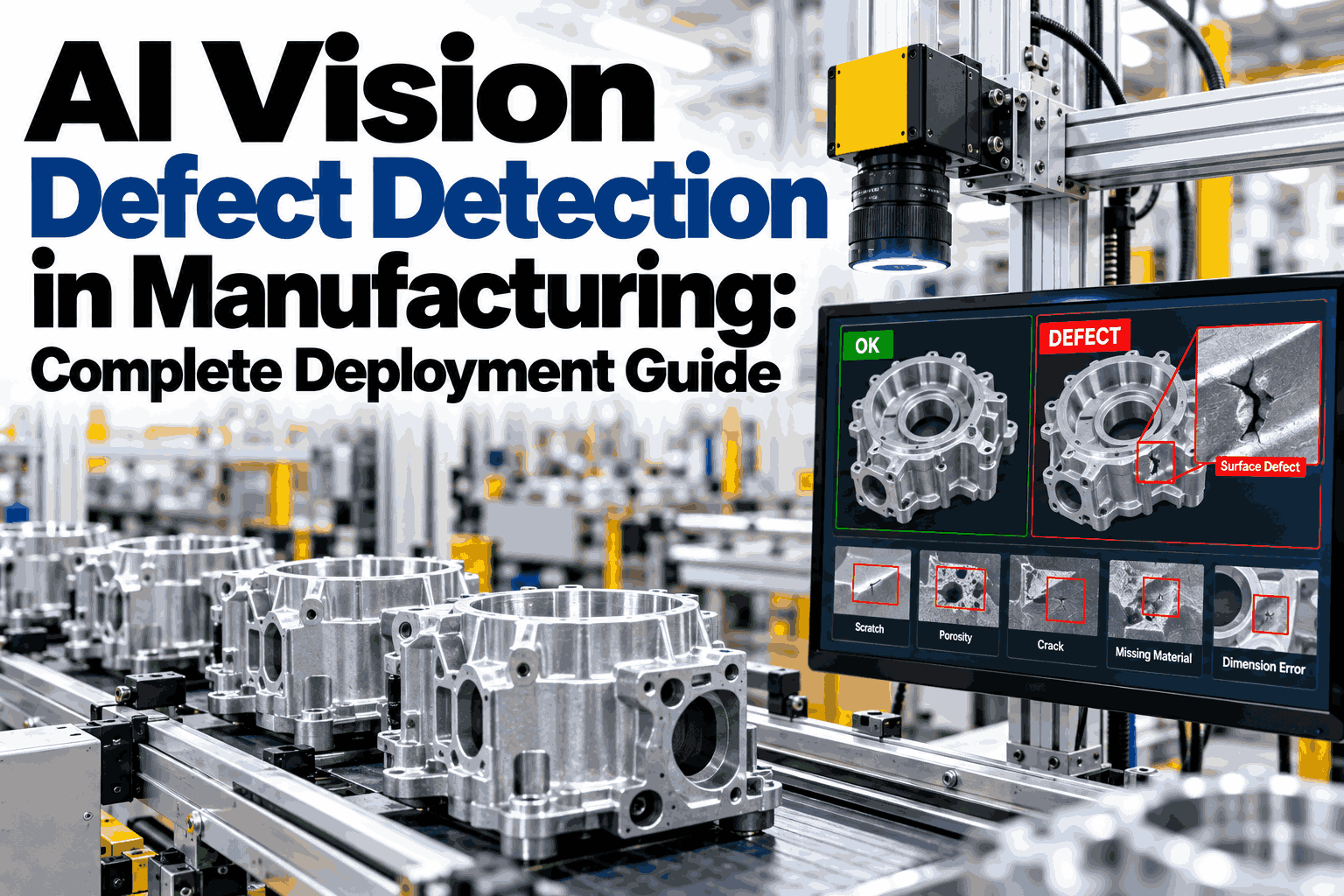
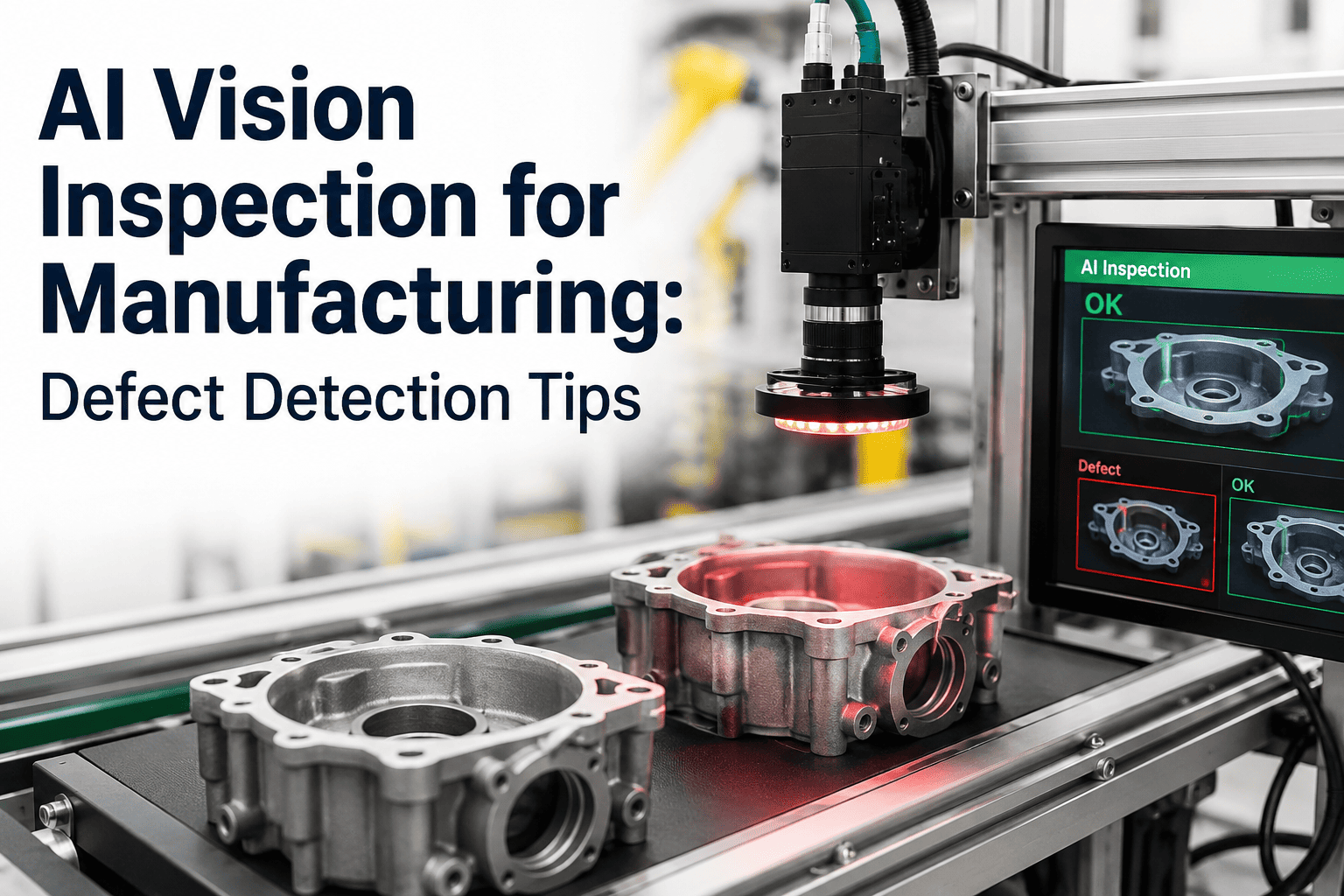
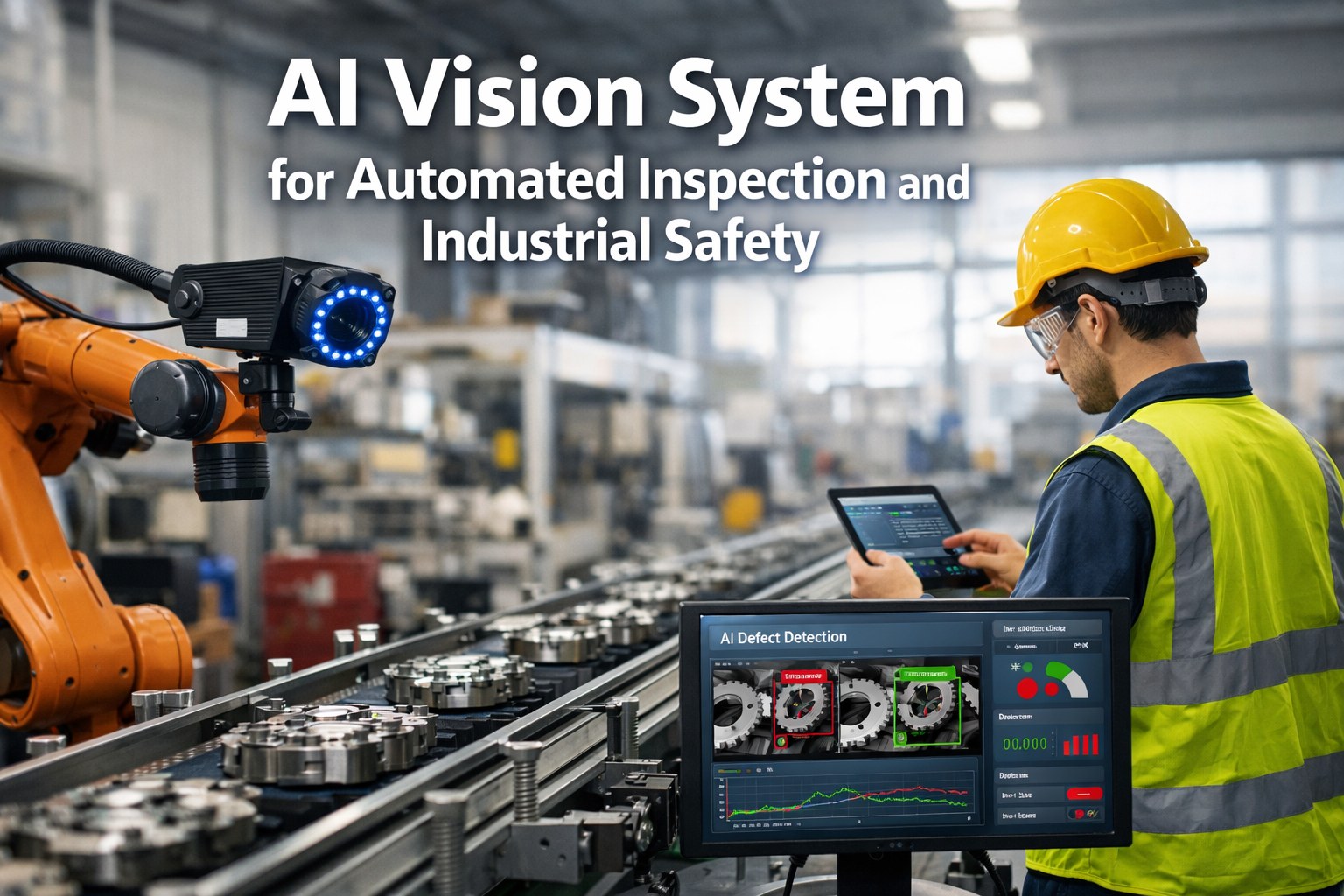
Most plant managers evaluating AI vision inspection have already sat through a vendor demo where a system catches every defect on a perfectly lit sample tray. What they actually want to know is what happens six months later, on a real line, with real lighting variation, real product mix changes, and a real team that has to trust the system enough to stop double-checking it by hand. The gap between a demo and a durable deployment is where most AI vision projects either prove their worth or quietly get abandoned. iFactory has deployed AI vision inspection across multiple manufacturing environments, and this page walks through what actually changed, what took longer than expected, and what made the difference between a pilot and a permanent part of the line. You can book a demo to see results relevant to your own product and defect types.
AI VISION · DEPLOYMENT RESULTS · INDUSTRY OUTCOMES
What Actually Happens After AI Vision Goes Live, Not Just in the Demo
Real deployment outcomes across detection rates, ROI timelines, and the operational lessons learned from putting AI vision inspection into production manufacturing environments.
WHAT DEPLOYED SYSTEMS ACTUALLY DELIVER
The Numbers That Hold Up Once a System Is Running Full-Time
Detection rates from a controlled pilot rarely match what a system sustains once it is running continuously against real production variation, changing lighting, product mix shifts, and the inevitable edge cases a sample set never covered. These are the outcomes that tend to be durable once a deployment matures past its first few months.
95%+
Typical sustained defect detection rate once a system is tuned to production conditions
3-6 Mo
Common window before ROI becomes clearly measurable in reduced escapes and labor reallocation
24/7
Consistent inspection coverage across shifts that manual inspection could not sustain at the same rate
WHERE THE VALUE ACTUALLY SHOWED UP
The Pattern Across Deployments Was Rarely Just "Catches More Defects"
The headline metric in most AI vision conversations is detection rate, but the deployments that stuck around delivered value in a few consistent, less obvious ways as well.
Consistency Across Shifts
Manual inspection quality naturally varies by inspector fatigue and shift, night shift catch rates in particular tend to dip. A vision system applies the same standard around the clock, which plants often value as much as the raw detection improvement.
Freed-Up Inspector Time Redirected to Root Cause Work
Inspectors spending less time on repetitive visual checks were redirected toward investigating why defects occurred in the first place, work that manual inspection volume had never left room for.
Earlier Catch Points Reduced Downstream Rework
Detecting a defect at the point of occurrence rather than at final inspection meant less material moved further down the line before a problem was flagged, cutting rework cost per incident.
Data Trail That Made Root Cause Analysis Faster
Every flagged defect came with an image and timestamp, giving quality teams a searchable record instead of relying on an inspector's memory of what a defect looked like weeks later.
See Results Relevant to Your Product and Defect Types
iFactory walks through deployment outcomes closest to your own production environment and defect profile. Book a demo to see it applied to your specific line.
PILOT VS MATURE DEPLOYMENT
What Changes Between the First Month and the First Year
The gap between a promising pilot and a system the plant fully trusts is almost always about tuning, trust, and integration, not about the underlying detection technology itself.
| Stage |
Early Pilot |
Mature Deployment |
| Detection Accuracy |
High on sample set, variable on live line |
Sustained accuracy tuned to real production variation |
| Operator Trust |
Manual double-checks continue in parallel |
System output relied on directly for line decisions |
| False Positive Rate |
Higher, requiring frequent model adjustment |
Reduced through continued tuning against edge cases |
| Integration |
Standalone alerts reviewed manually |
Flagged results feed directly into line control and MES |
LESSONS THAT SHAPED LATER DEPLOYMENTS
What Successful Rollouts Had in Common
Across deployments, a handful of factors consistently separated the ones that became permanent from the ones that stalled after the initial pilot phase.
Training Data Reflected Real Variation
Models trained on images that included lighting and product variation performed far more reliably than those trained only on ideal samples.
Operators Were Involved Early
Lines where operators helped flag missed detections during tuning reached trusted accuracy faster than lines where tuning happened without floor input.
Success Was Measured Beyond Detection Rate
Teams that tracked labor reallocation and rework reduction alongside detection rate built a stronger business case for expansion.
Rollout Was Phased by Line, Not Plant-Wide
Starting with one line and expanding based on proven results reduced risk and built internal confidence faster than a full plant rollout at once.
FREQUENTLY ASKED QUESTIONS
Questions Ops Leaders Ask Before Committing to a Rollout
How long does it typically take to go from pilot to a trusted, mature deployment?
Most deployments move from pilot to a level of accuracy operators fully trust within three to six months, though this depends heavily on how much production variation the training data captures early on. Lines with more consistent product and lighting conditions tend to reach maturity faster than highly variable environments.
Book a demo to discuss a realistic timeline for your specific line.
What made the difference between deployments that stuck and ones that got abandoned?
The clearest pattern was operator involvement during tuning, lines where floor staff actively flagged missed detections and false positives reached trusted accuracy far faster than lines where the system was tuned in isolation by an engineering team. Deployments that measured value beyond raw detection rate also tended to build stronger internal support for continuing.
Contact our support team to review a rollout approach built around operator involvement.
Do results vary significantly by industry or product type?
Yes, defect visibility, product consistency, and line speed all affect how quickly a system reaches high accuracy, a highly repetitive product with clear visual defects typically sees faster results than a highly variable or low-contrast product. This is why results are best reviewed against your specific product and defect profile rather than a generic industry average.
Book a demo to see outcomes closest to your own product type.
How is ROI actually measured across these deployments?
ROI is typically measured across a few dimensions together, reduced customer escapes, labor hours redirected from manual inspection to higher-value work, and reduced rework cost from catching defects earlier in the process. Looking at only one of these tends to understate the full value a mature deployment delivers.
Contact our support team to review an ROI framework for your operation.
Can we start with a single line before committing to a plant-wide rollout?
Yes, and the deployments described here consistently show that starting with one line and expanding based on demonstrated results reduces risk and builds stronger internal buy-in than attempting a full plant rollout from the start. Most successful multi-line rollouts followed this exact phased pattern.
Book a demo to scope a phased rollout for your plant.
See What a Mature AI Vision Deployment Looks Like on Your Line
iFactory builds AI vision inspection tuned to your real production conditions, not a demo sample tray. Book a demo to see results relevant to your product and defects.