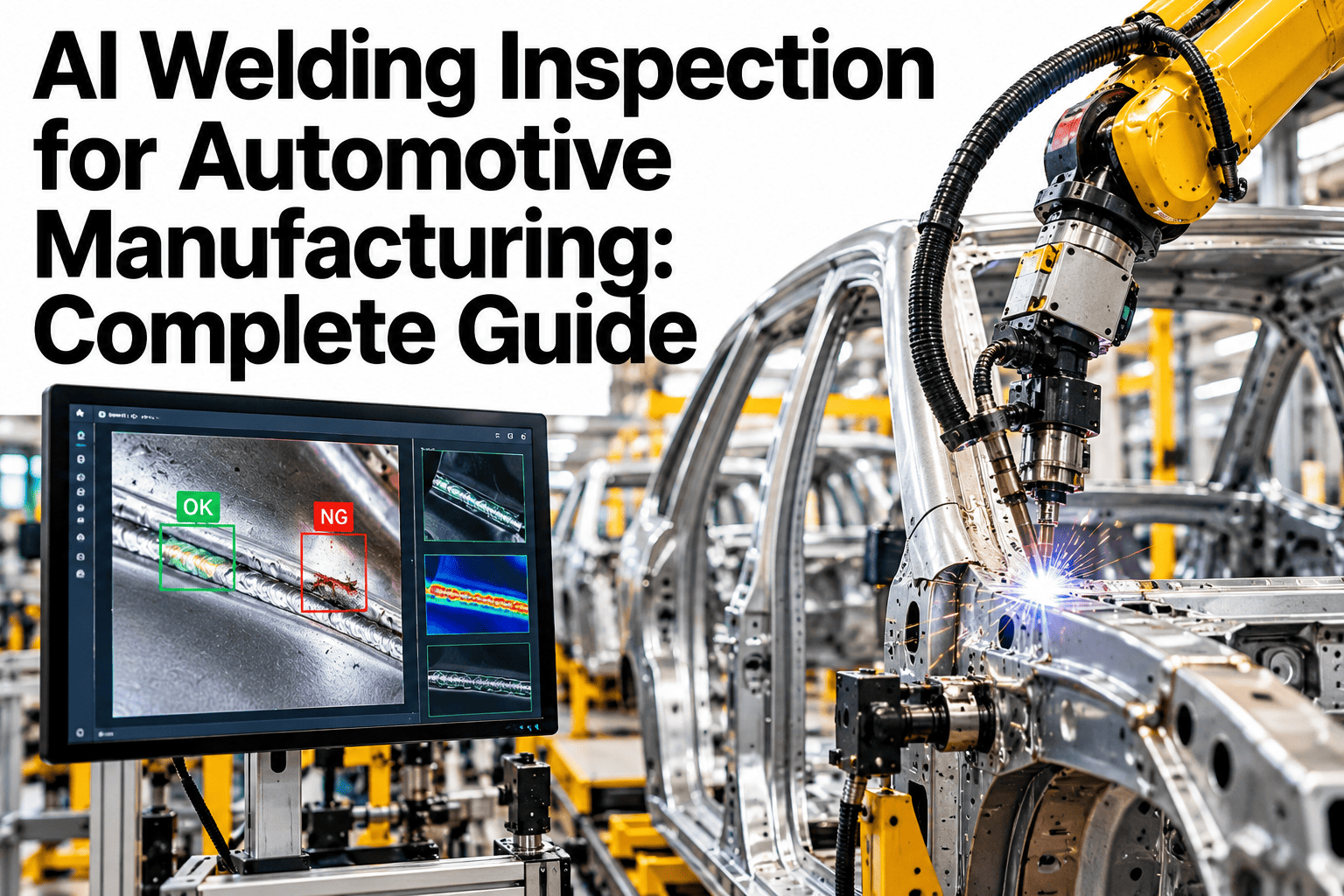
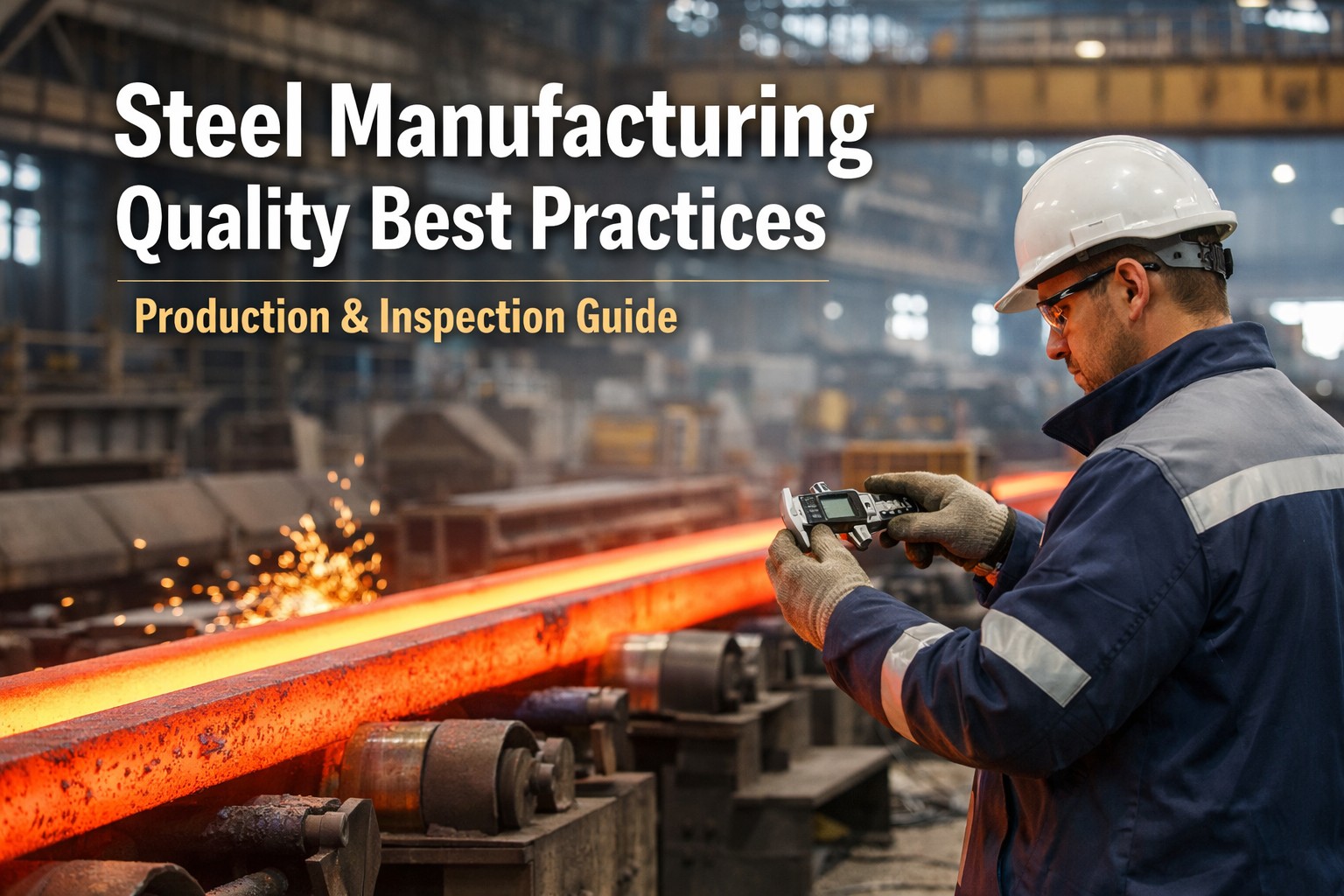
Welds hold a vehicle together, and a missing or weak weld may not show until a part is stressed on the road or in a crash. Many plants still check welds by sampling, using destructive tests and visual inspection on only a few parts. AI welding inspection watches every weld, using cameras and process data to spot defects as they occur. The result is wider coverage, faster feedback and a clear record for each vehicle. To see how this fits your body shop, you can review a weld inspection plan with our team.
AI welding inspection for automotive
Check Every Weld on Every Vehicle, Not Just the Ones You Sample
iFactory AI combines vision and process data to find weld defects early, cut repairs and give automotive plants a traceable record of each joint.
Illustrative: share of welds checked
All
Vision plus process data
Why welds matterA Single Weld Can Carry a Lot of Responsibility
Welded joints influence strength, durability, noise and crash behaviour. That makes weld quality a safety and cost issue at once.
Strength
Joints must carry loads for years
Safety
Crash performance depends on good welds
Durability
Weak joints fatigue and fail early
Cost
Late-found defects mean expensive repair
Finding a defect at the station costs far less than finding it after paint, assembly or delivery.
Weld typesFour Weld Processes You Will Meet in a Body Shop
Each process fails differently, so inspection has to match the process.
1
Resistance spot welding
The workhorse of body-in-white. Quality depends on current, force, time and electrode condition.
2
Arc seam welding
MIG or MAG beads join thicker parts and brackets. Bead shape and surface quality matter.
3
Laser welding
Fast, narrow welds with tight positioning needs. Alignment and seam tracking are key.
4
Projection and stud welding
Fasteners and nuts welded to panels. Presence and position are the main checks.
What can go wrongCommon Weld Defects and How AI Looks for Them
| Defect | Typical cause | How AI helps |
|---|
| Missing weld | Program error, misfeed or gun fault | Vision checks presence at each location |
| Weak or undersized spot weld | Worn electrode, low current or poor fit-up | Process signals flag unusual current or resistance |
| Porosity or voids in seam | Contamination or shielding gas problem | Vision spots surface porosity and bead irregularities |
| Undercut or burn-through | Heat input or travel speed problem | Vision measures bead shape and edges |
| Spatter | Settings drift or contamination | Vision counts and locates spatter |
Some internal defects cannot be seen from the surface. AI inspection complements, and does not fully replace, destructive and ultrasonic testing.
See AI Check Every Weld on Your Line
Share your weld types and defect history and see how iFactory AI would add vision and process monitoring to your stations.
Two approachesVision on the Weld and Signals From the Process
Most strong designs combine two ways of watching a weld.
Vision inspection
Cameras look at the finished weld or bead
Good for presence, position and surface defects
Works on seams, studs and visible joints
Gives images as evidence
Process monitoring
Reads current, voltage, force and time
Good for spot weld quality trends
Detects electrode wear and drift early
Works even when the weld is hard to see
Together they cover both what the weld looks like and how it was made.
From weld to verdictFour Steps Every Weld Goes Through
1
Weld
The robot or gun makes the joint and records process data.
2
Capture
Cameras image the weld and the controller sends its signals.
3
Analyse
Models compare the weld with good examples and expected signals.
4
Decide
The part passes, goes to repair or triggers an alert.
The decision should reach the station in seconds so repairs and process fixes begin before more parts are affected.
Sampling versus full coverageWhat Changes When Every Weld Is Checked
Sampling shows trends but misses individual faults. This illustrative comparison shows the difference.
Sampling-based checks
Consistency between inspectors
AI on every weld
Consistency between inspectors
The bars are illustrative. Real results depend on weld types, access for cameras and the data available from your controllers.
Connecting systemsLink Weld Data to Your Line and Quality Systems
Inspection results gain value when they reach the people and systems that act on them.
Weld controllersVision camerasLine PLC
AI weld inspection platform
Repair stationQuality systemVehicle traceability
Traceability by vehicle and weld position helps answer customer and audit questions quickly. To plan the data flow, ask our team about weld data connections.
KPIsSeven Measures That Show Whether Weld Inspection Is Working
| KPI | What it shows | Why track it |
|---|
| First-pass yield | Share of vehicles with no weld repair | Overall weld quality |
| Missed weld rate | Defects found after the station | Effectiveness of inspection |
| False reject rate | Good welds flagged as bad | Waste and operator trust |
| Weld coverage | Share of welds checked | Gaps in protection |
| Repair rate and time | How many parts need rework and for how long | Cost of defects |
| Electrode life and dressing events | Wear patterns on spot welding | Maintenance planning |
| Time to detect a drift | How quickly a trend is flagged | Speed of response |
RolloutFive Steps From Pilot Station to Plant Standard
1
Pick a pilot station
Choose a station with frequent defects or high risk.
2
Collect examples
Gather good welds and defects with their data.
3
Run in monitor mode
Compare AI results with current checks.
4
Switch on decisions
Start routing parts and raising alerts.
5
Scale and standardise
Extend to other stations and models.
Weld types and locations listed
Defect history by cause
Camera access and lighting reviewed
Controller data available
Targets for misses and false rejects
Owners from body shop and quality
Expert reviewWhat a Body Shop Quality Engineer Would Check First
Expert review
Weld inspection earns trust when it is honest about what it can and cannot see. Pair vision and process data, and keep destructive and ultrasonic tests for what they do best.
VerdictStrong for presence, position, bead quality and process drift on key welds.
Watch forClaims that AI replaces all destructive testing.
Do nextPilot on one station and compare results with current inspection findings.
Frequently asked questionsWhat Automotive Teams Ask About AI Welding Inspection
Can AI replace destructive weld testing?
Not entirely. Destructive and ultrasonic tests still confirm internal quality and validate the process. AI adds continuous coverage of every weld through vision and process data, which helps detect problems early and direct testing where it matters. Customer standards define what is required.
Discuss testing strategy.
What cameras and access do we need?
It depends on the weld type and part geometry. Some welds are easy to image on the station, while others need robot-mounted cameras or extra stations. A short survey of your cells shows where views are possible and what lighting is needed.
Ask about camera layouts.
How does it handle spot weld quality?
Spot weld quality is mostly judged from process signals such as current, force, time and resistance, since the nugget is inside the joint. AI learns normal signal patterns and flags weak or unusual welds, and tracks electrode wear to plan dressing and replacement.
See spot weld monitoring.
Will it increase false rejects?
It can if poorly tuned, which is why pilots measure both missed defects and false rejects against your own parts. Tuning, good lighting and clear reference examples keep false rejects low. Operators can review flagged welds and feedback improves accuracy.
Ask about false reject control.
Can results be linked to each vehicle?
Yes. Results can be stored against vehicle or part identifiers and weld positions, so you can trace a weld decision later. This helps with customer queries, audits and root-cause analysis, provided identifiers are available from your line systems.
Plan traceability setup.
Full coverage, fewer repairs
Give Every Weld a Verdict and a Record
Book a session with iFactory AI to review your weld processes, choose where to start and see how AI can cut repairs while raising confidence in every joint.