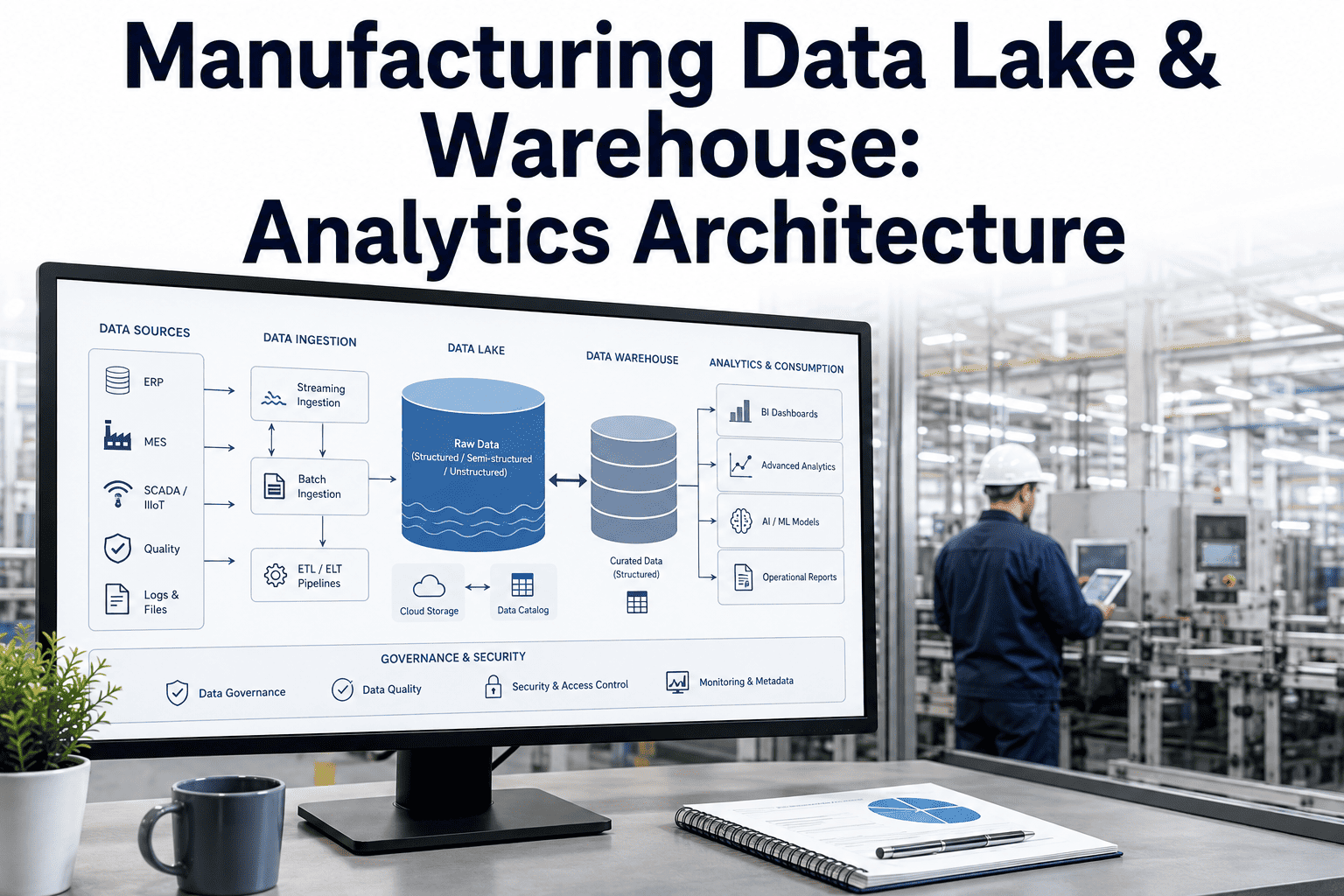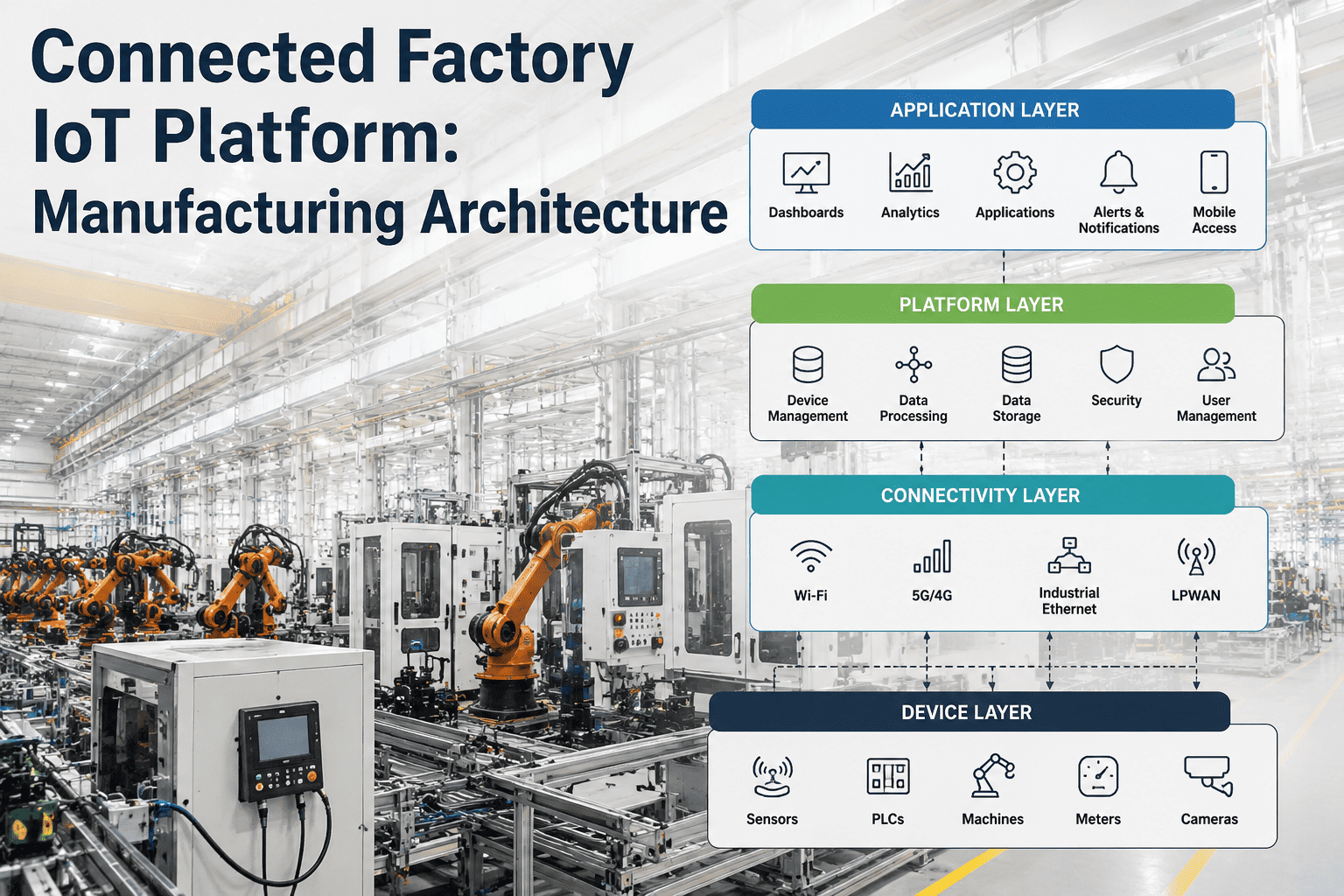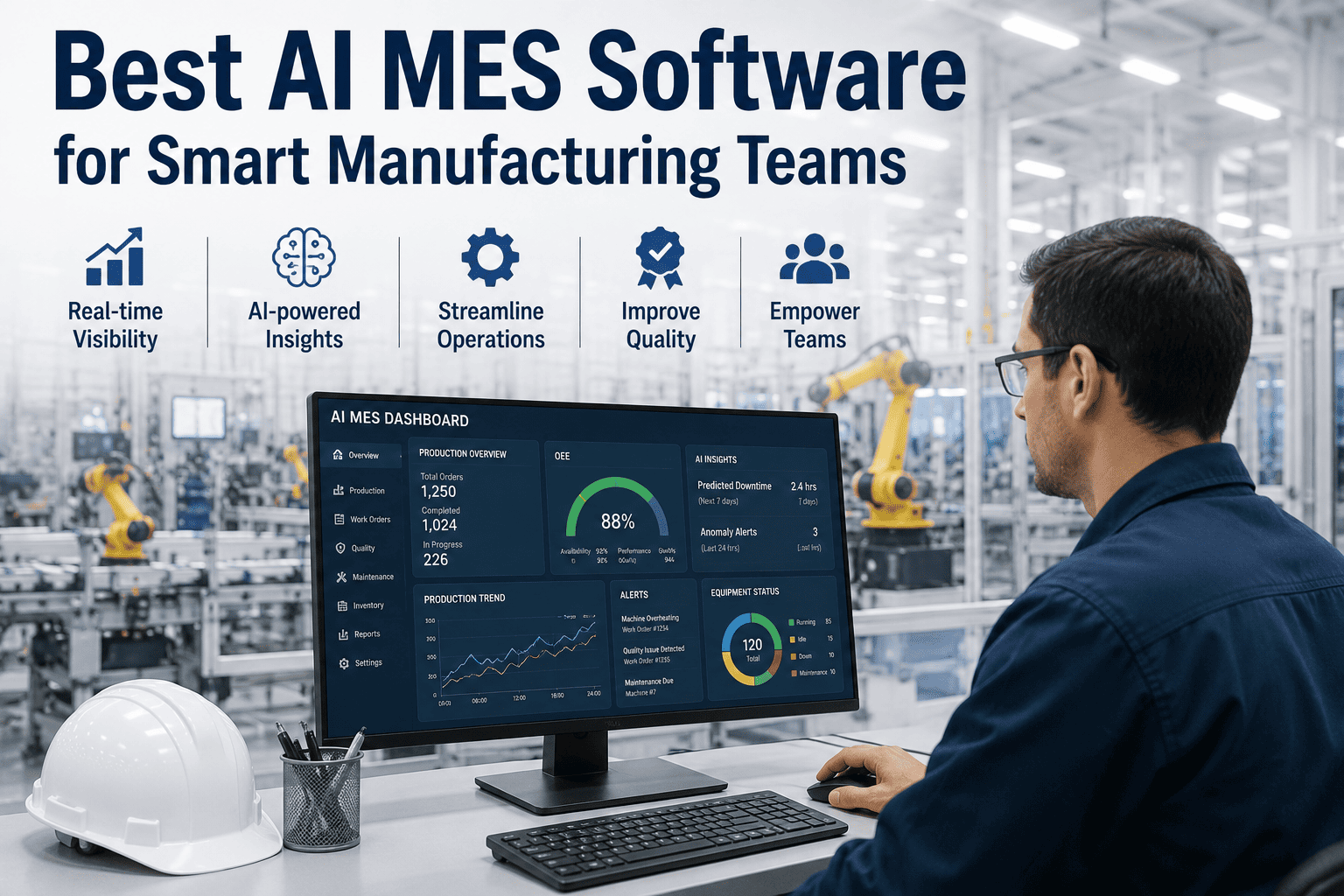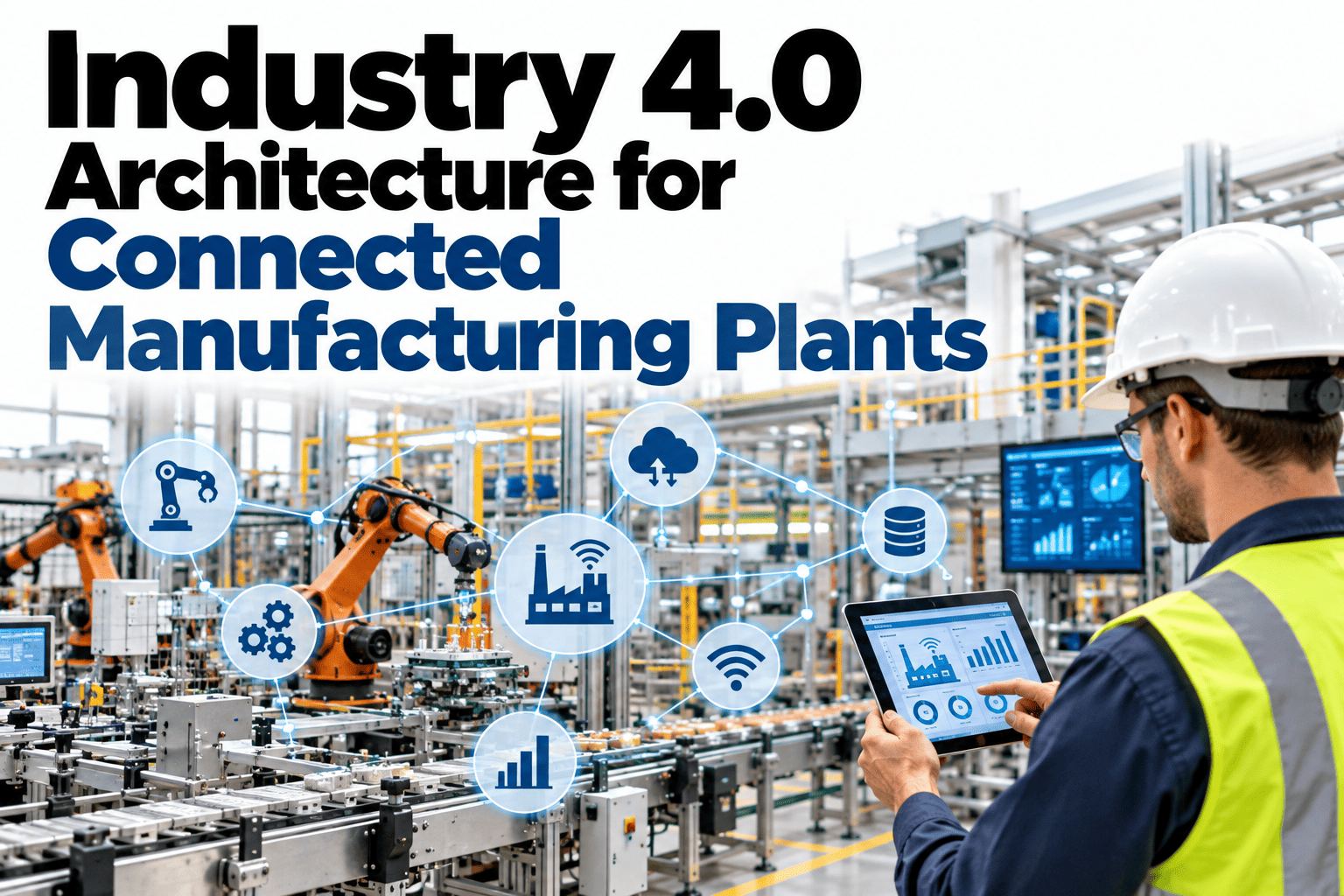
Industry 4.0 gets discussed as a single destination, a fully connected smart factory, when it is really a layered architecture that has to be built level by level. A plant can have excellent sensors on the floor and still be disconnected, because the layer that should move that data from machine to business system was never built or was built inconsistently across lines. Understanding which layer is actually missing, rather than buying another point solution, is usually the fastest way to make real progress, and plants can map their own architecture gaps in a short session.
Five Layers Stand Between a Sensor and a Business Decision
iFactory AI bridges the layers that are usually missing, connecting field data all the way through to decisions, without requiring a full architecture rebuild.
Why the Layer Model Still Matters
This layered view, rooted in long-standing automation standards, still holds because it describes a real handoff problem: data generated at the sensor has to pass through several systems before it becomes a decision a plant manager can act on.
| Layer | Function | Typical Protocol | Common Gap |
|---|---|---|---|
| L0 — Field Devices | Sensors, actuators, meters | 4-20mA, digital I/O | Older sensors with no digital output |
| L1 — Control | PLCs executing logic | Modbus, proprietary | Mixed-vintage PLCs with inconsistent protocols |
| L2 — Supervisory | SCADA, HMI visibility | OPC UA, proprietary | SCADA data trapped on one line, not shared plant-wide |
| L3 — Operations | MES, scheduling, quality | MQTT, REST APIs | MES exists but isn't fed reliable real-time data |
| L4 — Business | ERP, planning, reporting | REST APIs, databases | ERP numbers lag actual floor conditions by days |
Find Out Where Your Handoff Actually Breaks
Book a 30-minute session and iFactory AI will trace your data from sensor to business system to find the missing link.
Edge vs Cloud: Where Processing Happens
Connected architecture is not only about data movement, it is also about deciding where computation happens. Edge processing keeps time-critical decisions close to the equipment, while cloud processing handles aggregation and longer-horizon analysis.
Runs close to the machine for vision inspection, control adjustments and anything needing a millisecond response, independent of network conditions.
Handles multi-site rollup, longer-horizon trend analysis and reporting where a few seconds or minutes of latency makes no practical difference.
Common Architecture Gaps in Existing Plants
These patterns show up repeatedly when a plant's architecture was built incrementally rather than designed as a whole.
Before and After: Closing the Layer Gap
One plant measured how long it took floor conditions to reach a business decision, before and after bridging the L2-to-L3 handoff that had been missing.
Where iFactory AI Fits
iFactory AI is built to bridge the layers that are usually missing, without requiring every existing system to be replaced.
Protocol-Agnostic Connection
Connects to a mix of legacy and modern equipment protocols across L0 and L1 without a single required standard.
Unified Supervisory Layer
Brings SCADA-level data from multiple lines into one consistent view instead of isolated per-line systems.
Real-Time MES Feed
Keeps operations-level data current rather than relying on end-of-shift manual entry.
Business System Integration
Pushes validated floor data into ERP and planning systems close to real time, not days later.
Reviewed by iFactory AI's Solutions Architecture team for accuracy against current Industry 4.0 architecture practice. The layer model and protocol examples here are general reference points; actual protocols and gaps vary by equipment vendor and plant history, and should be confirmed through an on-site architecture assessment.
Frequently Asked Questions
Do we need to rebuild our whole architecture at once?
No, and attempting that usually stalls progress. Identifying and fixing the specific broken handoff, often between two adjacent layers, delivers value faster than a full architecture redesign and gives a working pattern to extend to other lines. Support can help identify your highest-impact gap first.
What if different lines use completely different protocols?
This is common in brownfield plants and is addressed through protocol gateways rather than forcing every line onto one standard, which would require replacing working equipment unnecessarily.
Does edge processing mean we don't need cloud at all?
Not necessarily. Edge handles the time-critical decisions, while cloud remains valuable for multi-site reporting and longer-term trend analysis, so most plants end up using both rather than choosing one exclusively. See how this splits for your own plant in a short session.
How does this affect our existing SCADA system?
Existing SCADA systems are typically kept in place and connected into the broader architecture rather than replaced, since they already serve their supervisory function well at the line level.
What's a realistic first step for a plant just starting out?
Mapping your current data flow from field devices through to your business system usually reveals the one broken handoff that is limiting the most value, and that becomes the starting point. Ask support about a starting architecture review.
Connect the Layer That's Actually Holding You Back
iFactory AI bridges the gaps between field data and business decisions. Book a walkthrough to map your own plant's architecture.