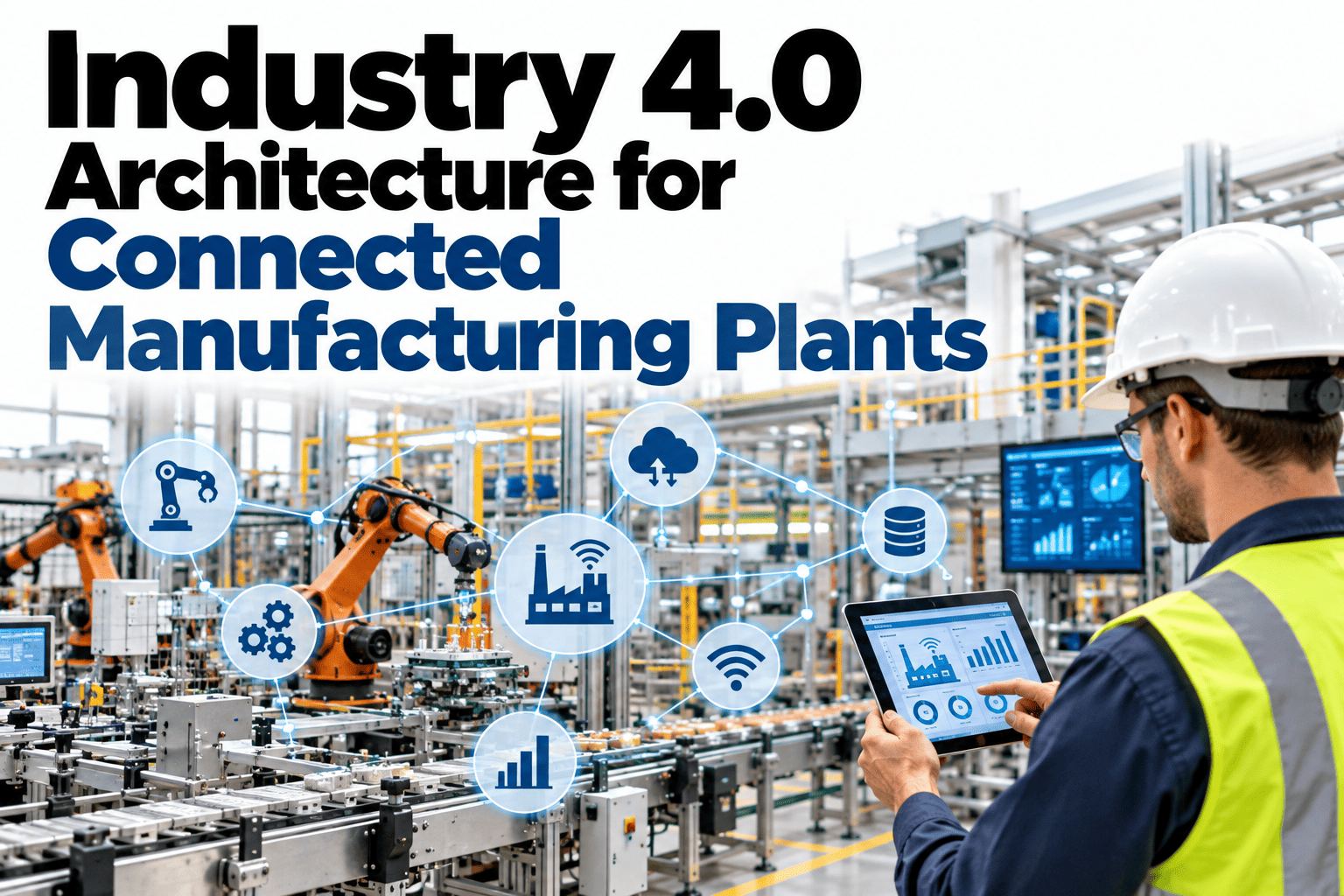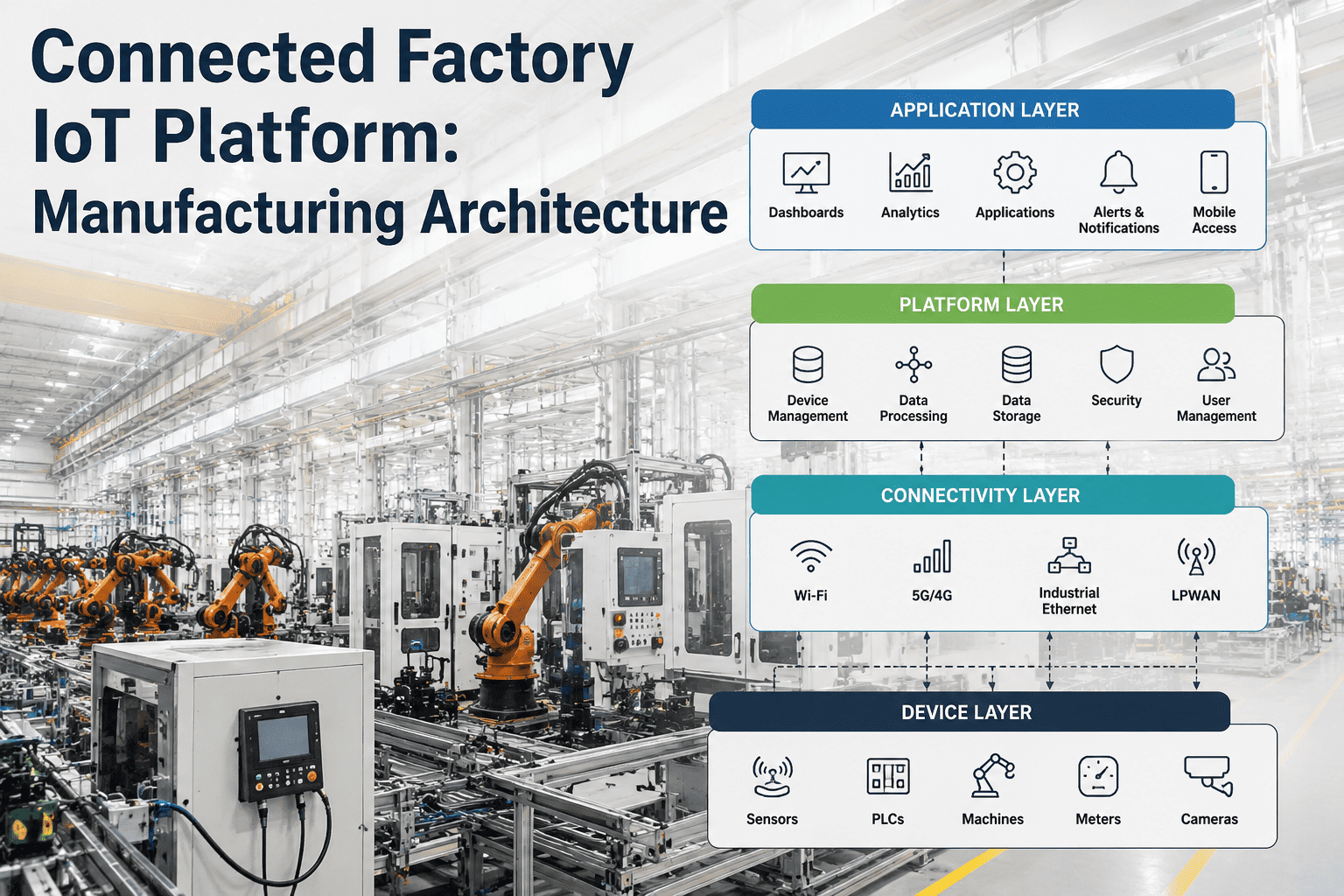
A connected factory is not defined by how many sensors are installed, it is defined by whether data from those sensors ever reaches a decision in time to matter, and that depends entirely on the architecture sitting between the machine and the person who needs to act. Plants that bolt IoT sensors onto equipment without a deliberate layer structure usually end up with a flood of raw readings nobody has time to interpret, while plants that get the layering right turn the same sensors into instant local reactions and long-term trend insight at the same time. Getting the architecture right the first time avoids a costly re-platforming exercise two years in. See how a layered IoT architecture applies to your facility at ifactory support.
Build an IoT Architecture That Scales Past One Pilot Line
A sensor-to-cloud platform architecture with local edge intelligence for millisecond decisions and centralized analytics for fleet-wide insight, connected to your existing PLCs and MES.
Why Sensor Count Is the Wrong Metric for a Connected Factory
It is tempting to measure IoT progress by counting installed sensors, but a facility with three thousand connected points and no architecture behind them is often less useful than one with three hundred points feeding a properly layered system. The value of a connected factory comes from what happens to the data after it leaves the sensor, not from the sensor itself. A vibration reading that never gets compared against a baseline is just a number sitting in a database.
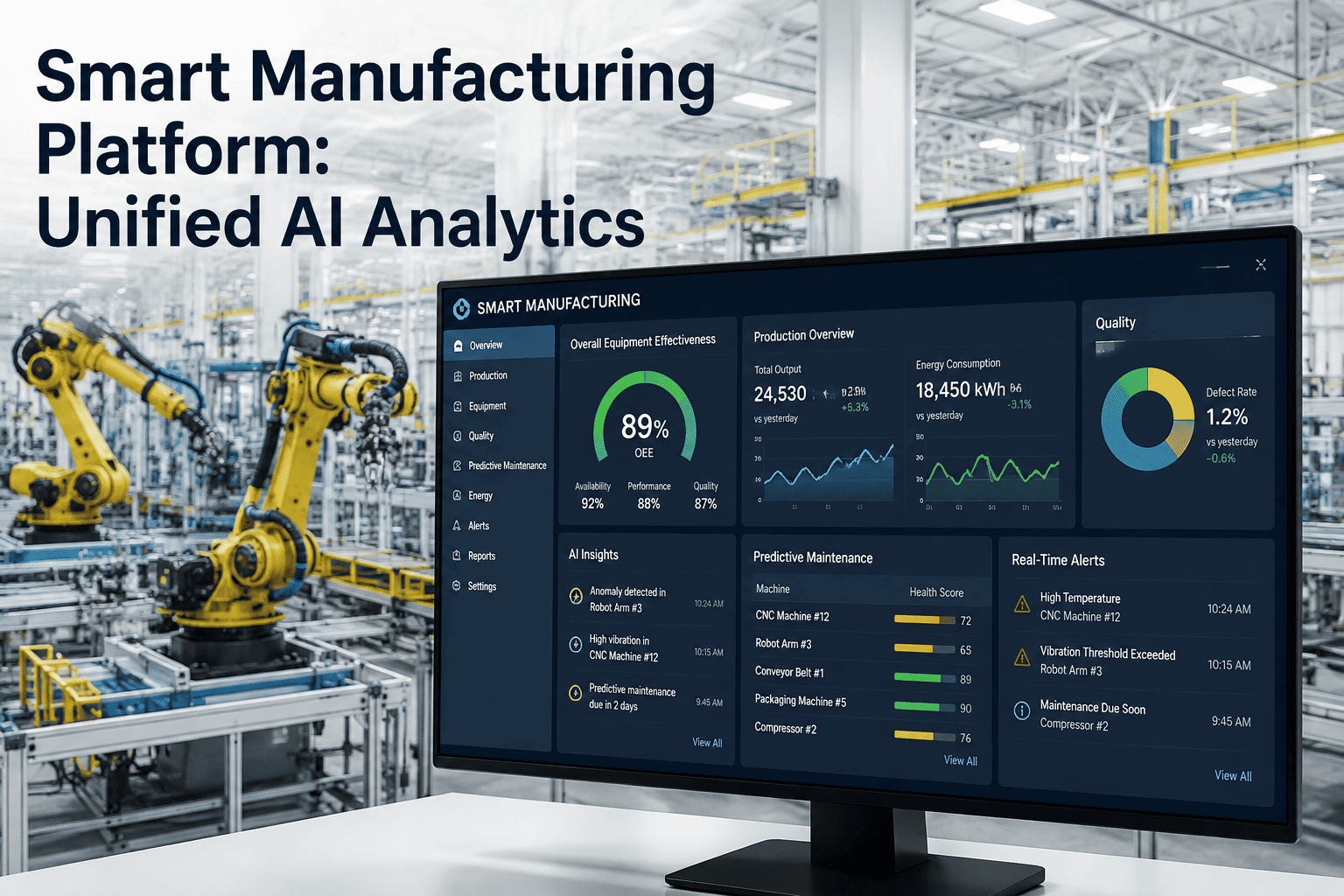
The architecture question comes down to where processing happens. Some decisions need to happen in milliseconds, close to the machine, with no dependency on network connectivity. Others benefit from being pooled across an entire fleet of machines or plants, which only a centralized system can do. Building both into the same platform, rather than choosing one over the other, is what separates a connected factory that actually changes daily operations from one that just generates a dashboard nobody opens.
The Five-Layer Reference Architecture
A working connected factory platform is best understood as a stack, with each layer responsible for a different job and a different speed of response.
Edge and Cloud Are Not Competing Choices
A common early mistake is treating edge computing and cloud analytics as a decision between two architectures, choosing one and abandoning the other. The two solve fundamentally different problems and are strongest working together, with the edge layer handling anything time-critical or safety-related, and the cloud layer handling anything that benefits from seeing data across many machines or plants at once.
See Where Your Current IoT Setup Has Gaps
Bring your current sensor and system inventory and we will walk through how a full layered architecture would connect it end to end.
Common Connectivity Protocols by Layer
| Layer Connection | Common Protocol | Why It Fits |
|---|---|---|
| PLC to Edge Gateway | OPC-UA / Modbus TCP | Widely supported by legacy and modern industrial controllers alike |
| Sensor to Gateway | MQTT | Lightweight publish-subscribe model suited to constrained devices |
| Edge to Cloud | Secure streaming bus | Reliable delivery of filtered events at scale without saturating bandwidth |
| Cloud to MES / ERP | REST API connectors | Standardized integration with existing enterprise systems of record |
What Gets Harder as You Scale Past One Line
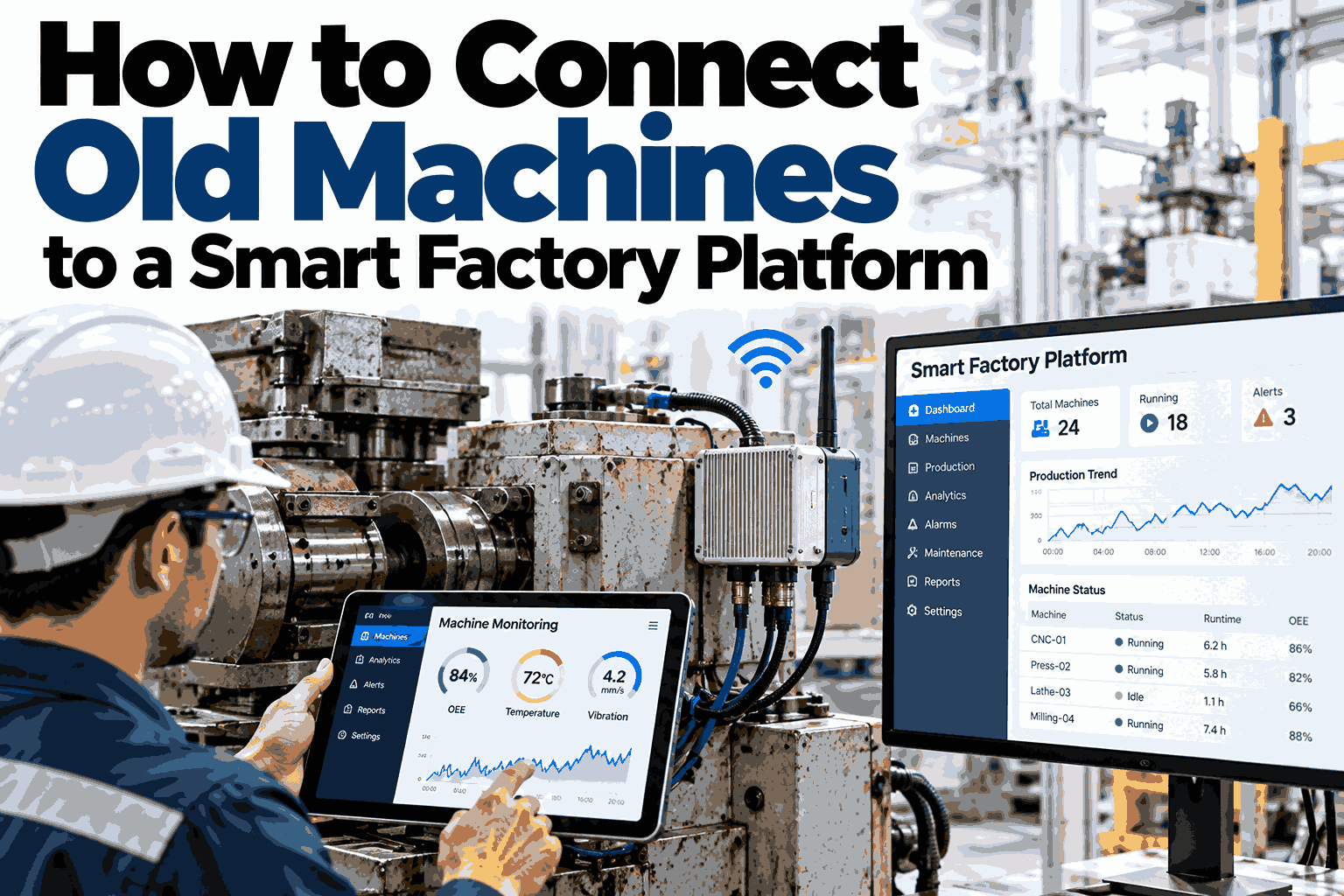
A pilot line is forgiving. A single gateway, a handful of sensors, and one engineer who knows every quirk of the setup can carry a proof of concept a long way. Scaling that same approach across dozens of lines or multiple plants exposes problems the pilot never surfaced: hardware from different vendors that speak different protocols, inconsistent security posture across sites that were never centrally managed, legacy equipment that predates any of the newer connectivity standards, and software versions across the fleet that drift out of sync without a deliberate update process.
None of these problems are reasons to avoid scaling, but they are reasons to design the architecture for fleet management from the start rather than retrofitting it after the fact. A platform built to orchestrate edge deployments centrally, push updates fleet-wide, and normalize data from heterogeneous sources into one schema is the difference between a connected factory program that scales smoothly and one that requires a rebuild at every new site.
Four Architecture Mistakes That Cause a Costly Re-Platform
Frequently Asked Questions
Design a Connected Factory Platform That Scales
Bring your current sensor, PLC, and system inventory to the call. We will map out how a layered architecture would connect it end to end without a future re-platform.