.jpeg)
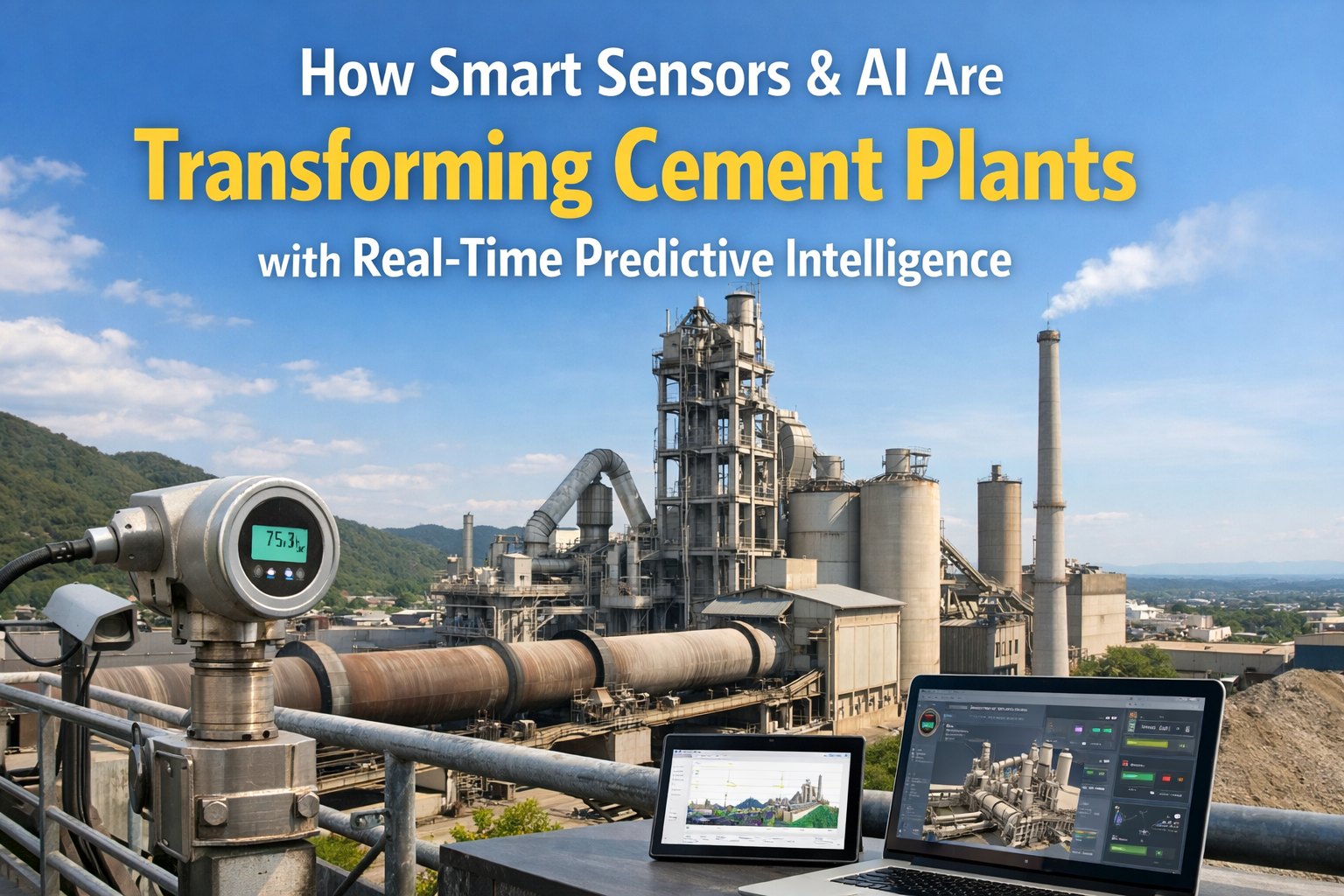
Smart cement plants are revolutionizing the cement manufacturing industry by integrating artificial intelligence, IoT sensors, and predictive analytics to create intelligent production systems that optimize efficiency, reduce costs, and minimize environmental impact. This transformative technology enables cement manufacturers to leverage real-time data insights, predictive maintenance capabilities, and automated process optimization—delivering unprecedented improvements in energy efficiency, production output, quality consistency and sustainability performance that traditional cement operations cannot achieve.
Cement manufacturers implementing AI-powered smart plant solutions through platforms like iFactoryapp are achieving remarkable results including 35-50% energy cost reductions, 40-60% decrease in unplanned downtime, 30-45% quality improvement, and 25-40% overall operational cost savings. These comprehensive capabilities transform how cement plants operate, monitor performance, optimize processes, and respond to challenges—creating intelligent manufacturing environments that continuously improve while adapting to changing market demands, raw material variations, and operational complexities defining success in modern cement production.
Global smart manufacturing market by 2030
Of cement plants investing in AI technologies
Average efficiency improvement achieved
Reduction in energy costs realized
What are Smart Cement Plants?: AI Applications Explained
Smart cement plants represent next-generation manufacturing facilities that integrate artificial intelligence, machine learning algorithms, IoT sensor networks, and advanced analytics to create intelligent production environments where every aspect of operations—from raw material handling through kiln operation to final cement grinding—is monitored, analyzed, and optimized in real-time. These facilities leverage comprehensive data collection systems capturing thousands of operational parameters including kiln temperature profiles, raw material composition, clinker quality metrics, grinding efficiency, energy consumption patterns, equipment vibration signatures, and environmental conditions.
Unlike traditional cement plants relying on manual control and reactive maintenance approaches, smart cement plants operate with unprecedented levels of automation, predictive intelligence, and adaptive optimization. AI systems continuously analyze process variables, identify inefficiencies, predict equipment failures, recommend optimizations, and in advanced implementations, execute automated adjustments maintaining ideal operating conditions without human intervention. This cyber-physical integration creates self-optimizing production systems that learn from experience, adapt to changing conditions, and continuously improve performance delivering sustained competitive advantages through operational excellence and technology mastery.
Intelligent Kiln Management
AI algorithms optimize kiln temperature profiles, fuel consumption, and raw meal chemistry in real-time, balancing energy efficiency with clinker quality while adapting to fuel variations and maintaining optimal combustion conditions across diverse operating scenarios.
Predictive Maintenance Excellence
Machine learning models analyze equipment sensor data including vibration patterns, thermal signatures, and operational history to forecast failures weeks in advance, enabling proactive maintenance scheduling during planned shutdowns preventing costly unplanned downtime disruptions.
Automated Quality Control
Computer vision systems and advanced analytics monitor cement quality parameters continuously, detecting deviations immediately and triggering process adjustments maintaining specifications despite raw material variability and process fluctuations challenging traditional control methods.
Energy Optimization Systems
Smart energy management platforms optimize power consumption across grinding operations, coordinate alternative fuel utilization, maximize waste heat recovery, and leverage variable electricity pricing reducing energy costs while supporting sustainability commitments and carbon reduction goals.
Core Smart Plant Technologies for Cement Manufacturing
Multiple converging technologies create comprehensive smart cement plant capabilities. Industrial IoT Networks provide data foundations with advanced sensors monitoring kiln operations, raw material characteristics, clinker formation, grinding parameters, energy consumption, equipment conditions, emissions levels, and ambient factors generating rich datasets supporting accurate analysis and predictive intelligence throughout production processes from quarry extraction through final product packaging and distribution.
Artificial Intelligence Platforms process operational data using machine learning algorithms discovering complex patterns, predicting outcomes, recommending optimizations, and in advanced implementations executing automated control strategies maintaining ideal operating conditions adapting to changing circumstances dynamically. Digital Twin Technology creates virtual replicas of physical assets enabling simulation, testing, and optimization in risk-free digital environments before implementing changes in actual operations accelerating innovation while minimizing risks and costs associated with trial-and-error experimentation approaches.
Edge Computing Infrastructure processes time-critical data directly at production equipment enabling rapid responses to changing conditions without cloud connectivity dependencies reducing latency and improving reliability. Cloud Analytics Platforms aggregate enterprise-wide data, perform complex analyses, generate strategic insights, and coordinate optimization across multiple facilities creating unified intelligence guiding organizational decision-making at operational, tactical, and strategic levels throughout cement manufacturing operations.
Why They Matter: Transforming Cement Manufacturing Efficiency
Smart plant adoption has become strategic imperative for cement manufacturers facing operational challenges, cost pressures, environmental regulations, and competitive dynamics that traditional approaches cannot address effectively. Energy costs representing 40-50% of cement production expenses create intense pressure for efficiency improvements directly impacting profitability—smart plants enable dramatic reductions through AI optimization discovering operating parameters minimizing consumption while maintaining output and quality.
Equipment reliability critically impacts competitiveness as unplanned downtime disrupts production schedules, wastes energy during restarts, delays customer deliveries, and requires expensive emergency repairs. Smart plants enable predictive maintenance forecasting failures enabling proactive interventions during planned maintenance windows preventing costly disruptions while optimizing maintenance resource utilization reducing unnecessary interventions on equipment operating normally creating substantial cost savings and operational stability.
Environmental regulations intensify as cement production accounts for approximately 8% of global CO2 emissions making the industry primary target for climate policies, carbon pricing, and emissions mandates. Smart plants support sustainability through energy efficiency reducing fuel consumption and associated emissions, alternative fuel optimization managing complexity of waste-derived materials, process improvements minimizing clinker ratios, and comprehensive monitoring providing verifiable documentation demonstrating environmental performance to regulators, customers, and stakeholders increasingly prioritizing sustainability. Schedule a consultation to explore how smart plant technology can transform your cement manufacturing operations and competitive positioning.
Transform Your Cement Plant with AI Intelligence
Discover how iFactoryapp's proven smart plant solutions enable cement manufacturers to achieve breakthrough improvements in efficiency, reliability, quality, and sustainability through intelligent automation and predictive analytics.
Book a Demo Contact SupportBenefits: Achieving Sustainability and Maximizing Production Output
Smart cement plant implementations deliver comprehensive benefits spanning environmental sustainability, production efficiency, operational reliability, and financial performance. Cement producers leveraging smart plant platforms like iFactoryapp achieve measurable improvements including 35-50% energy cost reductions, 40-60% downtime decreases, 30-45% quality improvements, 25-40% maintenance cost savings, and 20-35% overall operational cost reductions creating sustainable competitive advantages through technology-enabled optimization and operational excellence.
Environmental Sustainability and Carbon Reduction
Sustainability represents critical success factor for cement manufacturers facing regulatory pressures, stakeholder expectations, and market demands for environmental responsibility. Smart cement plants enable dramatic environmental improvements through energy efficiency optimization reducing fuel consumption by 35-50% directly lowering CO2 emissions proportionally while improving cost competitiveness simultaneously addressing economic and environmental objectives through integrated optimization strategies.
Alternative fuel utilization leveraging AI optimization manages complexity of waste-derived fuels, biomass, and other sustainable materials with variable characteristics affecting combustion dynamics, emissions profiles, and clinker quality. Smart systems predict behavior enabling effective management maximizing alternative fuel usage reaching 50-70% thermal substitution rates while maintaining efficiency, quality, and emissions compliance supporting circular economy principles and sustainability commitments reducing reliance on fossil fuels.
Process optimization reduces limestone consumption and calcination emissions through improved raw meal composition, enhanced kiln efficiency, and optimized clinker production minimizing material requirements per unit of cement produced. Comprehensive emissions monitoring provides real-time visibility into environmental performance enabling proactive management, regulatory compliance documentation, and transparent reporting demonstrating sustainability leadership to stakeholders increasingly evaluating cement producers on environmental criteria alongside traditional business metrics.
Waste heat recovery optimization captures thermal energy from kiln exhaust and clinker cooling using it for power generation, raw material drying, or process heating reducing purchased energy requirements further lowering costs and emissions. Smart plants coordinate operations maximizing overall environmental performance while maintaining production targets creating win-win outcomes where sustainability and profitability reinforce rather than conflict with each other enabling cement manufacturers to meet climate commitments while strengthening competitive positioning.
Production Output and Operational Excellence
Production efficiency directly determines cement plant profitability and market competitiveness. Smart plant technology maximizes output through AI-powered optimization maintaining ideal kiln throughput, minimizing process variability, reducing changeover times, and coordinating operations across production stages creating seamless material flow from raw material preparation through final cement grinding and packaging eliminating bottlenecks constraining traditional operations.
Predictive maintenance prevents unplanned downtime that disrupts production schedules—the most significant operational challenge cement plants face. Smart systems forecast equipment failures 2-4 weeks in advance analyzing vibration patterns, thermal imaging, operational history, and performance trends detecting subtle changes indicating developing problems enabling proactive interventions during planned maintenance windows. Downtime reductions of 40-60% translate directly to increased production capacity, improved customer service reliability, and substantial cost savings from avoiding emergency repairs and production losses.
Quality consistency improvements through predictive control maintain specifications despite raw material variations, equipment performance changes, and environmental conditions challenging traditional approaches. Smart systems adjust process parameters continuously compensating for disturbances before they impact product quality eliminating waste from off-specification material, reducing customer complaints, and enabling premium positioning for certified consistent products commanding higher prices in quality-sensitive markets.
Capacity optimization leverages AI analysis discovering hidden production constraints and revealing opportunities for incremental improvements that cumulatively increase output 15-25% from existing assets without major capital investment. Smart plants achieve higher throughput through fine-tuned operating parameters, reduced variability, minimized downtime, and coordinated operations across production stages maximizing return on existing assets while deferring or eliminating expensive capacity expansion projects.
Key Benefits of Smart Cement Plants:
- 45% Energy Cost Reduction: Optimized operations minimize fuel and power consumption
- 55% Downtime Decrease: Predictive maintenance prevents unexpected failures
- 40% Quality Improvement: AI control maintains consistent specifications
- 35% Maintenance Savings: Optimized interventions reduce costs and extend asset life
- 38% Emissions Reduction: Efficiency and alternative fuel optimization support sustainability
- 32% Cost Decrease: Comprehensive optimization across all operations
- 22% Production Increase: Maximized throughput from existing capacity
How It Works: AI Implementation in Cement Plants
Implementing smart cement plant technology requires systematic approaches integrating AI algorithms, IoT infrastructure, data analytics, and organizational capabilities working together creating intelligent production environments. Successful implementations follow proven methodologies managing technical complexity while delivering incremental value demonstrating benefits and building organizational support for comprehensive digital transformation throughout cement manufacturing operations.
Establish smart plant vision aligned with operational priorities and business objectives defining desired capabilities, performance targets, and value creation goals. Conduct comprehensive assessment evaluating current operations, existing instrumentation, data infrastructure, process understanding, and organizational readiness identifying gaps requiring investment. Define implementation roadmap balancing quick wins demonstrating value with long-term transformation creating sustainable competitive advantages. Select technology platforms and partners considering capabilities, costs, cement industry expertise, and implementation support ensuring successful deployment and ongoing optimization throughout transformation journey.
Deploy comprehensive IoT sensor networks capturing operational data required for AI optimization including advanced kiln instrumentation, raw material analyzers, clinker quality monitors, grinding sensors, equipment condition monitoring, emissions measurement systems, and environmental sensors. Implement industrial communication infrastructure, edge computing devices, cloud platforms, and data management systems ensuring quality, security, and accessibility. Establish data governance frameworks, cybersecurity measures, and validation processes ensuring information reliability supporting accurate AI recommendations and effective decision-making guiding cement plant operations and optimization strategies.
Develop AI models for priority applications—typically kiln fuel optimization or predictive maintenance—combining machine learning algorithms with cement production expertise creating accurate, actionable intelligence. Validate model performance through comparison with actual operations, adjust parameters improving predictions, and deploy pilot applications demonstrating measurable benefits within 6-9 months building organizational confidence justifying broader investment. Train operators, engineers, and managers on interpreting AI insights, implementing recommendations, and leveraging technology effectively maximizing value realization from smart plant capabilities throughout organization.
Scale successful AI applications across additional equipment, processes, and production areas capturing benefits plant-wide. Deploy advanced capabilities including predictive quality control, energy management optimization, production scheduling intelligence, and comprehensive equipment health monitoring creating integrated smart plant environment. Integrate AI insights with process control systems, operator interfaces, and management dashboards enabling data-driven decision-making at all organizational levels. Establish continuous improvement processes ensuring AI models improve accuracy through accumulated operational experience while adapting to changing conditions maintaining optimization effectiveness over time.
Deploy advanced AI capabilities including autonomous optimization enabling self-managing operations, digital twin simulation for virtual testing and scenario analysis, and prescriptive analytics recommending optimal strategies considering multiple objectives and constraints. Extend smart plant implementation across multiple facilities creating enterprise-wide intelligence, standardizing best practices, and enabling cross-plant learning and optimization. Establish innovation programs exploring emerging technologies maintaining competitive advantages through sustained technology leadership and operational excellence positioning organization as cement industry digital transformation leader.
Case Studies: Cement Plant Smart Transformation Success Stories
Cement manufacturers globally have achieved transformative results through smart plant implementations demonstrating technology's capacity to deliver substantial competitive advantages. These success stories illustrate how intelligent automation, predictive analytics, and AI optimization create measurable improvements in efficiency, reliability, quality, and financial performance while fundamentally strengthening operational capabilities and market positioning in increasingly competitive cement markets.
Large-Scale Cement Producer: Enterprise Digital Transformation
A major cement manufacturer operating 12 plants across North America and Latin America implemented comprehensive smart plant technology using iFactoryapp addressing challenges including diverse operations with varying equipment ages and technology maturity, intense competitive pressure demanding cost leadership, environmental regulations requiring emissions reductions, and need for operational excellence across geographically distributed facilities with different local conditions, raw materials, and market dynamics requiring adaptable optimization approaches.
Energy efficiency improvement achieved
Reduction in unplanned downtime realized
Annual operational savings enterprise-wide
Quality consistency improvement attained
Regional Cement Manufacturer: Kiln Optimization Excellence
A regional cement producer operating 5 plants implemented Industry 4.0 smart plant solutions addressing high energy costs threatening competitiveness in price-sensitive markets, quality variability from aging kilns and raw material inconsistency, environmental regulations mandating emissions reductions, and need for maximizing production from existing capacity avoiding expensive capital investment in new equipment while meeting growing regional demand and defending market share against larger competitors.
Improvement in kiln fuel efficiency
Increase in production throughput
Reduction in quality variation
Annual efficiency improvements value
Independent Cement Producer: Predictive Maintenance Leadership
An independent cement manufacturer operating 3 plants implemented AI-powered predictive maintenance addressing frequent equipment failures disrupting production and customer deliveries, high maintenance costs from reactive repairs and emergency parts procurement, aging equipment requiring optimized operations extending asset life, and need for operational reliability differentiating offerings from larger competitors with newer facilities and greater financial resources. Contact our specialists to discover how smart plant technology can deliver similar transformative results for your cement operations.
Reduction in equipment failures
Decrease in maintenance costs
Extension in equipment service life
Annual reliability optimization savings
Challenges: Overcoming Smart Plant Implementation Barriers
While smart cement plant benefits are substantial, manufacturers face implementation challenges requiring systematic approaches and comprehensive mitigation strategies. Understanding common obstacles and proven solutions is essential for managing transformation risks and ensuring successful outcomes delivering expected business value and competitive advantages through intelligent automation and AI optimization capabilities.
Capital Investment Requirements
Comprehensive smart plant deployment requires substantial investment in IoT sensors, data infrastructure, AI platforms, integration services, and organizational capabilities creating financial barriers particularly for smaller producers or facilities with limited budgets requiring phased approaches demonstrating value progressively and creative financing strategies leveraging operational savings funding subsequent transformation phases.
Legacy Equipment Integration
Older cement plants may require retrofitting to accommodate modern sensors and control systems presenting technical challenges. However, smart plant solutions like iFactoryapp are specifically designed for gradual integration with existing infrastructure through sensor retrofitting, edge computing deployment, and middleware platforms connecting legacy systems enabling digital transformation without requiring complete equipment replacement.
Skills Gaps and Workforce Development
Smart plant operation requires capabilities in data analytics, AI interpretation, and digital system management—skills scarce in traditional cement manufacturing organizations requiring strategic workforce development through comprehensive training programs, external partnerships accessing specialized expertise, and knowledge transfer initiatives building internal capabilities ensuring sustainable value realization from technology investments.
Change Management and Cultural Transformation
Transitioning from traditional operations to AI-guided manufacturing requires cultural shifts and process changes encountering resistance from individuals comfortable with conventional approaches concerned about technology replacing human expertise requiring strong leadership commitment, transparent communication about benefits, stakeholder involvement in deployment, and recognition systems rewarding adoption.
Data Quality and Infrastructure
Accurate AI optimization depends on high-quality operational data, but many cement plants lack comprehensive instrumentation or suffer from incomplete, inconsistent sensor information requiring investment in advanced measurement systems, data governance processes, and validation procedures ensuring information reliability supporting accurate recommendations and effective decision-making.
Cybersecurity and System Protection
Connected smart plant systems introduce potential security vulnerabilities requiring enterprise-grade security protocols, network segmentation isolating critical controls, regular security audits, and robust incident response procedures protecting operational technology infrastructure while enabling digital transformation benefits and competitive advantages through intelligent automation.
Strategic Implementation Approaches
Successful cement manufacturers address implementation challenges through comprehensive strategies combining technology, financial, organizational, and change management interventions. Phased implementation approaches beginning with focused pilots on highest-ROI applications—typically kiln optimization or critical equipment predictive maintenance—demonstrate benefits quickly while building organizational capabilities and confidence for broader deployment creating momentum sustaining long-term commitment to digital transformation.
Executive sponsorship and visible leadership commitment signal organizational priority, provide necessary resources, remove obstacles, and sustain momentum through inevitable challenges. Strategic partnerships with experienced providers like iFactoryapp accelerate deployment through proven platforms specifically designed for cement manufacturing, industry expertise understanding unique requirements, pre-configured capabilities reducing implementation time, dedicated support managing complexities, and ongoing optimization ensuring sustained value realization from smart plant technology investments.
Future: Emerging Smart Cement Plant Trends
The future of smart cement plant technology promises increasingly sophisticated capabilities as AI matures, adoption accelerates, and innovations emerge creating new possibilities. Understanding emerging trends enables cement manufacturers to make strategic technology investments positioning them for sustained competitive success in evolving markets where operational efficiency, environmental performance, and digital mastery increasingly determine viability and profitability.
Autonomous Cement Plant Operations
Future cement plants will feature autonomous operations where AI systems manage production with minimal human supervision continuously optimizing processes, coordinating equipment, maintaining quality, and adapting to changing conditions automatically. Self-optimizing facilities will discover novel improvements through reinforcement learning experimentation in digital twin environments testing strategies virtually before implementing physically. Human operators will focus on strategic oversight, exception handling, innovation, and continuous improvement rather than routine control that AI-guided systems handle more effectively creating new roles emphasizing judgment, creativity, and problem-solving.
Advanced Digital Twin Integration
Digital twins will extend beyond operational optimization to comprehensive lifecycle management tracking cement plant assets from design through decommissioning. Virtual commissioning will enable testing equipment modifications, process changes, and capacity expansions digitally before physical implementation reducing risks, accelerating deployment, and improving outcomes. Supply chain integration will connect digital twins across raw material suppliers, cement plants, and customers creating coordinated optimization from quarry to construction site maximizing efficiency throughout value chain.
Carbon Capture and Net-Zero Production
Smart plant technology will enable practical implementation of carbon capture, utilization, and storage (CCUS) through AI optimization managing complex interactions among production processes, capture systems, energy consumption, and operational costs making environmental solutions economically viable. Virtual testing of low-carbon cement formulations utilizing supplementary cementitious materials and alternative binders will accelerate sustainable product development. Comprehensive carbon accounting through smart monitoring will provide verifiable net-zero claims satisfying regulatory requirements and customer demands while staying informed about emerging cement manufacturing trends shaping industry future.
Enhanced AI Predictive Capabilities
Advanced AI algorithms will provide increasingly sophisticated predictive capabilities forecasting equipment failures months in advance, predicting quality outcomes with unprecedented accuracy, anticipating process disturbances enabling preventive actions, and discovering optimization opportunities through continuous operational pattern analysis. Generative AI will suggest innovative process improvements, equipment configurations, and operational strategies that human experts would never consider discovering breakthrough performance through systematic exploration of vast solution spaces creating competitive advantages impossible to achieve through conventional approaches.
Emerging Smart Cement Plant Trends:
- Autonomous Operations: Self-managing plants with minimal human supervision
- Advanced Digital Twins: Lifecycle management from design to decommissioning
- Carbon Capture Optimization: AI-enabled net-zero cement production
- Enhanced AI Prediction: Forecasting capabilities months ahead of events
- Edge Intelligence: Real-time AI processing on plant equipment
- Quantum Computing: Breakthrough optimization of complex processes
- Ecosystem Integration: Connected intelligence across value chains
- Immersive Interfaces: VR/AR visualization for intuitive interaction
Conclusion: Transform Cement Production Through Smart Plant Excellence
Smart cement plants powered by AI represent essential evolution for manufacturers seeking to thrive in markets where operational efficiency, environmental performance, equipment reliability, and technology mastery determine competitive success and long-term viability. The comprehensive integration of artificial intelligence, IoT connectivity, predictive analytics, and automated optimization creates manufacturing intelligence that fundamentally surpasses traditional approaches in efficiency, precision, reliability, and strategic value creation.
Success requires systematic approaches integrating smart plant technology with existing operations, developing organizational capabilities to leverage AI insights effectively, and maintaining commitment through implementation challenges toward realizing substantial long-term benefits. Cement manufacturers who embrace smart plants strategically while building necessary infrastructure, skills, processes, and confidence position themselves as industry leaders capable of meeting demanding efficiency requirements, sustainability mandates, and competitive pressures increasingly separating winners from losers in global cement markets.
Partnering with experienced providers like iFactoryapp accelerates smart plant deployment through proven platforms specifically designed for cement manufacturing, comprehensive industry expertise understanding unique process requirements, pre-configured AI models reducing development time and costs, dedicated implementation support managing technical complexities, and ongoing optimization ensuring sustained value realization throughout digital transformation journey creating foundation for competitive leadership in intelligent cement production era.
Learn more at iFactoryapp.com! Experience firsthand how leading cement manufacturers worldwide are implementing smart plant technology to achieve breakthrough improvements in efficiency, reliability, quality, sustainability, and profitability. Our cement industry specialists will collaborate with you to assess smart plant opportunities, develop customized AI optimization strategies, and guide implementation ensuring you realize full potential of intelligent, predictive, self-optimizing cement manufacturing. Begin your smart plant transformation today and establish your organization as technology leader driving the future of cement production excellence!
Frequently Asked Questions
How do smart cement plants differ from traditional cement manufacturing facilities?
Smart cement plants differ fundamentally from traditional facilities through comprehensive integration of AI, IoT sensors, predictive analytics, and automated optimization creating intelligent production environments versus manual control and reactive management. Traditional plants rely heavily on operator experience and intuition making control decisions based on limited information and responding to problems after they occur. Smart plants leverage continuous data collection from hundreds of sensors monitoring every aspect of operations generating rich datasets supporting AI analysis discovering patterns, predicting outcomes, and optimizing processes beyond human cognitive capabilities. Predictive maintenance forecasts equipment failures weeks in advance enabling proactive interventions versus reactive repairs after breakdowns. Automated quality control maintains specifications through predictive adjustments compensating for disturbances before they impact products versus detecting quality issues after production. Energy optimization continuously fine-tunes operations minimizing consumption versus static settings requiring manual adjustments. Most importantly, smart plants create self-improving systems that learn from experience and continuously enhance performance whereas traditional facilities maintain static capabilities depending on individual operator skills and experience without systematic improvement mechanisms creating sustainable competitive advantages through technology-enabled operational excellence.
What are typical implementation timelines and investment requirements for smart cement plants?
Smart plant implementation timelines and investments vary based on plant complexity, existing instrumentation, transformation scope, and organizational readiness. Focused pilot programs addressing specific applications like kiln optimization can deliver results within 6-9 months with investments of $500,000-$1,500,000 demonstrating benefits and building confidence for broader deployment. Comprehensive single-plant smart transformation typically requires 15-24 months and $5-12 million investment including advanced sensors and IoT infrastructure, AI platforms and analytics software, digital twin development, system integration services, cybersecurity implementation, and comprehensive training programs. Multi-plant enterprise-wide deployment may span 3-5 years with investments of $30-90 million depending on facility count, geographic distribution, and technology maturity. However, phased approaches enable continuous value realization throughout implementation with early pilots often achieving positive ROI within 12-18 months from energy savings and downtime reductions alone funding subsequent transformation phases. Most cement manufacturers achieve 5-8x return on smart plant investment within three years through energy efficiency, quality improvements, downtime reductions, maintenance savings, and production increases. Platforms like iFactoryapp reduce implementation time and costs significantly through proven cement-specific solutions, pre-configured AI models, streamlined deployment approaches, and experienced implementation support accelerating value realization versus custom development requiring extensive modeling, testing, and refinement consuming additional time and resources.
How accurate are AI predictions in smart cement plants and how is accuracy validated?
AI prediction accuracy in smart cement plants depends on modeling approach quality, data infrastructure comprehensiveness, validation rigor, and continuous calibration practices with well-implemented systems achieving accuracy typically within 3-6% of actual outcomes for major performance metrics including energy consumption, production output, quality parameters, and equipment failure timing. Accuracy validation follows systematic approaches including historical data testing comparing AI predictions against past operational results assessing model performance across diverse operating conditions, parallel operation running AI systems alongside actual operations comparing predictions with real-time results identifying discrepancies requiring refinement, controlled experiments systematically varying process parameters comparing predicted and actual outcomes validating cause-effect relationships, and statistical analysis quantifying prediction errors, confidence intervals, and model reliability informing appropriate use and interpretation. Machine learning models continuously improve accuracy through accumulated operational experience discovering patterns, refining algorithms, and enhancing predictions progressively unlike static models with fixed accuracy determined at development. Hybrid approaches combining physics-based modeling with data-driven machine learning provide robust predictions grounded in engineering principles while capturing complex patterns from operational data improving accuracy beyond fundamental theory alone. Most importantly, smart plant AI systems provide uncertainty quantification and confidence bounds around predictions enabling risk-aware decision-making understanding reliability of recommendations guiding cement plant operations and optimization strategies with appropriate caution and validation before implementing significant changes based on AI insights.
What organizational capabilities are required for successful smart plant adoption?
Successful smart plant adoption requires both technical capabilities and organizational transformation addressing people, processes, culture, and change management alongside technology implementation. Essential technical capabilities include data science expertise developing predictive models and analytics algorithms, software engineering skills managing AI platforms and integrations, process engineering knowledge understanding cement production fundamentals ensuring models capture critical relationships, IoT and instrumentation expertise deploying and maintaining sensor networks, and cybersecurity capabilities protecting connected systems from potential threats. However, complete internal expertise is not required as partnerships with providers like iFactoryapp access specialized skills through managed services, proven platforms, and ongoing support reducing internal capability requirements. Organizational capabilities include cross-functional collaboration combining operational knowledge with technical expertise solving complex problems requiring diverse perspectives, change management guiding workforce through transformation addressing resistance and building adoption, continuous improvement mindset embracing experimentation and learning from failures, data-driven decision culture replacing intuition with evidence-based approaches, and strategic thinking aligning technology with business objectives. Workforce evolution shifts operators from manual control to supervisory roles overseeing AI-guided operations and handling exceptions, engineers focus on model validation and optimization strategy development, maintenance teams use predictive insights for proactive interventions, and managers guide transformation while measuring results. Organizations address capability gaps through targeted training developing existing workforce skills, strategic hiring bringing specialized expertise for critical roles, partnerships accessing external capabilities and proven solutions, and collaboration with technology providers creating knowledge transfer mechanisms building sustainable internal competencies.
What is the future direction of smart cement plant technology?
Future smart cement plant evolution will feature increasingly autonomous operations requiring minimal human supervision with AI systems managing production, optimizing processes, and adapting to conditions automatically, advanced digital twin integration enabling lifecycle management from design through decommissioning and virtual commissioning testing changes before physical implementation, carbon capture optimization using AI to make environmental solutions economically viable supporting net-zero cement production, enhanced AI predictive capabilities forecasting equipment failures months in advance and discovering optimization opportunities through continuous learning, edge intelligence processing data directly on equipment enabling faster responses and reduced cloud dependencies, quantum computing breakthroughs enabling optimization of extremely complex processes beyond current computational capabilities, ecosystem integration connecting digital intelligence across suppliers, plants, and customers creating coordinated value chain optimization, and immersive VR/AR interfaces providing intuitive visualization and interaction with complex systems making advanced capabilities accessible to all personnel. Cement manufacturers should prepare by establishing smart plants as long-term strategic priority with sustained executive commitment and adequate resources, building foundational data infrastructure supporting current and future applications through comprehensive IoT deployment and robust data governance, starting implementation immediately with focused pilots demonstrating value while developing capabilities recognizing transformation requires years and early start creates advantages, creating strategic partnerships with technology providers accessing expertise and proven solutions, monitoring emerging technologies through innovation programs and proof-of-concept testing, investing substantially in workforce development emphasizing digital literacy and analytical skills, and maintaining strategic flexibility adapting roadmaps as technologies mature and business requirements evolve positioning organizations to capitalize on emerging capabilities while building competitive advantages through accumulated operational intelligence and technology mastery.
Optimize Your Cement Plant with Smart Technology
Join leading cement manufacturers worldwide leveraging iFactoryapp to implement proven smart plant solutions that deliver measurable improvements in efficiency, reliability, quality, sustainability, and profitability through intelligent automation and AI optimization.
Book a Demo Contact Support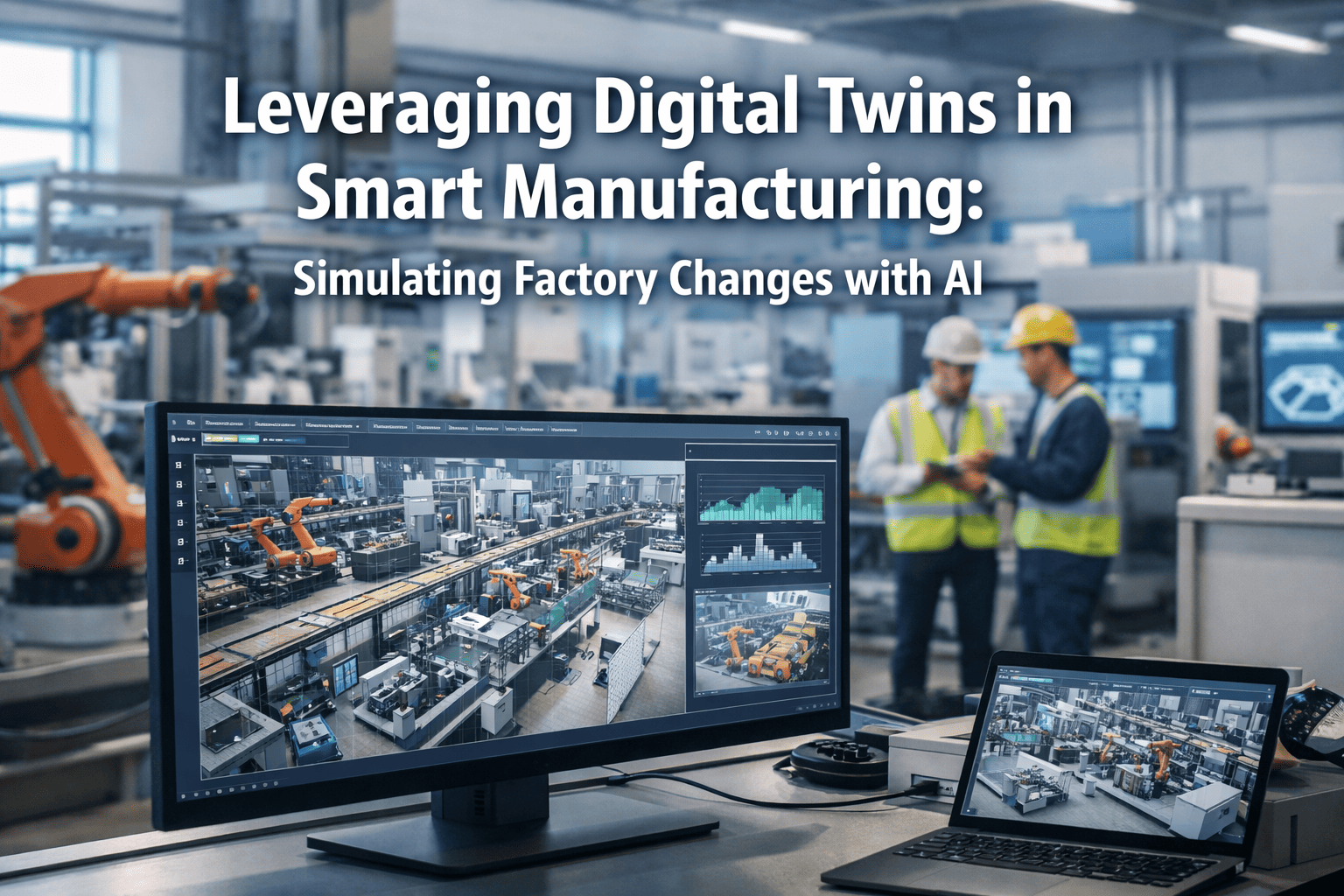


.jpeg)
.jpeg)

