Factory environments are invisible until they cause damage. Uncontrolled temperature swings warp precision machined parts. Humidity above 60% corrodes electronics. Dust concentrations above 25 g/m³ create explosion risks. Noise above 85 dB causes permanent hearing damage and OSHA penalties reaching $156K per willful violation. Every one of these problems is detectable and preventable with monitoring designed into the facility. In twenty years of commissioning factories, I've seen environmental monitoring treated as an afterthought in 90% of greenfield projects — bolted on after the first quality complaint or OSHA citation. We design zone-by-zone environmental monitoring into the facility architecture so you have real-time visibility and automated compliance from day one. Monitor Your Factory Environment
What Happens When You Don't Monitor
Temperature: $400K in Scrap
A precision machining shop with ±5μm tolerances had no environmental monitoring. Summer afternoon 8°C swings caused thermal expansion — parts out of tolerance after 2 PM daily for three months before root cause identified. A $2K monitoring system with HVAC feedback would have prevented the entire loss. Greenfield: temperature sensors at machine height in every precision zone, feeding HVAC setpoint control.
Humidity: $180K in Rejected PCBs
An electronics facility stored bare PCBs at 75% RH for two weeks. Oxidation on solder pads caused wave soldering failures — $180K in rejected assemblies. Above 60% RH accelerates corrosion; below 30% causes static discharge. Greenfield: humidity sensors in every storage and assembly zone with automated dehumidifier control.
Dust: Explosion Risk
Combustible dust explosions destroy facilities. Wood dust, metal powder, flour — any organic or metal dust above the MEC in a confined space with ignition creates deflagration risk. The Imperial Sugar explosion (2008) killed 14 workers. OSHA's Combustible Dust NEP targets facilities generating airborne dust. Greenfield: continuous monitoring in every dust-generating zone with ventilation interlocks.
Noise: $156K Per OSHA Violation
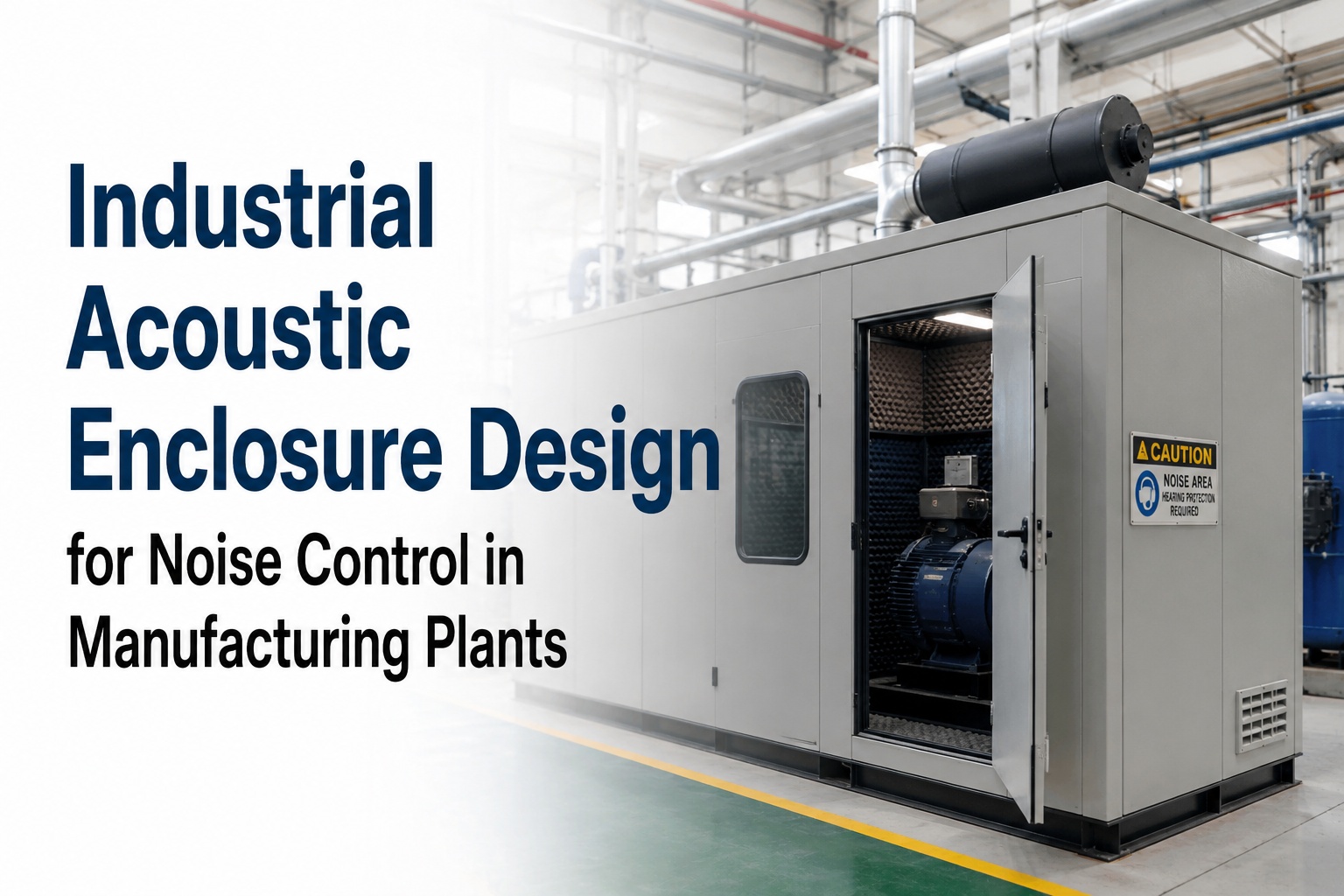
OSHA requires hearing conservation at 85 dB TWA. Above 90 dB, engineering controls are mandatory. A single willful violation: up to $156,259. Beyond compliance, noise-induced hearing loss is permanent and irreversible. Greenfield: continuous noise sensors in every production zone with real-time TWA calculation and automated alerts before exposure becomes a citation.
Want environmental monitoring designed into your greenfield facility? Monitor Your Factory Environment
Zone Classification & Monitoring Requirements
| Factory Zone | Temperature | Humidity | Dust/PM | Air Quality | Noise | Compliance |
|---|---|---|---|---|---|---|
| Precision Machining | ±1°C control | 40-60% RH | Metal fines | Coolant mist | 85-95 dB | ISO tolerances; OSHA noise |
| Electronics Assembly | 22±2°C | 30-60% RH (ESD) | Cleanroom PM | Solder flux fumes | 65-75 dB | IPC J-STD; ESD S20.20 |
| Paint / Coating | 20-25°C | 40-70% RH | Overspray | VOC / isocyanate | 70-85 dB | EPA VOC; OSHA PEL |
| Welding | General | Not critical | Welding fume | Hex Cr, Mn fume | 90-110 dB | OSHA PEL metals; noise |
| Warehouse | Product-dependent | <60% RH | General | Forklift exhaust | 75-85 dB | Storage specs; OSHA |
| Food Processing | Cold chain | Condensation ctrl | Allergen cross-contact | NH3 if refrigeration | 80-95 dB | HACCP; FSMA; OSHA |
| Server Room | 20-25°C | 40-60% RH | Particle-free | N/A | 65-75 dB | ASHRAE A1 |
| Outdoor | Ambient | Ambient | PM2.5/PM10 | AQI | Perimeter | EPA ambient; local noise |
Sensor Specification by Parameter
| Parameter | Sensor Technology | Range / Accuracy | Sampling | Connectivity | Placement | Cost/Point |
|---|---|---|---|---|---|---|
| Temperature | Digital T/RH (SHT4x) | -40 to +125°C; ±0.2°C | Every 60 sec | LoRaWAN or BLE | Work height (1.2m); away from HVAC/doors | $50-$150 |
| Humidity | Capacitive RH (with T) | 0-100% RH; ±2% | Every 60 sec | LoRaWAN or BLE | Representative of zone | Included with T |
| PM2.5/PM10 | Laser scattering (SPS30) | 0-1000 μg/m³; ±10% | Every 30-60 sec | WiFi or LoRaWAN | Breathing zone (1.5m); near sources | $100-$400 |
| Combustible Dust | Nephelometer | 0-100 mg/m³; ±5% | Continuous | Wired (4-20mA safety) | Near sources; in ducts; Ex-proof | $500-$2,000 |
| VOC | PID (photoionization) | 0-50 ppm; gas-specific | Every 10-30 sec | Wired or WiFi | Breathing zone; downstream of source | $200-$1,500 |
| CO2 | NDIR | 400-5000 ppm; ±50 ppm | Every 60 sec | LoRaWAN or WiFi | Occupied zones; away from exhaust | $100-$300 |
| Noise | MEMS mic + DSP (Class 2) | 30-130 dB(A); ±1.5 dB | Continuous Leq | WiFi or LoRaWAN | Ear height (1.5m); worker zone | $150-$500 |
| Compressed Air | Particle + dewpoint + oil | ISO 8573 Classes 1-5 | Continuous | Wired (Modbus) | Inline at point of use | $1K-$5K |
Wireless Network for Environmental Monitoring
LoRaWAN: Campus-Wide
1-3 gateways cover an entire campus (2-5 km outdoor, 200-500m indoor). T/RH sensors report every 60 sec. Battery: 5-10 years. No cabling, no conduit. Gateway locations on facility drawings during design — rooftop or high wall with power and Ethernet pre-installed.
WiFi: High-Rate Parameters
VOC, noise, and dust sensors needing faster reporting (10-30 sec) use WiFi. APs shared with production infrastructure. Battery: 6-24 months. AP locations planned for combined production and environmental coverage.
Wired: Safety-Critical
Combustible dust and toxic gas detectors wired to safety PLC (4-20mA) for guaranteed response and regulatory compliance. Triggers ventilation interlocks and emergency alarms. Wireless latency unacceptable for safety functions. Greenfield: dedicated safety instrument conduit.
Unified Dashboard
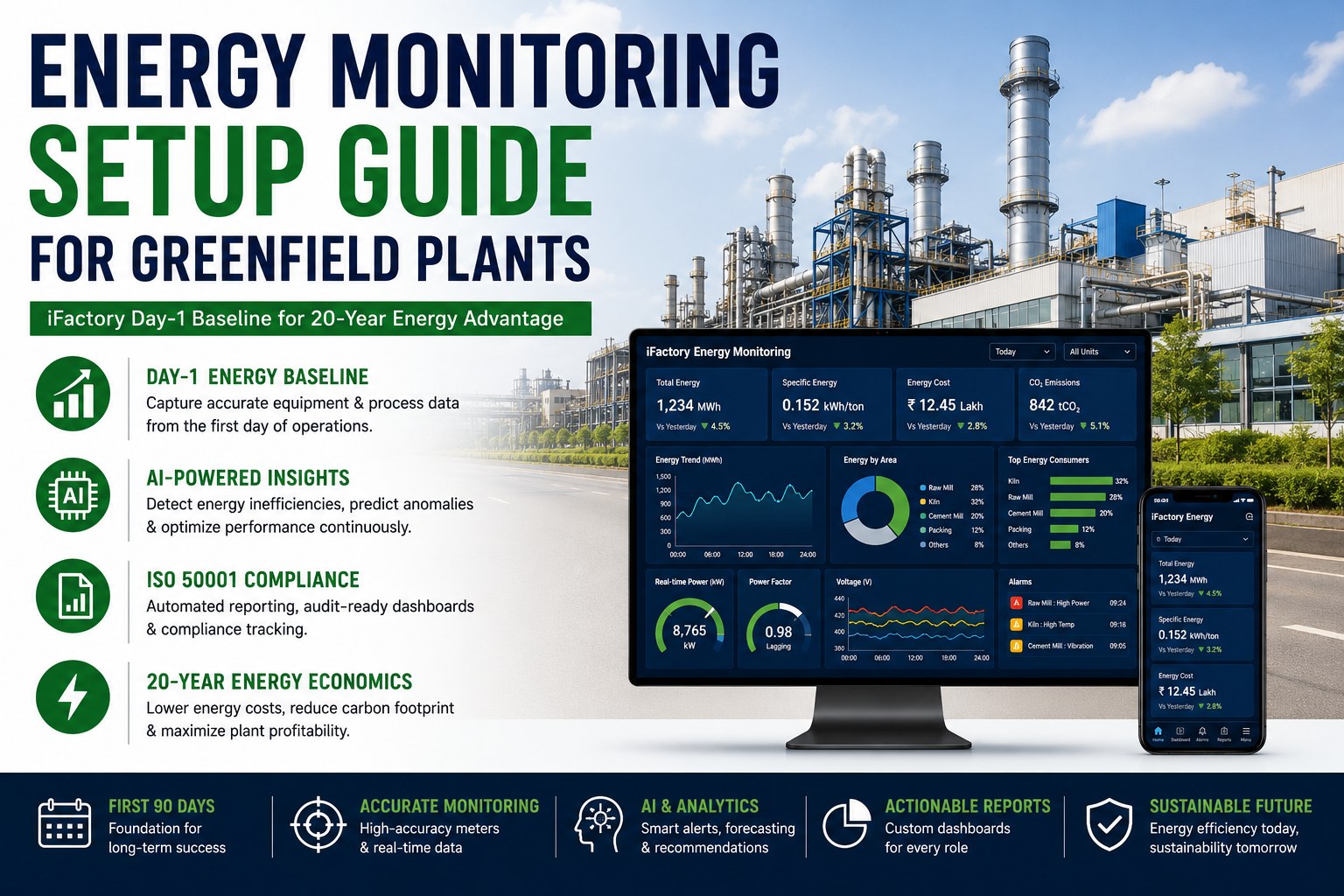
All data converges on time-series DB through MQTT broker. Zone-level heatmaps show every parameter in real-time. Color alerts: green (normal), yellow (approaching), red (exceeded). Auto-generated compliance reports for OSHA, EPA, ISO audits.
Need environmental monitoring across your facility? Monitor Your Factory Environment
Regulatory Compliance Mapping
Action level 85 dB TWA triggers hearing conservation. PEL 90 dB TWA requires engineering controls. Continuous monitoring automates TWA, documents exposure, and alerts before limits reached.
PELs for hundreds of chemicals. Continuous VOC/gas monitoring replaces periodic sampling. Real-time alerts at 50% PEL (action) and 100% PEL. Records archived 30 years.
DHA required for combustible dust facilities. Continuous monitoring verifies levels below 25% MEC. Ventilation interlocks trigger automatic dust collection. Data provides DHA compliance evidence.
Facilities exceeding VOC thresholds must monitor and report. Environmental sensors track fugitive emissions. Data feeds EPA reporting systems.
Particle count, moisture, oil content classes for food, pharma, electronics. Inline monitors verify quality continuously vs periodic spot-checks.
Key Benefits & ROI
You Can't Control What You Don't Measure
iFactory designs complete environmental monitoring for greenfield factories — temperature, humidity, dust, air quality, noise, compressed air — with heatmaps, compliance reporting, and safety interlocks from day one.
Frequently Asked Questions
The Environment You Don't Monitor Costs You
Temperature swings warping parts. Humidity corroding PCBs. Dust creating explosion risk. Noise triggering OSHA citations. All preventable. All detectable. All designed in before the first wall goes up.