Environmental compliance at an automotive plant is never a single regulation to satisfy once and forget — it's a stack of overlapping federal programs that each run on their own inspection schedule, their own recordkeeping requirements, and their own definition of what counts as a violation. RCRA governs how hazardous waste from paint booths, solvent cleaning, and plating operations is stored and disposed of. Stormwater permits govern what leaves the property every time it rains on a yard full of scrap metal, chemical totes, and vehicle staging areas. SPCC plans govern the oil and petroleum storage that most plants have without necessarily tracking it against the regulatory threshold. Miss a deadline on any one of these and the cost isn't just a fine — it's the inspector's next visit being far less forgiving than the last one. Automated monitoring and documentation turns three separate compliance calendars into one system that flags gaps before an auditor does. See how automated tracking maps to your specific permit stack with a Book a Demo.
Three Regulatory Programs. One Plant. Zero Room for a Missed Deadline.
AI-automated monitoring and reporting keeps RCRA hazardous waste tracking, stormwater permit compliance, and SPCC oil storage documentation audit-ready continuously — instead of scrambling to reconstruct records the week an inspector calls.
Three Frameworks, Three Different Failure Modes
Each program regulates a different physical reality on your plant floor and yard, and each one has a different way of catching a facility out of compliance — which is exactly why tracking them as three separate manual processes creates gaps between the cracks.
RCRA
Hazardous Waste
Governs identification, generator status, storage time limits, and disposal documentation for hazardous waste generated by paint booths, solvent operations, and plating lines. Generator status — small quantity or large quantity — determines which specific requirements apply.
Stormwater
Runoff & Discharge
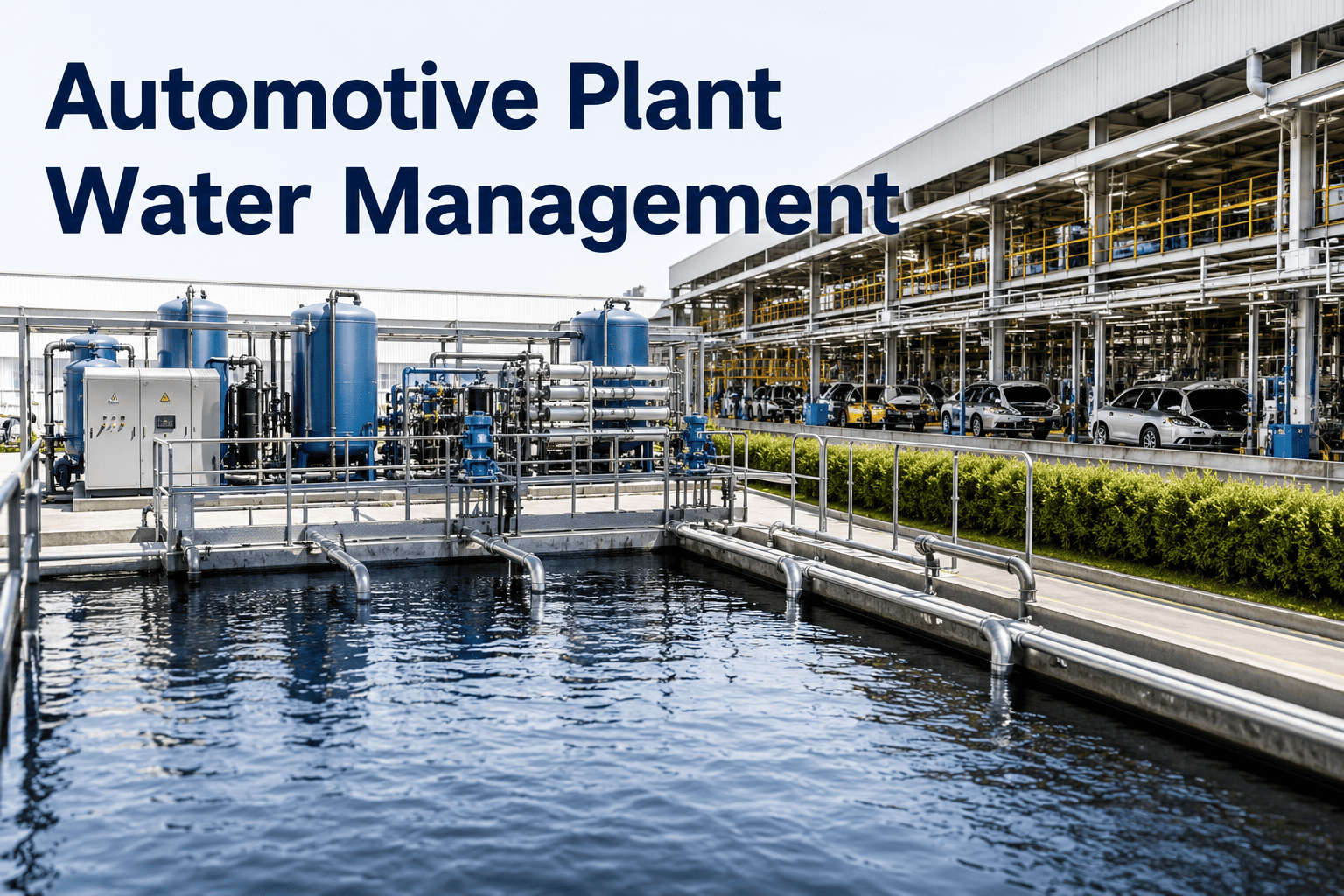
Governs what leaves the site through stormwater runoff under an NPDES industrial permit, requiring a Stormwater Pollution Prevention Plan, periodic sampling, and inspection of outfalls and containment areas.
SPCC
Oil Storage
Applies to facilities with aboveground oil storage capacity greater than 1,320 gallons, requiring a written spill prevention plan, secondary containment verification, and regular tank inspection records.
Every Inspection Log, Every Permit Deadline, One Screen
iFactory centralizes permit tracking, monitoring data, waste logs, and reporting calendars so the answer to any inspector's question is already documented.
What an Inspector Actually Asks to See
Regulatory inspections rarely start with a walk of the whole plant — they start with a records request, and how quickly and completely that request can be answered often sets the tone for everything that follows. The items below are among the most commonly requested across RCRA, stormwater, and SPCC inspections.
Hazardous waste generator status and accumulation start dates for every storage area
Manifests and disposal records for hazardous waste shipped off-site
Stormwater outfall inspection logs and sampling results against permit benchmarks
Secondary containment inspection records for every regulated oil storage tank
Employee training records for spill response, hazardous waste handling, and DOT shipping
Corrective action documentation for any prior violations or near-miss incidents
Why Getting Your RCRA Generator Category Right Changes Everything Downstream
A facility's RCRA obligations scale directly with how much hazardous waste it generates per calendar month, and the category — conditionally exempt small quantity generator, small quantity generator, or large quantity generator — determines storage time limits, contingency plan requirements, and training obligations. Plants that don't track generation volume continuously risk crossing a threshold mid-year without realizing their compliance obligations changed, which is one of the more common findings in RCRA compliance inspections.
| Generator Category | Monthly Hazardous Waste | Max Storage Time |
|---|---|---|
| Conditionally Exempt Small Quantity | Under 220 lbs | No federal limit, state rules may apply |
| Small Quantity Generator | 220 to 2,200 lbs | 180 days (270 if shipping over 200 miles) |
| Large Quantity Generator | Over 2,200 lbs | 90 days |
Our SPCC plan lived in a binder that got updated whenever someone remembered to, and our stormwater sampling logs were a spreadsheet three different people had edit access to. The inspector's first question was about a tank inspection from eight months earlier and it took us two days to find the record. That was the moment we decided manual tracking across three separate programs wasn't sustainable at our generator volume.
Frequently Asked Questions
Q: Can AI actually certify or write our SPCC plan for us?
No — an SPCC plan requires a qualified individual to inspect the facility, evaluate secondary containment adequacy, and in many cases a Professional Engineer certification, none of which a software platform can substitute for. What automated monitoring does is keep the ongoing documentation that supports and maintains that plan current — tank inspection logs, containment checks, and corrective action records — so the certified plan stays backed by continuous evidence rather than a point-in-time snapshot.
Q: How does the system know when our hazardous waste generator status changes?
By tracking hazardous waste generation volume continuously against the monthly thresholds that define each generator category, the platform flags when a facility is approaching a category boundary before it's crossed, giving EHS teams time to prepare for the additional requirements a higher category brings. This replaces a common failure pattern where generator status is checked periodically rather than continuously and a threshold gets crossed unnoticed for months.
Q: What's the difference between an SPCC plan and a stormwater pollution prevention plan?
An SPCC plan specifically addresses oil and petroleum storage and spill prevention under 40 CFR Part 112, applying once aboveground storage capacity exceeds 1,320 gallons. A stormwater pollution prevention plan addresses the broader universe of pollutants that could reach surface water through runoff — not just oil — and is typically required under an NPDES industrial stormwater permit. Many facilities need both plans simultaneously, and they cover overlapping but distinct physical areas of the site. Ask Support to map both requirements against your site layout.
Q: How far back do we need to keep RCRA and stormwater records?
RCRA generally requires hazardous waste records to be retained for a minimum of three years, though manifests and certain contingency plan records can carry longer retention expectations depending on state authority requirements layered on top of the federal baseline. Stormwater sampling and inspection records typically follow a similar multi-year retention window under most NPDES permits. Automated documentation keeps the full retention window searchable rather than relying on physical binders or scattered spreadsheets that are easy to lose track of.
Q: Does this replace our environmental consultant or compliance officer?
No — the platform is built to support the EHS team and any outside consultant with continuous, audit-ready data rather than replace the judgment and certification authority that role requires. What it removes is the manual burden of assembling records under deadline pressure, freeing the compliance officer's time for the interpretive and strategic work that actually requires their expertise. Schedule a Book a Demo to see how the platform fits alongside your existing EHS team.
Be Ready for the Inspection Before It's Scheduled
Centralize RCRA, stormwater, and SPCC documentation into one continuously updated, audit-ready system.