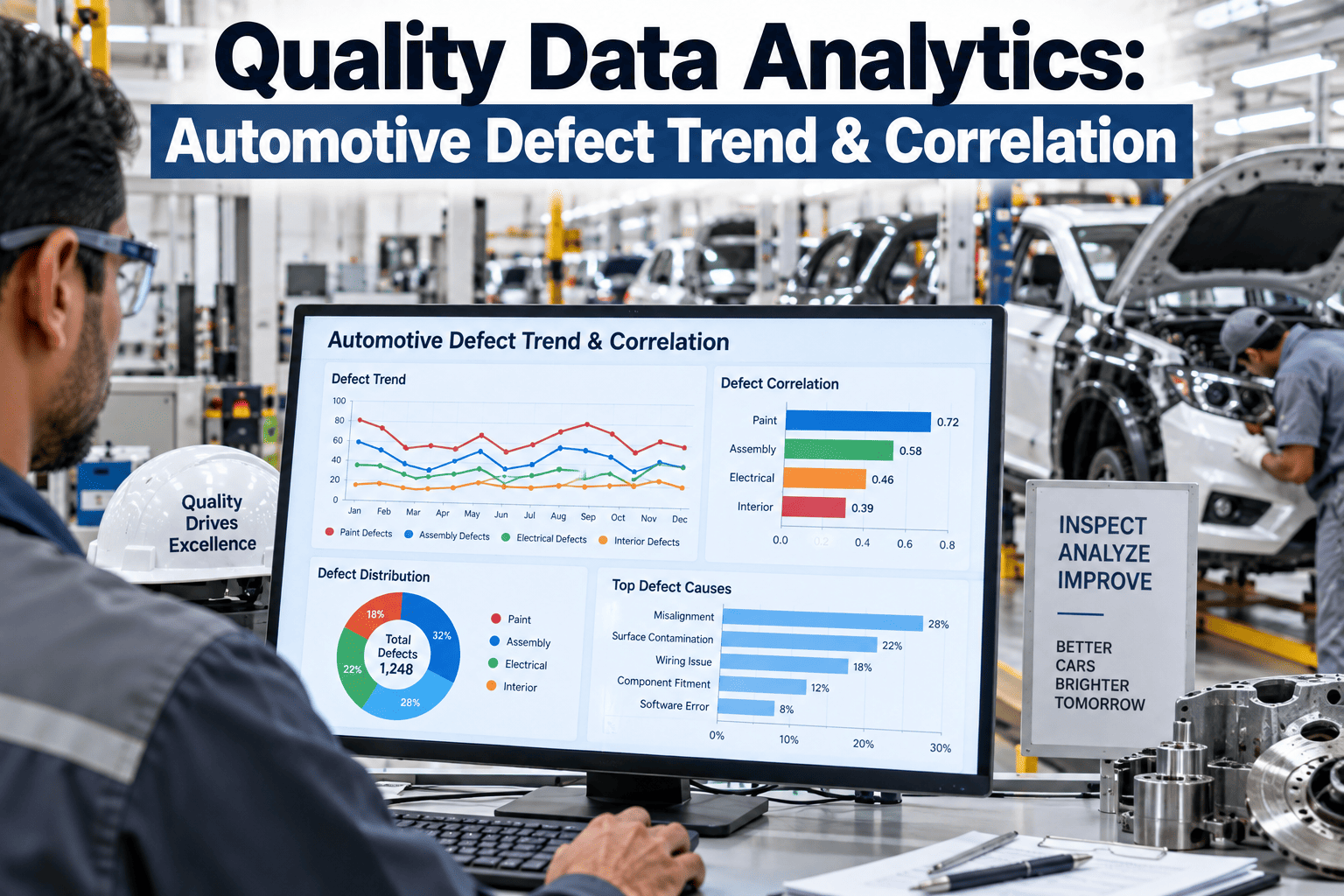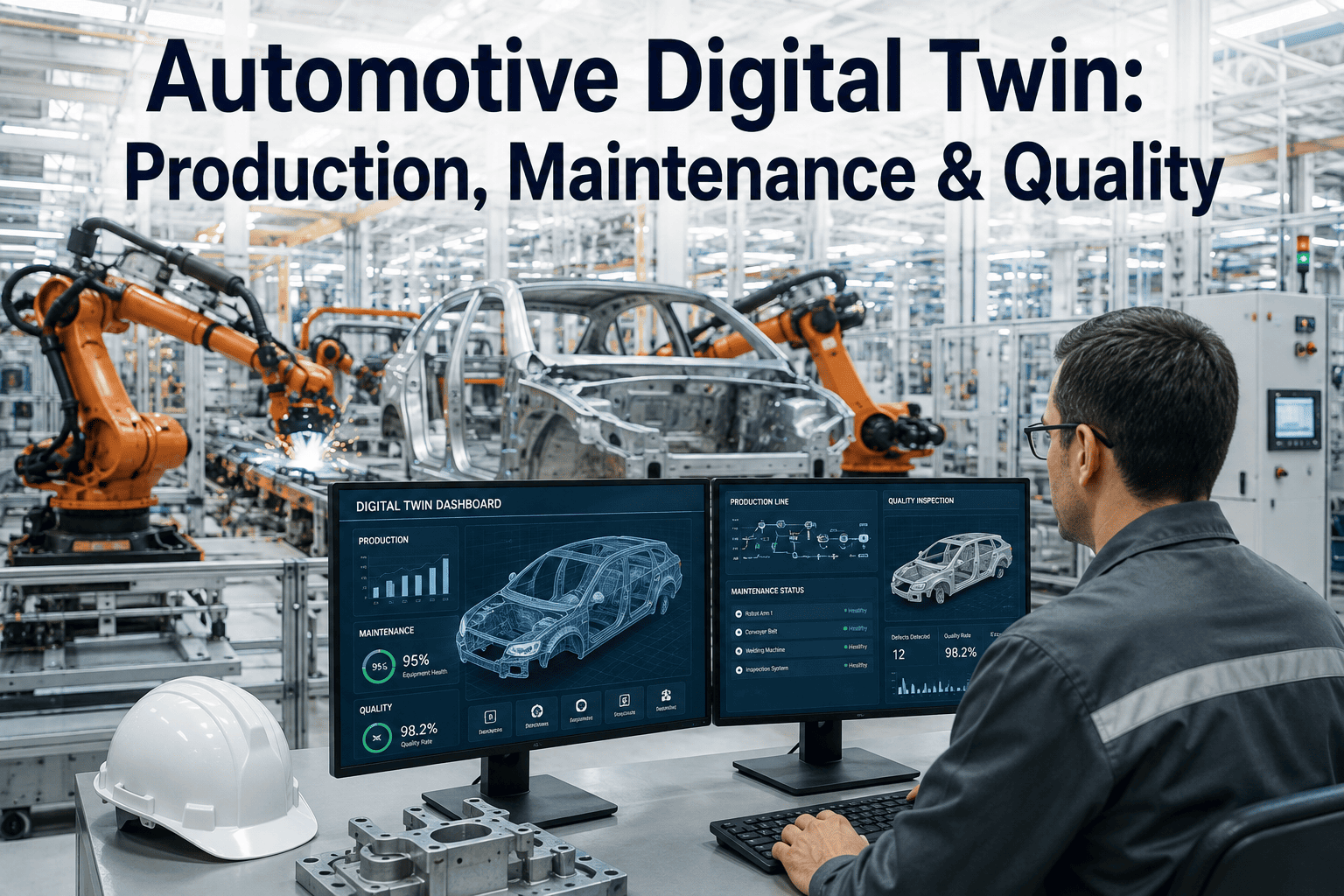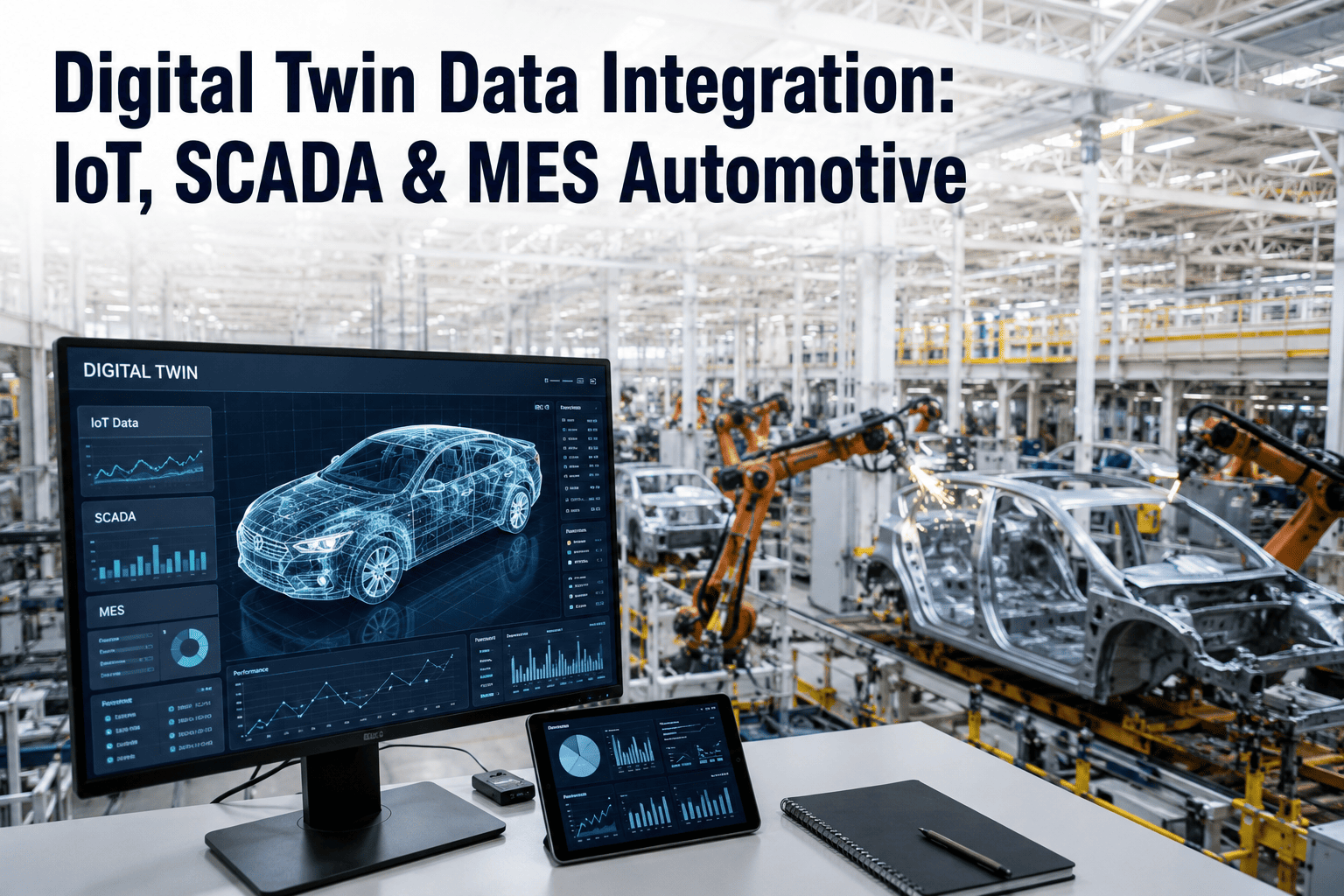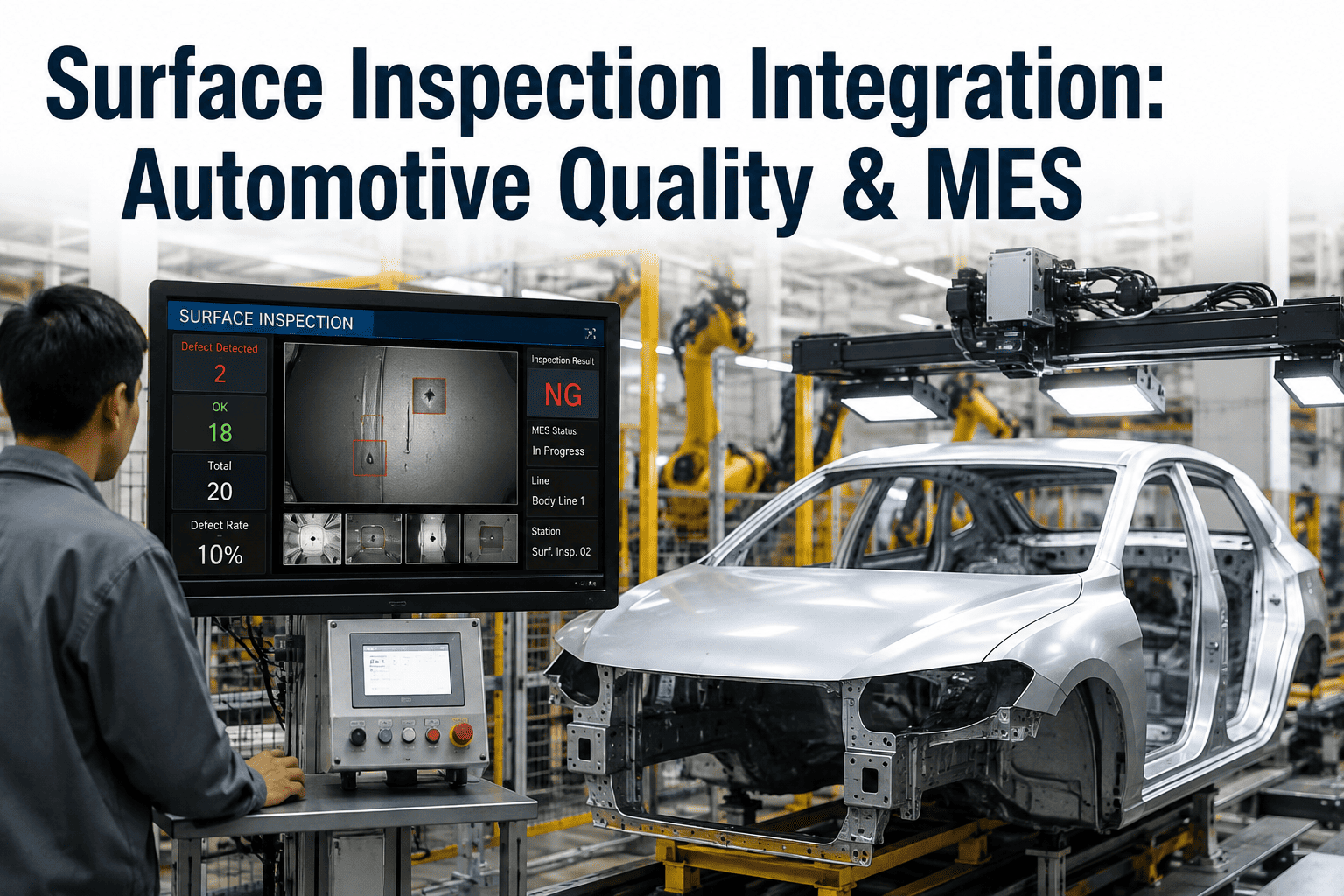
Ask an operations director how many systems of record exist across their plant and most will pause before answering, because the honest count usually includes ERP, MES, a quality management tool, a maintenance platform, and at least one spreadsheet quietly holding everything together. Each system may work perfectly on its own, yet the moment a decision needs data from more than one of them, someone is manually reconciling numbers that should already agree. Integrating SAP with MES, quality, and maintenance platforms closes that gap and turns four separate truths into one, with a single hub every system trusts. Operations directors evaluating their own integration gaps can book a demo to see it mapped out.
OPERATIONS DIRECTOR GUIDE · ERP INTEGRATION · 2026
One Data Layer Instead of Four Disconnected Ones
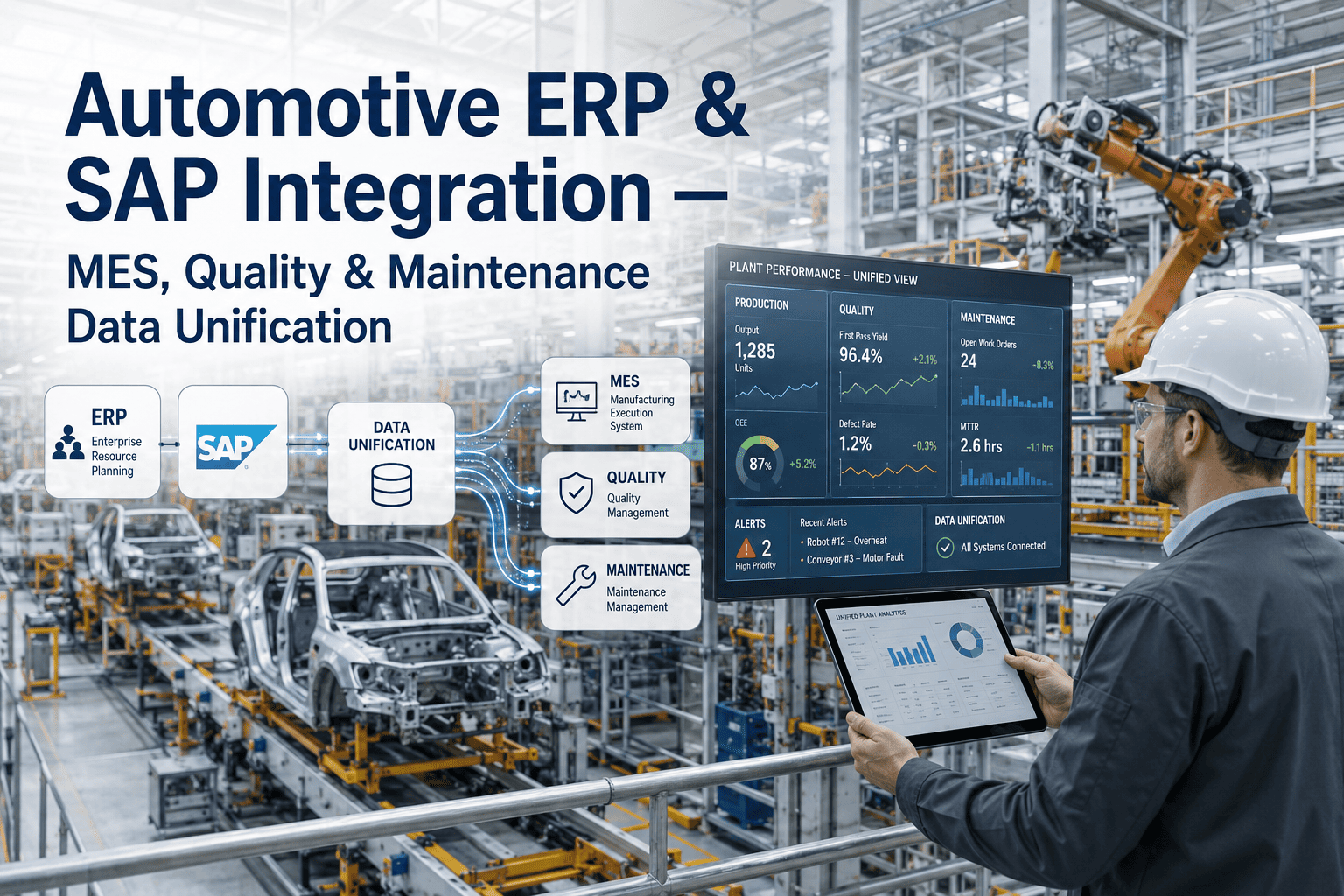
AI-powered data orchestration keeps SAP, MES, quality management, and maintenance platforms synchronized in real time, eliminating the manual reconciliation that silos create.
MES
ERP / SAP
UNIFIED DATA LAYER
Quality
Maintenance
Where the Reconciliation Burden Actually Lives
ERP holds the financial and materials picture, MES tracks what is happening on the line right now, quality management owns non-conformance and corrective action data, and maintenance platforms track asset health and work orders. Each system was typically bought to solve its own problem, which means each one has its own definition of a work order, a downtime event, or a part number.
Without integration, someone has to manually translate between these definitions every time a cross-functional decision needs to be made, whether that is calculating true cost of quality or scheduling maintenance around a production plan. AI-powered orchestration removes that translation layer by keeping a single, continuously synchronized data model underneath all four systems.
The cost of skipping this step rarely shows up as a single line item. It shows up instead as a standing weekly task nobody officially owns, a spreadsheet somebody maintains from memory, and decisions that get made on whichever number was easiest to pull that morning rather than the most accurate one available.
6-10 hrs
Spent weekly reconciling data by hand across disconnected systems
4
Separate definitions of "downtime" that typically exist across ERP, MES, and maintenance
1 layer
Is all it takes once systems share a common, synchronized data model
| Without Integration | With Integrated Data Layer |
|---|---|
| Downtime reconciled manually between MES and maintenance | Downtime events sync automatically across both systems |
| Quality holds not reflected in ERP inventory in real time | Inventory updates the moment a quality hold is placed |
| Maintenance scheduled without visibility into production plan | Maintenance windows scheduled against live production schedule |
| Cost of quality calculated monthly from exported reports | Cost of quality visible continuously from live source data |
AI-POWERED DATA ORCHESTRATION
See What One Unified Data Layer Looks Like
Get a walkthrough of how SAP, MES, quality, and maintenance data connect without manual reconciliation.
How Integration Actually Gets Built
1
Map the Systems of Record
Every system currently holding relevant data is identified, along with where definitions diverge.
2
Establish a Common Data Model
Work orders, downtime, and part numbers are normalized to a shared definition across systems.
3
Connect in Real Time
SAP, MES, quality, and maintenance platforms sync continuously instead of through batch exports.
4
Surface Cross-System Views
Leadership sees cost, quality, and maintenance data together, without waiting on manual reports.
What Operations Directors Are Saying
We had four systems that each told a slightly different version of the truth, and reconciling them was a standing job for someone on our team every single week. Once the data layer connected everything, that entire job disappeared and the numbers just agreed.
Operations Director, Automotive Component Manufacturer
Frequently Asked Questions
Does integration mean replacing our existing SAP or MES system?
No, the goal is to connect the systems already in place rather than replace them, since most plants have significant investment and institutional knowledge built around their current ERP and MES platforms. Integration adds a synchronization layer that keeps data consistent across systems, which is typically far less disruptive and less costly than a full platform migration, while still solving the underlying reconciliation problem.
How real-time is the data synchronization between systems?
Most integrated data flows, such as downtime events or quality holds, synchronize within seconds of occurring in the source system, so decisions made from the unified view reflect what is actually happening on the floor. Certain aggregated metrics that require calculation across a full shift or day update continuously as new source data arrives, rather than depending on a scheduled batch job to catch up periodically overnight.
What is typically the hardest part of integrating these systems?
The technical connection itself is usually more straightforward than establishing a common data model, since each system typically has its own definition of core concepts like a work order or a downtime reason code. Reconciling these definitions across departments takes deliberate cross-functional work early in the project. Teams can review this mapping process through support before beginning technical implementation.
How long does a typical SAP and MES integration project take?
A focused integration covering one or two high-priority data flows, such as downtime and quality holds, is often live within six to ten weeks. A broader integration spanning ERP, MES, quality, and maintenance across the full plant typically takes three to six months depending on how many systems and locations are involved. Operations leaders can book a demo to scope a realistic timeline for their own system landscape.
ERP · MES · QUALITY · MAINTENANCE INTEGRATION
Give Every System the Same Version of the Truth
See how a unified data layer connects your existing SAP, MES, quality, and maintenance platforms.