A plant manager scaling electric bus production runs into a constraint that diesel bus lines never had to plan around — the battery pack is the heaviest, most expensive, and most safety-critical component on the vehicle, and it has to go in exactly right the first time because reworking a high-voltage system after final assembly is neither quick nor safe. Battery placement affects seating capacity, weight distribution, and structural mounting all at once, and once the pack is installed, the high-voltage system has to stay locked out until every downstream electrical connection and the battery management system integration are verified. AI-driven monitoring across battery integration, chassis assembly, and final quality control gives plant managers the checkpoint visibility this sequence demands, across transit, school, and coach platforms that each carry their own configuration complexity.
Electric Bus Manufacturing — AI-Powered Battery Integration, Assembly and Quality Control
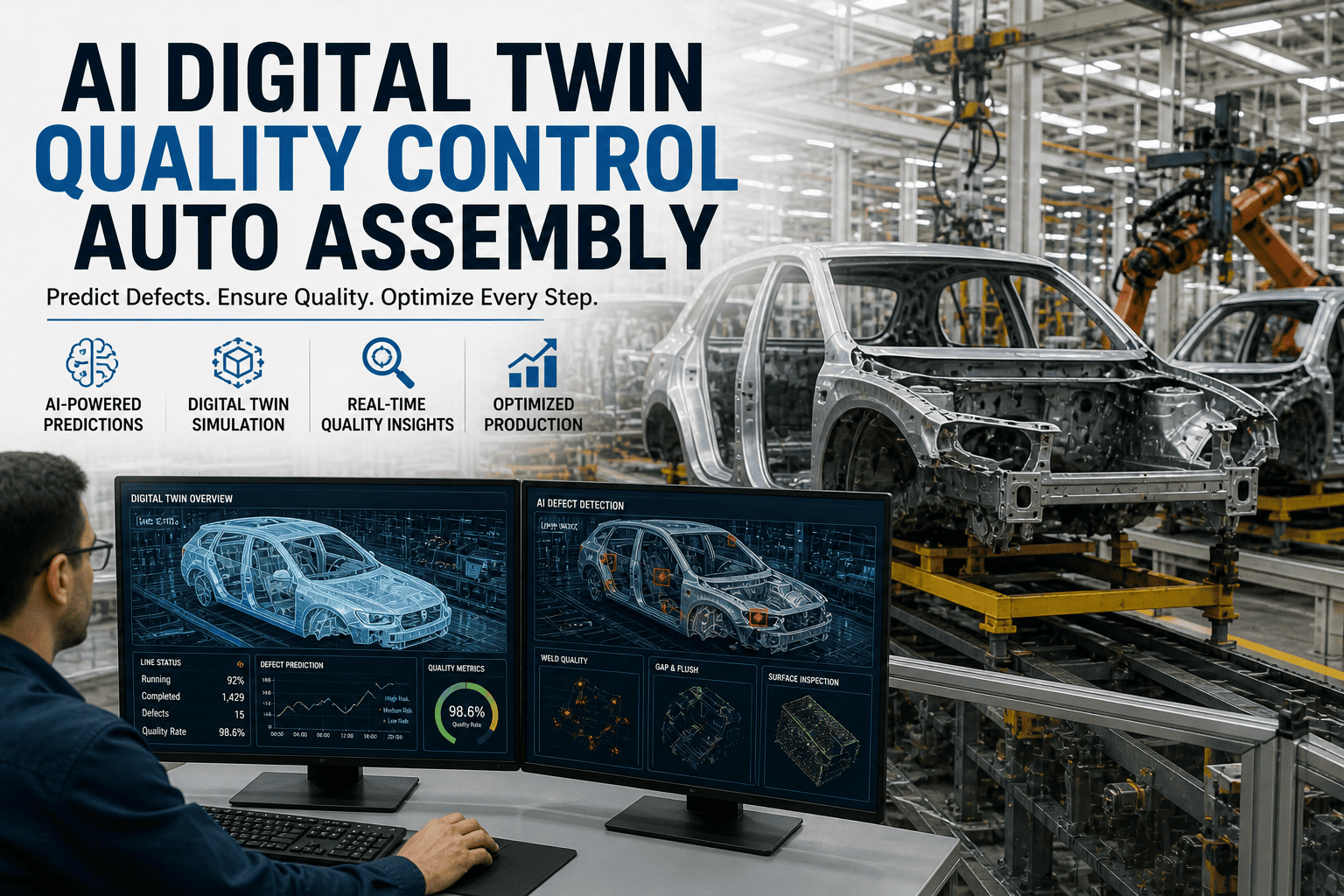
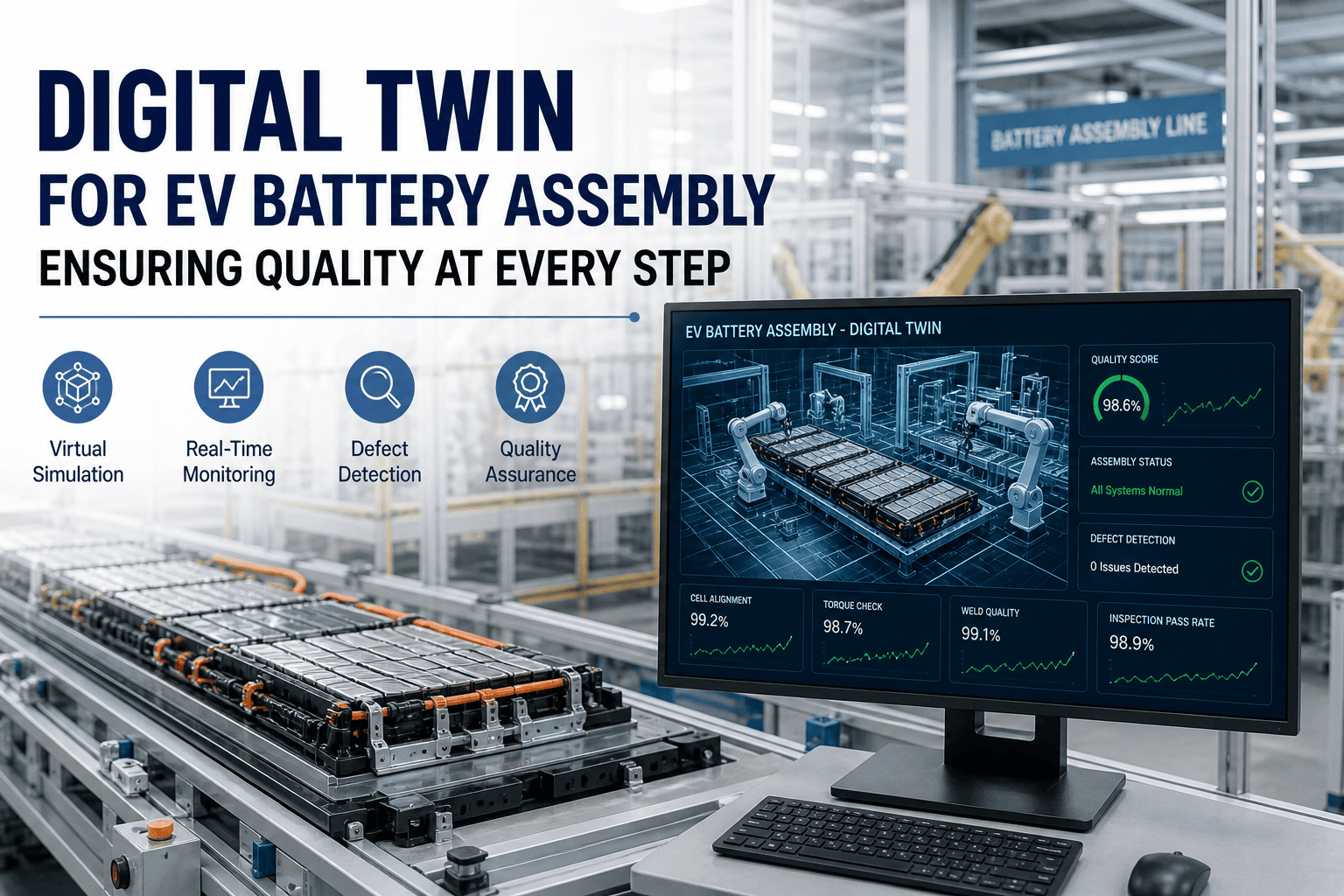
AI-driven monitoring tracks battery pack installation, high-voltage lockout sequencing, and chassis assembly quality in real time — giving plant managers the checkpoint visibility a safety-critical, high-option-content build demands across transit, school, and coach platforms.
Four Checkpoints Between an Empty Chassis and a Verified High-Voltage Bus
Battery integration on an electric bus is not a single installation step — it is a sequence where getting the order wrong creates real safety risk, and where each checkpoint has to be verified before the next one proceeds.
The Scrap Rate Problem Electric Bus Plants Inherit From Battery Manufacturing
Battery cell and pack manufacturing across the industry still commonly runs scrap rates in the range of 20% to 30% at the cell and module level, burning through significant material cost before a single pack reaches a vehicle assembly line. A bus plant receiving packs from that supply chain inherits the consequences of any defect that slipped through incoming inspection, and finding that defect after the pack has already been mounted, wired, and integrated with the vehicle control unit is far more costly than catching it at incoming inspection or at the point of installation.
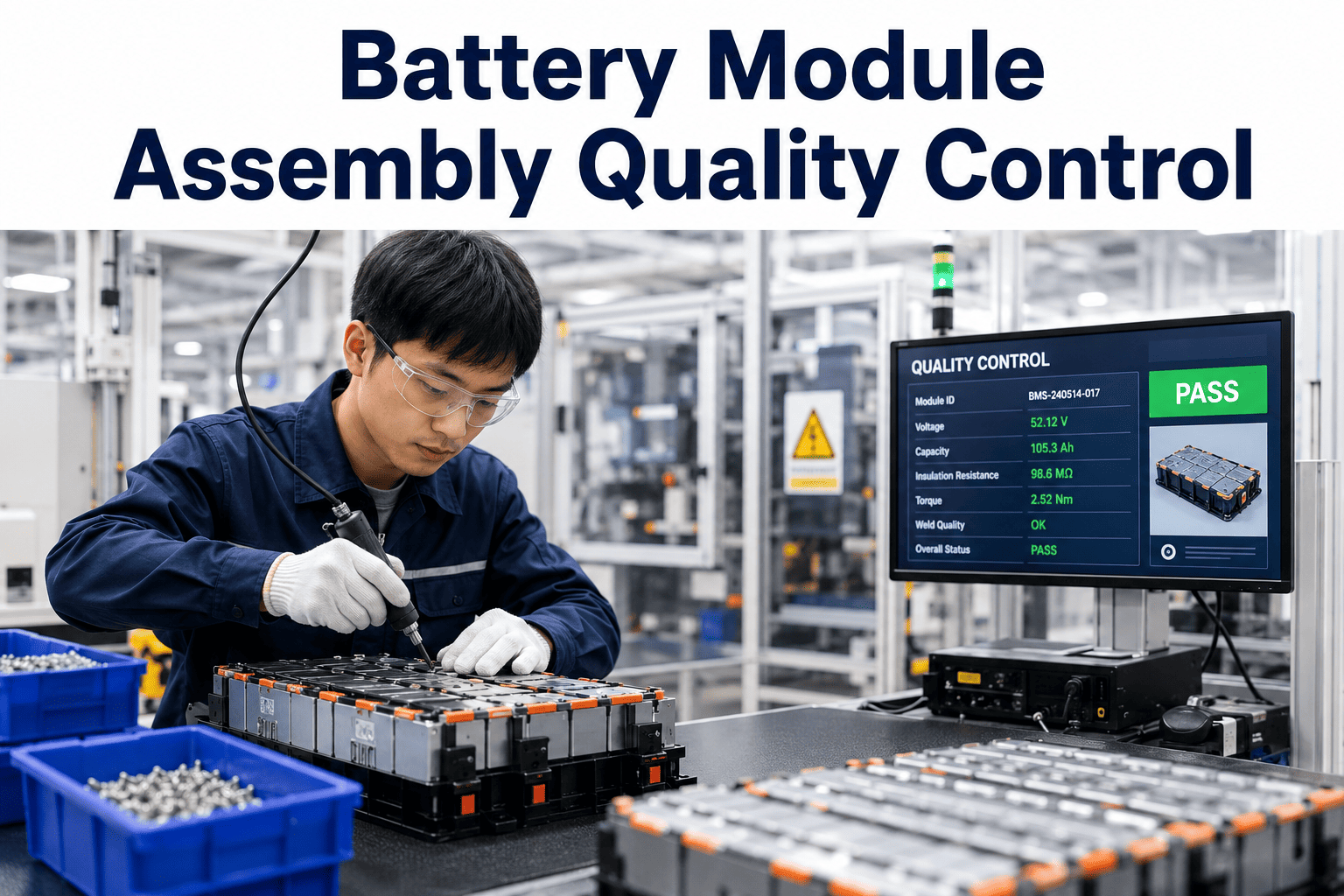
AI-driven monitoring at the point of battery integration adds a verification layer specific to the installation process itself — confirming mounting torque, connection integrity, and BMS communication at each checkpoint — so a plant is not relying solely on upstream battery manufacturing quality control to catch every defect before it reaches a fully assembled vehicle.
Verify Every Battery Integration Checkpoint Before the Next Stage Begins
See how AI monitoring tracks mounting, lockout sequencing, and BMS integration across your battery installation process.
Transit, School, and Coach Platforms Each Carry Different Option Content
Tracking Assembly Quality Across a High-Option-Content Vehicle
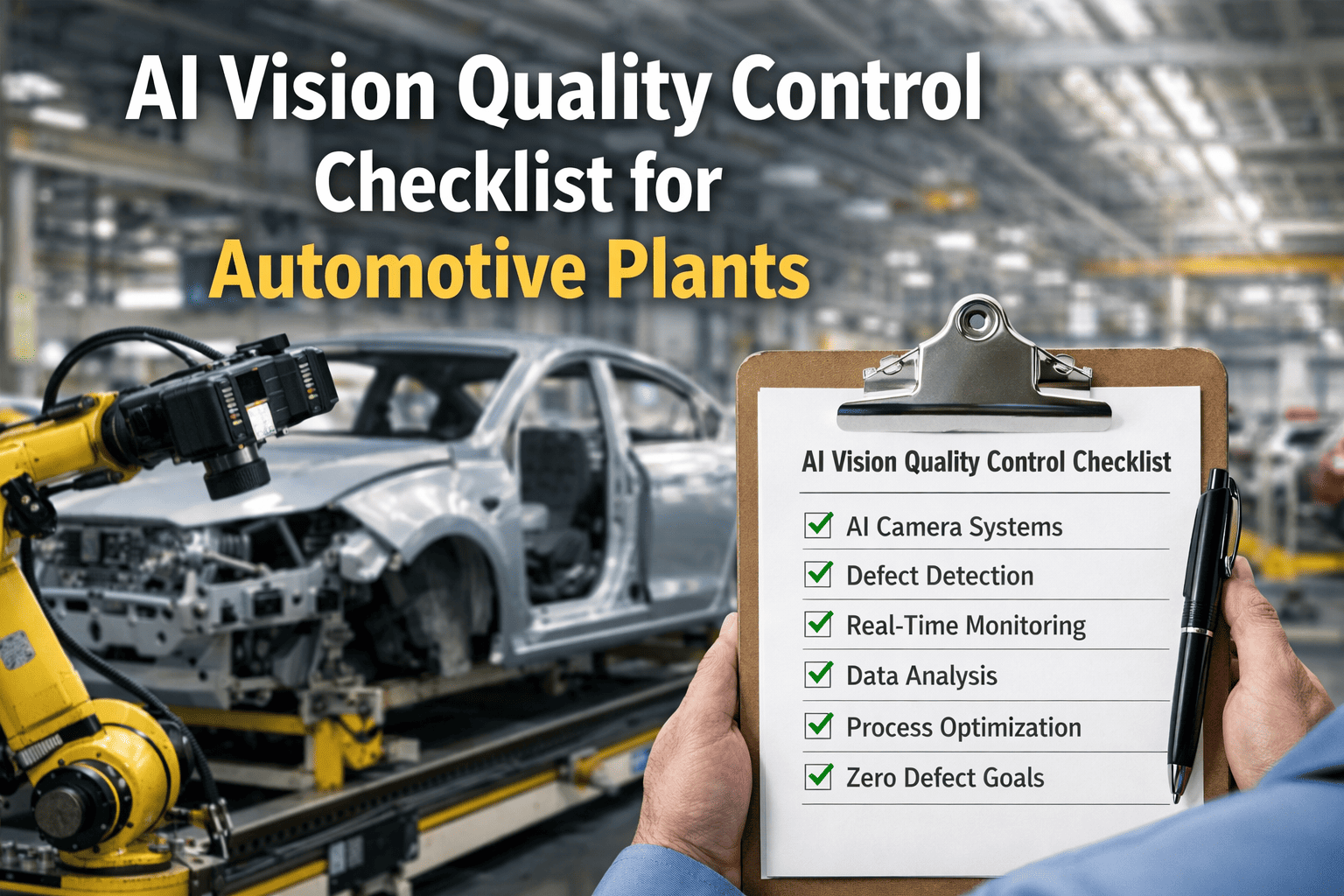
Electric bus assembly carries meaningfully more option content per unit than a standardized transit vehicle platform of a decade ago — charging port configuration, route-specific range packages, and accessibility equipment all vary by customer order. AI-driven assembly tracking confirms the correct configuration-specific components and torque sequences are applied to each vehicle as it moves through the line, catching a configuration mismatch before it reaches final quality control rather than after the vehicle is fully built.
What Final Vehicle Quality Control Confirms Before Delivery
Final quality control on a completed electric bus verifies that every upstream checkpoint held — battery integration, high-voltage system integrity, chassis assembly configuration, and BMS communication — as a single integrated system rather than as isolated station-level checks. AI-driven monitoring throughout the build gives the final quality control stage a documented history of every checkpoint for that specific vehicle identification number, replacing a final inspection that would otherwise be starting from limited visibility into how the vehicle was actually built.
Questions Plant Managers Ask About AI Monitoring for Electric Bus Manufacturing
Give Every Electric Bus a Verified Build History, Checkpoint by Checkpoint
AI-driven monitoring across battery integration, chassis assembly, and final quality control — built for transit, school, and coach platforms alike.