When a warranty claim comes in on a vehicle built eighteen months ago, the question is never just "was there a defect" — it is which station built the part, which shift ran it, and what else came off that same line around the same time. Without a VIN-linked chain connecting every inspection event back to its station and shift, answering that takes days of manual digging through separate systems. Auto OEM quality and warranty teams who want to see their own traceability gaps mapped can review a VIN-linked data chain against their current systems with iFactory AI.
Every VIN Should Carry Its Full Station History, Not Just a Pass or Fail
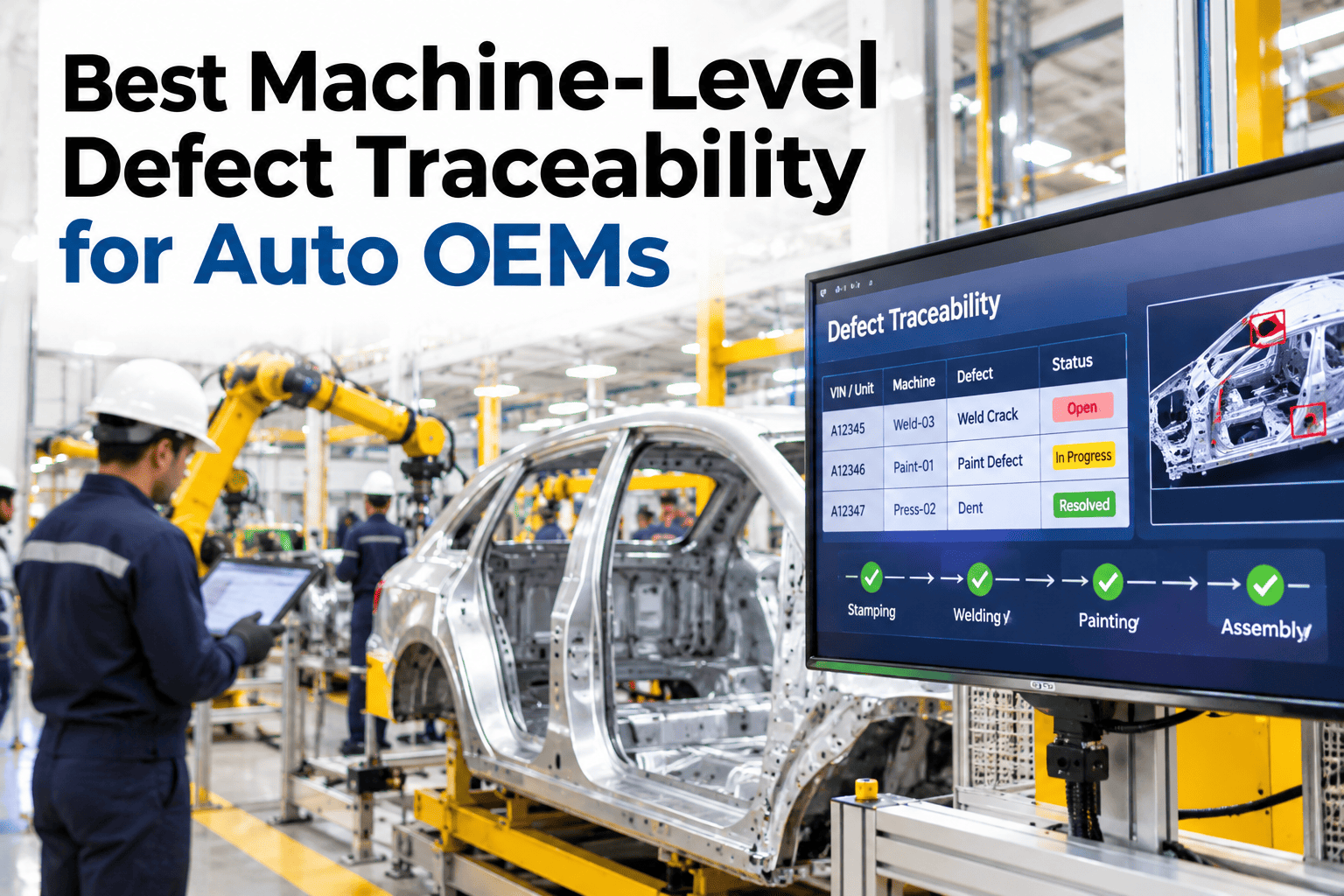
iFactory AI links EOL defect metadata to station, shift and build data at the VIN level, so a warranty question resolves in minutes instead of a multi-day records search.
What a VIN-Linked Data Chain Actually Connects
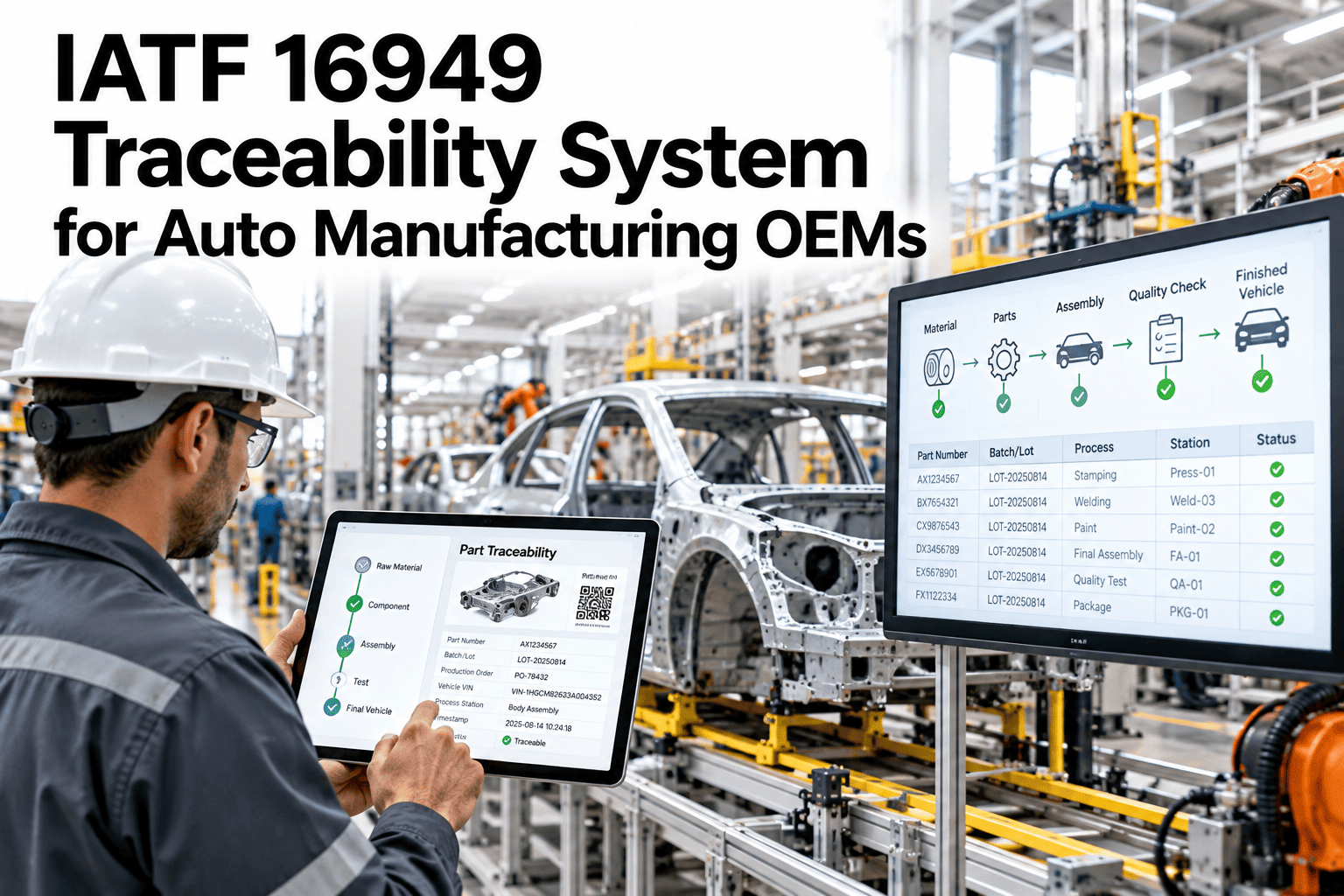
A true traceability chain is not a single database — it is a consistent link between several systems that normally run independently: build records, station-level inspection results, shift schedules and warranty claims. The VIN is the thread that ties them together.
What Gets Lost Without Station-Level Attribution
See What Your Current Chain Is Actually Missing
Walk through a recent warranty case against your existing data systems to find where the VIN-linked chain breaks today.
Four Systems That Usually Need to Connect
| System | What it holds | Why it needs the VIN link |
|---|---|---|
| Build/MES records | Station, shift, operator per process step | Answers "who built this and when" |
| EOL inspection | Pass/fail and defect detail at final check | Ties the last check to everything before it |
| Warranty system | Field claims and repair records | Needs to search back into build history |
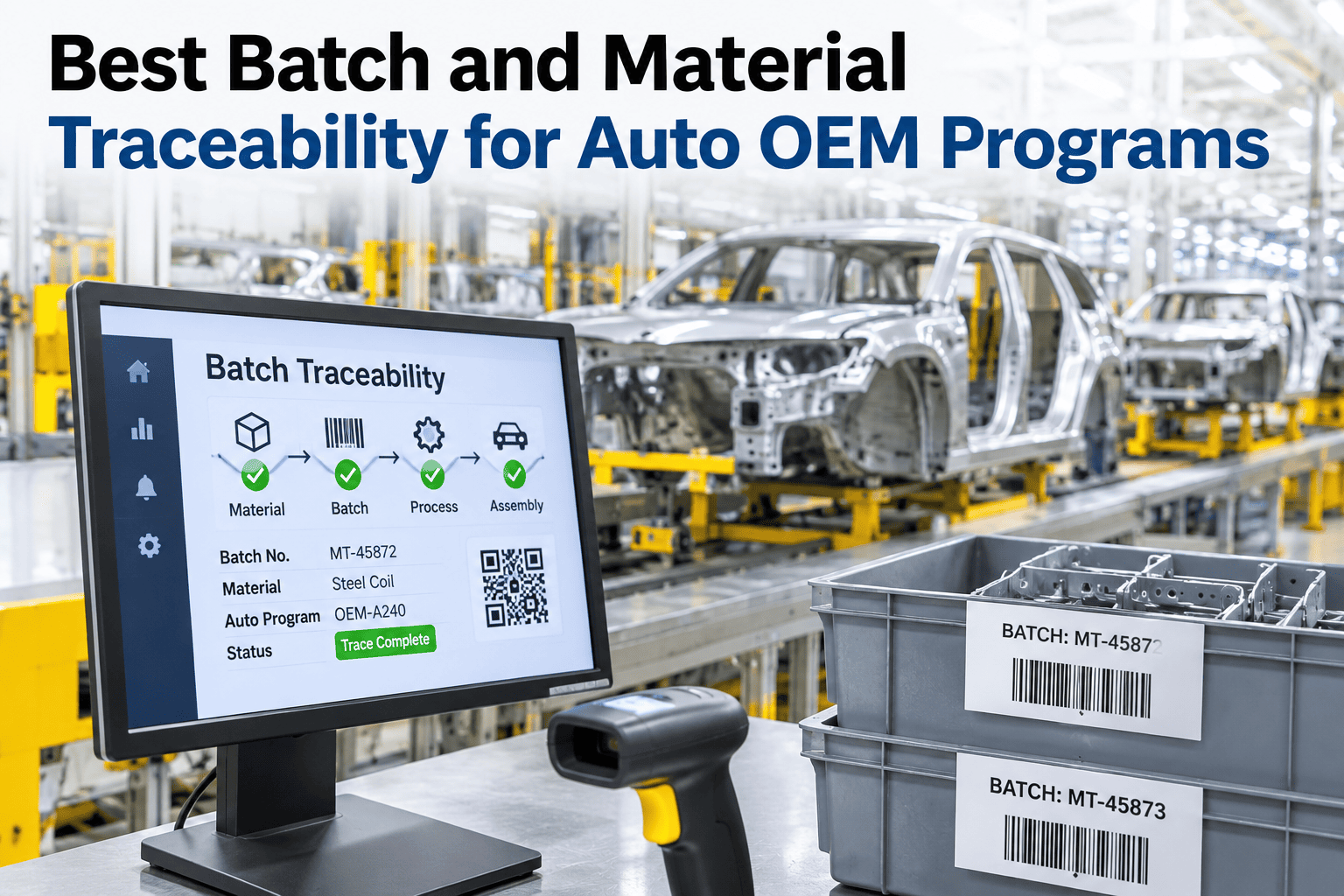
| Supplier/parts data | Lot and batch records for key components | Links a defect to a specific incoming lot |
How This Shortens a Recall Investigation
A recall investigation without a VIN-linked chain typically starts with a manual pull from several disconnected systems, cross-referencing dates and shift schedules by hand to narrow down which vehicles might be affected. That process can take days before anyone has a defensible range of VINs to act on.
With the chain already connected, the same question — which vehicles passed through this station during this time window, with this supplier lot — becomes a direct query instead of a research project, a difference iFactory AI's team can walk through against a past case your plant has handled.
A Composite Scenario: The Claim Pattern Nobody Connected
A warranty team noticed a handful of similar claims over several months but treated each as an isolated case, since nothing in the warranty system showed they shared a build detail. Once claims were linked back through the VIN chain to station and shift data, all of them traced to the same assembly station during a specific two-week window tied to a fixture that had drifted out of calibration. The pattern was there the entire time — it simply was not visible without the connection between warranty and build data.
Frequently Asked Questions
Stop Searching for What Should Already Be Connected
iFactory AI links EOL inspection, build and warranty data at the VIN level so an investigation resolves in minutes. Book a walkthrough with your own systems.