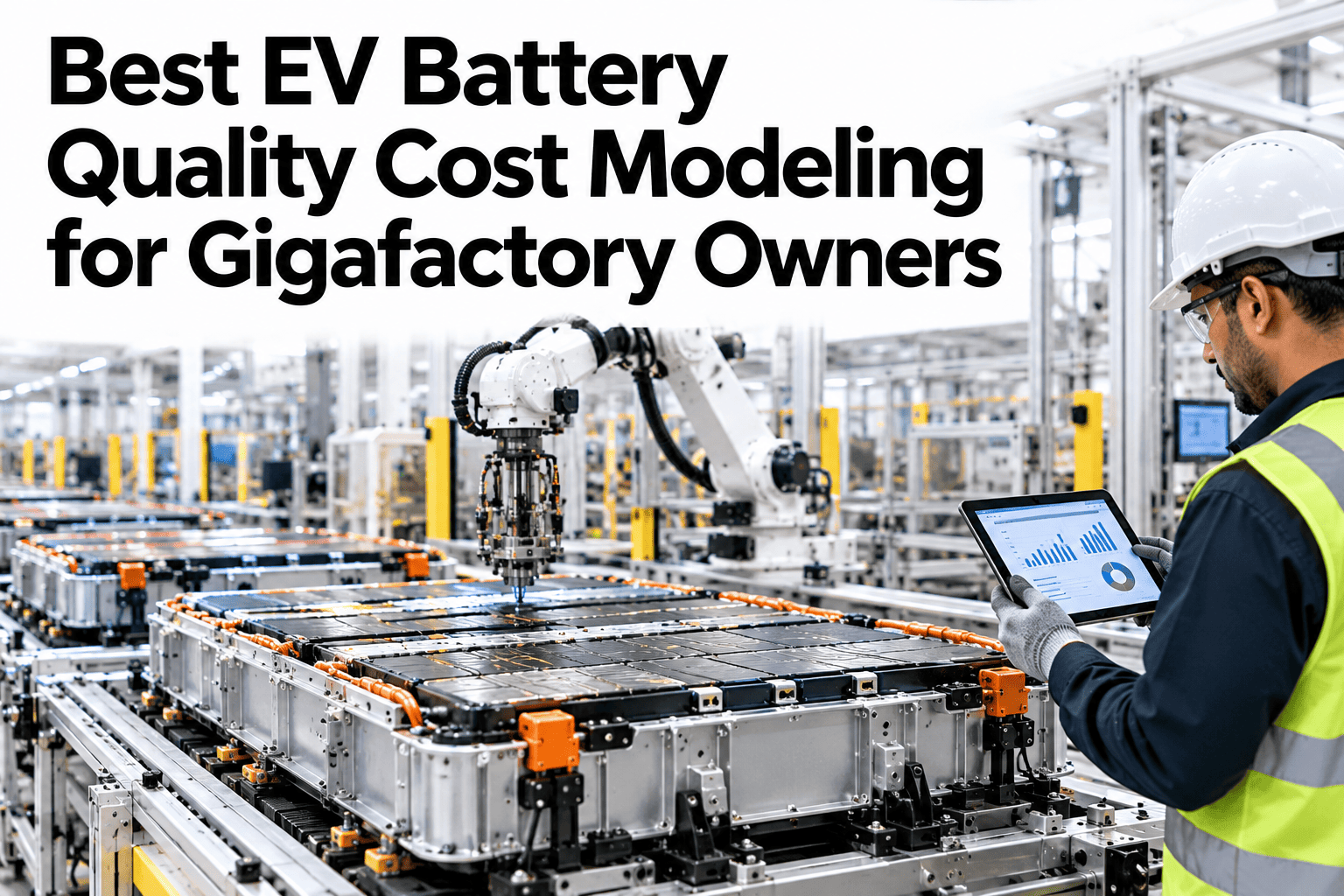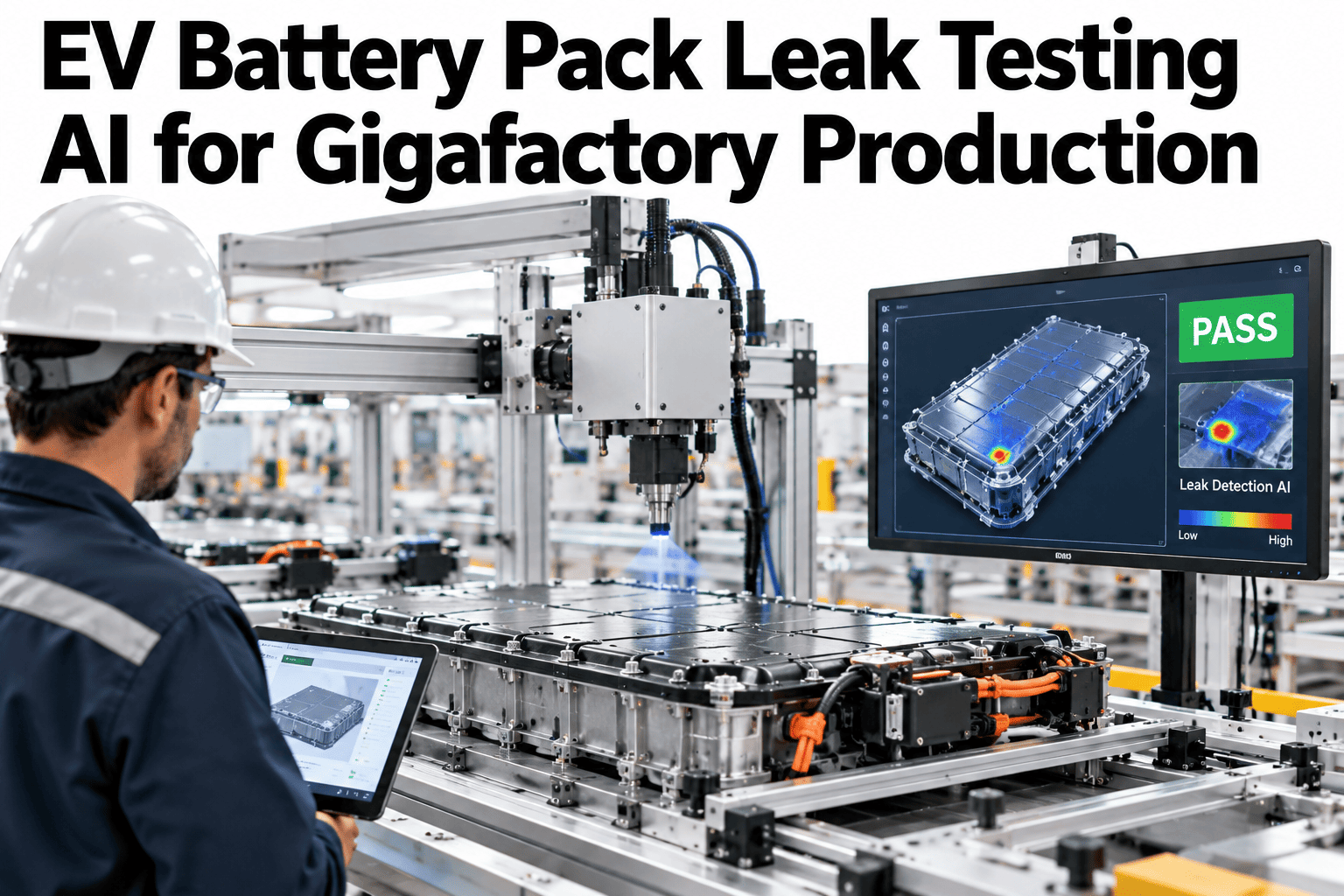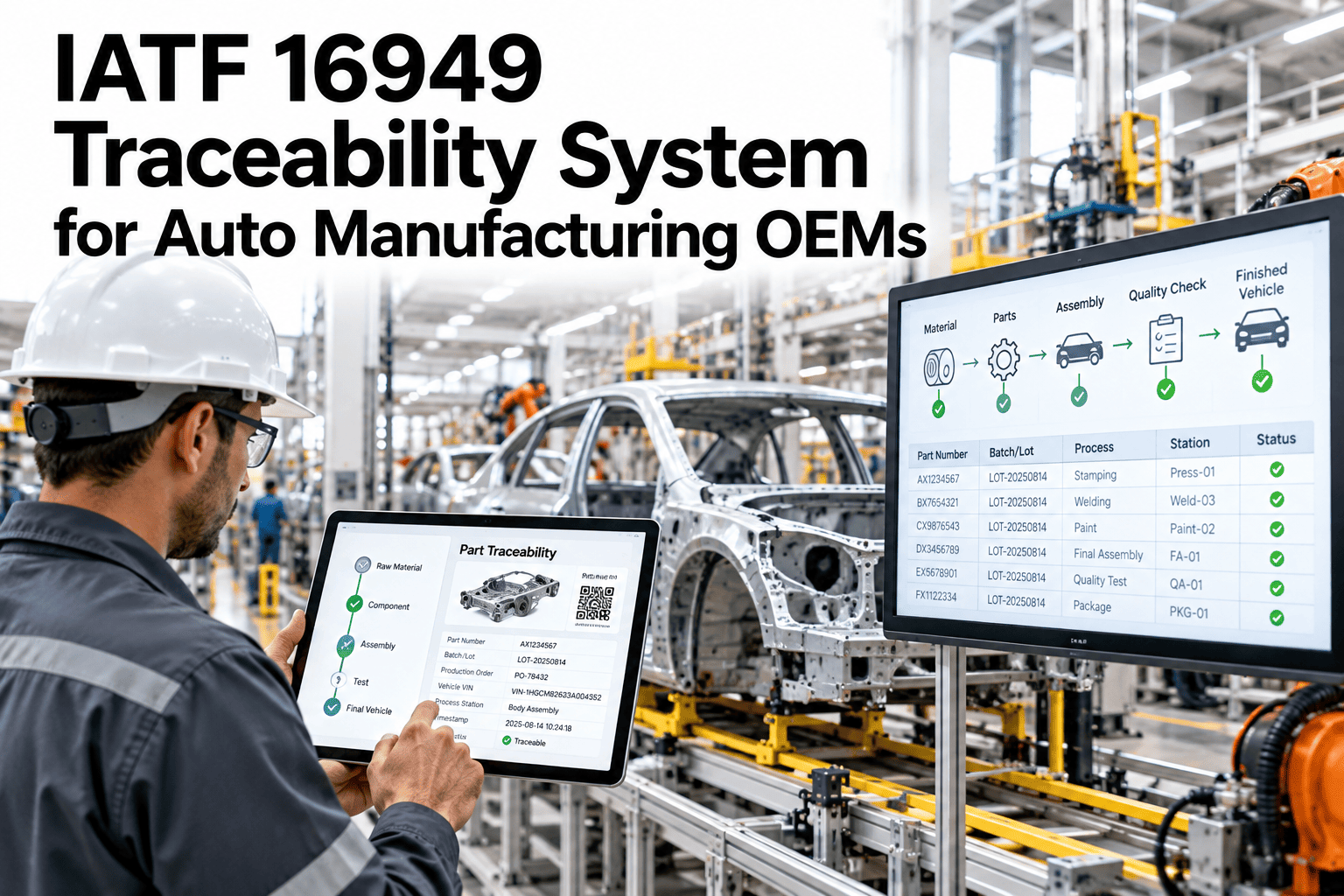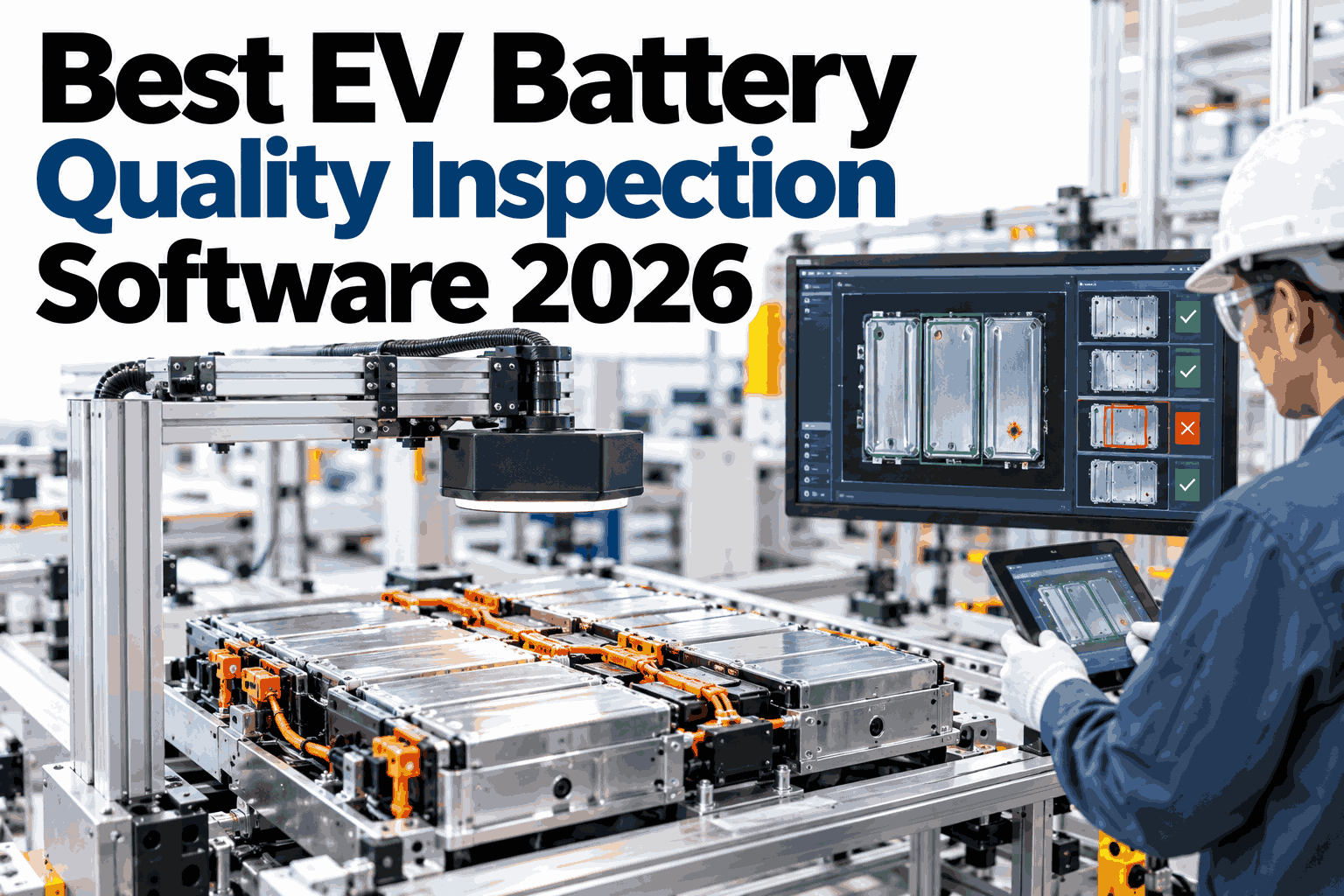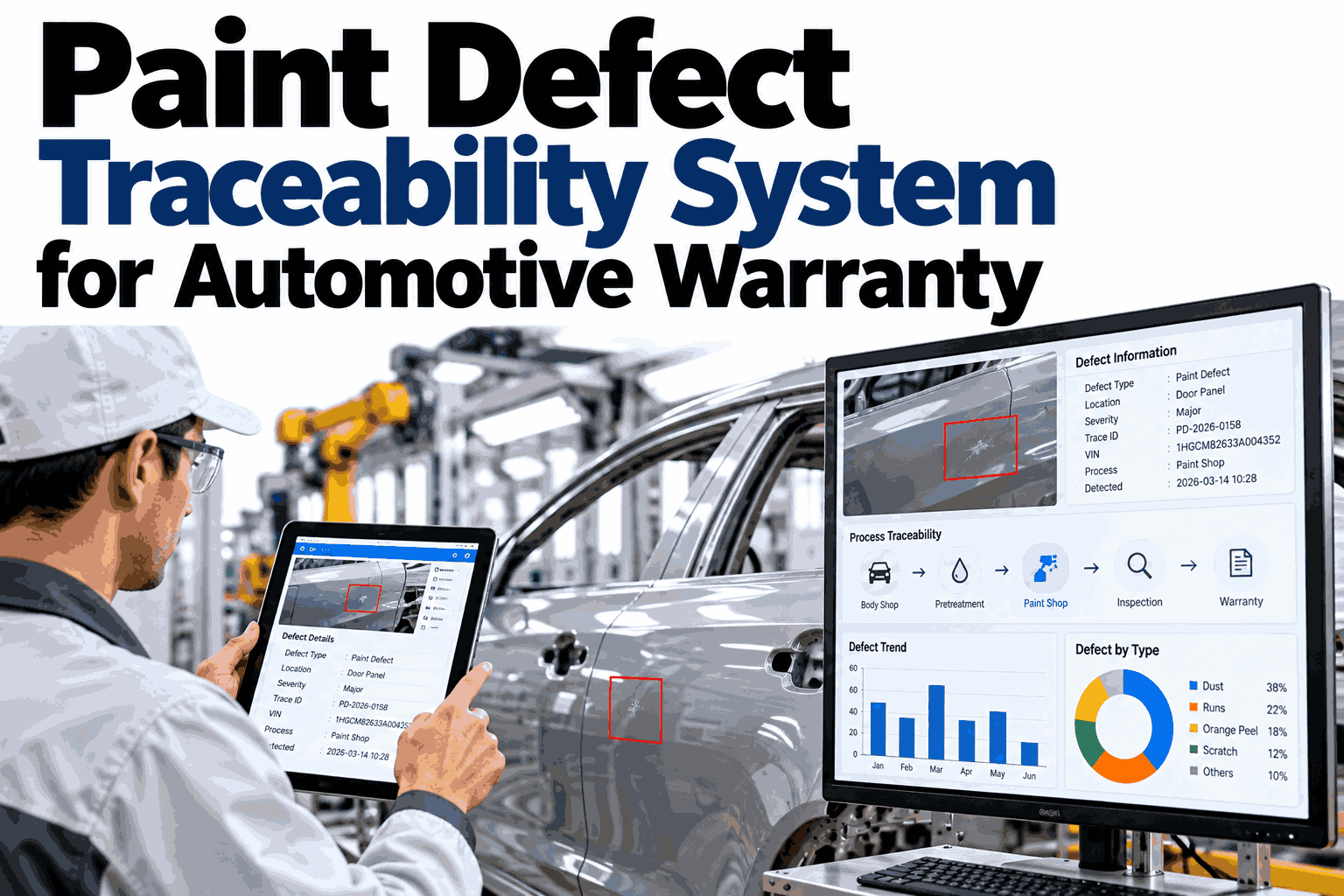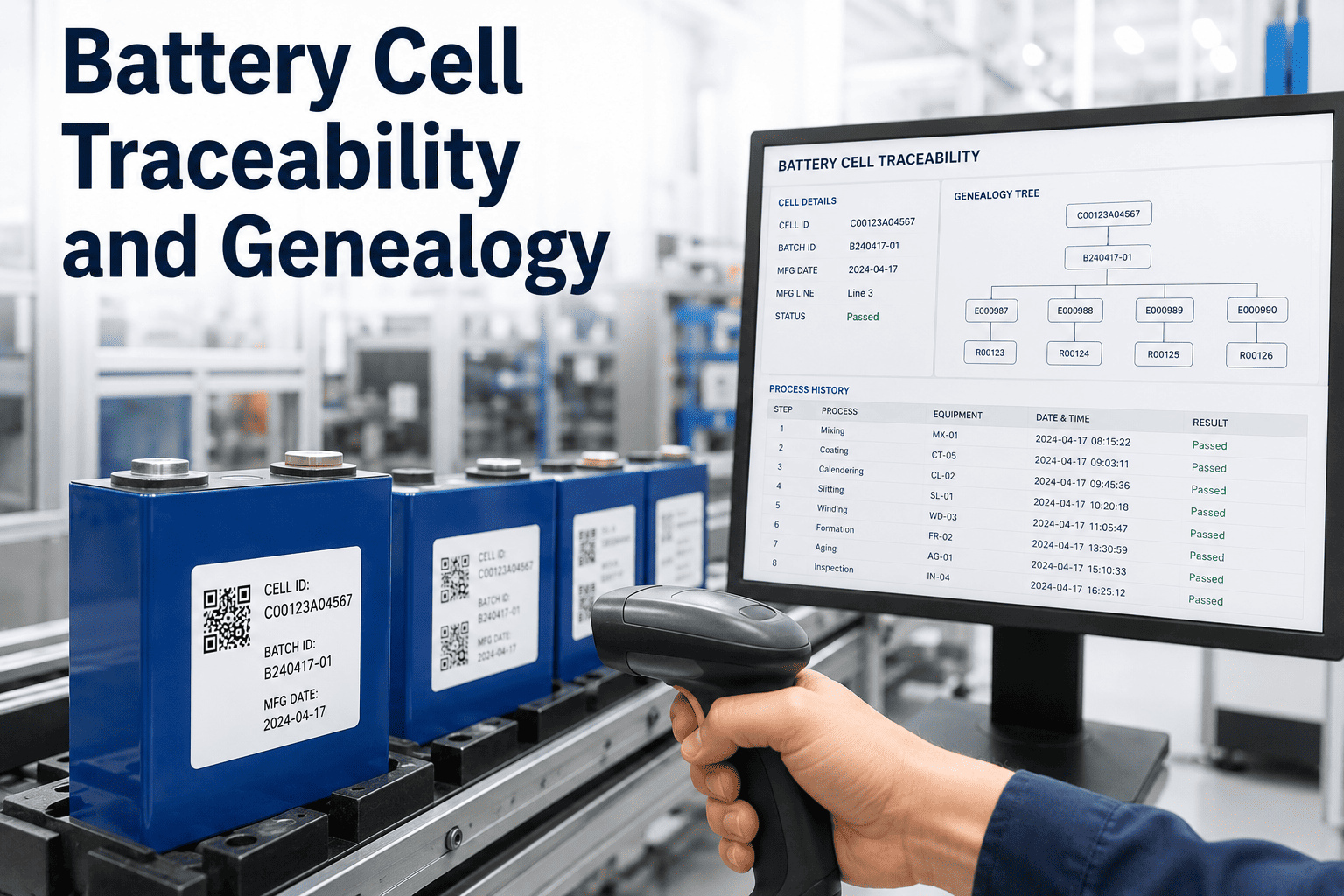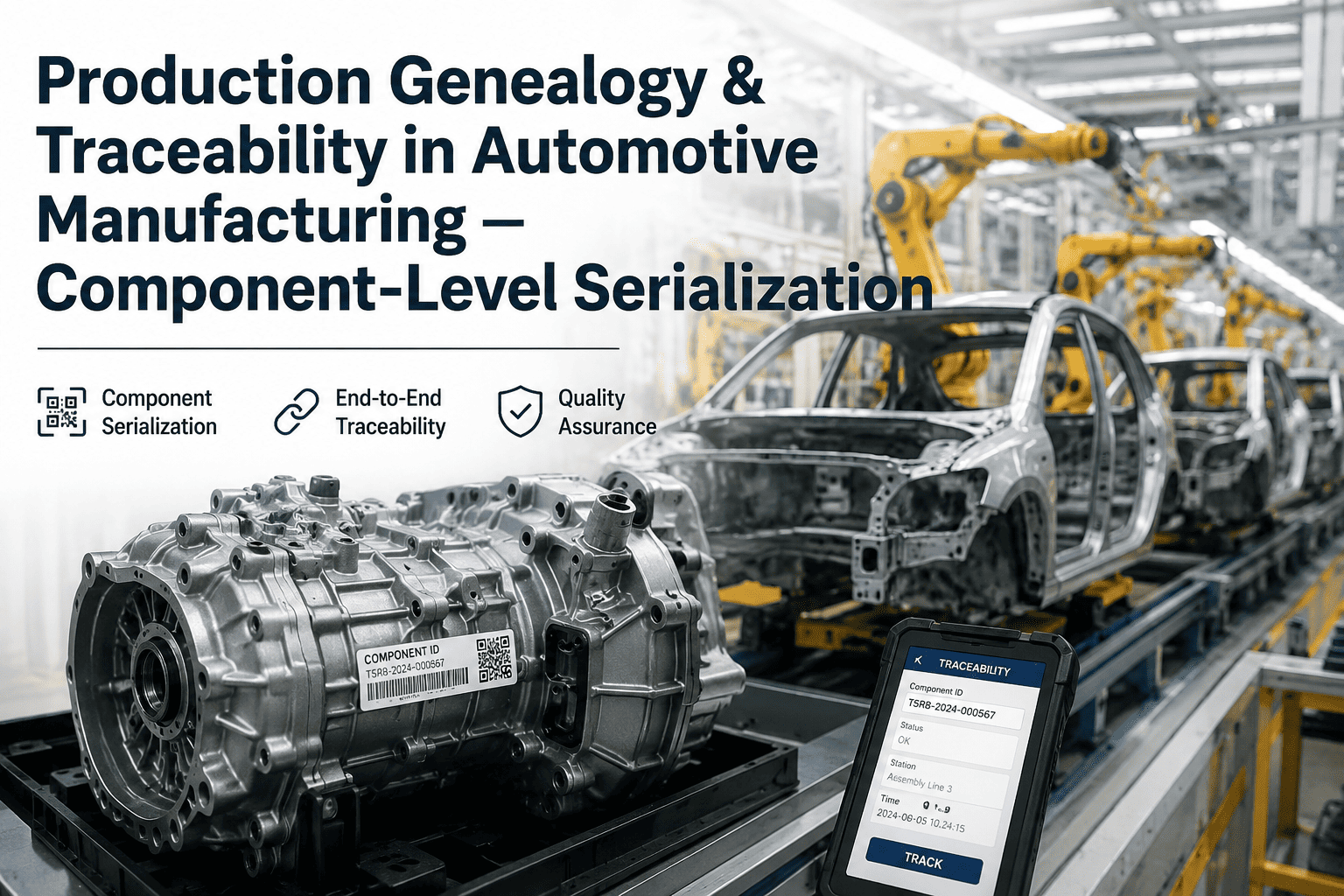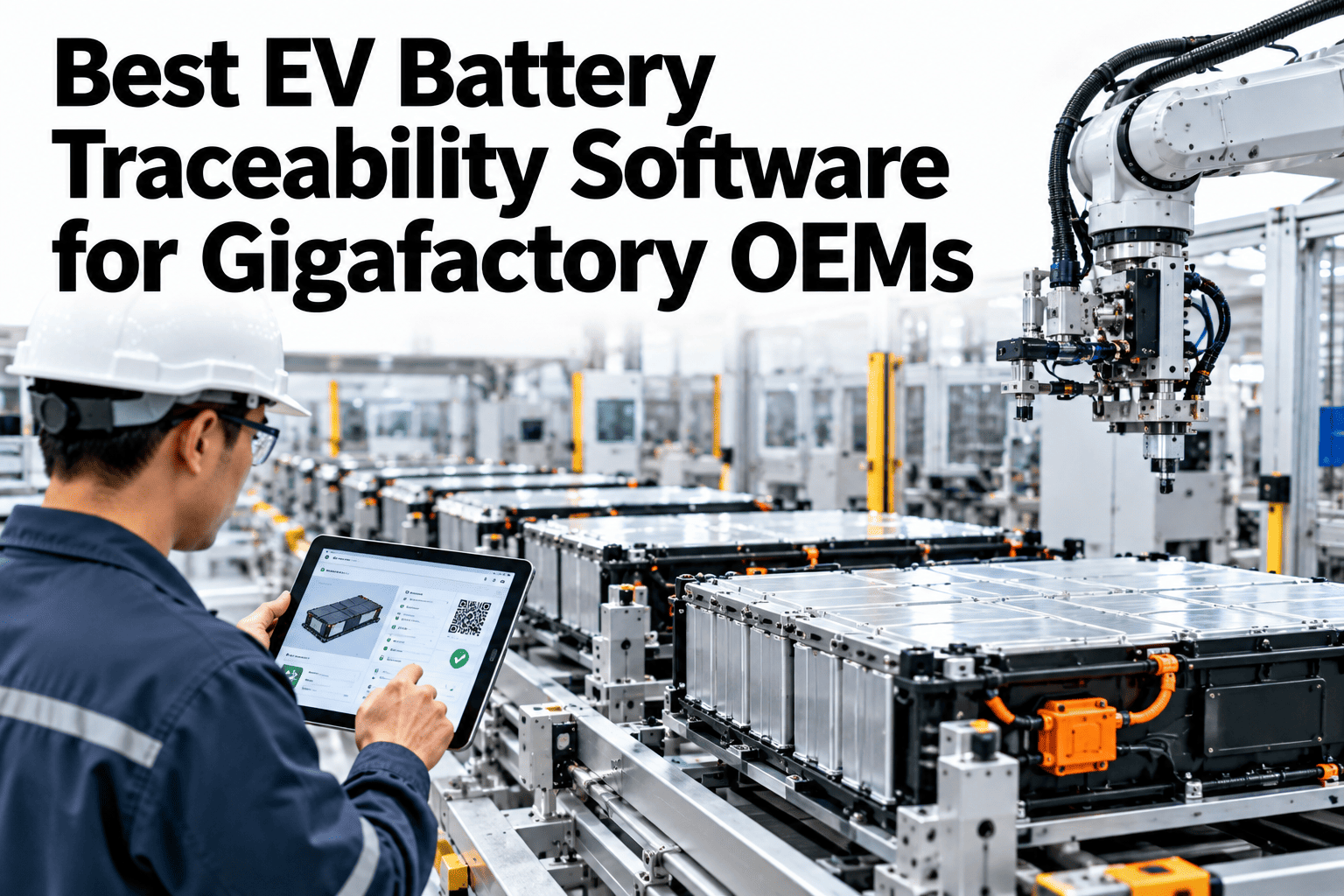
When an OEM opens a warranty claim on a battery pack years after it left the gigafactory, the question that actually matters is rarely "was this pack tested." It is "which cells went into this specific pack, which module they sat in, and what their individual test results were at the time." Without cell-level serialization carried through to pack genealogy, that question cannot be answered, and a single uncertain cell forces a conservative recall across an entire production run instead of the specific packs actually affected. Traceability software built for gigafactory scale needs to carry serialization from the individual cell through module assembly to the finished pack, and retain that record for as long as warranty and recall obligations require. OEMs and gigafactory operators evaluating this capability can trace a sample pack back to its individual cells live before the next production ramp.
Best EV Battery Traceability Software for Gigafactory OEMs
Cell-level serialization, pack genealogy, and long-term retention that meet OEM warranty and recall needs.
Why a Pack-Level Record Isn't Enough
A pack serial number without cell-level detail behind it cannot answer the specific questions a recall needs answered.
Without cell-level trace, a recall often has to cover an entire production run, not just affected packs.
A warranty claim investigation needs the specific cell's test history, not just the pack's final result.
Records that don't persist long enough leave gaps exactly when a years-later claim needs them most.
Serialization that stops at the pack level answers less than half of what a real recall or warranty investigation needs to know.
Building the Genealogy Chain
A complete traceability record connects four layers, in order, from raw cell to finished pack.
See Your Own Genealogy Chain End to End
Book a 30-minute session and bring a pack serial number. iFactory AI will trace it back through modules to individual cells.
Pack-Level vs Cell-Level Traceability
The difference becomes clear the moment a recall or warranty claim actually requires an answer.
| Scenario | Pack-Level Only | Full Cell-Level Genealogy |
|---|---|---|
| Suspect cell lot identified | Entire production run may need recall | Only packs with affected cells are flagged |
| Warranty claim investigation | Only pack-level test result available | Individual cell test history available |
| Module-level failure | Cannot isolate which module failed | Specific module and its cells identified |
What iFactory AI Supports
Serialization and genealogy are built in from the first cell through final pack assembly.
Cell-Level Serialization
Every cell carries its own serial number and test record from the point of manufacture.
Full Genealogy Mapping
Cell, module and pack relationships are recorded automatically as assembly happens.
Long-Term Retention
Records are retained to match OEM warranty and regulatory recall retention requirements.
Fast Recall Scoping
A suspect cell lot can be traced to the exact affected packs rather than an entire run.
iFactory AI integrates with existing cell, module and pack assembly data systems. Scope covers serialization setup, genealogy model build, and validation.
Expert Review
The value of cell-level genealogy almost never shows up in day-to-day operations. It shows up once, during a recall or a major warranty investigation, and at that moment the difference between scoping a few hundred packs versus an entire production run can be the difference in cost of several orders of magnitude.
Retention is the part most gigafactories underinvest in relative to serialization itself. Building the genealogy chain and then losing it to a data retention policy that does not match the warranty period defeats the purpose entirely.
Frequently Asked Questions
How is cell-level serialization physically applied at gigafactory speed?
Cells are typically marked with a laser-etched or printed code at the point of manufacture, which is read and logged automatically at each subsequent assembly step without slowing the line. The serialization method is chosen to withstand the manufacturing environment through final assembly. See a serialization approach demonstrated in a live session.
What retention period do OEM warranty and recall obligations typically require?
This varies by OEM contract and regional regulation, but EV battery warranty periods commonly run eight years or more, and recall obligations can extend further, which means the traceability record needs to be retained and accessible well beyond typical IT data retention defaults. Ask support about retention requirements for your specific OEM contracts.
Can this trace backward from a field failure to the original cell lot?
Yes, a pack serial number from a field failure can be traced back through its modules to the specific cells and their original manufacturing lot, which is the core capability a recall investigation needs. Request a reverse trace demonstration.
Does this integrate with our existing MES and ERP systems?
Yes, the traceability layer connects to existing MES and ERP systems to pull assembly and production data rather than requiring a separate parallel data entry process. Contact support about your specific MES and ERP setup.
How long does it take to establish full genealogy tracking on a new line?
Most gigafactory lines are tracking full cell-to-pack genealogy within seven to ten weeks of starting, depending on how much of the cell, module and pack data is already captured digitally at each assembly step. Book a session to estimate your own timeline.
Trace Every Pack Back to the Cells That Built It
iFactory AI builds full cell-to-pack genealogy with retention that matches your warranty obligations. Book a walkthrough.