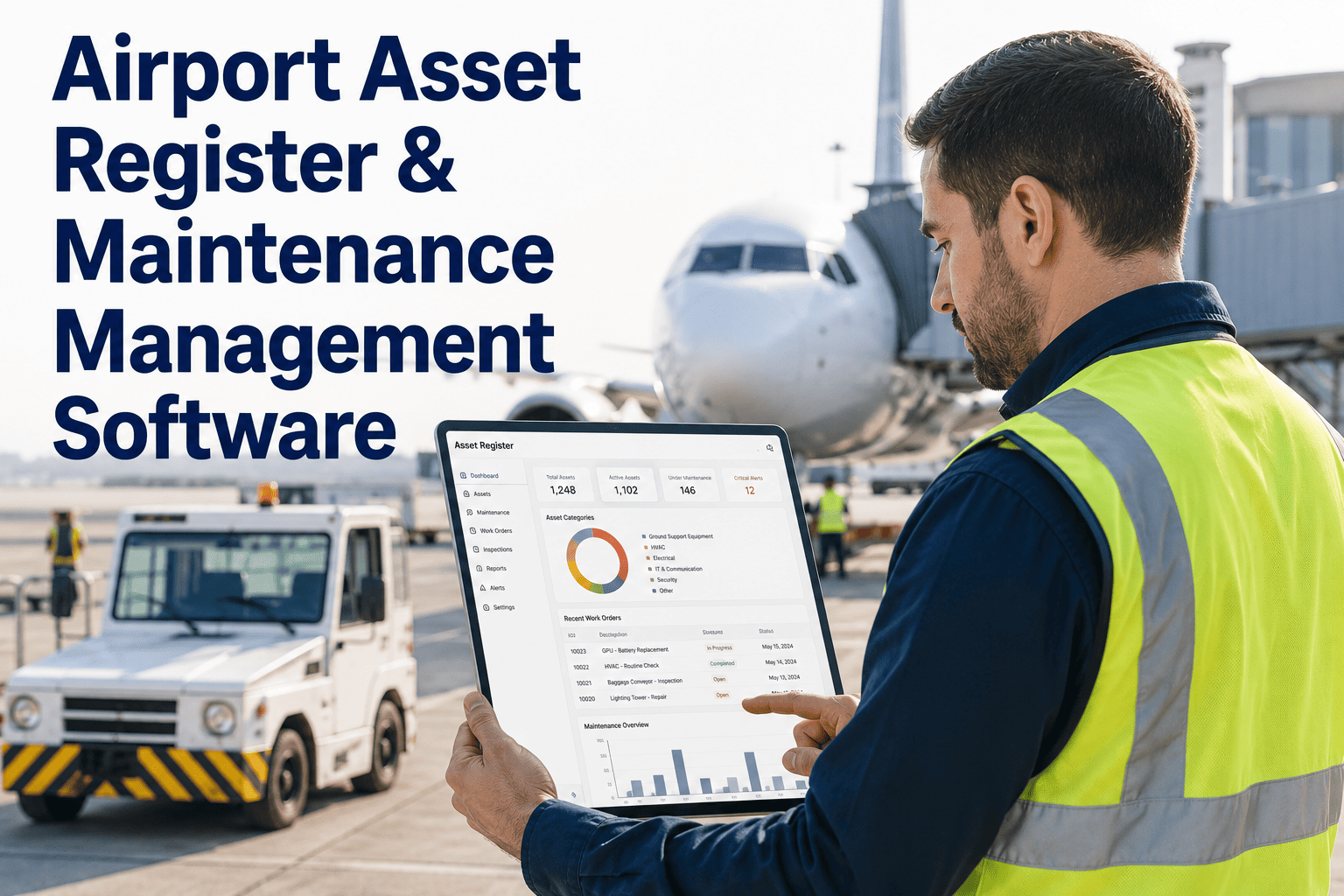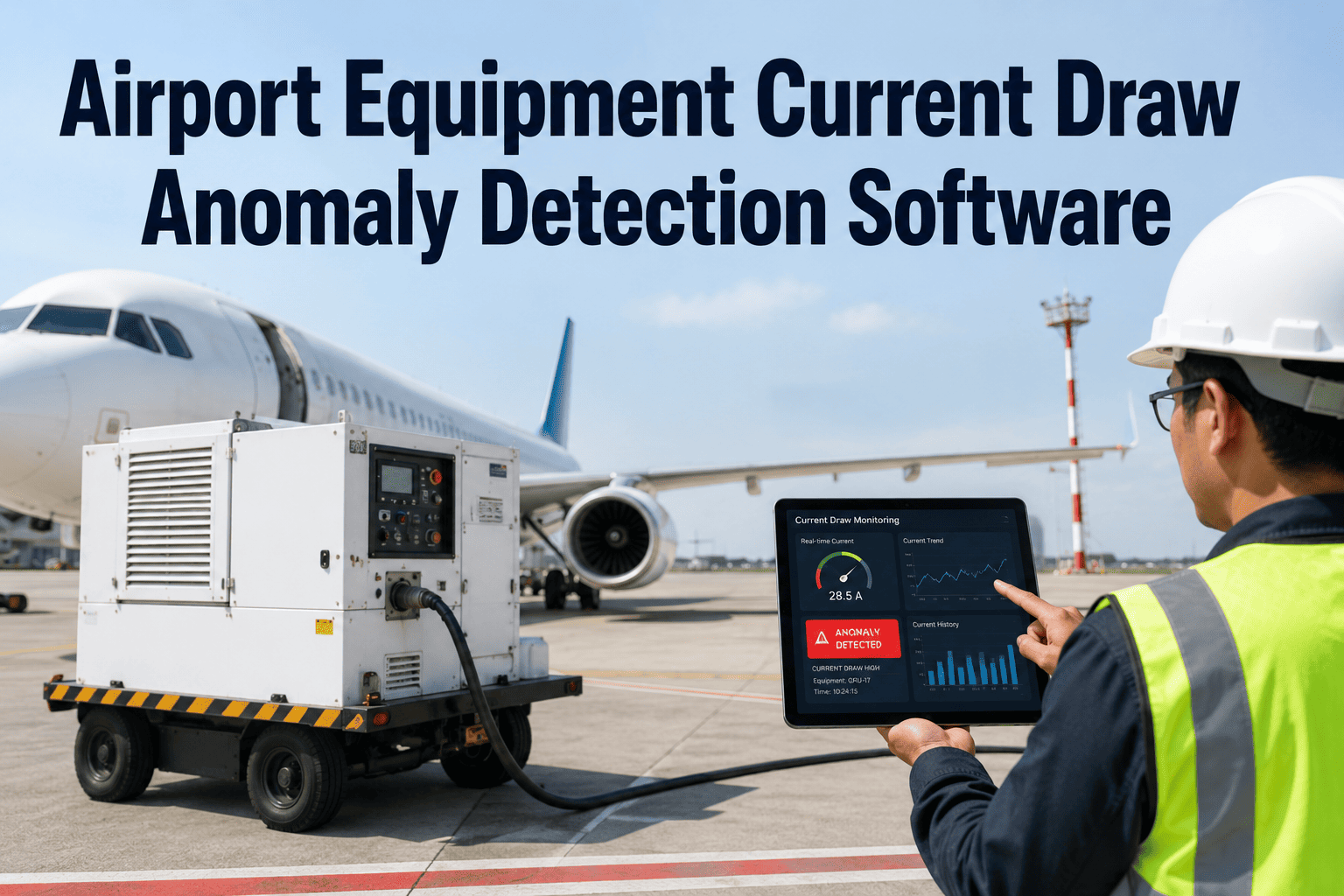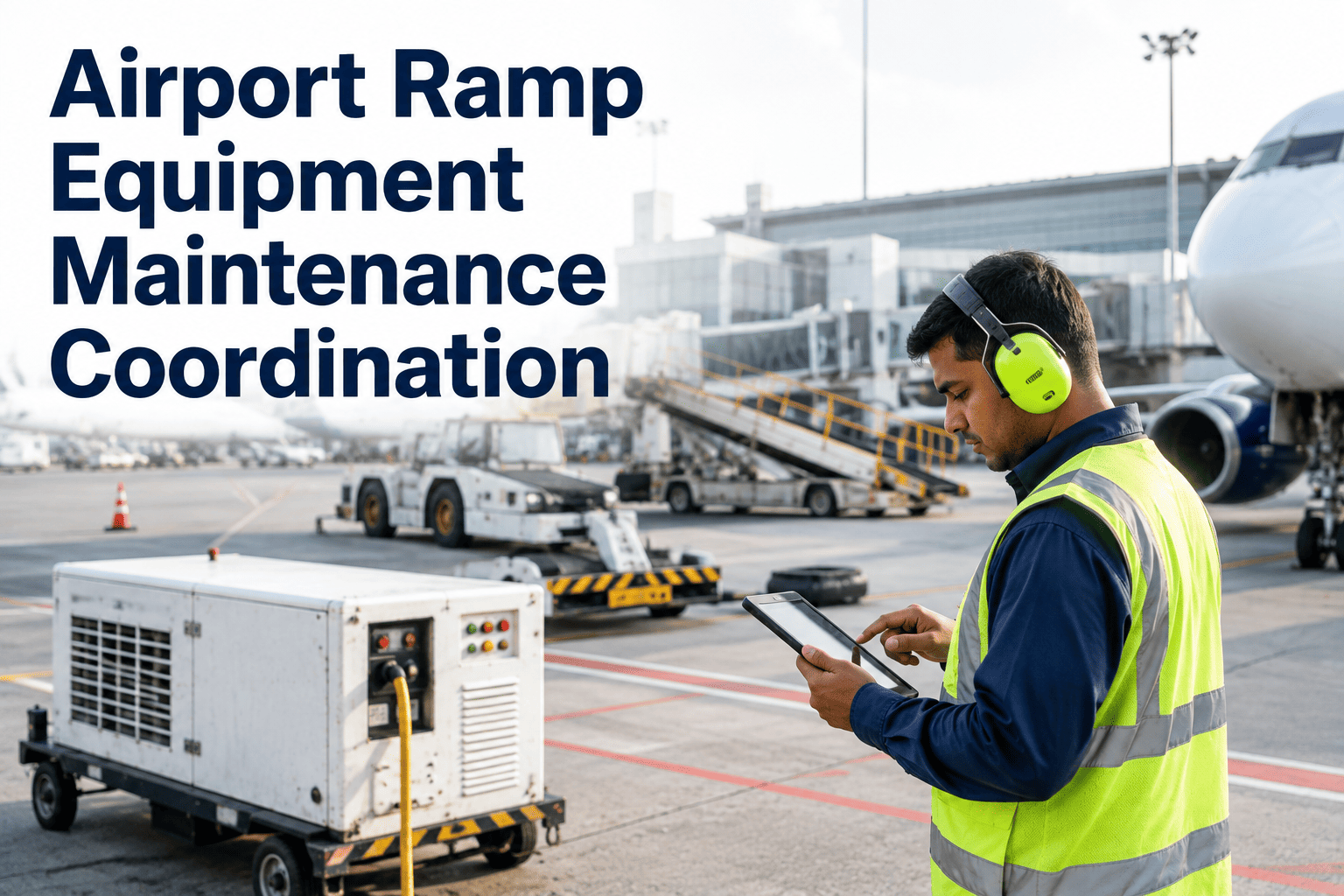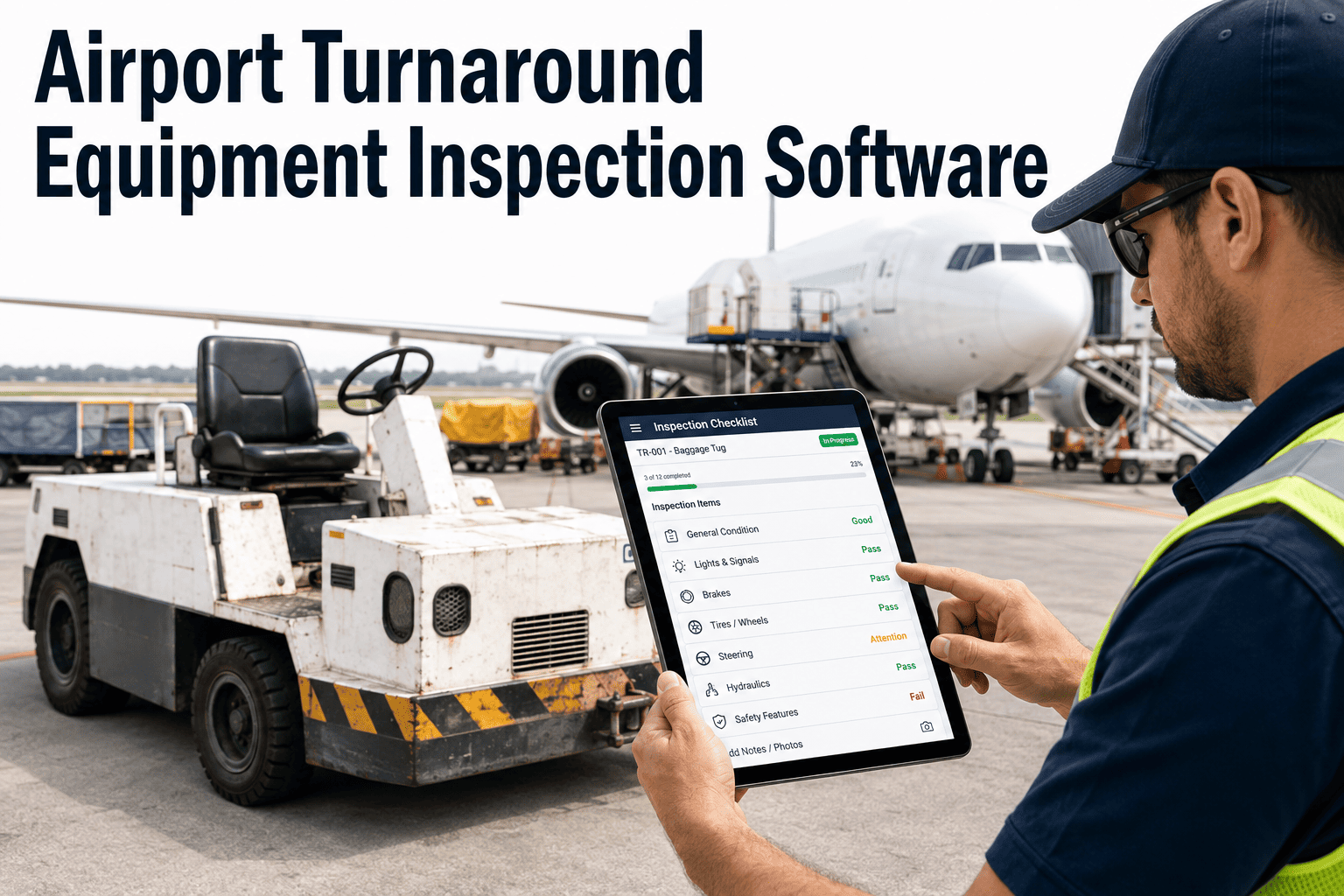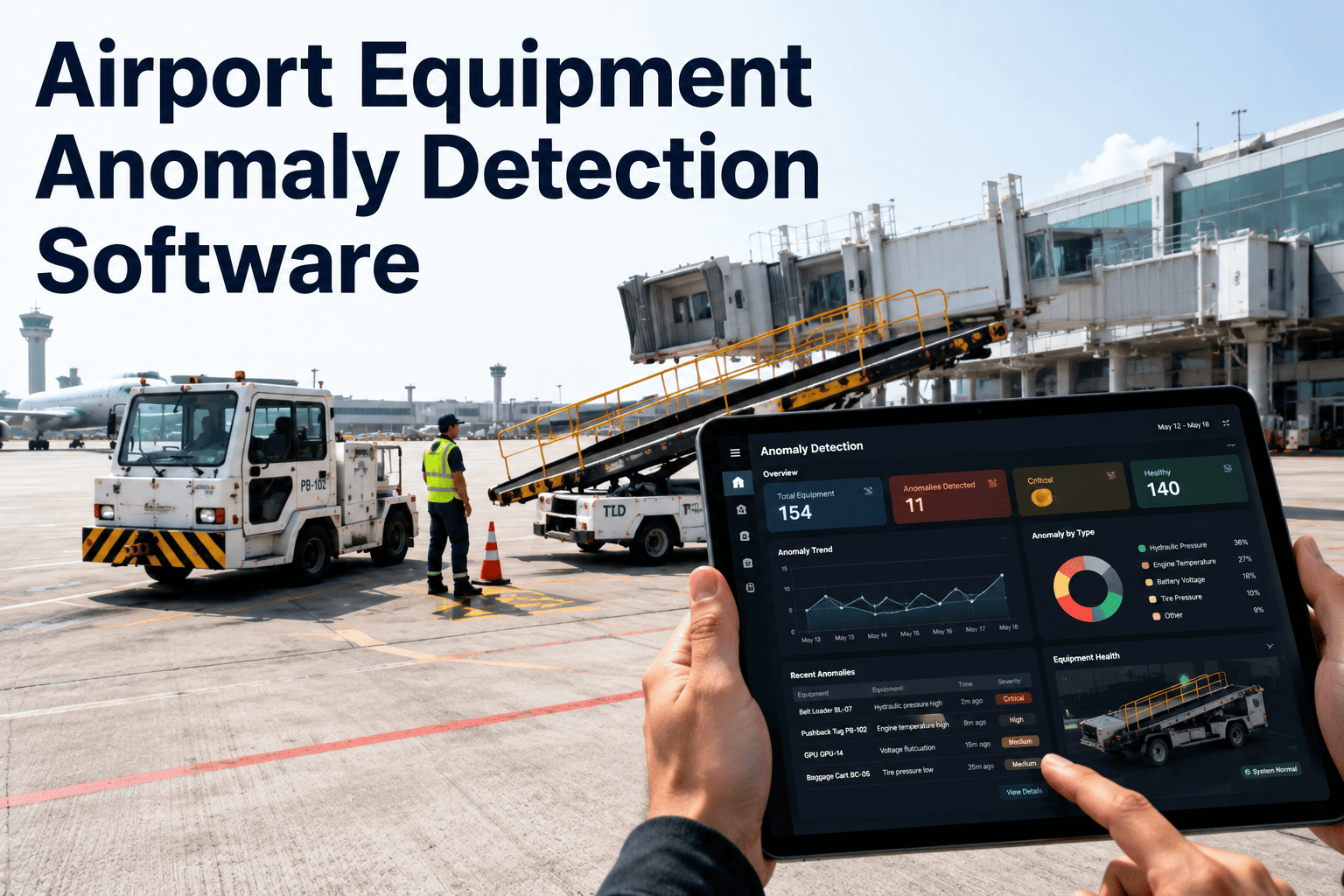
A pushback tractor that stalls mid-turn, a ground power unit that trips offline, a belt loader whose hydraulic line finally gives out — none of these failures start the moment they happen. They start days or weeks earlier, as a subtle drift in vibration, current draw, or hydraulic pressure that never crosses a fixed maintenance threshold and never trips an alarm. By the time a technician notices anything wrong, the equipment is already down at the gate, a flight is already delayed, and the ramp team is already scrambling for a spare unit. iFactory's AI-powered anomaly detection software watches every sensor signal from your ground support equipment fleet continuously, learns what normal looks like for each individual asset, and flags the deviation long before it becomes a breakdown, and you can book a demo to see it running against your own fleet data.
Catch Equipment Failure Before It Reaches the Gate
iFactory's anomaly detection software learns the normal operating signature of every tug, loader, GPU, and jet bridge on your ramp, then alerts your maintenance team the moment an asset starts drifting away from it, days before a breakdown ever touches a turnaround.
When Ground Equipment Fails Without Warning, the Bill Lands on the Whole Operation
Ground support equipment does not usually fail out of nowhere. It fails after weeks of small mechanical warning signs that nobody was watching for, because most ramp maintenance programs still rely on fixed service intervals and manual walkarounds rather than continuous condition data. A tractor that stalls at the gate does not just delay the flight it was servicing, it also pulls a spare unit and its operator away from their scheduled work, which means the disruption spreads sideways across the ramp before the original problem is even fixed. The figures below reflect what airports and ground handlers consistently report once they measure the true cost of reactive-only GSE maintenance.
Every Category of Airside Equipment That Can Fail Without Warning
Anomaly detection is only as useful as the breadth of equipment it covers, because a ramp is only as reliable as its weakest asset category. iFactory's platform is built to ingest signals from the equipment types that most consistently cause turnaround delays when they go down unexpectedly.
Pushback Tractors and Tugs
Hydraulic pressure, engine load, and drivetrain vibration monitored continuously so a slipping clutch or failing hydraulic pump is caught before the tractor stalls mid-pushback.
Belt Loaders and Conveyors
Motor current draw and belt tension patterns tracked across every cycle to flag a bearing or motor fault long before the belt jams during a bag run.
Ground Power Units
Voltage stability, frequency output, and thermal load watched in real time so a degrading GPU is flagged before it trips offline while an aircraft is drawing power.
Air Start and Air Conditioning Units
Compressor cycling behavior and output pressure baselined per unit, surfacing gradual efficiency loss that manual gauge checks routinely miss.
Passenger Boarding Bridges
Drive motor current, leveling wheel behavior, and cab alignment sensors monitored so a bridge does not stall mid-alignment during boarding.
De-Icing and Fuel Trucks
Pump pressure, boom hydraulics, and chassis vibration tracked through peak seasonal demand, when equipment is under the heaviest and most continuous load.
From Raw Sensor Signal to Actionable Alert in Five Steps
Anomaly detection does not require replacing your equipment fleet or ripping out existing telematics. It requires a layer of AI that can turn continuous sensor data into a decision your maintenance team can act on before a failure happens, not after, and it needs to do that without adding another dashboard nobody has time to check between turnarounds.
Connect Existing Sensors and Telematics
iFactory ingests data from onboard telematics, retrofit IoT sensors, or existing CAN-bus feeds already installed on most modern GSE, so there is no need to rebuild your fleet's instrumentation from scratch.
Build a Per-Asset Normal Baseline
The platform learns the specific operating signature of each individual tractor, loader, or GPU, because a ten-year-old tug and a brand-new one have very different definitions of normal vibration and load.
Detect Drift, Not Just Threshold Breaches
Instead of waiting for a value to cross a fixed red line, the AI flags gradual drift away from an asset's own baseline, which is where most early failure signatures actually show up.
Correlate Signals Across Failure Modes
A single sensor spike can be noise, but a vibration change paired with a current draw shift paired with a temperature rise is a pattern, and the AI is built to catch the pattern rather than the single point.
Route Alerts Into a Maintenance Work Order
A flagged anomaly becomes a prioritized work order with the affected component and probable failure mode attached, so a technician arrives at the asset already knowing what to check.
Every Gate Delay Traces Back to a Warning Sign No One Saw
iFactory's anomaly detection software turns your ramp equipment data into an early-warning system your maintenance team can actually act on. Book a demo and see a live anomaly dashboard built from a sample of your own fleet data.
Fixed Alarms Were Never Designed to Catch Gradual Failure
Most GSE fleets already have some form of alerting built in, whether that is a dashboard warning light, a telematics threshold, or a manual gauge check on a walkaround sheet. The problem is not that these systems are absent, it is that they are designed to catch a single moment of failure rather than the slow drift that leads up to it. A hydraulic pressure alarm set at a fixed minimum will not fire until the pump has already lost most of its capacity, by which point the loader is minutes away from stalling mid-cycle rather than weeks away from a scheduled repair.
This gap matters most during peak operating banks, when equipment is running back-to-back turnarounds with little idle time for a technician to notice a change in sound, smell, or feel. A tug that is starting to draw more current than usual, or a GPU whose output voltage is beginning to sag under load, will keep passing every fixed threshold check right up until the moment it does not. Anomaly detection closes that gap by comparing each asset against its own historical behavior rather than a single static number, which is what makes it possible to flag the drift while there is still time to schedule the repair instead of absorbing the delay.
Three Ways Airports Currently Catch GSE Problems, Compared
Most ground handling operations sit somewhere between fully reactive maintenance and basic threshold alarms today. The table below lays out where each approach actually catches a problem relative to when the equipment fails.
| Factor | Reactive / Run-to-Failure | Fixed Threshold Alarms | iFactory AI Anomaly Detection |
|---|---|---|---|
| When a Problem Is Caught | After the equipment has already failed at the gate | Only once a value crosses a fixed red line | Days to weeks earlier, at the first sign of drift |
| Sensitivity to Gradual Wear | None, since nothing is monitored between services | Low, since gradual drift rarely crosses a fixed line | High, tuned to each asset's own baseline behavior |
| Turnaround Impact | Frequent unplanned gate delays and swap-outs | Occasional delays, mostly on sudden failures | Repairs scheduled during planned downtime windows |
| Technician Time Use | Spent diagnosing failures under time pressure | Spent chasing alarms with unclear root cause | Spent on prioritized work orders with likely cause attached |
| Fleet-Wide Visibility | None until an asset is already down | Limited to whichever parameters have alarms set | Continuous, ranked health view across the entire fleet |
The Failure Patterns Anomaly Detection Is Built to Catch First
Every major GSE failure mode leaves a signature in the sensor data well before the part actually gives out. These are the patterns iFactory's models are trained to recognize across the most common ramp equipment failures, drawn from historical failure records across pushback tractors, belt loaders, ground power units, and boarding bridges rather than a single generic wear curve applied to every asset type.
Hydraulic Pump Wear
A slow decline in hydraulic pressure recovery time after each lift cycle, long before the pump loses enough capacity to stall a loader mid-operation.
Motor Bearing Degradation
A rising vibration signature at a specific frequency band that develops over days, well ahead of the point where a bearing seizes and stops the motor.
Battery and Charging Faults
An increasing voltage sag under load on electric GSE, which typically shows up weeks before a unit fails to hold charge through a full shift.
Brake System Drift
A gradual increase in stopping distance or pedal travel captured through onboard sensors, flagged before it becomes a safety-critical failure.
Coolant and Thermal Creep
A slow upward trend in operating temperature under normal load, often the earliest sign of a failing thermostat or a coolant system leak.
Electrical Connector Fatigue
Intermittent current fluctuations on GPUs and boarding bridges that precede a full connector failure by days to weeks.
Early-Warning Visibility Changes the Job for Every Team on the Ramp
A missed early-warning signal does not just cost the maintenance department, it cascades through every role that touches a turnaround, which is why the case for anomaly detection tends to build support well beyond the maintenance office once teams see it in action.
Maintenance Managers
Trade emergency repair scrambles for scheduled work orders, and shift technician time away from diagnosis toward actual repair during planned downtime windows.
Ramp and Ground Operations
Fewer surprise equipment swaps mid-turnaround, which means fewer scrambles to find a spare tug or loader while an aircraft sits at the gate.
Airline Station Managers
Better visibility into which GSE categories are driving delay minutes, supporting more informed conversations with ground handlers about service reliability.
Fleet and Procurement Teams
A clearer, data-backed view of which assets are approaching end of reliable life, supporting replacement decisions that are planned rather than forced.
Rolling Out Anomaly Detection Without Disrupting Ramp Operations
A fleet-wide rollout on day one is rarely the right approach, since ramp teams cannot afford a learning curve during live turnarounds. iFactory's rollout model starts with the equipment category causing the most delay minutes and expands once the model proves out, so the maintenance team sees a measurable win before the platform is asked to cover the entire fleet.
Frequently Asked Questions About Airport Equipment Anomaly Detection
Stop Losing Turnaround Time to Equipment That Never Warned You
iFactory's AI anomaly detection software gives your maintenance team a continuous early-warning view across every category of ground support equipment on the ramp. Book a demo and see it running against your own fleet data.