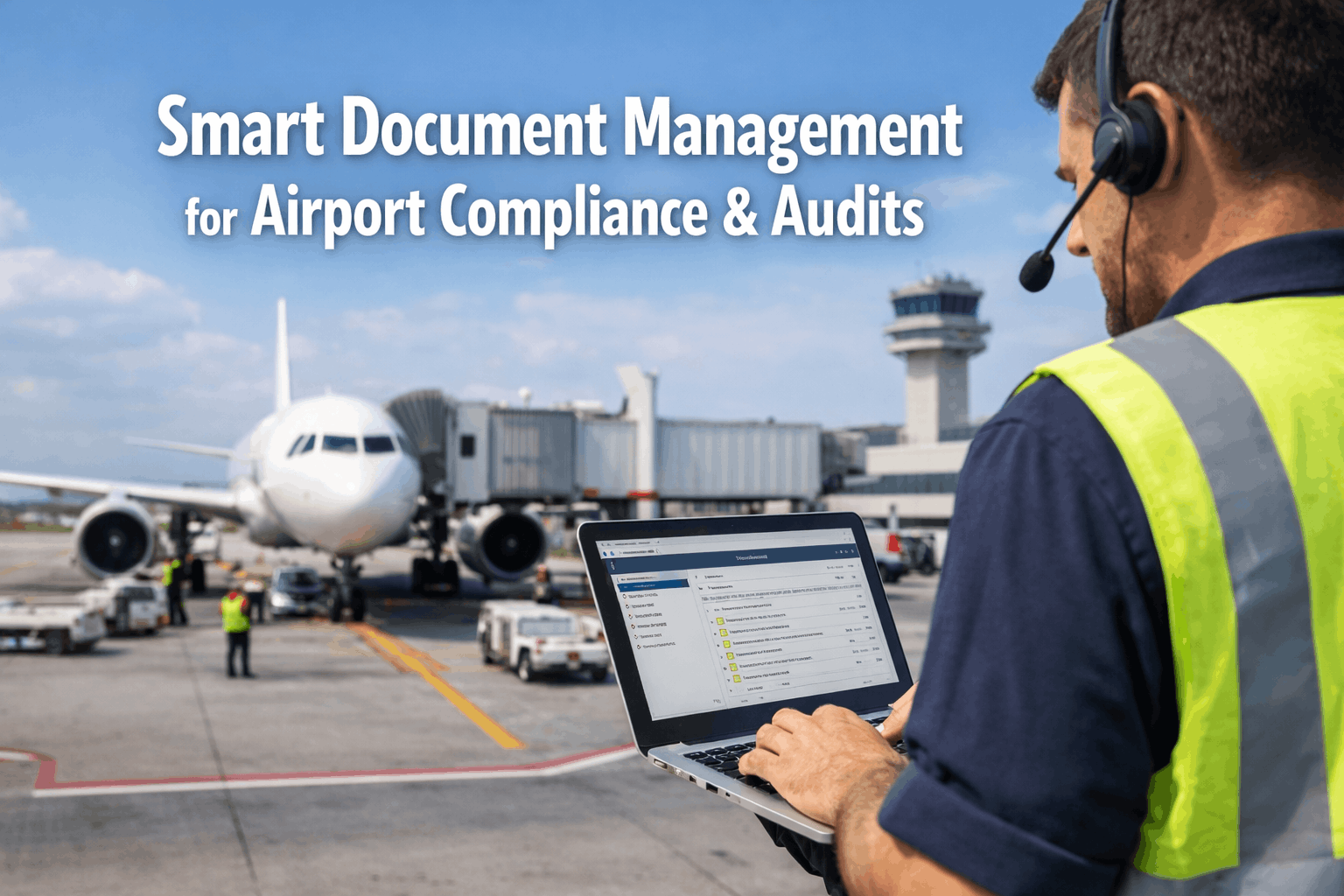
TSA Part 1542 compliance has evolved from a regulatory requirement into a high-stakes operational challenge, where manual documentation gaps can lead to immediate security failures and multi-million dollar fines. For airport operators in 2026, the transition from paper-based security logs to AI-driven analytics is no longer optional. By centralizing access control data, perimeter sensor health, and credentialing workflows into a single automation platform, forward-thinking airport managers are reducing audit preparation time by 80% while significantly hardening their facility’s security posture. Airports looking to eliminate regulatory risk can schedule a security compliance audit to identify automation opportunities today.
Why Traditional Security Maintenance Models Fail TSA Part 1542 Inspections in 2026
The "Documentation Gap" remains the single largest cause of Part 1542 non-compliance. When an airport relies on manual inspections for perimeter fencing, bag-screening hardware, and card-reader logs, the risk of a "late record" or "missing signature" is high. In a high-turnover labor market, the loss of experienced security technicians often leads to a breakdown in standard operating procedures (SOPs), leaving the airport vulnerable during unplanned TSA field audits.
AI-driven security analytics addresses these vulnerabilities by converting manual oversight into automated system logic. Instead of security officers manually checking gate sensors at fixed intervals, the system continuously monitors hardware health and triggers condition-based inspections — ensuring that your limited tech team is always focused on the highest-risk perimeter points without increasing administrative burnout.
Paper-based logs result in inconsistent data entry across shifts. AI-driven digital work orders enforce standardized reporting, ensuring every inspection meets exact TSA regulatory language requirements.
Manual reviews of card-reader logs often miss unauthorized access patterns until after a breach occurs. Automated analytics scan logs in real-time, flagging credential anomalies before they become security incidents.
Delayed repairs on perimeter sensors or CCTV cameras create critical "Security Directives" (SD) violations. Predictive maintenance shifts hardware repairs to planned hours, maintaining 99.9% uptime for security assets.
Managing SIDA badges and background checks across thousands of employees is a clerical bottleneck. AI-driven credentialing platforms automate renewal alerts and compliance tracking, reducing administrative load by 60%.
How AI-Driven Platforms Automate TSA 1542 Compliance and Close the Security Gap
Maximizing airport security efficiency requires a digital infrastructure that removes all manual friction from the compliance cycle. This means every security technician begins their shift with an AI-prioritized task list focused on regulatory gaps, not just routine walk-arounds. Book a demo with iFactory to see how AI-driven automation converts your security data into an audit-ready roadmap.
Automated Regulatory Task Prioritization
The platform analyzes TSA inspection timelines, hardware health, and previous audit findings to automatically build officer task queues. This ensures your workforce is always focused on the assets that present the highest risk of a compliance violation.
AI-Guided Security Workflows
When an officer opens a security work order, the system provides AI-recommended troubleshooting steps based on TSA Part 1542 requirements. This ensures that even junior security staff can perform at senior levels from their first day on the airfield.
Predictive Hardware Health Monitoring
AI monitors perimeter sensors, mag-locks, and CCTV signals to predict failures before they happen. This allows maintenance teams to fix security hardware during low-traffic windows, eliminating "emergency firefighting" scenarios during peak flight hours.
Instant Audit Package Generation
As officers complete inspections via the mobile app, the system automatically generates timestamped, digital audit trails. When a TSA inspector arrives, you can export a complete 12-month compliance record for any asset in seconds, not days.
Integrated Officer Training Validation
The platform tracks security officer certifications against live work orders. It ensures that only officers with current, validated training are assigned to critical Part 1542 tasks, removing the risk of "unqualified personnel" violations.
Manual Security Logs vs. AI-Driven Compliance: The Operational Impact
The delta between a traditionally managed airport security program and an AI-augmented one is most visible during a regulatory audit. The following table illustrates how AI-driven automation changes the compliance math for critical airport infrastructure.
| Security Function | Manual Documentation Approach | AI-Driven Automation Benefit | Labor Hour Savings | Compliance Impact |
|---|---|---|---|---|
| Perimeter Fence Inspections | Walk-around with paper clipboards | Geo-tagged digital validation with photo | 15 Hours per Week per Crew | 100% evidentiary integrity |
| Access Control Audits | Manual review of monthly printouts | Real-time anomaly detection alerts | 20 Hours per Audit Cycle | Instant credential revocation |
| CCTV / Sensor PM | Calendar-based "check-ups" | Predictive health alerts (IoT) | 12 Hours per Technician | Eliminates security blindspots |
| SIDA Badge Management | Spreadsheet-based renewal tracking | Automated employee portal notifications | 35+ Hours per Month | Zero expired badges in sterile areas |
| Gate Maintenance | Reported when mechanical failure occurs | Vibration/Cycle count predictive alerts | 10 Hours per Lead Mechanic | Reduces unplanned gate downtime |
| TSA Audit Preparation | Weeks of manually gathering binders | One-click digital compliance packages | 100–150 Hours per Audit | Removes "panic" from mgmt |
| Incident Reporting | Manual drafting and lead review | Automated timestamped templates | 4 Hours per Incident | Faster communication to ASLs |
AI-Powered Airport Security: Features That Traditional ASPs Lack
In a high-risk environment like an airport, your digital platform must do more than just record history — it must actively prevent violations. This philosophy separates basic CMMS systems from high-performance AI analytics platforms. Talk to our security specialists to audit your existing compliance workflows.
Digital work orders require officers to be physically at the asset location before completing a task, eliminating "ghost inspections" and ensuring 100% field compliance.
Real-time visibility into PM compliance, open security vulnerabilities, and MTTR for all access control hardware across multiple airport terminals.
Historical data for every security gate and sensor is digitized, ensuring that past repair history is instantly available for next-gen security technicians.
Officers capture photos and voice-to-text notes at the point of discovery, ensuring that security directives (SD) are communicated exactly as they appear in the field.
Dispatch and Command Centers see exactly where security resources are allocated, allowing for rapid redeployment during a security breach or system failure.
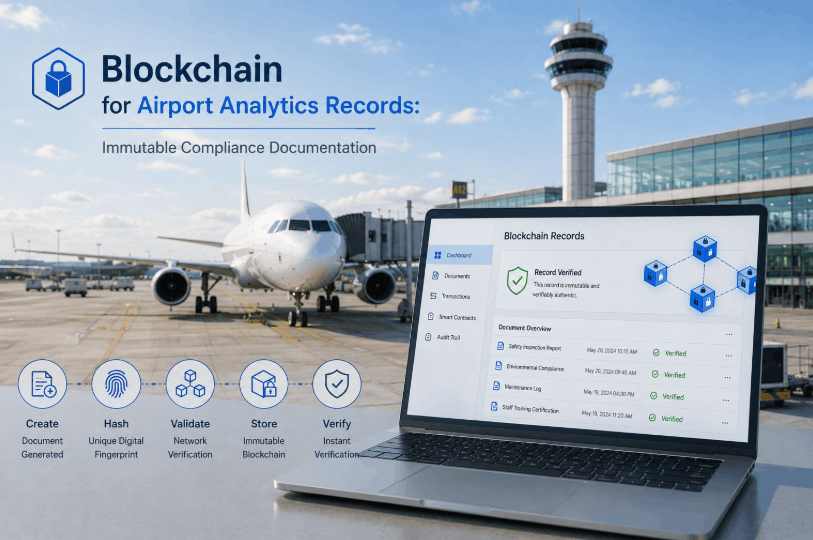
Secure, encrypted cloud storage ensures that digital records are immutable and instantly accessible for remote TSA or federal reviews, regardless of physical binder location.
The Roadmap to AI-Driven Security Compliance for Airport Operators
Transitioning to a data-driven security model is a structured journey. The following roadmap reflects the implementation approach used by Category X and Hub airports to stabilize their compliance. Leading airports Schedule a security optimization assessment to jumpstart this transition.
Security Inventory & Workflow Mapping
Identify all TSA Part 1542 critical assets (gates, readers, cameras, sensors). Map your Airport Security Program (ASP) requirements to digital workflows and AI-driven inspection intervals.
Digital Access Control Integration
Connect card-reader systems and credentialing databases to the AI platform. Deploy mobile work orders for daily security checks. This typically reduces administrative lag by 25% within 30 days.
IoT Perimeter Go-Live
Activate condition-based monitoring for perimeter fences and blast-shield area sensors. Shift from "guess-work" maintenance to data-driven hardware health monitoring.
Automated Audit & Compliance Exporting
Enable one-click audit package generation. Conduct a "Mock TSA Inspection" using the platform to validate that all regulatory requirements are being captured documented automatically.
Predictive Security Posture Optimization
Use AI models to project future security resource needs based on terminal expansion or flight schedule increases. Optimize officer shift schedules for maximum coverage during high-risk windows.
TSA Performance KPIs: Measuring the Impact of Security Automation
You cannot manage security integrity without real-time data. The following indicators track how effectively your AI system is meeting TSA Part 1542 standards.
TSA Compliance Across Critical Airport Zones
Security requirements differ by area. A SIDA-access terminal needs "identity verification," while a fuel farm needs "perimeter sensor integrity." book a demo with iFactory to see zone-specific security automation in action.
Highest level of credentialing and card-reader integrity. AI monitors door-forced-open (DFO) patterns to identify potential insider threats or hardware drift.
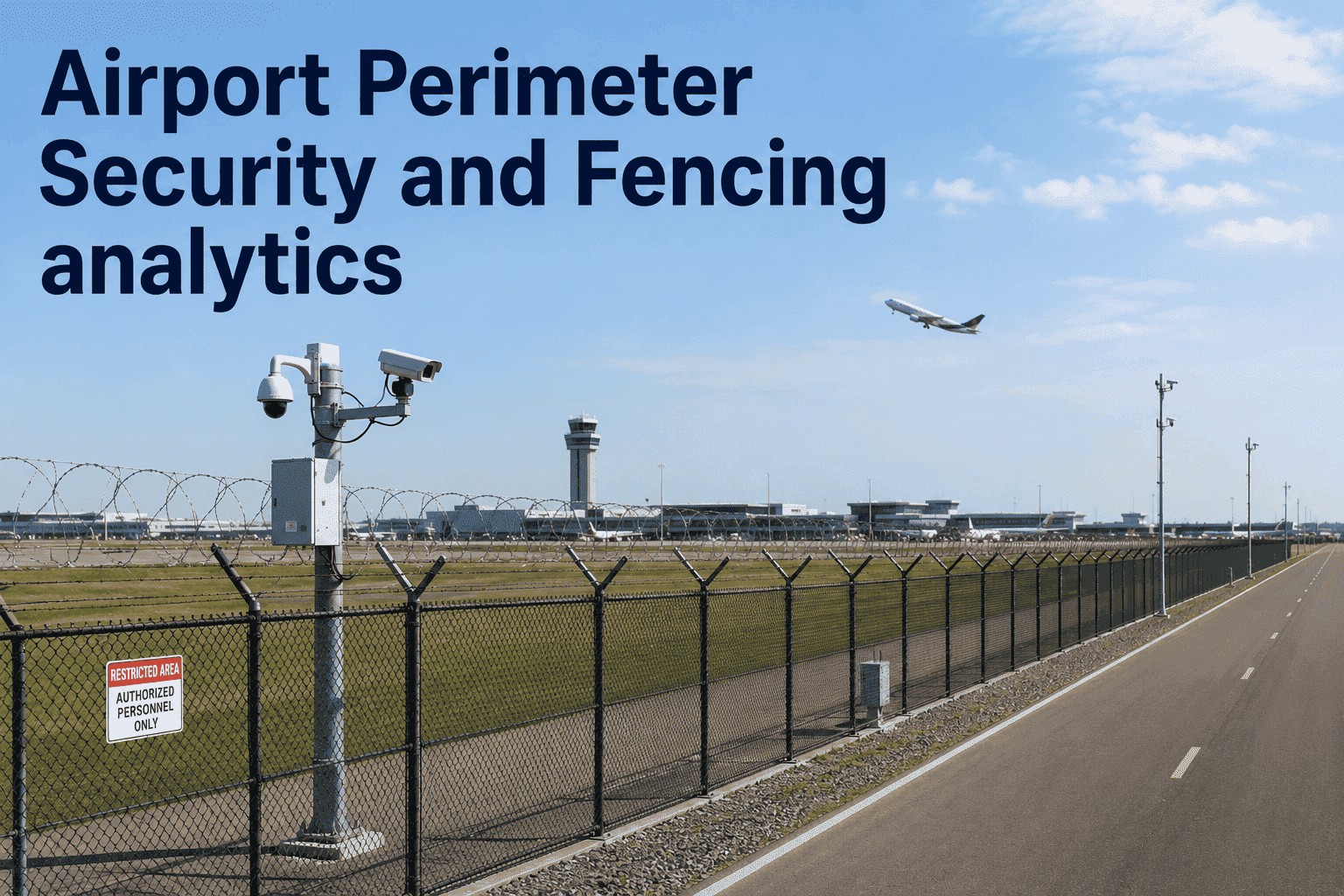
Requires 24/7 sensor health monitoring. AI-driven predictive maintenance ensures that gate motors and fencing sensors never fail during a critical shift.
Complex screening hardware requires high-level technical skills. AI diagnostics allow fewer specialized technicians to manage massive conveyor and screening networks.
Remote areas benefit from AI-driven wireless sensor monitoring, reducing the need for physical officer inspections in low-traffic or hazardous environments.
Public-facing security (CCTV, signage, exit lanes). AI monitoring of rejection patterns allows technicians to tune equipment performance proactively.
Automated workflows for badge issuance, background check tracking, and renewal alerts eliminate clerical errors that lead to TSA fines.
Frequently Asked Questions: AI, TSA Part 1542 & Airport Security Automation
No. iFactory is the execution and analytics layer that ensures your ASP is actually followed and documented. It bridges the gap between your regulatory documents and the real-world field actions of your security staff.
Yes. iFactory features open APIs that sync with major access control systems (HID, Lenel, Software House, etc.) to pull real-time hardware health and access logs for AI analysis.
By ensuring that every inspection is timestamped and documented in real-time. When an auditor asks for a record, it's already in the cloud, validated, and ready for export — no binders or paper-searching required.
Yes. iFactory utilizes FIPS-level encryption and secure cloud protocols to ensure that sensitive security data and PII related to credentialing remains protected and accessible only to authorized airport personnel.
Most airports report ROI within 6–9 months through a 75% reduction in audit prep labor, massive reductions in TSA fines, and higher technician wrench-time for critical security hardware.