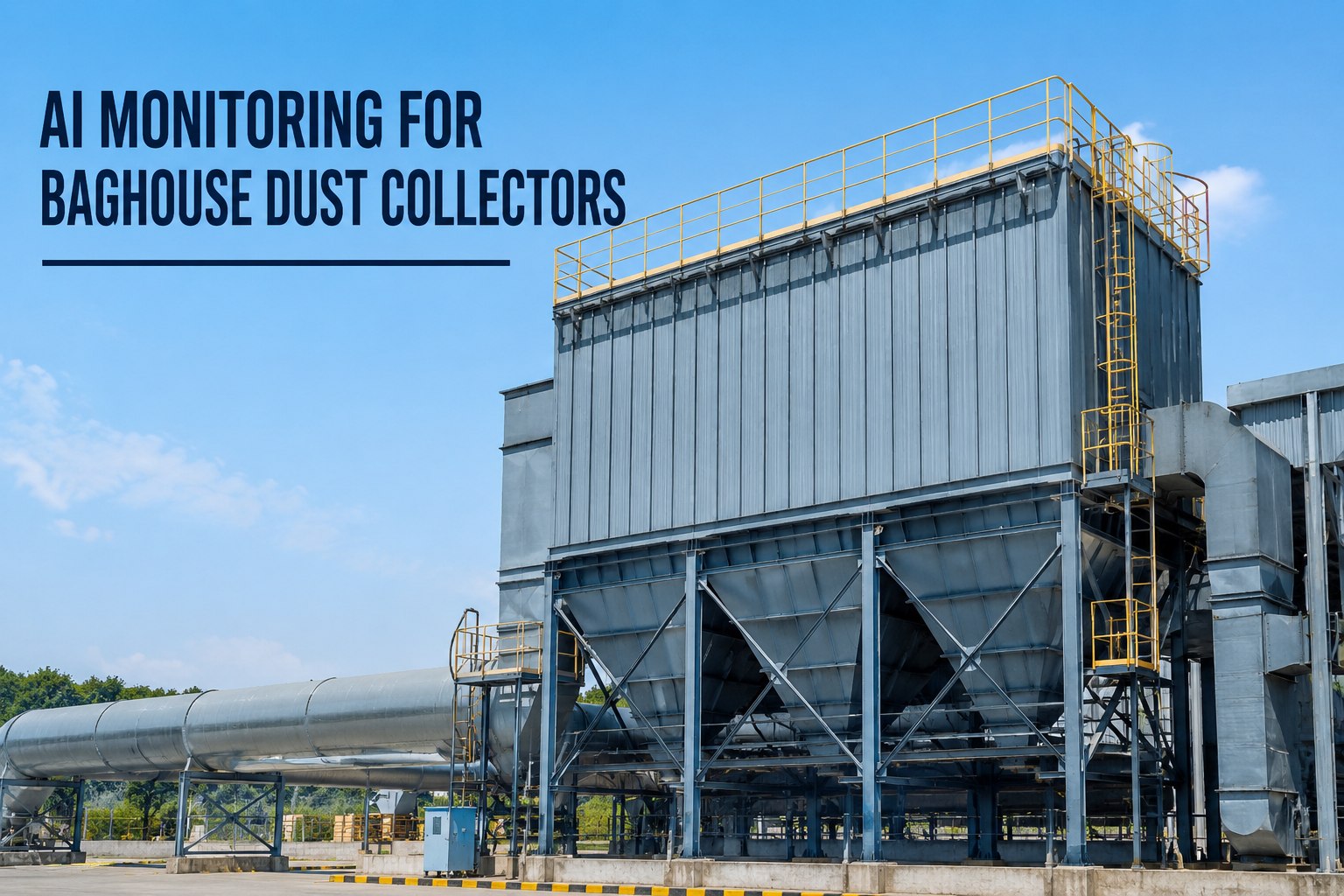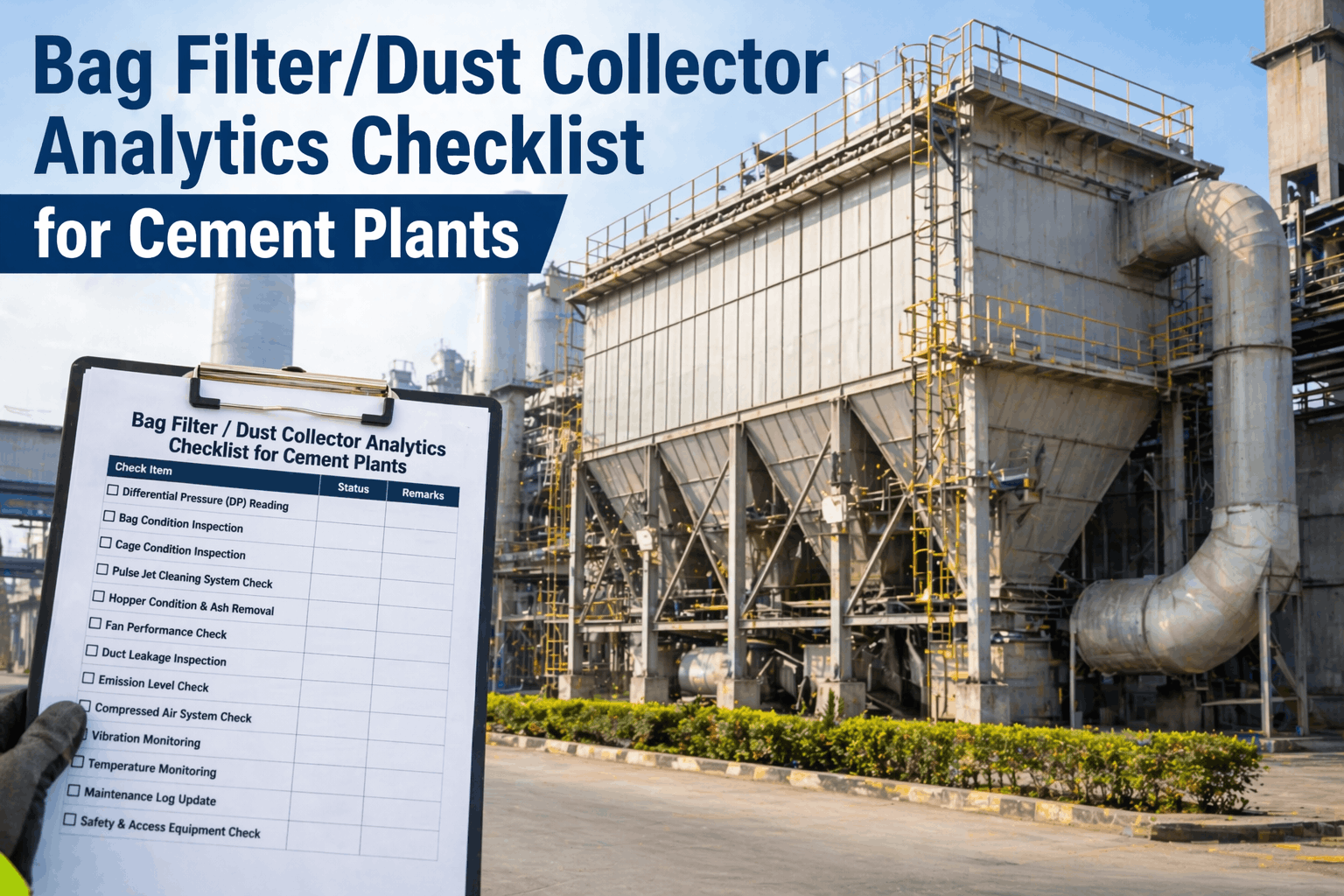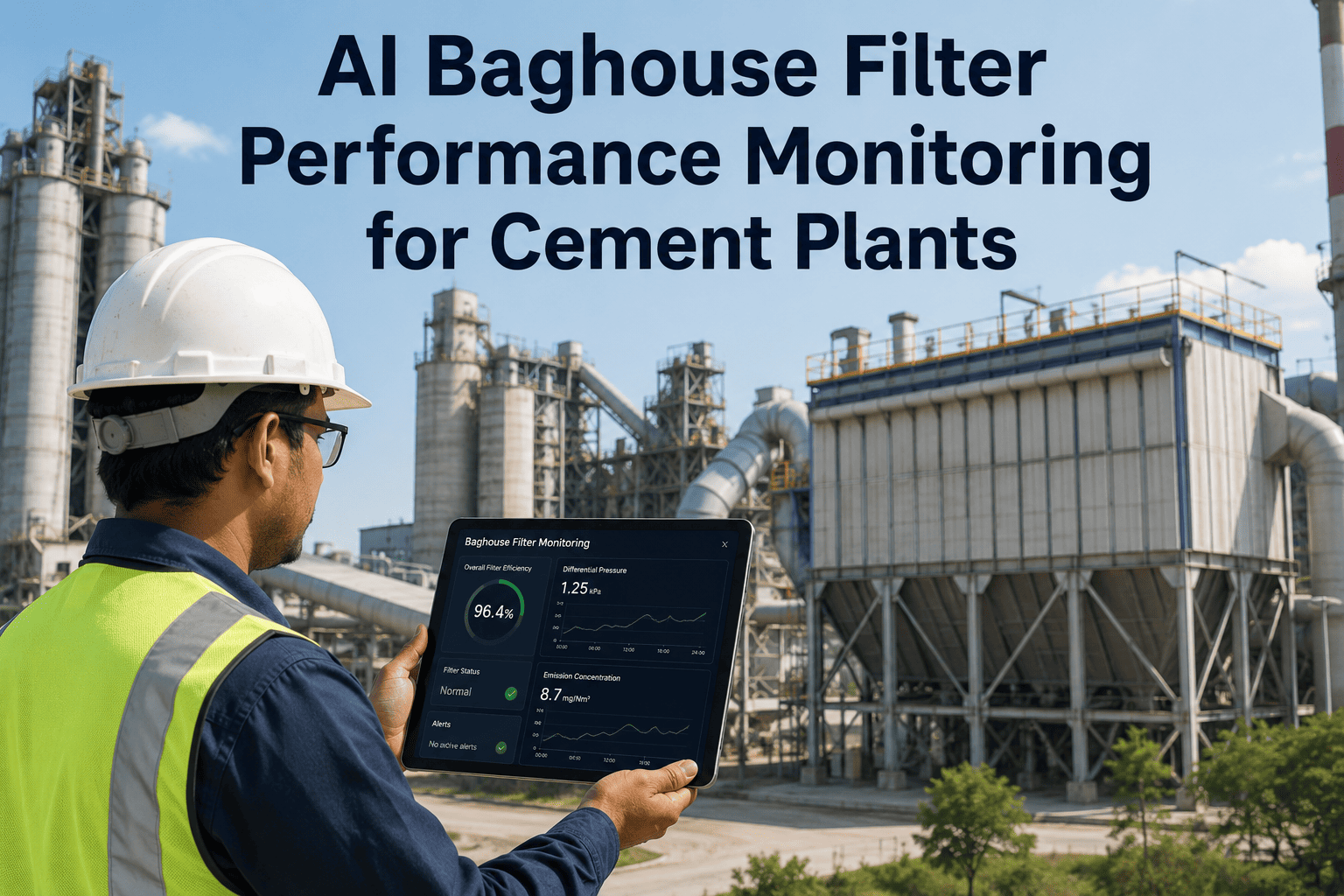
A cement plant baghouse can run for months showing normal differential pressure readings while individual filter bags quietly degrade behind the scenes, because compartment-level pressure averages mask the failure of a handful of bags long before the aggregate reading crosses an alarm threshold. By the time differential pressure or opacity finally signals a problem, the plant is often already looking at an emissions exceedance report or an unplanned compartment shutdown during peak production. iFactory's AI baghouse monitoring analyzes pulse cleaning cycles, compartment-level pressure trends, and opacity data continuously to catch bag degradation while it is still isolated to a few bags. Book a Demo to see how the model flags early-stage bag failure at a plant similar to yours.
Catch Baghouse Filter Bag Degradation Before It Becomes an Emissions Exceedance
iFactory's AI model analyzes pulse cleaning cycles, compartment differential pressure, and opacity trends continuously, isolating early bag failure signals that plant-wide averages hide until it is too late.
Why Compartment-Level Averages Hide Bag Failure Until It Is Widespread
A baghouse compartment with 400 to 600 bags reports a single differential pressure value, which means the failure of ten or fifteen bags barely moves the average reading while those bags are already leaking particulate. Traditional monitoring waits for the aggregate signal to cross a threshold, which typically does not happen until bag failure has spread well beyond the point where isolated bag replacement would have solved the problem.
Pulse Cleaning Frequency Drift
Individual compartments requiring more frequent pulse cleaning cycles than their historical baseline, a leading indicator of bag blinding or cake buildup.
Compartment Pressure Divergence
One compartment trending away from its sibling compartments under identical process conditions, isolating the problem before plant-wide averages react.
Opacity Micro-Spikes
Brief opacity increases correlated with specific pulse cleaning cycles, often the earliest visible sign of a torn or detached bag.
Fan Motor Load Changes
Gradual shifts in ID fan motor amperage that indicate changing system resistance from filter cake accumulation or air leakage.
See How Early the Model Catches a Real Bag Failure Event
iFactory can walk through an actual case where compartment-level divergence flagged a failing bag section weeks before it would have triggered a plant-wide pressure alarm.
What the AI Model Tracks Across Every Baghouse Compartment
| Parameter | Why It Matters | AI Detection Focus |
|---|---|---|
| Differential Pressure | Primary indicator of filter cake buildup and cleaning effectiveness | Compartment-to-compartment divergence |
| Pulse Cleaning Cycle Rate | Reflects how hard the system is working to maintain airflow | Trend drift against historical baseline |
| Opacity or CEMS Data | Direct measure of particulate breakthrough | Micro-spikes correlated with cleaning cycles |
| ID Fan Motor Load | Indicates overall system resistance changes | Gradual load shift over multiple weeks |
| Bag Cage and Cell Plate Wear | Mechanical wear that leads to bag tearing | Correlated with inspection and replacement history |
Getting AI Baghouse Monitoring Running at Your Plant
Connect existing differential pressure, pulse cleaning, and CEMS data feeds without new instrumentation
Train the model on compartment-level historical data to establish each compartment's normal operating pattern
Activate compartment divergence alerts so early bag degradation surfaces before plant-wide thresholds react
Route confirmed alerts into your maintenance workflow for targeted, isolated bag replacement
Where Early Bag Failure Detection Protects the Plant
Emissions Compliance
Catching bag degradation early reduces the risk of an opacity or particulate exceedance that triggers a regulatory reporting event.
Targeted Bag Replacement
Isolating the specific compartment or section with failing bags avoids full compartment bag-outs that cost far more in labor and downtime.
ID Fan Energy Savings
Reduced system resistance from well-maintained bags lowers the fan motor load needed to maintain target airflow.
How Each Compartment Gets a Rolling Health Score, Not Just a Pass or Fail Alarm
Rather than a binary alarm state, every compartment carries a rolling health score built from the combination of pressure divergence, cleaning frequency, and opacity behavior described above, so maintenance planners can see which compartments are trending toward a problem weeks before any individual reading would trip a threshold. This gives the plant a prioritized list for planned outage work instead of a queue of reactive alarms.
Seasonal Baseline Adjustment
The model accounts for humidity and ambient temperature swings so seasonal variation is not mistaken for bag degradation.
Planned Outage Prioritization
Compartments trending down are ranked so maintenance teams know exactly where to focus during the next scheduled shutdown.
Historical Trend View
Health score history across months helps distinguish a genuine decline from a brief process-driven fluctuation.
An Environmental Engineer's View After a Year of AI Monitoring
We had always treated baghouse monitoring as a compliance checkbox rather than a real maintenance opportunity, mostly because the plant-wide pressure readings never told us anything actionable until something had already gone wrong. Seeing compartment-level divergence data changed that completely. We now schedule targeted bag replacement in specific compartments during planned outages instead of reacting to a pressure alarm during production. Contact Support helped us set the divergence sensitivity correctly so we were not chasing normal seasonal humidity variation.
Frequently Asked Questions About AI Baghouse Monitoring
In most cases no new sensors are required, since the AI model is designed to work with the differential pressure transmitters, pulse cleaning controllers, and CEMS or opacity monitors that cement plants already have installed. iFactory's engineers review your existing instrumentation during the initial assessment and will identify any gaps where additional sensors would meaningfully improve detection accuracy. Plants with compartment-level pressure taps rather than a single plant-wide reading typically see the fastest and most accurate results.
The model learns each compartment's normal seasonal and process-driven variation from historical data, including expected humidity and dust loading effects, before it begins flagging divergence as a genuine anomaly rather than routine fluctuation. This baseline learning period typically takes several weeks to a few months depending on how much historical data is available. Confirmed alerts are cross-checked against multiple signals, such as pressure divergence combined with pulse cleaning frequency changes, to reduce false positives.
Yes, the monitoring system generates a documented history of baghouse performance and any corrective actions taken in response to early detection alerts, which can support regulatory reporting requirements and demonstrate proactive maintenance practices to inspectors. This documentation is particularly useful during compliance audits where a plant needs to show ongoing preventive maintenance rather than reactive repairs. Book a Demo to see the compliance reporting format.
The alert identifies the specific compartment and, where cell-level pressure data is available, the general section within that compartment showing divergence, narrowing the physical inspection area considerably compared to a plant-wide alarm. Maintenance technicians typically confirm the specific failing bags through a visual inspection or smoke test during the next scheduled compartment isolation. This targeted approach significantly reduces the inspection time compared to a full compartment walkdown triggered by a generic pressure alarm.
iFactory provides ongoing support for threshold tuning, model retraining as seasonal conditions change, and troubleshooting any data integration issues that arise after deployment. Most plants request sensitivity adjustments during the first quarter of operation as the model's alert patterns are compared against confirmed inspection findings. You can reach the support team through Contact Support for any monitoring configuration request.
Stop Waiting for a Plant-Wide Alarm to Find Out Bags Are Failing
iFactory's AI baghouse monitoring isolates early degradation at the compartment level, protecting emissions compliance and avoiding costly full compartment bag-outs.