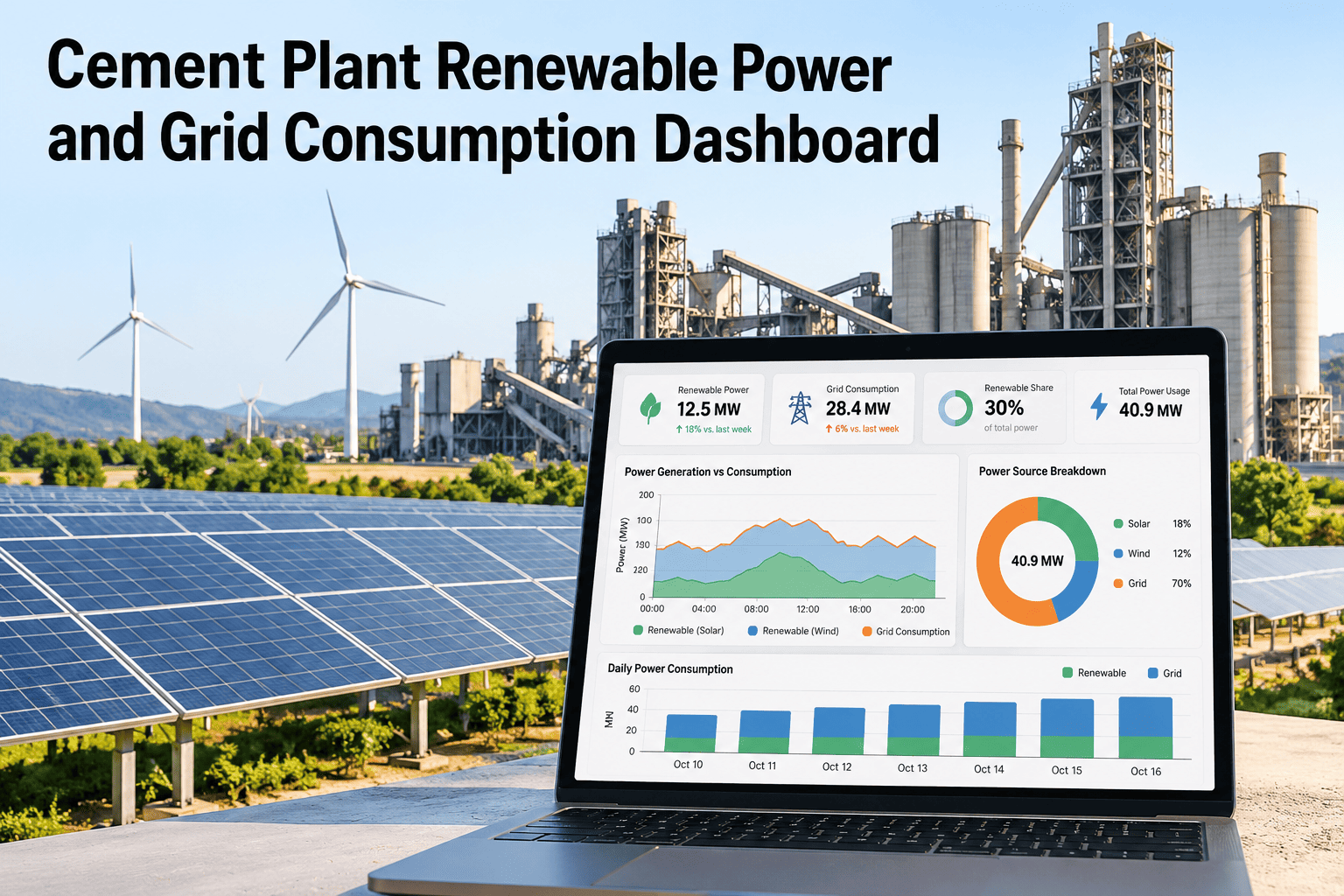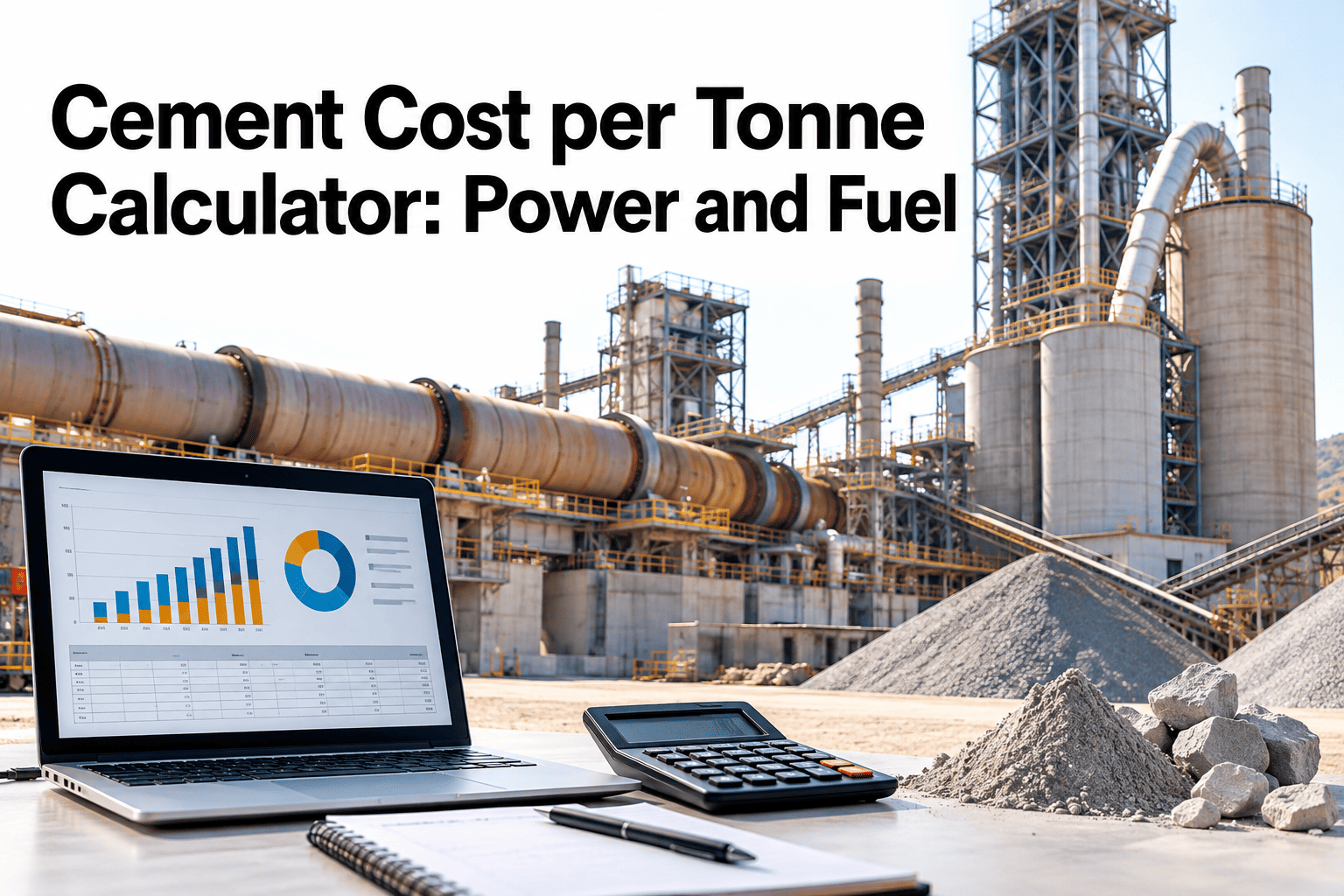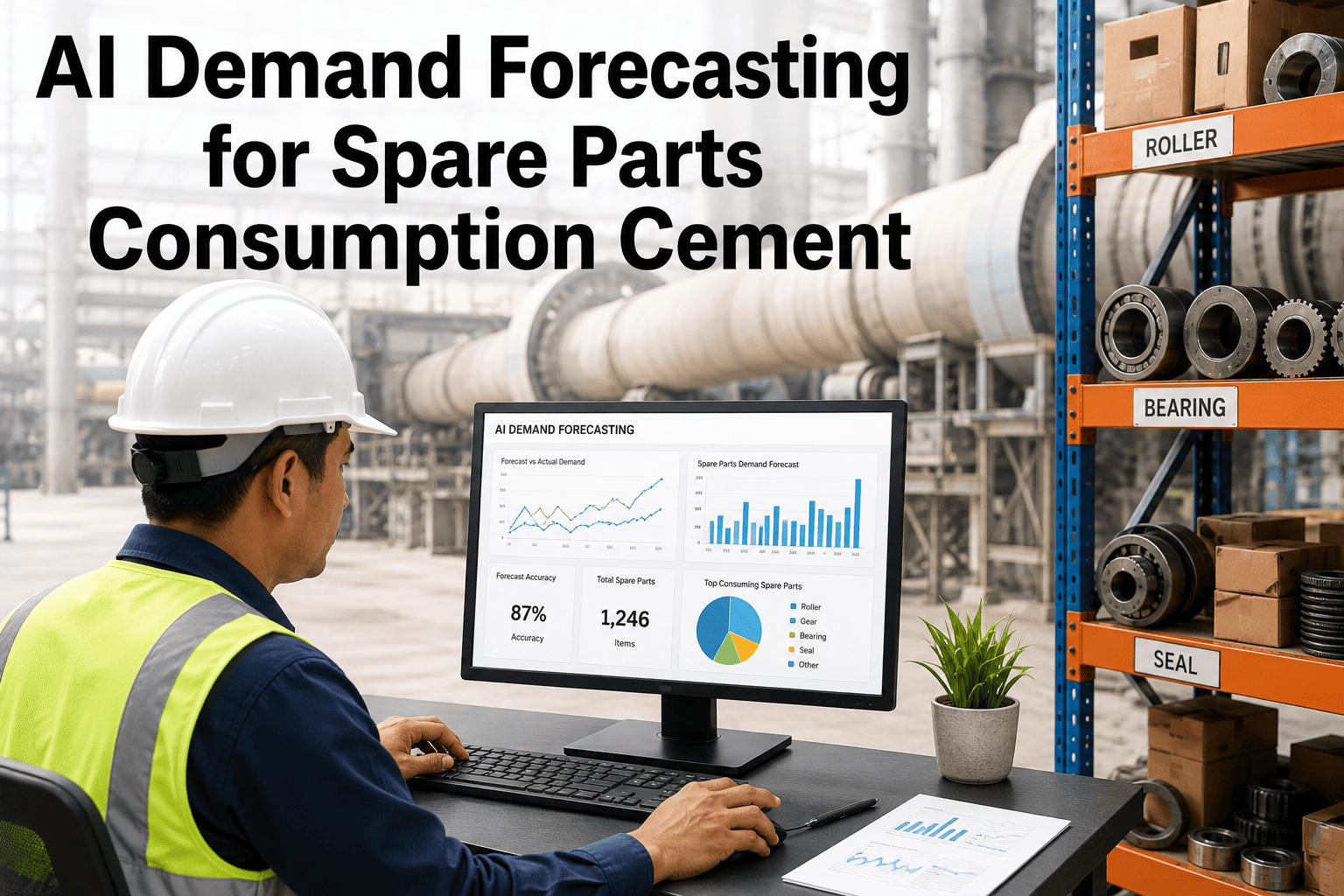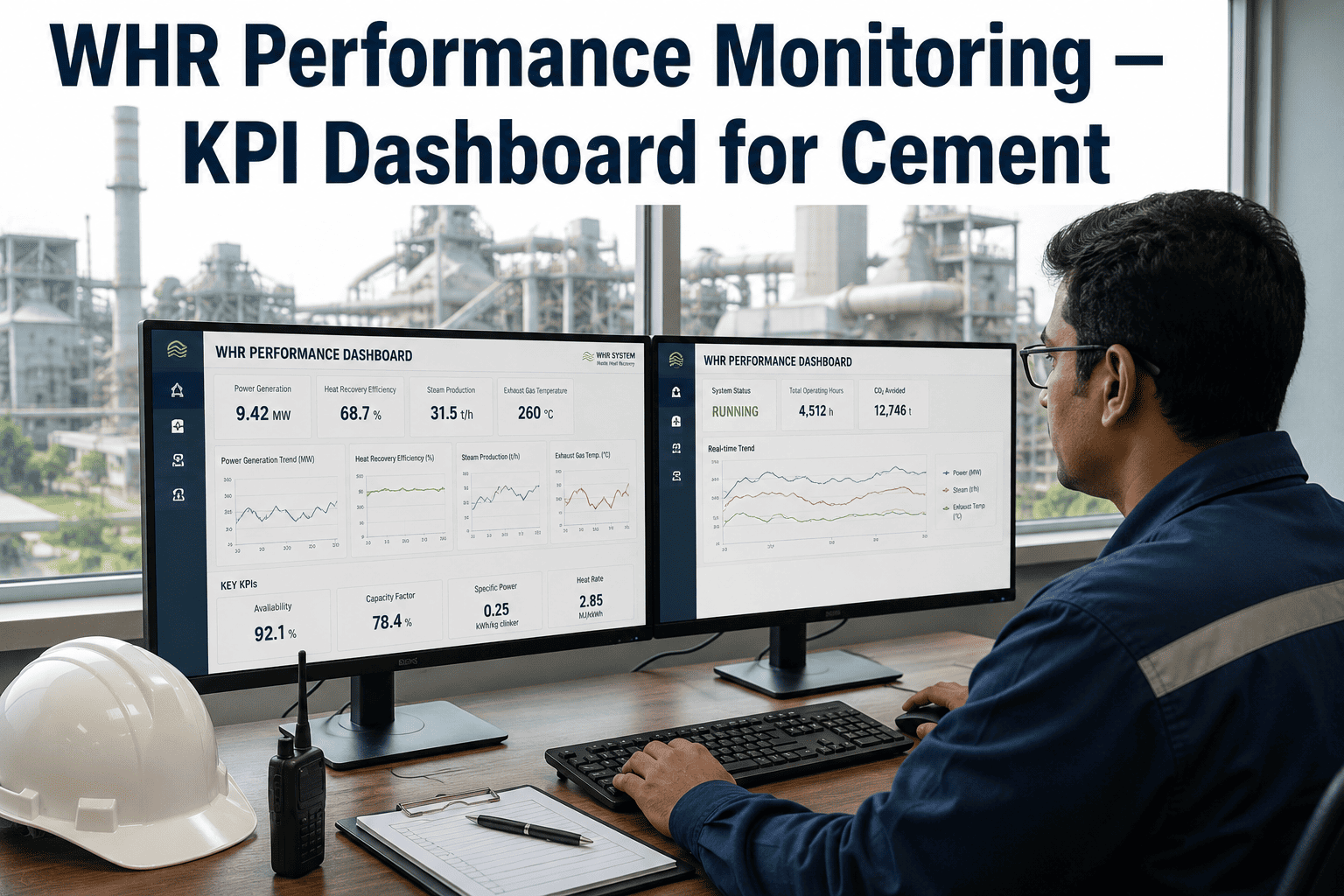
Electricity demand charges and time-of-use tariffs mean a cement plant's energy cost depends not just on how much power it consumes, but on when it consumes it, which makes energy cost planning fundamentally different from simple consumption tracking. A production schedule built without visibility into tariff structure can inadvertently push high-load processes into peak pricing windows, turning an otherwise efficient operation into an expensive one purely through timing. Forecasting demand against the production plan and running tariff scenarios before the schedule is locked is what catches this kind of avoidable cost before it happens rather than after the invoice arrives, and if you want to see this kind of scenario planning run against your own tariff structure, you can walk through a cost planning scenario with our team.
Plan Production Around Your Tariff, Not Against It
Demand forecasting that combines historical consumption, your production plan, and tariff structure into scenario comparisons, so costly timing mistakes get caught before the schedule is locked.
The Inputs Behind a Credible Demand Forecast
A forecast built on production volume alone misses the cost dimension entirely, since the same total consumption can cost very differently depending on when it happens.
Running Scenario Comparisons Before the Schedule Locks
The real value of forecasting comes from comparing alternative production schedules against the same tariff structure before committing to one.
| Scenario | Schedule approach | Typical cost outcome |
|---|---|---|
| Baseline schedule | Current production timing, unchanged | Reference point for comparison |
| Peak-avoidance schedule | High-load processes shifted away from peak tariff windows | Lower demand charge exposure, similar total consumption |
| Accelerated production schedule | Compressed schedule to meet a tighter delivery deadline | Higher peak demand, often a meaningful cost increase |
| Maintenance-adjusted schedule | Planned outage shifted to minimize disruption to peak-avoidance timing | Cost impact isolated from the underlying tariff comparison |
Comparing these scenarios side by side before the schedule is finalized is what turns tariff awareness from a reactive cost surprise into a planning input considered alongside delivery deadlines and equipment availability.
Tracking Forecast Error to Keep the Model Honest
A forecast that is never checked against what actually happened drifts in accuracy without anyone noticing, which is why tracking forecast error is its own ongoing step.
Run a Scenario Comparison on Your Own Tariff
Share your current tariff structure and production plan and we will compare a few scheduling scenarios for cost impact.
Turning Forecasts Into Management Reporting That Gets Used
A forecast that sits in a spreadsheet nobody reviews provides no value, so the final step is making sure it reaches the people who make scheduling decisions.
What iFactory Cement and Energy Specialists Recommend
iFactory cement and energy specialists who support plants on demand forecasting consistently find that peak-avoidance scheduling delivers the most reliable, low-effort savings of any tactic reviewed, since it typically requires no new equipment, only a shift in timing for processes that already have some scheduling flexibility.
They also note that forecast error tracking is the step most often skipped, even though it is what prevents a useful forecasting model from quietly becoming unreliable as production patterns or tariff structures change over time.
What Energy and Production Planners Ask About This Approach
Bring Demand Forecasting and Cost Planning to Your Plant
Book a session with iFactory AI to compare production scheduling scenarios against your own tariff structure before your next schedule locks.