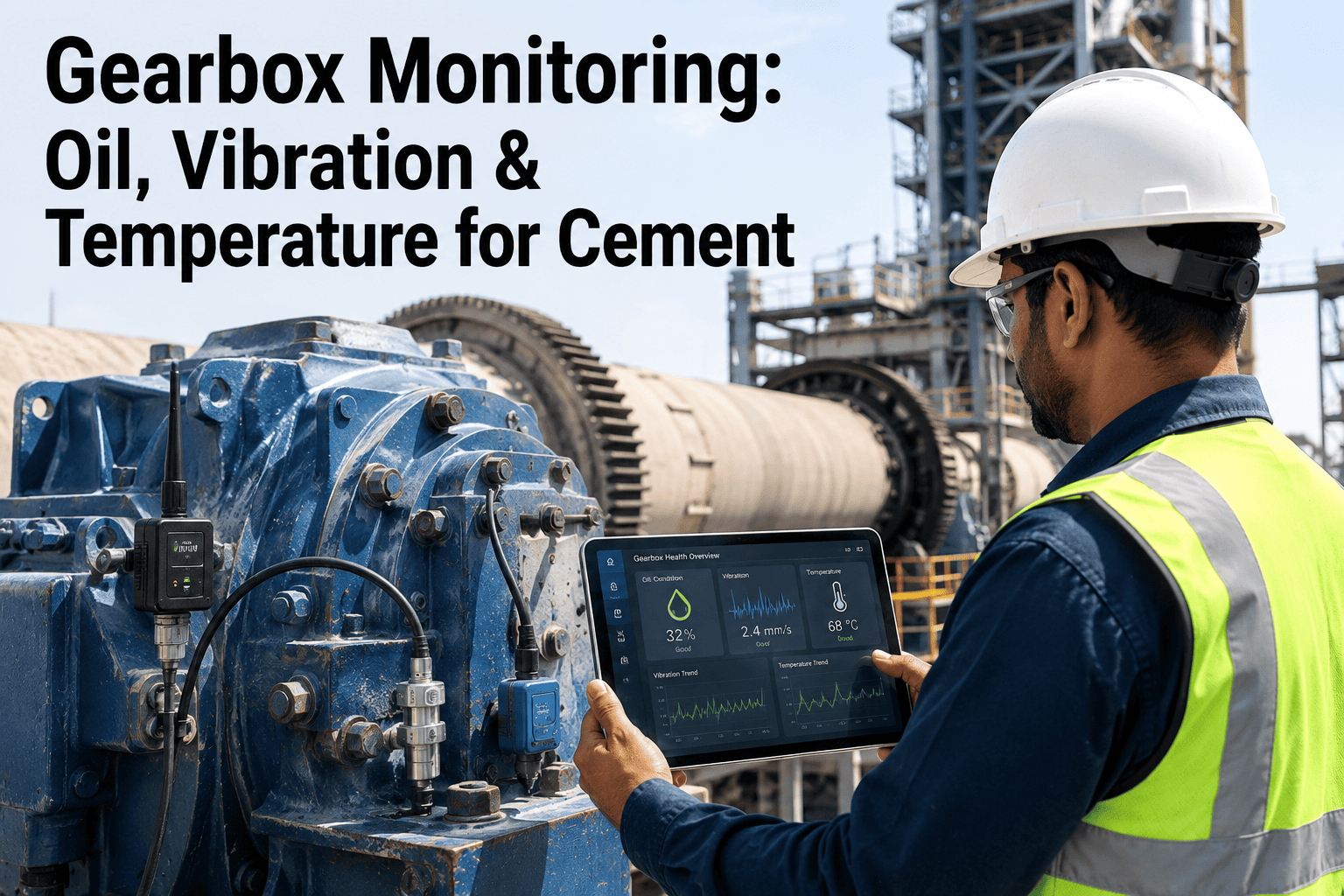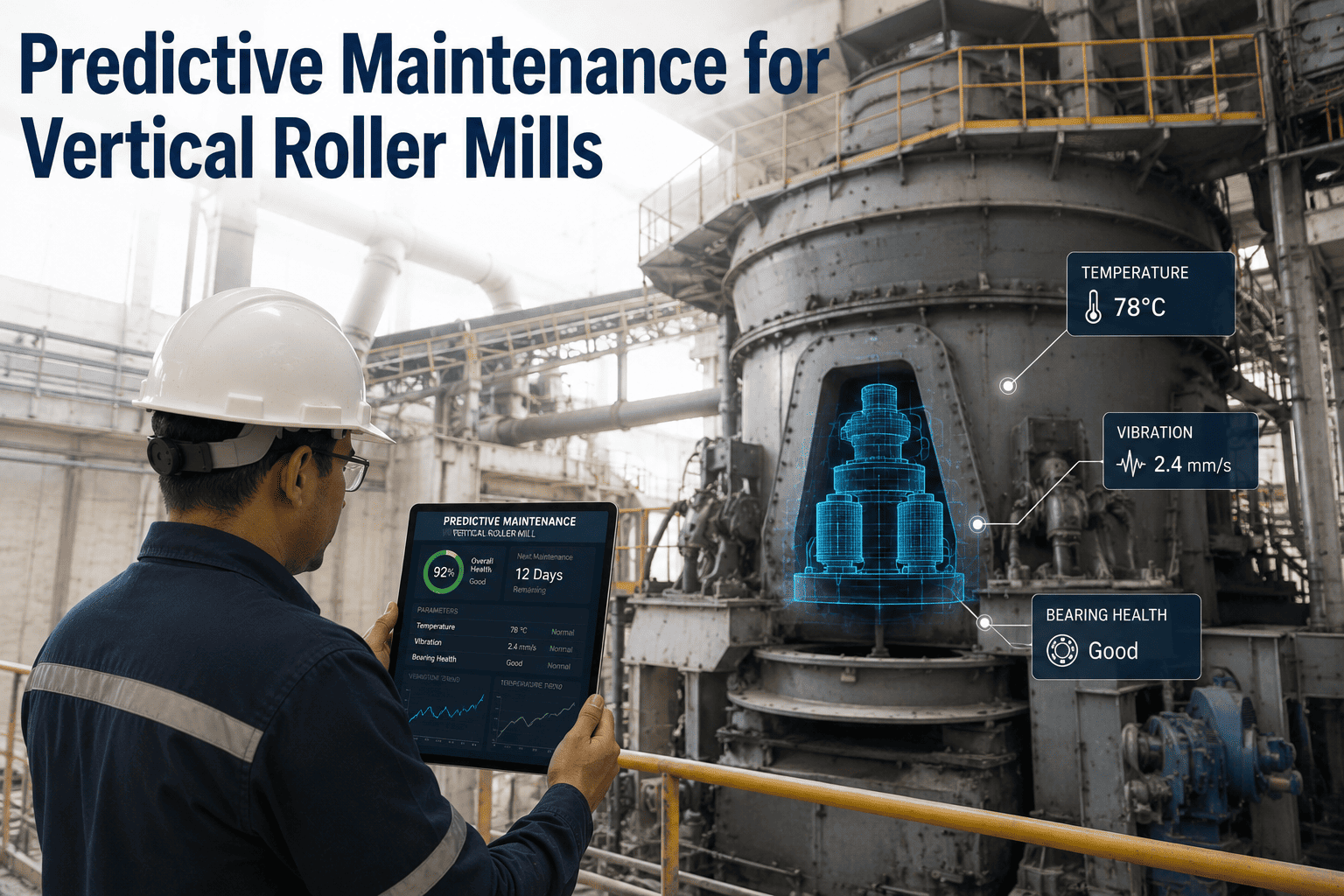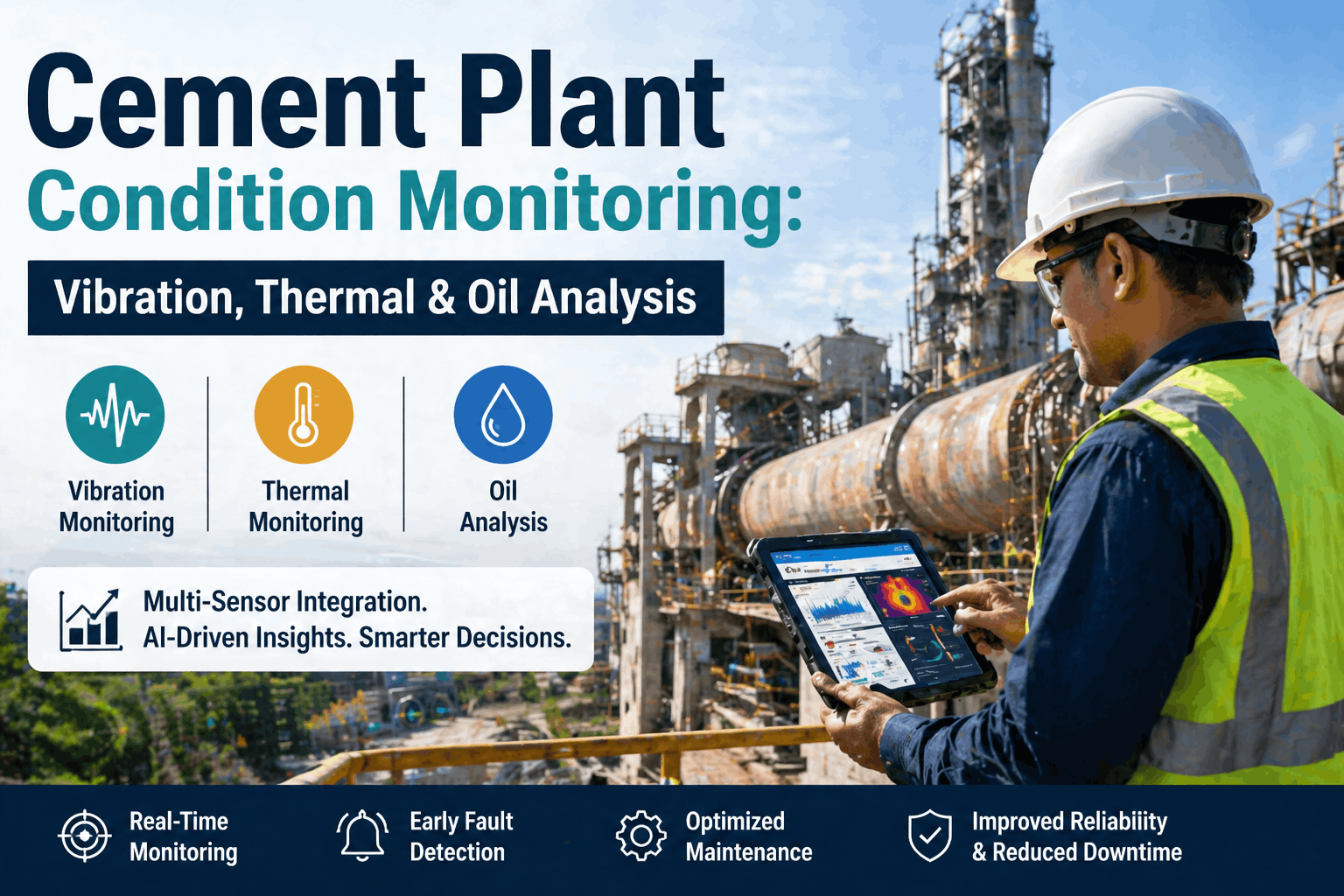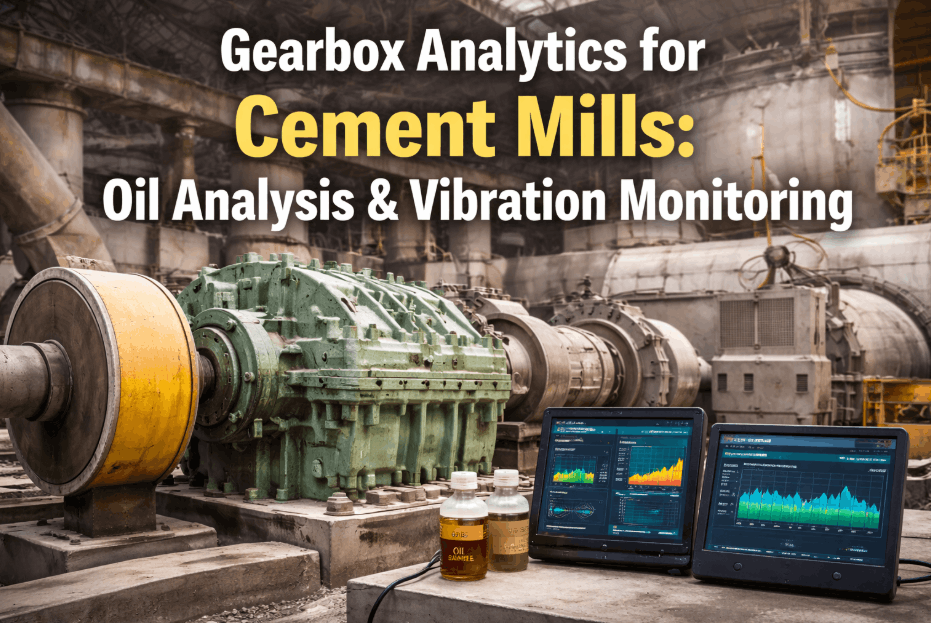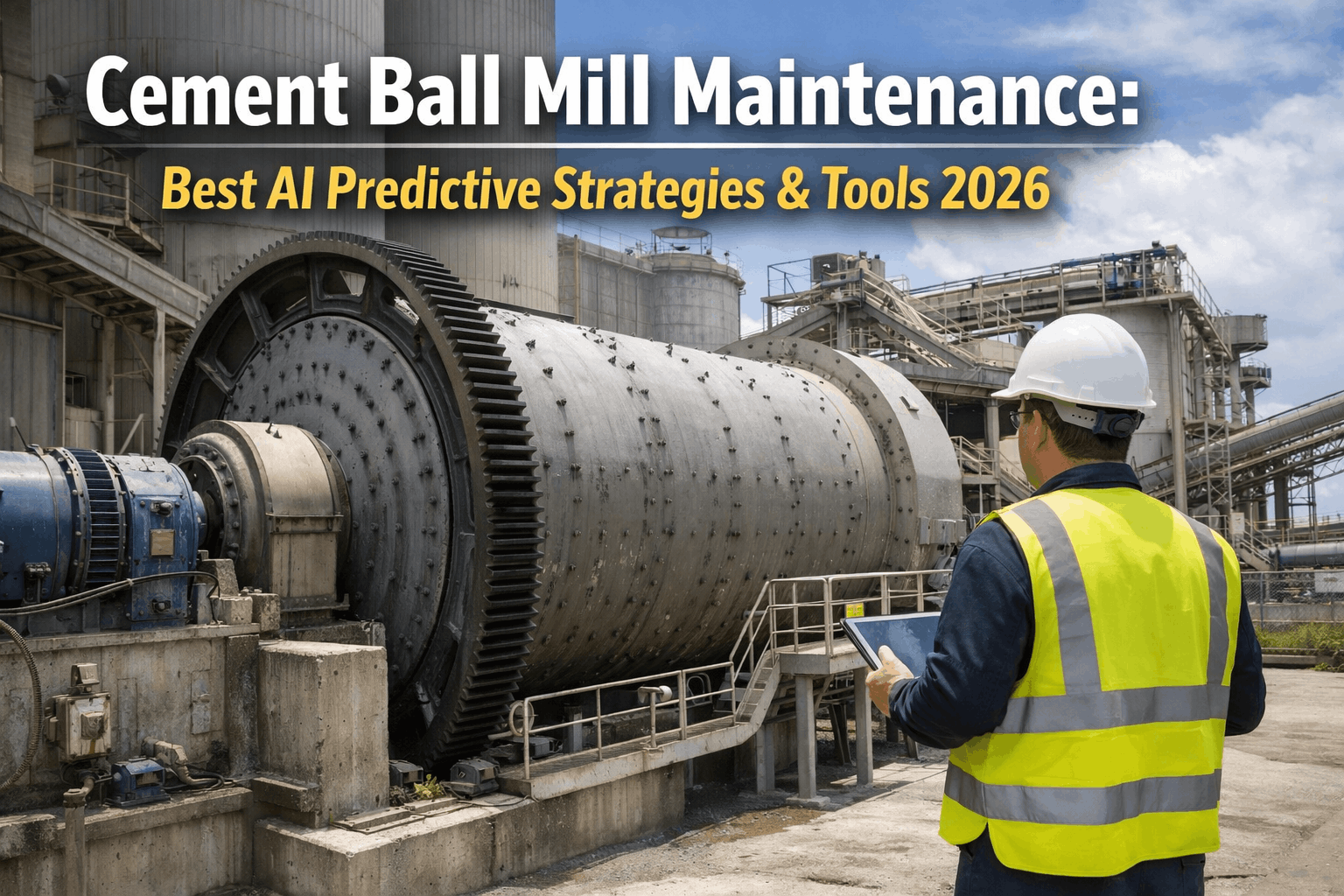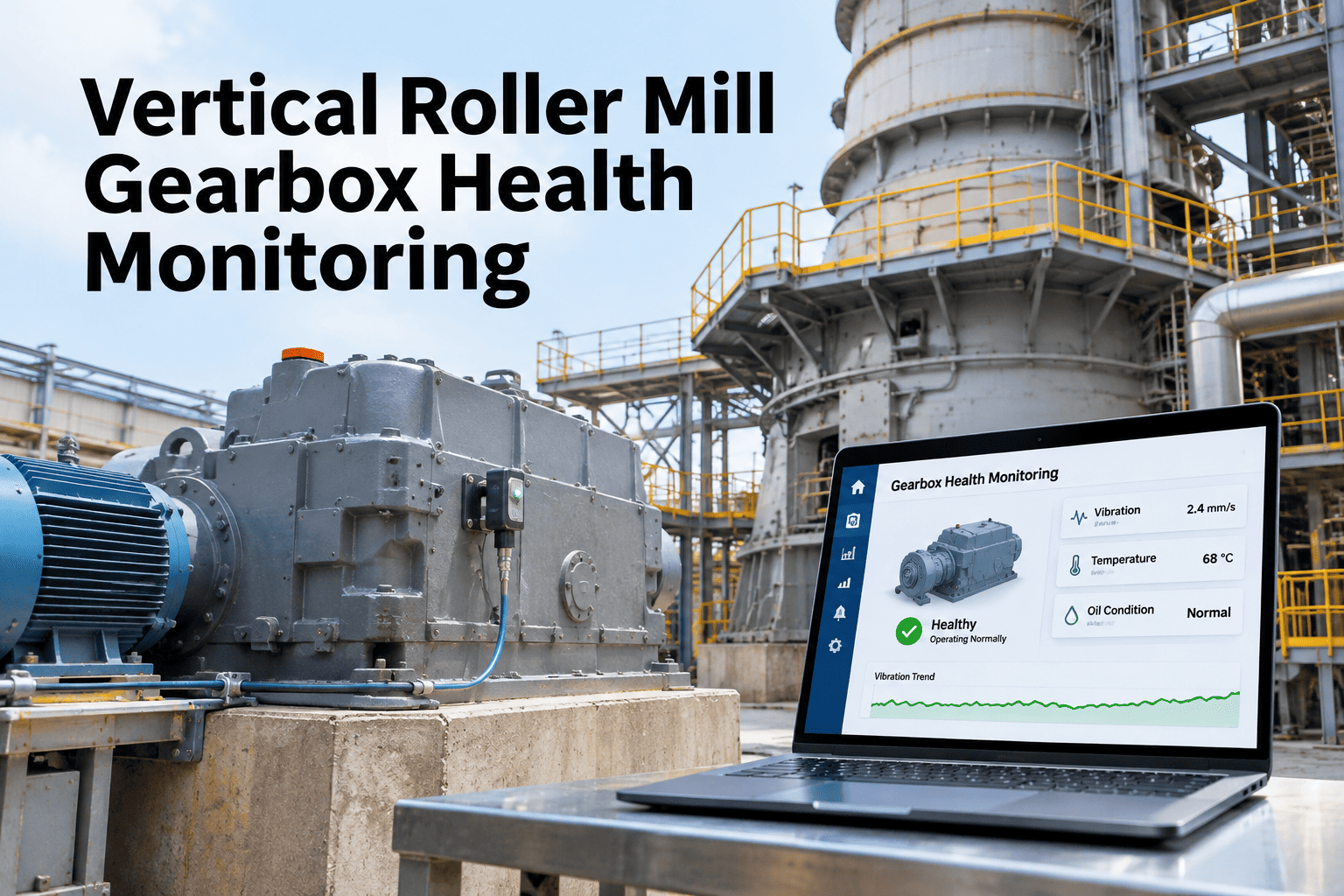
A vertical roller mill gearbox carries nearly all the torque of the grinding circuit, and when it fails the line can be down for weeks rather than days while a replacement is sourced. The warning signs are almost always present first in vibration, oil condition and bearing temperature, but on paper routes they are read too late to matter. Vertical roller mill gearbox health monitoring connects those three signal types into one risk picture per gearbox, so a developing fault becomes a scheduled repair instead of an emergency teardown. Reliability teams planning this for their own VRM fleet can discuss their plant data and gearbox use case with iFactory.
Four Signal Streams, One Gearbox Risk Score
iFactory, an on-premise AI platform for predictive maintenance, fuses vibration, oil, temperature and inspection data from every vertical roller mill gearbox into one risk score, routed straight to a work order.
What Is VRM Gearbox Health Monitoring?
VRM gearbox health monitoring is the practice of tracking vibration, oil condition, temperature and inspection findings against known failure patterns to catch a developing gearbox fault weeks before it becomes a mill stop. A planetary or multi-stage gearbox typically carries around 90 percent of mill torque, so a fault here is rarely a minor repair. iFactory, an on-premise AI platform for predictive maintenance, turns these separate readings into one trended risk score per gearbox rather than four unrelated charts. The goal is not to collect more data, it is to make the data that already exists impossible to ignore when it starts moving in the wrong direction, and to route that movement straight to a scheduled job instead of a dashboard nobody checks until the next outage review.
Gearbox Risk Indicators Ranked by Urgency
Not every reading carries the same weight. The pyramid below ranks the indicators reliability teams should watch, from background context up to the signals that justify an immediate inspection.
Reading the Vibration Trend
Vibration velocity on the gearbox output shaft is the single most tracked signal, but the number only means something against a baseline and a standard. ISO 10816 gives the reference band most cement reliability teams design their thresholds around.
A reading above roughly 7.1 mm/s RMS on the output shaft, read against ISO 10816 guidance, is the point most programs treat as a confirmed alert rather than a watch item.
What Oil Analysis Adds That Vibration Misses
Oil carries proof of wear before it shows up mechanically. Particle count, viscosity drift and water content each point to a different root cause, and reading them next to the vibration trend narrows down what is actually failing.
Walk Through Your Own Gearbox Trend Data
Bring a vibration or oil sample history from one VRM gearbox, and iFactory AI will show how the combined risk score would have flagged it.
Temperature Monitoring by Location
Temperature confirms what vibration and oil are already suggesting, and it is one of the cheapest signals to continuously monitor.
| Location | Normal Range | Watch Signal |
|---|---|---|
| Input shaft bearing | 60–75°C | Steady rise over days |
| Output shaft bearing | 55–70°C | Spikes under load |
| Oil sump | 45–65°C | Above range at steady load |
| Thrust pad | 50–70°C | Asymmetric reading vs pair |
Keeping Inspection Records Tied to the Trend
A sensor reading and a field inspection should sit in the same asset record, not two separate systems. Noise reported by an operator is a real signal, and it should carry the same weight as a sensor threshold breach once it is logged and confirmed. iFactory, an on-premise AI platform for predictive maintenance, keeps vibration, oil, temperature and inspection notes against one gearbox history, so a trend review never misses a finding because it was written on paper.
Escalation Workflow From First Signal to Scheduled Repair
Vibration-Only Monitoring vs Combined Signal Monitoring
| Approach | Catches | Misses |
|---|---|---|
| Vibration only | Imbalance, looseness, advanced bearing defects | Early lubrication and contamination faults |
| Oil analysis only | Wear metals, contamination, lubricant breakdown | Mechanical misalignment, gear tooth cracking |
| Combined monitoring | Both, cross-confirmed, with fewer false alerts | Needs consistent sampling and sensor uptime |
Common Mistakes That Weaken a Gearbox Monitoring Program
Most programs that fail to catch a gearbox fault are not missing sensors, they are missing discipline in how the readings are used. A handful of recurring gaps account for most of the surprises.
One signal in isolation
Reviewing vibration without oil or temperature context misses faults the other two would have confirmed earlier.
Generic thresholds for every gearbox
A single fixed alarm limit ignores differences in gearbox age, load profile and design, producing both missed faults and false alarms.
Inspection notes left on paper
A noise or leak an operator reports verbally rarely makes it into the trend review that would have confirmed a developing fault.
No re-baseline after repair
A gearbox returned to service after a rebuild needs a fresh baseline, or the next trend comparison is measured against the wrong normal.
What Benchmarks Say About Gearbox Reliability Programs
Where iFactory AI Fits
iFactory brings vibration, oil, temperature and inspection data for every VRM gearbox into one on-premise system, with CMMS work orders generated from confirmed risk, not raw thresholds alone.
Combined Risk Scoring
Vibration, oil and temperature are weighed together per gearbox, not reviewed in isolation.
Inspection Capture
Field findings join the same asset history as the sensor trend.
CMMS Work Orders
Confirmed risk opens a scheduled job with parts checked automatically.
On-Premise Deployment
Gearbox condition data stays on your own server, not a third-party cloud.
Frequently Asked Questions
Is vibration monitoring enough to predict gearbox failure on its own?
It is a strong leading indicator but works best paired with oil analysis, temperature and inspection findings, since each one catches a different failure path. See how the combined score is built using your own gearbox data.
What should trigger a gearbox work order?
A vibration reading beyond its ISO-referenced limit, an adverse oil or temperature trend, or an abnormal inspection finding should all raise a work order, ideally cross-checked against each other first. Review your current escalation rules with the iFactory team.
How often should gearbox oil be sampled?
Sampling interval depends on OEM guidance and the gearbox's criticality, and it should shorten automatically once a trend starts moving. Ask support about route scheduling inside the platform.
Can this cover both raw mill and cement mill gearboxes?
Yes, each gearbox is tracked in its own asset record with its own baseline, so raw mill, cement mill and coal mill drives can all sit in one system. Map your full gearbox fleet on a short call.
Does this replace our existing oil analysis lab?
No. It keeps lab results, sensor trends and inspection notes together against each gearbox so nothing abnormal goes unanswered, while the actual lab testing continues as is. Ask how lab data gets imported into the asset record.
Give Every VRM Gearbox One Risk Score, Not Four Disconnected Charts
Book a session with iFactory AI and see vibration, oil, temperature and inspection data combined into one gearbox risk view.