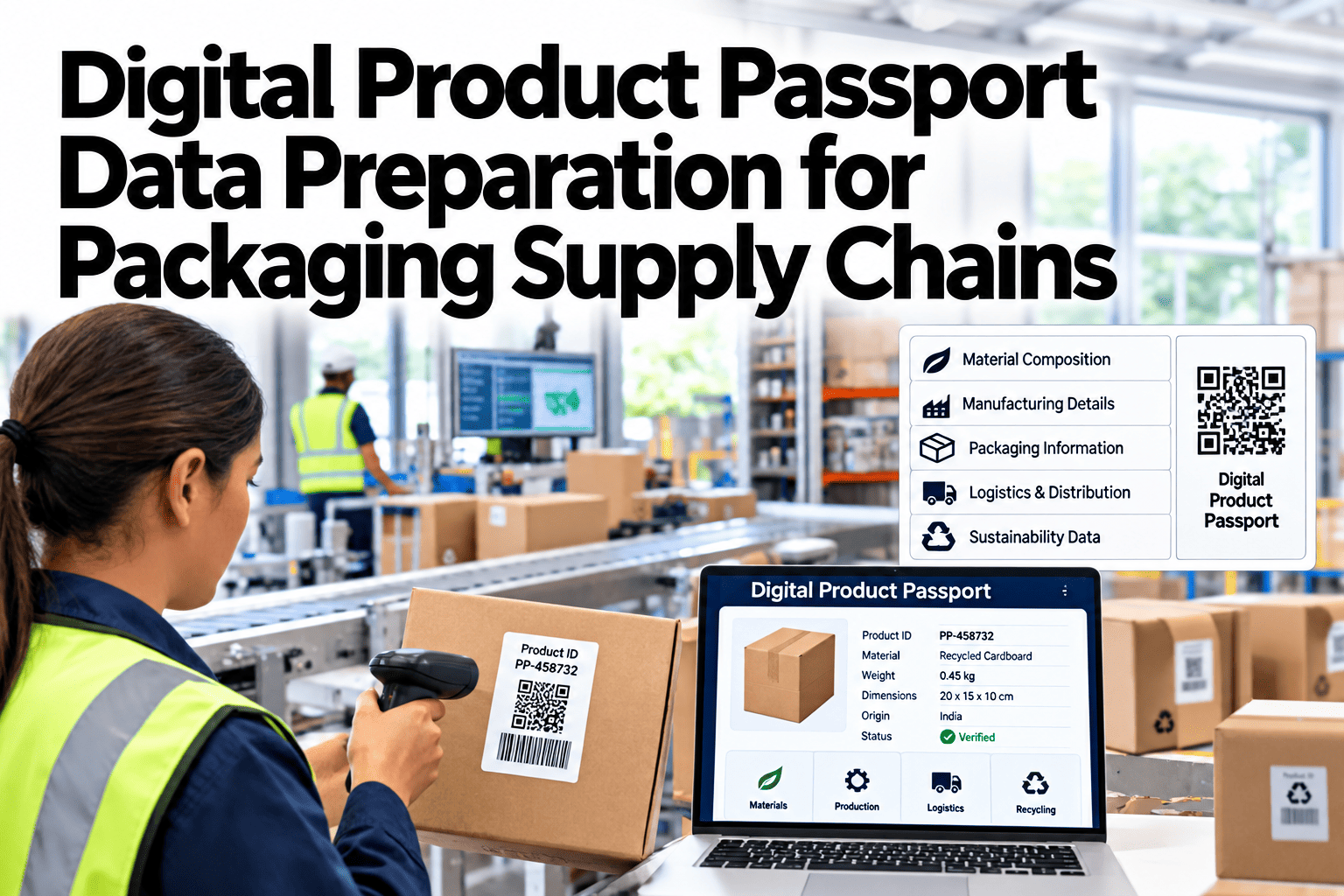
A digital product passport request usually arrives as a single spreadsheet column: material composition, supplier of origin, recyclability rating, all expected by a date that assumes the data already exists in one place. For most packaging teams it does not. It is split across supplier PDFs, old artwork files, and a procurement system that was never built to answer a traceability question. See a data-readiness check built from your own packaging portfolio.
Know What's Missing Before the Passport Deadline Does
iFactory AI inventories the material, supplier, and provenance data a digital product passport needs, and flags exactly where the gaps sit before a compliance review finds them for you.
A Passport Is Only as Complete as Its Weakest Field
One missing material identifier or an unverified supplier claim is enough to stall a passport submission, no matter how complete the rest of the record is.
Most packaging teams discover data gaps the hard way, during the review itself, because no one owns a continuous view of what the passport actually requires versus what is currently on file. A data inventory built ahead of time turns that discovery into a planned task instead of a deadline scramble.
The Required Data Inventory
A digital product passport draws from five categories of data, each typically owned by a different team.
| Data Category | Typical Owner | Common Gap |
|---|---|---|
| Material Composition | Packaging engineering | Sub-component materials undocumented |
| Supplier Identifiers | Procurement | Tier-two supplier data not collected |
| Provenance Records | Supply chain | Origin documentation incomplete or outdated |
| Recyclability Data | Sustainability team | Rating not verified against current material mix |
| Product Identifiers | Packaging engineering | Identifiers not linked across market variants |
Find Your Own Data Gaps First
Book a 30-minute session and see which passport data fields are missing across your current SKU portfolio.
Tracing Provenance Back to the Source
A passport's provenance claim is only as strong as the chain of records behind it, from raw material to finished component.
The break most often happens at the tier-two supplier link, where a primary supplier's own documentation stops short of naming where their input material actually came from.
Requesting Data Suppliers Haven't Sent Yet
A generic data request usually comes back incomplete. A specific one, tied to the exact passport field missing, gets a faster and more complete answer.
Who Owns the Data Once It's Exchanged
Data ownership and update responsibility should be clear before the first exchange, not negotiated after a discrepancy shows up.
Source of Record
One system designated as the authoritative source for each data field, avoiding conflicting copies.
Update Responsibility
Clear ownership for who refreshes supplier data when a material or source changes.
Access Permissions
Defined visibility for which internal teams and external partners can view each data category.
Audit Trail
Every data change logged with its source, supporting a compliance review months later.
Getting It Running on Your Portfolio
iFactory AI connects to your packaging specification and supplier records to build a passport-ready data inventory.
Frequently Asked Questions
Which digital product passport requirements does this cover?
The data inventory is structured around common passport fields across major frameworks, and specific regional requirements are confirmed during setup. Support can review your applicable markets.
Does this send data requests to suppliers automatically?
Requests are generated against identified gaps for your team to send, keeping the outreach and supplier relationship under your control rather than automated without review.
Can this handle a portfolio with hundreds of SKUs?
Yes, the data inventory scales across a full SKU portfolio, surfacing gaps by product line so review work can be prioritized rather than handled one SKU at a time.
What happens when a supplier changes mid-cycle?
A supplier change is flagged as a data refresh need, prompting a new data request before the passport record goes stale.
Can this integrate with our existing PLM or specification system?
Yes, packaging specification data can be pulled from your existing system rather than re-entered manually. Ask about your specific system in a walkthrough.
Close the Gaps Before the Deadline Finds Them
iFactory AI maps your packaging data against what a digital product passport actually requires. Book a walkthrough with your own portfolio.