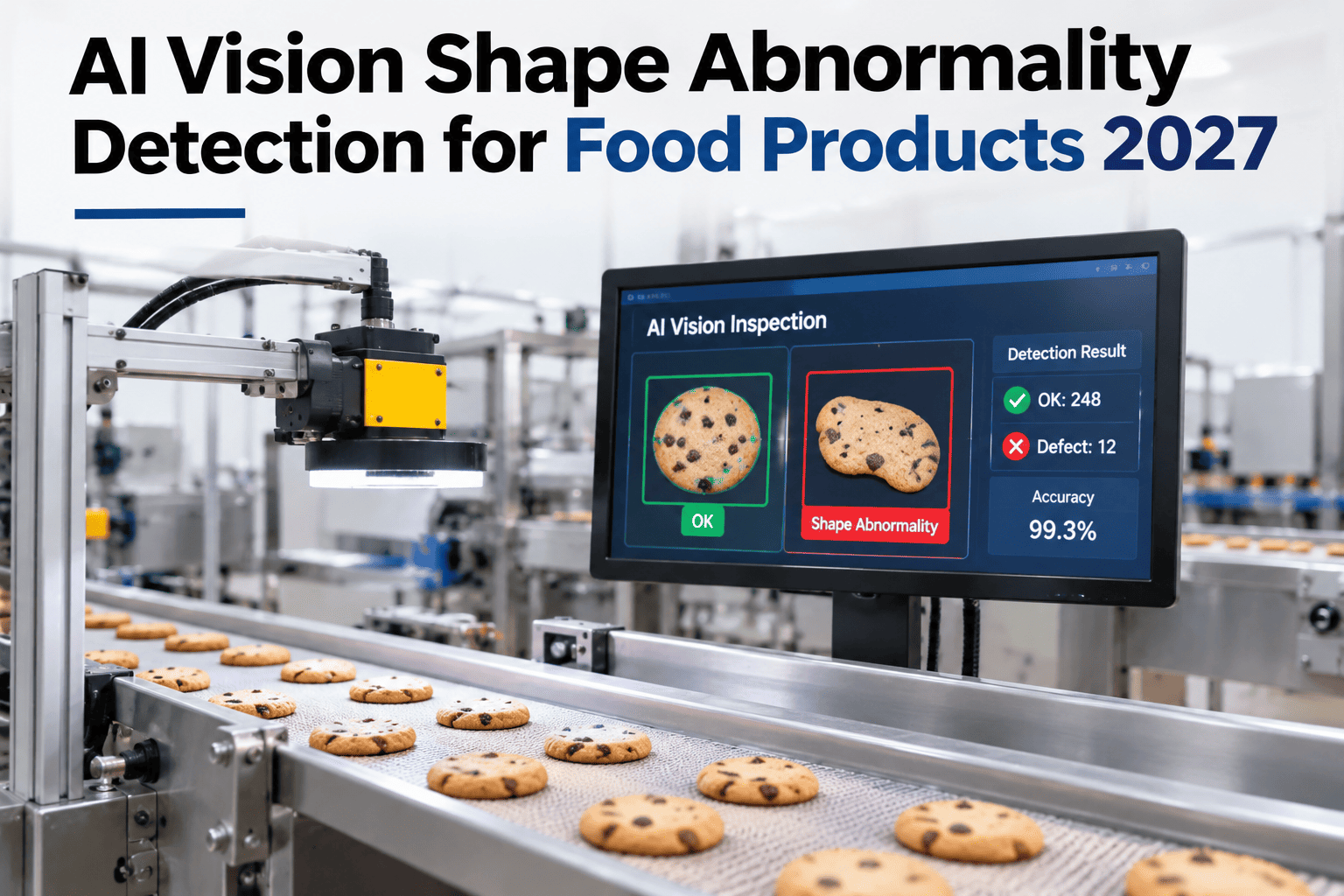
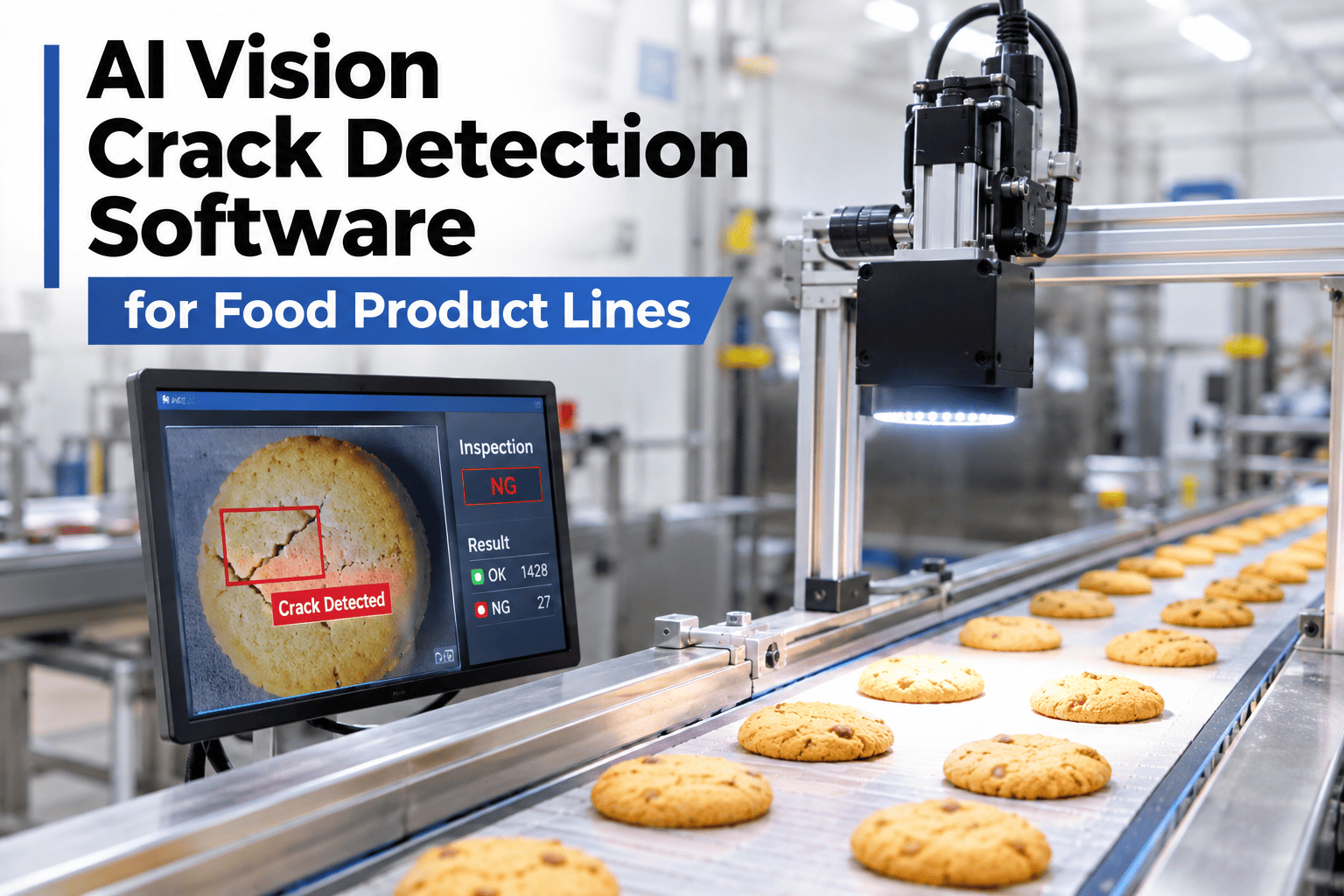
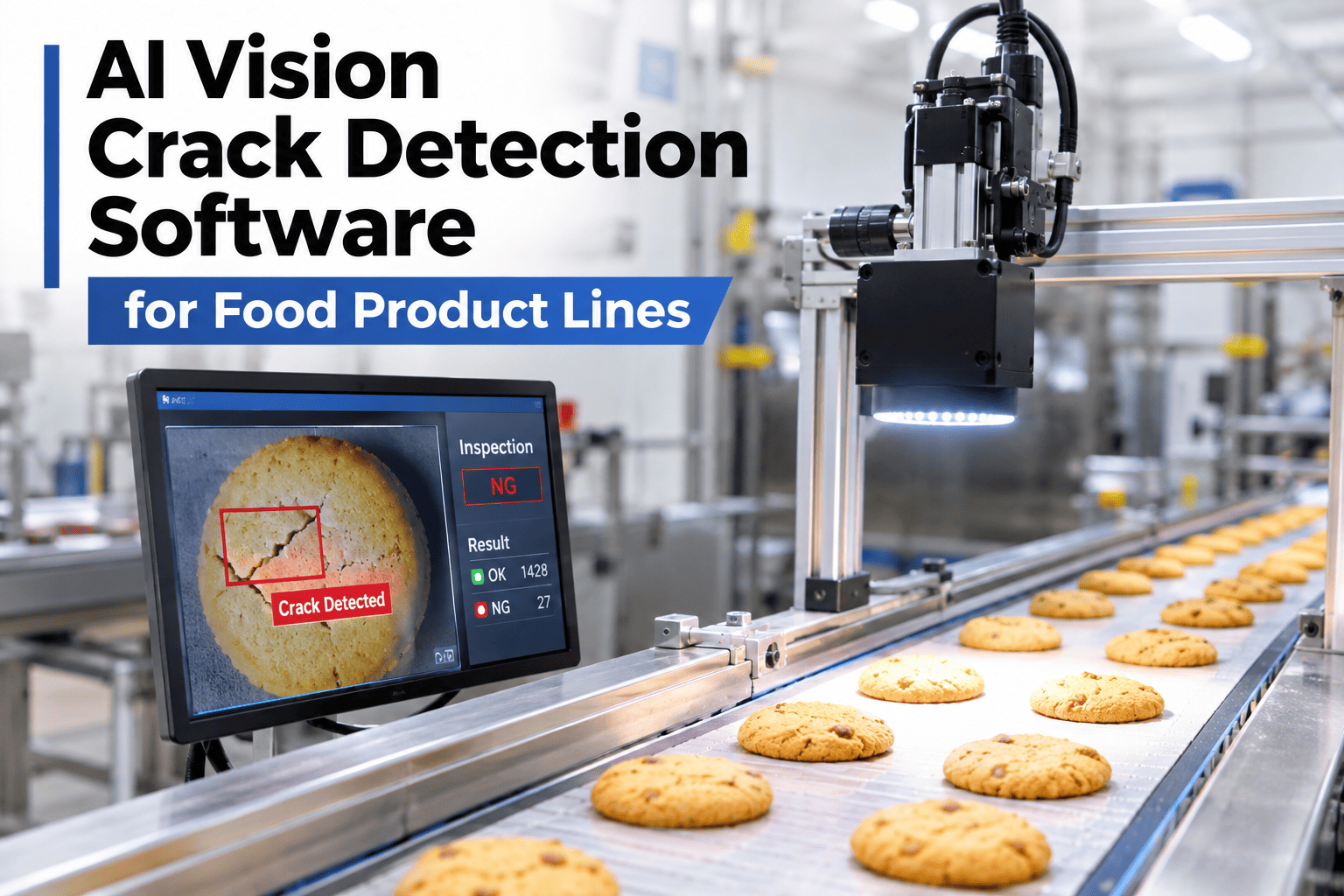
A misshapen cookie or a broken cracker doesn't need a human to recognize it's wrong, but recognizing it consistently at line speed, across thousands of units a minute, is a different problem entirely, one that geometric measurement models solve more reliably than a tired inspector on an eight-hour shift. AI vision deformity detection measures each unit's shape, area and perimeter against a defined acceptable range, catching misshapen and broken product the instant it passes the camera. iFactory AI, an on-premise AI platform for manufacturing, builds these geometric models around a plant's own product specifications, and quality teams can see their own product's shape tolerance modeled and checked at line speed with our team.
Deformity Detection, 2027
Shape, Area and Perimeter, Checked Every Unit
AI vision deformity detection software for food products catches misshapen and broken units using shape, area and perimeter models, at full line speed.
Why humans miss it
Why Consistent Shape Judgment Is Harder Than It Sounds
A human inspector judging shape consistency gets fatigued, distracted and inconsistent over a shift in ways that are hard to notice from the outside, since a slightly misshapen unit on hour seven doesn't look dramatically different from one on hour one. A geometric model applies the exact same measurement standard to the first unit of the shift and the last, which is the real advantage over human judgment, not speed alone.
Three measurements
What the Geometric Model Actually Measures
Shape
The unit's outline is compared against the expected reference shape.
Area
Total surface area is measured and checked against an acceptable range.
Perimeter
The outline length is measured, catching breaks and irregular edges.
From unit to decision
How a Unit Gets Measured and Sorted
1
Unit imaged
Each unit passes the camera at full line speed.
2
Outline extracted
The unit's shape, area and perimeter are calculated from the image.
3
Compared to tolerance
Each measurement is checked against the defined acceptable range.
4
Sorted or rejected
A deformed unit is rejected or routed, in-tolerance units pass through.
See Your Own Product's Tolerance Modeled
Share samples of acceptable and unacceptable product, and iFactory AI will show how a shape, area and perimeter model would check them.
Human vs geometric model
Judging Shape by Eye Against Measuring It Directly
Human visual judgment
Consistency drifts over a shift
No precise record of how far out of tolerance a reject was
Judgment varies between different inspectors
Geometric measurement
The same standard applies every unit, every hour
A precise measurement is recorded for every reject
The standard is identical regardless of who's on shift
Setting the tolerance
Getting the Acceptable Range Right for Your Product
A tolerance set too tight rejects perfectly sellable product that simply has natural variation, wasting good output and frustrating the floor. A tolerance set too loose lets genuinely deformed product through, defeating the purpose of the check. The right range comes from measuring a representative sample of product that quality has already deemed acceptable and building the tolerance around that real distribution, rather than an arbitrary number chosen without reference to what the line actually, normally produces.
Common mistakes
Mistakes That Weaken a Deformity Detection Rollout
1
Setting tolerance from a guess, not real samples
A tolerance not grounded in actual product variation rejects or passes the wrong units.
2
Checking shape alone without area or perimeter
Some deformities show up in area or perimeter before the overall shape looks obviously wrong.
3
One tolerance for multiple product variants
Different sizes or shapes of the same product line need their own calibrated range.
Expert review
What a Quality Manager Would Check First
The tolerance range is the single most important setting in the whole system. Confirm it was built from a representative sample of real product, not a theoretical specification, before trusting the reject rate it produces.
Watch for
A reject rate that doesn't match what the floor already knows about normal product variation.
Do next
Pull a representative sample of accepted and rejected product before setting any tolerance.
FAQ
What Food Plants Ask About Deformity Detection
Can this handle natural variation in products like baked goods?
Yes, the tolerance range is built around the natural variation seen in your own accepted product, so reasonable natural differences in shape are expected and allowed for rather than flagged.
Ask about setting tolerance for your product.
How is this different from a simple size check?
A size check alone can miss a unit that's the right area but the wrong shape, such as a folded or partially broken piece, while the combined shape, area and perimeter check catches all three types of deformity.
Ask about the difference for your product.
Does this work on irregularly shaped products like artisan bread?
Yes, the reference shape and tolerance are built around your specific product's expected variation, whether that's a tightly uniform cookie or a naturally more irregular artisan loaf.
Discuss your specific product's shape range.
Can this detect a partially broken unit, not just a fully misshapen one?
Yes, a break typically shows up clearly in the perimeter measurement even when the overall area looks close to normal, which is part of why all three measurements are checked together.
Ask about detecting partial breaks.
How often does the tolerance need to be re-calibrated?
A tolerance built from a solid representative sample tends to hold well, though a formulation or recipe change should trigger a re-check to confirm the acceptable range still fits the updated product.
Ask about re-calibration after a formula change.
The same standard, every unit, every hour
Measure Shape Consistently at Full Line Speed
Book a session with iFactory AI to see deformity detection modeled around your own product's shape tolerance.