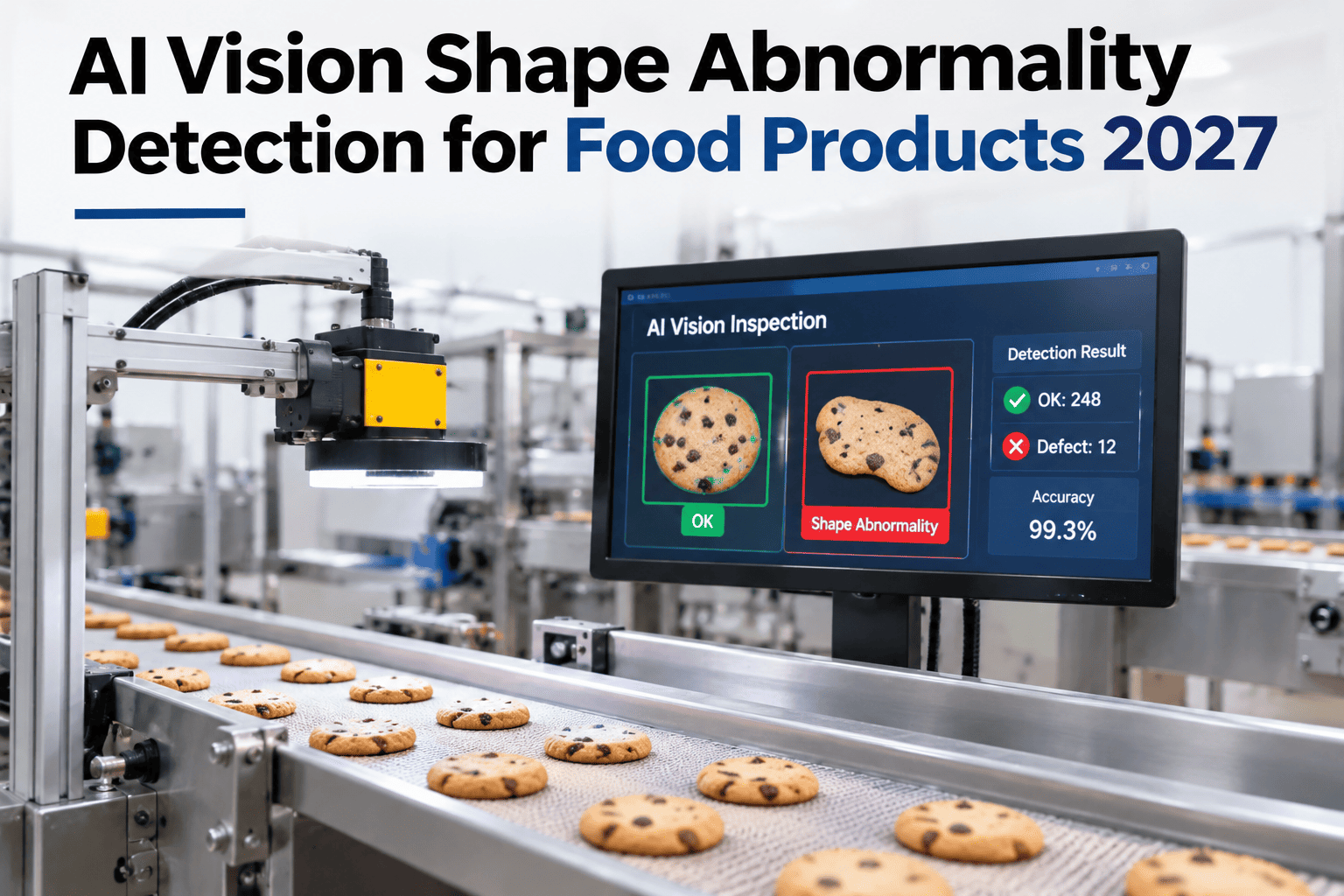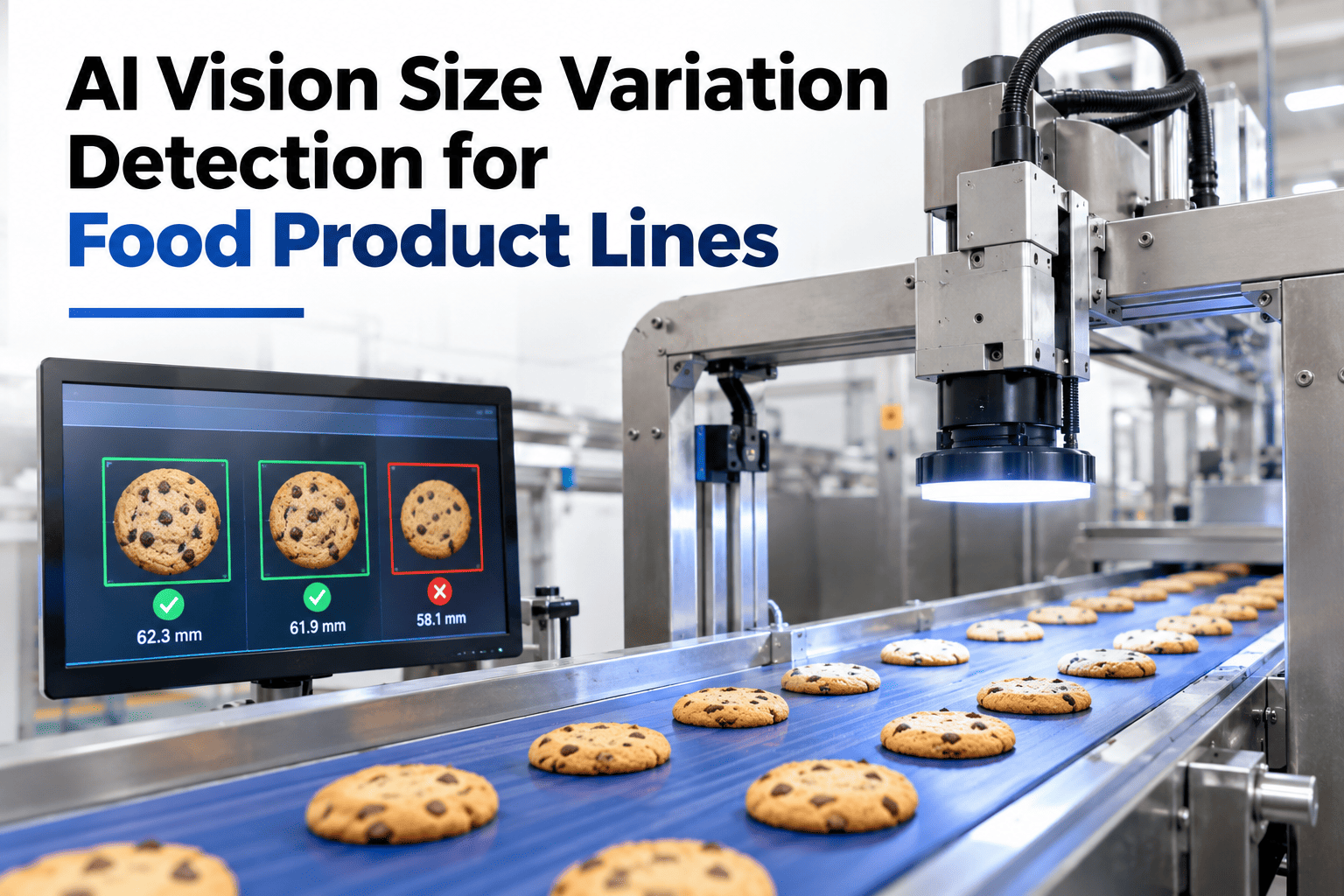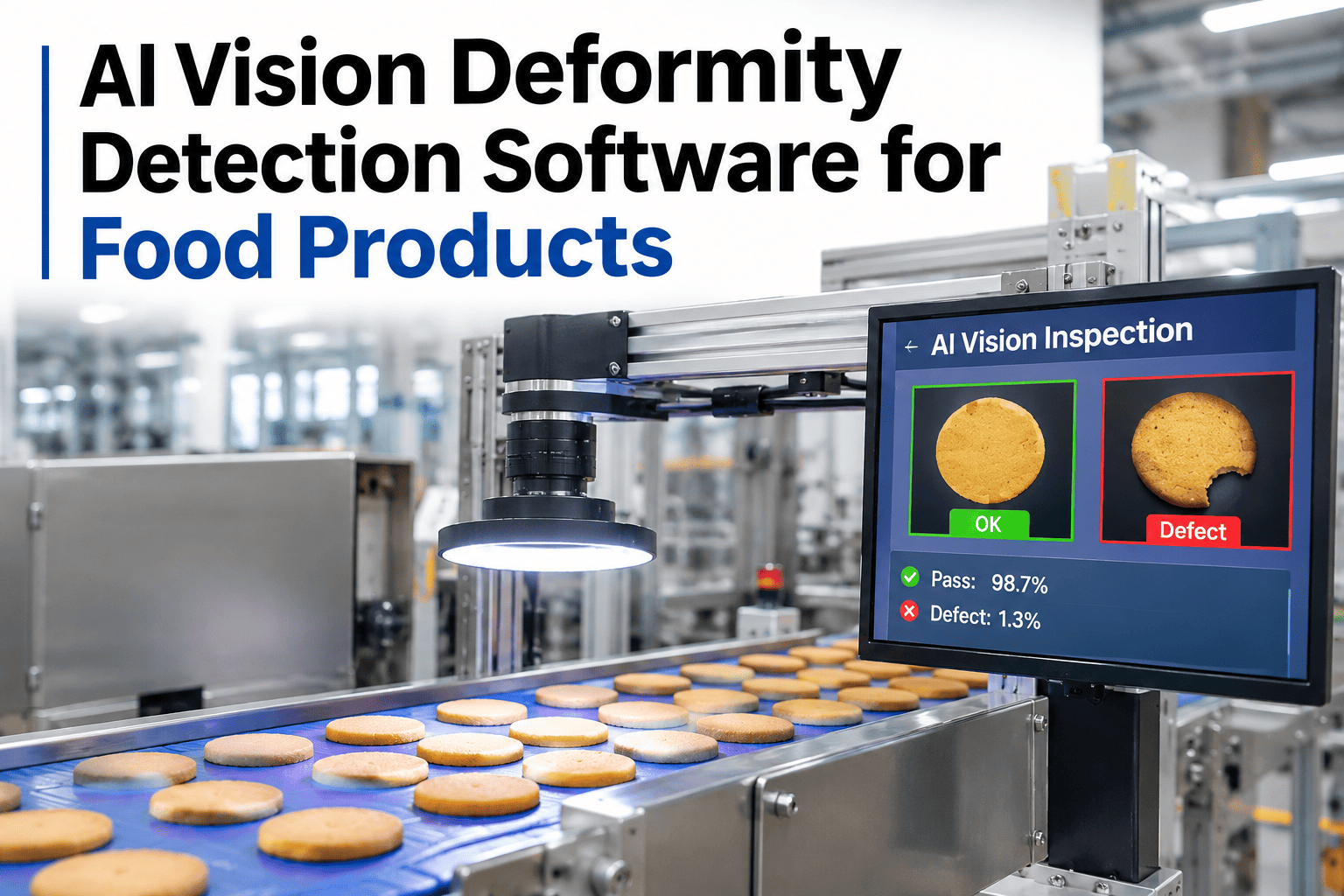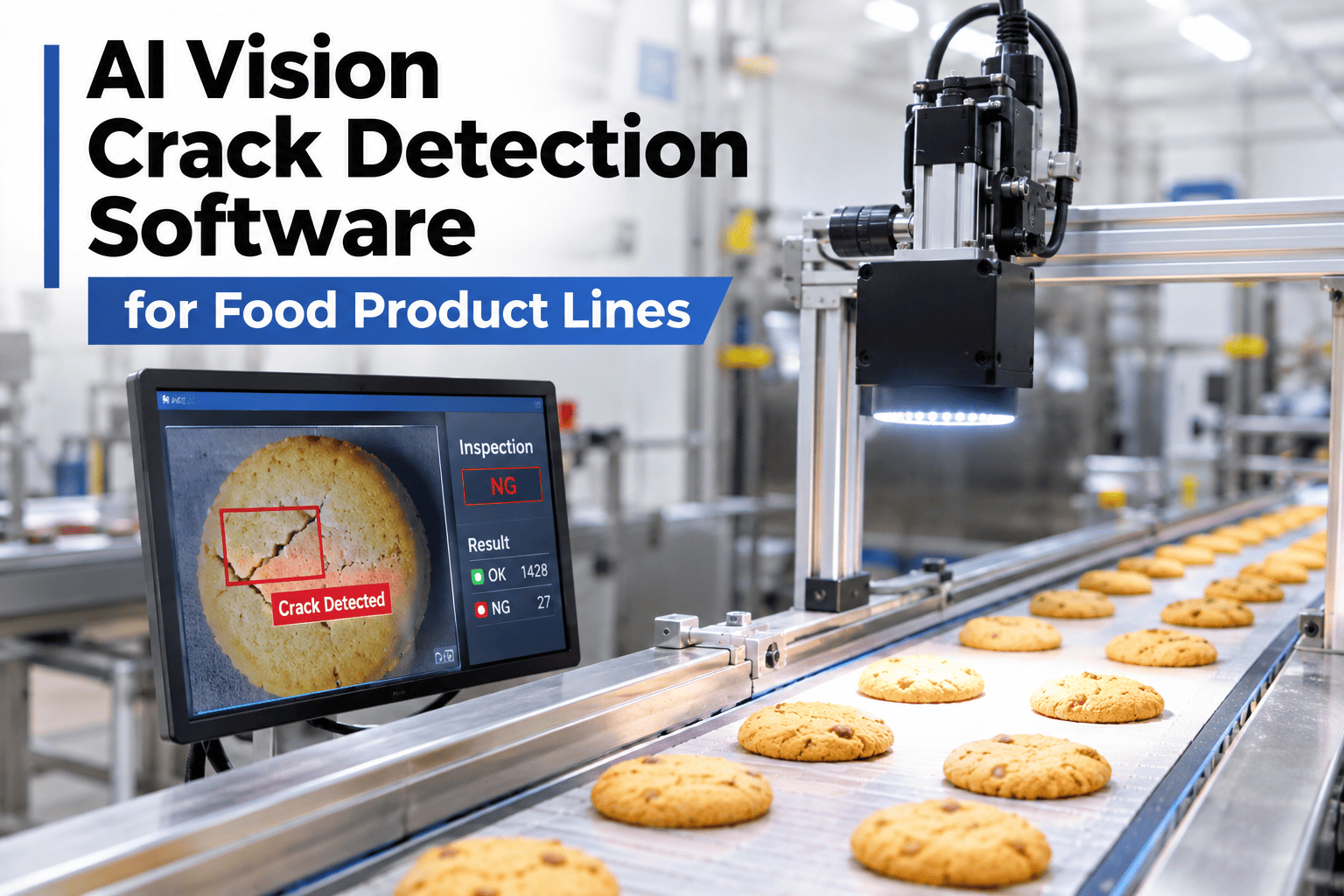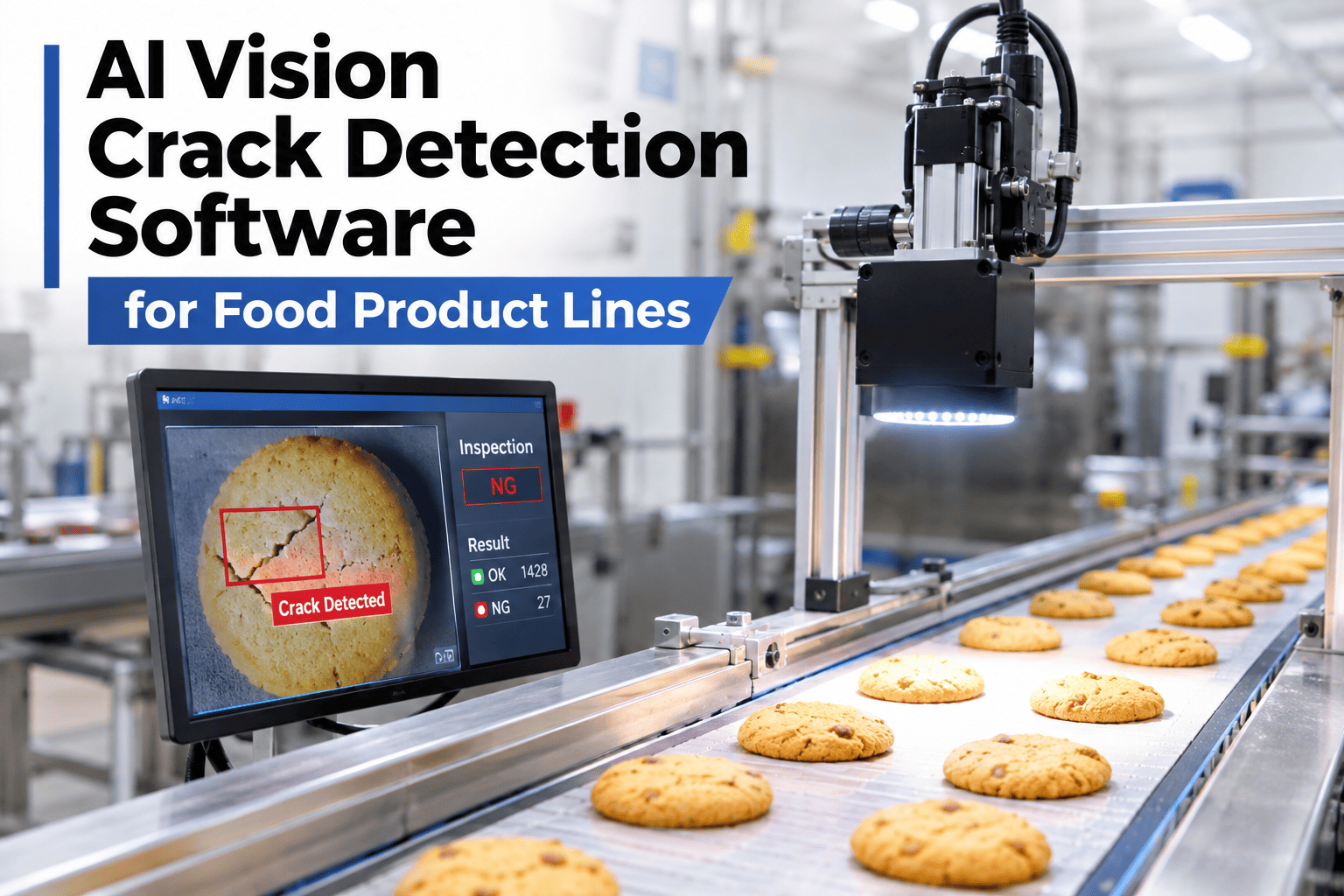
A hairline crack across a cookie or a wafer rarely stops the line, it just quietly ships, and by the time a retailer complaint arrives nobody can say which oven zone, which dough batch or which cooling stage actually caused it. AI vision crack detection reads every unit as it passes, builds a per-unit heat map showing exactly where the crack sits, and pairs that map with a root cause hint tied to known process conditions at that moment. iFactory AI, an on-premise AI platform for manufacturing, runs this detection directly on a plant's existing line cameras, and quality teams can see their own cracked units mapped back to a likely process cause with our team.
Every Crack Mapped, With a Hint at Why
AI vision crack detection software for food product lines catches cracking in cookies, wafers, tortillas and chocolate, with a per-unit heat map and a root cause hint built in.
Why Cracking Rarely Stops a Line on Its Own
A crack doesn't usually break a unit in half or trigger a weight check, which means most existing line checks have no reason to flag it. It ships, and the only signal a plant gets back is a retailer complaint or a returned case weeks later, by which point tracing the crack back to a specific cause is closer to guesswork than investigation.
How Cracking Shows Up Differently by Product
The Cookie Line That Blamed the Wrong Oven Zone
Picture a cookie line where a batch of surface-cracked units kept appearing every few hours, and the team's working theory pointed at zone three of the oven, the hottest section, as the likely cause. Once crack detection ran for a few shifts with process data attached, the heat map told a different story: the cracks consistently appeared on units that had passed through a specific cooling tunnel fan whose airflow had drifted, cooling one side of each cookie faster than the other and creating the stress that caused the crack, not the oven at all.
Without the per-unit location data and the matched process timestamp, the team would likely have kept adjusting oven zone three with no improvement, since the actual cause was two process steps downstream of where everyone was looking.
How a Crack Becomes a Root Cause Hint
See Your Own Crack Pattern Explained
Share a sample of cracked units and your current process data, and iFactory AI will show how a root cause hint would be generated.
A Crack Found at the Retailer Against One Found on the Line
Why Location on the Unit Is Its Own Clue
Where a crack sits on a unit is often as diagnostic as the fact that it exists at all. A crack running along a cookie's edge points toward a different cause than one centered in the middle, and a wafer fracturing between layers points toward moisture rather than temperature. A heat map that shows exact location, not just a pass or fail flag, gives a quality engineer the detail needed to narrow down a cause instead of starting the investigation from scratch.
The Same Crack Data, Read by Three Roles
Mistakes That Weaken a Crack Detection Rollout
What a Plant Needs Before the First Camera Goes Live
Most of the early setup work is less about the camera itself and more about connecting it to the process data that makes a root cause hint possible, oven zone temperatures, cooling tunnel settings and batch or recipe identifiers tied to a timestamp. A plant that doesn't yet log this data in an easily queryable form should expect that connection to be the first real project step, which is valuable groundwork on its own even before the vision system is fully trained.
What a Quality Engineer Would Check First
What Food Plants Ask About Crack Detection
Stop Guessing Why Product Keeps Cracking
Book a session with iFactory AI to see crack detection and root cause hints running on your own product line.