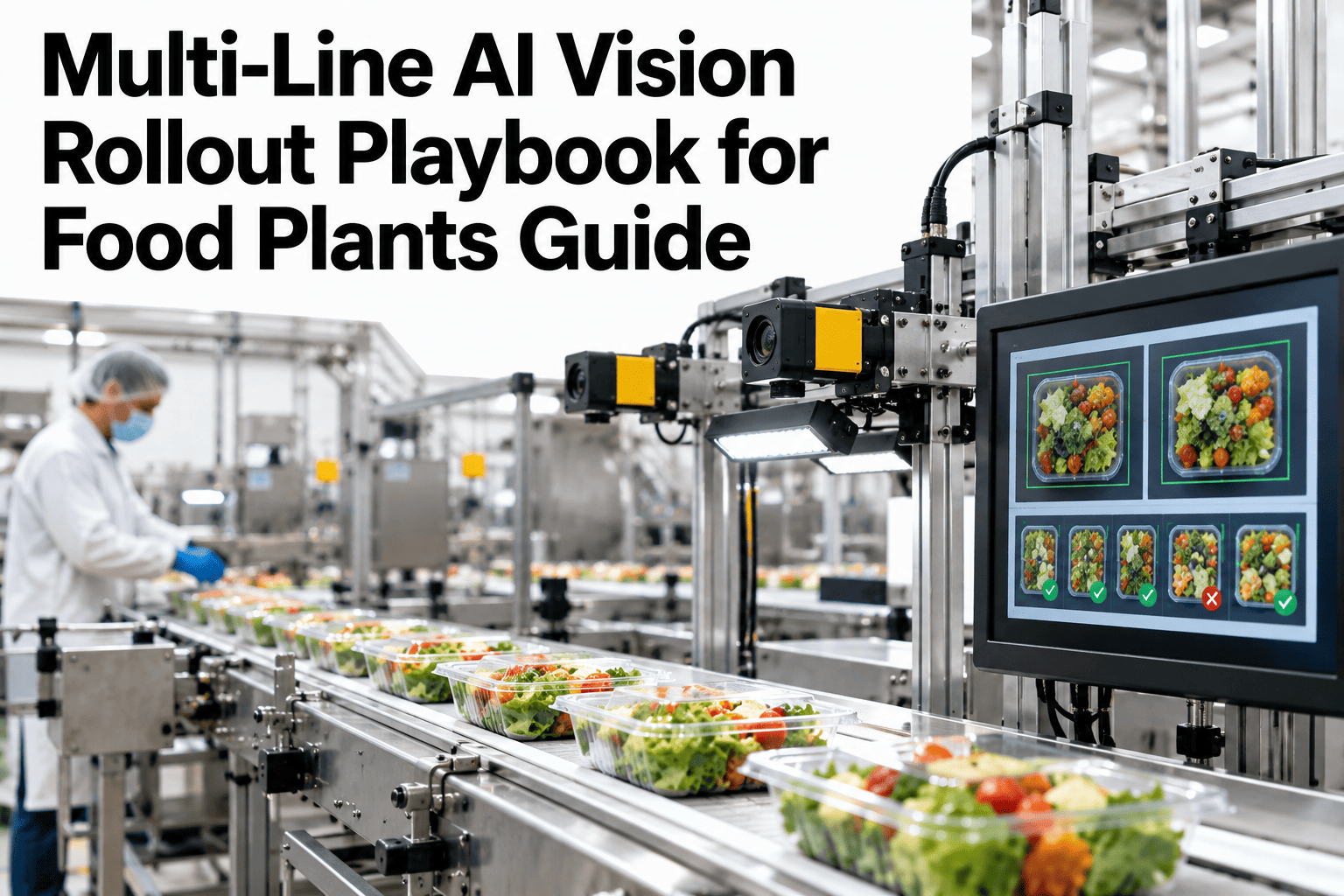
A ready-to-eat meal tray that looks fine from three feet away can still be missing a component, have the protein sitting in the wrong compartment, or carry a portion size noticeably off spec, and a line worker glancing at trays as they pass has no real chance of catching all three consistently at retail production speed. Plating consistency is not a single check, it is three separate questions asked of every tray: is everything there, is it positioned correctly, and is the portion right, and a retail customer's spec audit asks all three whether or not the plant's own inspection process does. See plating consistency checks running on your own RTE line.
Every Tray Checked, Not Just Glanced At
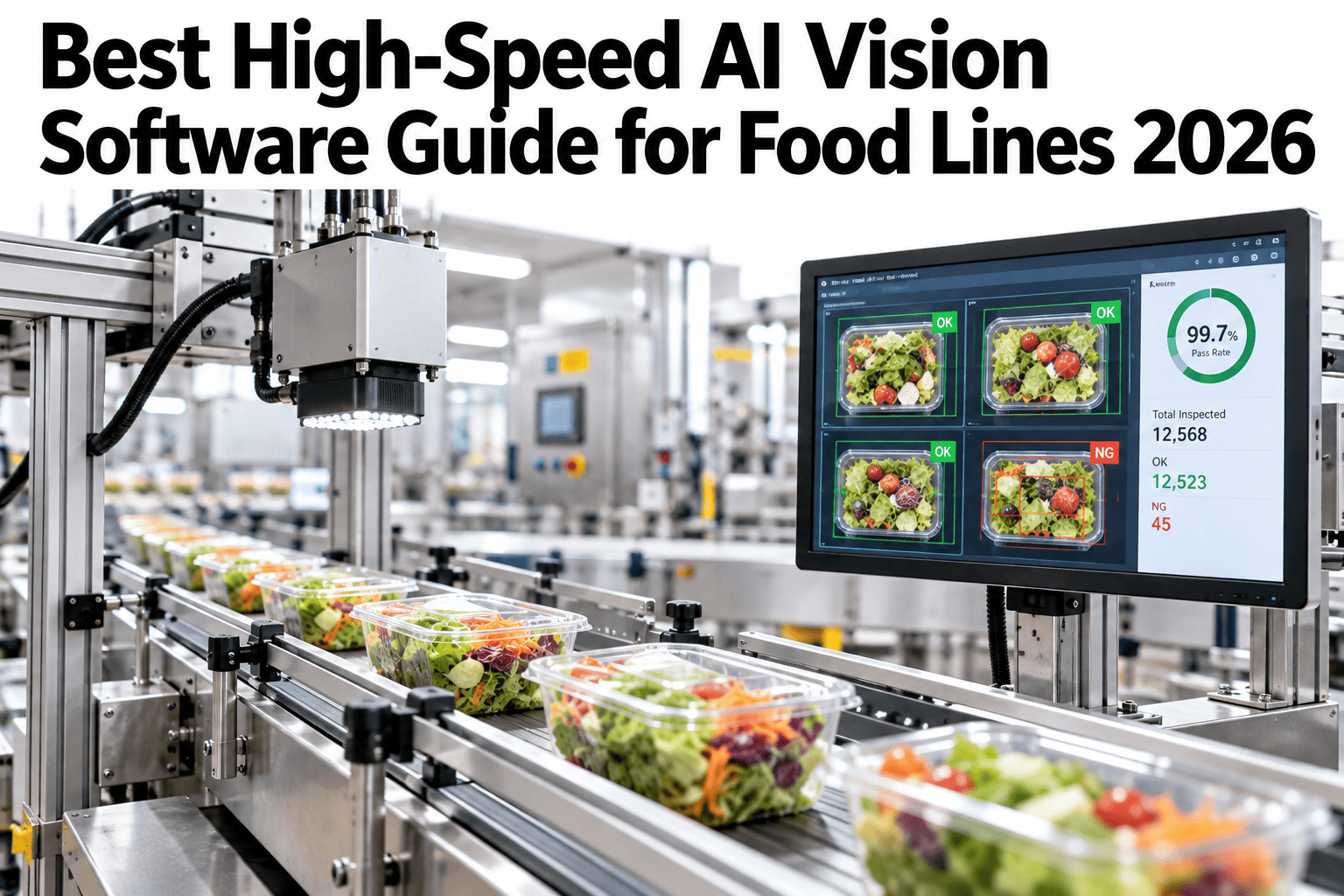
iFactory AI checks component presence, position, and portion on every RTE meal tray at line speed, so retail packs consistently meet spec.
Three Questions, Asked of Every Single Tray
A visual spot-check can confirm a tray looks roughly right, but it cannot reliably answer whether every component is actually present, whether each one sits in its correct compartment, and whether the portion size matches spec, and a retail customer's own audit process checks exactly those three things with a precision no human glancing at a moving line can consistently match.
Component Presence
Confirms every required component is actually on the tray before it moves on.
Component Position
Verifies each component sits in its correct compartment, matching the plating spec.
Portion Size
Measures portion against target weight or volume, flagging under or over spec.
Check Every Tray on Your Own Line
Book a 30-minute session and see presence, position, and portion checks running on your own RTE plating line.
What Each Check Actually Catches
Each check targets a distinct failure mode, and a tray can fail one without failing the others.
| Check | Typical Failure Caught | Retail Risk if Missed |
|---|---|---|
| Presence | A component skipped entirely during plating | Customer complaint, potential recall exposure |
| Position | Sauce or protein placed in the wrong compartment | Visual spec failure at retail audit |
| Portion | Component weight trending above or below target | Cost overrun or underweight compliance issue |
From Tray to Line-Speed Decision
Each tray is checked and resolved within the line's existing cycle time, without becoming a throughput bottleneck.
Plating Compliance Across SKUs
A composite view of plating compliance across several RTE SKUs running on the same line.
Rolling Out on the Plating Line
iFactory AI connects to cameras positioned at the plating or pre-pack inspection point, calibrated to each SKU's specific plating spec.
Expert Review
Position checks tend to surface the most actionable SKU-specific patterns, since a particular compartment consistently receiving the wrong component usually traces back to a specific station or fixture issue that a presence or portion check alone would never isolate.
Frequently Asked Questions
Does this work across multiple SKUs running on the same line?
Yes, each SKU's plating spec is configured separately, so the same line can switch between products while checks adjust automatically to the running SKU. Support can confirm multi-SKU setup for your line.
How is portion size measured without slowing the line?
Portion is estimated from vision-based volume or area measurement at the inspection point, running within the line's existing cycle time rather than requiring a separate weighing step.
What happens to a tray flagged for a plating defect?
Flagged trays are diverted automatically for rework or rejection, with the specific defect type logged against that tray and SKU. See the diversion workflow on a call.
Can this detect a new SKU's spec without a long setup process?
A new SKU requires its plating spec to be configured before checks can run against it, though the setup process reuses the same underlying inspection infrastructure already in place.
Does this integrate with our existing quality reporting?
Yes, defect data can feed into your existing quality and SPC reporting systems rather than requiring a separate plating-specific report. Ask support about reporting integration.
Make Every Tray Meet Spec, Every Time
iFactory AI checks presence, position, and portion on every RTE meal tray at line speed. Book a demo to see it on your own production line.