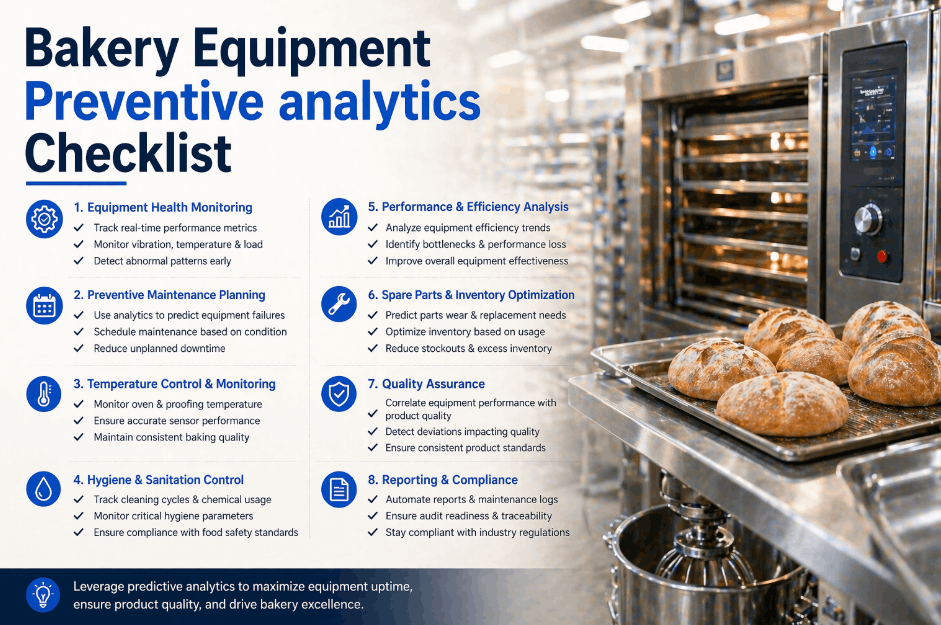
Bakery Equipment Preventive analytics Checklist

By Josh Turley on April 24, 2026

bakery-equipment-preventive-analytics-checklist

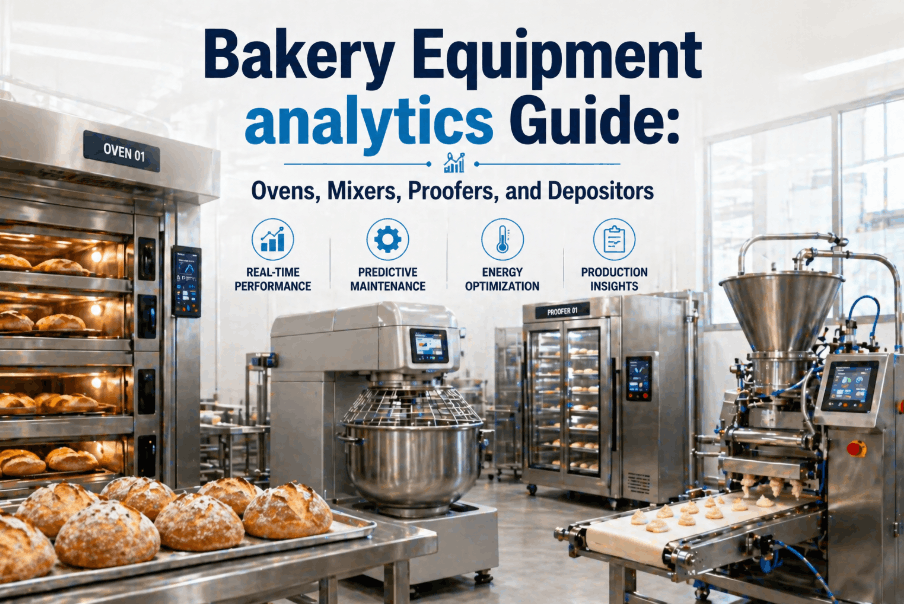
Bakery equipment preventive analytics is essential for maintaining product consistency, maximizing throughput, and ensuring food safety compliance. High-volume bakery environments place extreme stress on commercial ovens, industrial mixers, and dough dividers, where even minor mechanical drift can lead to massive batch failures and regulatory non-compliance. Book a Demo to digitize your bakery maintenance, automate thermal calibration tracking, and generate audit-ready SQF and FSMA documentation for your entire production line.

Automate Bakery Equipment Preventive Analytics Schedule thermal calibration for ovens, monitor mixer motor health, track proofer humidity drift, and generate automated compliance records for every piece of equipment on your bakery production floor.

1. Commercial Oven & Proofer Thermal Analytics

Verify thermal stability and humidity control across the baking cycle. Monitor burner efficiency, heat distribution, and airflow consistency to prevent uneven bakes. Book a Demo to integrate real-time thermal sensors into your maintenance grid.

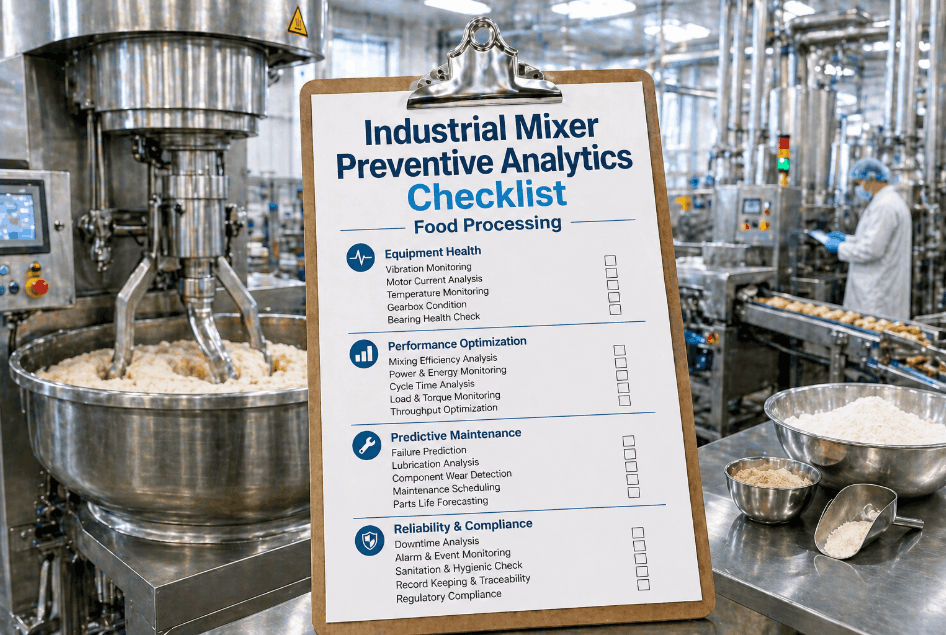
2. Industrial Mixer & Dough Handling Analytics

Monitor mechanical integrity and motor performance for high-torque mixing. Prevent motor burnouts and bearing failures through vibration and heat analysis. Book a Demo to automate mixer motor health monitoring.

3. Dough Divider & Rounder Precision Calibration

Maintain weight accuracy and portioning consistency. Minimize giveaway and ensure product uniformity through automated weight verification. Book a Demo to track divider drift analytics.

4. Sheeter & Moulder Thickness & Uniformity Check

Ensure consistent dough thickness and shape through roller precision. Prevent tearing and uneven baking caused by misaligned rollers. Book a Demo to log roller gap calibration.

5. Bread Slicer & Packaging Sanitation Analytics

Maintain blade integrity and microbial compliance in post-bake operations. Prevent contamination and ensure clean, uniform slices. Book a Demo to track slicer blade harmonics and replacement schedules.

6. Conveyor Systems & Cooling Rack Logistics Flow

Maintain smooth product flow through synchronized conveyor analytics. Prevent product bottlenecks and damage on spiral coolers and transfer lines. Book a Demo to monitor conveyor motor health.

7. Ingredient Dispensing & Silo Analytics

Verify accurate ingredient dosing and raw material integrity. Prevent batch failures through load cell calibration and pneumatic system health. Book a Demo to track silo inventory and dispensing accuracy.

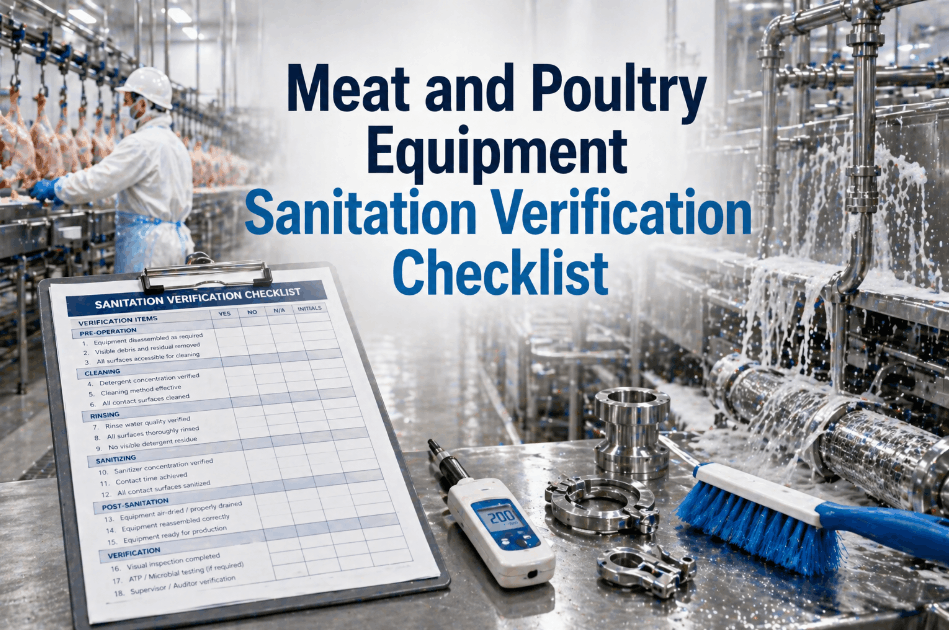
8. Sanitation & CIP for Bakery Lines

Enforce microbial safety through standardized sanitation procedures. Prevent cross-contamination and mold growth through documented deep-cleaning. Book a Demo to automate sanitation scheduling.

9. Electrical & Control Systems (PLC & Sensor Health)

Maintain automation reliability through control system audits. Prevent line stoppages caused by sensor drift or PLC communication errors. Book a Demo to track control system diagnostics.
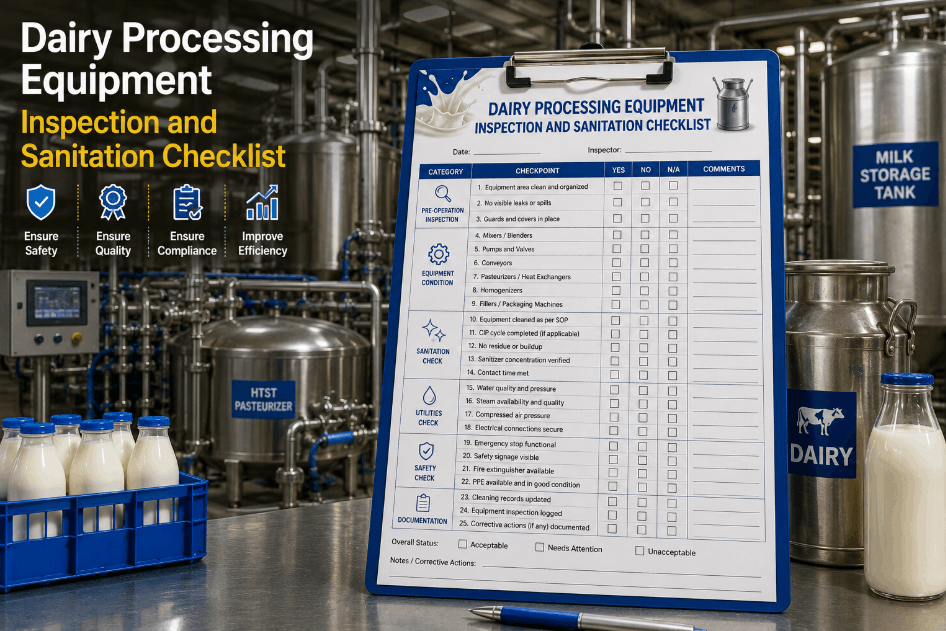
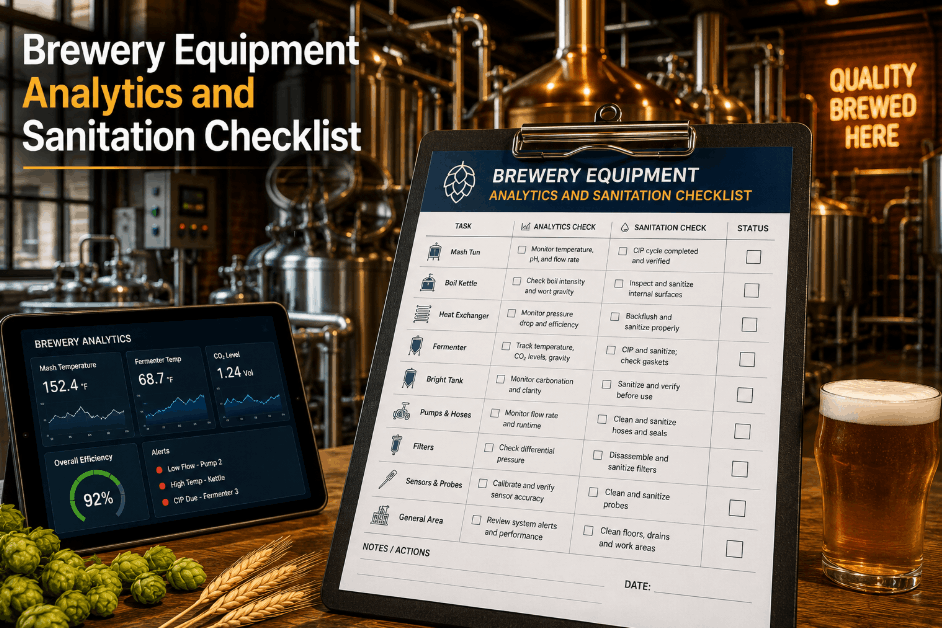
Digitize Your Bakery Preventive analytics Program iFactory auto-schedules bakery equipment maintenance, tracks motor vibration and thermal drift, logs sensor calibration data, and generates audit-ready compliance records for your entire baking production line.

Frequently Asked Questions — Bakery Equipment Preventive analytics

1. Why is thermal calibration critical for commercial ovens?
Commercial ovens rely on precise heat distribution for product consistency (color, texture, bake weight). Even minor burner or fan drift causes uneven baking, resulting in rejected product and energy waste. Regular thermal calibration ensures that the HMI display matches the actual internal chamber temperature across all zones.
2. How often should industrial mixers undergo mechanical analysis?
Mixers are high-torque machines subject to extreme mechanical stress. We recommend monthly gearbox oil checks and quarterly motor amp-draw analysis. Real-time vibration monitoring can detect bearing failure months before a catastrophic breakdown occurs, allowing for planned maintenance during off-shifts.
3. What are the most common sanitation risks in bakery lines?
Flour dust accumulation and mold growth in proofers/spiral coolers are the highest risks. Flour dust is not only a sanitation issue but also a significant combustible dust explosion hazard. Proofers, due to high heat and humidity, require specialized anti-microbial treatments to prevent mold colonization.
4. How can I minimize weight giveaway at the dough divider?
Regularly calibrate divider pistons and document scaling variance (CPK). Even a 1% overage in dough weight can cost a high-volume bakery thousands of dollars per week. Digital tracking identifies when mechanical wear has reached the point where parts replacement is more cost-effective than continued giveaway.
5. Why do bakery conveyor systems fail prematurely?
Inadequate lubrication and poor tracking are the leading causes. Drive chains on spiral coolers are often neglected due to accessibility issues. Automated lubrication systems must be monitored for consistent flow, and belt tracking should be adjusted weekly to prevent edge fraying and microbial contamination risks.
Start Your Bakery Equipment analytics Program Today Join food and beverage manufacturers automating maintenance scheduling, tracking mechanical health, managing sanitation compliance, and passing SQF audits with complete, timestamped analytics documentation for every piece of equipment.

Share This Story, Choose Your Platform!