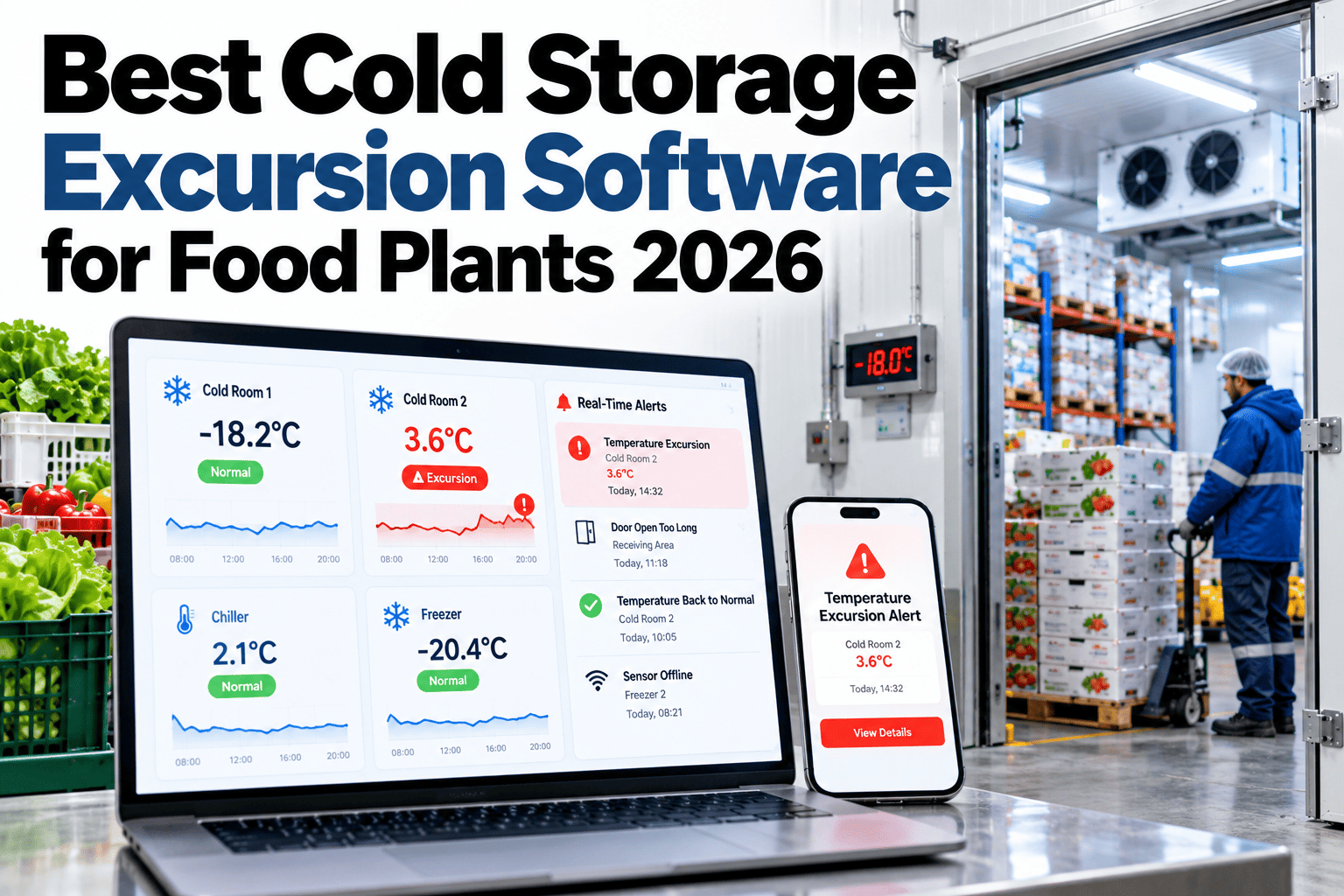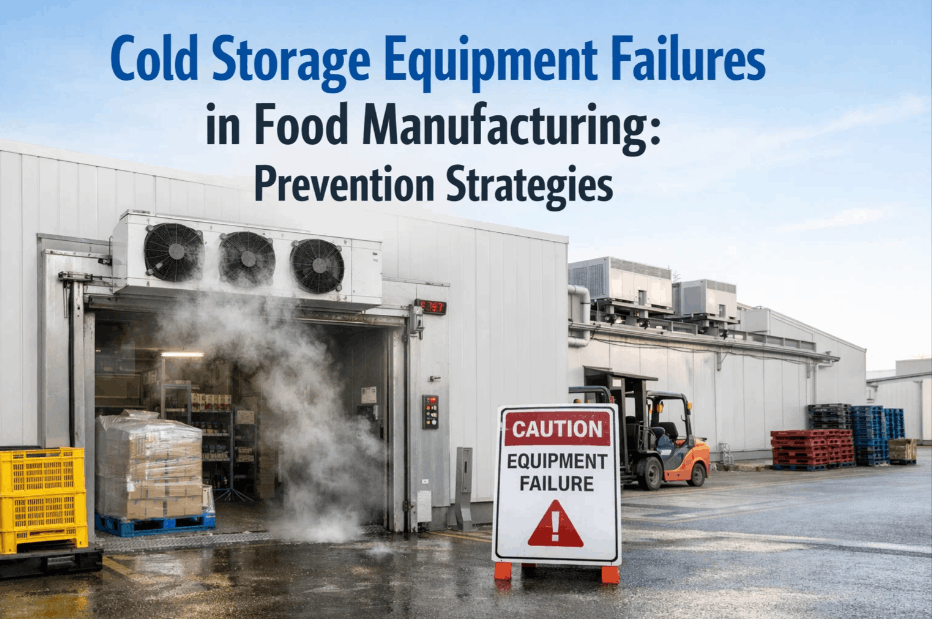
Most refrigeration failures in a food cold storage facility trace back to one of three preventable causes: a compressor slowly losing capacity, a condenser fouled with dust and debris, or an evaporator buried in ice. Each one gives weeks of warning in the data before it becomes a room running warm. Predictive maintenance for refrigeration reads that warning instead of waiting for the room temperature alarm to fire. Reliability and facilities teams can see how iFactory AI tracks compressor, condenser and evaporator health together across a cold storage facility.
Three Preventable Failures Behind Most Refrigeration Trouble
iFactory AI trends compressor drift, condenser fouling and evaporator ice so problems are caught weeks before a room warms up.
How Each Failure Builds, Weeks Before the Alarm
None of these three failures happen overnight. Each leaves a trend that is visible long before room temperature actually moves.
Capacity falls gradually as valves, rings or bearings wear.
Dust and debris reduce heat rejection at the condenser coil.
Ice accumulates faster than defrost cycles can clear it.
The Trend Before the Trip
Waiting for the alarm point means skipping every earlier opportunity to plan the fix on a schedule instead of reacting to it.
Find Out Which System Is Drifting First
Bring your refrigeration system list to a 30-minute session and see which compressors, condensers or evaporators show early signals today.
Signals to Trend by Component
| Component | Signal to Trend | Typical Fix if Caught Early |
|---|---|---|
| Compressor | Run time, discharge temperature, vibration | Valve or seal service before failure |
| Condenser | Head pressure vs ambient temperature | Coil cleaning on a planned schedule |
| Evaporator | Airflow, suction pressure drop | Defrost adjustment, drain inspection |
| Expansion valve | Superheat stability | Valve cleaning or replacement |
| Controls | Sensor agreement across the system | Sensor calibration or replacement |
Reactive Repair vs Planned Service
A Composite Scenario: The Condenser Nobody Cleaned
Picture a cold storage facility where head pressure has been climbing for weeks during the summer months. Nobody notices until a heat wave pushes the system past its limit and a room alarm fires on the hottest day of the year.
Trending head pressure against ambient temperature would have flagged the fouled condenser weeks earlier, when a routine coil cleaning during a cool morning would have fixed it, instead of an emergency call during the worst possible week.
Where iFactory AI Fits
Tracks all three systems
Compressor, condenser and evaporator health are scored together, not in isolation.
Adjusts for ambient load
Compares head pressure and capacity against actual outdoor conditions.
Flags weeks in advance
Surfaces early drift long before the room temperature itself moves.
Plans the service call
Turns an early flag into a scheduled repair instead of an emergency one.
Expert Review
A refrigeration reliability engineer's perspective, reviewed for accuracy before publication: nearly every emergency refrigeration call we review had a clear trend sitting in the data for weeks beforehand. Head pressure climbing a little each week, run time stretching a little each month, these are not subtle signals in hindsight. The gap is almost never detection capability, it is that nobody was looking at the trend until the room itself told them something was wrong, which is why walking through your own trend data tends to be so revealing.
Frequently Asked Questions
Which refrigeration failure causes the most cold storage incidents?
Compressor drift, condenser fouling and evaporator ice buildup account for the large majority of preventable refrigeration failures in food cold storage, though the exact mix varies by facility, climate and maintenance history. All three share the trait of building gradually, which is what makes them catchable well before they cause a room temperature excursion. See which of these three shows up most in your own system history in a short session.
How early can condenser fouling be detected before it causes a problem?
Head pressure trended against outdoor ambient temperature typically shows a gradual rise over weeks as a condenser coil fouls, well before the system loses enough capacity to affect room temperature. The exact warning window depends on fouling rate, climate and system design. Ask for a look at your own head pressure trend against ambient data.
Can this reduce emergency after-hours service calls?
That is the goal when early signals are caught and scheduled as planned work instead of waiting for a room alarm. Results depend on how consistently trends are reviewed and acted on, and on how much of the facility's refrigeration equipment is already instrumented. Explore how this would apply to your current after-hours call pattern.
Does this replace routine preventive maintenance like coil cleaning?
No, it complements it. Routine preventive maintenance stays important, but trend data helps prioritize which systems need attention sooner than the standard schedule and which can safely wait, making the existing maintenance program more targeted rather than replacing it. Try a review of how trend data would prioritize your current PM schedule.
How do we measure the return on refrigeration predictive maintenance?
Track emergency service calls, room excursion events, energy use per ton of refrigeration, and product loss tied to refrigeration failure before and after adopting trend monitoring. Because a single severe cold storage excursion can be very costly once product, freight and disposal are counted, even one avoided event often justifies the investment. Join a session that builds this comparison from your own facility data.
Catch the Drift Weeks Before the Room Does
iFactory AI trends compressor, condenser and evaporator health so repairs happen on your schedule, not an emergency one. Book a walkthrough on your own cold storage.