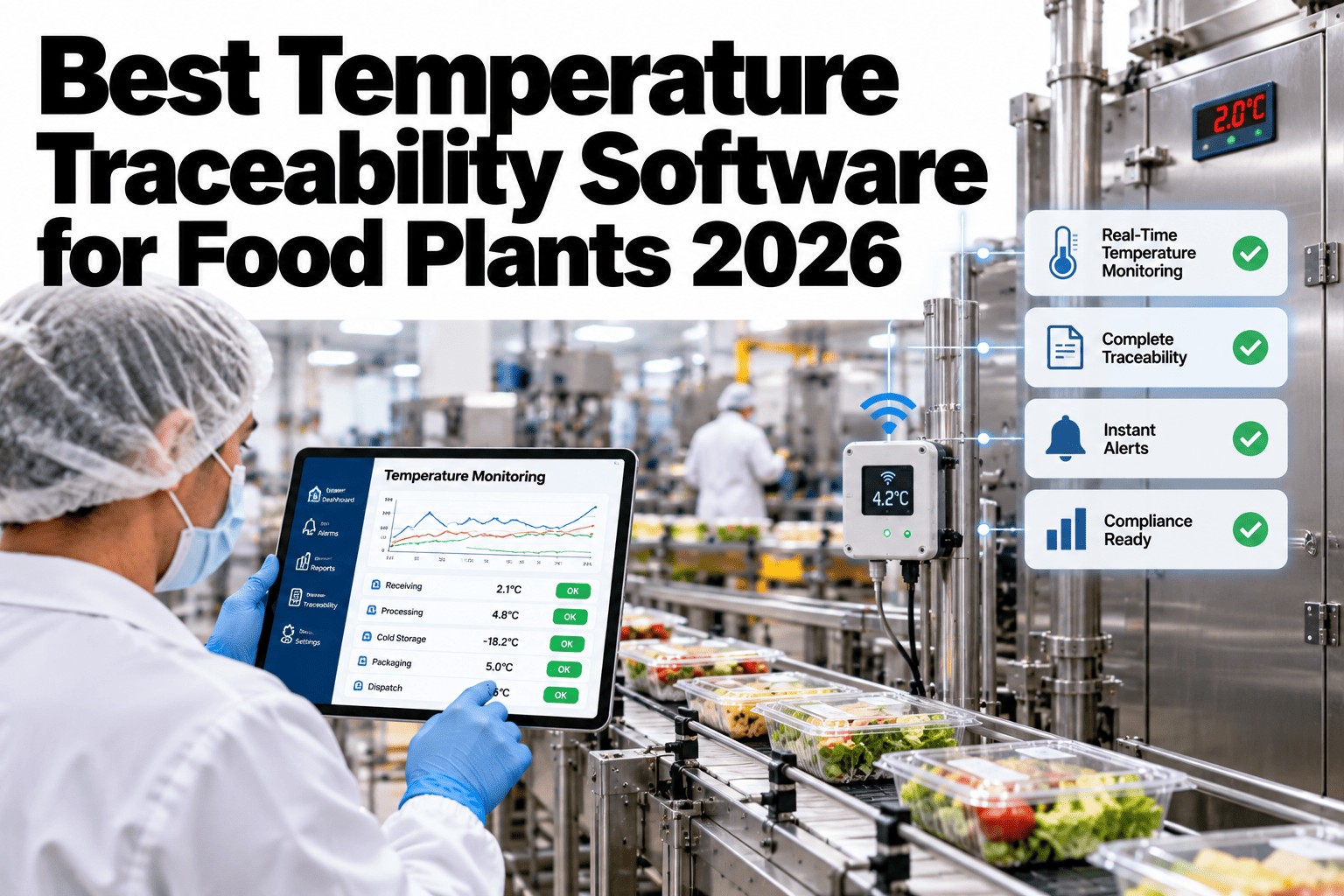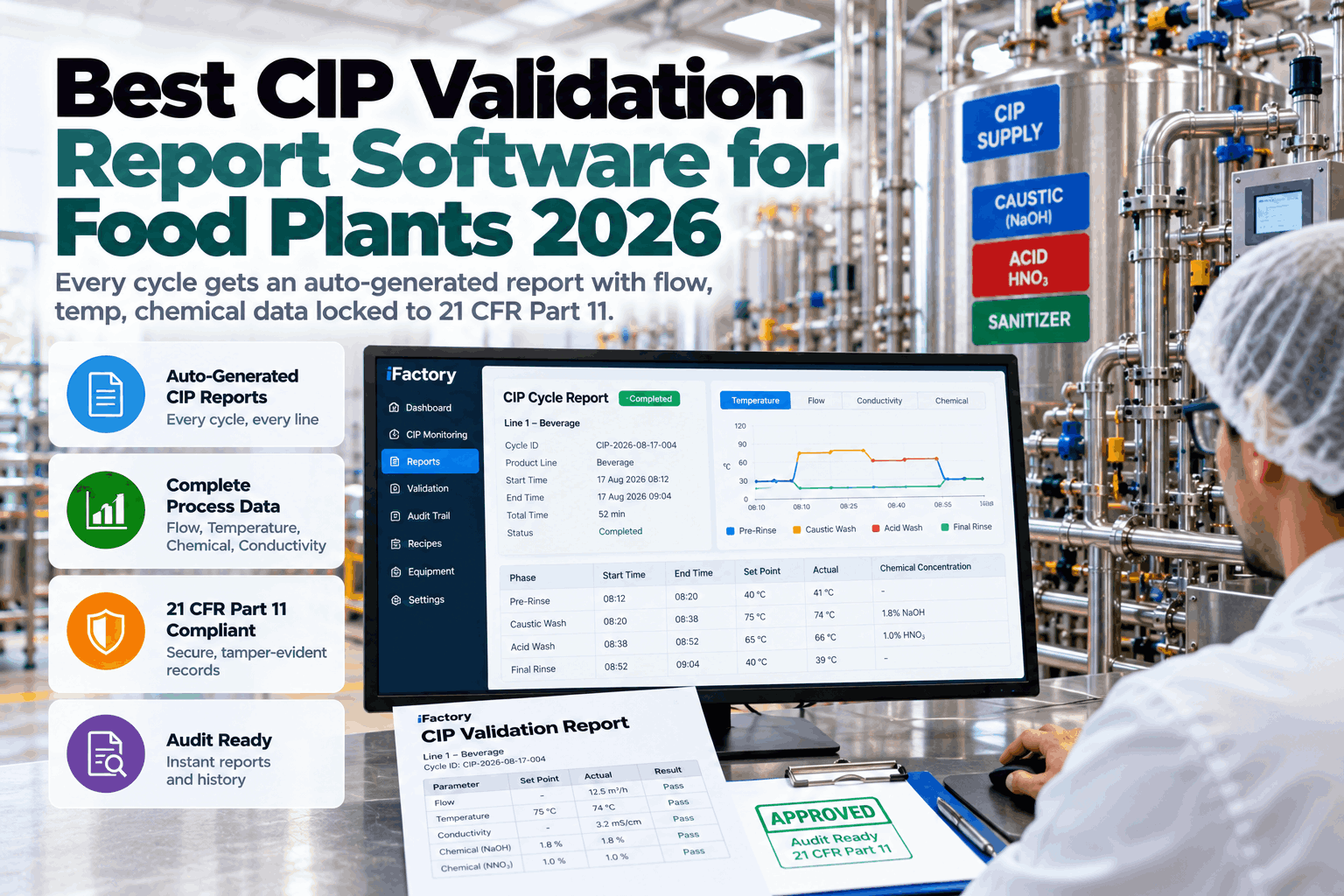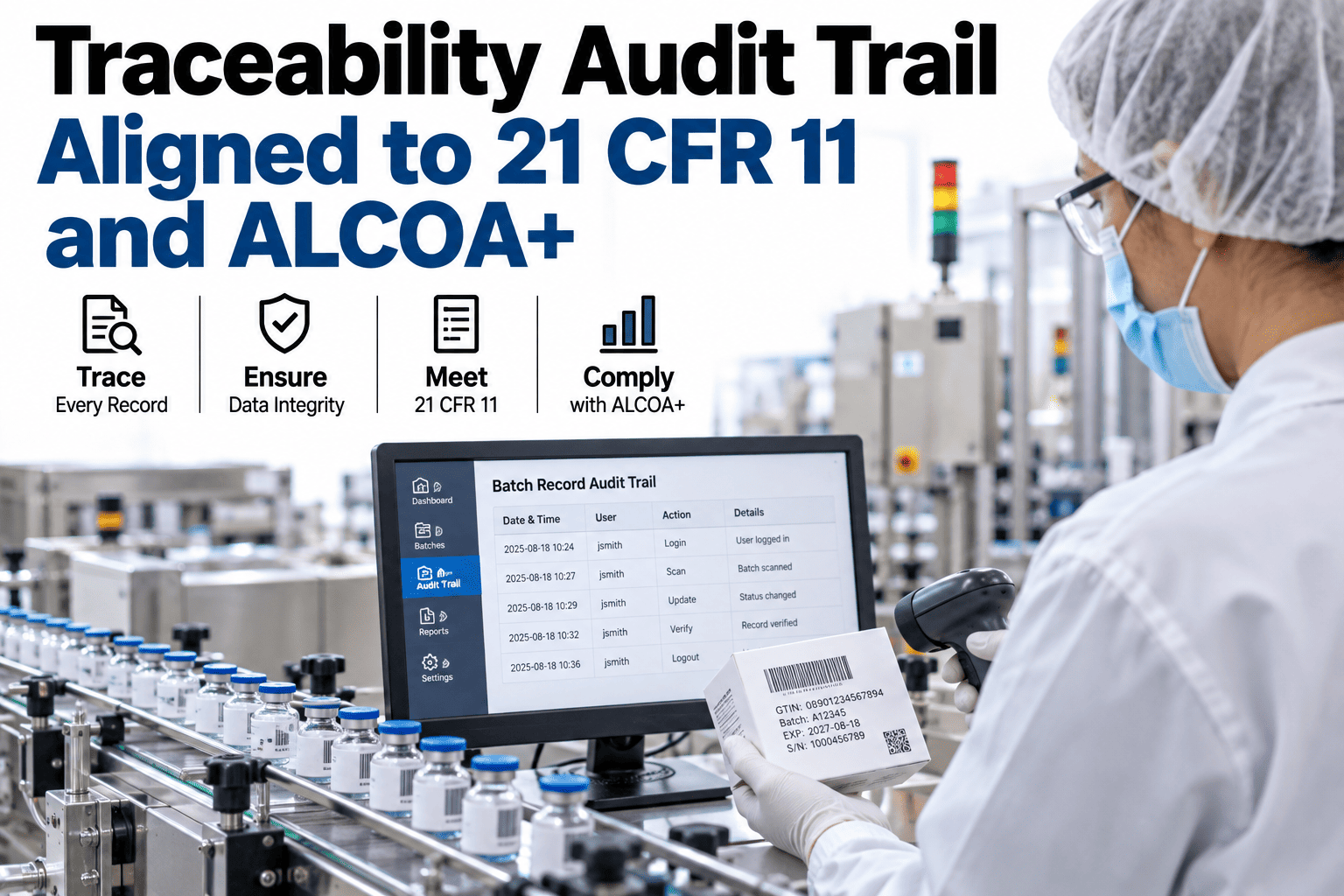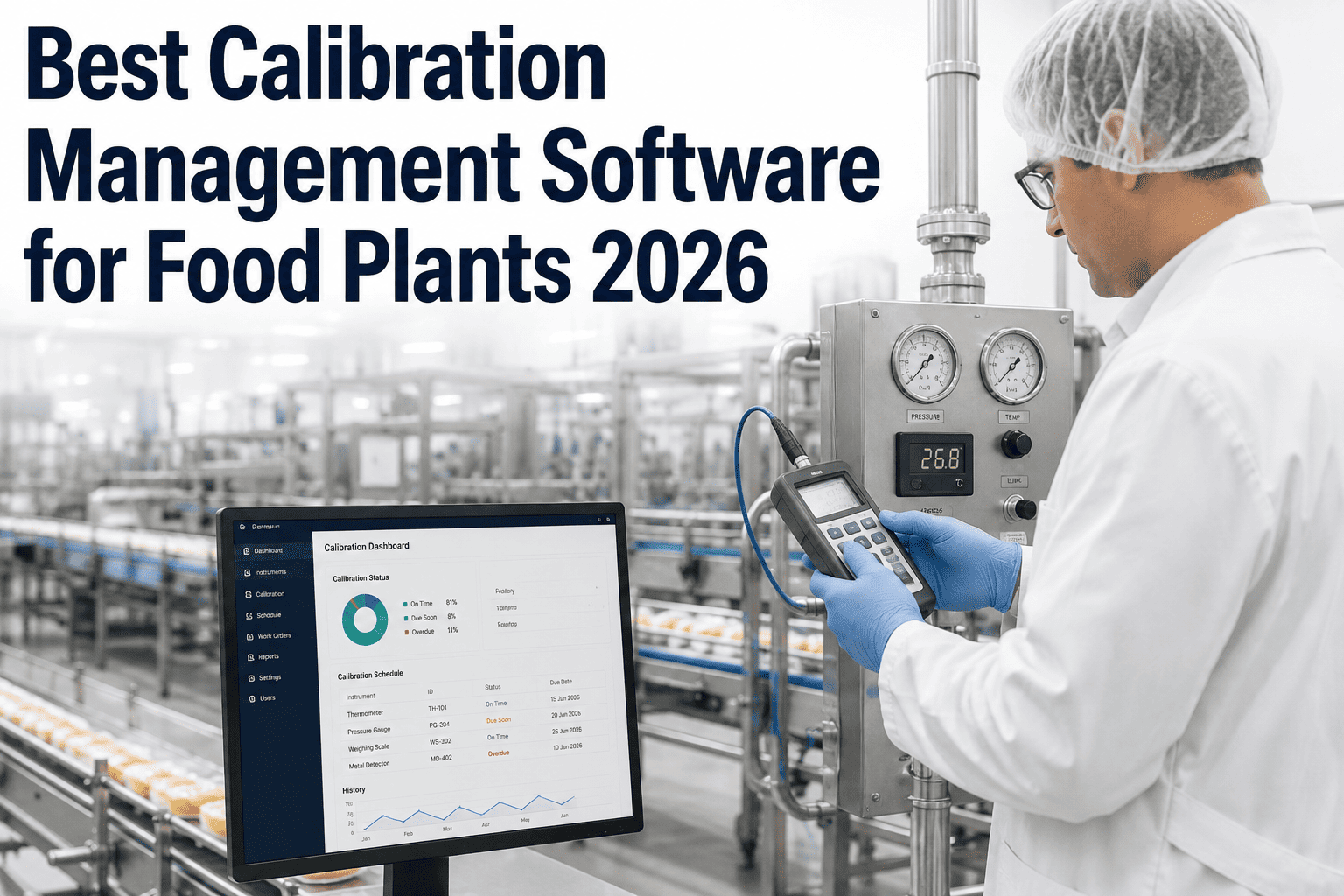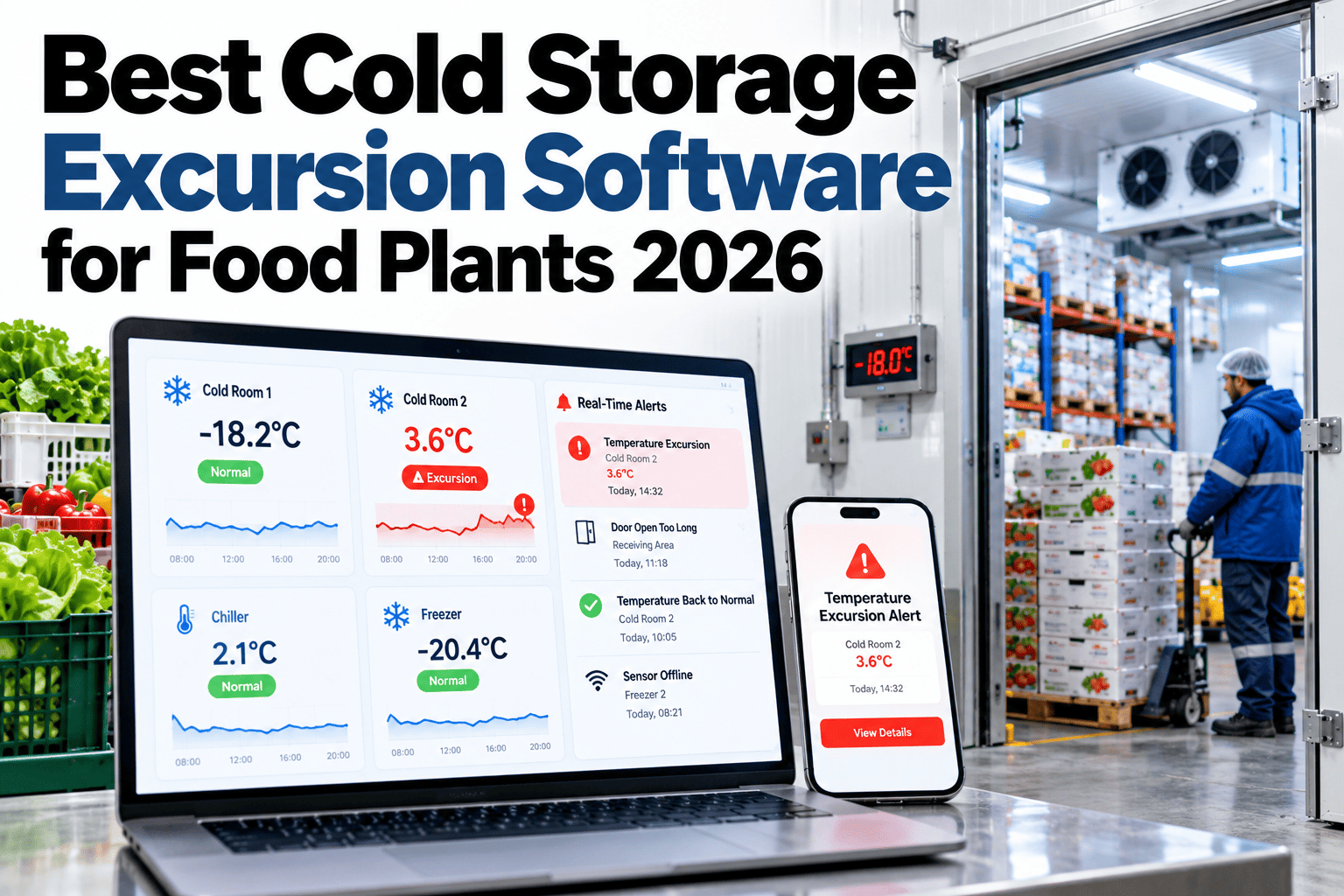
A cold room does not fail all at once. It drifts, a degree at a time, and the first hour after that drift begins decides how much product can still be saved. Plants without a written response spend that hour arguing about who decides, while product quietly loses shelf life or safety margin. Cold storage excursion response software turns that hour into a timed sequence: detect the drift, notify the right people, and record every decision for the product disposition review that follows. Food safety and operations teams can walk through a live excursion timeline on iFactory AI to see how the first hour would actually play out.
The First Hour Decides How Much Product Survives
iFactory AI detects a cold room drift, starts the clock and guides the team through notification, hold and disposition in one tracked sequence.
What a Degree of Drift Actually Costs
Shelf life does not fall in a straight line once temperature rises. Each extra degree above the set point removes a larger share of the margin a plant thought it had.
Exact thresholds depend on the product, its packaging and your HACCP plan. The pattern, not the numbers, is what every plant shares: the decision gets harder the longer detection takes.
Five Things an Excursion SOP Must Answer Before It Happens
Who gets notified first
A named role, not a department, with a backup if they do not respond.
What gets held immediately
Which product, which pallets, and how the hold is physically marked.
What data is pulled
Full temperature history for the room, not just the current reading.
Who makes the disposition call
A named authority for release, rework or discard, with criteria in writing.
How the event is recorded
A timestamped record usable in a customer or audit conversation.
Turn Your Written SOP Into a Timed, Tracked Sequence
Bring your current excursion procedure to a 30-minute session and see where automatic timing and notification would close the gaps.
Detection Methods Compared
| Method | Typical Detection Time | Main Weakness |
|---|---|---|
| Manual round, paper log | Hours, only at the next round | No record between checks |
| Fixed alarm on one sensor | Minutes, but only at that point | Misses drift elsewhere in the room |
| Continuous multi-point monitoring | Minutes, across the whole room | Needs a routed alert to matter |
| Monitoring with automated routing | Minutes, with someone already notified | Depends on accurate contact data |
Disposition: The Decision Nobody Wants to Own Alone
Release, rework or discard is rarely an easy call at 2 a.m. A written decision tree, built in advance, takes the pressure off the person on shift.
Release with documented review
Escalate to quality for assessment
Hold for discard, confirm with QA lead
A Composite Scenario: The Saturday Nobody Caught in Time
Picture a weekend when a cold room's door seal fails overnight. The paper log is not checked until Monday's first round, by which point the room has been warm for most of two days.
With continuous monitoring and routed alerts, the same failure would have reached an on-call phone within minutes of the drift starting, giving the team a same-night decision instead of a Monday-morning writeoff.
Where iFactory AI Fits
Starts the clock automatically
Detection timestamps the event the moment temperature crosses the set threshold.
Routes the first call
Notifies the named on-call role and escalates if there is no acknowledgment.
Pulls the full history
Presents the room's complete temperature trend, not a single reading.
Builds the record
Logs every step and decision for the disposition review and later audit.
Expert Review
A food safety consultant's perspective, reviewed for accuracy before publication: the common failure in cold storage excursions is rarely the refrigeration equipment itself. It is the gap between the moment a room drifts and the moment someone with authority to act actually hears about it. Plants that write a disposition decision tree in advance, before the 2 a.m. call ever happens, consistently make faster and more defensible calls than plants improvising in the moment.
Frequently Asked Questions
How fast should a cold storage excursion be detected?
As close to the moment it begins as possible. Continuous monitoring across multiple points in a room can flag a drift within minutes, compared with hours on a manual round schedule. The gap between drift and detection is usually the single biggest factor in how much product can still be saved. See how detection timing compares across your current cold rooms in a short session.
Who should make the release, rework or discard decision?
A named quality authority, decided in advance rather than whoever happens to be on shift. A written decision tree based on duration and severity of the excursion removes much of the pressure and inconsistency from an in-the-moment call. Documenting the reasoning protects the plant in a later audit or customer conversation. Ask for help drafting a disposition tree for your product lines.
What should be recorded during an excursion response?
The time of detection, who was notified and when, which product was held, the full temperature trend during the event, and the final disposition decision with its reasoning. This record is what a customer or auditor will ask to see. Gaps in the timeline are harder to explain than the excursion itself. Explore how an automatic event log would look for your rooms.
Can this reduce false alarms from normal door openings?
Yes, when the system distinguishes a brief, expected temperature rise during normal door traffic from a sustained drift that signals a real problem. Multi-point sensing and duration-based thresholds both help separate the two. Fewer false alarms keep the team responsive when a real event occurs. Try a review of your current alarm thresholds against real door-traffic patterns.
How do we justify the cost of better excursion response?
Compare product value at risk per room, the cost of past writeoffs, and the time staff currently spend on manual rounds and paperwork. A single large discard avoided often outweighs a year of monitoring costs. Faster, better-documented decisions also reduce the risk and cost of a customer complaint or audit finding. Join a session that estimates the value at risk across your cold storage.
Give the First Hour a Plan Instead of a Guess
iFactory AI detects the drift, starts the clock and documents every step so your team's first hour counts. Book a walkthrough on your own cold rooms.