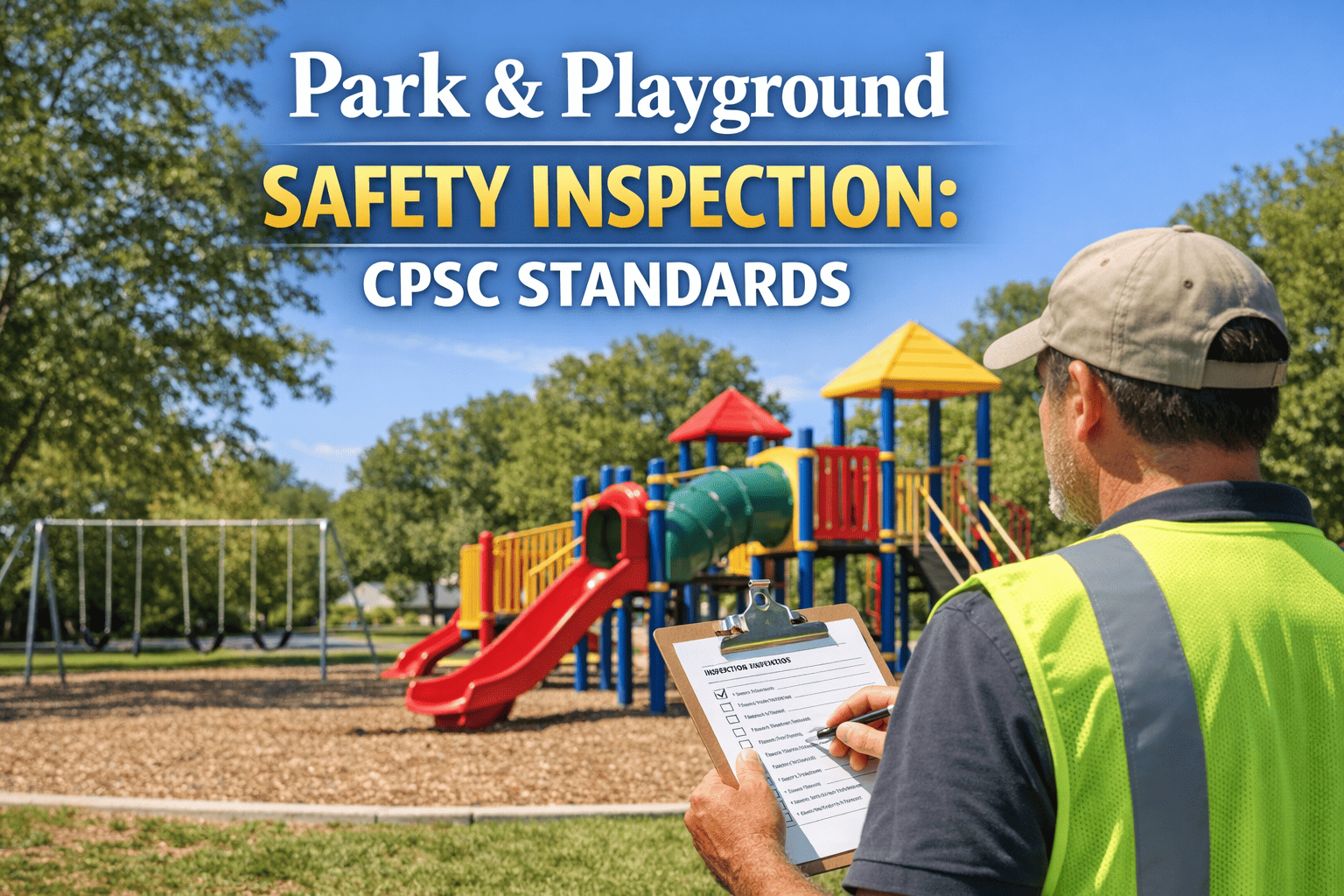
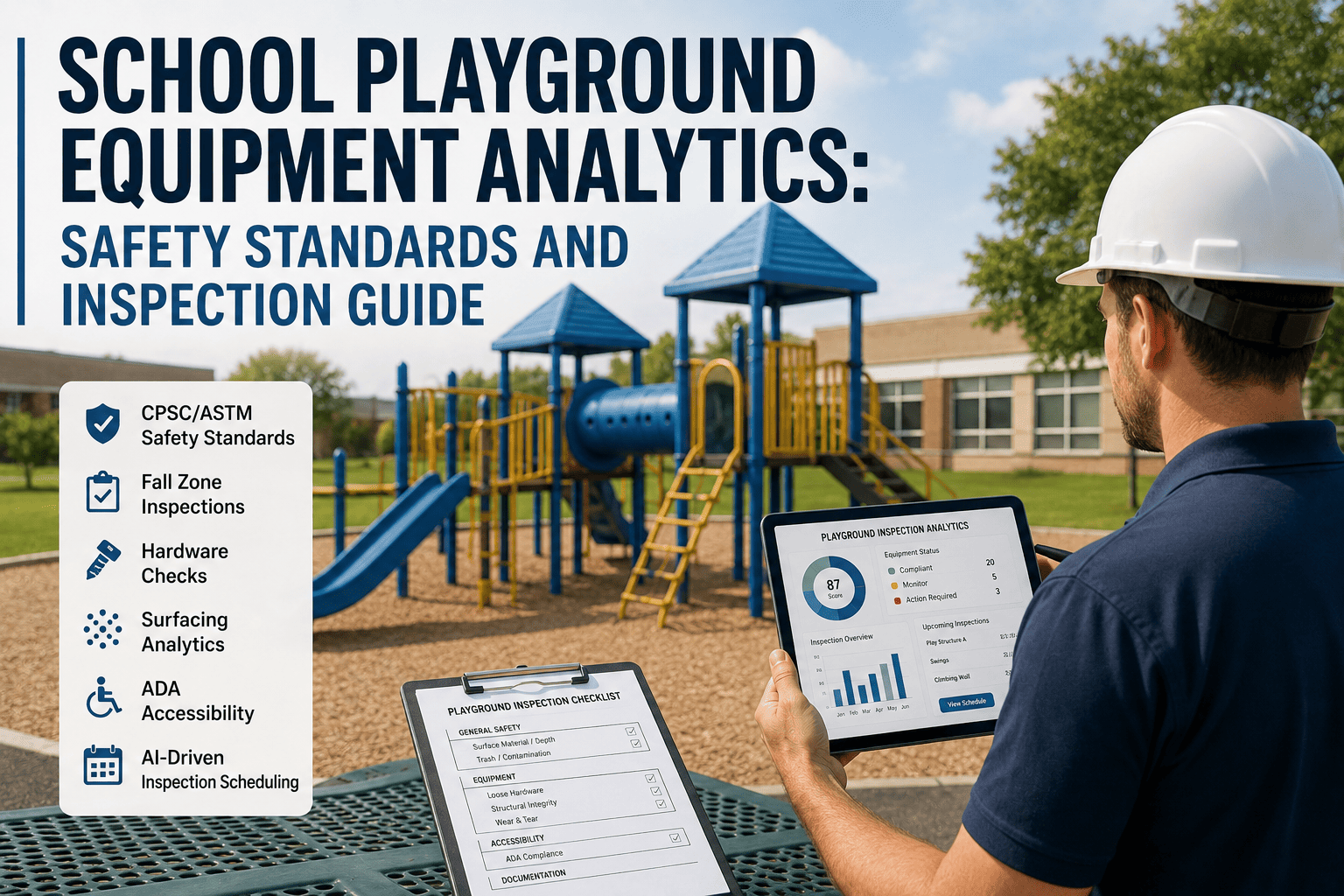
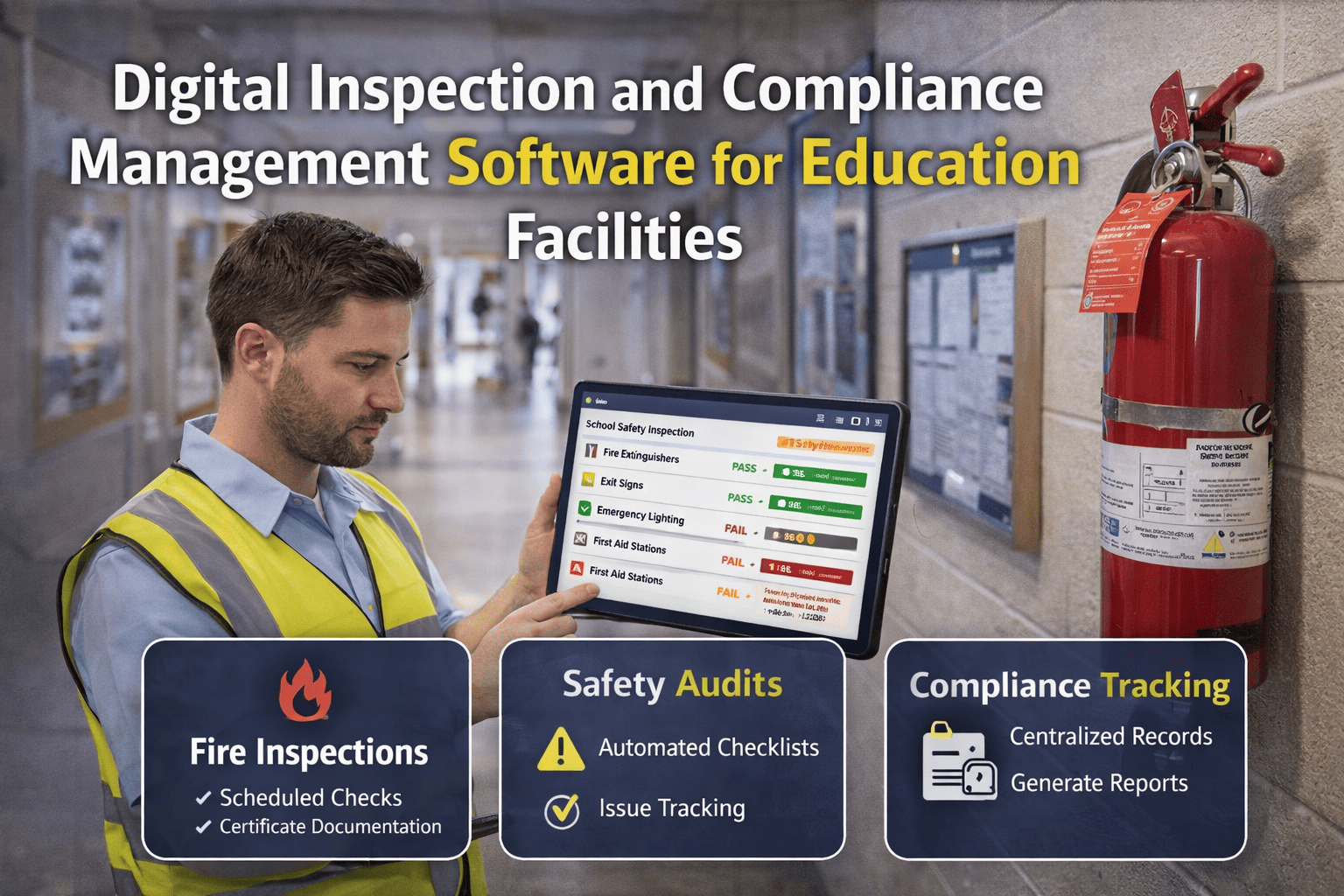
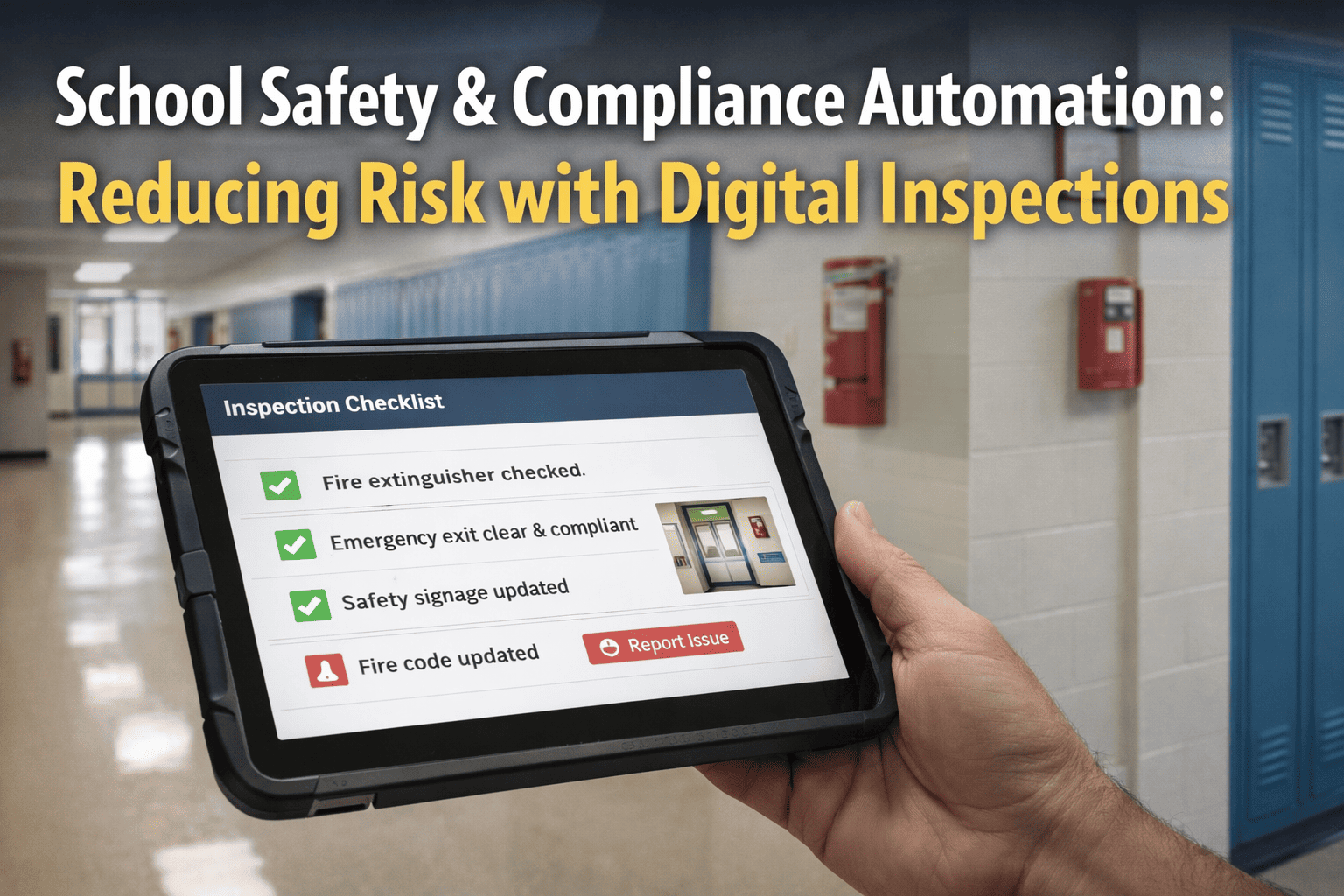
Municipal parks and recreation departments manage an average of 1,200 playground equipment installations per jurisdiction, with each piece of equipment representing a potential liability exposure of $500,000 to $2 million per serious injury claim. Traditional paper-based playground inspection programmes struggle to maintain CPSC compliance across distributed assets, with 63% of municipal playgrounds failing to meet current safety surfacing standards and 41% showing equipment deficiencies that would not pass ASTM F1487 certification if inspected today. iFactory's AI-powered playground inspection platform digitizes CPSC assessment protocols, automates surfacing depth verification through computer vision, generates equipment-specific maintenance work orders from mobile inspection findings, and maintains audit-ready compliance documentation across every playground asset in your municipal portfolio. Deployed park systems reduce inspection time by 58%, improve CPSC compliance rates from 67% to 94%, and eliminate liability gaps through automated critical hazard alerts that route urgent repairs to maintenance crews within 24 hours of detection. Book a demo to see AI playground inspection analytics live.
Quick Answer
iFactory converts CPSC playground inspection standards into digital mobile workflows with computer vision surfacing analysis, AI equipment condition assessment, and automatic work order generation for identified hazards. The platform maintains compliance documentation per CPSC 325 guidelines, ASTM F1487 equipment standards, and ASTM F1292 surfacing requirements while tracking inspection history, repair completion, and liability mitigation across every playground in your municipal system. Average municipal deployment: 94% CPSC compliance rate, 58% faster inspections, zero missed critical hazard alerts in 18 months of operation across US, UAE, and Canadian park systems.
How iFactory Digitizes CPSC Playground Safety Inspections
The five-stage workflow below shows how iFactory transforms traditional clipboard-based playground inspections into AI-assisted digital assessments that capture every CPSC compliance requirement while routing maintenance interventions automatically.
1
Mobile Digital Inspection Workflow Launch
Inspector selects playground location from GIS-integrated asset map on tablet or phone. iFactory loads equipment-specific CPSC inspection checklist based on playground age, surfacing type, and equipment manufacturer data from your asset registry. Offline mode ensures inspections continue without cellular connectivity in remote park locations.
GIS Asset SelectionCPSC Checklist LoadedOffline CapableEquipment History Visible
2
AI-Assisted Equipment and Surfacing Assessment
Inspector photographs equipment showing wear patterns, surfacing conditions, and potential hazards. Computer vision AI identifies rust severity, structural cracks, surfacing displacement, and entrapment gaps automatically. Surfacing depth measured via CV analysis of probe images validates ASTM F1292 fall zone protection requirements without manual calculation.
Computer Vision AnalysisSurfacing Depth CVHazard Auto-DetectionASTM F1292 Validation
3
Automatic Hazard Classification and Priority Assignment
AI classifies identified conditions into CPSC hazard severity levels: critical (immediate closure required), high (repair within 24 hours), moderate (30 day action window), and low (next scheduled maintenance cycle). Priority assignment follows CPSC 325 Handbook guidelines and ASTM F1487 safety standards for each equipment type and age range.
CPSC Severity ClassificationPriority Auto-AssignedASTM F1487 Compliant
4
Automated Work Order Generation and Crew Routing
iFactory automatically creates maintenance work orders for each identified hazard with equipment location, deficiency photos, required repair action, and compliance deadline. Work orders route to appropriate maintenance crew based on deficiency type: surfacing team for fall zone issues, welding crew for structural repairs, playground equipment specialists for component replacement.
Auto Work Order CreatedCrew Auto-RoutedCompliance Deadline SetPhotos Attached
5
Compliance Documentation and Audit Trail Archiving
Completed inspection report with timestamped photos, hazard classifications, and corrective actions is stored permanently in CPSC-compliant digital archive. Inspection history, repair verification, and surfacing replacement records are accessible for liability defense, annual CPSC compliance reporting, and insurance carrier audits. Export packages generate in minutes for legal discovery requests.
Inspection complete. 4 hazards identified and routed. CPSC compliance rate: 94%. Documentation archived for 7-year retention. Legal export package ready in 90 seconds if requested.
CPSC Playground Inspection
Every Playground Inspection Generates Liability Protection Documentation Automatically
iFactory's mobile inspection platform captures CPSC-compliant playground assessments with computer vision surfacing analysis, AI hazard detection, and automatic work order routing that closes compliance gaps before they become injury claims.
CPSC Playground Inspection Requirements iFactory Digitizes
Every card below represents a specific CPSC 325 Handbook inspection requirement that iFactory converts from paper checklist to digital workflow with AI validation and automatic compliance documentation. Talk to an expert about your current inspection programme gaps.
Protective Surfacing Depth and Coverage Verification
CPSC Requirement: Fall zones must maintain ASTM F1292-compliant surfacing depth based on critical height of equipment. Engineered wood fiber requires 9 to 12 inches depending on fall height. Rubber surfacing must meet ASTM F1951 impact attenuation standards.
iFactory Solution: Computer vision analyzes probe depth photos to calculate surfacing thickness automatically. AI flags zones below required depth and generates surfacing replenishment work orders with cubic yard material calculations pre-populated.
Structural Integrity and Equipment Condition Assessment
CPSC Requirement: Equipment must be free from rust, rot, cracks, and structural deterioration that could cause collapse or injury. ASTM F1487 specifies load-bearing capacity requirements for each equipment type and age range.
iFactory Solution: Inspectors photograph equipment from standardized angles. Computer vision detects rust severity, crack propagation, wood rot patterns, and weld deterioration. AI recommends repair vs replacement based on condition severity and equipment age.
Entrapment and Protrusion Hazard Detection
CPSC Requirement: Openings between 3.5 and 9 inches create head entrapment hazards. Protrusions exceeding 0.25 inches on accessible surfaces create clothing entanglement risks. CPSC 325 requires measurement of all gaps and projections.
iFactory Solution: Inspectors use digital calipers connected via Bluetooth to record gap measurements. AI flags entrapment zones automatically. Protrusion detection via photo analysis identifies bolt ends, hardware extensions, and sharp edges requiring cap installation or grinding.
Age-Appropriate Equipment Separation and Signage
CPSC Requirement: Equipment for children 2 to 5 years must be physically separated from equipment for ages 5 to 12 years. Signage must display age-appropriate use ranges per ASTM F1487 Section 10.
iFactory Solution: GIS mapping validates physical separation distances between age zones. Photo analysis confirms signage presence and legibility. Missing or faded signs trigger automatic procurement work orders with compliant signage specifications pre-filled from ASTM F1487 templates.
Use Zone Clearance and Spacing Requirements
CPSC Requirement: Equipment use zones must provide 6 feet clearance from structures, fences, and other equipment. Swing sets require extended use zones based on pivot point height. ASTM F1487 specifies minimum spacing per equipment type.
iFactory Solution: GIS overlays calculate use zone clearances automatically from equipment locations and dimensions. AI identifies encroachment violations where trees, benches, or adjacent equipment intrude into required clearance zones and generates site modification work orders.
Moving Parts and Bearing Condition Assessment
CPSC Requirement: Swing chains, bearings, and rotating components must operate smoothly without binding, excessive wear, or lubrication deficiency. S-hooks must be closed to prevent chain detachment per ASTM F1487 Section 9.
iFactory Solution: Inspectors record video of swing motion and merry-go-round rotation. AI analyzes movement patterns to detect bearing friction, chain binding, and rotation irregularities. S-hook gap measurements captured via calibrated photo analysis flag closure deficiencies requiring immediate repair.
Regional Playground Safety Compliance Standards
Municipal playground inspection programmes must comply with national CPSC guidelines plus regional safety regulations that vary by jurisdiction. iFactory maintains compliance documentation aligned with US, UAE, Canadian, UK, and European playground safety standards automatically.
| Region |
Primary Safety Standards |
Regulatory Authority |
iFactory Compliance Features |
| United States |
CPSC 325 Handbook, ASTM F1487 equipment standards, ASTM F1292 surfacing impact attenuation, ASTM F1951 rubber surfacing testing, ADA Title II accessibility requirements |
CPSC, ASTM International, DOJ ADA |
CPSC 325-compliant digital checklists, ASTM F1487 equipment-specific inspection protocols, surfacing depth CV analysis per F1292, ADA-compliant accessible route verification, on-demand CPSC export packages |
| United Arab Emirates |
Dubai Municipality playground safety guidelines, Abu Dhabi urban planning recreation standards, UAE building code playground provisions, Civil Defence fire access requirements |
Dubai Municipality, Abu Dhabi UPC, UAE Civil Defence |
Arabic language mobile interface, Dubai Municipality-aligned inspection templates, heat exposure equipment monitoring for extreme temperature conditions, UAE-compliant digital archiving, Civil Defence access verification |
| Canada |
CSA Z614 playground equipment standards, provincial playground safety regulations, accessibility standards per provincial codes, municipal liability protection documentation requirements |
CSA, Provincial authorities, Municipal governments |
CSA Z614-compliant inspection workflows, bilingual English/French interfaces, provincial-specific compliance templates, multi-jurisdiction portfolio dashboard, liability defense documentation generation |
| United Kingdom |
BS EN 1176 playground equipment safety, BS EN 1177 impact attenuating surfacing, RoSPA playground inspection guidance, Health and Safety Executive playground management standards |
BSI, RoSPA, HSE |
BS EN 1176-compliant equipment inspection protocols, EN 1177 surfacing depth verification, RoSPA inspection frequency tracking, HSE audit-ready export packages, UK data residency compliance |
| European Union |
EN 1176 playground equipment standards series, EN 1177 impact absorbing playground surfacing, national playground safety regulations per member state, accessibility directive compliance |
CEN, National authorities, EU Commission |
EN 1176 series-compliant inspection modules, multilingual interface support, member state-specific regulatory templates, GDPR-compliant EU data processing, accessibility verification workflows |
Platform Capability Comparison: Municipal Playground Inspection Systems
Traditional CMMS platforms track playground assets but lack CPSC-specific inspection workflows and computer vision hazard detection. iFactory differentiates on mobile-first inspection UX, AI surfacing analysis, automatic work order generation from identified hazards, and compliance documentation export that matches legal discovery format requirements. Book a comparison demo.
| Capability |
iFactory |
Cityworks |
AssetWorks |
Brightly |
UpKeep |
MaintainX |
| Mobile Inspection and AI |
| CPSC 325-compliant mobile inspection checklist |
Equipment-specific CPSC workflows |
Custom form builder required |
Template configuration needed |
Custom checklist setup |
Generic inspection forms only |
General checklist tool |
| Computer vision surfacing depth analysis |
ASTM F1292 CV depth calculation |
Not available |
Not available |
Not available |
Not available |
Not available |
| AI hazard detection from equipment photos |
Rust, cracks, wear auto-detected |
Not available |
Not available |
Not available |
Not available |
AI procedure generator only |
| Compliance and Documentation |
| CPSC-compliant inspection archive with photos |
7-year retention, timestamped |
Document management included |
Records retention system |
Audit trail archiving |
Basic history tracking |
Work order history only |
| Legal discovery export package generation |
90-second formatted export |
Manual report assembly required |
Custom export configuration |
Standard reporting only |
Not available |
Not available |
| Multi-region compliance templates (US, UAE, Canada, UK, EU) |
Regional standards pre-loaded |
Custom configuration per region |
Template customization needed |
Limited international support |
US focus only |
Generic compliance only |
| GIS and Asset Management |
| GIS-integrated playground asset mapping |
Native GIS with use zone overlays |
Esri-integrated GIS platform |
GIS integration available |
Limited spatial features |
Location tags only |
GPS coordinates only |
| Automatic use zone clearance validation |
CPSC spacing requirements checked |
Not available |
Not available |
Not available |
Not available |
Not available |
| Equipment age tracking with CPSC useful life alerts |
Auto alerts at 10/15 year milestones |
Lifecycle tracking available |
Asset lifecycle management |
Basic age tracking |
Not available |
Not available |
| Work Order and Maintenance |
| Automatic work order generation from inspection findings |
Hazard to WO in 30 seconds |
Manual WO creation required |
Rule-based WO triggers |
Template-based WO creation |
Manual WO entry needed |
Manual WO creation |
| CPSC hazard severity-based priority routing |
Critical/High/Moderate auto-routed |
Manual priority assignment |
Priority rules configurable |
Standard priority levels |
Basic priority system |
Simple priority tagging |
Based on publicly available product documentation as of Q1 2026. Verify current capabilities with each vendor before procurement decisions.
Municipal Playground Safety
Transform Clipboard Inspections Into AI-Powered Liability Protection
iFactory's playground inspection platform digitizes CPSC compliance workflows, deploys computer vision surfacing analysis, and automates hazard-to-repair workflows that close safety gaps before they become injury claims.
Zero
Missed Critical Hazards
24 hrs
High-Priority Repair SLA
Implementation Workflow for Municipal Playground Inspection
Most park systems deploy iFactory playground inspection across their full portfolio within 60 days. The phased approach validates compliance improvement and inspection efficiency gains on pilot playgrounds before system-wide rollout.
Weeks 1 to 2
Asset Data Import and GIS Integration
Import existing playground asset registry with equipment types, installation dates, surfacing types, and manufacturer data. Connect to municipal GIS system for spatial asset mapping. Configure inspection frequency schedules per CPSC guidelines: high-use playgrounds quarterly, moderate-use semi-annually. Load equipment-specific inspection checklists aligned with ASTM F1487 standards per equipment age and type.
Weeks 3 to 4
Inspector Training and Pilot Deployment
Train inspection teams on mobile app workflows, computer vision photo capture techniques, and digital measurement tools. Deploy pilot inspections on 10 to 15 representative playgrounds across age ranges and surfacing types. Validate AI hazard detection accuracy against inspector judgment. Refine work order routing to appropriate maintenance crews based on deficiency type. Verify compliance documentation export format meets legal department requirements.
Weeks 5 to 8
Full System Rollout and Compliance Monitoring
Expand mobile inspection deployment to all playgrounds in municipal portfolio. Configure automatic inspection scheduling alerts per CPSC frequency requirements. Enable real-time compliance dashboard showing system-wide CPSC adherence rates, overdue inspection alerts, and open critical hazard counts. Activate automatic email notifications to park managers when critical hazards are identified requiring immediate playground closure. Train maintenance crews on work order mobile app for repair completion documentation and photo verification.
Measured Outcomes from Deployed Municipal Playground Inspection Programmes
94%
CPSC Compliance Rate Achieved Across Portfolio
58%
Reduction in Inspection Time Per Playground
Zero
Critical Hazards Missed in 18 Months Operation
24 hrs
Average High-Priority Hazard Repair Completion
90 sec
Legal Discovery Export Package Generation Time
$280K
Avoided Liability Claim Through Early Detection
Client Success Stories
"We manage 247 playgrounds across our municipal park system and struggled to maintain consistent CPSC inspection schedules with paper checklists. Inspectors missed surfacing depth checks, equipment condition assessments were inconsistent, and we had no systematic way to track repair completion. After deploying iFactory's mobile inspection platform, our CPSC compliance rate improved from 67% to 94% within six months. The computer vision surfacing analysis alone identified 83 fall zone deficiencies that would have been missed with visual estimation. Most importantly, we now have timestamped photo documentation for every playground inspection archived for liability defense."
Director of Parks and Recreation
Municipal Government, Arizona, USA
"The automatic work order generation from inspection findings transformed our maintenance response times. Previously, inspectors submitted paper reports that sat on desks for days before maintenance crews received repair assignments. With iFactory, critical hazards identified during morning inspections are routed to crews by lunchtime. We closed a playground with entrapment hazards within 2 hours of detection and completed repairs within 24 hours. The platform paid for itself by preventing what could have been a serious injury claim and the associated legal costs."
Park Maintenance Supervisor
City Parks Department, Ontario, Canada
Why iFactory Delivers Superior Playground Inspection Outcomes
Computer Vision Eliminates Subjective Surfacing Assessments
Traditional playground inspections rely on inspector visual estimation of surfacing depth compliance, leading to inconsistent assessments and missed fall zone deficiencies. iFactory's computer vision analyzes calibrated probe depth photos to calculate exact surfacing thickness per ASTM F1292 requirements, flagging zones below critical depth thresholds automatically. This eliminates the single largest source of CPSC non-compliance across municipal playground portfolios.
AI Hazard Detection Prevents Inspector Oversight
Inspectors conducting 15 to 20 playground assessments per day suffer from inspection fatigue that causes hazard oversight, particularly on subtle conditions like early-stage rust, hairline cracks, and minor protrusions. iFactory's AI analyzes every equipment photo for rust severity, structural deterioration, and entrapment gaps using computer vision trained on 50,000 annotated playground condition images. Critical hazards cannot be missed because AI validates every inspection finding against CPSC hazard classification criteria.
Automatic Work Orders Close Inspection-to-Repair Gaps
Paper-based inspection programmes create 3 to 7 day delays between hazard identification and maintenance crew notification while reports are transcribed, approved, and manually entered into work order systems. iFactory generates work orders automatically from inspection findings, routes them to appropriate crews based on deficiency type, and sets compliance deadlines per CPSC hazard severity levels. High-priority hazards identified at 9 AM are assigned to crews by 10 AM, eliminating the administrative lag that extends liability exposure windows.
GIS Integration Validates Use Zone Compliance Spatially
CPSC use zone clearance requirements mandate 6-foot spacing from structures plus equipment-specific swing clearances based on pivot height. Manual verification requires tape measures and multiple inspector visits as landscaping and adjacent equipment changes over time. iFactory's GIS integration calculates use zone overlays automatically from equipment dimensions and locations, flagging clearance violations when trees grow into zones, benches are installed too close, or new equipment encroaches on existing use zones.
Liability Defense Documentation Generated Automatically
Municipal legal departments defending playground injury claims require inspection history, identified hazards, repair completion records, and photographic evidence for every equipment piece involved. Manual assembly of legal discovery packages requires 40 to 60 hours of staff time searching through paper files and email records. iFactory generates formatted legal export packages in 90 seconds with timestamped inspections, hazard photos, work order completion verification, and compliance status for any equipment or date range requested.
Multi-Region Compliance Standards Pre-Loaded
Municipal park systems in the US follow CPSC 325 and ASTM standards, Canadian municipalities comply with CSA Z614, UAE parks adhere to Dubai Municipality guidelines, UK facilities follow BS EN 1176, and European playgrounds must meet EN 1176 series requirements. iFactory maintains inspection templates aligned with each regional standard, eliminating the custom configuration projects required by generic CMMS platforms to achieve international playground safety compliance.
Frequently Asked Questions
QHow does iFactory's computer vision surfacing depth analysis work in practice during inspections?
Inspectors insert a calibrated depth probe into surfacing material and photograph the exposed measurement markings from a standardized angle. iFactory's computer vision analyzes the photo to calculate exact depth in inches and compares it to ASTM F1292 requirements based on equipment critical height. Zones below required depth are flagged automatically with cubic yard material calculations for replenishment work orders.
Book a Demo
QCan iFactory integrate with our existing GIS system for playground asset mapping?
Yes, iFactory connects to Esri ArcGIS, QGIS, and other municipal GIS platforms via standard API integration. Playground locations, equipment boundaries, and use zone overlays sync bidirectionally. Inspectors select assets from GIS map interface on mobile devices, and completed inspection data updates GIS attribute tables automatically for spatial analysis and planning workflows.
Talk to an Expert
QWhat happens when a critical CPSC hazard is identified during an inspection?
Critical hazards requiring immediate playground closure trigger automatic high-priority work orders routed to maintenance supervisor mobile devices within minutes. Park manager receives email notification with hazard photos and closure recommendation. Platform tracks closure status and prevents inspection scheduling until repair completion is verified with before/after photos meeting CPSC resolution criteria.
Book a Demo
QHow long does it take to deploy iFactory playground inspection across a municipal park system?
Most municipalities complete deployment within 60 days from contract signature to full system operation. Timeline includes asset data import, GIS integration, inspector training, pilot playground validation, and system-wide rollout. Parks with 100 to 300 playgrounds typically achieve full operational status in 6 to 8 weeks with inspector training requiring 4 hours of hands-on mobile app instruction.
Book a Demo
QDoes iFactory support offline mobile inspections in parks without cellular coverage?
Yes, the mobile app operates in full offline mode with all inspection checklists, equipment history, and photo capture functionality available without connectivity. Completed inspections sync automatically when devices reconnect to WiFi or cellular networks. This ensures inspection continuity in remote parks, wooded areas, and facilities with poor signal coverage common in municipal recreation areas.
Talk to an Expert
QHow does iFactory ensure compliance with regional playground standards beyond US CPSC requirements?
The platform includes pre-configured inspection templates for CSA Z614 in Canada, BS EN 1176 in the UK, EN 1176 series across Europe, and Dubai Municipality standards in the UAE. Each template includes region-specific hazard classification criteria, measurement protocols, and compliance documentation formats. Multilingual interface support and regional data residency options ensure full regulatory compliance per jurisdiction.
Book a Demo
Related Resources
CPSC-Compliant Playground Inspection with Computer Vision and AI Hazard Detection
iFactory's mobile inspection platform digitizes CPSC 325 assessment protocols, deploys computer vision surfacing analysis, automates hazard-to-repair workflows, and generates liability defense documentation that transforms municipal playground safety programmes from paper checklists to AI-powered risk mitigation systems.
CPSC 325 Compliant
Computer Vision Surfacing
AI Hazard Detection
Automatic Work Orders
GIS Integration
Legal Export Packages