It's 6:47 PM on a Friday at a 300-unit multifamily complex in Atlanta. The grease trap alarm on Building C's kitchen line just went off — again. The property manager sighs, calls the pumper service for the third time this quarter, and adds another $850 to the monthly P&L. Two blocks away, a regional QSR franchisee stares at a dashboard showing trap levels at 78% across three stores, but has no idea which one will back up first, or what that will cost in lost lunch service. Across the portfolio, these grease traps are invisible assets — no data, no alerts, no history. Just emergency calls, surprise invoices, and the quiet smell of something going very wrong.
Stop guessing on grease traps — know every level, every pump, every dollar across your entire property portfolio
iFactory turns your grease traps from blind liabilities into measurable assets. Real-time level monitoring, automated pump scheduling, and portfolio-wide cost analytics — all on your plant network, zero cloud dependency.
Grease trap management was analog. iFactory makes it digital, predictive, and portfolio-wide.
Commercial kitchen properties — from QSR chains to hospital cafeterias to multifamily complexes — have always treated grease traps as a cost center they can't control. You pay for emergency pump-outs, you guess at schedules, and you absorb fines from municipal sewer authorities when traps overflow. iFactory changes that. Our AI-native platform connects directly to ultrasonic level sensors in every trap, streams data to an on-premise NVIDIA appliance, and gives you a single pane of glass for every trap across every property you manage. No cloud. No monthly subscription per sensor. Just real-time visibility, automated workflows, and a data trail that turns maintenance from reactive to strategic.
Every feature built for real kitchen operations — not theoretical dashboards
iFactory's grease trap analytics module covers the full lifecycle: monitor, predict, schedule, report. Here's what ships in the platform.
Real-Time Trap Level Tracking
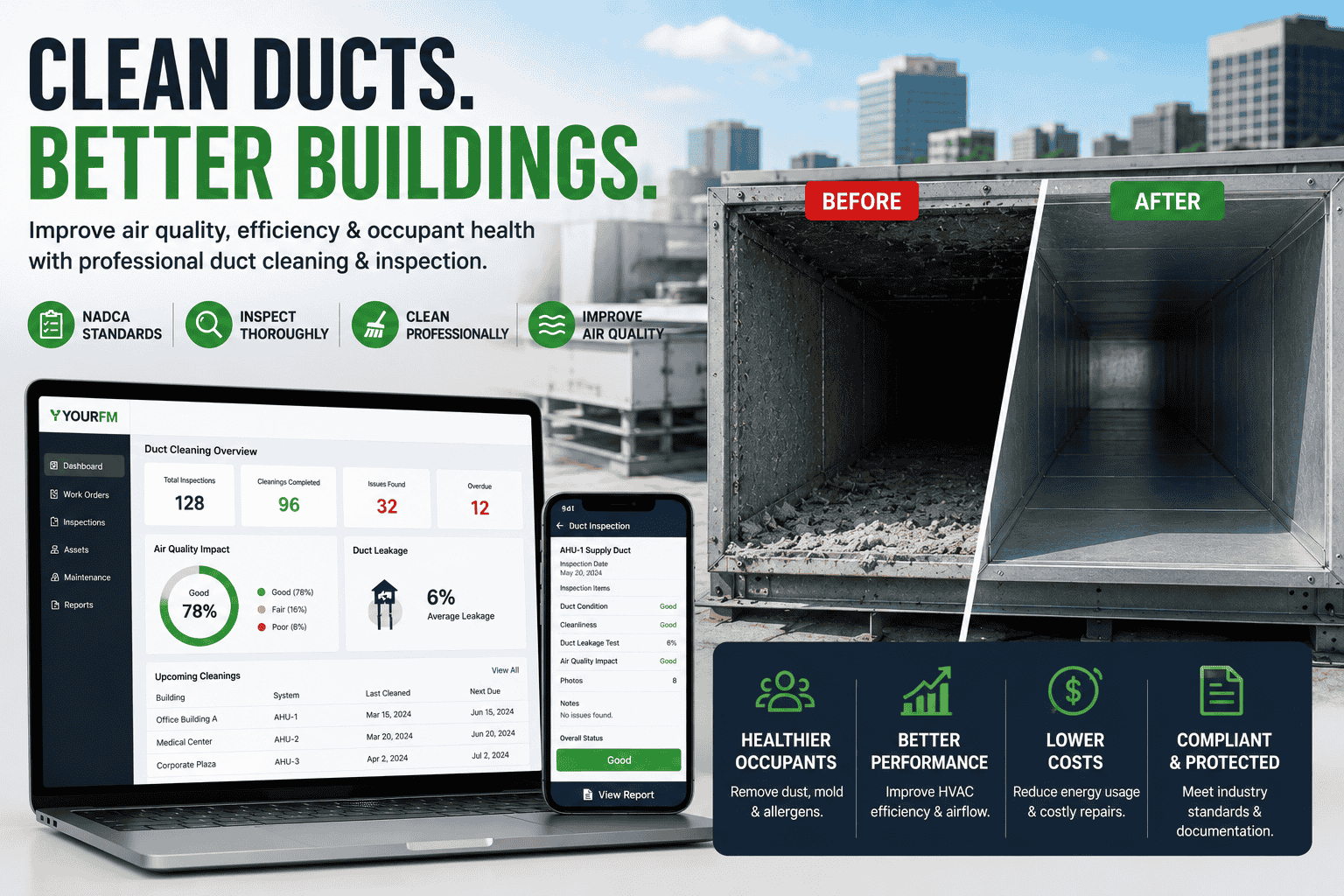
Ultrasonic sensors stream fill levels every 15 minutes to the on-premise appliance. View every trap in your portfolio on a single map — color-coded by urgency, filterable by property, zone, or vendor.
Multi-Property Dashboard
One view across 10 or 1,000 properties. See which traps are approaching capacity, which pumpers are underperforming, and which properties are costing you the most in emergency service.
AI-Driven Pump-Out Forecasting
iFactory's models learn each trap's fill rate based on cooking volume, season, and tenant mix. Predict the exact day a trap will hit 85% — and schedule the pump before it becomes an emergency.
Anomaly Detection & Alerts
Rapid fill rate? Sensor offline? Trap never pumped? iFactory sends SMS, email, or Slack alerts to the right person — not everyone. Escalation rules ensure the property manager gets notified, not the corporate CFO.
Automated Pumper Dispatch
When a trap hits the threshold, iFactory auto-generates a work order and sends it to your preferred pumper service. Track dispatch time, pump duration, and waste volume — all in one audit trail.
Portfolio Cost Analytics
Run reports by property, region, or vendor. Compare pump costs per trap, per gallon, per quarter. Identify which pumpers are cheapest, which traps are costliest, and where you can consolidate service to save 15–25%.
Four steps from sensor install to portfolio control
iFactory is turnkey. We handle the hardware, the deployment, and the integration. You get a working pilot in weeks, not quarters.
Sensor Installation
We deploy ultrasonic level sensors in every grease trap across your pilot properties. Non-invasive, no plumbing changes, no kitchen downtime.
On-Premise Appliance Connection
Sensors feed data to an NVIDIA-powered appliance on your plant network. Zero data leaves your facility. No cloud subscription. No security review.
Model Training & Baseline
iFactory's AI learns each trap's unique fill pattern. Within two weeks, the system predicts pump-out dates with 90%+ accuracy.
Automated Operations
Alerts, work orders, and vendor dispatch run automatically. Your team monitors from the dashboard. Emergency calls drop to near zero.
What you're paying for when you're not watching
Every emergency pump-out, every missed schedule, every fine from the local wastewater authority — it adds up fast. Here's where the money goes when grease traps are invisible.
Emergency Pump-Out Premium
When a trap backs up, you pay emergency rates — typically 2–3x routine service. A single after-hours call can run $600–$1,200 per trap.
Municipal Fines for Overflow
Grease trap overflows into municipal sewers trigger fines from local utilities. Repeat offenders face escalating penalties and potential service disconnection.
Unnecessary Routine Pumping
Without data, many properties pump on a fixed schedule — often too early or too late. Over-pumping wastes $200–$400 per trap per year. Under-pumping causes emergencies.
What happens when you put analytics on your grease traps
iFactory customers see measurable, repeatable results within the first quarter. Here's what the data shows across our deployed portfolio.
You don't need a cloud subscription to know what's in your grease traps. Book a 30-min walkthrough and we'll show you live data from an operating property.
Questions property operators ask about grease trap analytics
Stop managing grease traps by smell and emergency calls
Get real-time visibility, predictive scheduling, and portfolio-wide cost control — all on your network, no cloud required. Book a demo and see iFactory live on an operating property.