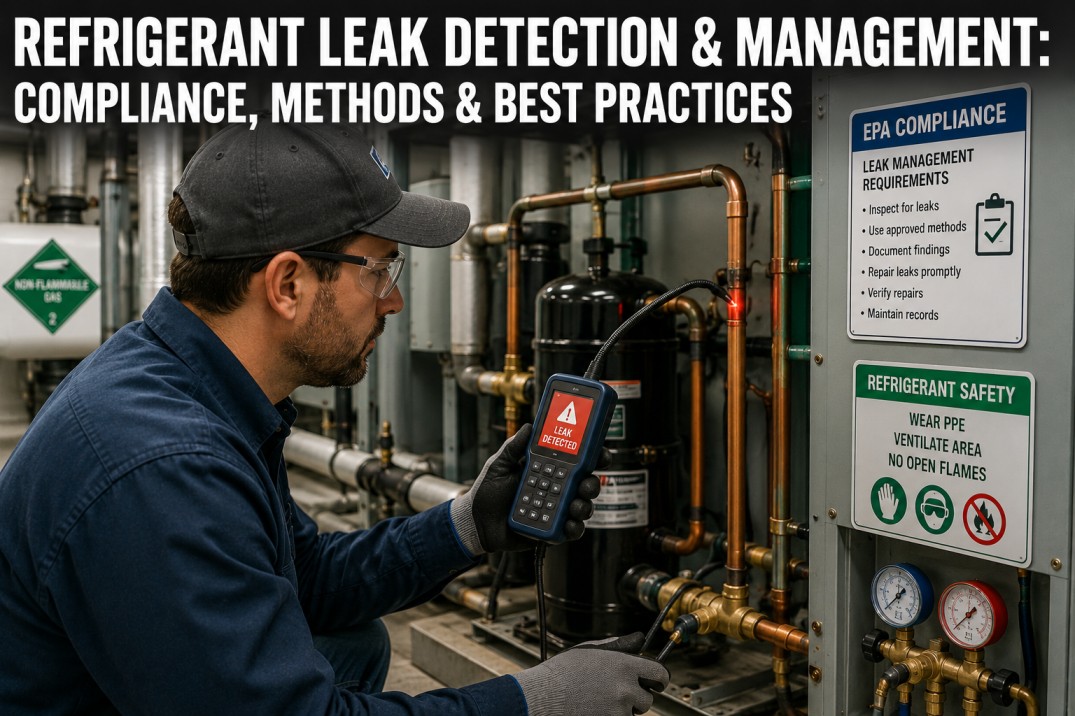
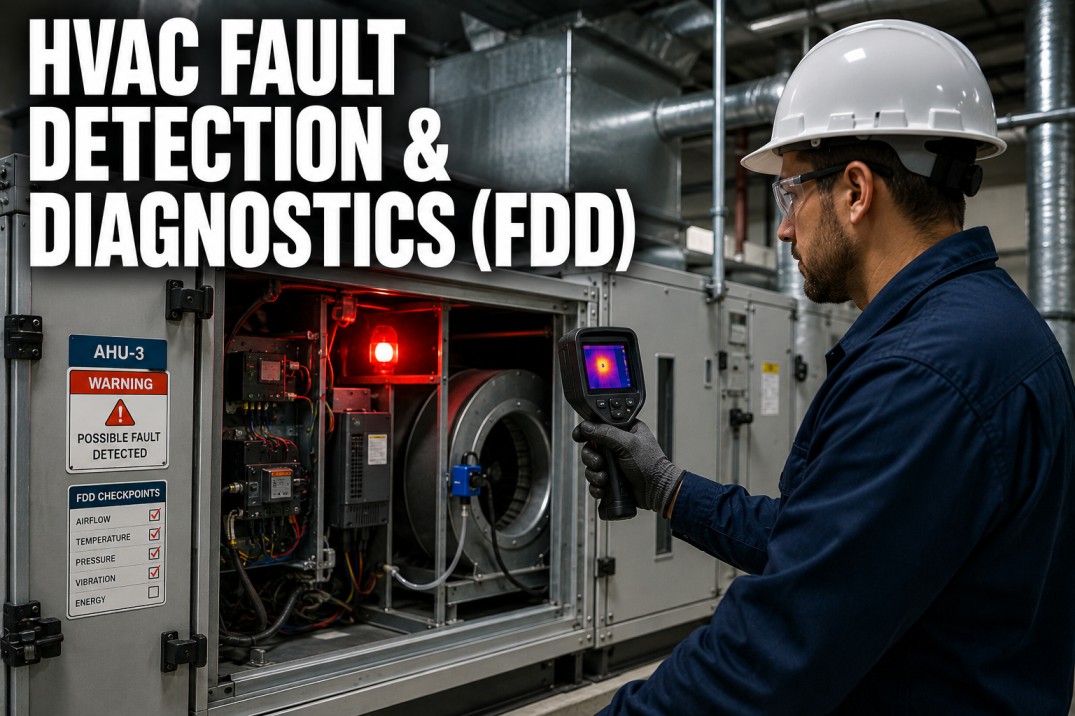
A VP of Operations overseeing forty buildings does not have forty technicians walking around checking economizer dampers by hand every morning, which means the vast majority of HVAC faults across a portfolio this size go undetected until they show up as a comfort complaint, an unexplained energy spike, or a full equipment failure. Automated fault detection and diagnostics changes the math entirely, applying the same rule-based and AI pattern analysis across every building simultaneously, surfacing economizer faults, coil fouling, refrigerant leaks, and control issues at the exact unit where they're happening, ranked by cost impact across the whole portfolio rather than discovered one building at a time. Book a portfolio fault detection demo with iFactory to see how automated diagnostics scale the same rigor a single well-staffed building enjoys across every property you operate.
Portfolio-Scale AI Fault Detection
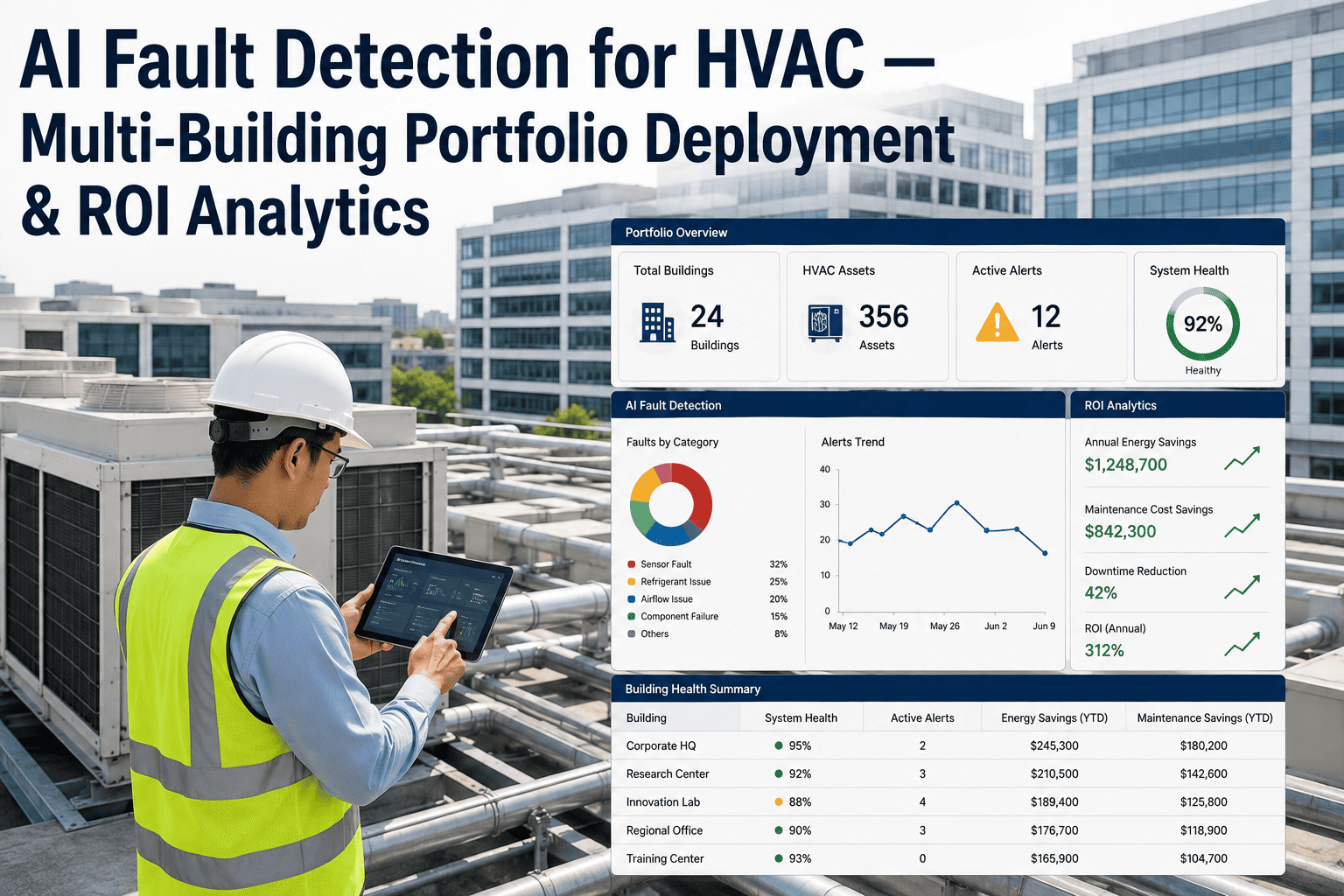
Automated Fault Detection Across Your Entire Building Portfolio — Every Unit, Every Day, Ranked by Cost Impact
AI analytics that detect economizer faults, coil fouling, refrigerant leaks, and control issues across hundreds of HVAC units simultaneously, with portfolio-wide ROI reporting your operations team can act on.
15-30%
HVAC energy waste typically attributable to undetected faults across a building portfolio
100s
Of units a single automated fault detection deployment can monitor simultaneously
Days
Typical time to first ranked fault list once portfolio data connections are live
What Gets Detected
Four Fault Categories That Drive the Majority of Portfolio HVAC Waste
Economizer Faults
Dampers stuck in the wrong position or sensors misreporting outdoor conditions cause simultaneous heating and cooling, one of the single largest sources of avoidable energy waste in commercial HVAC.
Coil Fouling
Dirty or fouled coils reduce heat transfer efficiency, forcing equipment to run longer and harder to meet the same load, detectable through gradually widening temperature differentials.
Refrigerant Leaks
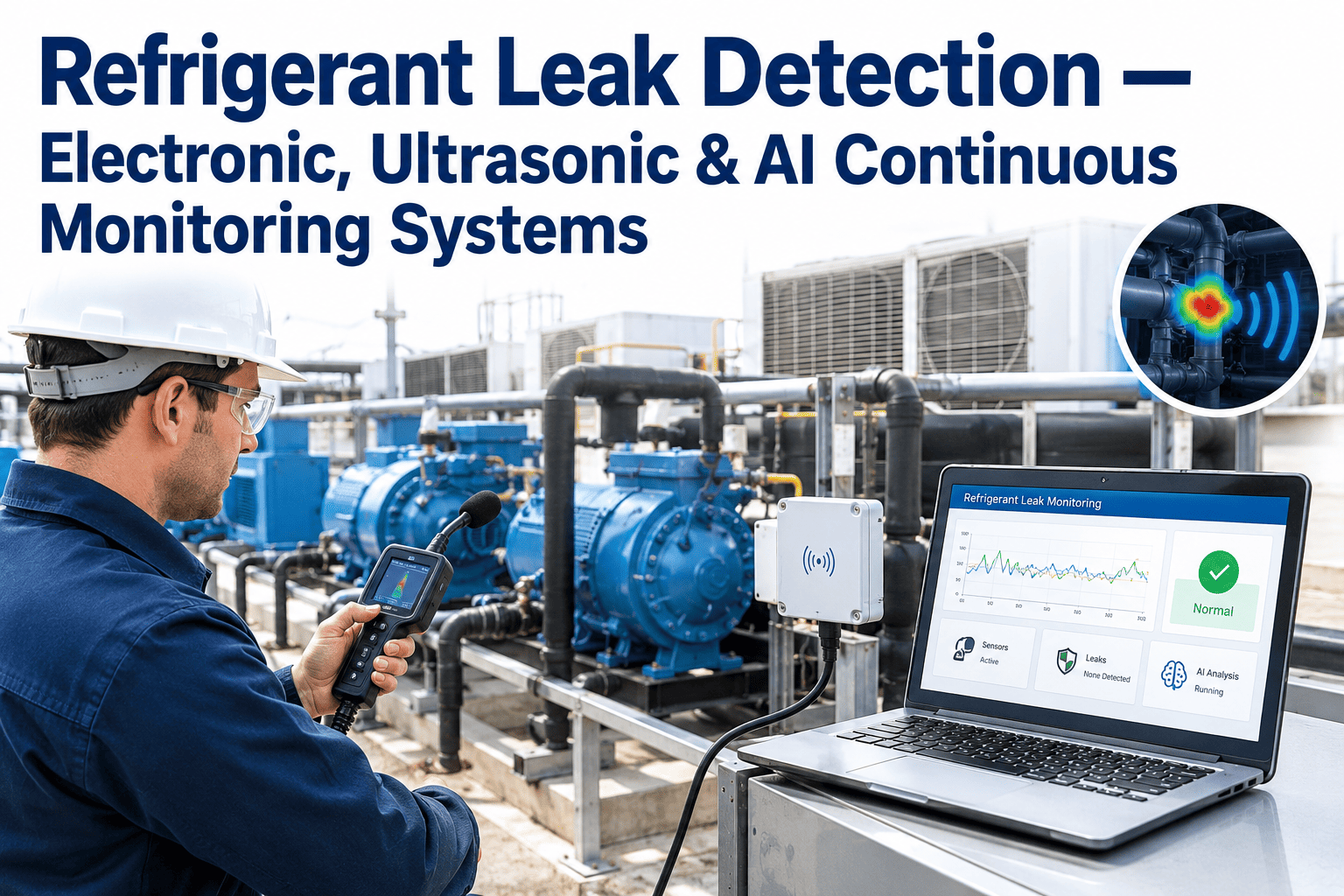
Slow refrigerant leaks degrade cooling capacity gradually and increase compressor strain long before a unit fails outright, often invisible without continuous performance trend comparison.
Control Issues
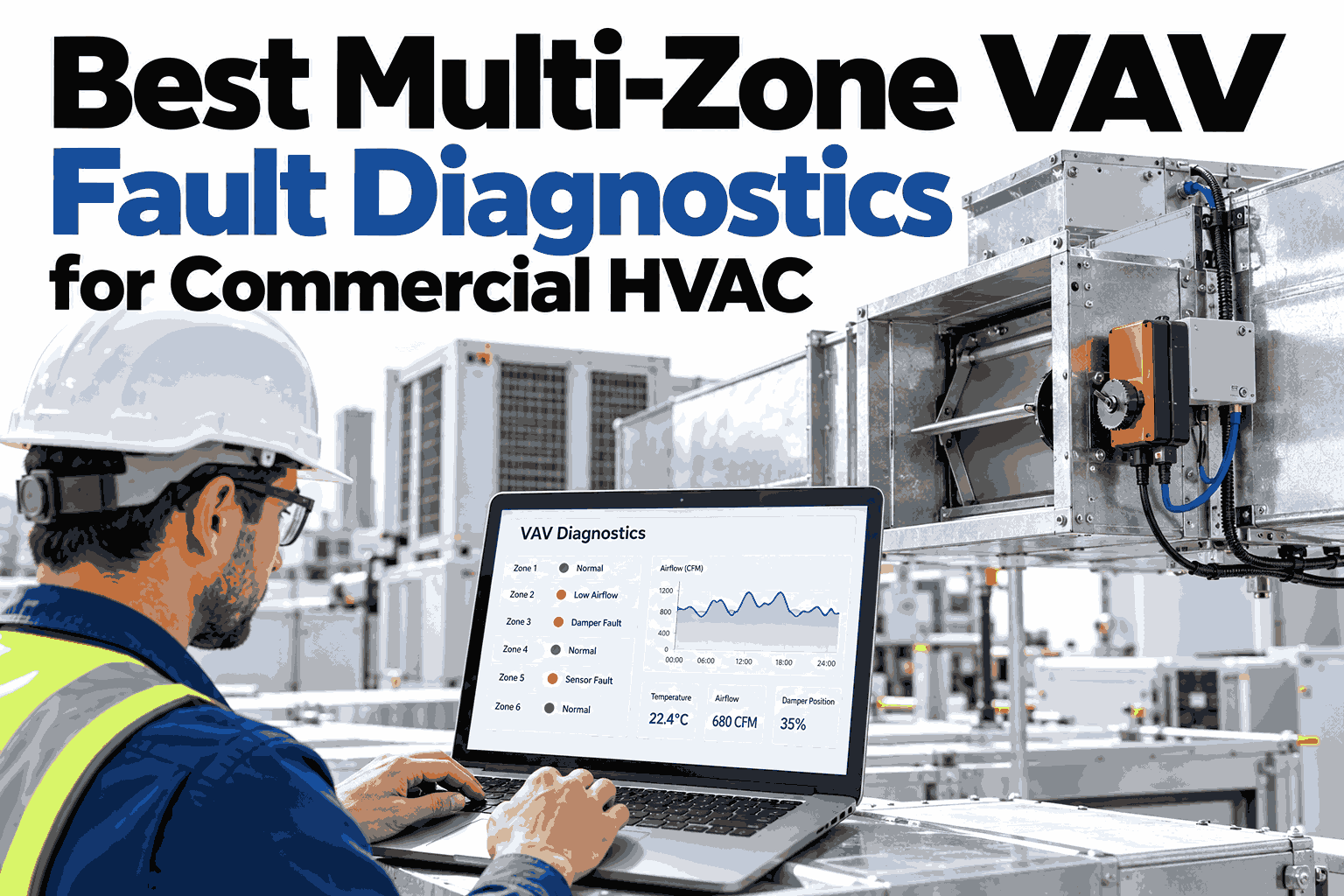
Sensor drift, stuck setpoints, and scheduling errors cause equipment to run outside intended parameters, frequently the hardest fault type to catch through manual inspection alone.
See Fault Detection Running Across Your Portfolio
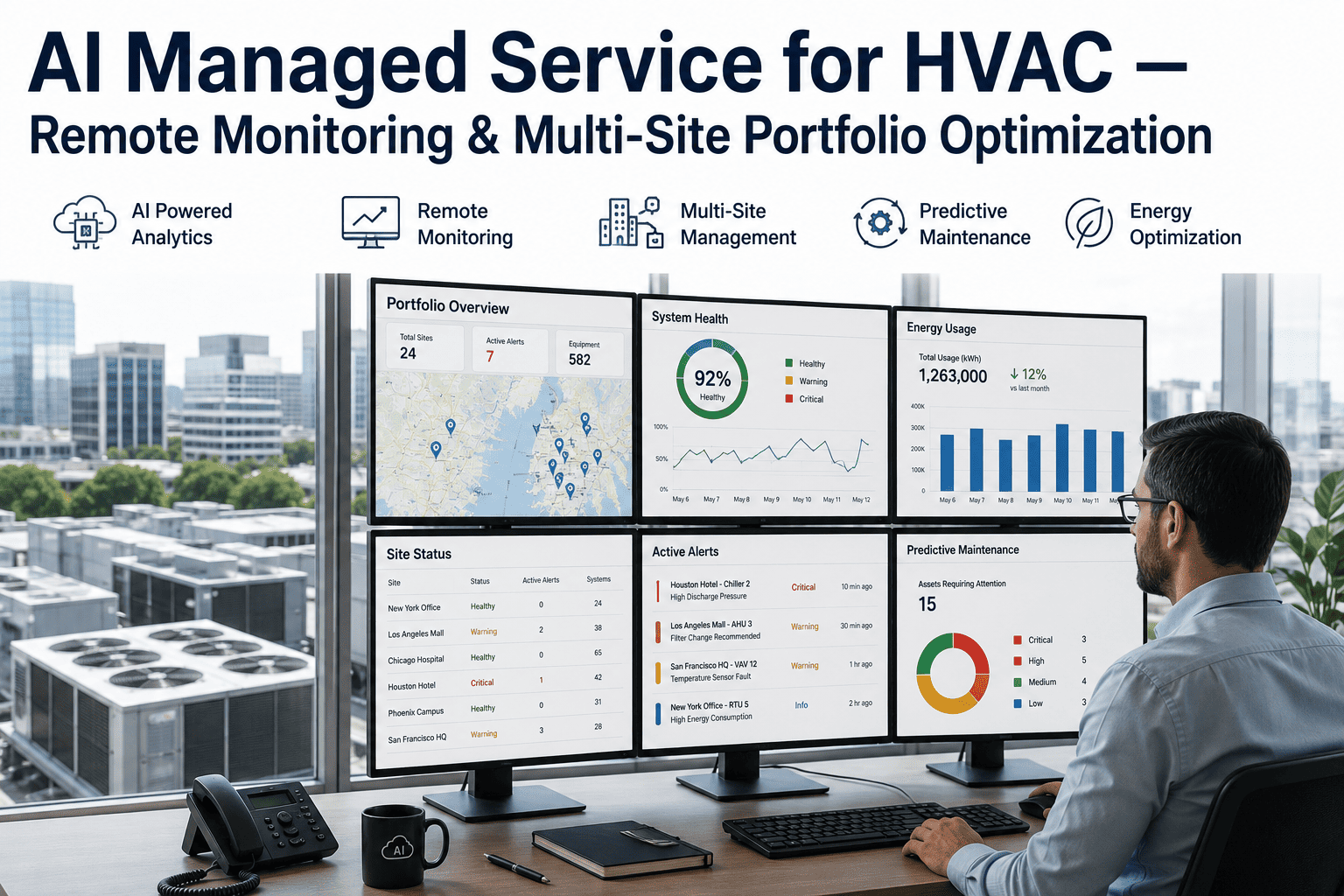
iFactory Deploys the Same Analytics Model Across Every Building Simultaneously
No building-by-building manual configuration. iFactory connects to existing BAS data across your portfolio and applies consistent fault detection logic at scale.
Portfolio Impact
Ranking Buildings by Fault Cost Impact, Not Building Size
A portfolio-wide fault list is only useful if it's ranked by actual cost impact rather than presented building by building in whatever order they happen to appear in a spreadsheet. The clearest value of automated detection at scale is a single ranked view across the entire portfolio, so operations leadership can direct limited technician time to wherever it recovers the most dollars first.
| Building | Fault Type | Est. Monthly Waste | Priority |
|---|
| Building 14 — RTU 3 | Economizer Fault | High | Urgent |
| Building 22 — Chiller 1 | Refrigerant Leak | High | Urgent |
| Building 8 — AHU 2 | Coil Fouling | Medium | This Month |
| Building 31 — RTU 7 | Control Issue | Medium | This Month |
| Building 5 — AHU 1 | Economizer Fault | Low | Monitor |
Deployment Path
Scaling From Pilot Buildings to a Full Portfolio Rollout
Weeks 1-3
Pilot Selection
A representative subset of buildings across your portfolio is selected to validate detection accuracy against known issues.
Weeks 4-6
Data Connection
BAS data across pilot buildings connects into a unified feed, validated against maintenance team ground truth.
Weeks 7-10
Portfolio Scaling
The validated detection model extends across the remaining portfolio, adding buildings in batches rather than all at once.
Week 11+
Ranked Reporting
Operations leadership receives a live, portfolio-wide ranked fault list with ROI tracking on every closed item.
Operations directors managing large portfolios almost never lack technicians entirely, they lack a way to know which of hundreds of buildings deserves that technician's time this week. I've seen portfolios where a single economizer fault at one property was quietly costing more than the entire quarterly maintenance budget for three smaller buildings combined, and nobody knew because the detection simply wasn't happening at that scale. Automated fault detection isn't about replacing the maintenance team, it's about finally pointing them at the right building.
Marguerite Solheim-Adeyemi
VP of Facilities Operations, Multi-Site Portfolio · 21 years managing commercial real estate operations
VP Operations Questions
Portfolio-Scale AI Fault Detection — Frequently Asked
How does fault detection stay accurate across buildings with very different equipment ages and vendors?
Detection logic is built around comparing each unit's own performance against its own historical baseline and against expected physical relationships, such as the correlation between outdoor air temperature and expected economizer position, rather than assuming every building runs identical equipment. This baseline-relative approach means an older rooftop unit at one property and a newer chiller at another can both be monitored effectively without forcing a one-size-fits-all threshold across dissimilar equipment.
Contact support to discuss your specific portfolio's equipment mix.
Do we need a consistent BAS platform across every building for this to work?
A consistent platform helps but isn't a strict requirement, since the underlying detection reads standard data points such as temperature, damper position, and equipment status that most common commercial BAS platforms expose in some form, even if the specific protocol or vendor differs building to building. Portfolios with a genuine mix of legacy and modern control systems are common, and the connection layer is built to normalize that variety into a consistent detection feed.
How do you prioritize which building gets attention first when faults are found across dozens of properties at once?
Every detected fault is scored by estimated cost impact, factoring in the type of fault, the size and runtime of the affected equipment, and how long the condition has likely persisted, then ranked into a single portfolio-wide list rather than a separate list per building. This is what allows a VP overseeing forty properties to direct a limited technician pool to the single highest-impact issue in the entire portfolio this week, regardless of which building it happens to be in.
Book a demo to see the ranking methodology applied to sample portfolio data.
What kind of ROI reporting is available for tracking the value of this across the portfolio?
Reporting tracks estimated energy and maintenance cost avoided for every fault identified and closed, aggregated at both the individual building level and the full portfolio level, which allows operations leadership to demonstrate the program's return in the same financial terms used for capital planning and budget justification conversations.
How long does a full portfolio rollout typically take from first pilot to complete coverage?
Timelines vary by portfolio size and BAS data availability, but a staged approach starting with a pilot group of buildings before scaling to the full portfolio typically allows the detection model to be validated against real ground truth before it's trusted across dozens or hundreds of properties, which is a deliberately more cautious pace than a single all-at-once deployment but produces far more reliable results once fully scaled.
Stop Discovering Faults One Complaint at a Time
Get a Ranked Fault List Across Your Entire Building Portfolio
iFactory applies consistent AI fault detection across every building simultaneously, ranks issues by real cost impact, and gives your operations team a portfolio-wide punch list instead of forty separate ones.