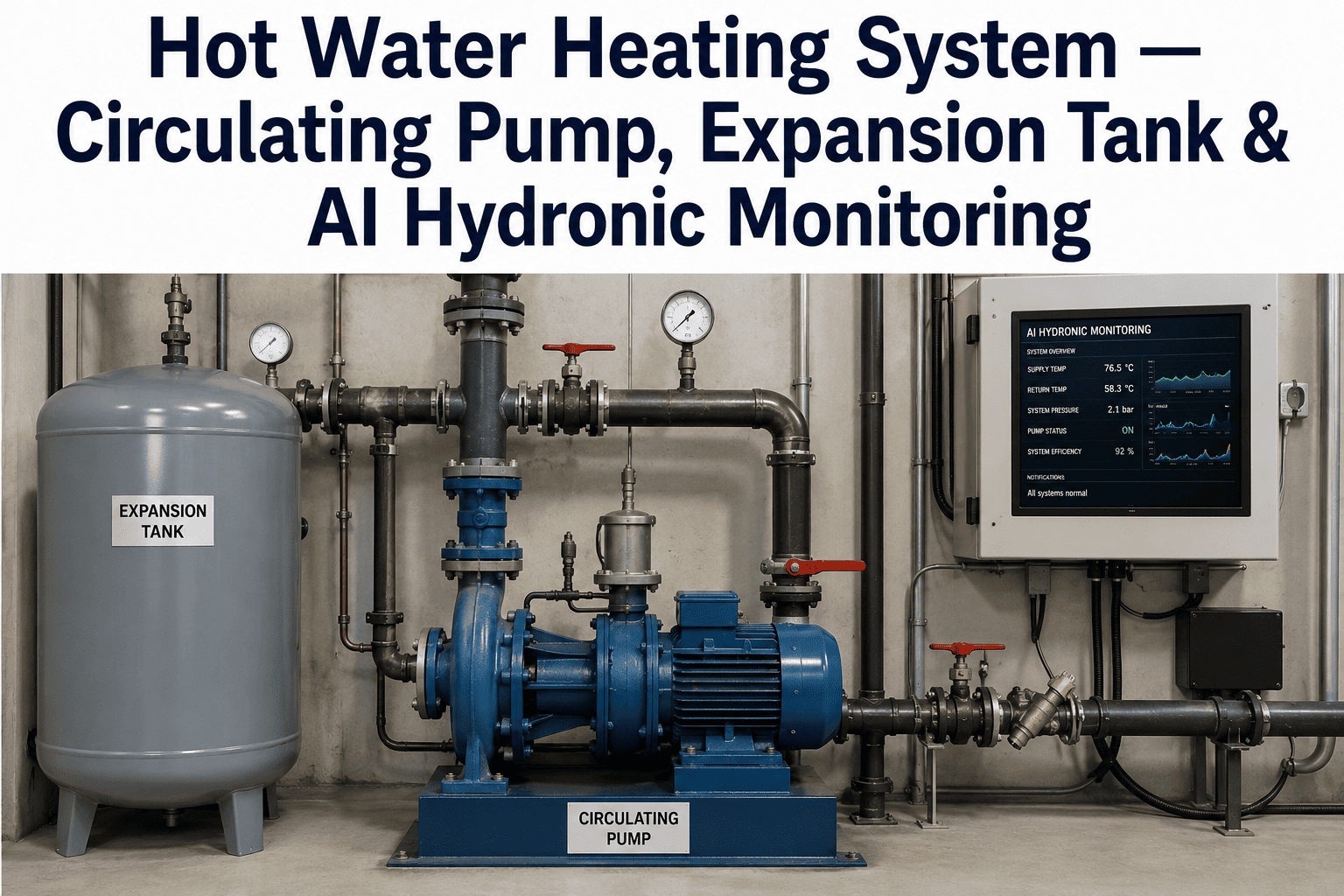
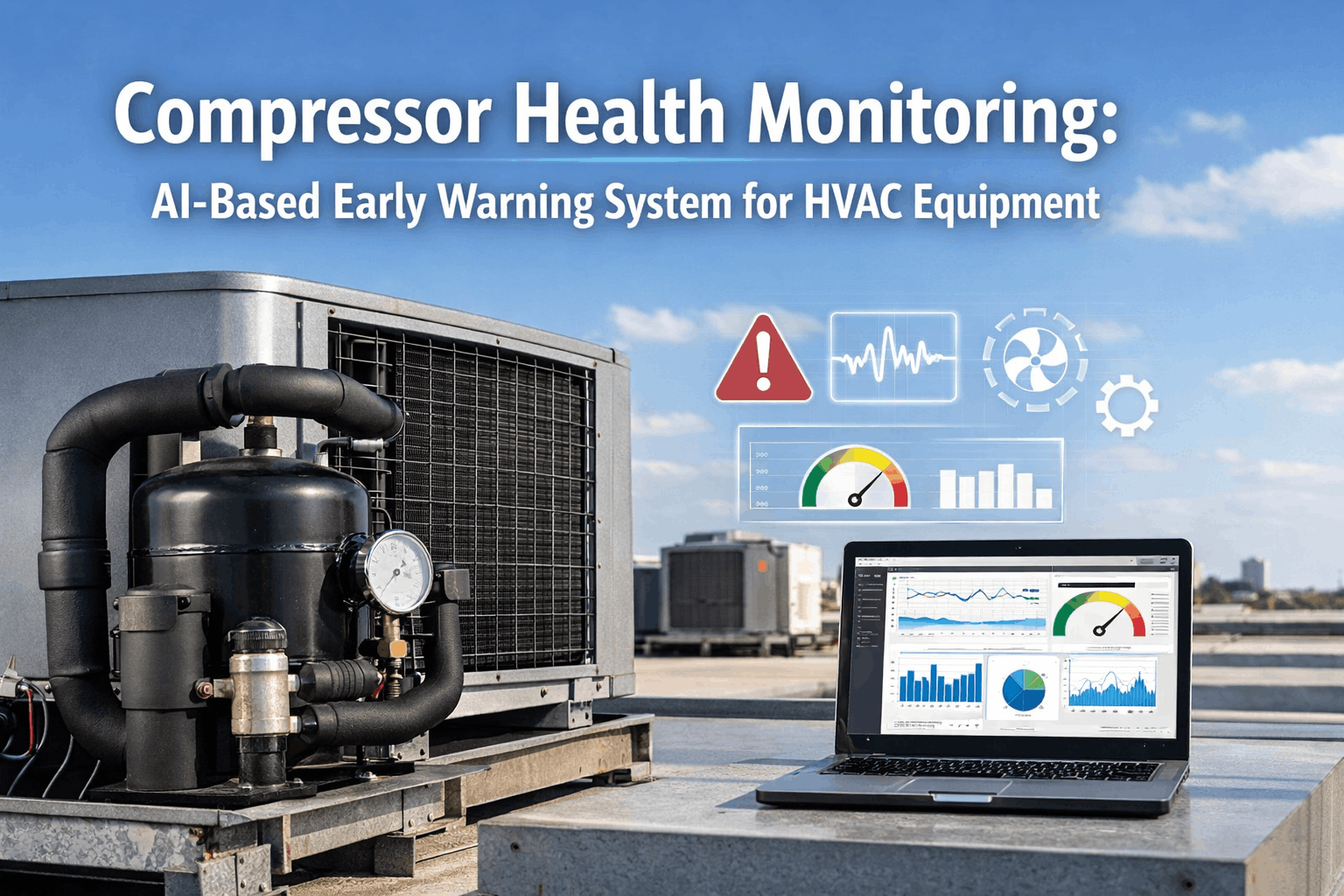
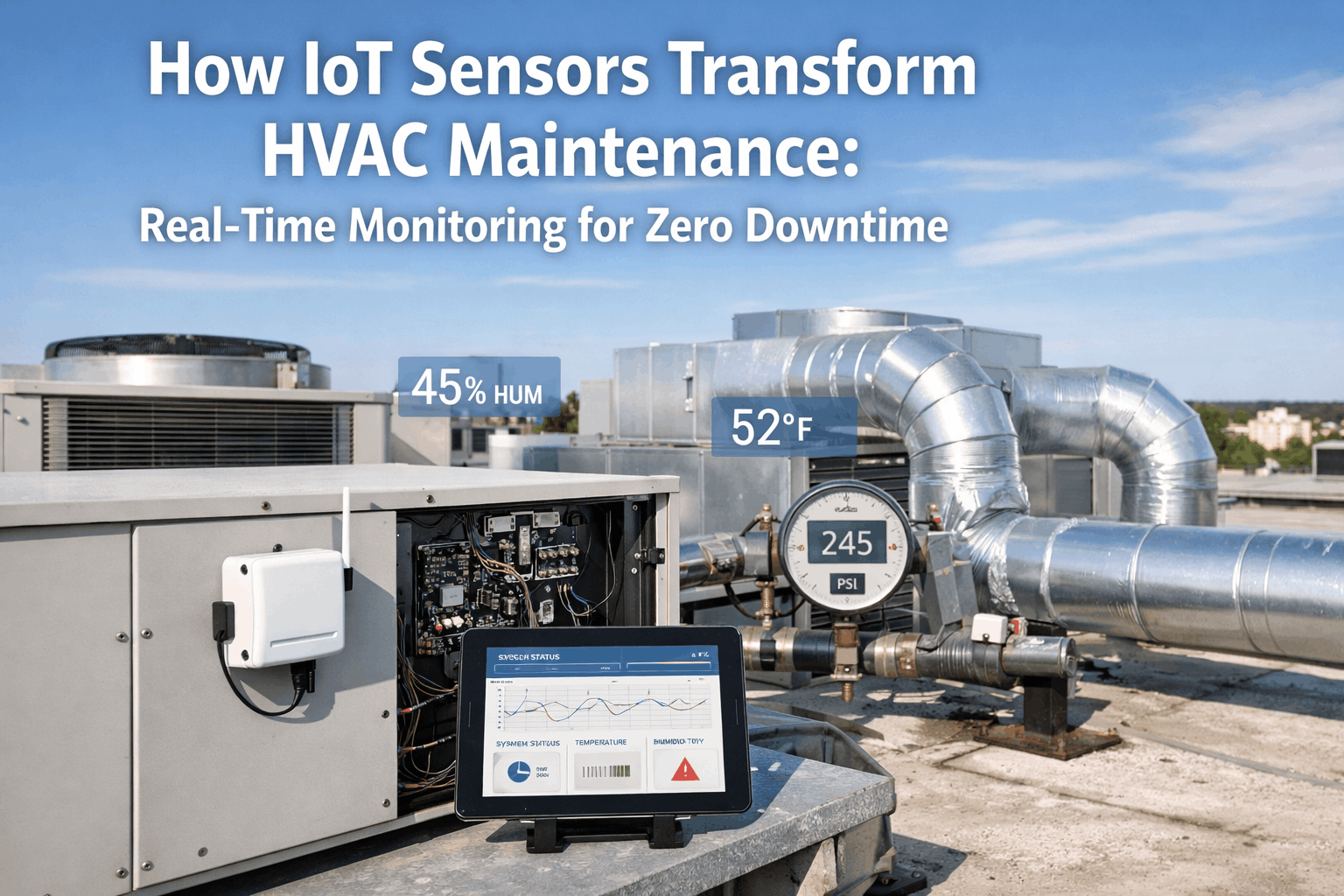
Insulation on a chilled water line degrades slowly enough that nobody notices until condensation starts dripping onto a ceiling tile two floors below the mechanical room, and by then the water damage bill is already larger than the insulation repair would have cost on its own. Valves seize in position because nobody exercises them between annual shutdowns, and expansion joints fatigue silently under thermal cycling until one finally splits during a routine startup, flooding a plant room that was fine the week before. Piping systems are the part of an HVAC plant most likely to get ignored, because unlike a chiller or an AHU, nothing about a pipe run announces that it's approaching failure until it already has. AI-driven condition monitoring tracks insulation integrity, valve operation, and expansion joint health continuously, turning invisible degradation into a scheduled repair instead of an emergency. Book a piping condition demo with iFactory to see how continuous tracking catches hydronic circuit problems before they become water damage claims.
HVAC Piping & Hydronic Systems
Piping System Condition Monitoring: Catch Insulation, Valve & Expansion Joint Failures Before They Flood a Plant Room
Continuous tracking of insulation integrity, valve operation, and expansion joint health across your hydronic circuits, built to prevent energy waste from damaged insulation and water damage from failed joints and valves.
Three Points of Failure
Where Piping Systems Actually Break Down
01
Insulation Condition
Damaged or missing insulation on chilled water lines allows condensation to form on the pipe surface, which drips, saturates surrounding materials, and eventually causes water damage well beyond the pipe run itself, while also wasting energy as the system fights ambient heat gain.
02
Valve Operation
Valves that sit in one position for long stretches between operations are prone to seizing, and a valve that fails to close fully or open fully during an emergency shutdown or a routine balancing operation can compromise an entire circuit's performance.
03
Expansion Joint Integrity
Repeated thermal expansion and contraction cycles fatigue expansion joints over years of service, and a joint that fails catastrophically rather than showing a slow leak first can release a large volume of system water in a very short window.
See Your Hydronic Circuits Scored for Condition Risk
iFactory Combines Sensor Data With Visual Inspection History
Temperature differential sensing, valve cycle logging, and periodic inspection data combine into a single condition score per pipe segment, valve, and joint across your system.
The Cost of Neglect
What a Small Problem Costs When It's Caught Late Versus Caught Early
| Issue | Cost If Caught Early | Cost If Caught Late |
|---|
| Damaged Insulation | Segment re-wrap, minor labor | Ceiling and material water damage repair |
| Seized Valve | Exercise and lubricate, minimal downtime | Emergency replacement during shutdown failure |
| Fatiguing Expansion Joint | Scheduled joint replacement | Flood cleanup, plant room downtime, water loss |
The cost gap between early and late intervention is rarely close for piping-related issues, because water damage and emergency plant shutdowns carry costs far beyond the part itself, extending into cleanup, tenant disruption, and lost operating time.
Implementation Path
From System Survey to Continuous Condition Tracking
Weeks 1-2
System Survey
Map the full hydronic circuit, documenting insulation condition, valve locations, and expansion joint age across the plant.
Weeks 3-4
Sensor Placement
Temperature and condensation sensors go on priority segments identified during the survey, without disrupting live system operation.
Weeks 5-6
Condition Scoring
Every segment, valve, and joint receives a condition score combining sensor data, age, and inspection history.
Week 7+
Scheduled Repairs
Repairs get scheduled against the risk ranking rather than waiting for a failure, with scores updating continuously.
Piping is the least glamorous part of a mechanical system and it's usually the last thing anyone budgets for, right up until a joint fails and floods a room full of electrical panels. The maintenance teams that avoid that outcome aren't the ones with bigger budgets, they're the ones who have a way to see the slow degradation happening inside insulation jackets and around valve stems long before it becomes visible to the naked eye during a walkthrough.
Callista Renshaw-Obi
Hydronic Systems Specialist · 19 years in commercial and institutional piping design and maintenance
Maintenance Manager Questions
HVAC Piping Condition Monitoring — Frequently Asked
How do you monitor insulation condition without physically inspecting every pipe run?
Temperature differential sensing along a pipe run can detect areas where surface temperature is climbing toward the dew point, which indicates condensation risk from degraded or missing insulation, without requiring a technician to visually inspect every foot of piping. This continuous sensing is combined with periodic visual inspection at accessible points, so the two data sources reinforce each other rather than one replacing the other entirely.
Contact support to discuss sensor placement for your specific plant layout.
Can this detect a valve that's about to seize before it actually does?
Valve cycle logging tracks how often and how smoothly a valve operates over time, and a valve that's beginning to bind typically shows a measurable increase in the time or force required to reach full open or full closed position well before it seizes completely. Tracking that trend allows a valve to be exercised or serviced proactively rather than discovering during an emergency shutdown that it won't move at all.
What's a reasonable expected service life for an expansion joint, and how is that factored into the condition score?
Service life varies considerably by joint type, material, and the thermal cycling severity of the specific application, which is exactly why a fixed replacement interval applied uniformly across a system tends to either replace joints too early or leave some running well past a safe point. The condition score incorporates joint age alongside cycling frequency and any available inspection or leak history to produce a risk ranking specific to each joint rather than relying on a generic manufacturer estimate alone.
Does this work on both chilled water and hot water hydronic circuits?
Yes, the underlying monitoring approach applies to both chilled water and hot water circuits, though the specific failure risk differs. Chilled water insulation problems center on condensation risk, while hot water circuits are more exposed to accelerated insulation degradation and higher thermal cycling stress on expansion joints.
Book a demo to see how the condition scoring adapts to your specific circuit types.
How disruptive is sensor installation on a live, operating piping system?
Most sensor installations for condition monitoring are non-invasive, clamping onto the exterior of the pipe or insulation jacket rather than requiring the system to be drained or shut down, which means installation can typically happen during normal operation without disrupting building comfort or requiring a planned outage window.
Stop Finding Out About Pipe Failures From the Ceiling
Get Continuous Condition Visibility Across Your Hydronic Circuits
iFactory tracks insulation integrity, valve operation, and expansion joint health continuously, turning a plant room that could flood into a repair list your team schedules on their own terms.