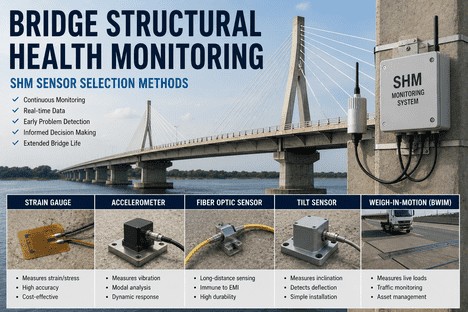
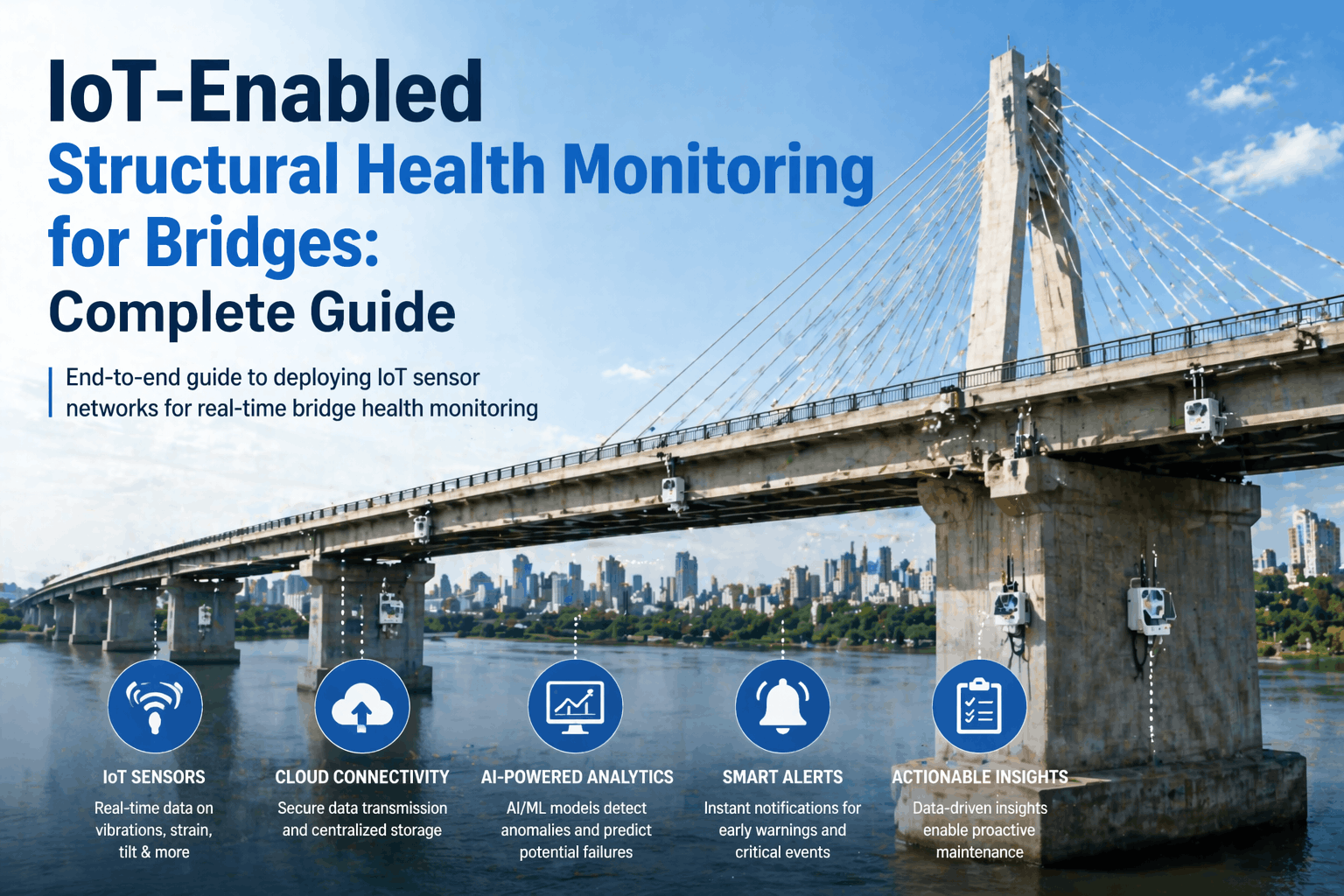
Highway infrastructure is the silent backbone of the global economy—stretching across thousands of kilometres, enduring extreme weather, and carrying the weight of millions of vehicles daily. When a bridge expansion joint fails or pavement fatigue leads to unplanned closures, it doesn't just disrupt traffic; it costs the economy millions in lost productivity and emergency repair premiums. Most department of transportations (DOTs) are trapped in a "fix-after-failure" cycle, reacting to potholes and structural cracks only after they become safety hazards. AI-powered predictive maintenance with iFactory changes the equation. By integrating vibration sensors on bridges, AI-vision on patrol vehicles, and pavement moisture tracking into a single command center, iFactory predicts structural failures up to 30 days in advance. This guide explores how transitioning from reactive repairs to an intelligent, data-driven infrastructure strategy can extend asset life by 15-20% while reducing annual maintenance budgets by nearly a third.
AI Predictive Maintenance for Highway Infrastructure
Transition from reactive to proactive. Monitor bridge health, pavement degradation, and drainage integrity with 24/7 AI-driven insights that prevent costly unplanned closures.
The AI-Powered Highway Command Center
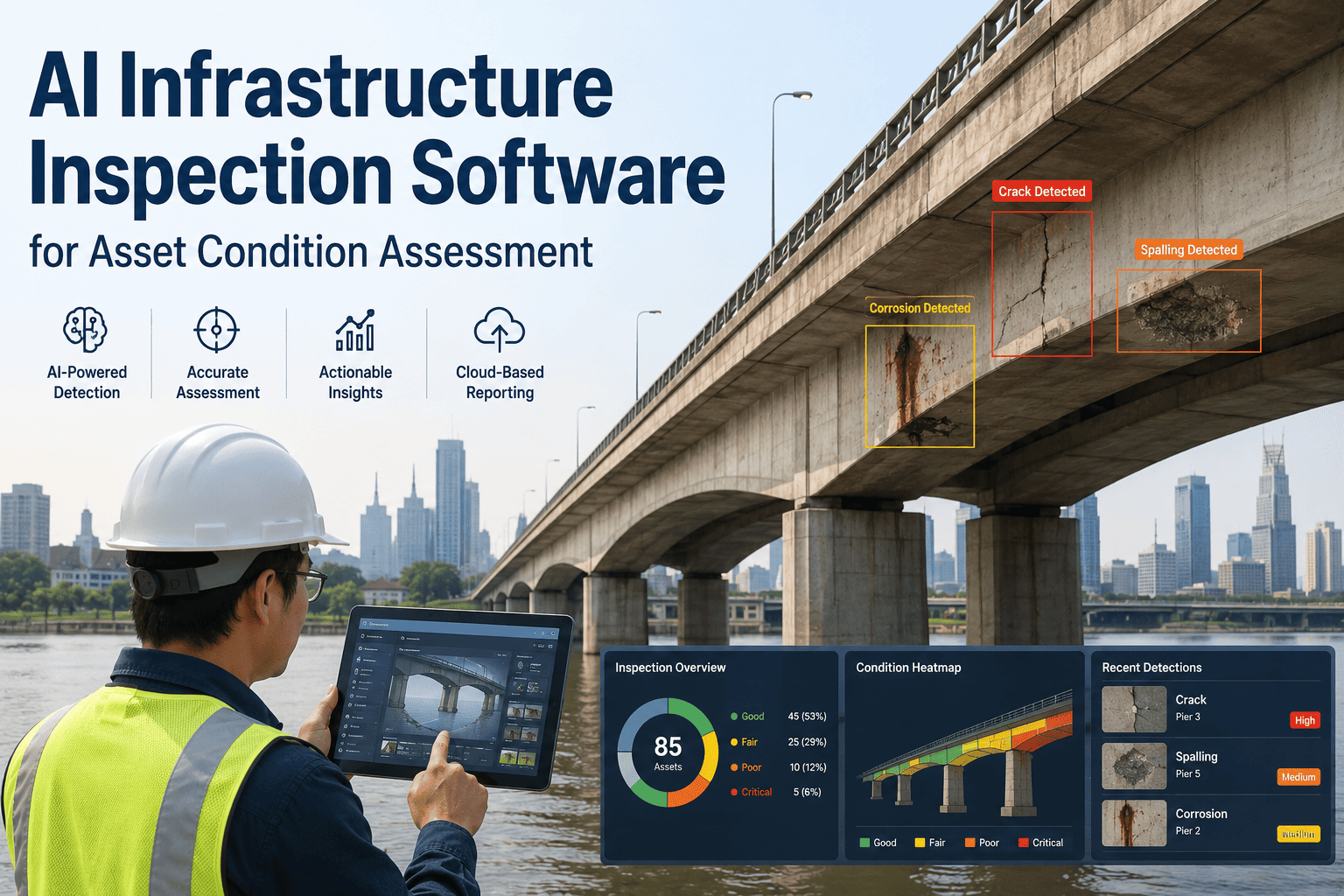
Infrastructure management requires a multi-layered data approach. iFactory consolidates disparate sensor feeds into a unified high-density dashboard, allowing engineers to drill down from a national network view to a specific bolt on a bridge.
Bridge Health Monitoring
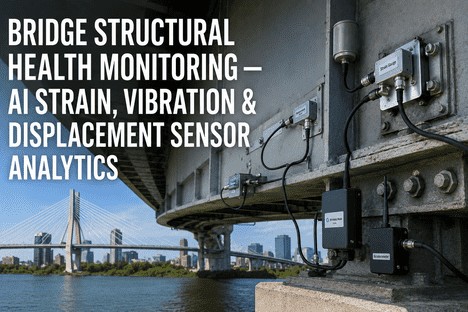
Continuous vibration and strain analysis tracks deck fatigue and pier stability. Detects micro-fractures before they are visible to inspectors.
Pavement Fatigue AI
Analyzes surface roughness and subsurface moisture. Predicts pothole formation with 94% accuracy based on weather patterns and traffic load.
Drainage Integrity AI
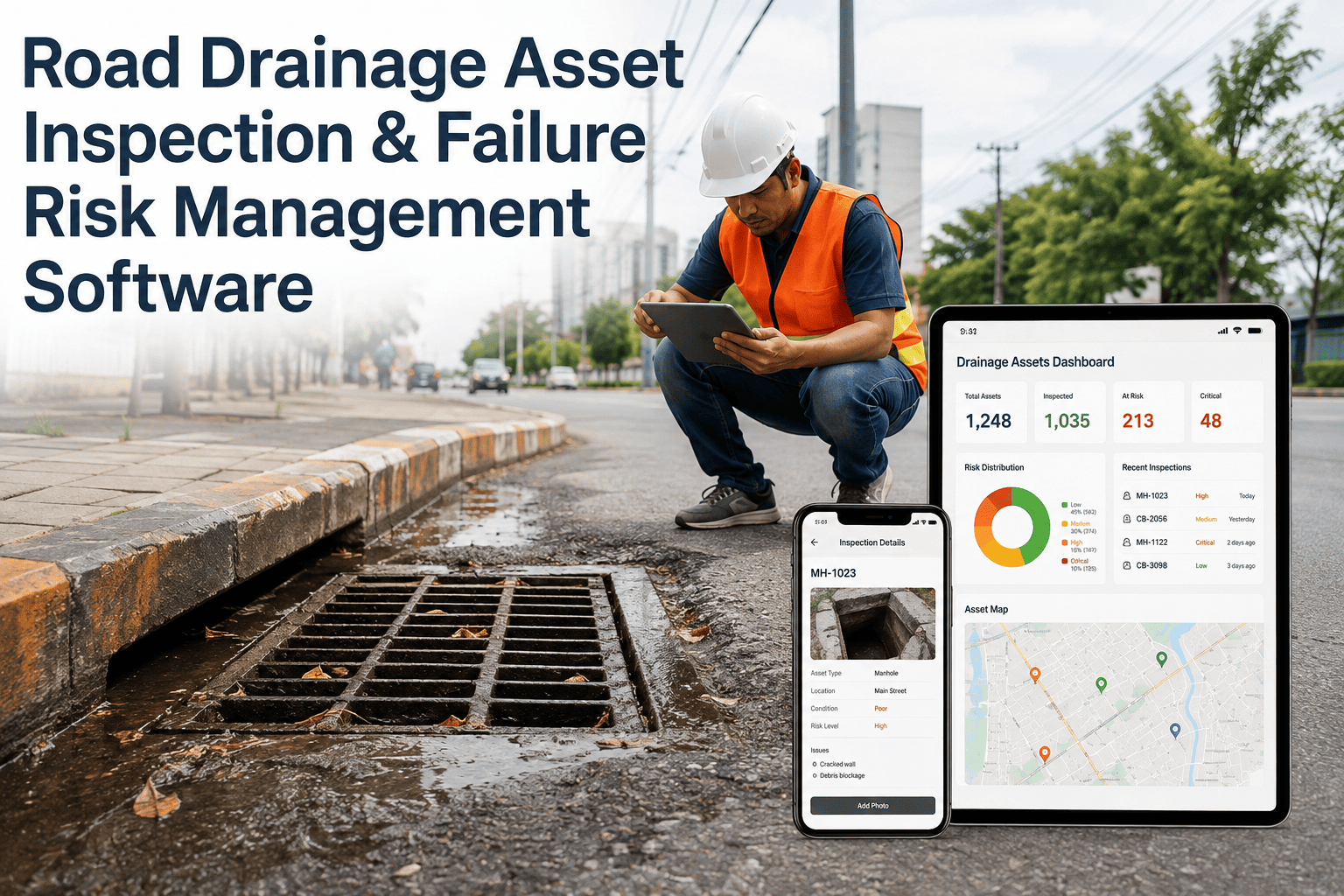
Smart sensors monitor culvert levels and debris accumulation. Prevents hydroplaning hazards and embankment erosion during peak rainfall.
Manual vs. AI-Driven Maintenance: The Performance Gap
Transitioning from schedule-based to condition-based maintenance isn't just a strategy — it's a massive shift in economics. AI enables a 10x increase in inspection frequency while reducing manpower requirements by over 40%.
| Metric | Traditional (Schedule-Based) | iFactory (AI-Predictive) |
|---|---|---|
| Inspection Frequency | Every 6-12 Months (Manual) | Continuous 24/7 (Real-time IoT) |
| Detection Accuracy | 65% (Visual inspection misses internal fatigue) | 96%+ (Acoustic + Sensor-based precision) |
| Service Life Extension | Baseline (0% extension) | 15-25% (Asset life extended by 5-8 yrs) |
| Emergency Repair Ratio | High (40% unplanned/reactive) | Zero-Emergency (Scheduled proactively) |
| Cost-per-KM Monitoring | ₹1.2L - ₹2.5L / year | ₹35K - ₹55K / year (Scalable AI) |
Where the Intelligence Comes From: The Data Source Ecosystem
Reliable predictions require a diverse data intake. iFactory doesn't just rely on one sensor; it triangulates insights from multiple sources to eliminate false positives and ensure 100% detection confidence.
Mobile Vision & LiDAR
Patrol vehicles equipped with high-res cameras and LiDAR map pavement rutting and pothole onset during routine sweeps without traffic closures.
Acoustic Emissions
Strategic sensors "listen" to the bridge structure. Each crack formation has a unique acoustic signature that AI identifies weeks before visual evidence.
Satellite InSAR
Interferometric Synthetic Aperture Radar (InSAR) monitors millimetre-level ground subsidence and bridge pier movement across entire networks.
Sub-Surface GPR
Ground Penetrating Radar detects moisture build-up and void formation below the asphalt layers, preventing catastrophic washouts.
The Infrastructure Maturity Scorecard
Where does your DOT stand against world-class standards? Most organizations operate at Level 1 or 2. Moving to Level 4 (Predictive) typically results in a 30% reduction in annual maintenance liabilities.
The AI Infrastructure Maturity Journey
Transitioning from reactive maintenance to a predictive AI model happens in four strategic phases. iFactory ensures each step delivers immediate cost savings to fund the next stage of modernization.
Data Baseline
Installing IoT gateways on critical bridges and connecting existing pavement sensors. Paper reports become live digital maps.
Risk Profiling
AI analyzes historical vs live data to assign health scores to every bridge and segment. Priorities are set by risk, not schedule.
Early Warning
Algorithms detect failure signatures in vibration and moisture data. Work orders are raised automatically 4-8 weeks before failure.
Smart Network
Fully autonomous asset management. Dynamic maintenance scheduling based on traffic, weather, and real-time degradation.
The iFactory Infrastructure AI Stack
Edge AI Processing
Downtime events are auto-triggered from bridge sensors. We process data at the "edge" to ensure zero-latency alerts for critical structural shifts.
Cost Variance Model
AI correlates maintenance spend with asset health scores. Automatically identifies the "sweet spot" for repairs to minimize total cost of ownership (TCO).
GIS Digital Twin
Every asset is mapped in a 3D Geographic Information System (GIS). Visual verification of health scores across thousands of linear kilometres.
Mobile Asset Field App
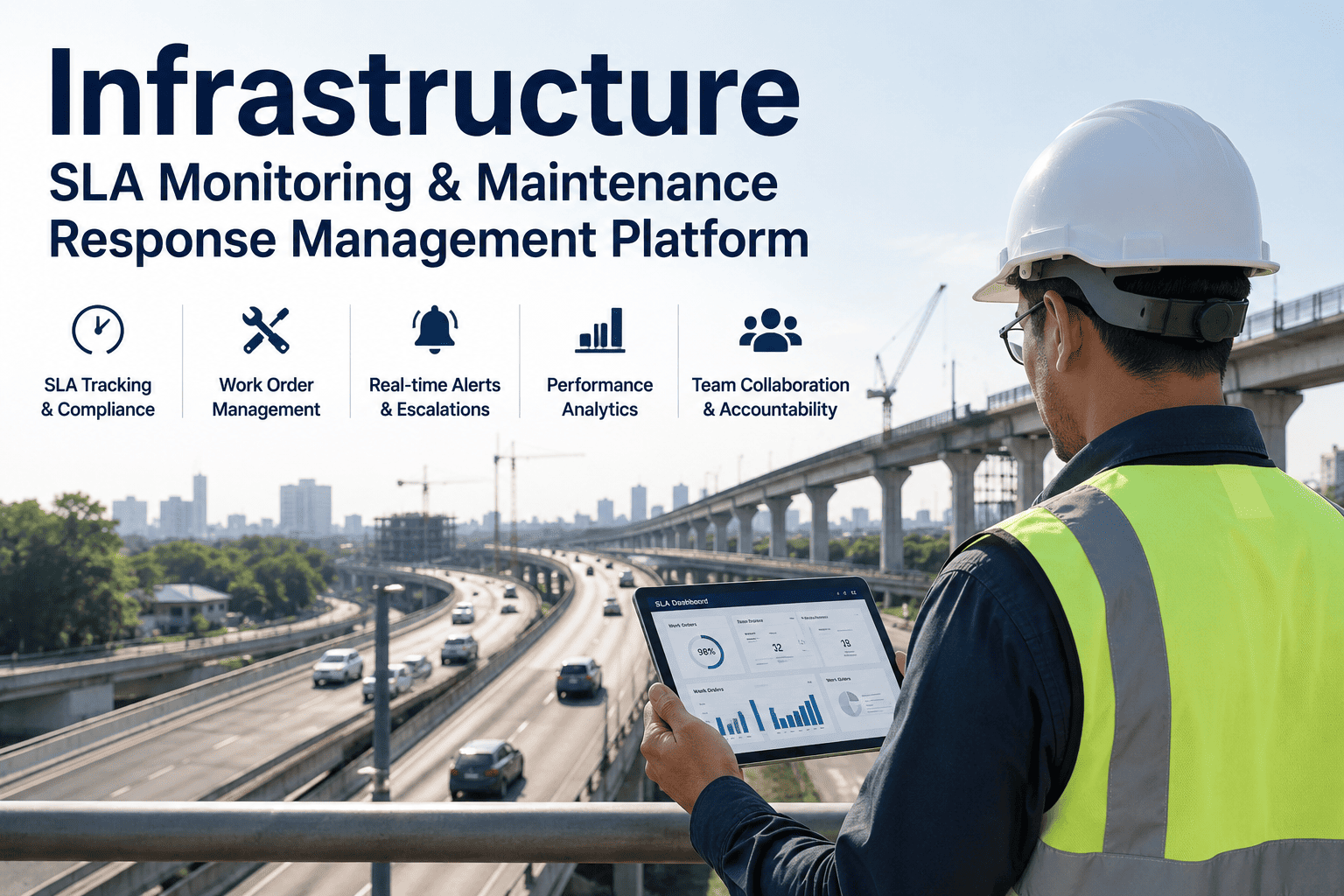
Field crews receive AI alerts on their mobile devices with exact GPS coordinates and repair instructions. Closes the gap between insight and action.
Frequently Asked Questions
How does AI predict bridge structural failure?
By monitoring Modal Frequencies. As a bridge deck or pier structural integrity changes, its natural vibration frequency shifts. AI detects these subtle changes 60 days before visual cracks appear.
Can this reduce unplanned road closures?
Yes. By identifying repair needs weeks in advance, maintenance can be scheduled during night hours or low-traffic windows, maintaining a 99.8% network availability.
What is the ROI on highway AI maintenance?
Typically 5.2x within 18 months. Savings come from reducing emergency repair premiums, extending asphalt life, and avoiding catastrophic asset failures.
Is existing sensor hardware compatible?
iFactory is hardware-agnostic. We connect via OPC-UA or Modbus to your existing SCADA and sensor networks, consolidating all data into our primary AI hub.
Schedule Your Infrastructure AI Audit
Get a plant-specific sensor coverage plan for your highway network in 5 days.